
⚠️ Educational use only. Test only in authorized environments
#SSHBruteForce #Fail2ban #EthicalHacking #CyberSecurityLab #RedTeam #InfoSec #Hydra #LinuxDefense #CyberTraining #RandomRedGuy
1
6
1,141

Feb 11
Day 38 – #100DaysOfCybersecurity 🔐
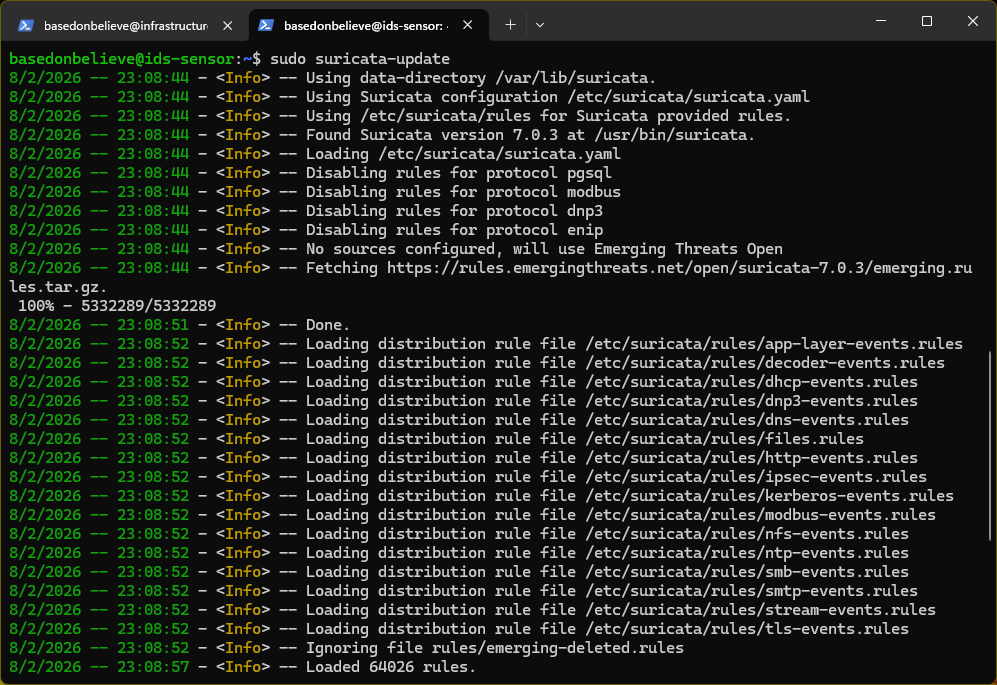
Today, I continued working on my NIDS project and focused on configuring and troubleshooting Suricata. I ran into several challenges that highlighted how fragile IDS visibility can be when misconfigured.
Challenges I encountered:
- My IDS sensor interface was not in promiscuous mode, so it couldn’t see traffic traversing the infrastructure (victim) server.
→ Attacks were happening, but Suricata had no visibility.
- Suricata logs were stored in pretty-printed JSON, which made correlation and CLI parsing with tools like jq harder than with line-delimited JSON.
- I initially bound Suricata to the wrong network interface, so no alerts were generated even though rules were correct.
- My custom SSH detection rule failed due to HOME_NET misconfiguration, causing Suricata to treat the victim as out-of-scope.
- Debugging required repeated restarts and config validation, reinforcing how small misconfigurations can completely break IDS visibility.
Key takeaway:
Today’s work reinforced that an IDS is only effective if:
- It is listening on the correct interface
- It has proper network visibility
- Its logs are usable for analysis
Even when attacks are occurring, detection fails if the sensor cannot see or correctly interpret the traffic.
These challenges gave me hands-on insight into real-world NIDS tuning and troubleshooting, and they set a strong foundation for improving my detection logic and log analysis in the next phase of the project.
Next:
Refine rules, fix logging format, and begin correlating Suricata alerts with attacker activity.
On to Day 39. 🛡️📊
@jay_hunts @ireteeh @segoslavia
#RedTeamer #NIDS #Suricata #SOC #CyberSecurityLab #LearningInPublic #100DaysOfCybersecurity
3
4
9
297

29 Jul 2025
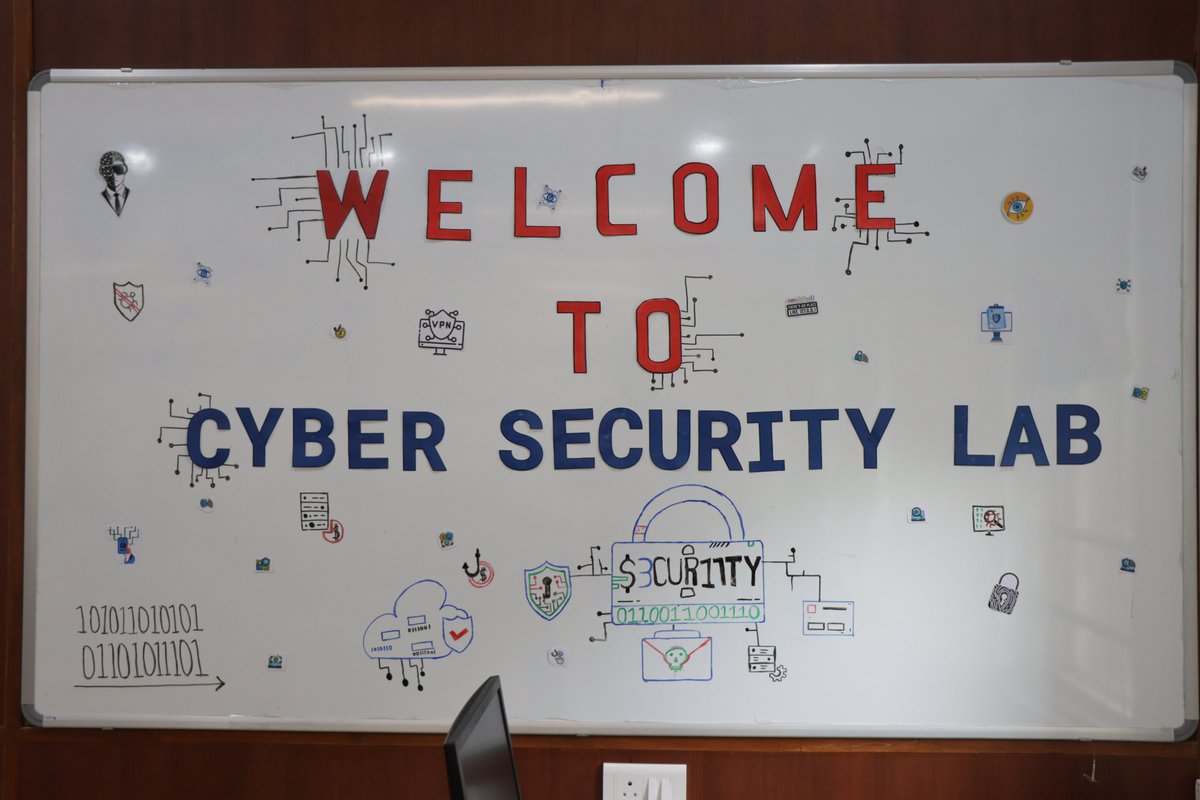
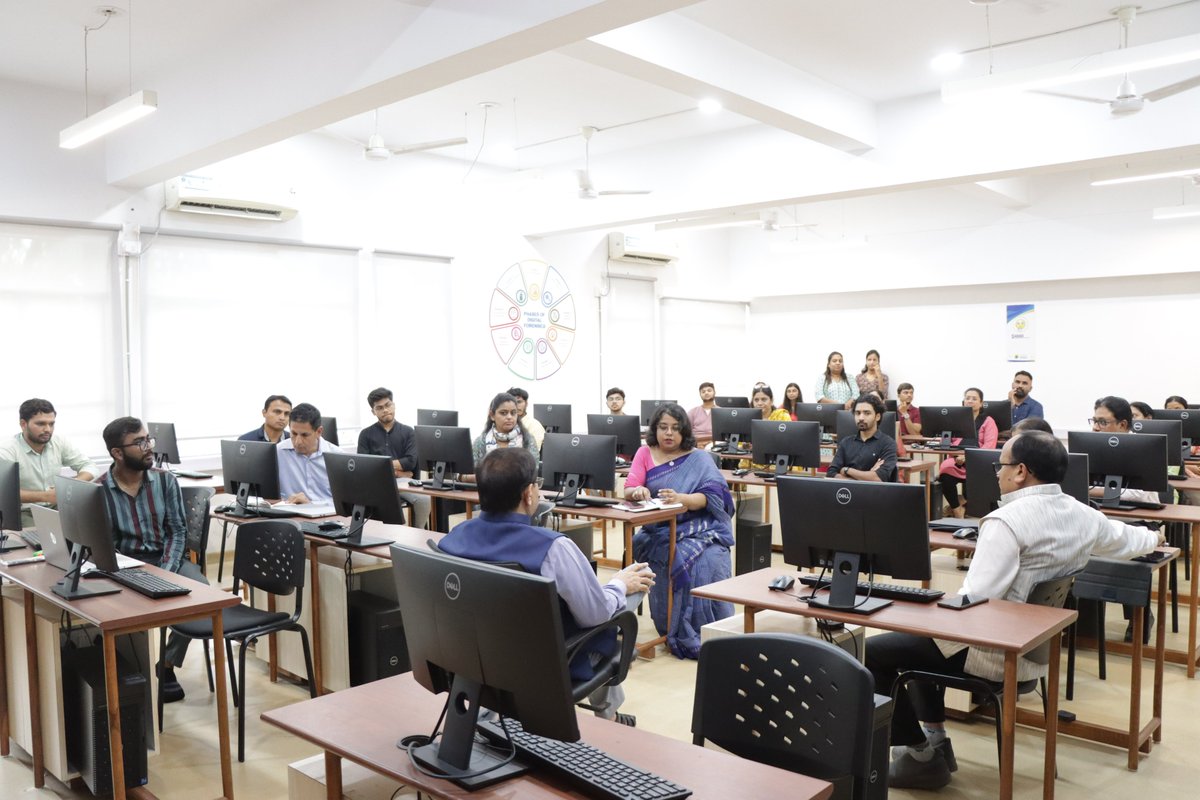
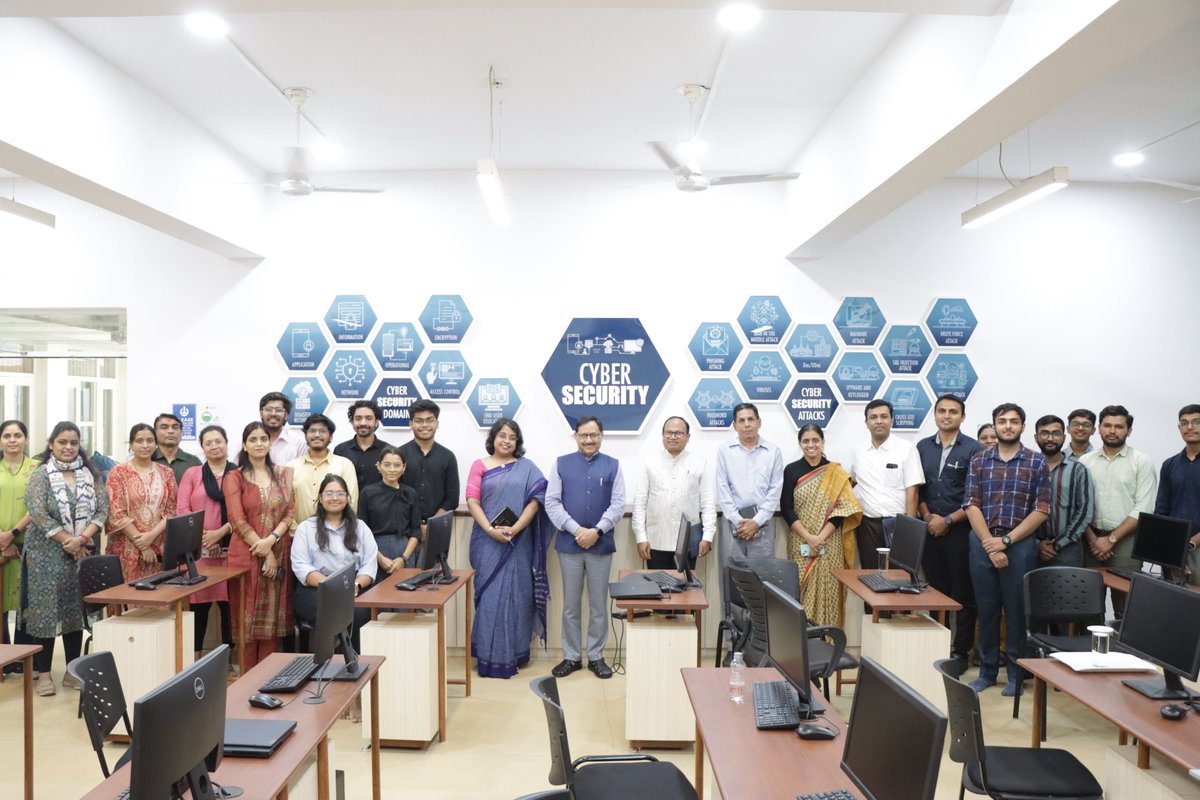
Proud Moment for GSFC University!
Cyber Security Lab Launched – Where Innovation Meets Vigilance
We’re thrilled to unveil the Cyber Security Lab, an ambitious initiative by the Department of Computer Engineering, School of Technology, GSFC University
#CyberSecurityLab

3
59

Cybersecurity virtual lab in VMware Fusion on M1 Mac - Part 7: Setting up Wazuh (SIEM/XDR) on Ubuntu
This walk through covers setting up Wazuh SIEM/XDR unified solution for security monitoring and incident response in a lab environment #CybersecurityLab #Wazuh #SIEM #XDR #EDR
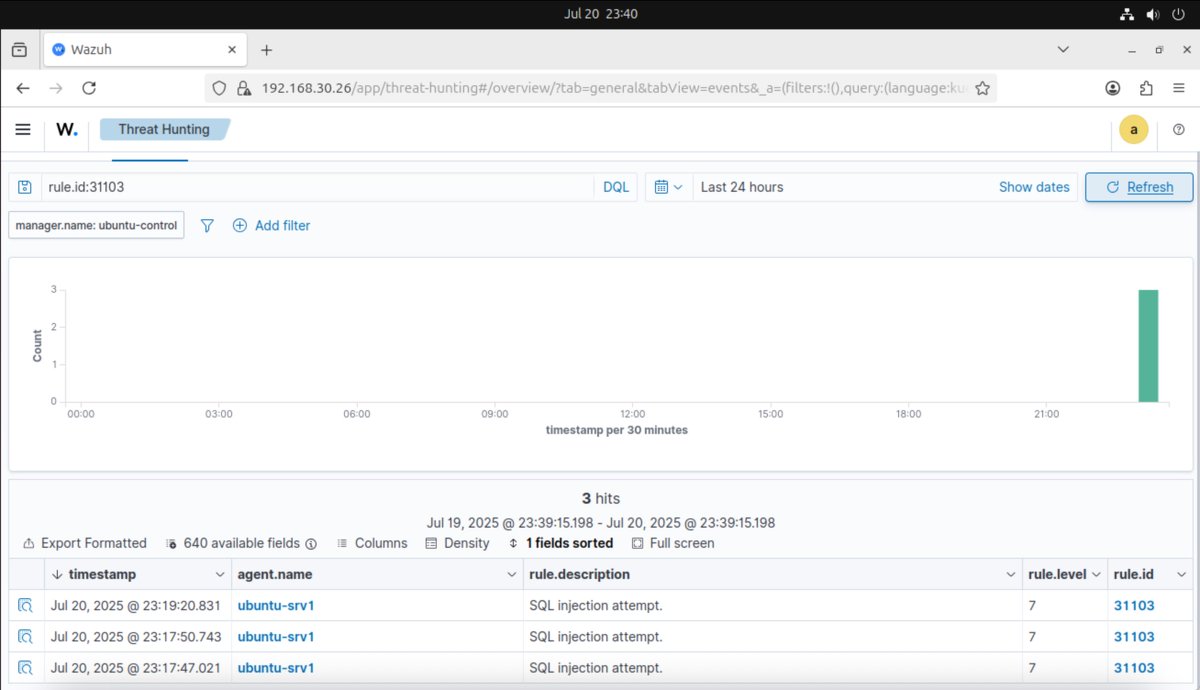
ALT Cybersecurity virtual lab in VMware Fusion on M1 Mac - Part 7
3
146
Cybersecurity virtual lab in VMware Fusion on M1 Mac - Part 6: Setting up MySQL Server on Ubuntu
This walk through covers setting up MySQL Server on Ubuntu 24.04.2 LTS #CybersecurityLab #MySQL
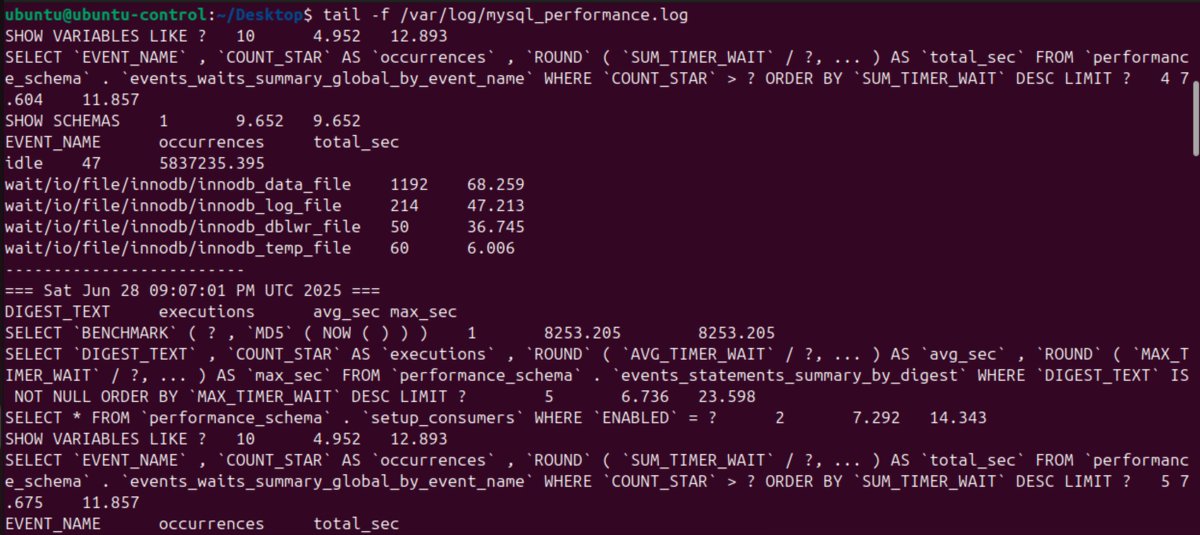
ALT Cybersecurity virtual lab in VMware Fusion on M1 Mac - Part 5
2
106
Cybersecurity virtual lab in VMware Fusion on M1 Mac - Part 5: Setting up Apache HTTP Server on Ubuntu
This walk through covers setting up Apache HTTP Server on Ubuntu 24.04.2 LTS #CybersecurityLab #Apache2 #Apache #HTTPServer
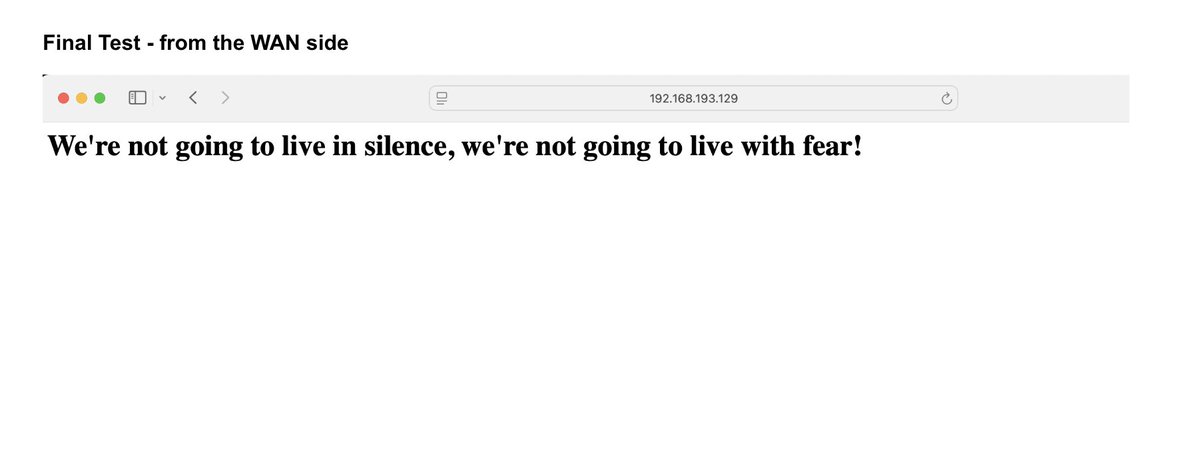
ALT Cybersecurity virtual lab in VMware Fusion on M1 Mac - Part 5
2
103
Cybersecurity virtual lab in VMware Fusion on M1 Mac - Part 4: Configuring Suricata on the Debian IDS/IPS
This walk through covers configuring Suricata in IDS mode on the Debian firewall #CybersecurityLab #Suricata #IDS #IPS
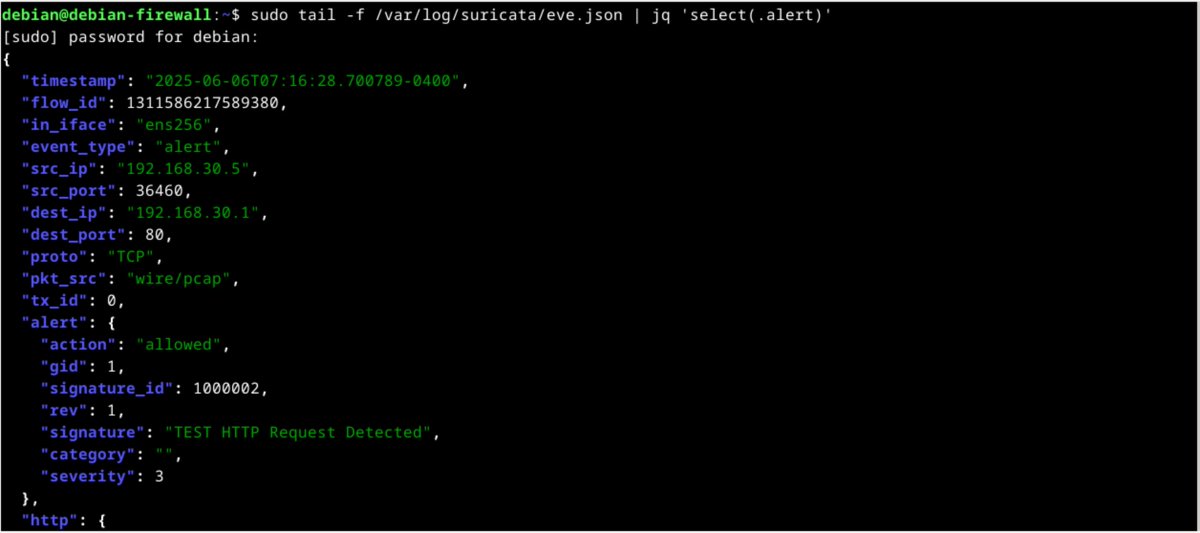
ALT Cybersecurity virtual lab in VMware Fusion on M1 Mac - Part 4
2
96

26 Jun 2025
Here's a 360 tour of Wisconsin International University College's cutting-edge Cybersecurity & Digital Forensics Lab - where the next generation of digital defenders is trained.
#wiuc #CyberSecurityLab #DigitalForensics #tech #360View
2
115
Cybersecurity virtual lab in VMware Fusion on M1 Mac - Part 3: Configuring nftables on the Debian firewall
This walk through covers configuring nftables on the Debian firewall #CybersecurityLab #nftables
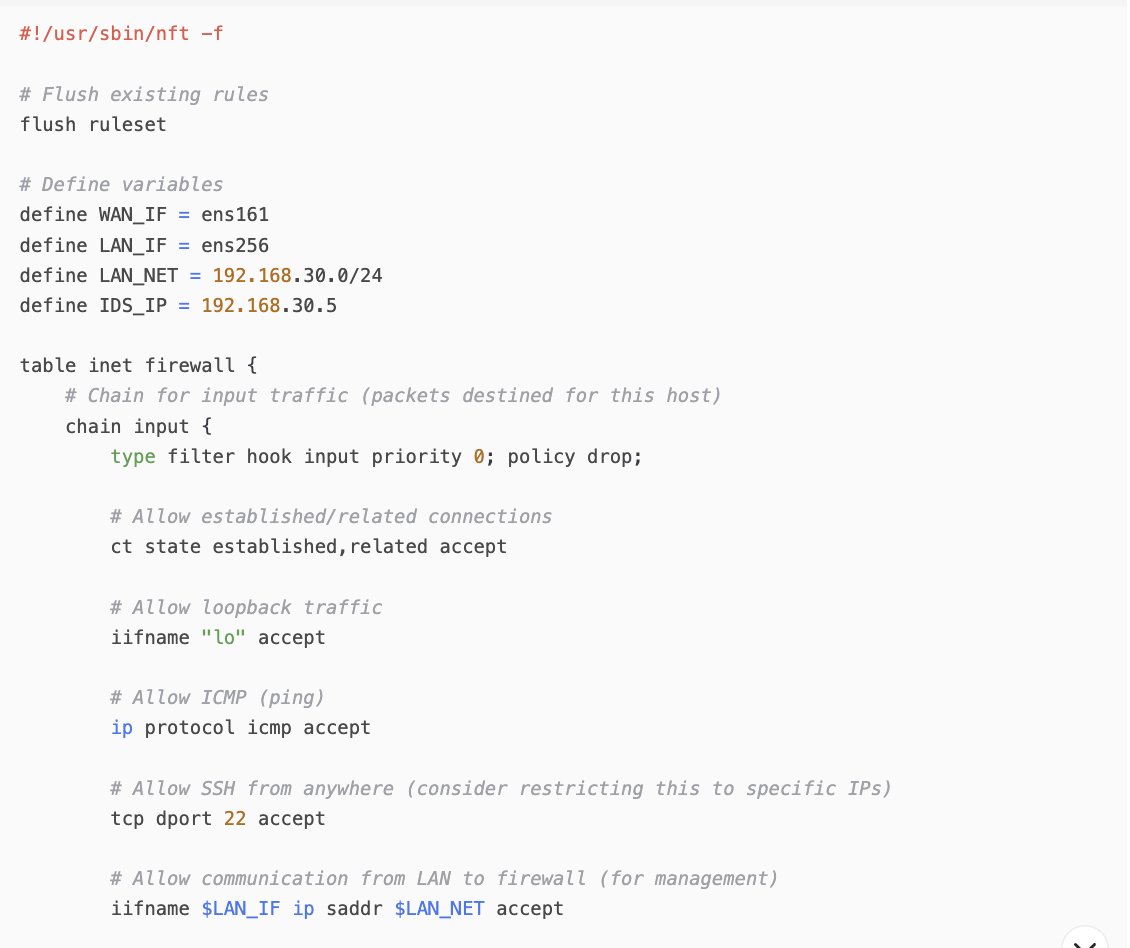
ALT Cybersecurity virtual lab in VMware Fusion on M1 Mac - Part 3
2
112
Cybersecurity virtual lab in VMware Fusion on M1 Mac - Part 2: Testing/troubleshooting network connectivity
This walk through covers configuring firewall NAT rules using the command line and testing/troubleshooting network connectivity #CybersecurityLab #network #troubleshooting
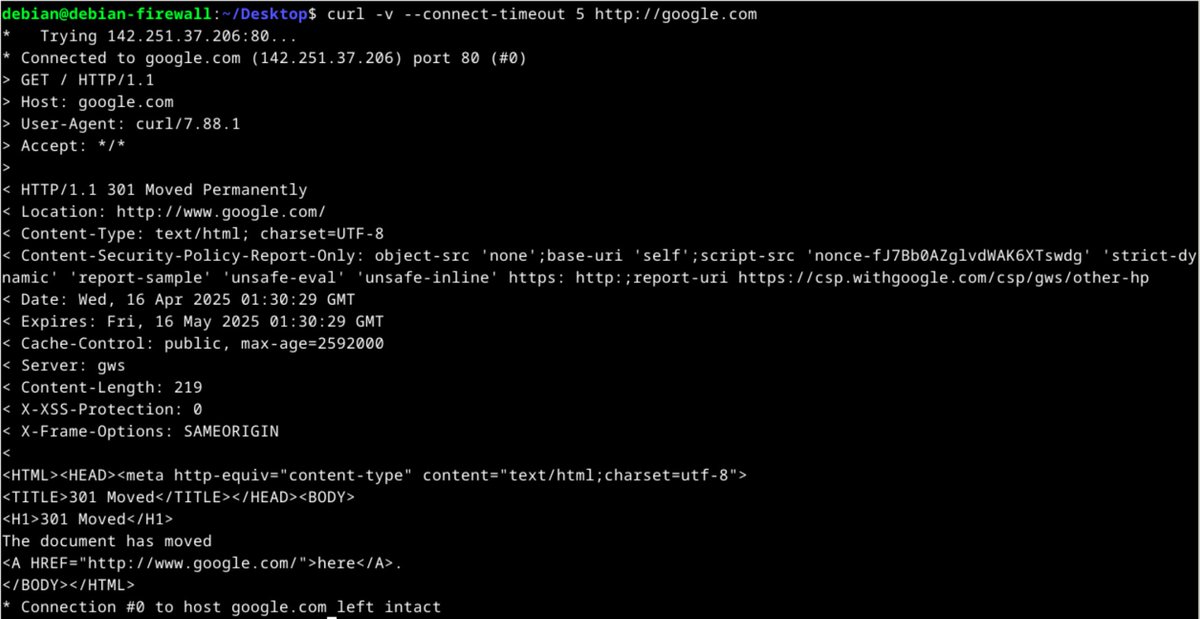
ALT Cybersecurity virtual lab in VMware Fusion on M1 Mac - Part 2
2
86
Cybersecurity virtual lab in VMware Fusion on M1 Mac - Part 1: Lab design and configuring interfaces
This walk through covers the lab design, setting up the VMware Fusion network and virtual switch, and configuring the interfaces of the network devices #CybersecurityLab #VMware
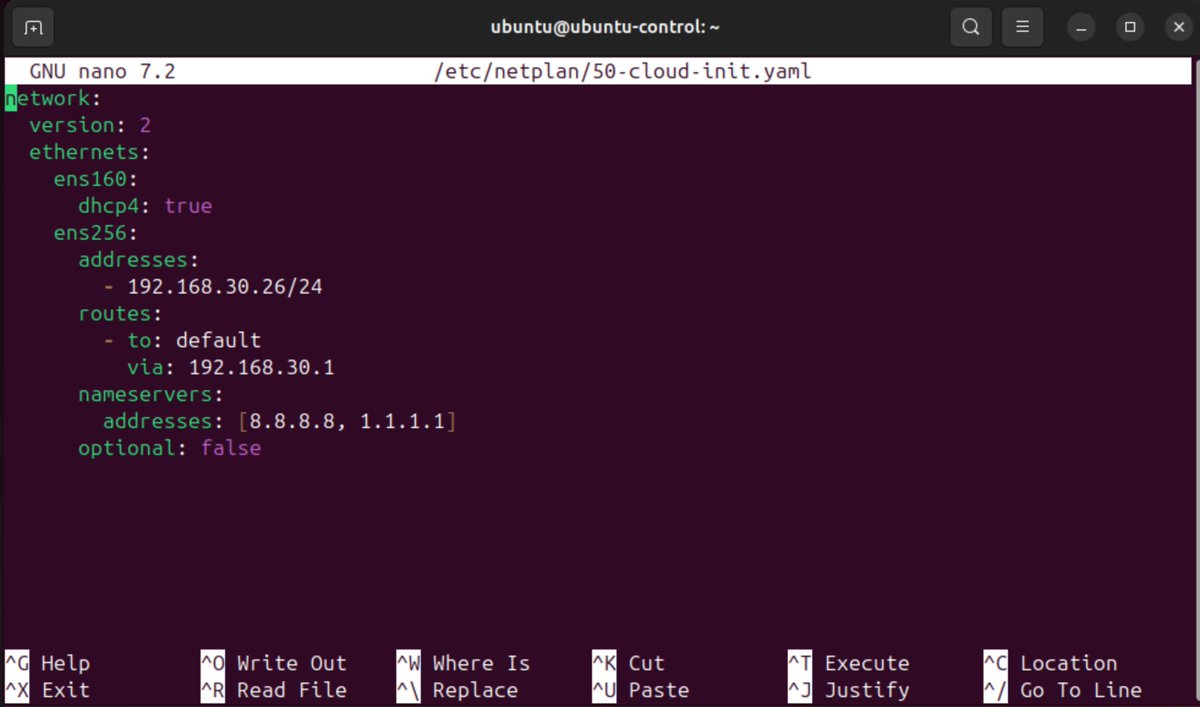
ALT Cybersecurity virtual lab in VMware Fusion on M1 Mac - Part 1
2
78

14 Nov 2024
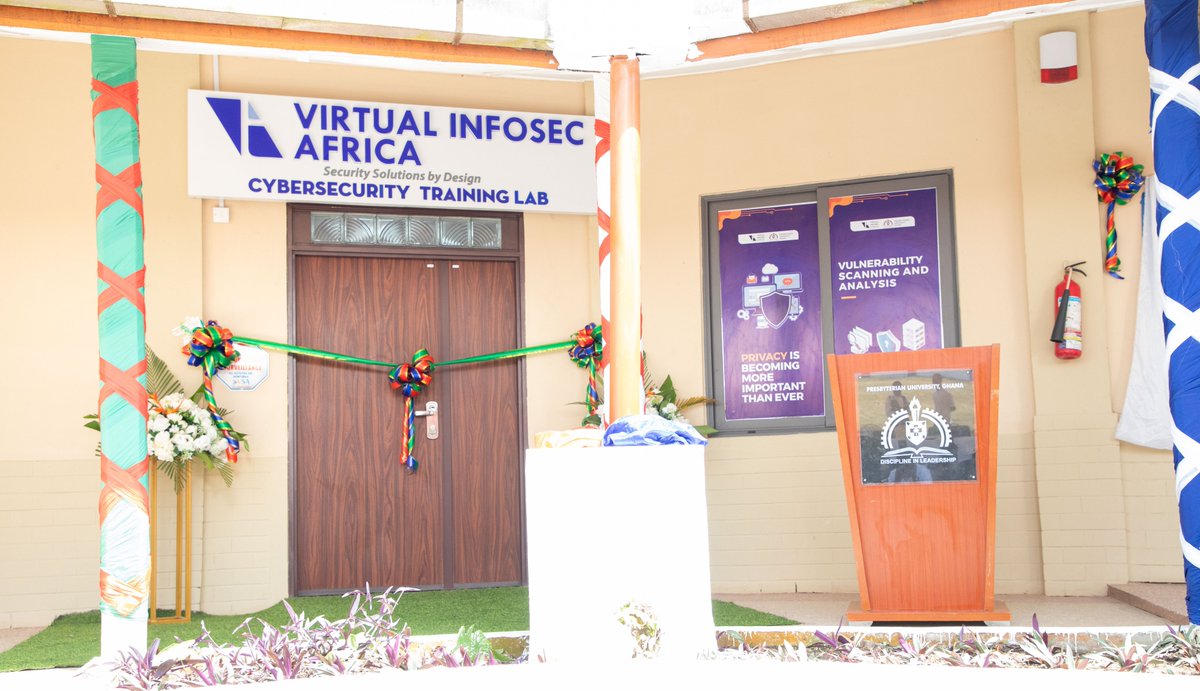
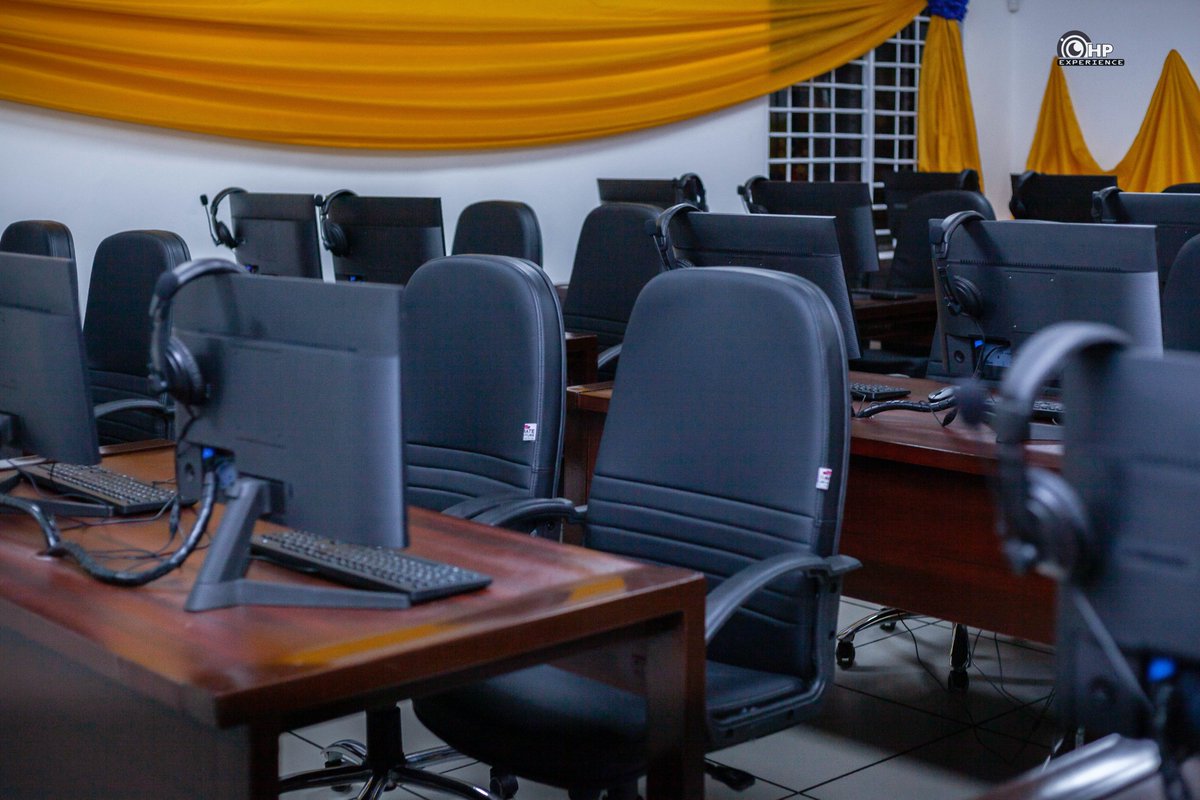
Photo Highlight: The New Cybersecurity Laboratory sponsored by Mr. Emmanuel Sekyere Asiedu, the CEO of Virtual Infosec Africa
Photo Credit: Highest Point Experience
#cybersecurity #cybersecuritylab
#VirtualAfrica
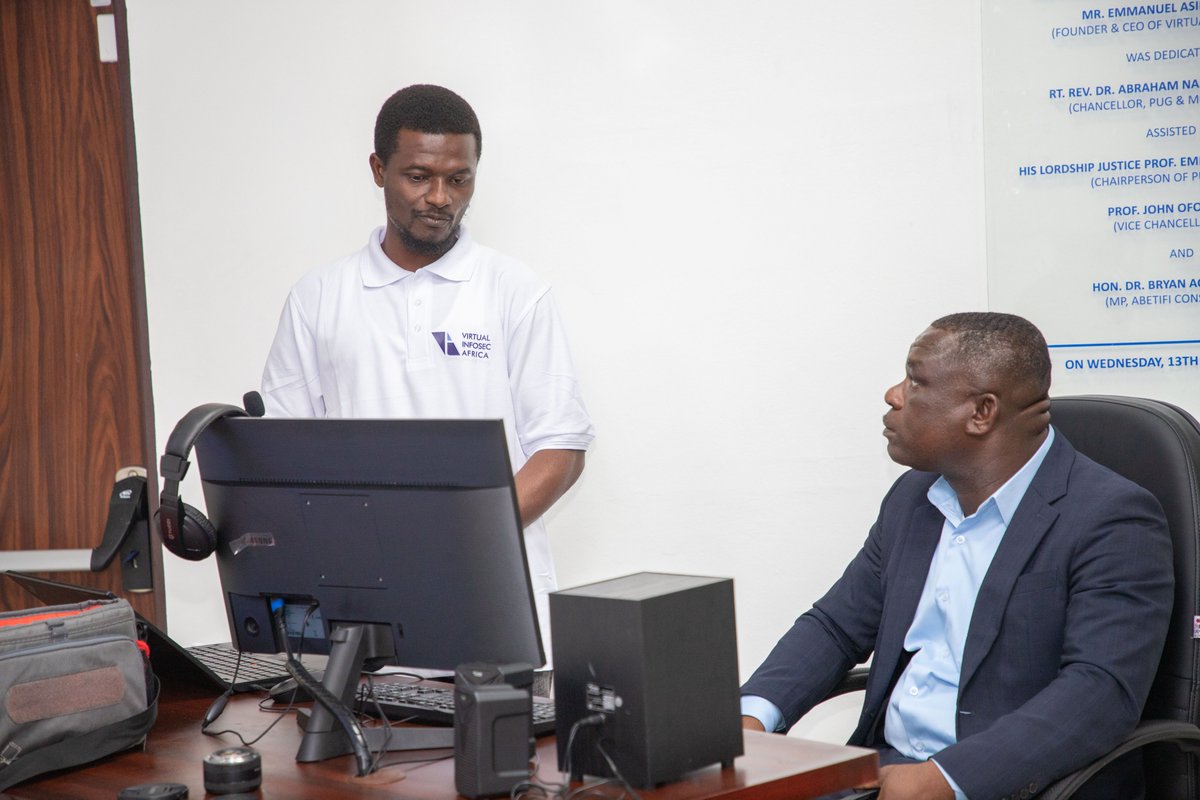

9
194

8 Nov 2023
@STAexcels has a cutting-edge #CybersecurityLab, equipped with the latest tech and simulations. Ready to dive into real-world scenarios, hands-on training, and expert guidance? Join us on the frontlines of digital defense! 💻🛡️ #Cybersecurity #TechInnovation #SecureTheFuture
1
2
36

17 May 2022
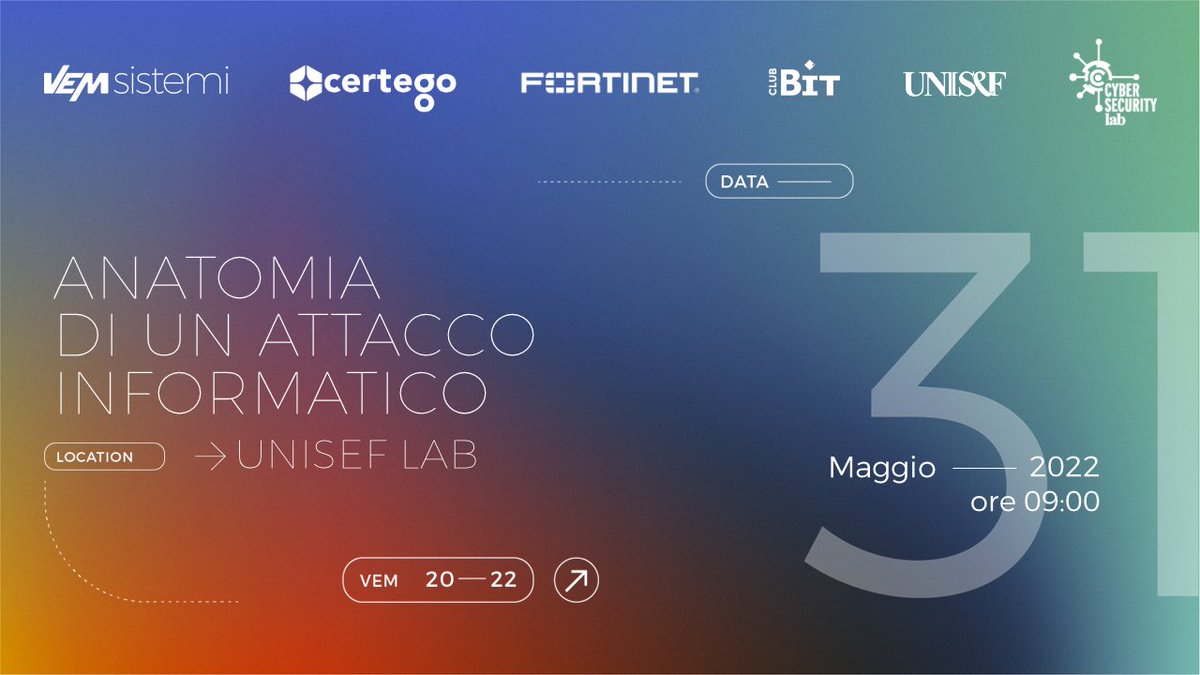
Il 31 maggio non perdere l'appuntamento con l'evento "ANATOMIA DI UN ATTACCO INFORMATICO", organizzato in collaborazione con @Certego_IRT, @Fortinet , #ClubBIT e #CyberSecurityLab, che si svolgerà presso UNIS&F LAB dalle ore 9:00!
vem.com/eventi/anatomia-atta…
1
1

18 Jan 2022
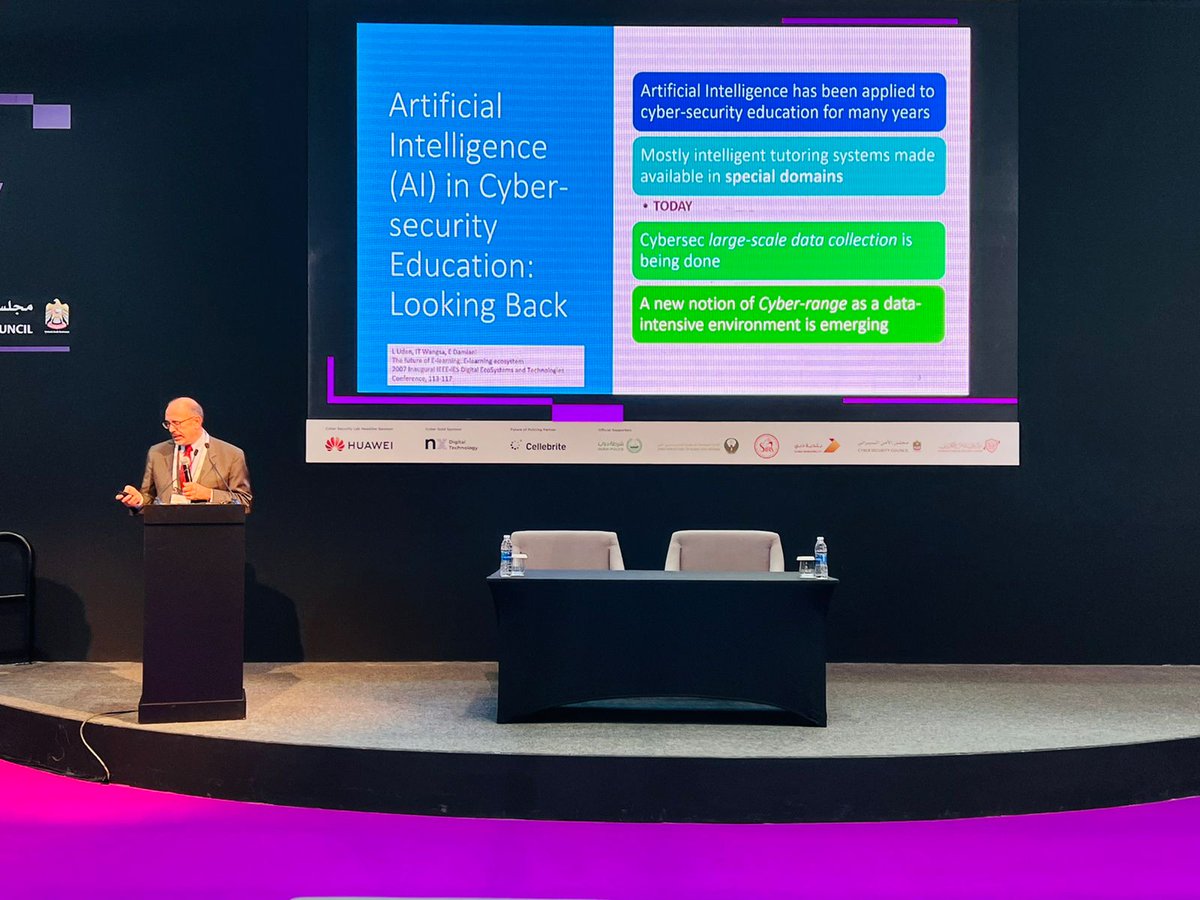
Live from "Research Driven Education in Cybersecurity" as part of #CyberSecurityLab at #Intersecexpo with the speaker Dr. Ernesto Damiani, Khalifa University Center for Cyber Physical Systems (C2PS) & Professor, Electrical Engineering and Computer Science, Khalifa University
1

14 Jan 2022
CYBERSECURITY LAB @ INTERSEC 2022
Monday 17/01/2022 I will be speaker at #CyberSecurityLab @ #Intersec2022 talking about the role of #CyberSecurity in reducing the #gendergaps.
intersec.ae.messefrankfurt.c…
@Intersecexpo #paneldiscussion #sofiascozzari #hackmanac

2
2

10 Nov 2021
Being a part of a community feels good, but being a part of Nasscom makes it even more exciting. Expecting a lot of fruitful days with Nasscom
#nasscom #nasscomcommunity #cybersecurity #vulnerability #security #it #informationtechnology #wattlecorp #cybersecuritylab #kozhikode

4

28 Oct 2021
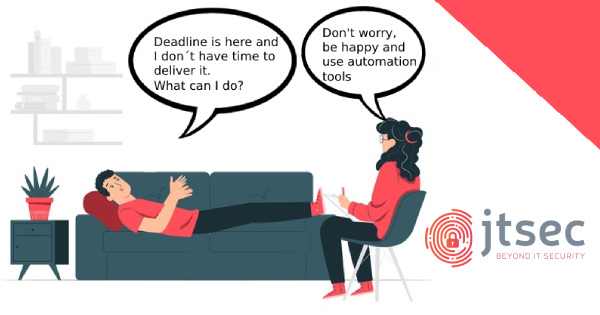
Increase speed 🚀 of obtaining #certification in order to comply with the time to market of the #ICT products is one of the major challenges ahead.
Is #automation the future?
#jtsec #ICCC21 #Commoncriteria #cybersecuritylab #cybersecuritystandard
jtsec.es/blog-entry/99/is-au…
1
2

12 Oct 2021
Es ist @CyberSecMonth. Bei Reply sind wir bereit: Entdecke unser neuestes #CybersecurityLab powered by #SpikeReply! Entdecke, wie sich Unternehmen heute gegen Cyberangriffe wappnen müssen und vereinbare einen Besuch: bit.ly/CybersecurityLab_TWDE
#CyberSecMonth
1
2