
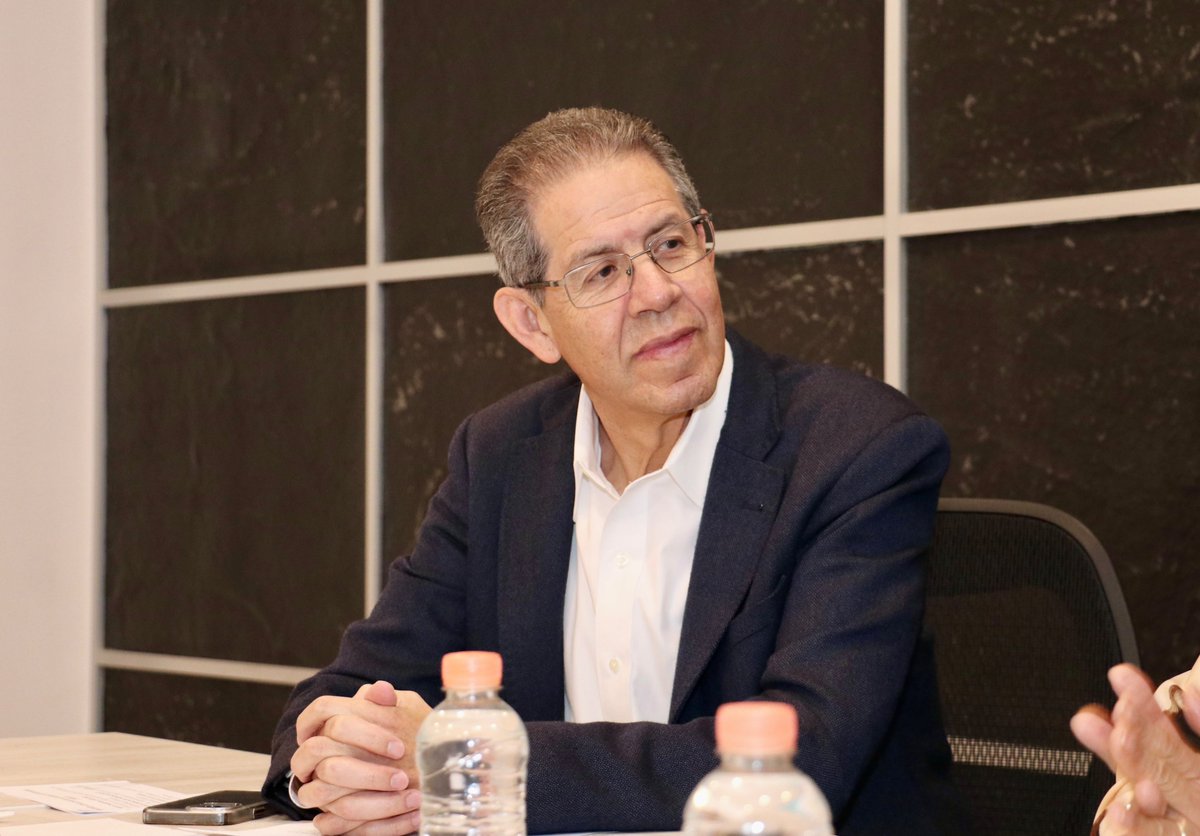
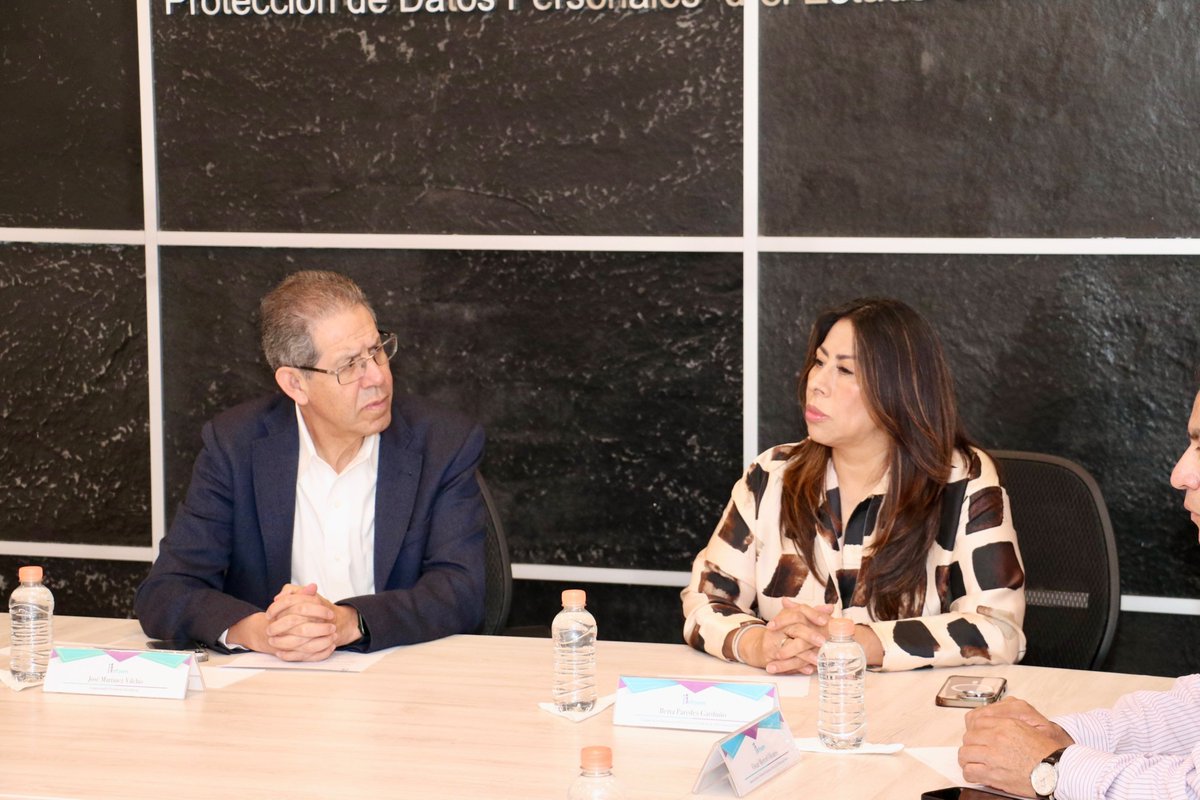
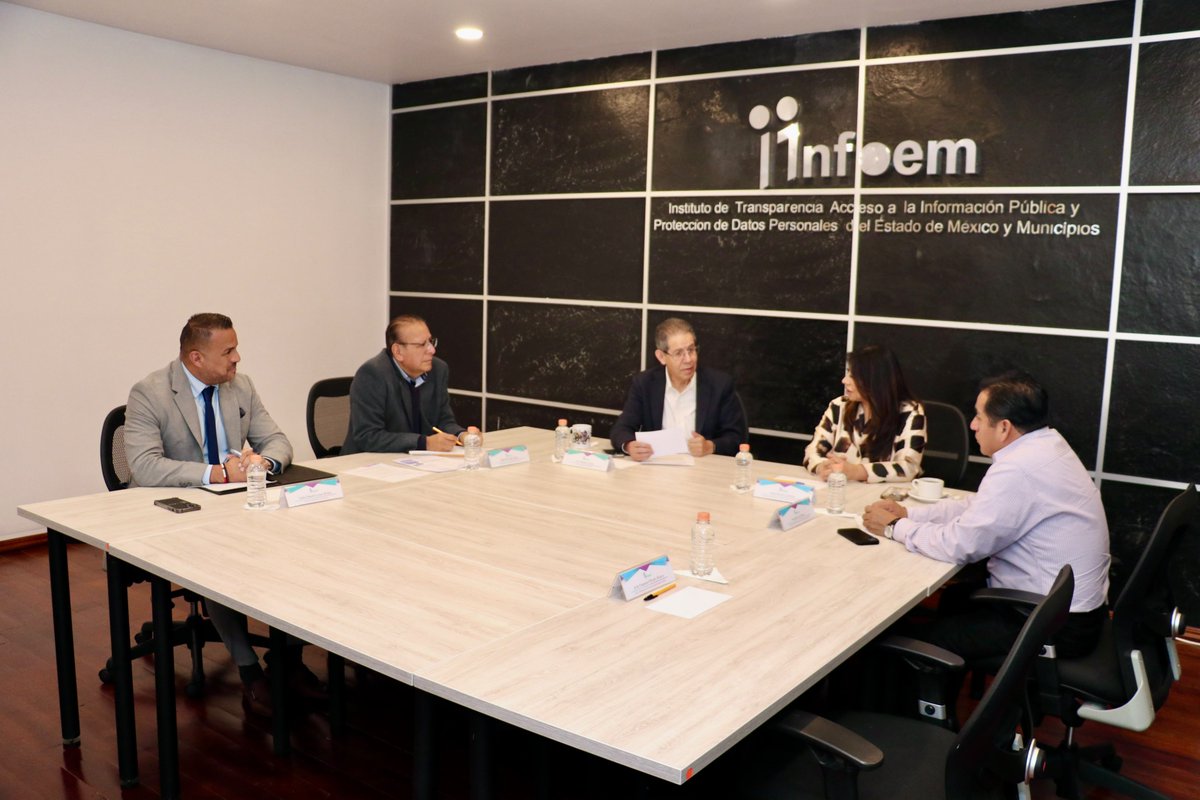
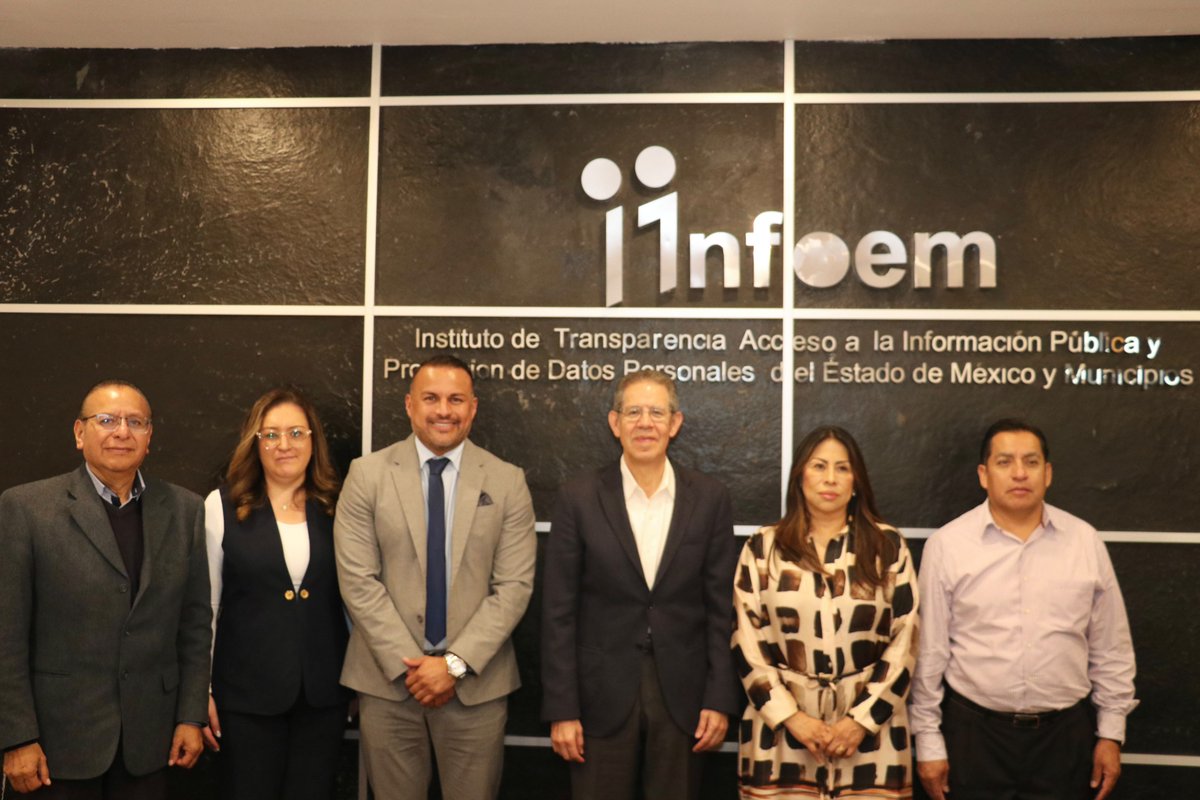
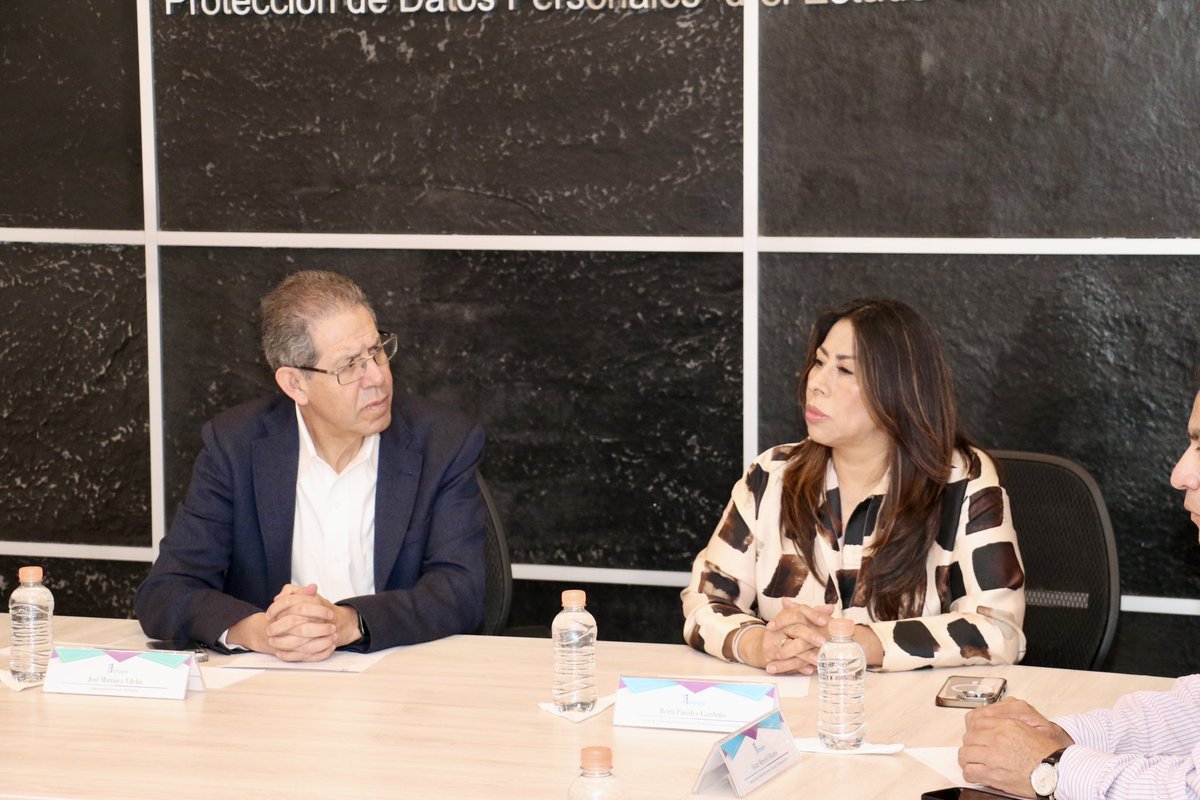
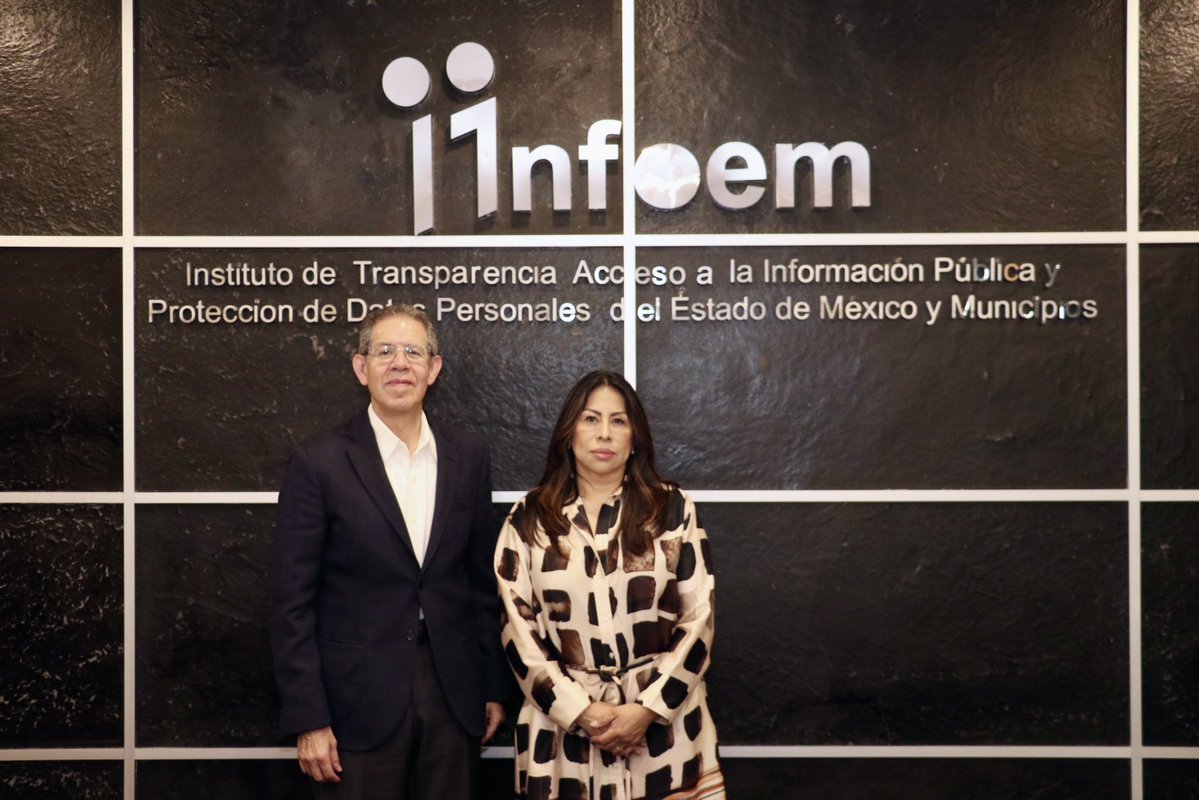
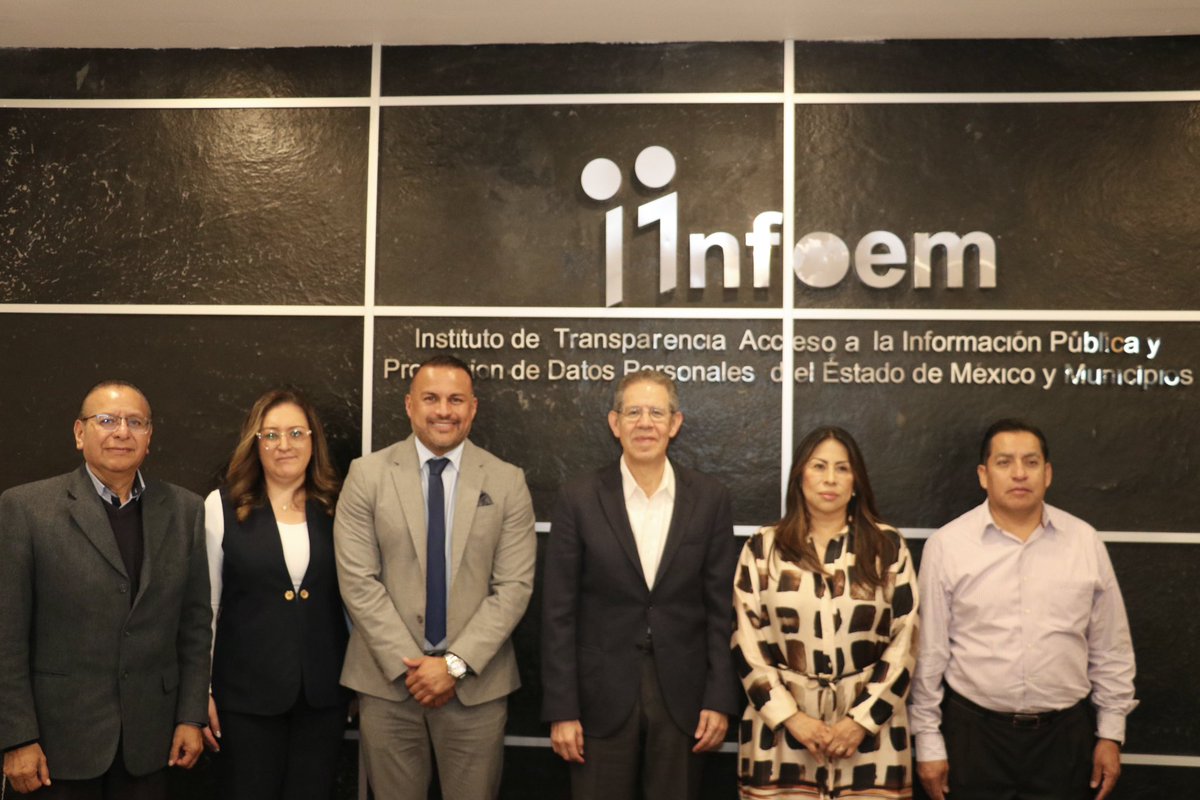
Sostuve una reunión de trabajo con Berta Paredes Garduño, quien es Delegada del @IFDPedomex; abordamos la posibilidad de fortalecer la difusión y visualización ciudadana sobre la labor que hace el @defensoriaifdp en nuestra entidad, a través del #DAIP.
1
18

Este lunes, el Comisionado Presidente @josemvilchis sostuvo una reunión de trabajo con Berta Paredes Garduño, Delegada del @IFDPedomex; jornada en la que se abordó la manera de fortalecer, a través del #DAIP, la labor que realiza el @defensoriaifdp en nuestra entidad.
1
48

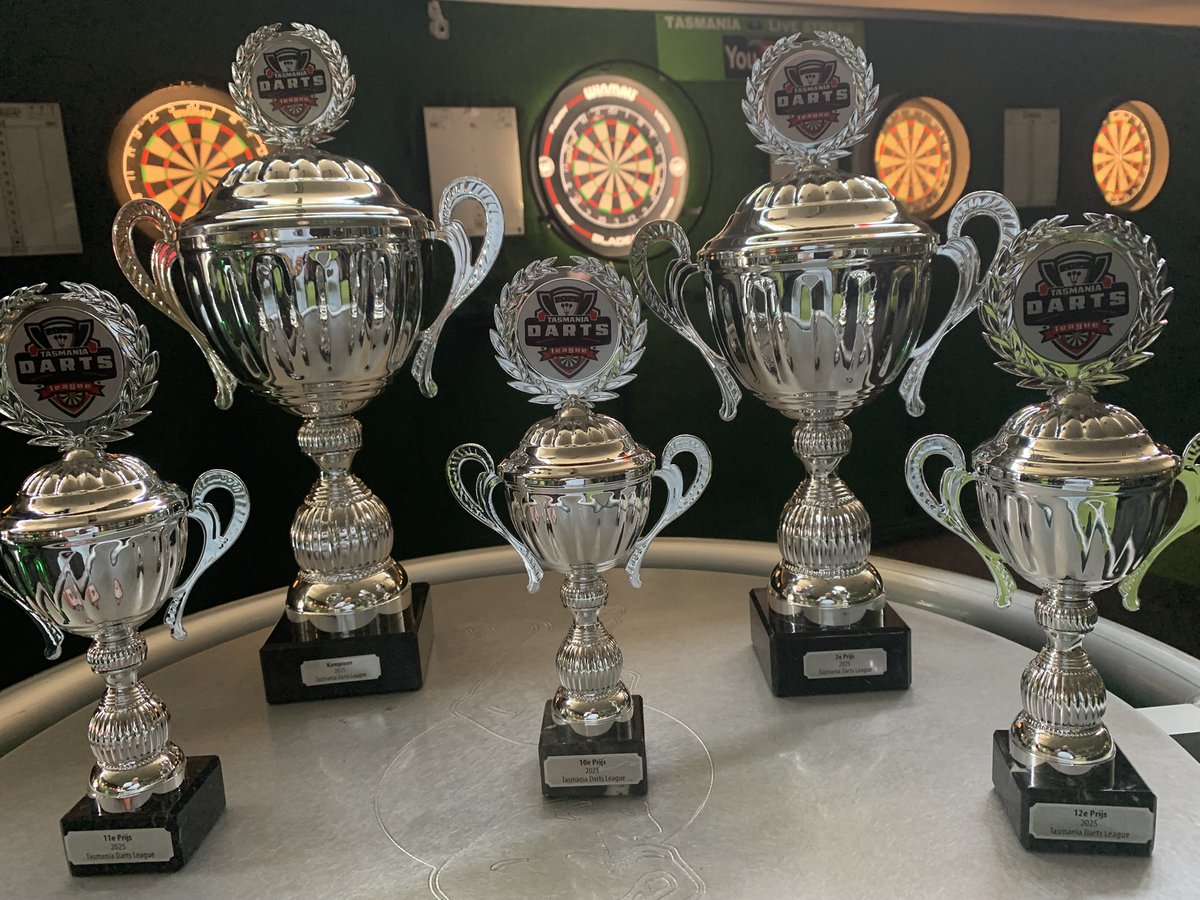
Deze week, de laatste speelronde van de Tasmania Darts League.
Alle teams, veel succes!
Maandag,
DTVG - No Cylinder, baan 3-4-5
Dinsdag ,
Team Aine - Piethoane, baan 1-2
Niet Gek - Ontspoord, baan 3-4-5
No Cylinder - Daip dr in, baan 6-7-8
Game on! 🎯
#bezoektasmania
1
14
darts programma, deze week:
- laatste week om wedstrijden voor de Tasmania Darts League competitie te spelen -
Maandag,
DTVG - No Cylinder, baan 3-4-5
Dinsdag ,
Team Aine - Piethoane, baan 1-2
Niet Gek - Ontspoord, baan 3-4-5
No Cylinder - Daip dr in, baan 6-7-8
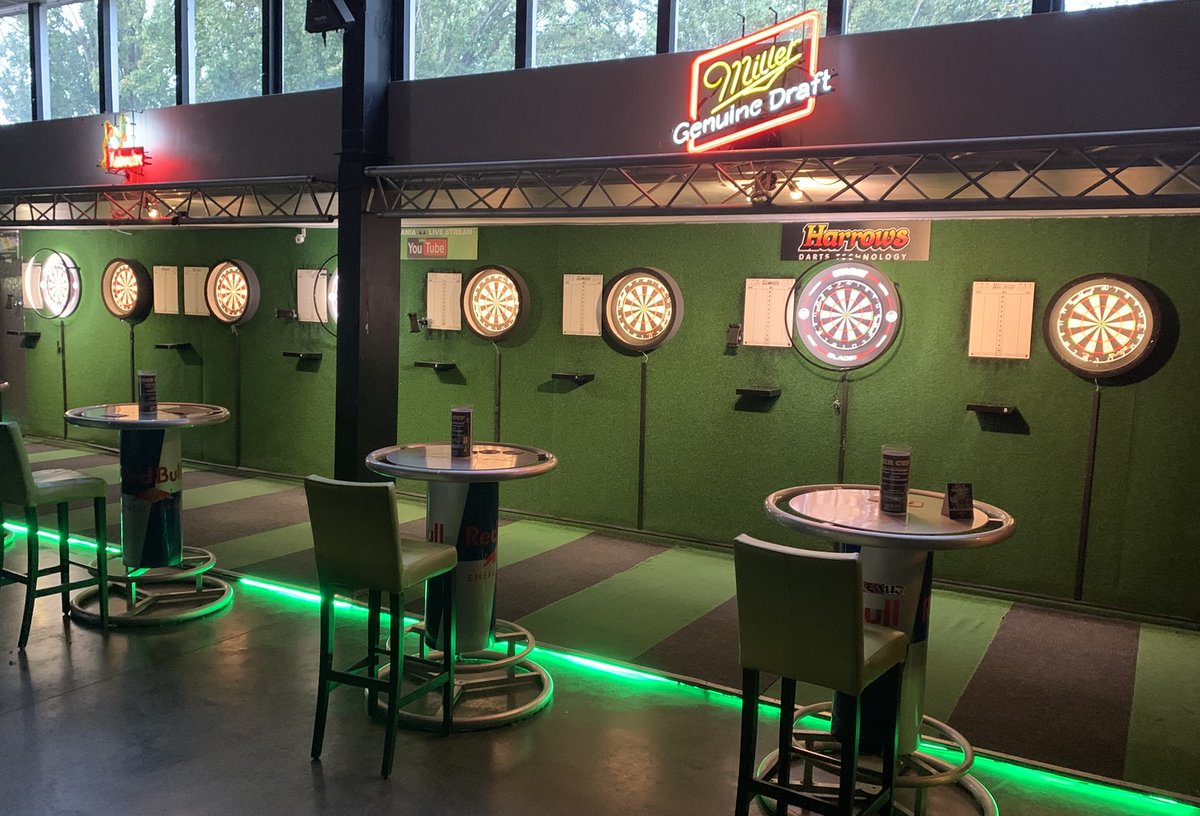
20


#DU teacher finds his #PhD data in another faculty member’s thesis; #plagiarism row exposes blind spot in university library
#CVS #CollegeofVocationalStudies #DelhiUniversity #DAIP #UGC
timesofindia.indiatimes.com/… via @timesofindia
1
2
4
346
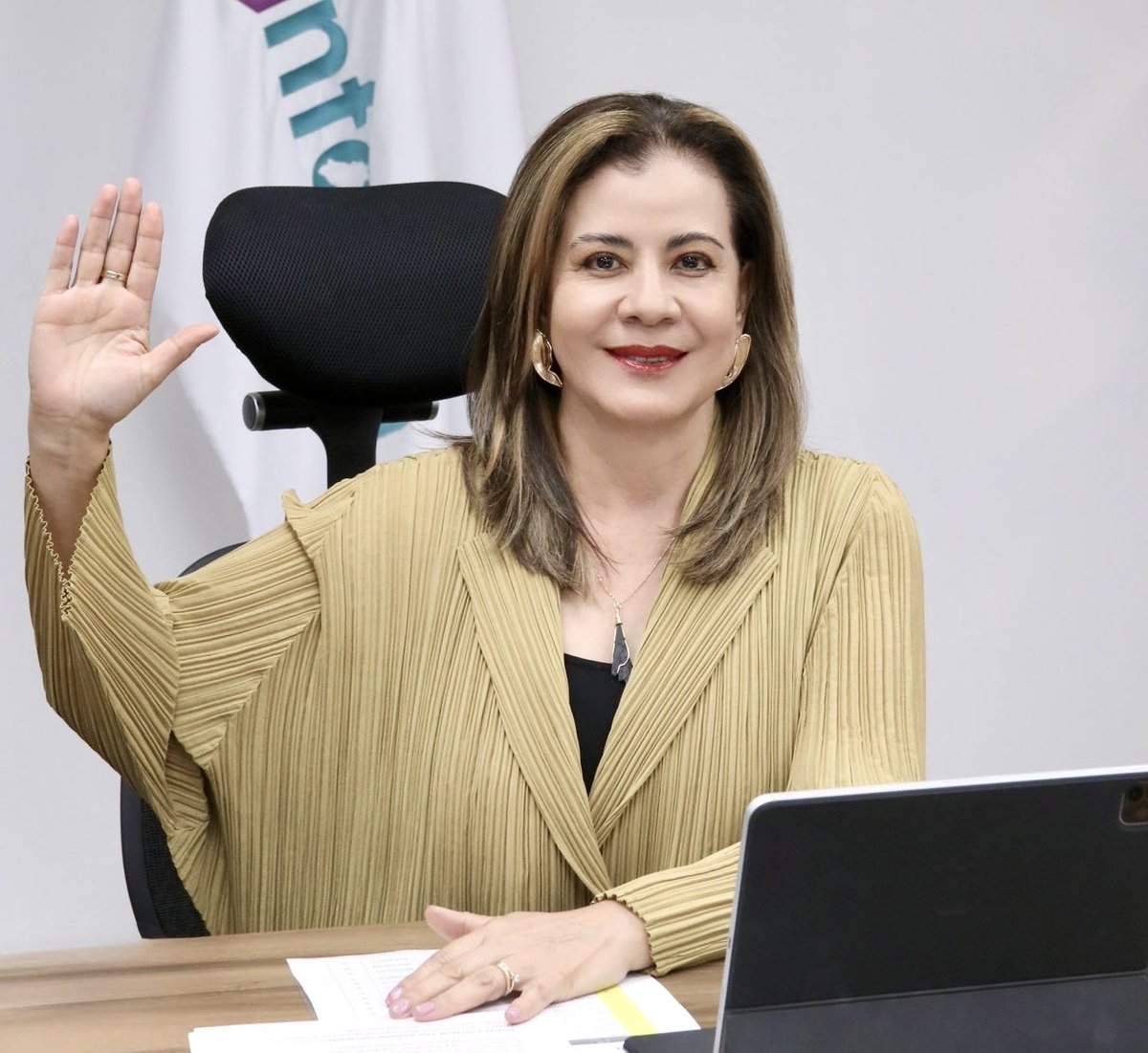
La Comisionada @RosarioMejiaAya emitió voto disidente; ya que considera el #DAIP debe ejercerse de manera adecuada y respetuosa, sin que bajo el pretexto de la #Libertad de #Expresión se formulen los requerimientos mediante expresiones insultantes o denigrantes a los #SSPP.
1
1
1
36
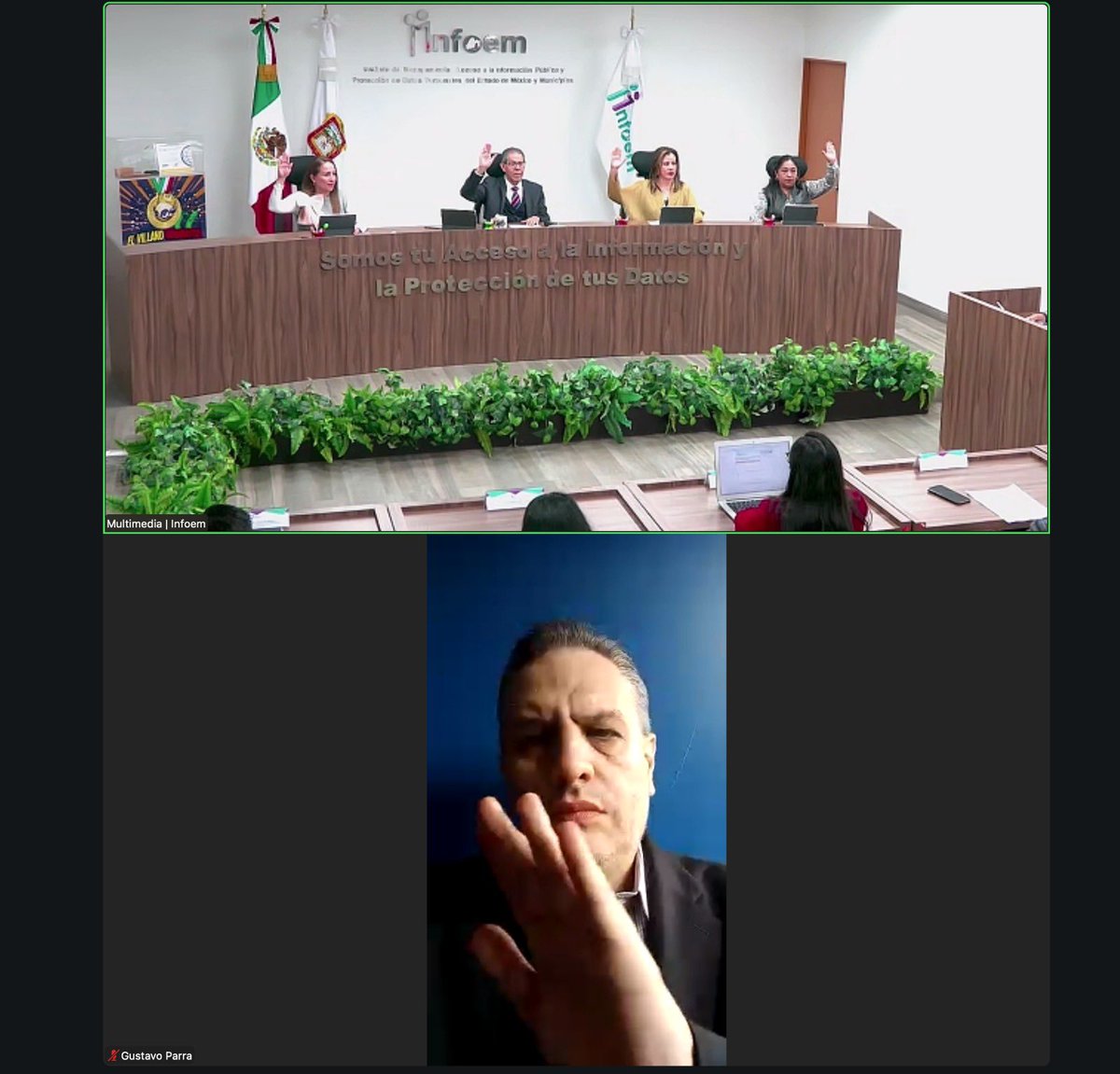
El Comisionado @lgparranoriega sostuvo que el #RR, al constituir un mecanismo de tutela del #DAIP, no debe sujetarse a formalismos excesivos; basta con que la persona recurrente exprese de manera clara la inconformidad o afectación que le genera la respuesta impugnada.
1
1
29

Jun 11
Corporate employee annual physical examination arranges comprehensive body index inspection early disease screening health consulting and personalized daiP世界杯G电子ly health improvement advice f双赢彩票or all wo开云体育rking staff members.
TMsm7gH
🍀 🎉 💝 🥰 🙌
6

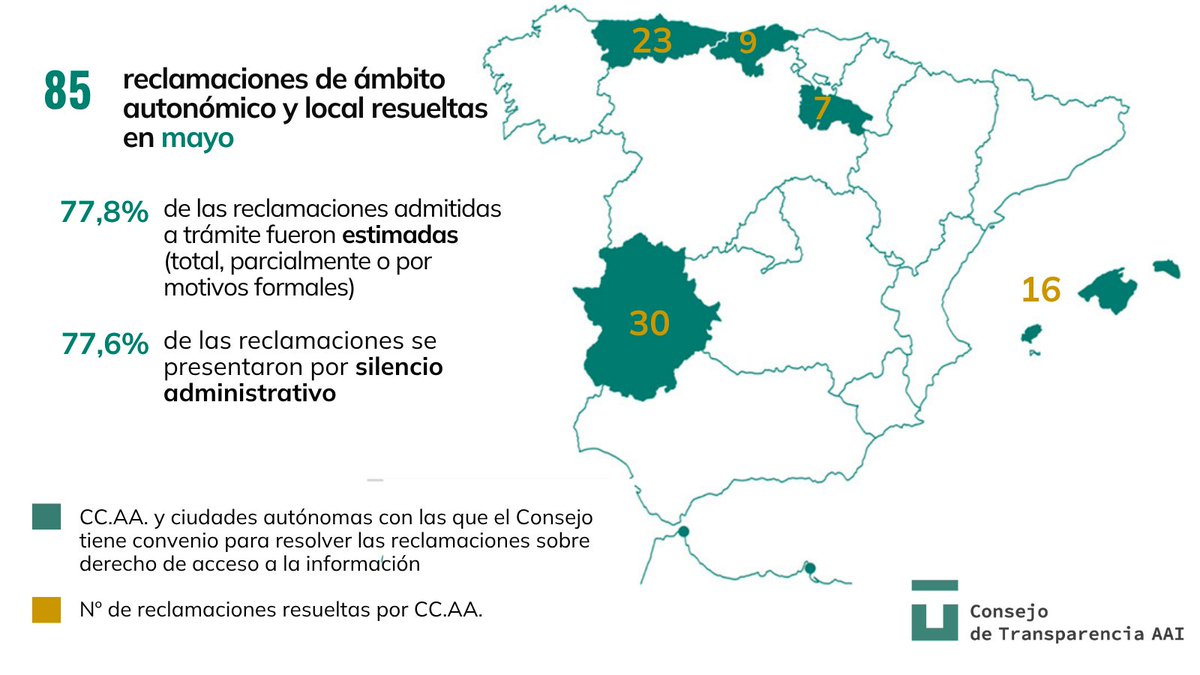
🟠Acabamos de publicar las 85 resoluciones que hemos dictado en mayo sobre reclamaciones de acceso a #InformaciónPública de ámbito autonómico y local.
👉Consúltalas en este enlace:
consejodetransparencia.es/re…
#Transparencia #DAIP #DerechoDeAcceso
6
12
929

今月は、Daipさんのお話し会😍
お悩みがある人集合ーーーーーーっ

6月28日(日曜日)
東京浅草で『気づきの扉』勉強会の参加者募集します😊✨
1️⃣実生活での悩み、『仕事、会社、転職、家庭、夫婦、親子、生きづらさ、孤独、』などの原因を突き止めそれを解いていくのが目的の勉強会
2️⃣より日常生活に活かせる話し。
生きる目的、意味を理解する。
見えない世界、神と繋がることがこれから最も重要になってくる。
3️⃣この勉強会では見えない世界、神さまを知り理解することで自分を知りこの世界を理解するようになれることを目的とします。
4️⃣人間の悩み苦しみ幸せは結局のところ自分が神であることを忘れたところから始まっているのです。
ホワイトボードで沢山説明しますので当日はノート筆記用具を持参してもらうと良いと思います。
今までのお話し会とは違ってホワイトボードを沢山活用します。毎回その場の雰囲気、周波数で降りてくる話しが変わりますから一期一会となりますのでよろしくお願い致します。
全ての悩み苦しみ人生の答えなどは『気づき』がなければ始まりません。
この勉強会で少しでも気づきを得られますようお話しさせて頂きます🙏
場所は
浜田ブリトニーさん@bri47haの新しいお店📍CAFEオカオカ
東京都台東区花川戸1丁目13-13です。
✅お店は前とは違う場所になります。
お店が
お忙しい中、ブリトニーさんからお声かけいただきました。有難うございます。
受付
12時45分〜
『気づきの扉』勉強会
13時30分〜15時30分
感想文、質疑応答
15時30分〜16時45分
お店で懇親会
17時から19時まで
会費
6000縁+ワンドリンク制【会費とドリンクは別】
(会場に入る前1Fのお店でドリンク購入して入場してください)
懇親会
オードブル&飲み放題3500縁と
オードブル&ワンドリンク2000縁
どちらか選べます。
1階のお店でワンドリンク購入して頂き3階に上がって頂きお話し会。
(勉強会中、一階で飲み物、ドーナツを買ってもOK)
(懇親会参加の方のみ)
勉強会の後に2階に移動して懇親会
質疑応答は当日何を質問していいか頭の中が真っ白になって後から思い出す方が結構いらっしゃいますからあらかじめ質問をメモに書いておかれたらいいかもです。
一期一会で次は逢えないかもしれませんから、なるべく一人一人の質問にお答えしたいと思っていますので是非質問など書いておかれると嬉しいです。(懇親会でも質問OKです)
参加希望の方は
僕か、みるふぃーゆ@Milky1133に
DMかコメントで参加希望と書いてください。
✅懇親会⭕️か❌かも教えて下さい。
皆さんとお会いできるの楽しみにしてます☺️✨
DaiFit




2
2
30
4,459

May 24
El personal del DAIP* – como el terapeuta que insistía en que era un problema de control de la ira, o el juez que quería verlo como un problema de alcohol, o el abogado defensor que argumentaba que era un problema de esposa defectuosa
1
3
16
544

... the assumption that DV is necessarily consciously motivated by power.
MRAs ignore the remainder of the chapter and the book, as it’s clear from these that Pence and Sheppard are arguing for and exploring the Duluth model (the DAIP), not abandoning it as you fantasise.
1
3
100

May 23
Yes, Ellen Pence, creator of Duluth herself, recanted her study and the model in 1999:
“By determining that the need or desire for power was the motivating force behind battering, we created a conceptual framework that, in fact, did not fit the lived experience of many of the men and women we were working with. Like those we were criticising, we reduced our analysis to a psychological universal truism. The DAIP* staff – like the therapist insisting it was an anger control problem, or the judge wanting to see it as an alcohol problem, or the defence attorney arguing that it was a defective wife problem – remained undaunted by the differences in our theory and the actual experiences of those we were working with. We all engaged in ideological practices and claimed them to be neutral observations.*Domestic Abuse Intervention Programme
I found that many of the men I interviewed did not seem to articulate a desire for power over a partner. Although I relentlessly took every opportunity to point out to the men in groups that they were so motivated and merely in denial, the fact that few men ever articulated such a desire went unnoticed by me and many of my co-workers. Eventually we realised that we were finding what we had predetermined to find.”
Ellen Pence,Duluth Creator, in Coordinating Community Responses to Domestic Violence: Lessons From Duluth and Beyond, p. 1999
And yet every dv org uses it as truth, and uses Patriarchal Theory as the root of IPV.
5
41
166
4,494
May 23
“By determining that the need or desire for power was the motivating force behind battering, we created a conceptual framework that, in fact, did not fit the lived experience of many of the men and women we were working with. Like those we were criticising, we reduced our analysis to a psychological universal truism. The DAIP* staff – like the therapist insisting it was an anger control problem, or the judge wanting to see it as an alcohol problem, or the defence attorney arguing that it was a defective wife problem – remained undaunted by the differences in our theory and the actual experiences of those we were working with. We all engaged in ideological practices and claimed them to be neutral observations.*Domestic Abuse Intervention Programme
I found that many of the men I interviewed did not seem to articulate a desire for power over a partner. Although I relentlessly took every opportunity to point out to the men in groups that they were so motivated and merely in denial, the fact that few men ever articulated such a desire went unnoticed by me and many of my co-workers. Eventually we realised that we were finding what we had predetermined to find.” Ellen Pence,Duluth Creator, in Coordinating Community Responses to Domestic Violence: Lessons From Duluth and Beyond, p. 1999
5
71

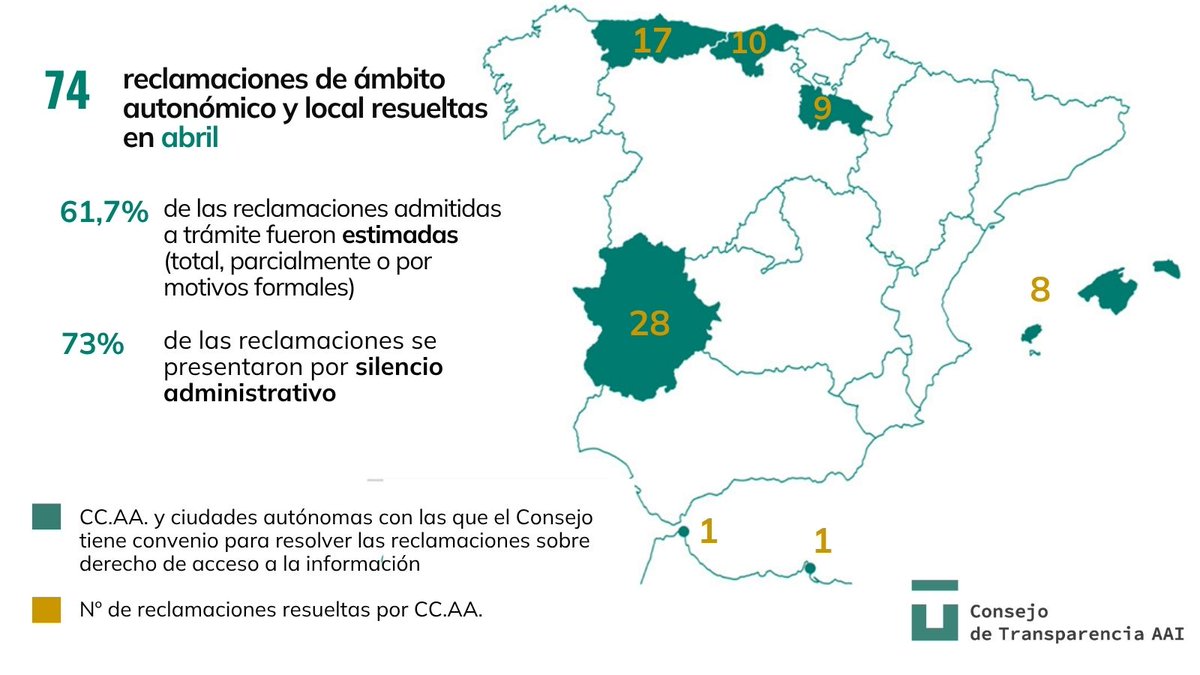
🟠Acabamos de publicar las 74 resoluciones que hemos dictado en abril sobre reclamaciones de acceso a #InformaciónPública de ámbito autonómico y local.
🔍Consúltalas en este enlace:
consejodetransparencia.es/re…
#Transparencia #DAIP #DerechoDeAcceso
2
4
469

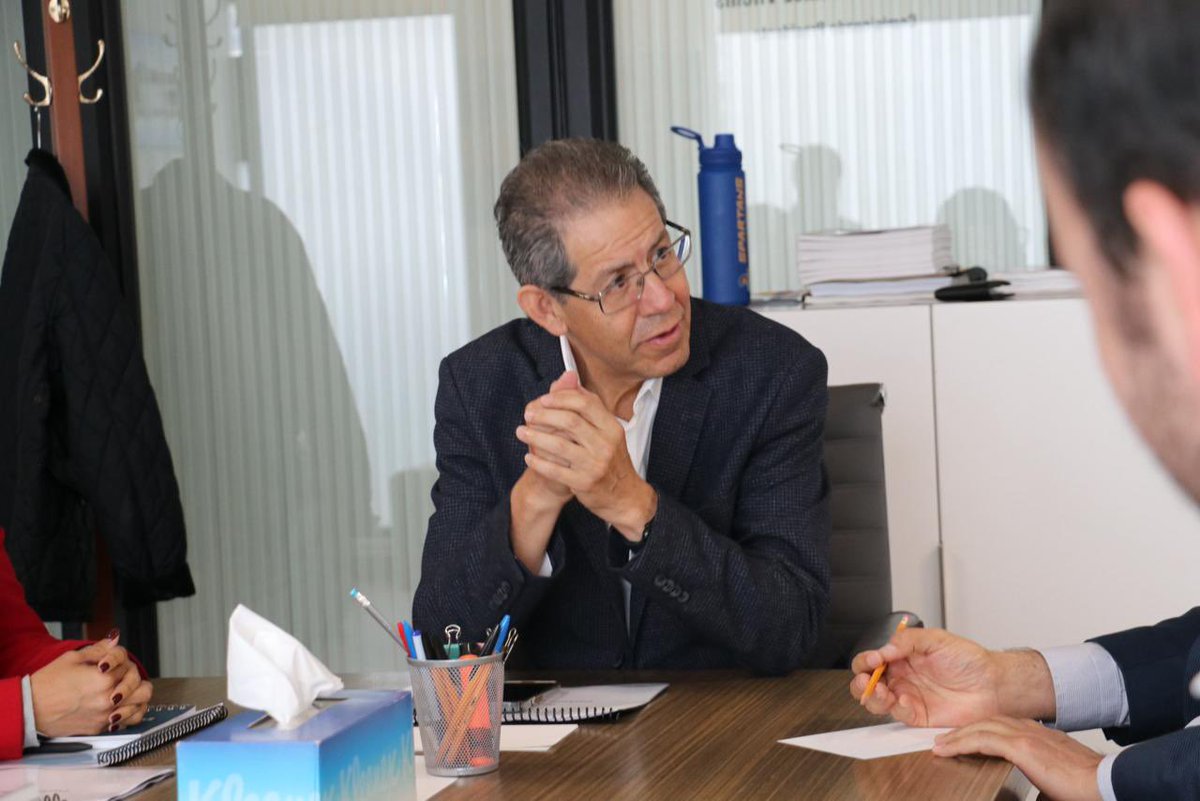
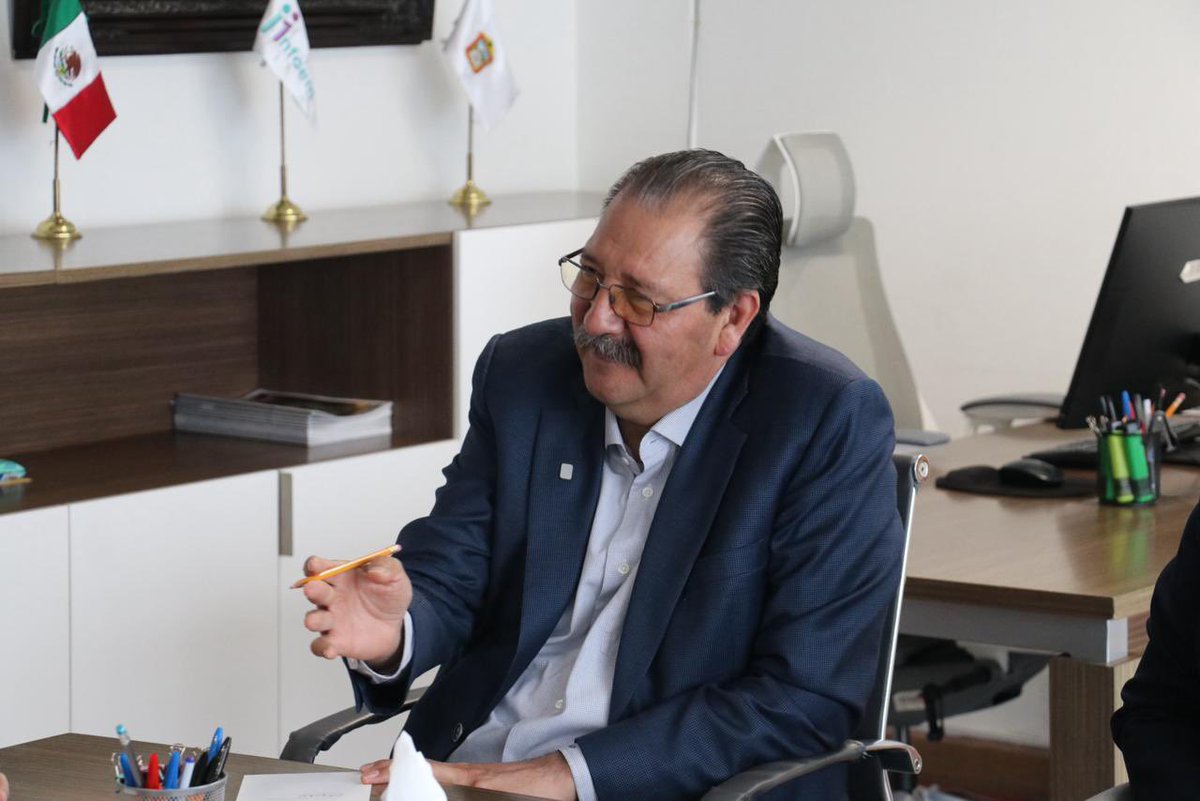
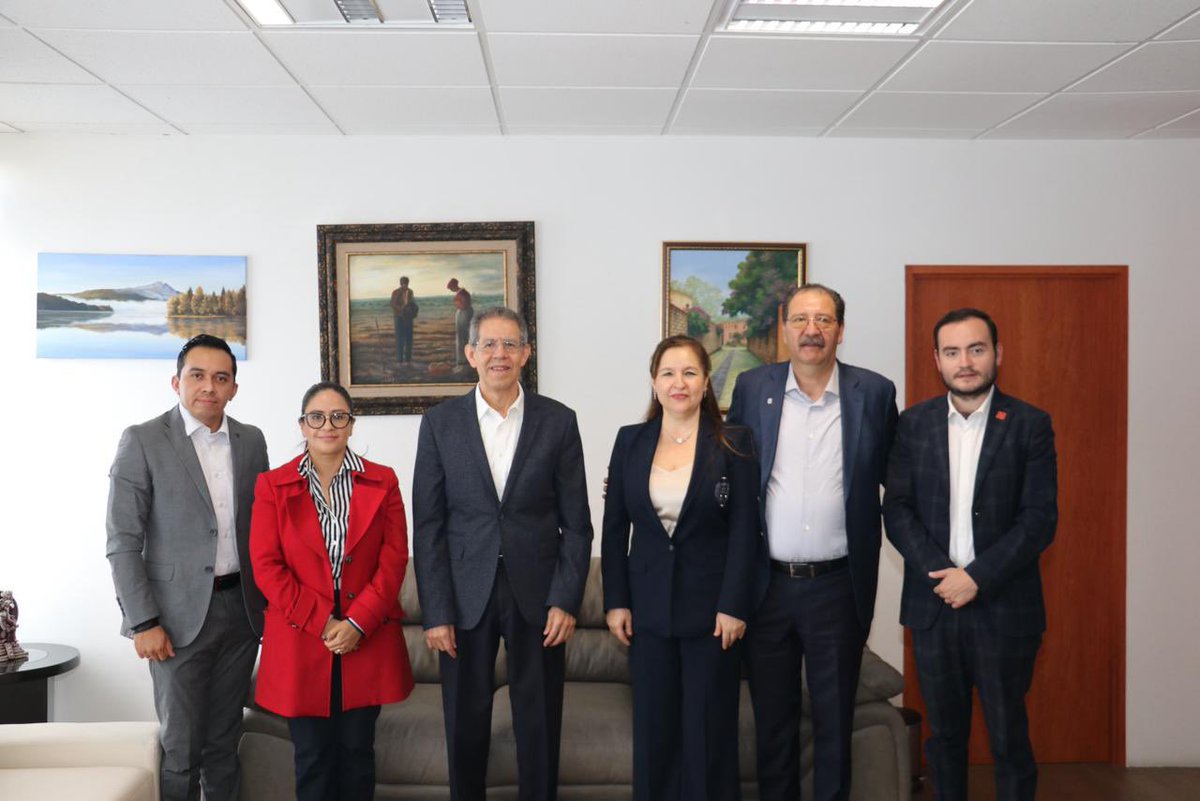
Me reuní con @josemvilchis, Comisionado Presidente de @Infoem para dialogar sobre la agenda de #Transparencia y #DAIP en el #EdoMéx.
Seguiremos impulsando acciones abiertas, cercanas y con rendición de cuentas para el pueblo.
1
4
215