
Jun 13
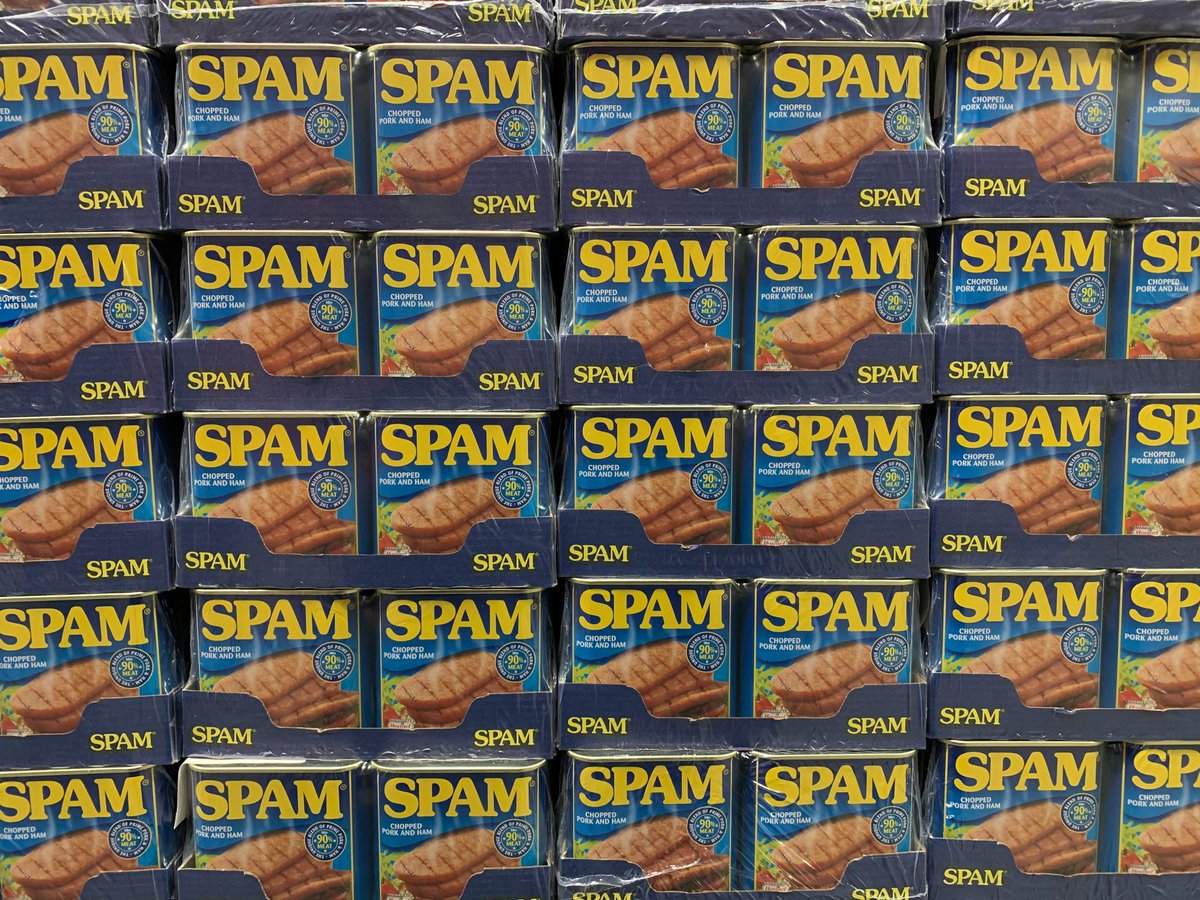
Codziennie się z nim zmagamy, nie lubimy go, jest irytujący i niebezpieczny. A ostatnio obchodził 48. rocznicę narodzin. Spam...
❣️Mamy dla Was prezent. Ten wpis czytacie dzięki twórcom legendarnego polskiego programu antywirusowego mks_vir. Koniecznie zajrzyjcie do komentarza. Znajdziecie tam link, pod którym pobierzecie pełną, bezpłatną, działającą przez pól roku wersję mks_vir. Bez żadnych zobowiązań, sztuczek czy podawania jakichkolwiek danych. Po prostu bierzcie i korzystajcie.❣️
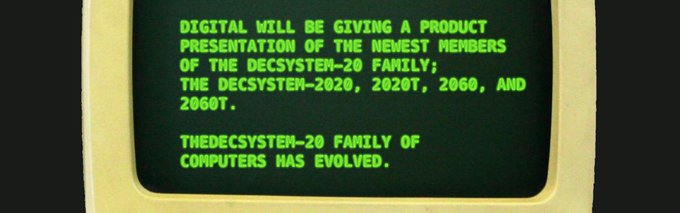
Autorem pierwszego spamu jest Gary Thuerk, ówczesny pracownik firmy Digital Equipment Corp. (DEC). Wysłał go 3 maja 1978 roku o godzinie 18:33 czasu polskiego do skrzynek odbiorczych 397 użytkowników ARPAnetu, poprzednika internetu. W mailu zapraszał ich demonstrację komputerów DECSYSTEM-2020, 2020T, 2060 i 2060T.
Nie był to pierwszy w historii przypadek jednoczesnego wysłania dużej liczby maili, jednak był to pierwszy przypadek wysłania takiej wiadomości o charakterze komercyjnym. Administratorzy ARPAnetu dostali skargi od użytkowników – zdaniem których wysłanie wiadomości naruszyło obowiązujące standardy zachowania – i oficjalnie upomnieli Thuerka, by więcej tego nie robił.
Nazwa spam na określenie niechcianej poczty elektronicznej, masowo zalewającej skrzynki pocztowe, wzięła się ze skeczu Monty Pythona, w którym grupa wikingów w barze zaczyna śpiewać o spamie, zagłuszając wszelkie rozmowy, tak jak i spam zagłusza swoją liczbą sensowne wiadomości w poczcie.
Samo słowo spam pochodzi od konserwowej mielonki wieprzowej produkowanej od lat 30. XX wieku przez firmę Hormel Foods.
Elektroniczny spam jest nie tylko uciążliwy, może być też niebezpieczny i powodować wymierne straty. Dlatego też warto zainstalować oprogramowanie, które będzie chroniło nas przed zagrożeniami. Stwarzanymi nie tylko przez spam. Pamiętacie o naszym prezencie? Link, pod którym możecie pobrać mks_vir znajdziecie w komentarzu.
Wpis powstał we współpracy z firmą mks_vir.
©️Hannes Johnson, Unsplash
1
1
13
1,531

Jun 10
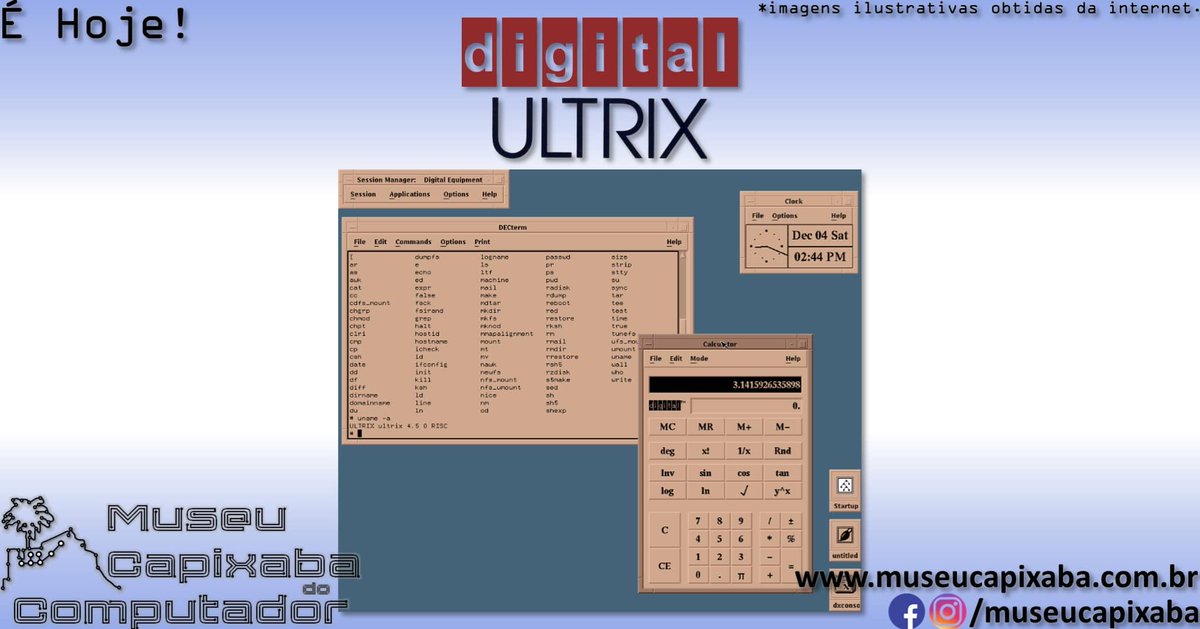
É hoje! O sistema operacional DEC ULTRIX de 1984.
em museucapixaba.com.br/hoje/si…
#MuseuCapixaba #mcc #éhoje #museu #Geek #DEC #ULTRIX32 #ULTRIX #BSDUnix #UnixSystemV #Unix #VAX #VMS #OSF1 #PDP11 #MicroVAX #DECstation #DECSystem #POSIX #Tru64UNIX #DigitalUNIX #MIPS #ArmandoStettner
1
1
49

May 6
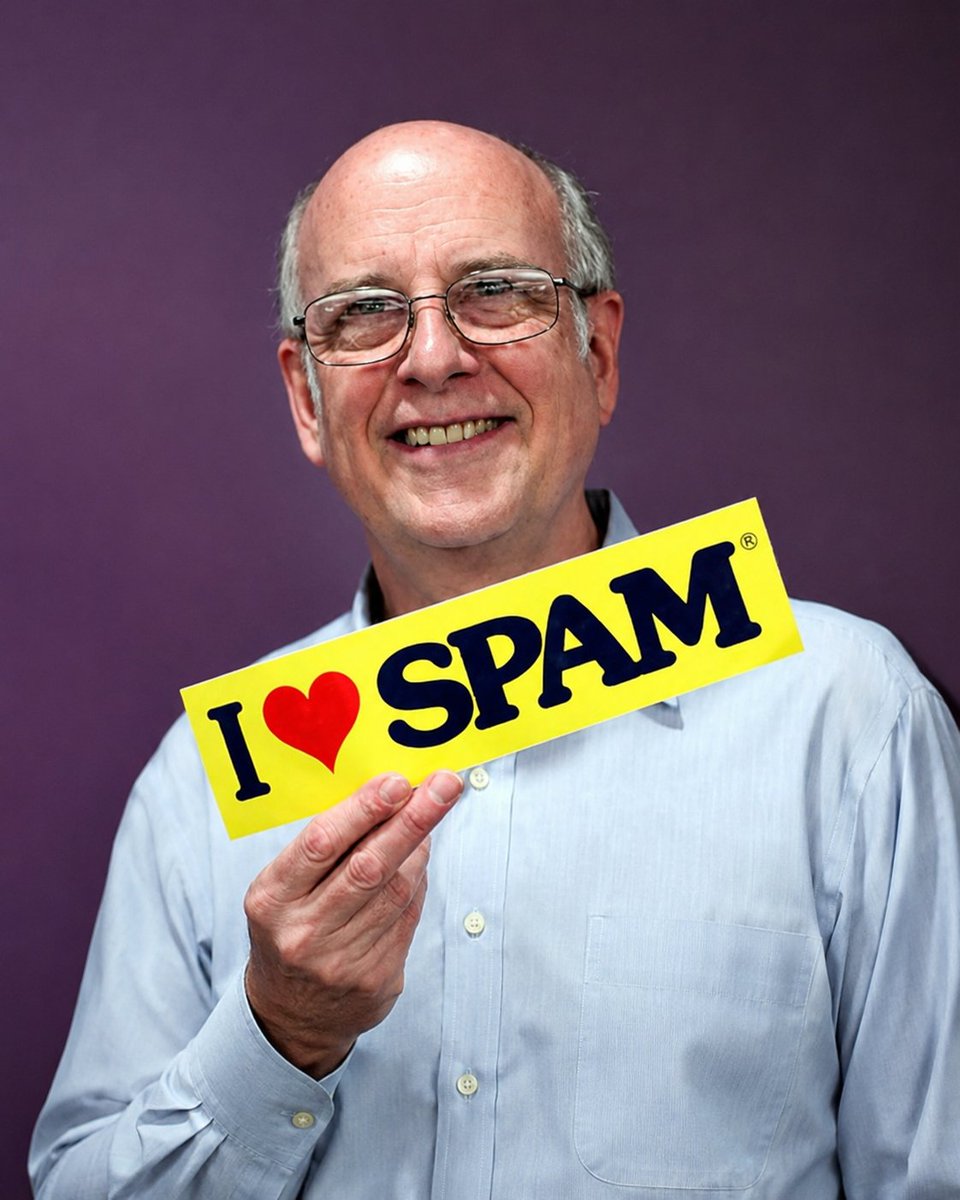
48 lat temu, 3 maja 1978 roku, narodził się SPAM 🗑️
Gary Thuerk z Digital Equipment Corporation wysłał masową, niezamówioną wiadomość do kilkuset użytkowników ARPANET-u - sieci, która poprzedzała dzisiejszy internet.
Nie reklamował cudownych tabletek ani fałszywych faktur. Promował nowe komputery DECsystem-20 i zapraszał na prezentacje produktu. Problem? Odbiorcy nie prosili o taką wiadomość, a ARPANET nie był miejscem na komercyjne masowe reklamy.
Reakcja przyszła szybko: skargi użytkowników, niezadowolenie administratorów i upomnienie ze strony środowiska związanego z amerykańską infrastrukturą wojskowo-badawczą. A jednak akcja podobno zadziałała sprzedażowo.
2
2
53
12,111

May 3
48 years ago today, a man in Massachusetts sent 400 emails at lunchtime and accidentally launched the most hated thing on the internet.
His name was Gary Thuerk. Marketing guy at Digital Equipment Corporation, which at the time, was the second-biggest computer company in the world.
DEC had just launched a new line of mainframes, but Gary had a problem: his buyers were mostly on the West Coast. Researchers, engineers, and government lab employees.
You know the type.
The ones who'd let the phone ring forever, throw trade show invitations directly in the trash, and who enjoy being 'unreachable' as a general personality trait.
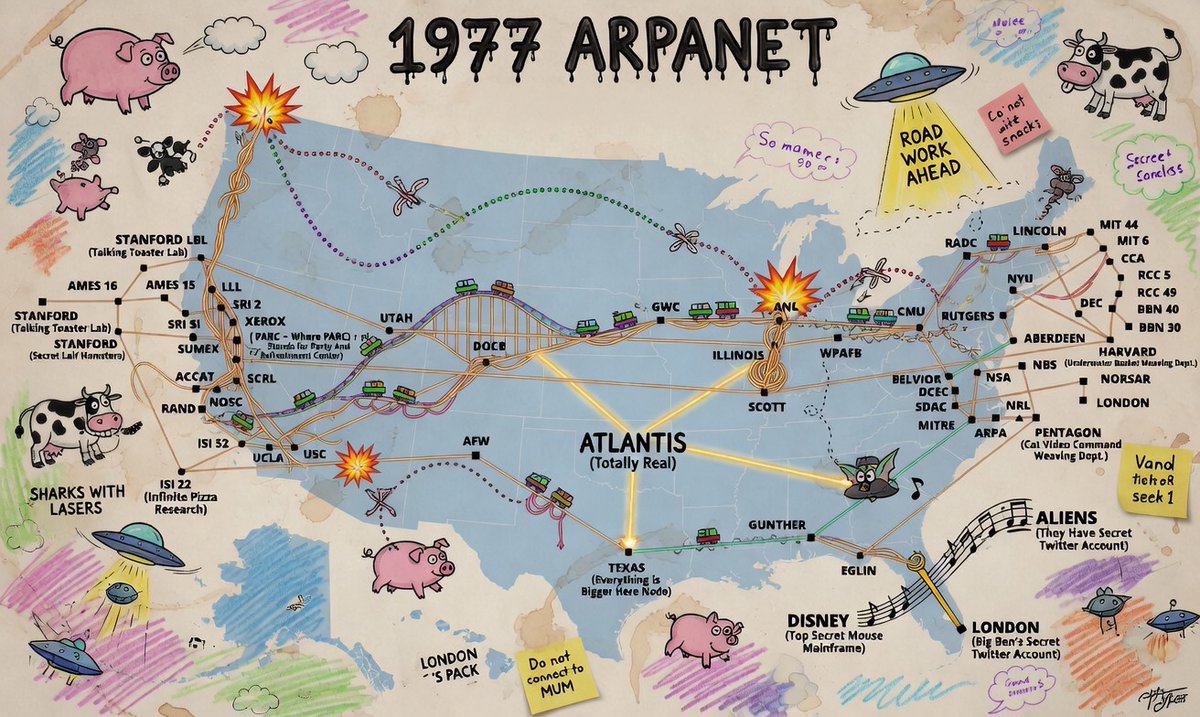
But here's the thing: a lot of them happened to be on a tiny government network called ARPANET. About 2,600 users. An early internet group chat for people with security clearances.
In 1978, Gary had a thought nobody had tried before:
what if I just… emailed all of them?
He handed his colleague Carl Gartley a printed directory with names highlighted. No copy-paste. No mail merge. No distribution lists.
Carl had to hand-type roughly 400 unique email addresses, one at a time. Like a medieval monk transcribing the Bible if the Bible were a sales pitch for a DECSYSTEM-20.
I get road rage when I have to type my email after autofill fails. I cannot fathom Carl's morning.
May 3, 1978. 12:33 PM. Sent.
The email program couldn't fit all the addresses in the header, so they spilled into the body. Bunches of usernames piling up before the actual song and dance. It was a hot mess.
And the pitch? IT WAS IN ALL CAPS. Not for emphasis, but because that's just how terminals worked.
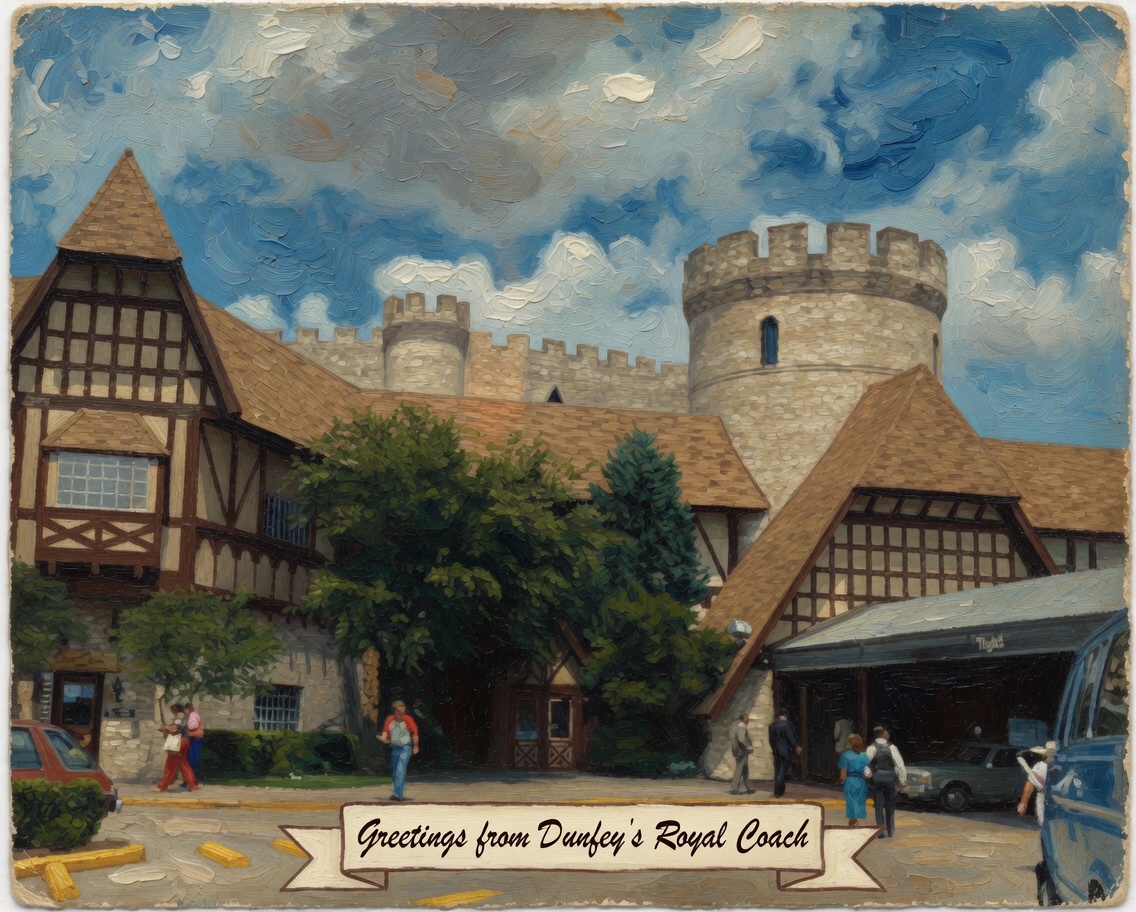
The demo invitation was for a place called DUNFEY'S ROYAL COACH. Which, for the record, sounds less like a venue where you'd buy a computer and more like somewhere you'd get knighted or possibly tetanus.
The first promo email in human history screamed in all caps to meet at a fake-castle hotel in San Mateo.
We never stood a chance.
The backlash was swift and furious. One memorable complaint came from an Army major, Raymond Czahor, who called DEC personally to yell at them. A University of Utah user even claimed it crashed their system.
Gary had to scout's-honor promise he'd never do it again.
But... he sold roughly a dozen computers from that one email. Around $13 million in sales (roughly $60 million in today's money).
From one morning of Carl typing.
However, The word 'spam' did not exist for this phenomenon yet. Wouldn't for another fifteen years.
It finally arrived in 1993, courtesy of a guy named Richard Depew who was trying to fight the thing that wasn't yet known as spam.
He built a tool to clean up Usenet, an old-school discussion forum. But it had a bug that caused the tool to reply to itself repeatedly. Within minutes, it had posted 200 times to a single newsgroup.
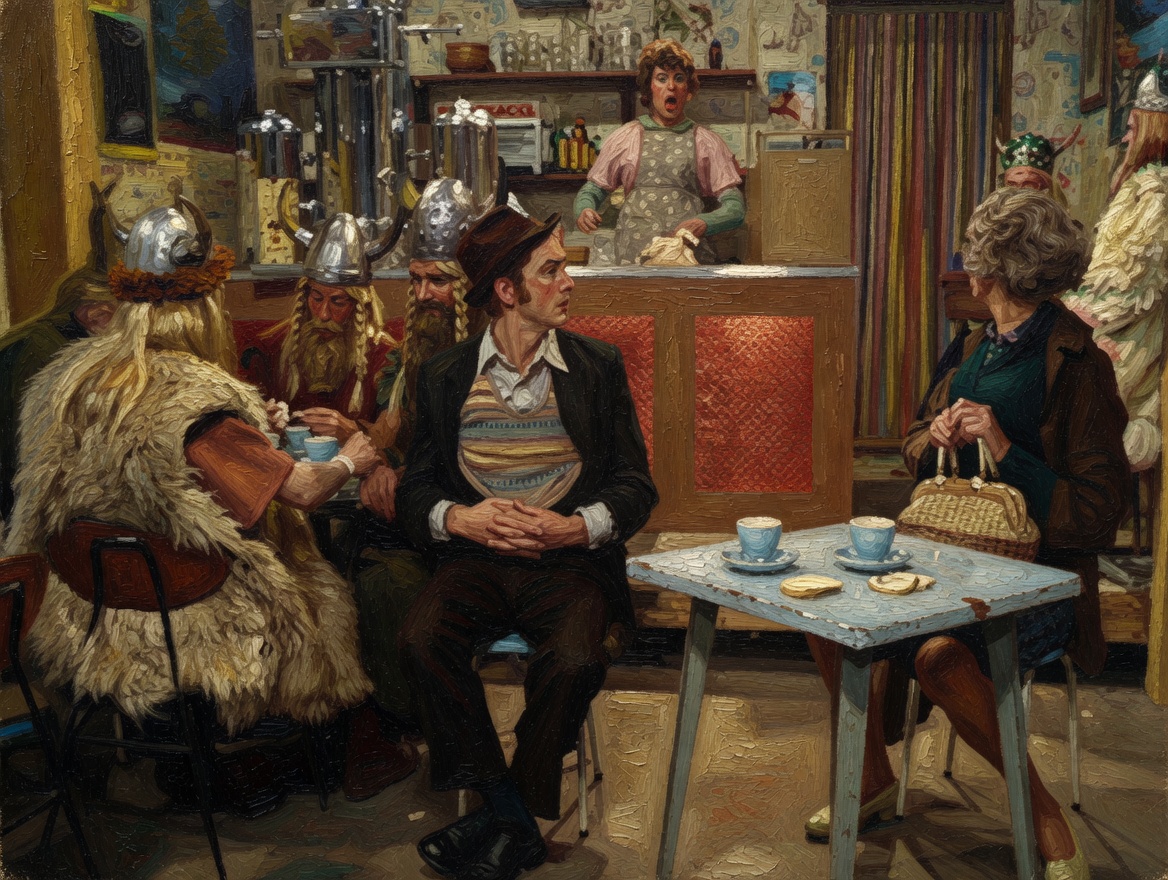
So somebody made a Monty Python joke about Vikings chanting spam, spam, spam, and the name stuck.
Depew himself apologized for having 'done a spam.'
The man trying to get rid of spam instead created spam in the process, and then had to immortalize it on the way down.
Then, in 1994, two immigration lawyers (married to each other) paid a programmer to write a script that posted 'Green Card Lottery - Final One?' to 5,500 newsgroups. That's like cross-posting on Reddit to every subreddit at once.
Mail servers crashed. They received death threats.
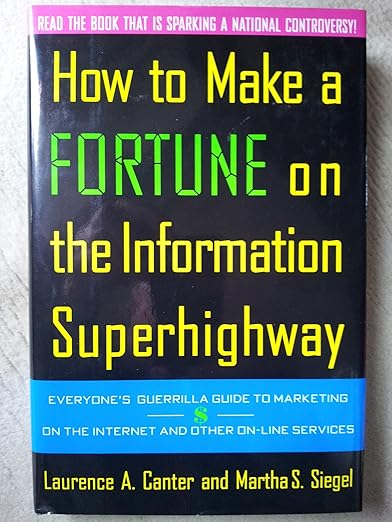
But... they made $100,000 . Naturally, the next step was to write a book teaching others how to do it.
They decided to double down and start a spam-for-hire company. Then they got divorced. Then one got disbarred.
So in sum:
A marketing guy created spam in an effort to sell computers to recluses, a moderator inadvertently performed the baptism after attempting to slay it, and two married lawyers saw the same gold mine everyone else was politely ignoring.
Gary is in his late 70s now. Lives in the Grand Canyon state. Judges high school robotics competitions. He'd like the record to show he prefers the title Father of e-Marketing.
And Carl, who never asked for any of this in the first place, is probably out there still recovering from typing 400 addresses by hand.
2
386

🇺🇸 United States of America 🇺🇸
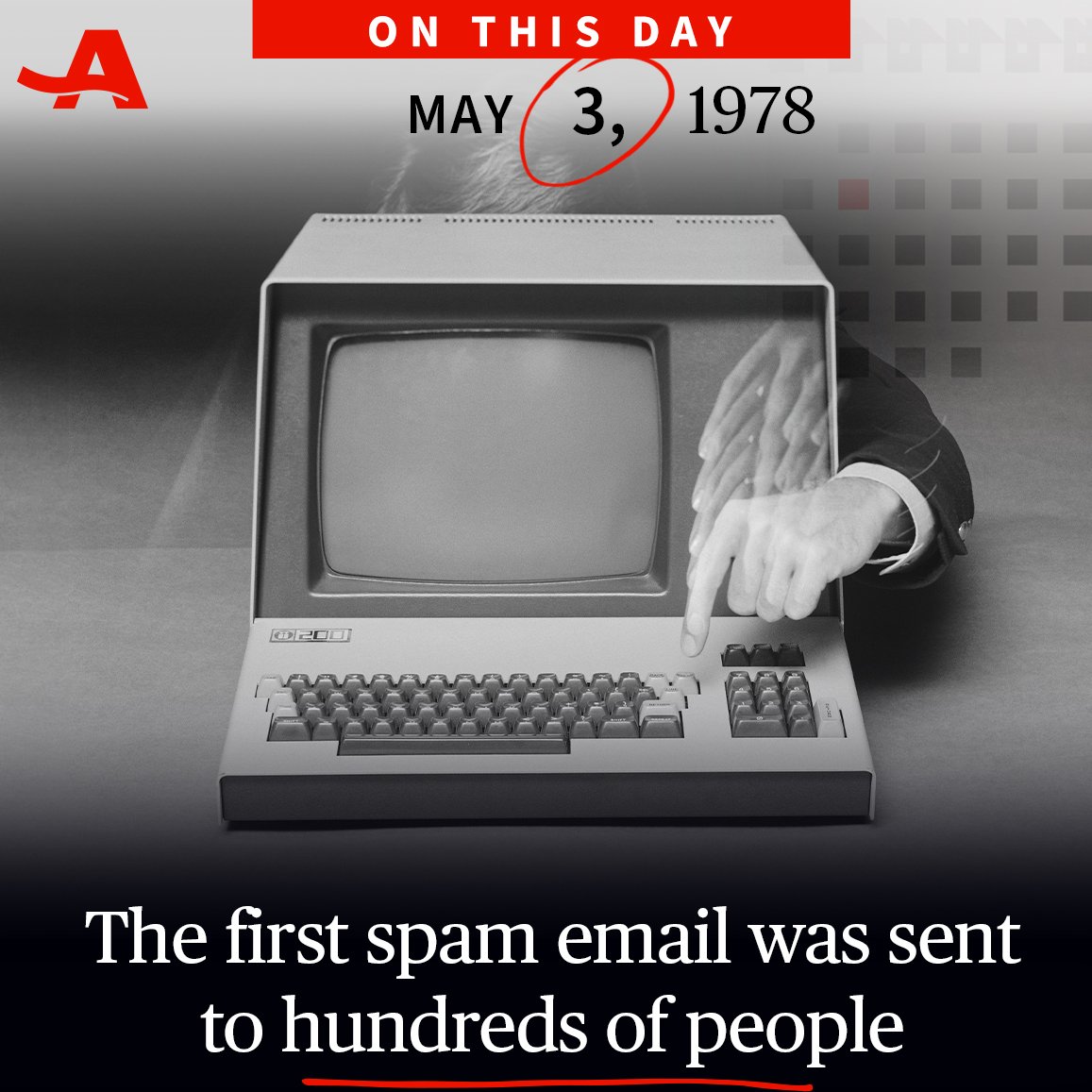
on this day in 1978, The world's first spam email was sent by Gary Thuerk, a marketing manager at Digital Equipment Corporation (DEC).
The unsolicited message was sent to approximately 400 of the 2,600 total ARPANET users on the US West Coast to advertise a demonstration of the new DECSYSTEM-20 computers.
1
1
2
20

May 3
Spam-alot!
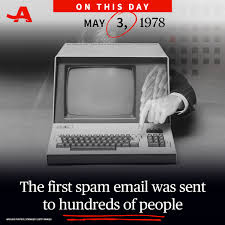
On May 3, 1978, Gary Thuerk, a marketing manager at Digital Equipment Corporation (DEC), sent the first unsolicited mass email to approximately 393–400 users on ARPANET (the precursor to the internet) to promote a new computer presentation.
This pioneering, yet highly criticized, commercial message is regarded as the birth of email spam, resulting in user backlash, complaints, and a, as notes.
Key Details of the First Spam Email:
Sender: Gary Thuerk of Digital Equipment Corporation (DEC).
Recipient Audience: Around 400 users on the ARPANET system, primarily on the U.S. West Coast.
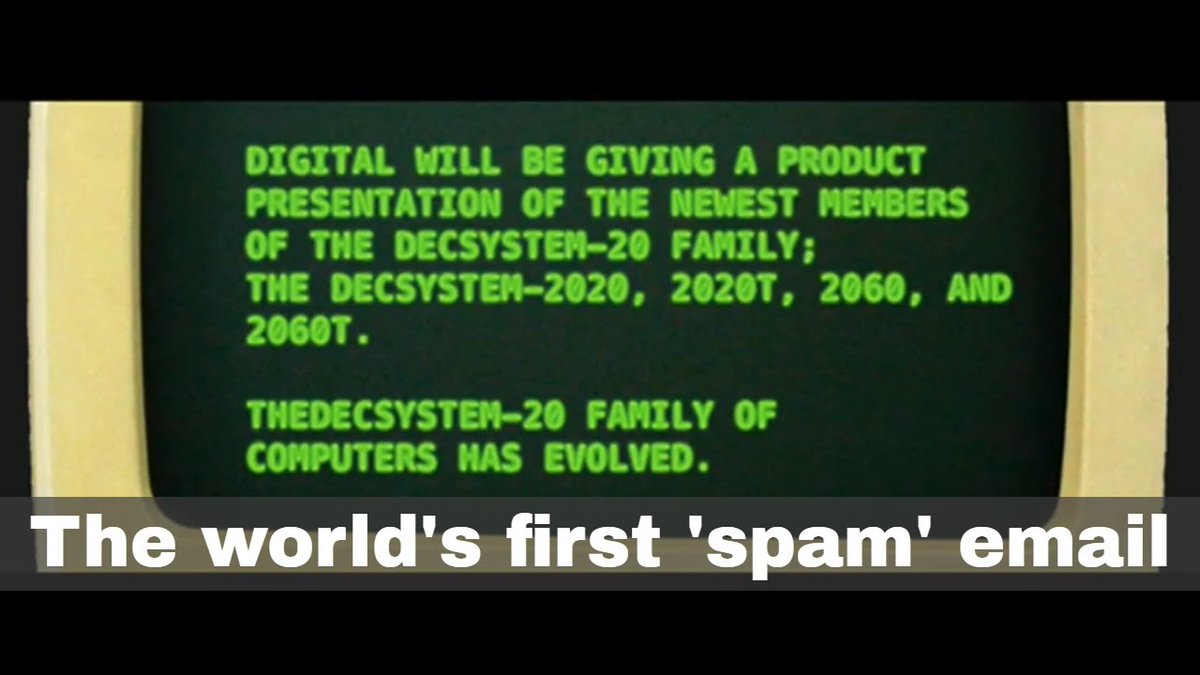
Purpose: To invite recipients to product presentations for the DECSYSTEM-20 family of computers.
Reaction: The message caused immediate backlash, with recipients and officials calling it a "flagrant violation" of ARPANET usage policies.
Outcome: Despite complaints, the email reportedly generated over $13 million in sales, according to the 1.
According to 1, the event was seen as a "Pandora's In-Box" for digital communication. A, as 1explains, 1note that this incident is often cited as a key moment in the history of cybersecurity .
Commercialization of the internet and integration of electronic mail as an accessible means of communication has another face - the influx of unwanted information and mails.
As the internet started to gain popularity in the early 1990s, it was quickly recognized as an excellent advertising tool. At practically no cost, a person can use the internet to send an email message to thousands of people.
These unsolicited junk electronic mails came to be called 'Spam'. The history of spam is intertwined with the history of electronic mail.
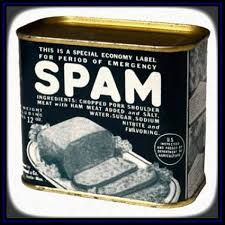
SPAM the canned lunch meat version first hit shelves in 1937.
1
21

May 3
Note: The first spam email on ARPANET was sent on May 3, 1978, by Gary Thuerk, a marketing manager at Digital Equipment Corporation (DEC). He broadcast an unsolicited advertisement for a product presentation of the new DECSYSTEM-20 computers to about 393-400 users on the network. While it reportedly generated $13 million in sales, it drew strong backlash from recipients who viewed it as inappropriate use of the research network. This event marked the beginning of unsolicited bulk email, later known as spam.
1
3
361

May 3
The first known spam email, was sent 48 years ago Today, to 393 users on ARPANET.
It was an advertisement for a presentation by Digital Equipment Corporation for their DECSYSTEM-20 products sent by Gary Thuerk, a marketer of theirs.
6
7
49
10,232

Apr 27
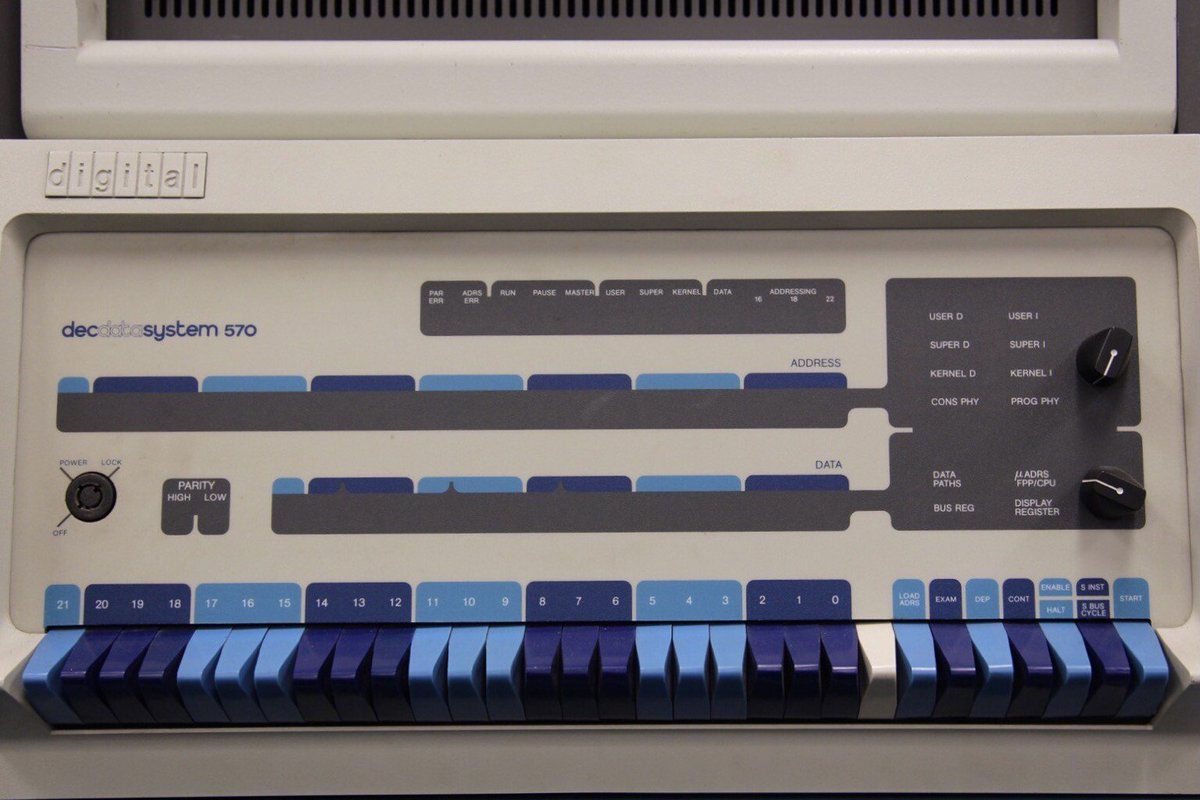
Miss Piggy was our DECSystem/570 that was being retired about the time I started at Microsoft. All I know for sure is it ran mail.
Thanks to some help from @interimcomputer we were able to read the passwd file and crack everyone's passwords... still need to do an episode on that!
It was equivalent to a PDP-11/70 and ran Xenix, which was essentially the licensed version of the UNIX 6 kernel, I believe.

Miss Piggy?
11
15
210
10,160

Apr 12
I saw one of those shortly after it was introduced. The IBM technical. sales lady was cool, but I was completely unimpressed by the PC.
At the time, I had accounts on a DECSYSTEM-20 and VAX11/780 running BSD 4.1 UNIX! Both were way more powerful than the PC. 😁
1
4
211

Apr 7
Altair8800が最初の商用パーソナルコンピュータとよく言われるけれど、どうやってプログラムを組んでいたのかなとあの筐体を見て思う。ビルゲイツやマイクロソフトではDECSystemの大型コンピュータ上でエミュレータを作って開発した話が良く出てくるけれども、一般ユーザーはどうしていたのか。
3
2
7
500

Mar 16
bootstrap.org ran the former SRI-NiC.ARPA which had the old WHOIS database preserved up until 1989. SDF’s former lonestar.org was in that database which ran on a KL10 DECSYSTEM-20. You could TELNET to it and play around as not logged in for up to 10 minutes.
Mar 16

ダグラス・エンゲルバートという人物に何故これまで大きな光が当たらなかったのか...不思議に思われるかも知れない。一言でいえば、彼は当時の状況下ではアウトサイダーの一人だったからだ。なぜなら彼は現在のようなコンピュータの大衆化・一般化を考えたのではなく、あくまで我々人類が解決できない複雑な問題をコンピュータを利用して解決したいと考えていたという。したがって多くの人たちが、一人一台のパーソナルコンピュータを持つことに考えが向いていた時期に、彼はクライアントサーバー型アーキテクチャを稼働させ、共同作業による問題解決を進めていた。それがある意味時代に逆行し、一部からはコンピュータというものを複雑に考えし過ぎていると非難されもしたらしい。
したがってというか、彼の "ブートストラップ原理" は一般ウケするものではなかったということなのなのかも知れない。
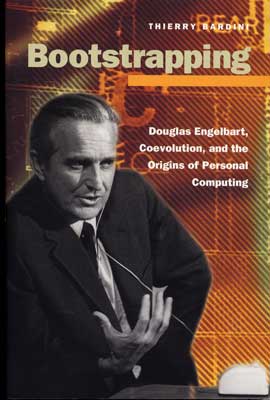
Thierry Bardini著「Bootstrapping」(和名:ブートストラップ〜人間の知的進化を目差して)の中でアラン・ケイの次の言葉は、そのニュアンスを的確に伝えている…。
「よかれ悪しかれ、エンゲルバートはバイオリンを作ろうとしていたのに、ほとんどの人々はバイオリンを習いたくなかった」のだと…。
詳しくはブログ「『ブートストラップ〜人間の知的進化を目差して』を読んで」をご参照ください。
appletechlab.jp/blog-entry-3…
#mactechlab
5
23
1,187
Jan 27
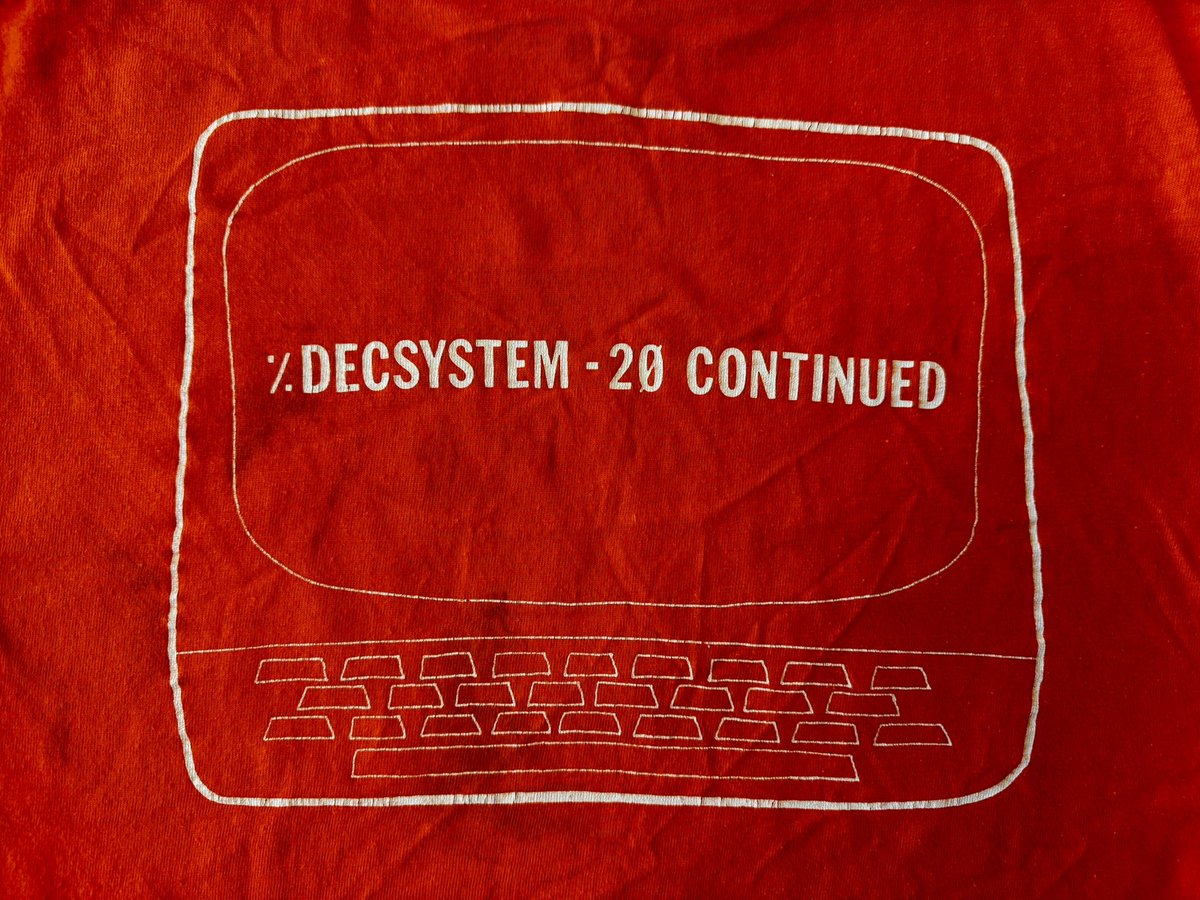
We just might be the only TOPS-20 site that has continued to operate since the 1990s. We currently run TOPS-20 24/7 on 5 decsystem-20 clones of which 3 allow for remote login. Interested to see TOPS-20 EXEC which influenced the Symbolics LISP Machine?
icm.museum
#retrocomputing #vintagecomputing
1
5
26
796

Jan 18
Mini, not mainframe. The DECsystem-10 and DECSYSTEM-20 were the mainframes. PDP-11 is one of the reasons Unix became so popular.
2
135

31 Dec 2025
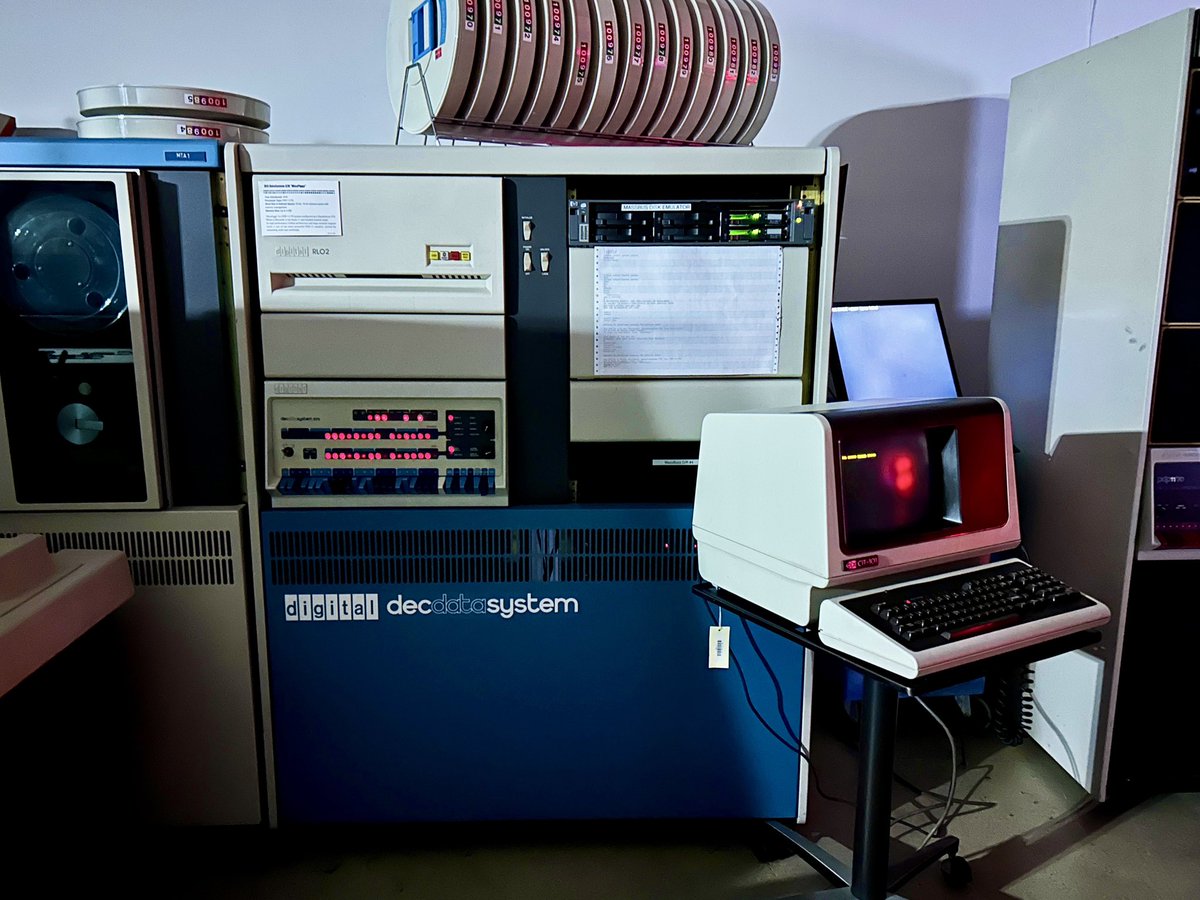
This is Miss Piggy from Microsoft.
She was our internal Xenix mail server, and was being decommissioned around the time I started, in 93, as our email moved to MSMail.
I don't know where the machine went in the meantime (Chuck H maybe?) but it resurfaced at the Living Computer Museum, and now it's at icm.museum.
It's a DECSystem 570 (ie: PDP-11/70) and when it was at Microsoft, it ran Microsoft Xenix.
31 Dec 2025

Would you like to see UNIX V4 on MissPiggy? #retrocomputing #vintagecomputing #unix #softwarepreservation
23
29
388
23,176

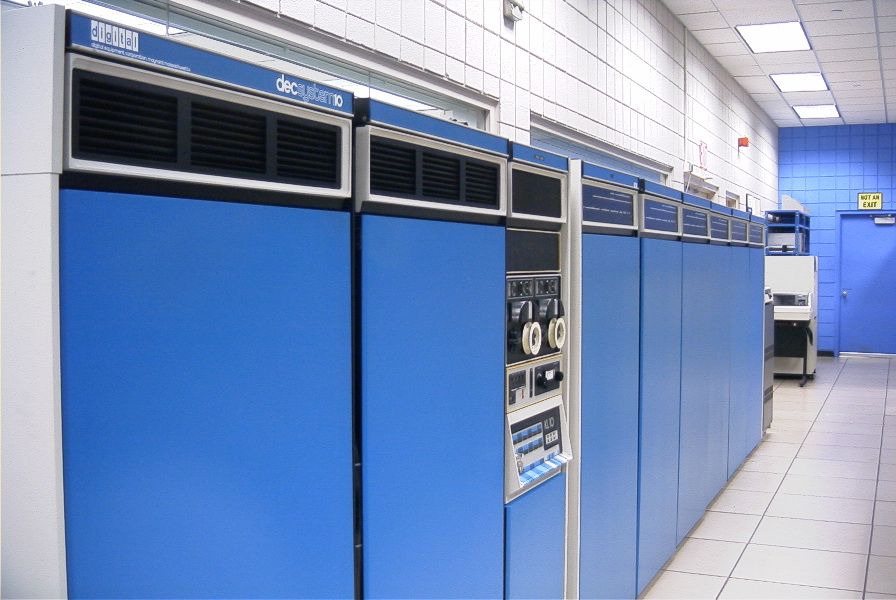
初期の8bit CPU 8080用のFDOS「CP/M」を開発するゲイリー・キルドール氏がお手本にしたのが、利用経験が有るのDECsystem-10のOS「TOPS-10」
CP/MにはTOPS-10と同じコマンド名がある位良く似ています。
そのCP/Mに良く似た作りの16bit CPU用FDOSが「MS-DOS」です。
MS-DOSは、DEC OSの孫に当たります。
23 Aug 2025

昔Open VMSを少々いじった事がありますが、DOS上の操作がMS-DOSに酷似していてさほど抵抗なく習得できたことを覚えています😊
9
113
433
24,666
30 May 2025
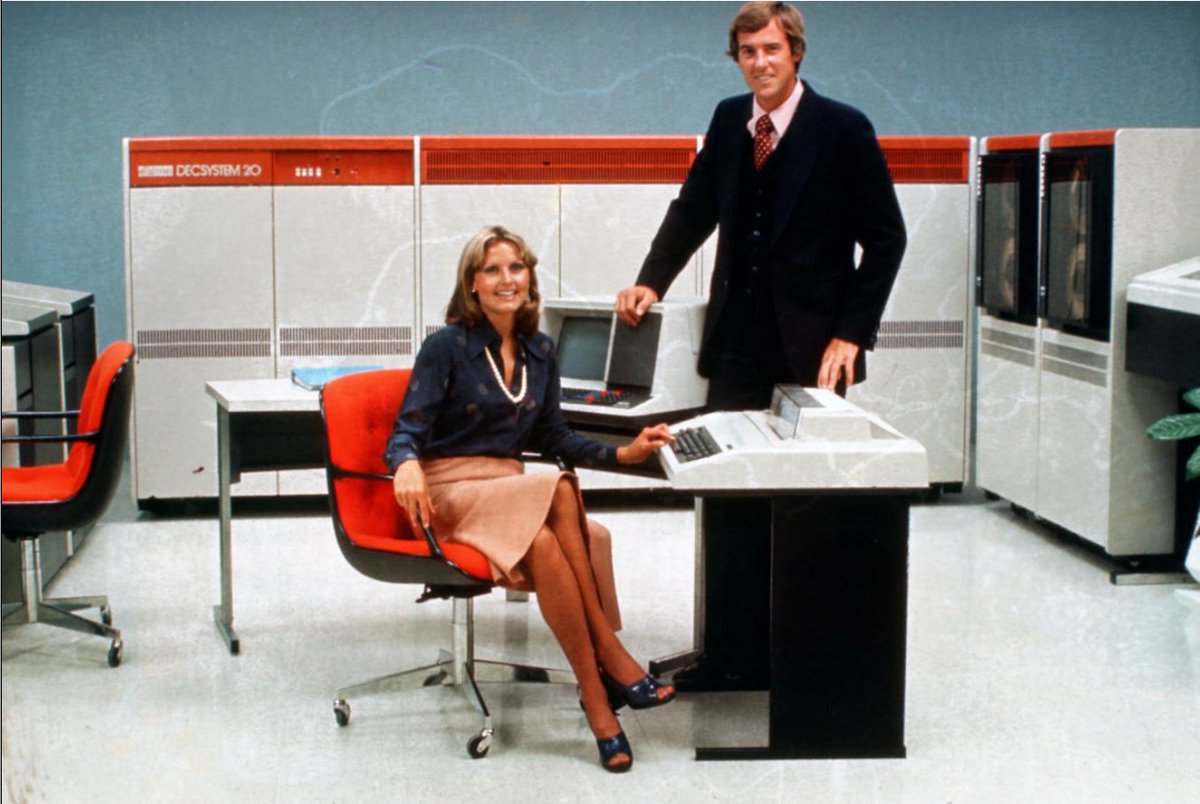
The PDP-10 that is a KL10 that is a DECSYSTEM-20 was so loud, it would put a smile on anyone's face in it's proximity to the marketing department.
Microsoft had one installed at the Bellevue, WA office known as "Heating Plant" or HEAT.
#vintagecomputing #retrocomputing #microsoft
2
10
74
1,711