Jun 13
🐶 Disney Plus 🍄
🥣 30 วัน 85฿
🥣 7 วัน 45฿
🥣 1 วัน 15฿
💻 จอส่วนตัว | ดูได้ทุกอุปกรณ์ ไม่ชน
📩 ทักมาดูได้ทันที ไม่มีรอ
➤ ➤ สนใจช่องทางหน้าโปรไฟล์
#หารดิสนีย์พลัส #หารdisneyplus #หารdisney dfgr

18


Mar 14
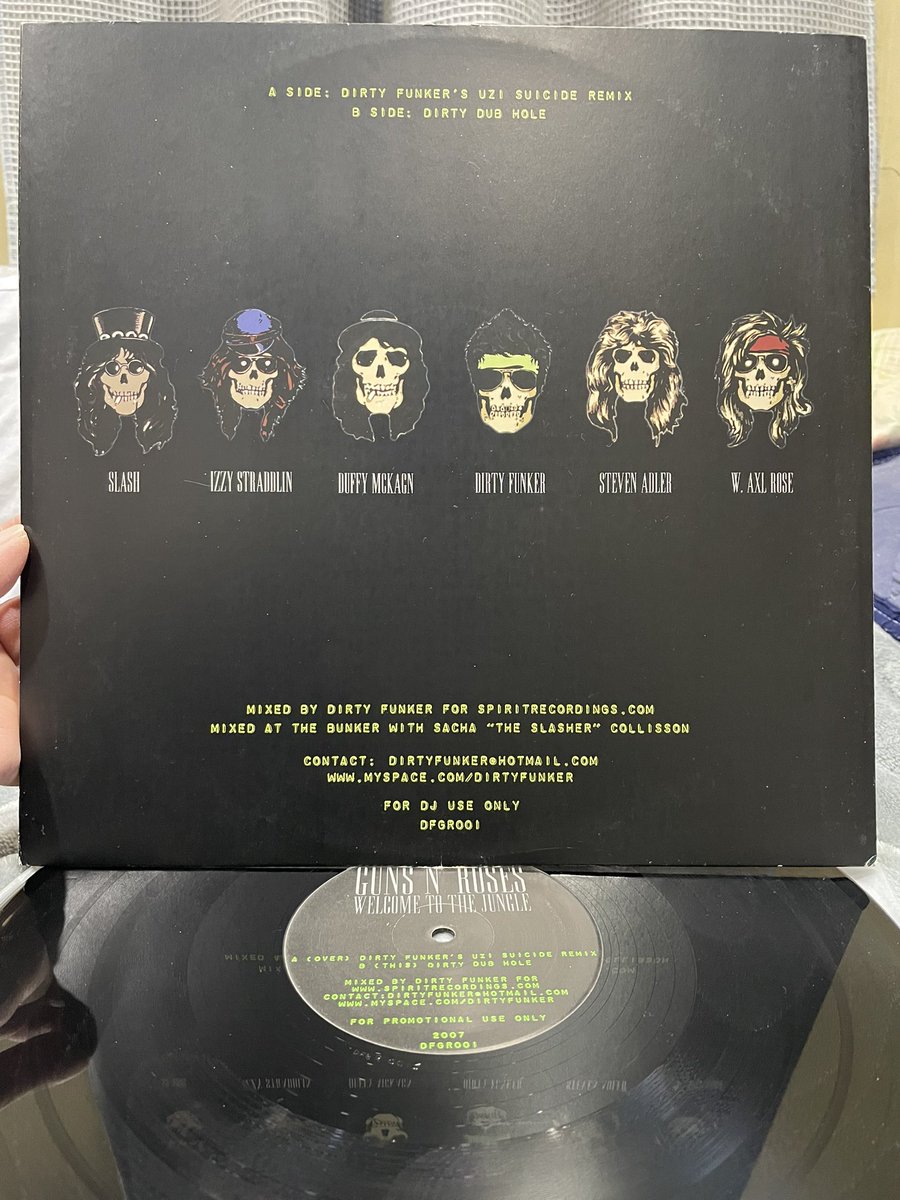
GUNS N' ROSES / WELCOME TO THE JUNGLE (The Dirty Funker Remixes)
07年英盤ブート12inchシングル・レコード
Spirit Recordings – DFGR 001
A面 (DIRTY FUNKER'S UZI SUICIDE REMIX)
B面 (DIRTY DUB HOLE)
youtu.be/KVCemFbDVNc?si=2j_M…
2Ver.入りDJ用の非売品
クラブ系にリミックスされてて面白い

54
608

Feb 27
stew does have a good dfgr and averages blocks but those are only two aspects of defense. if were using stats why dont we use all stats
1
2
127


4 Dec 2025
251204 16:00:01 tvndrama.mate instagram
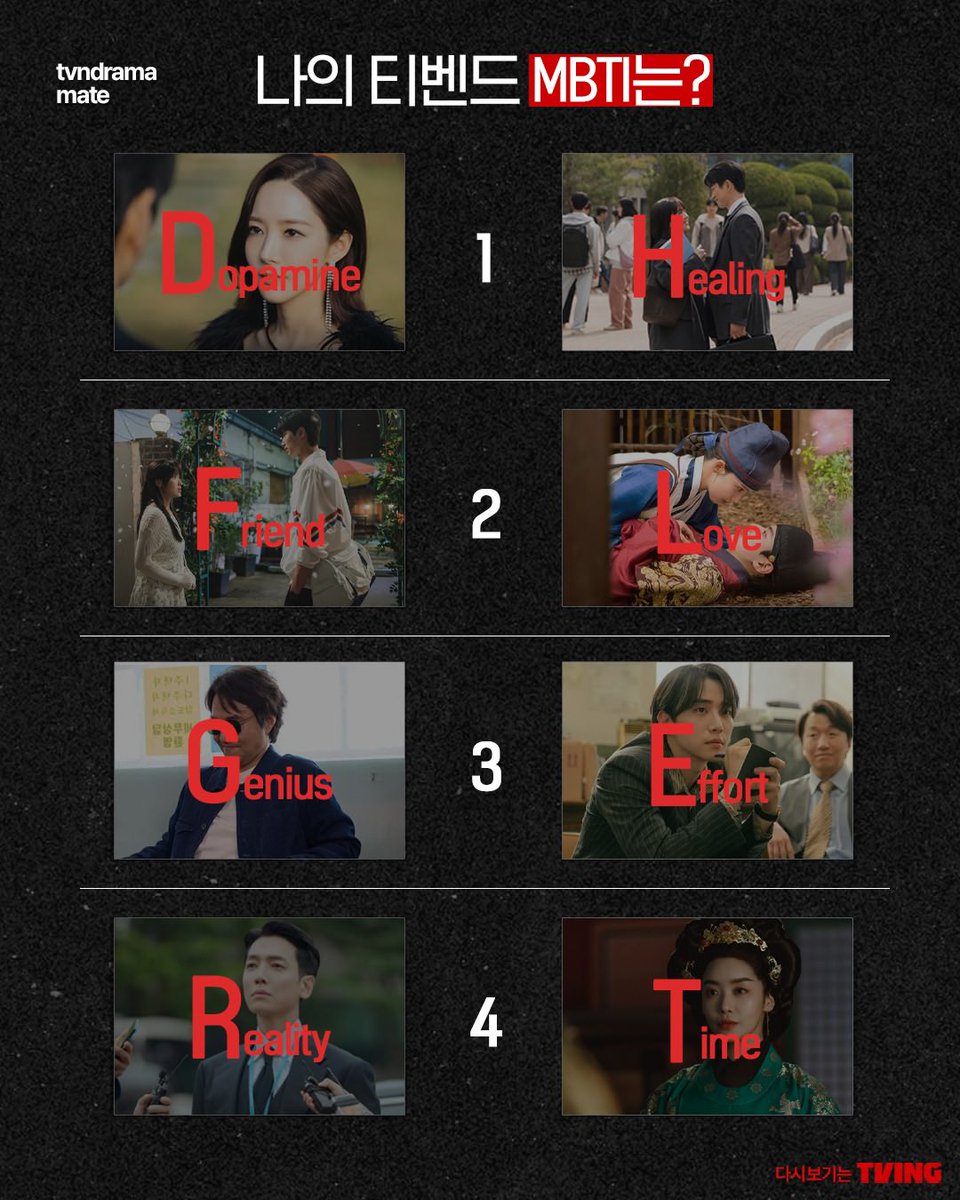
드디어 연말 취향 점검 시간이 다가왔습니다🤩
티랑이들의 선택으로 완성되는 나만의 티벤드 MBTI !
올해 마지막은 성격 테스트 말고
드라마 취향 테스트로 마무리해요❤️
댓글에 결과 적어보기!
@@ DFGR 나온 사람✋
instagram.com/p/DRy6XLOD4cb/
#이준호 #LEEJUNHO #강태풍
#태풍상사 #TyphoonFamily

1
3
502

22 Oct 2025
Yes, I just use their broad market funds I think (from memory) DFAC DVUX DFUS AVUS etc take your pick all exclude RE.
Then in tax free accounts I overweight DFGR until I am neutral RE overall.
2
32


5 Oct 2025
$WELL $PLD $AMT $EQIX $SPG $DLR $O $PSA $CBRE $CCI $VNQ $SCHH $XLRE $IYR $USRT $DFGR $ICF $RWR $DFAR $FREL $BBRE $REZ $REM $JPRE $VGSR $SRVR $MORT $DCRE $KBWY $SRET $FRI $IYRI $INDS $REPRE $REIT
5 Oct 2025

🏚️ House & Land Prices Are Falling Like a Knife Right Now
And if you’re trying to catch one, you better have thick gloves.
I’ve been tracking listings for months. Here’s what I’m seeing — and why I’m waiting to strike 👇
Price cuts are everywhere. Rural land, fixer-uppers, even decent houses — all slashing prices after sitting too long.
Buyers are ghosting. High interest rates economic uncertainty = way fewer offers. Cash buyers? Watching and waiting.
Sellers are behind the curve. Many still think it’s 2022. Reality hasn’t hit them — yet.
Spec deals don’t pencil. If you need to flip or finance, your margins are toast unless you buy way under market.
💡 My take? This isn’t a dip. It’s a slow bleed. A correction in real time.
✅ Best move now: Be patient. Watch the market. Know your numbers cold.
📉 When the right property drops far enough — then you move.
But chasing falling knives?
That’s how you get cut.
2
456

31 Jul 2025
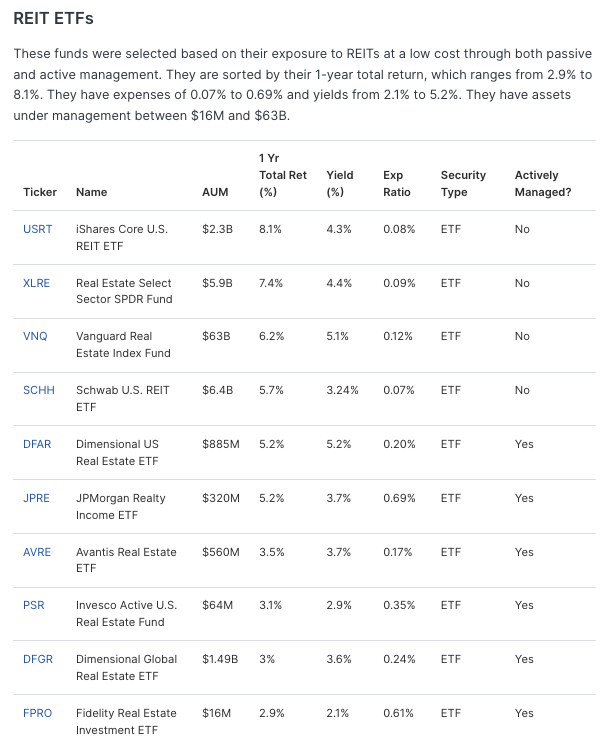
REITs have been out of favour, but the tide may be turning.
With discounted valuations, solid balance sheets, and supportive trends, real estate could be one of today’s best overlooked opportunities.
Here are some REIT ETFs to consider: $USRT, $XLRE, $VNQ, $SCHH, $DFAR, $AVRE, $PSR, $DFGR, and $FPRO
2
2
4
607


24 May 2025
Exciting advancement in recommendation systems from the team at Meituan and Renmin University of China!
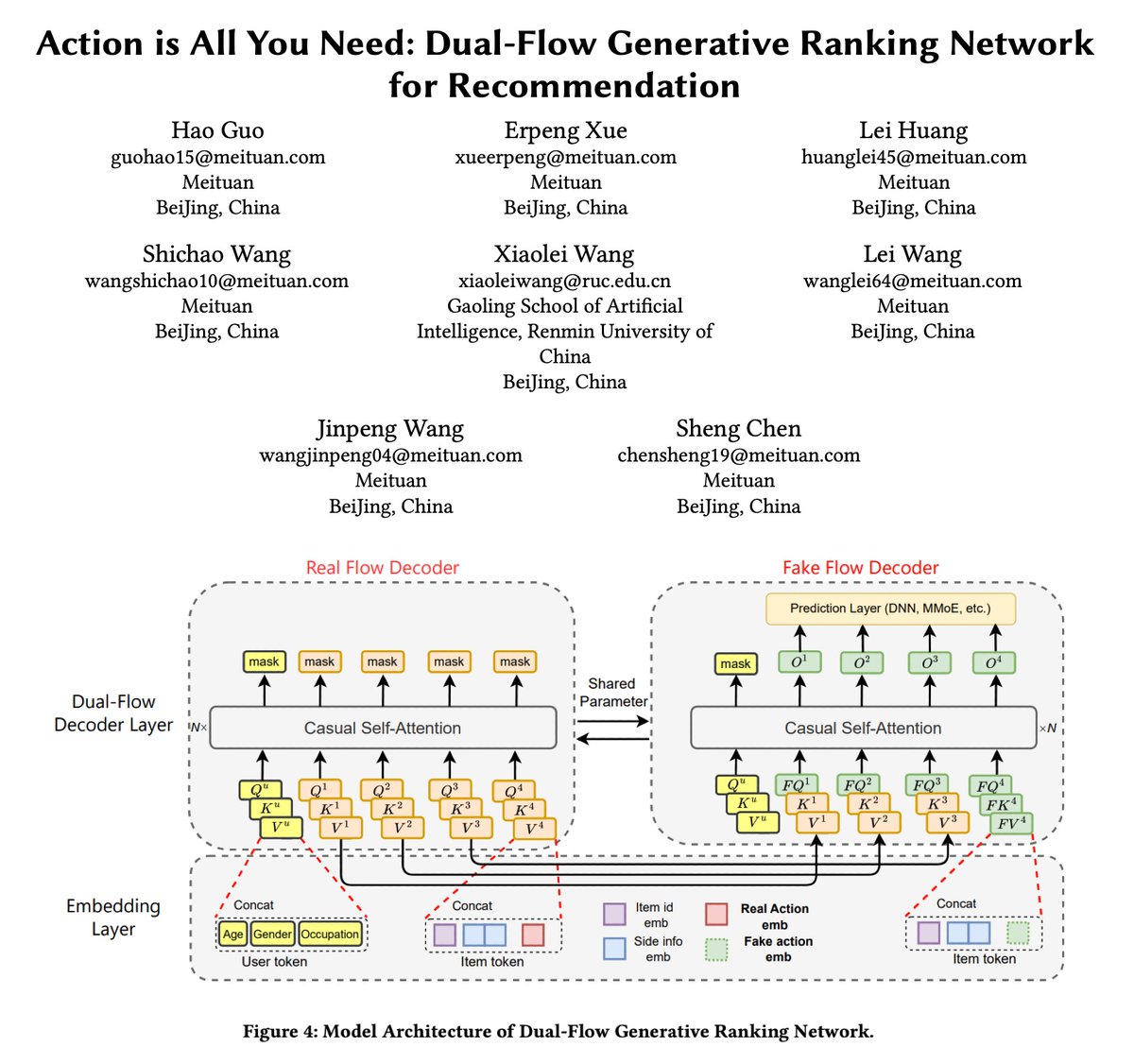
Introducing the Dual-Flow Generative Ranking Network (DFGR), an innovative two-stream architecture transforming recommendation approaches by effectively modeling user behaviors.
Traditional recommendation models often depend heavily on manual feature engineering, limiting performance due to information loss. DFGR addresses this by directly utilizing raw user behavior sequences and minimal attribute data, significantly streamlining the process.
Under the hood, DFGR splits user interaction sequences into two flows-real and fake. Both flows share parameters within a decoder-only Transformer network, employing specialized self-attention mechanisms. While the real flow carries genuine action identifiers (e.g., clicks, purchases), the fake flow uses placeholders. During training, this setup ensures comprehensive contextual understanding without revealing action labels prematurely, vastly improving training stability and efficiency compared to Meta's generative recommendation (MetaGR).
At inference, DFGR adopts a single-flow strategy, concatenating candidate items and historical user data, allowing rapid, parallel scoring through a single forward pass. This achieves approximately 4x inference efficiency over previous methods.
Evaluations on open-source datasets (RecFlow, KuaiSAR) and an extensive industrial dataset (TRec) demonstrated DFGR's clear superiority, surpassing established baselines including DIN, DCN, DIEN, DeepFM, and MetaGR.
This advancement not only marks a substantial leap in recommendation technology but also provides valuable insights into optimal parameter allocation and the scaling potential of generative ranking models.
1
3
198