
Jun 13
Most people go looking for healing.
I stopped looking. And that is when it found me.
Not because I gave up. Because I finally understood what I was actually looking for.
Here is what three years of watching people -- not reading papers, watching people -- taught me.
The body is not broken. It is broadcasting.
Right now, every cell in your body is emitting coherent light. Not heat. Not noise. Structured, phase-locked photons closer to laser light than candlelight -- carrying information across your entire biological system.
Fritz-Albert Popp spent 30 years measuring this. The source was DNA -- functioning not as a passive blueprint but as a transmitter and receiver of electromagnetic information.
The water inside your cells forms coherence domains. Regions where molecules oscillate in unison with the surrounding field. Not randomly. In phase.
Your body is not a machine running on chemistry. It is a coherent field of light and information running on frequency.
That is not a metaphor. That is cellular physics.
There is a version of you beneath the illness. Beneath the diagnosis. Beneath every story about what cannot change.
I call it the Informational You.
Your energetic signature in the universe. The most fundamental point of light and energy which manifests the configuration of life called you. Not a spiritual concept layered on top of biology. What the biology is pointing at.
Popp's biophoton field. Garjajev's DNA Phantom Effect -- the electromagnetic imprint detectable for 30 days after the physical molecule is removed. Coherence domains that make your body's internal water a frequency-responsive field medium, not passive solvent.
The science keeps arriving at the same place: there is a field-level version of you more primary than your physical form. More durable. More whole.
That version has never been sick.
When you work with frequencies you are not treating the body from the outside in. You are giving it a reference point. Reminding it of its own original signal.
Dr. Carolyn McMakin documented what this looks like clinically. 54 fibromyalgia patients. One specific frequency combination. Pain from 7.4 to 1.4 out of 10 in 60 minutes. NIH confirmed cytokines reduced by factors of 10 and 20 times.
Not suppressed. Dissolved.
The body was not fixed. It was reminded.
I have watched this for three years. In people.
The ones who arrive through direct experience -- no map, no framework first -- arrive somewhere different. What they notice is theirs. Their understanding builds from the inside out. Harder to argue them out of. Because it came from their own body, not an explanation.
The body does not wait for understanding before it responds. It never needed that order.
Healing is not repair. It is recognition.
Not because something was added. But because nothing was left out.
You do not need more information to access this. You need awareness. Practice. The willingness to feel what is happening in your body -- including your energy body -- without reaching for an explanation first.
The scientists are mapping the territory. You already live there.
Full post with all peer-reviewed sources: resultsvelocity.com/you-are-…
What shifted for you when experience came before explanation?
#FrequencyHealing #TheInformationalYou #Biophotons #EnergyMedicine #Healing #DNAScience #IntegrativeMedicine #Longevity #Frequency
1
3
60

Jun 11
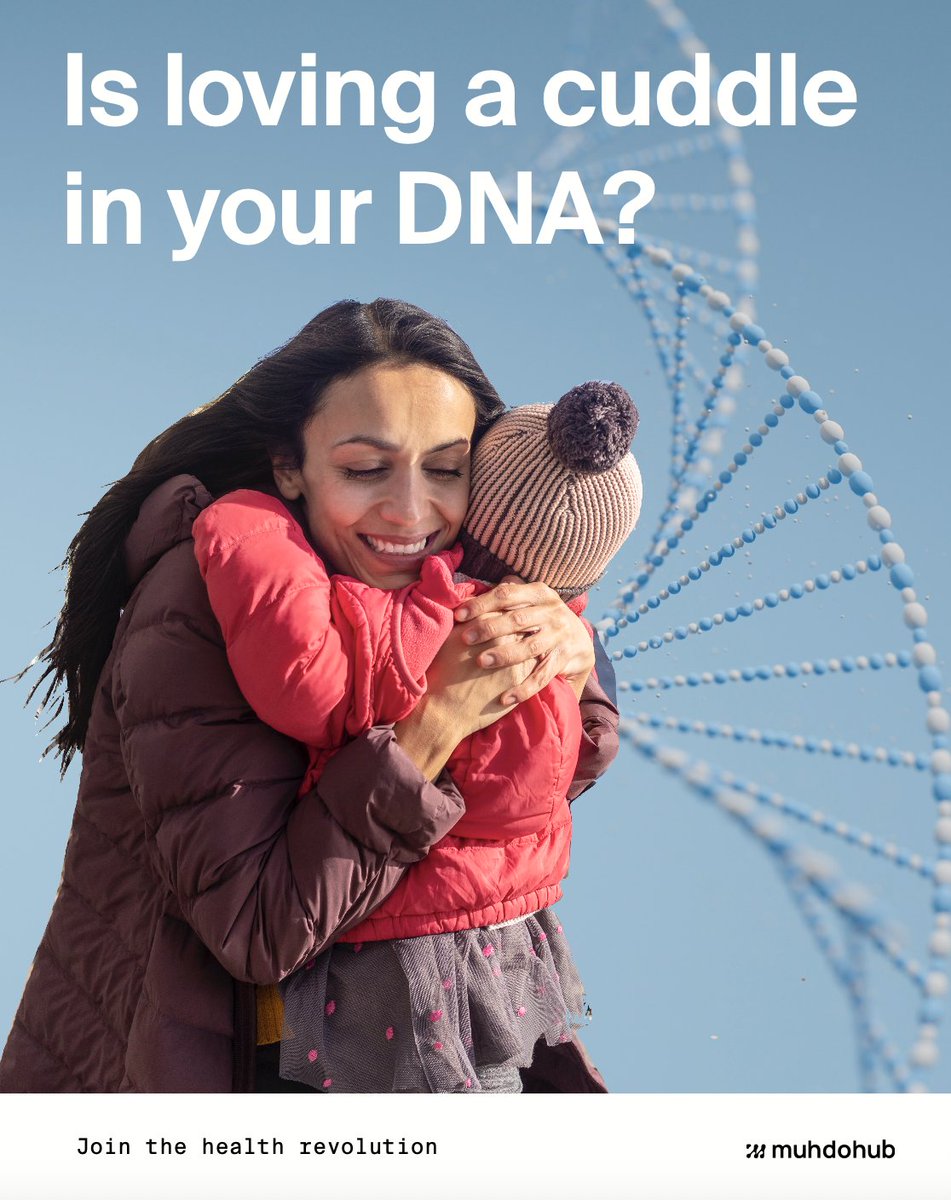
𝐈𝐬 𝐥𝐨𝐯𝐢𝐧𝐠 𝐚 𝐜𝐮𝐝𝐝𝐥𝐞 𝐢𝐧 𝐲𝐨𝐮𝐫 𝐃𝐍𝐀?
With all the turmoil and endless sources of stress in the world right now, we’re sure the vast majority of you have been in need of a cuddle every now and then. But is being a cuddly person actually in your genes?
Well, the short answer is, possibly.
One gene, FTO, is strongly associated with obesity and weight management, particularly in childhood. It is expressed across several tissues, most notably in specific regions of the brain and in muscle and is highly active in hypothalamic regions that play an important role in controlling appetite and energy balance.
FTO influences eating behaviour and is involved in pathways responsible for the release of several hormones, including ghrelin, known as the "hunger hormone."
However, the connection to cuddling is more indirect. Research suggests a link between FTO and brain functions that influence behaviour, including social bonding and emotional regulation, both of which are closely tied to oxytocin, the "cuddle hormone."
That said, oxytocin release and the desire for physical closeness are regulated primarily by the oxytocin gene (OXT) and its receptor gene (OXTR), rather than FTO directly.
So, whilst genetics certainly plays a role in how affectionate or socially bonded, we are as individuals, with some of us naturally more predisposed to being cuddly than others, it is more accurate to say that loving a cuddle is influenced by your DNA, rather than determined by a single gene.
#Muhdo #DNAScience #Genetics #FTOGene #OxytocinHormone #CuddleHormone #GeneticWellness #Epigenetics #HumanBehaviour #BrainScience #Neuroscience #GeneticHealth
2
9
161
Jun 6
Full post with all peer-reviewed sources linked:
resultsvelocity.com/you-are-…
What has your own experience of frequency or energy healing taught you?
Drop it below. Seriously.
#FrequencyHealing #WaveGenetics #DNAScience #EnergyMedicine #Biophotons
3
4
74

Sneezing around your own pet? 🐱🐶 Your DNA might know why. It's Pet Allergy Awareness Month, and 23andMe has reports analyzing thousands of genetic markers for cat and dog allergies.
Cat allergy report:
23andme.com/topics/wellness/…
Dog allergy report:
23andme.com/topics/wellness/…
#PetAllergyAwarenessMonth #PetAllergy #CatAllergy #DogAllergy #23andMe #DNAScience
2
797

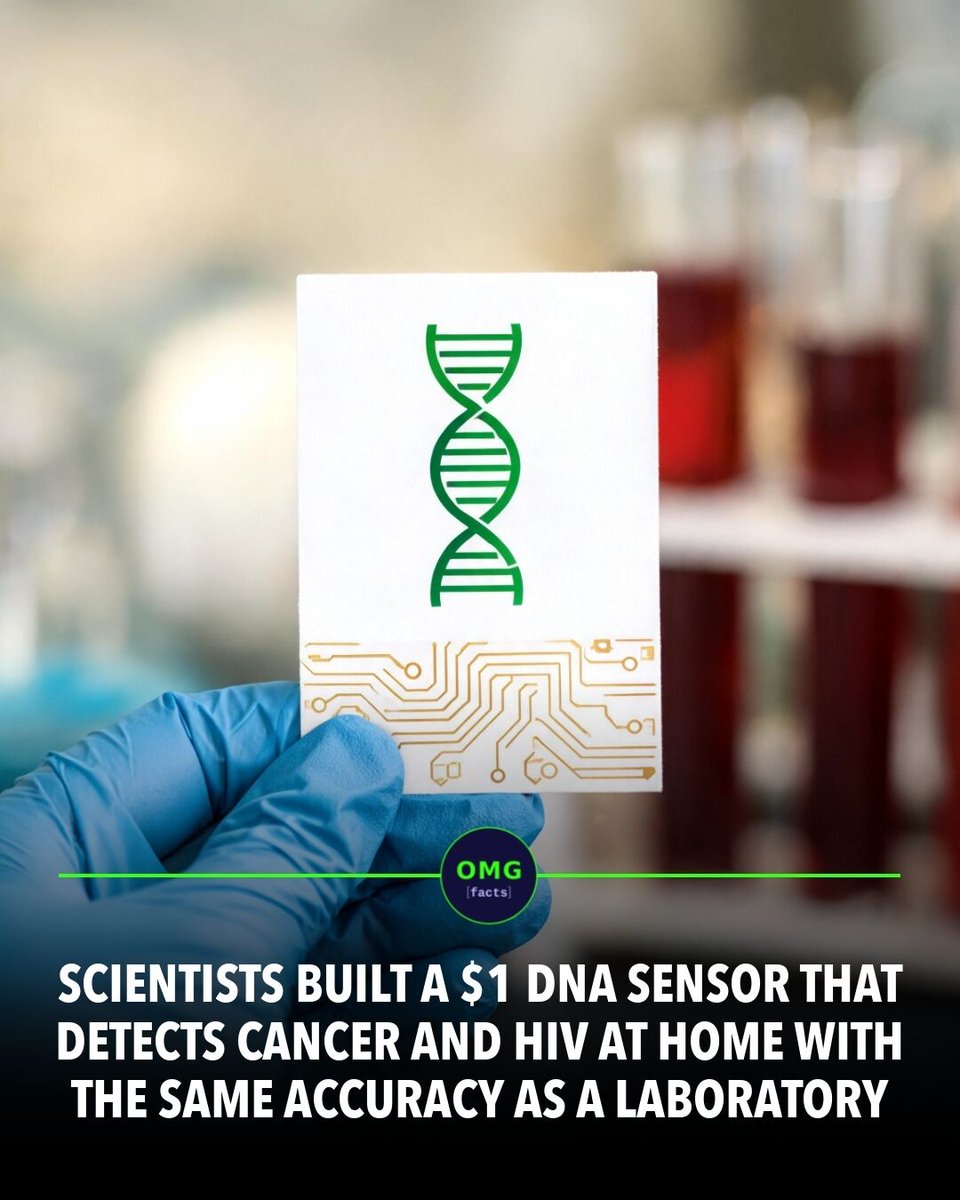
🧬 A $1 sensor can now detect cancer and HIV at home.
Scientists used synthetic DNA strands as molecular switches.
The lab just fit in your pocket.
Sources: Nature Communications, Science Daily
#omgfacts #HealthTech #DNAScience
1
5
4,655
Mar 12
𝐖𝐡𝐨 𝐚𝐫𝐞 𝐌𝐮𝐡𝐝𝐨?
We don’t follow trends. We follow your DNA.🧬
Did you know your body is constantly “listening” to your life?
Every move you make and every meal you eat sends a signal to your DNA, telling your cells whether to repair or retire.
What was once science fiction, is now our reality.
Your genes are not your destiny as once thought.
Modern day science has revealed that you hold the remote control, through the science of Epigenetics, you have the power to “flip the switch” on your gene expression.
You aren’t a passenger in the ageing process; you’re in fact the pilot.
Muhdo don’t just look at who you are: we show you who you are becoming.
Better Longevity, backed by science 🧬
#muhdo #epigenetics #longevity #DNAscience
9
5
20
516

10 Nov 2025
Breakthroughs in cancer research depend on individuals like Salk scientist Jesse Dixon, whose lab at the Salk Institute is posing fundamental questions about how our DNA folds—and how disruptions in this process can lead to cancer.
But even the most promising projects are at risk. Federal funding delays have forced Jesse’s lab to pause vital research, despite top review scores.
“Without private support, we’d be forced to scale back,” he says.
"We have support from private foundations, and that is effectively allowing us to maintain our course." Philanthropy enables us to continue asking big questions and advancing science.
Science can’t wait. Your support keeps discovery alive.
🔗 salk.edu/support-us/science-…
#SalkInstitute #CancerResearch #Philanthropy #ScienceCantWait #ResearchMatters #DNAscience
1
5
733

11 Sep 2025
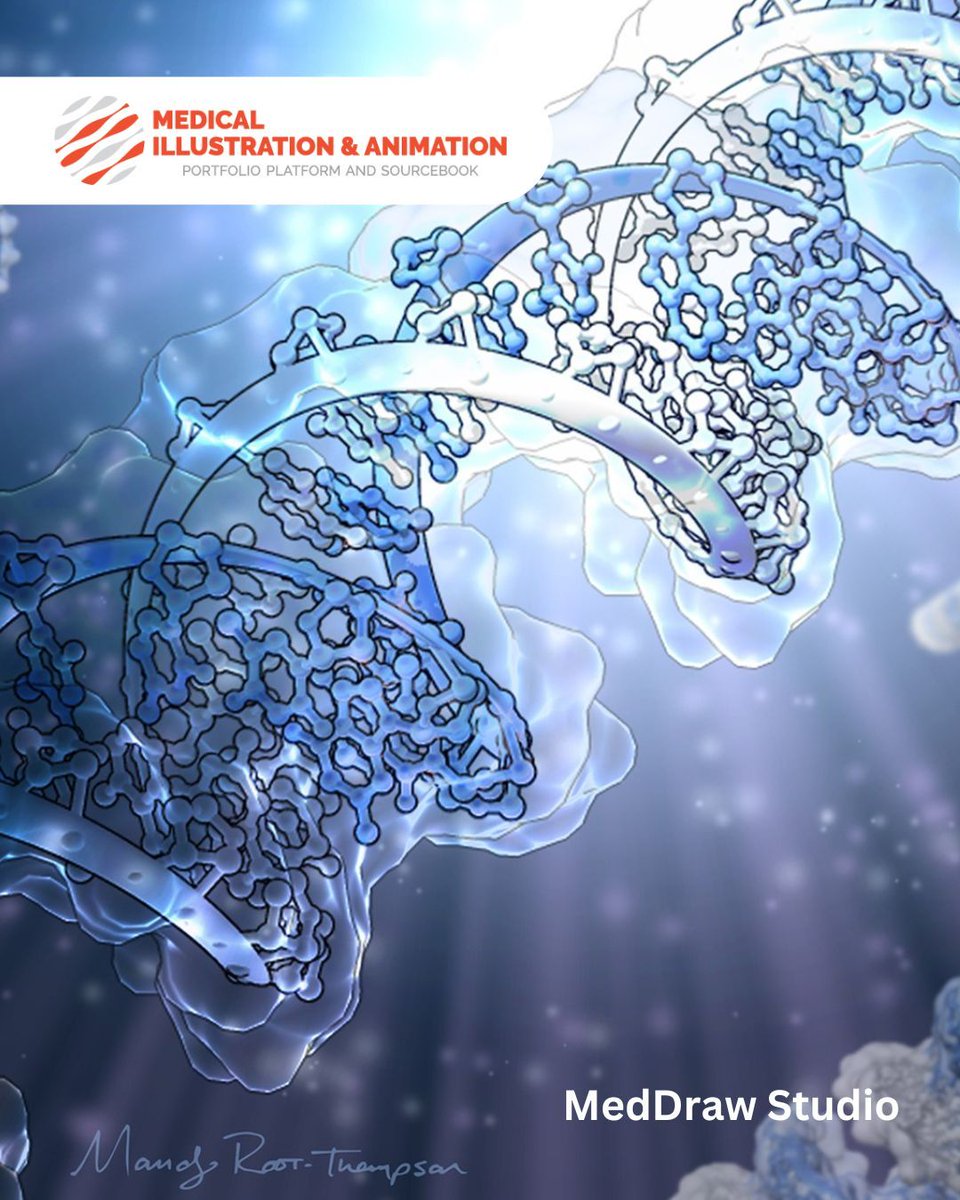
A closer look at life’s blueprint ✨
This stunning illustration by MedDraw Studio depicts DNA in an aqueous environment, blending scientific precision with artistic detail.
Discover more: medillsb.com/artist.aspx?AID…
#medicalillustration #dnascience #genetics #molecularbiology
3
166

6 Mar 2025
Library Prep: The First Step to Unlocking DNA Secrets – 5 things to know today!
----------------------
Learn the science behind it. #GenomicsGateway #DNAScience
Visit dnalcnigeria.org/workshop/ge……to register
2
23

13 Sep 2024
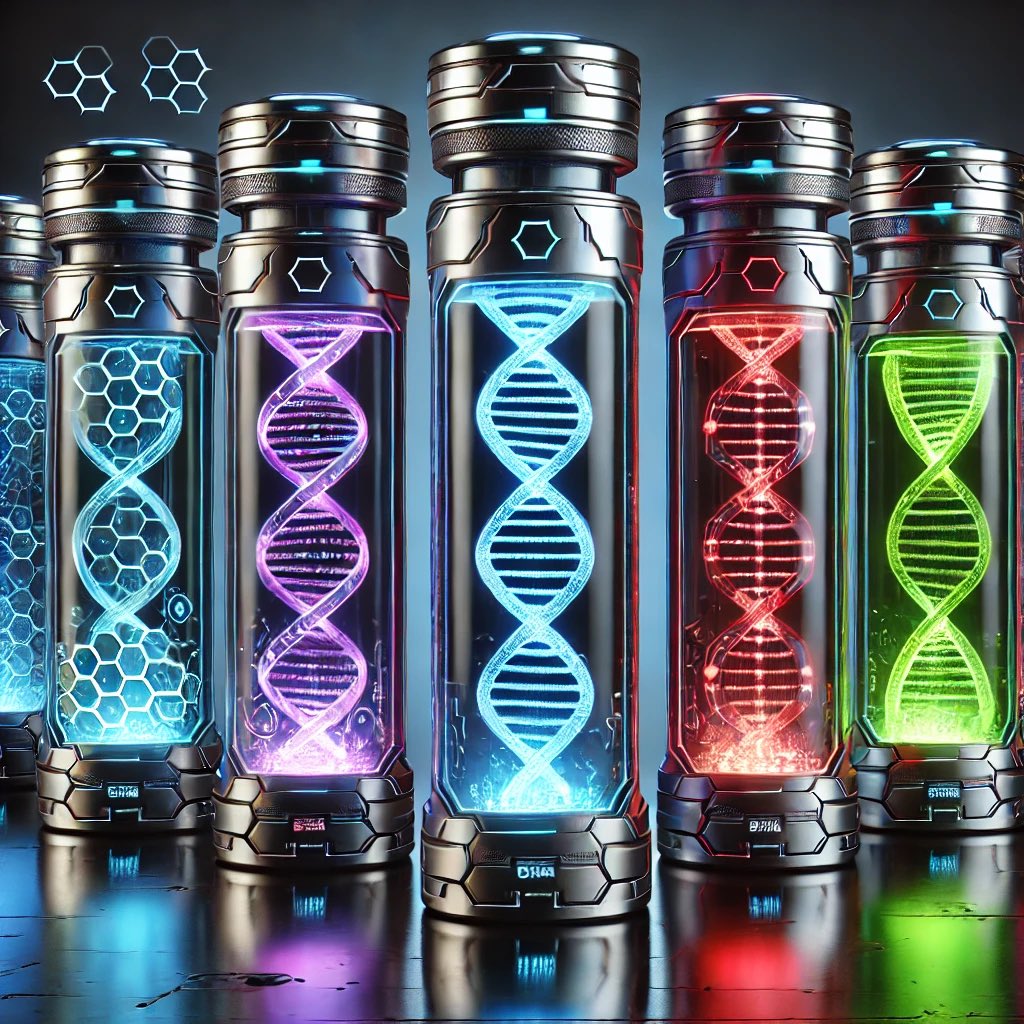
In SnapCats: Ascendance of the Rift, Bio-Engineers are highly versatile creators, not only responsible for crafting custom animals but also for producing critical components that benefit Doctors, Combat Medics, and Medics. These engineers can synthesize advanced organic materials and biotech enhancements, which are then used to boost the effectiveness of medical treatments.
For Doctors, Bio-Engineers can create specialized compounds that increase the potency of healing medicines, making health restoration faster and more efficient. For Combat Medics, bio-engineered stimulants or injectables can provide temporary boosts to stamina and focus in battle, allowing players to push through tough encounters. Medics can also make use of bio-engineered products to create powerful antidotes, accelerants, or enhancers that improve recovery times and provide unique advantages during combat.
The collaboration between Bio-Engineers and medical professions plays a critical role in providing buffs, quicker recovery, and more efficient medical practices, making them a valuable asset in both combat and support roles.
#SnapCatsGame #BioEngineer #SciFiGaming #MMORPG #GeneticEngineering #FutureTech #GameDev #DNAScience #AscendanceOfTheRift #GamingCommunity
2
8
248

9 Aug 2024
Happy Book Lovers Day! 📚
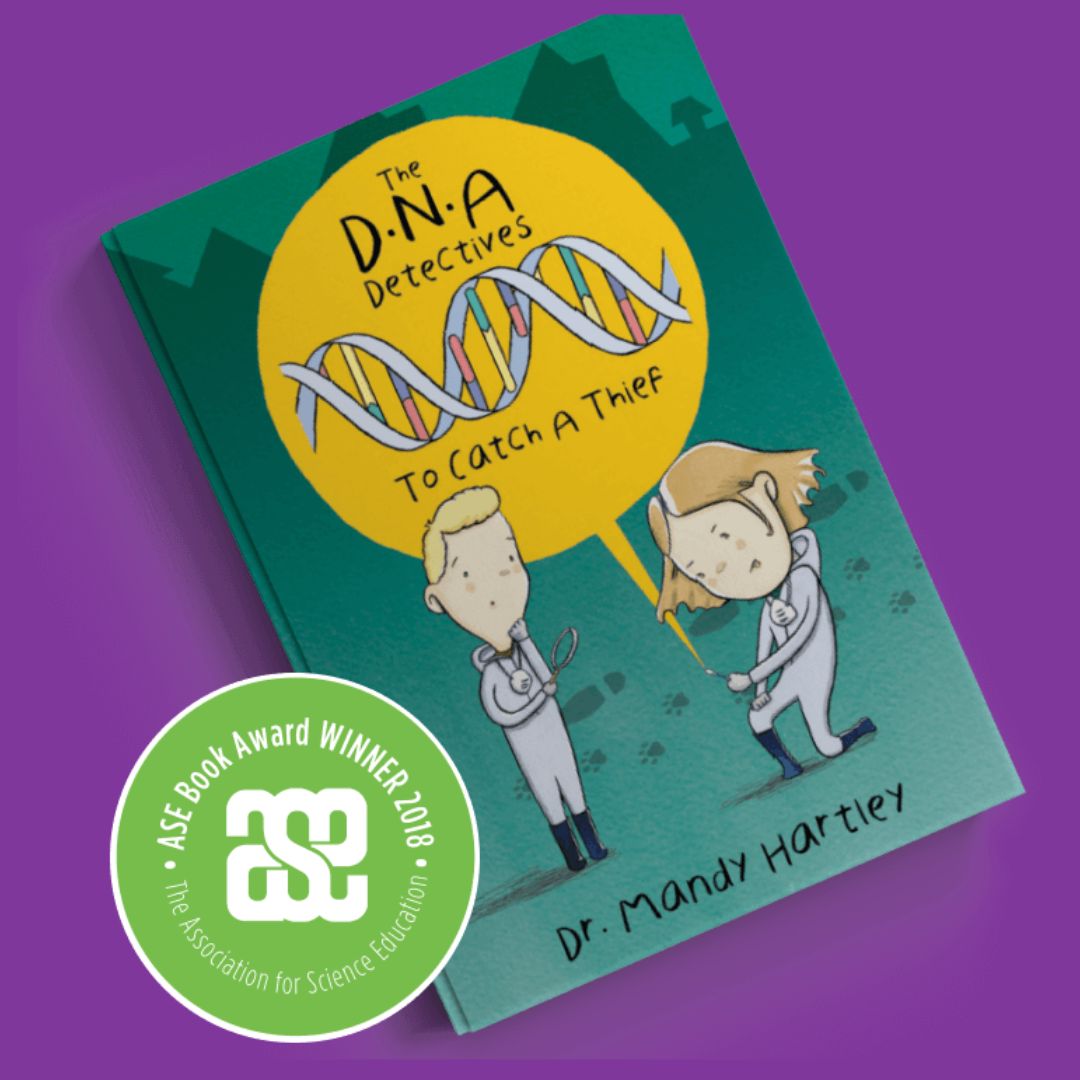
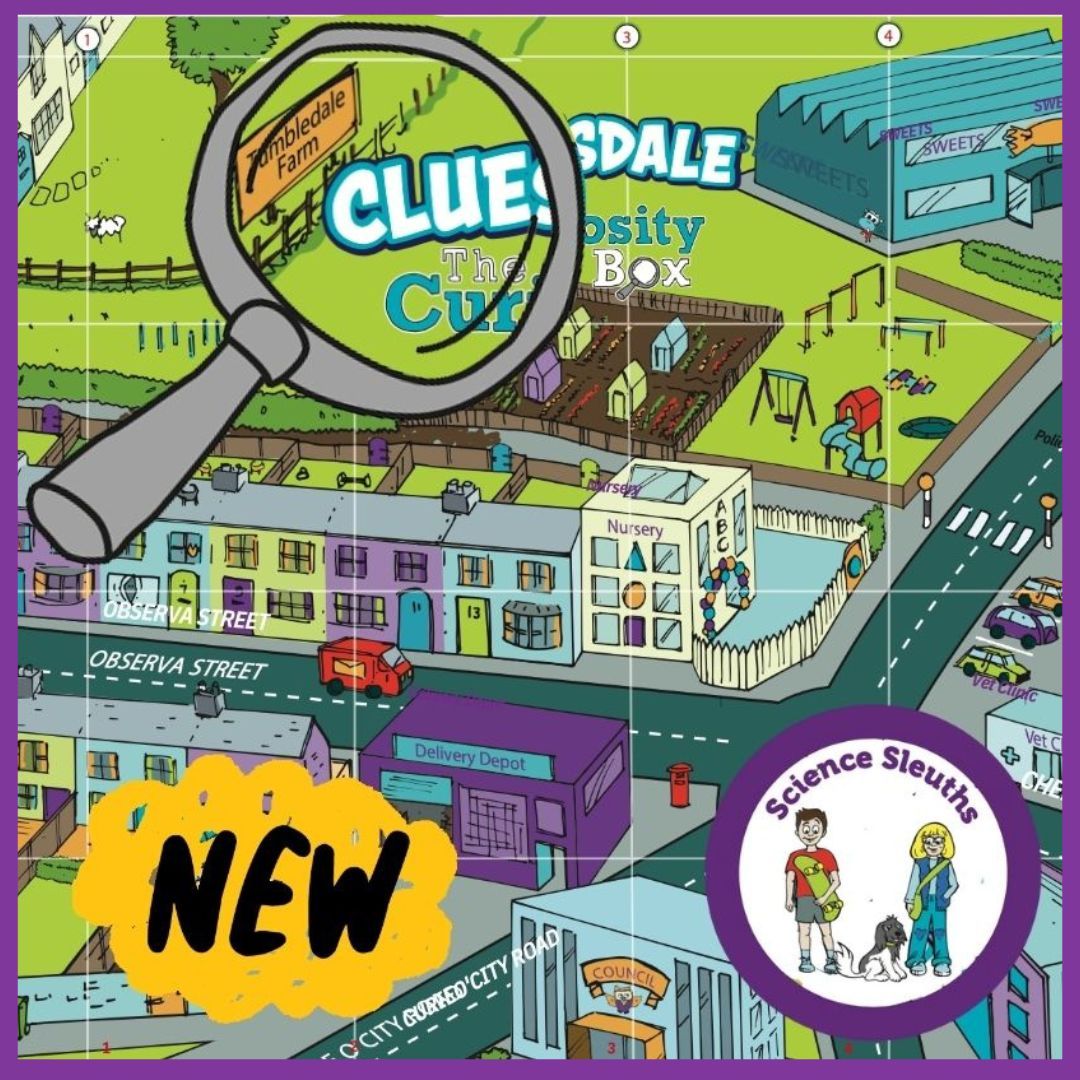
Did you know that our awesome Science Sleuths box was created with the help of the amazing Mandy Hartley, author of the DNA detective books, from The Little Storytelling Company? 🔬
#kidsandscience #DNA #dnascience #practicalscience #readingrocks
2
101

14 Jun 2024
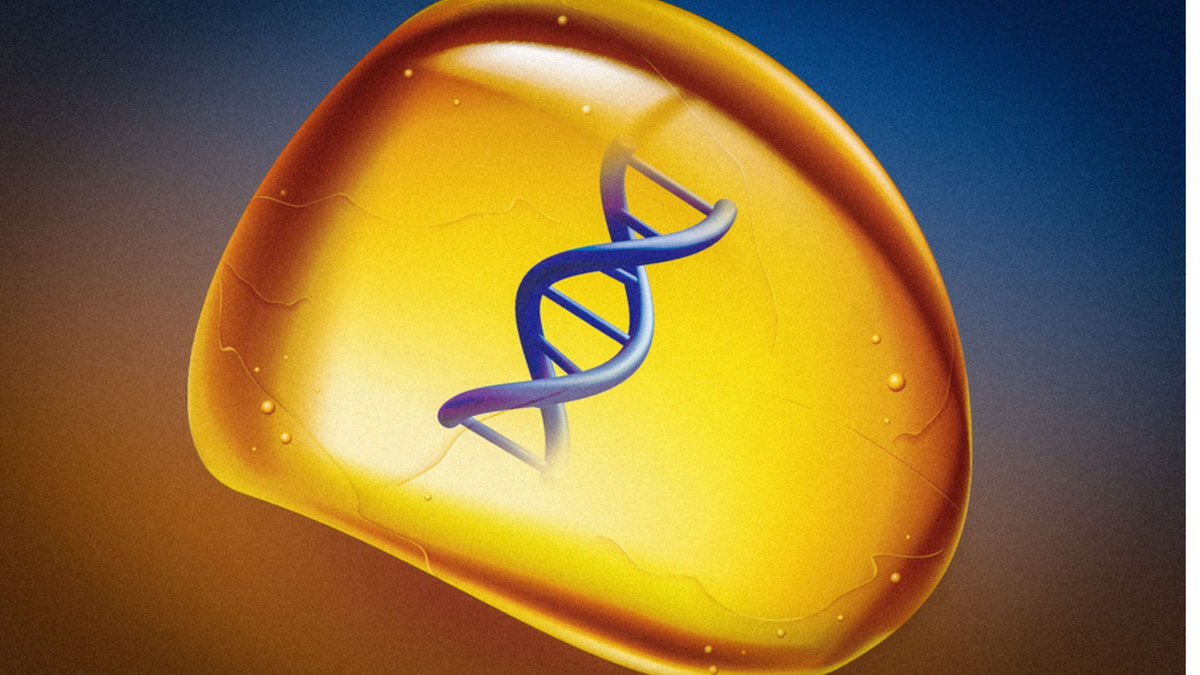
MIT’s Jurassic Park-like DNA storage can store photos, music for centuries.
🔗 buff.ly/3z48vV1
@fogle_shane @mvollmer1 @baski_LA @jeancayeux @Nicochan33 @Shi4Tech @FrRonconi @gvalan @Eli_Krumova @TanyaSinha_
#DNAScience #DataStorage #MIT #FutureTech #Biotechnology
6
5
430

22 Jun 2023
Get ready for the #Bullrun, as #DNAToken is set to unleash its true power! Holders will reap massive rewards as this technology transforms the future of #passiveincome and #dnascience With our strong community and team of genealogists the sky's the limit. Don't miss out! #crypto #investing #coldcases
7
5
9
254

MSc Freed Ahmad studied Tetracapsuloides bryosalmonae parasite in brown trout, improving our understanding of the molecular basis of proliferative kidney disease and contemporary natural selection in the fish population. #dissertation #ecology #DNAscience
utu.fi/en/news/events/disser…
1
3
617

24 Apr 2023
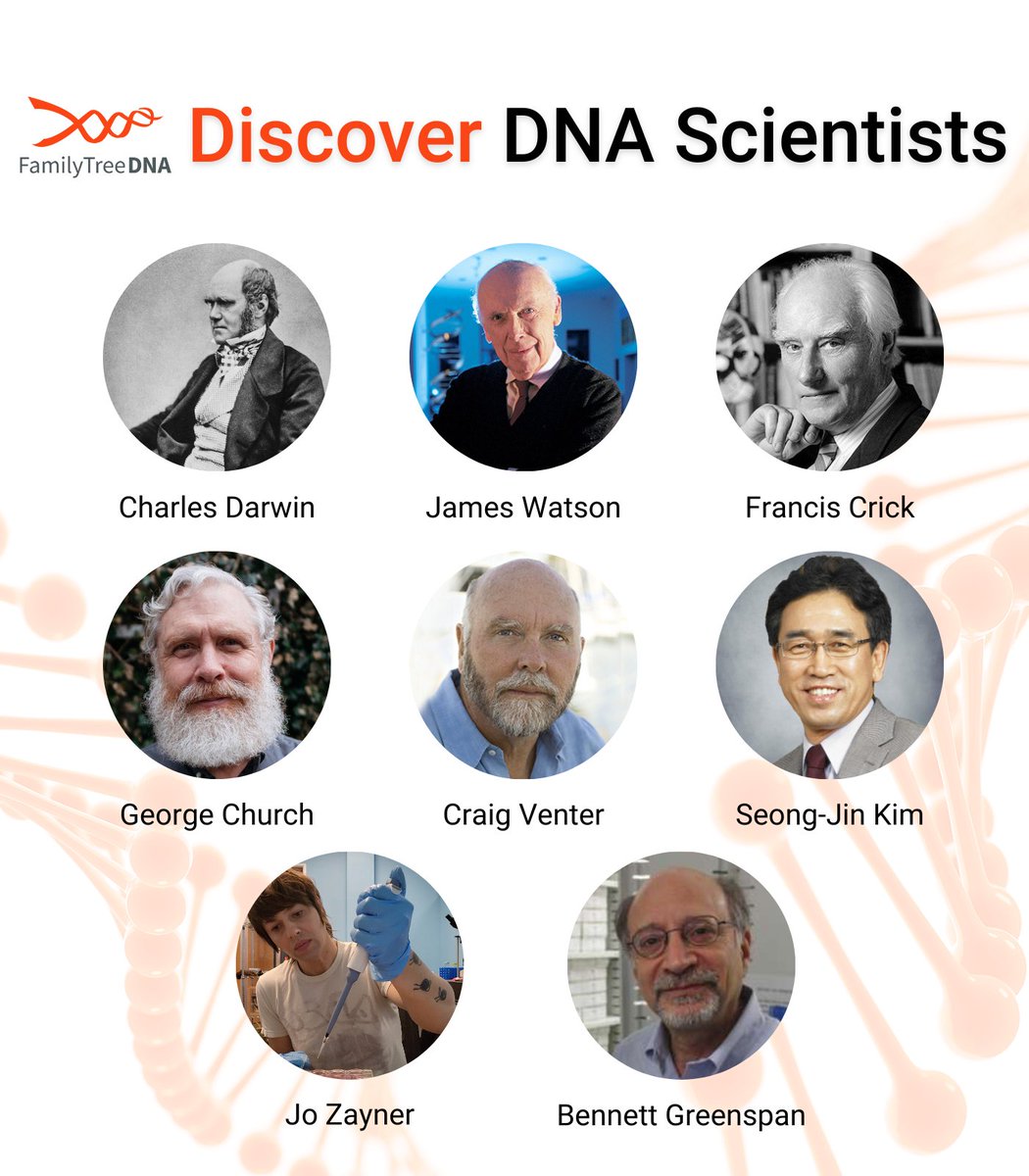
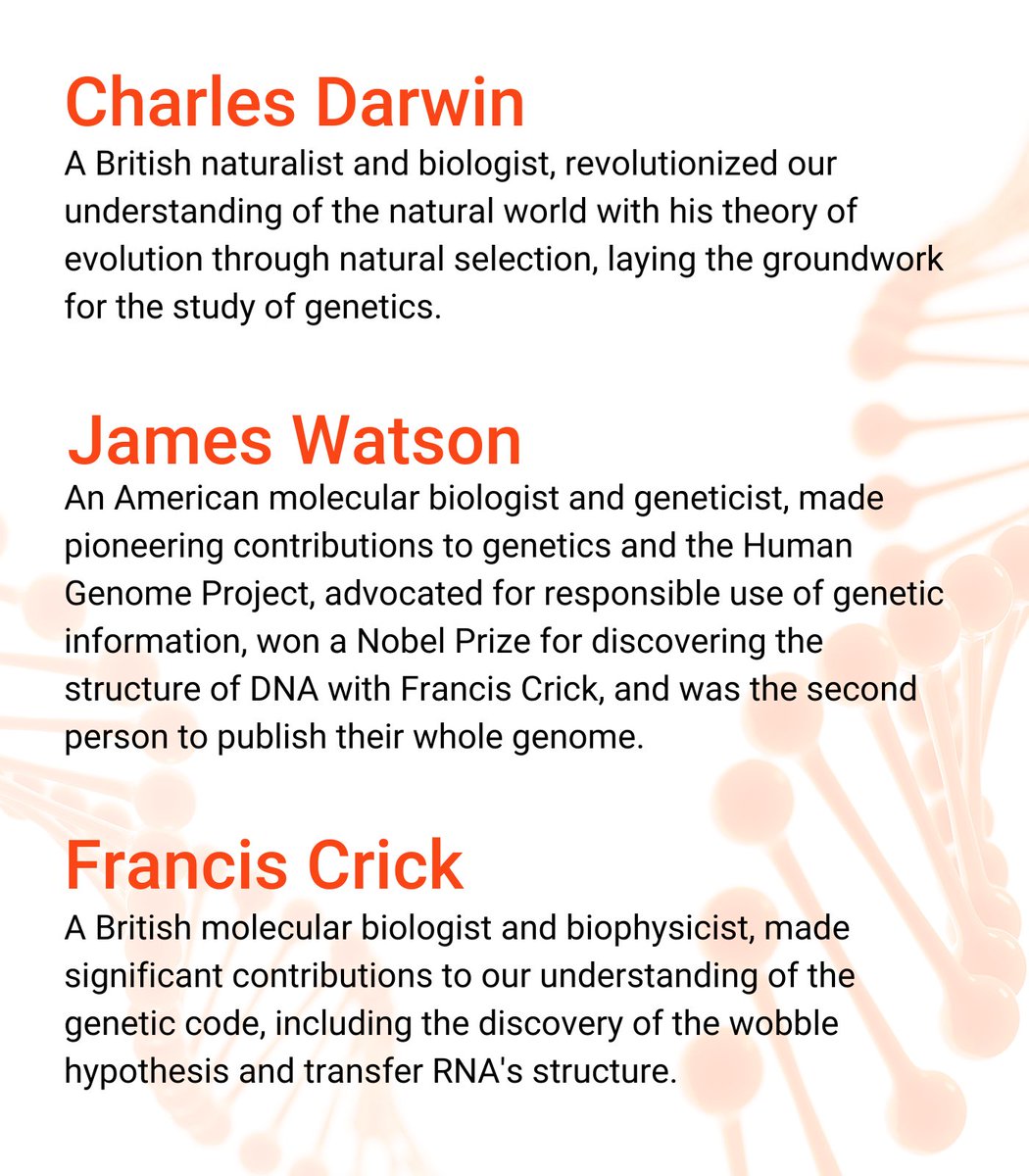
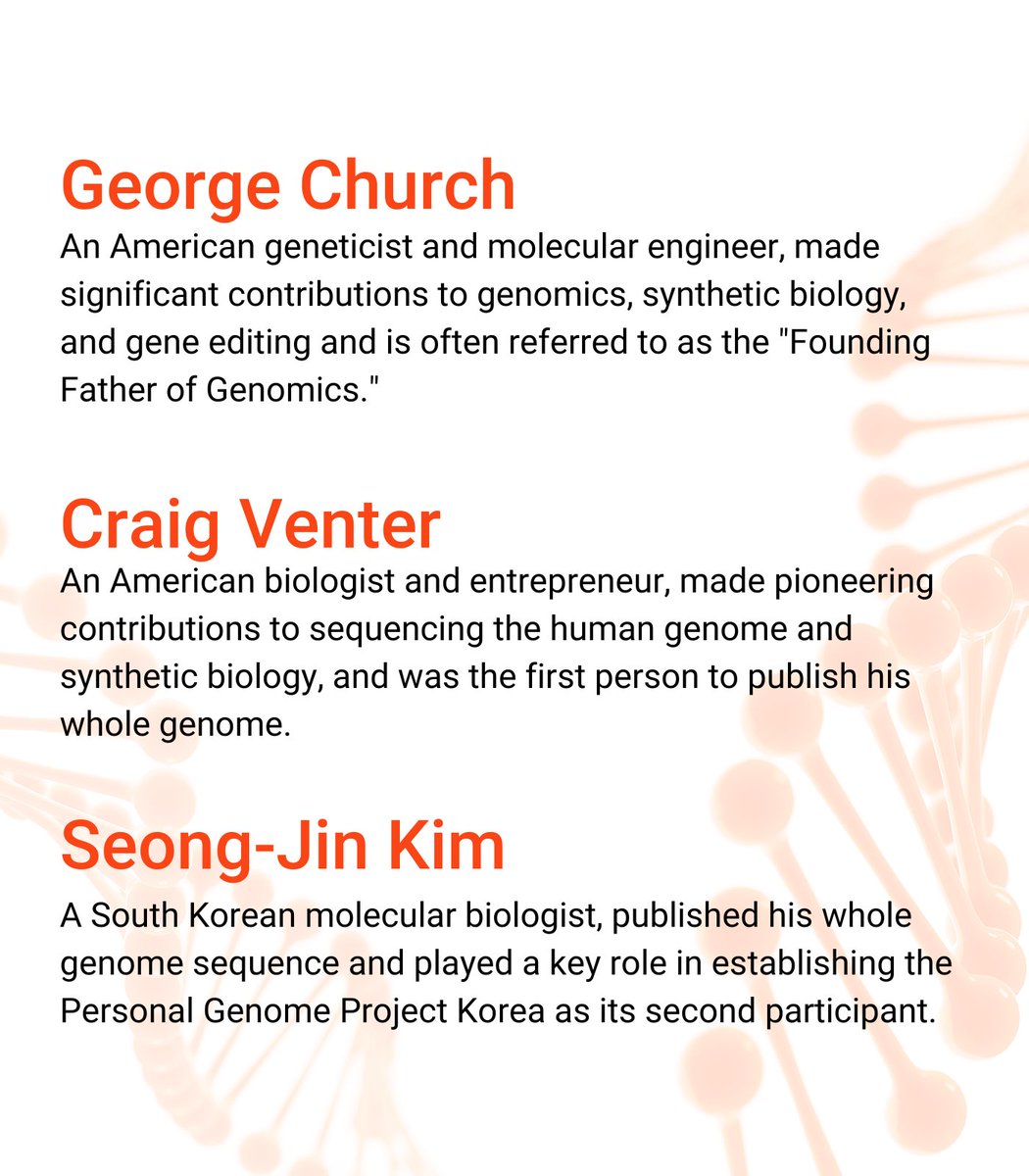
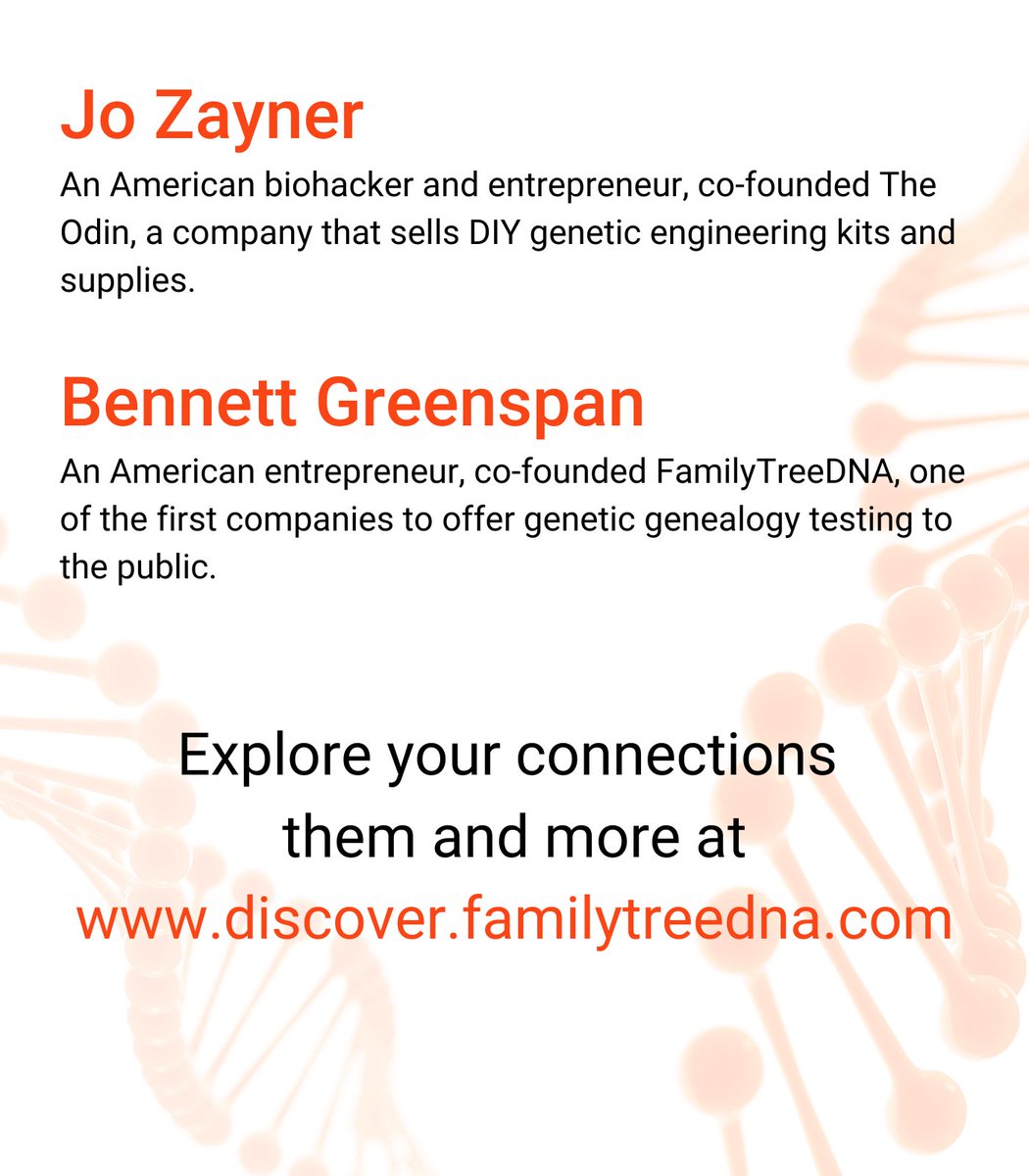
While you get ready to celebrate DNA Day tomorrow, take a look at some of the folks who contributed to our understanding of DNA today. #DNADay #DNAScience #Genomics #Genetics
3
10
1,061

18 Dec 2022
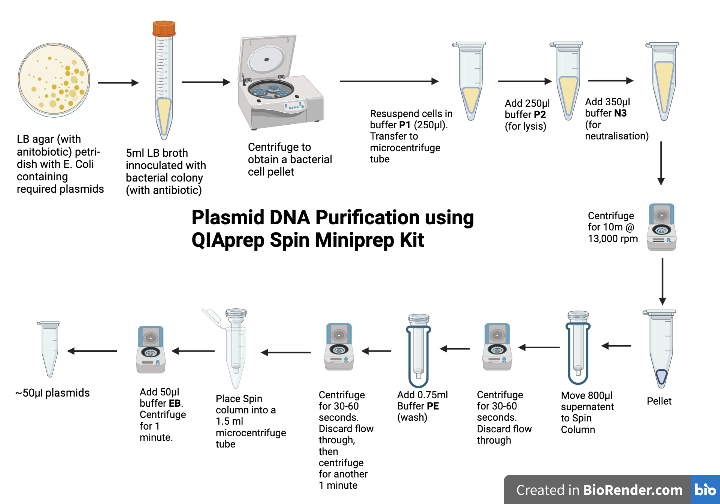
Workflow of mini-prep process using @QIAGEN kit and reagents. used to extract and purify plasmids from E.Coli bacteria. The plasmids are then used in upstream workflows like #transfection of cells.
#miniprep #Biotechnology #cellbiology #dnascience #dna #geneediting #crispr
5
291
17 Dec 2022
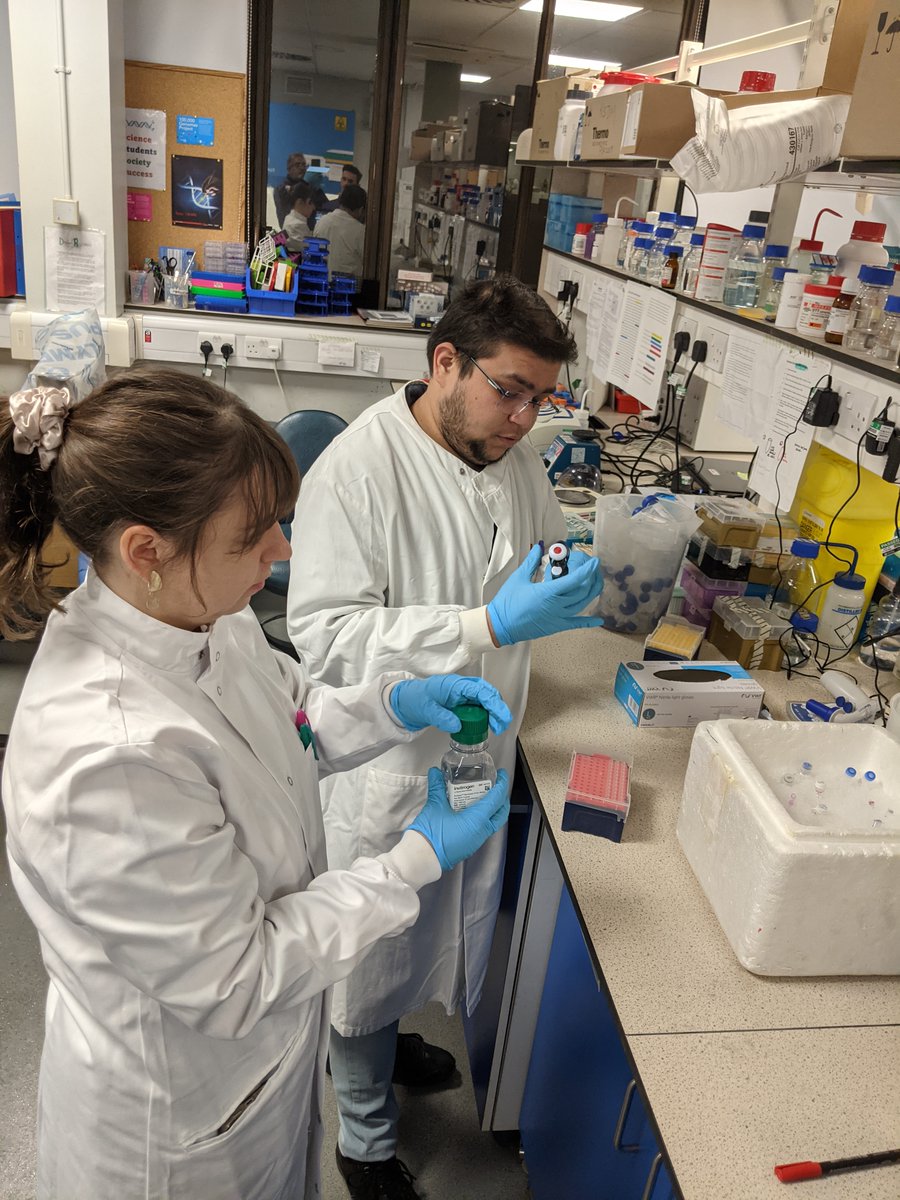
Julia and @khan_saahaab demonstrating the PCR chain reaction and agarose gel-electrophoresis at @UniWestminster Genome Engineering Lab during a live stream #CRISPR event organised by @gene_editors yesterday. A very successful student/staff collab event!
#dnascience #biotechnology
1
6
158

7 Mar 2022
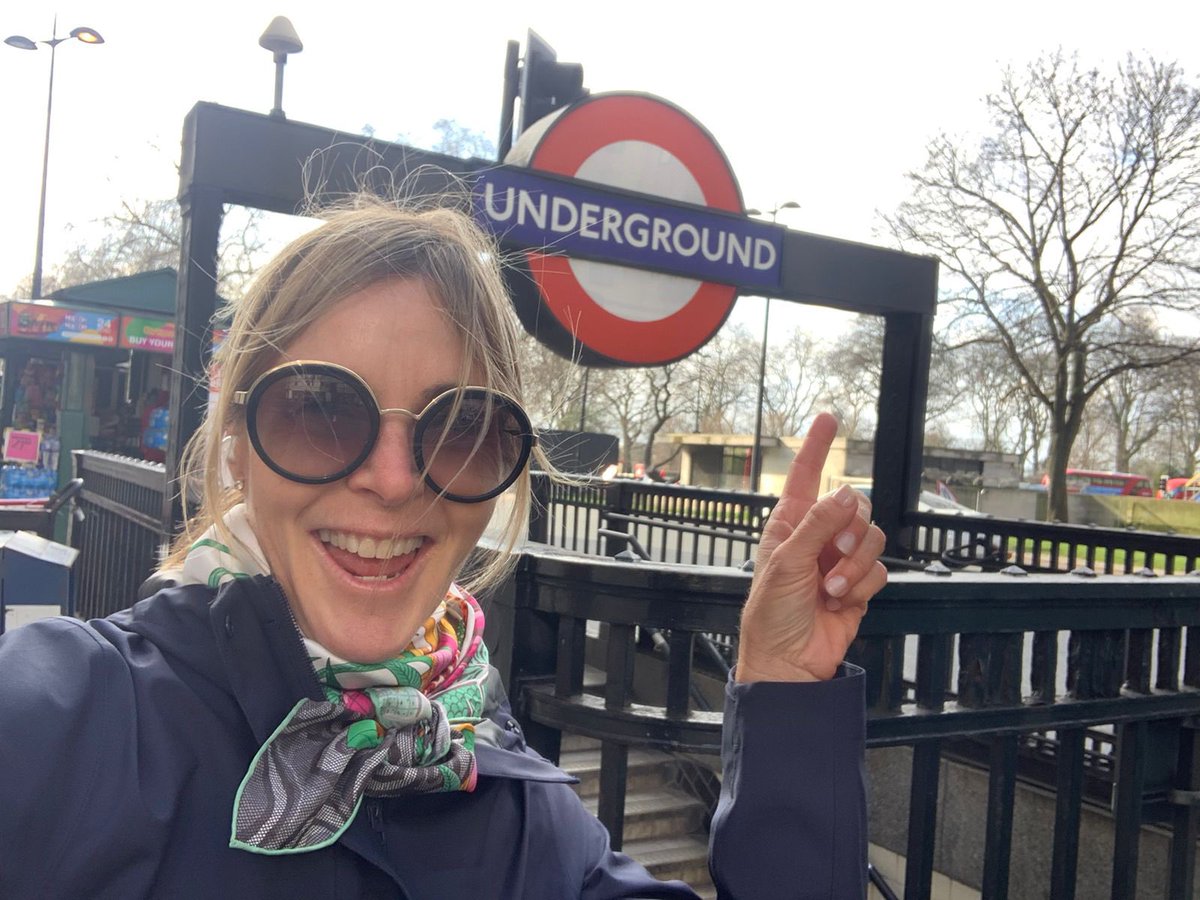
Mind the gap! Just landed in London for a week of meetings with other forensic DNA experts and off to the @uniofleicester where genetic fingerprinting was discovered… we’ll be sharing the highlights here.
#CriminalJustice #DNAscience #Forensics #watchthisspace
3
4
31

4 Feb 2022
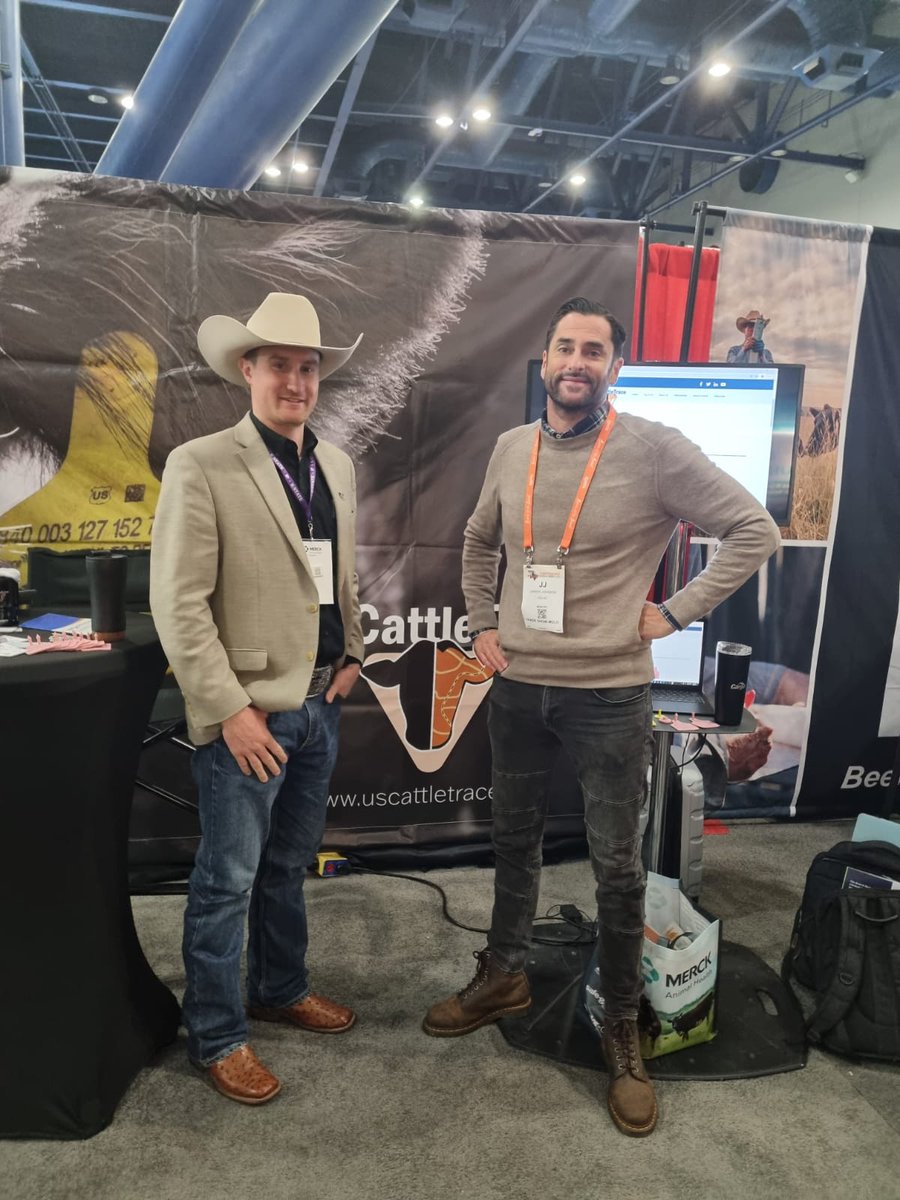
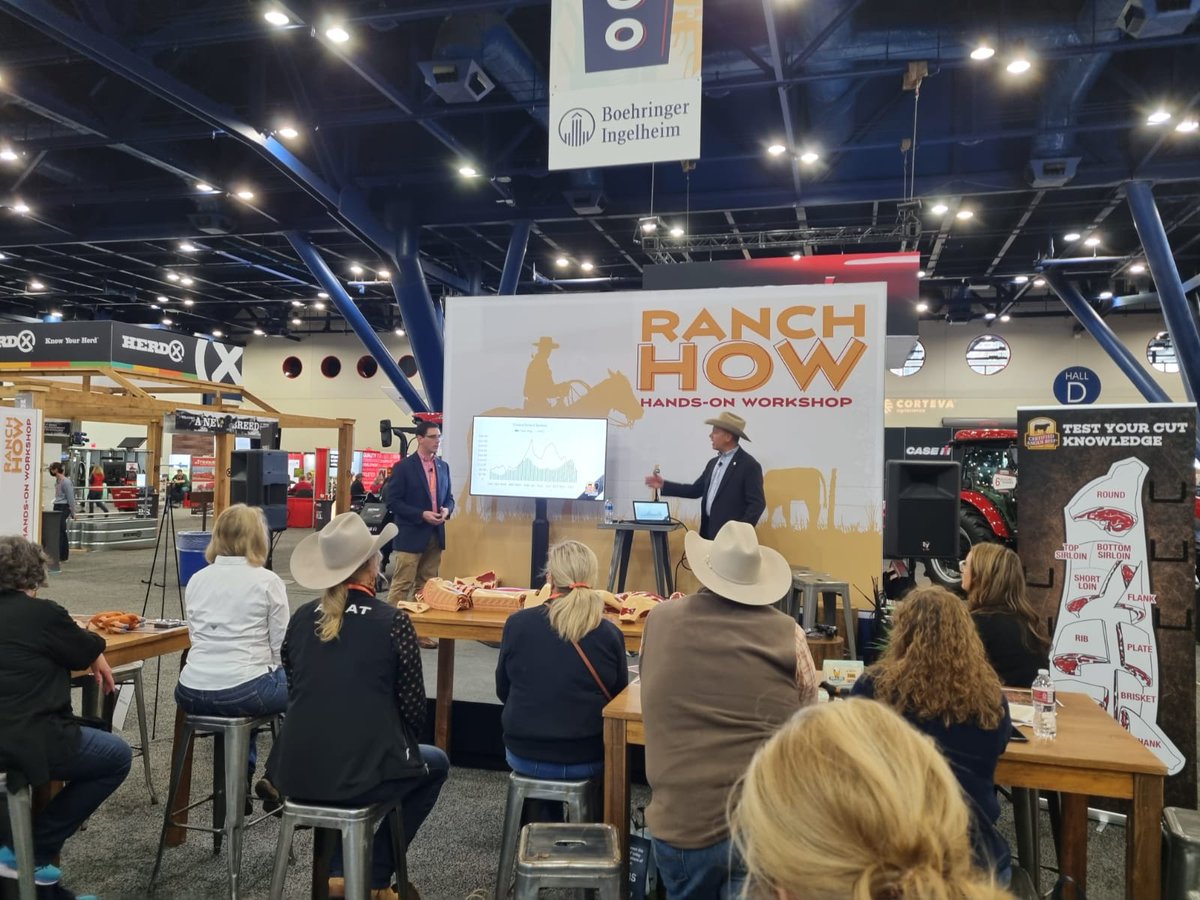
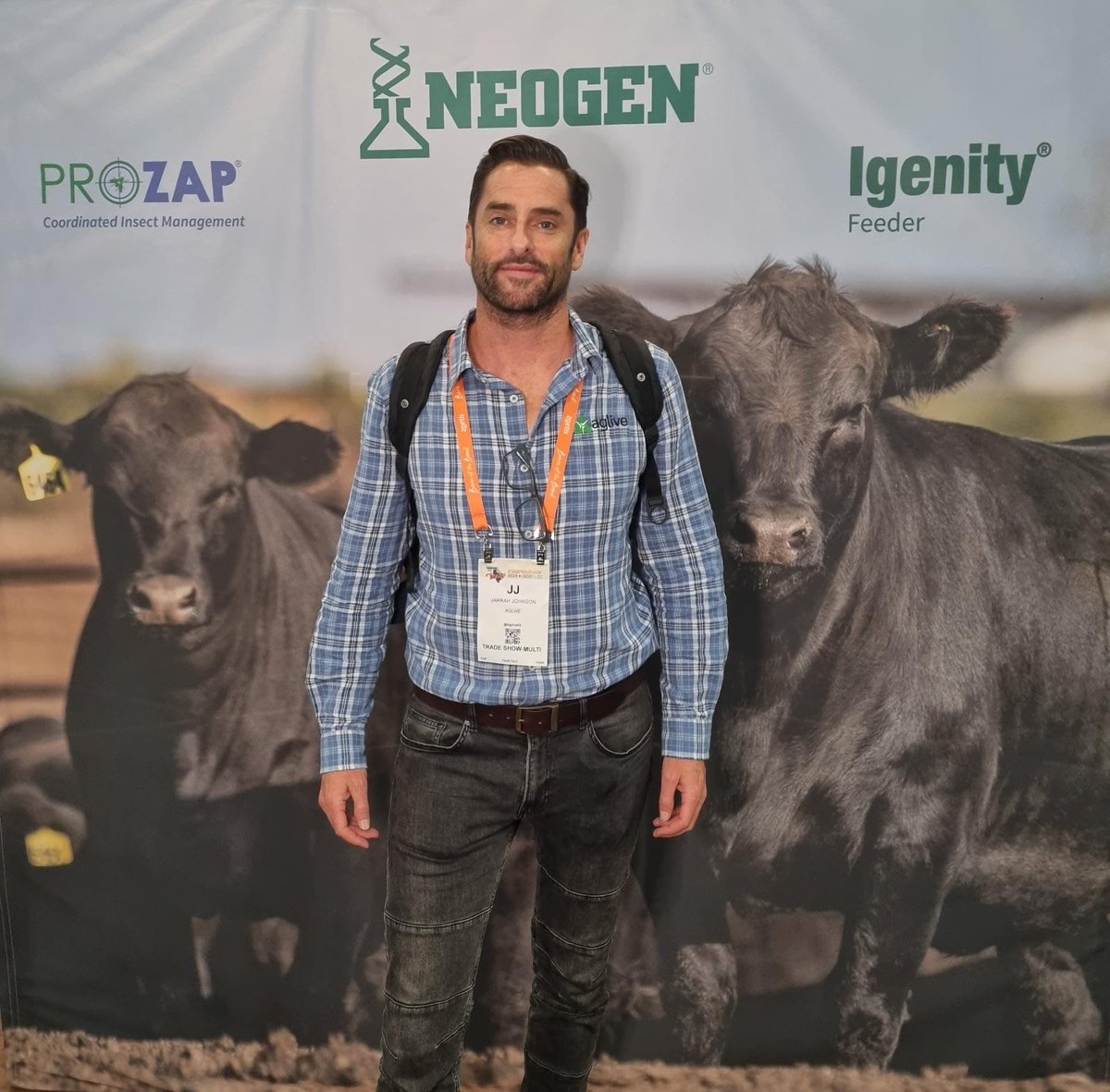
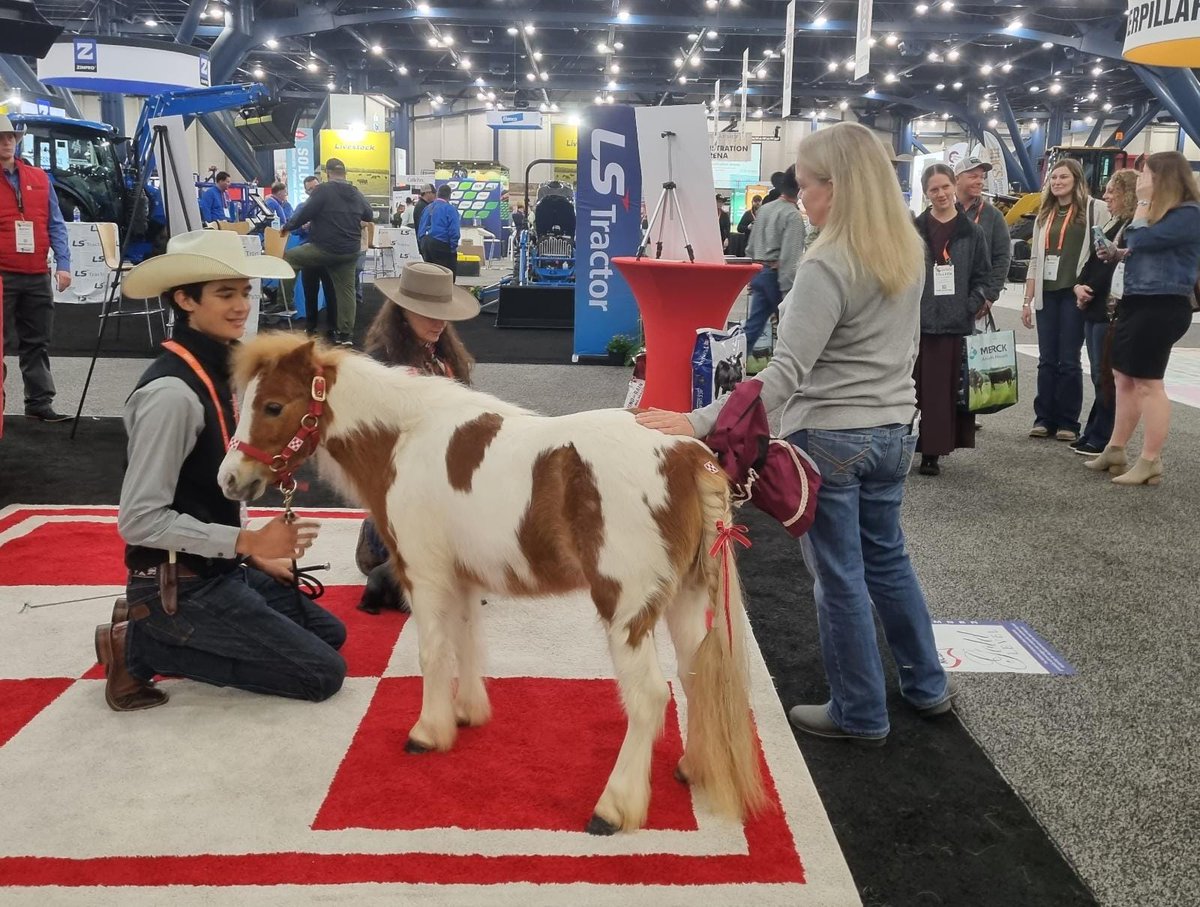
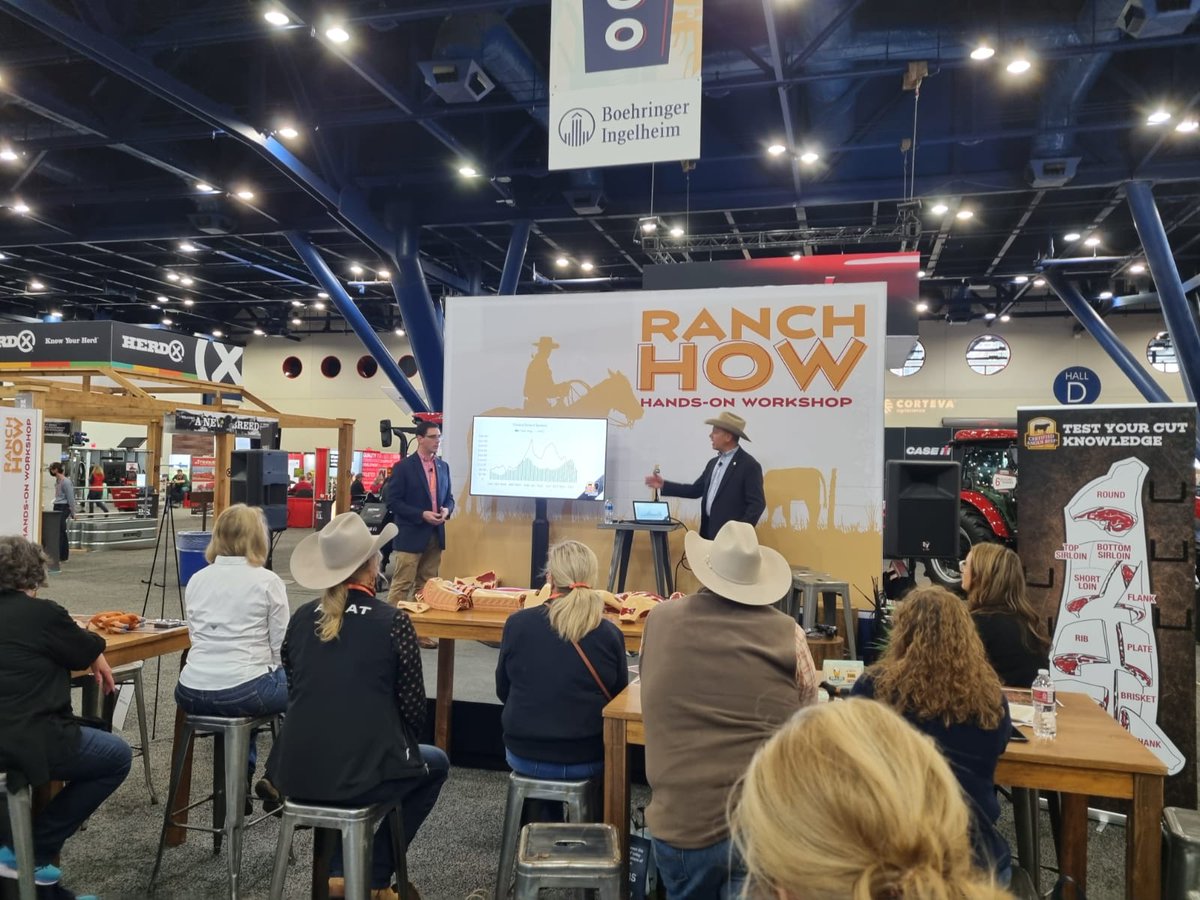
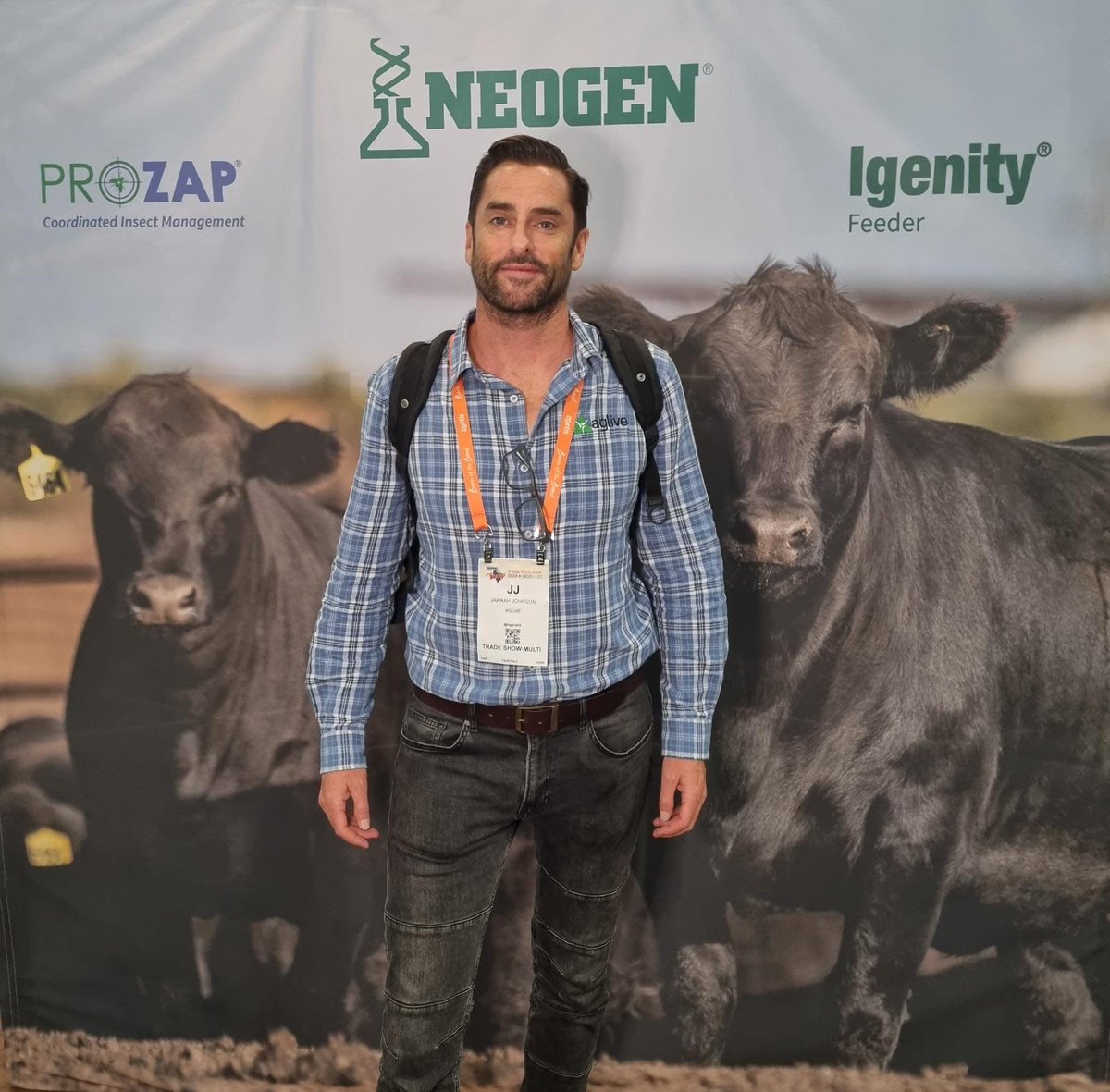
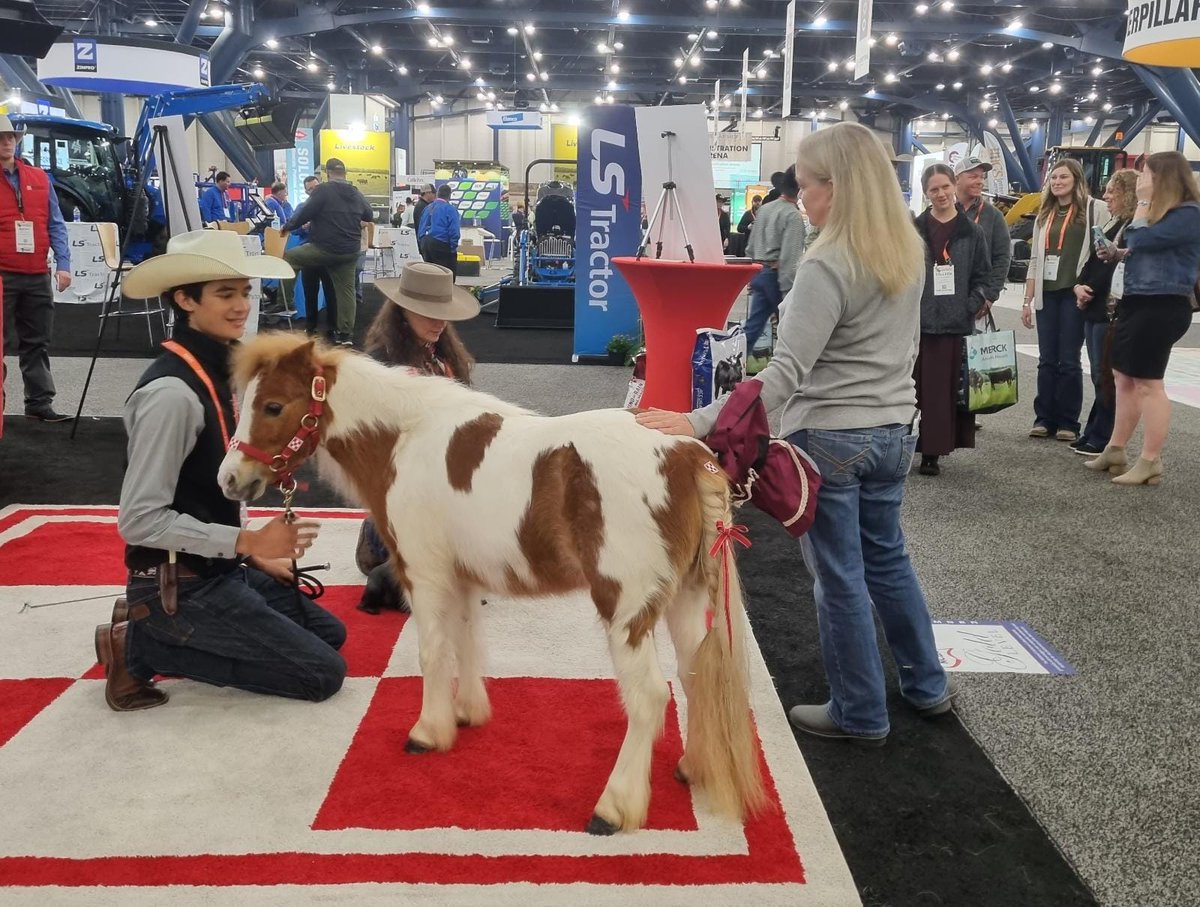
Awesome experience at #CattleCon22!
For the final day of the conference, Aglive's team got busy bridging alliances for 2022, as well as attended insightful ranch how-to sessions.
convention.ncba.org
#cattlecon #cattle #cattleindustry #DNAscience
4

4 Feb 2022
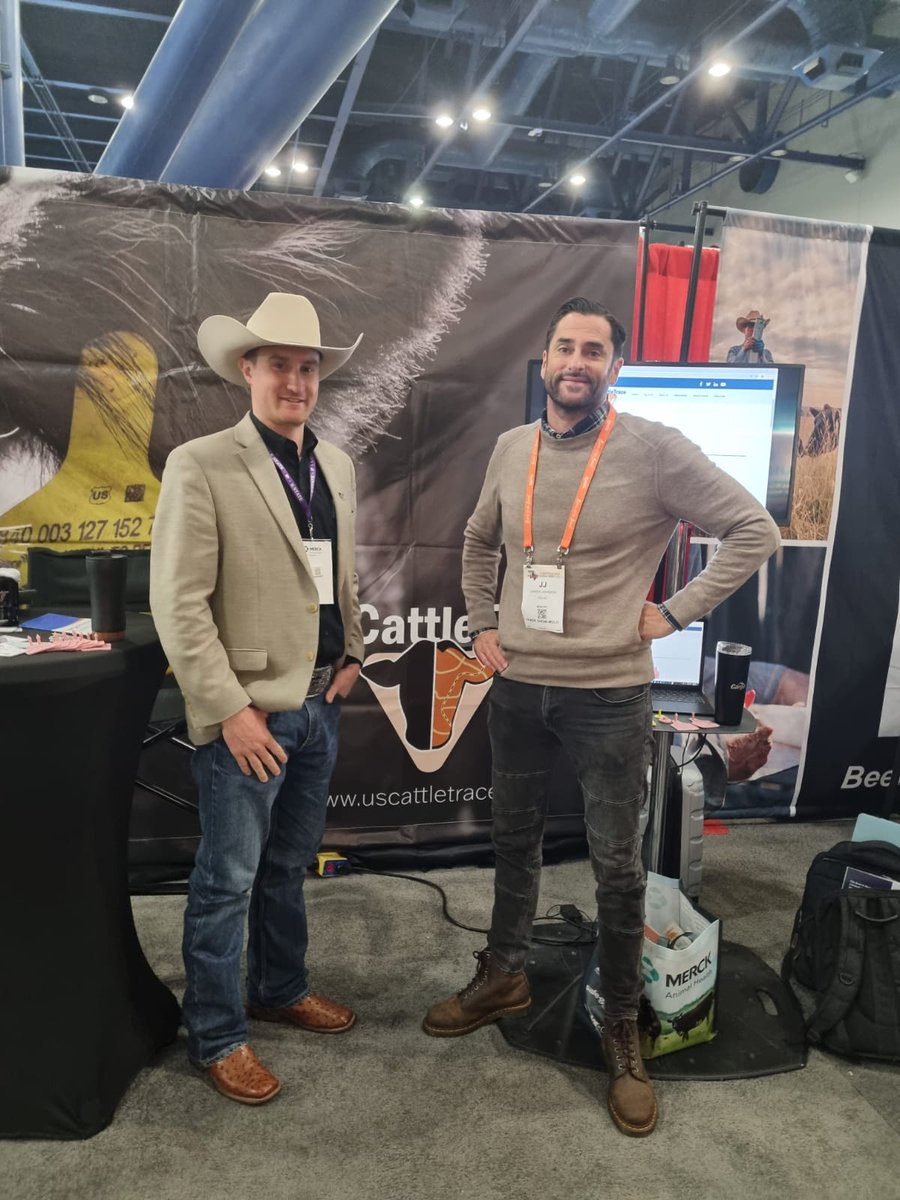
Awesome experience at #CattleCon22!
For the final day of the conference, Aglive's team got busy bridging alliances for 2022, as well as attended insightful ranch how-to sessions.
convention.ncba.org
#cattlecon #cattle #cattleindustry #DNAscience
3