
We're Hiring: Senior Network Engineer
Join our team to build, optimize, and support enterprise network environments that power business-critical operations.
📩 Apply now - ow.ly/8j4n50Zacqx
#Hiring #SeniorNetworkEngineer #NetworkEngineer #CiscoACI #DataCenterNetworking
7

D-Wave's gate-model quantum shift demands interconnect infrastructure that matches qubit speed. 800G/1.6T direct-attach solutions eliminate classical-quantum latency bottlenecks. Quantum computing scales when networks do.
#DataCenterNetworking #QuantumComputing #HighSpeedInterconnect
1
20
Data sovereignty demands aren't just compliance headaches—they're network architecture challenges. 800G interconnects with sub-microsecond latency turn sovereignty into a solvable engineering problem, not a performance death sentence.
#DataCenterNetworking #HighSpeedInterconnect #800G
15

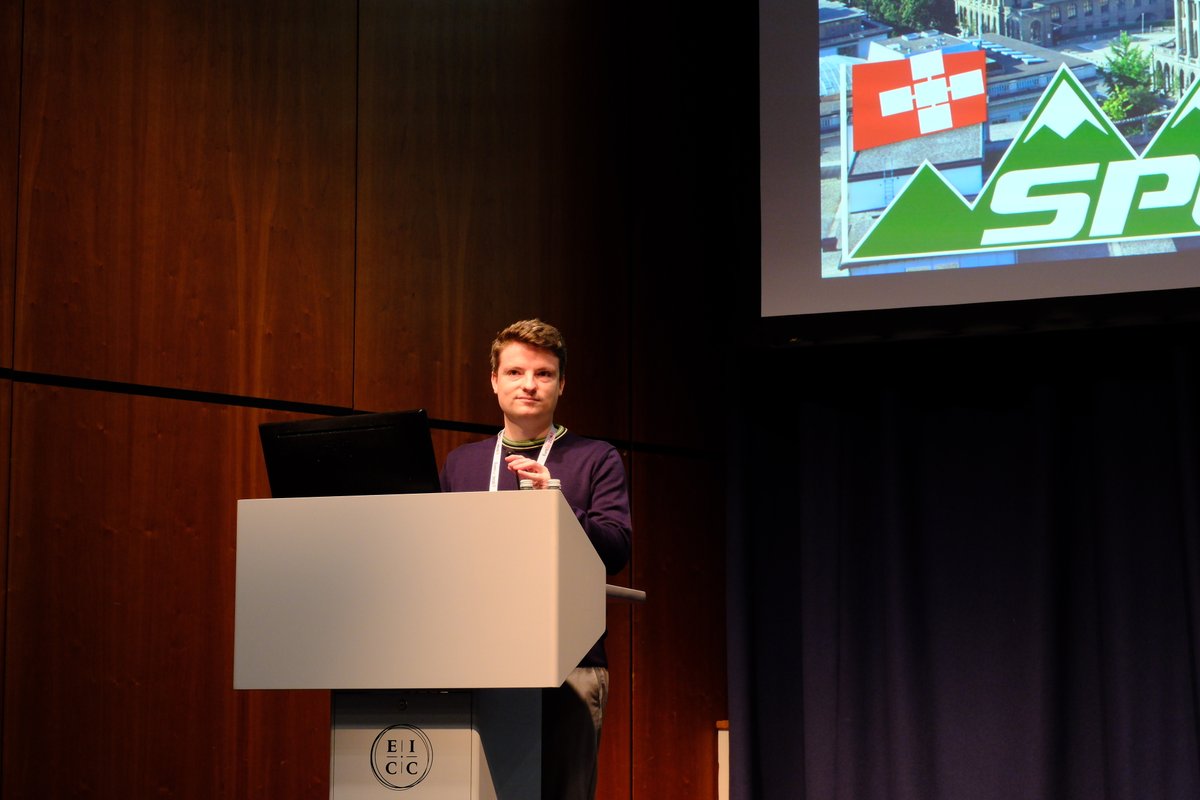
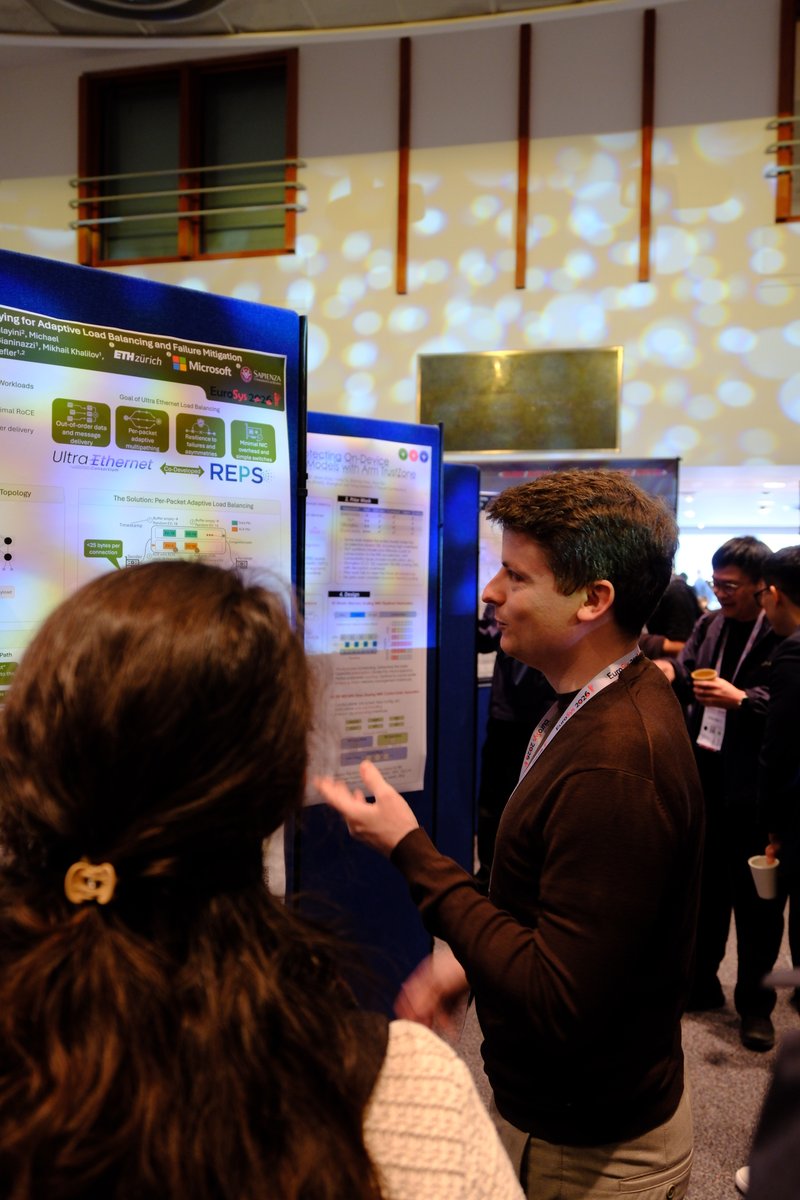
📢 At EuroSys 2026 in Edinburgh, Tommaso Bonato presented 📄REPS paper:
dl.acm.org/doi/10.1145/37672…
🎉Thanks to all co-authors!
#EuroSys2026 #UltraEthernet #LoadBalancing #RDMA #DatacenterNetworking #HPC
@thoefler @CSatETH
3
156

Thanks to everyone who joined us at CloudFest 2026.
From AI-ready connectivity to resilient data center networks, it was a great week of demos and discussions.
Let’s keep the conversation going.
#CloudFest2026 #Nokia #DataCenterNetworking #CloudInnovation #NetworkingSolutions
1
4
12
540

Completing a large-scale network migration is a major milestone. Turning that progress into long-term operational advantage is the next step.
This on-demand webinar from Futurum Research and Nokia Bell Labs examines how organizations can move beyond post-migration stability and adopt a more automated, data-driven approach to data center networking and operations.
Watch the webinar on demand: buff.ly/1H9Iy6J
#AIOps #DataCenterNetworking #NetworkOperations #Automation
5
52

Nvidia’s Billion‑Dollar GTC 2026 Call to Nokia: When GPUs Need Better Phone Reception -( $NOK $NVDA $SPY )
vistapglobal.com/nvidias-bil…
#DataCenterNetworking #OpticalNetworking #AIInfrastructure #AIRAN #5GAdvanced #6G #EdgeComputing #CloudComputing #AIChips #GPUs
3
4
244

Mar 2
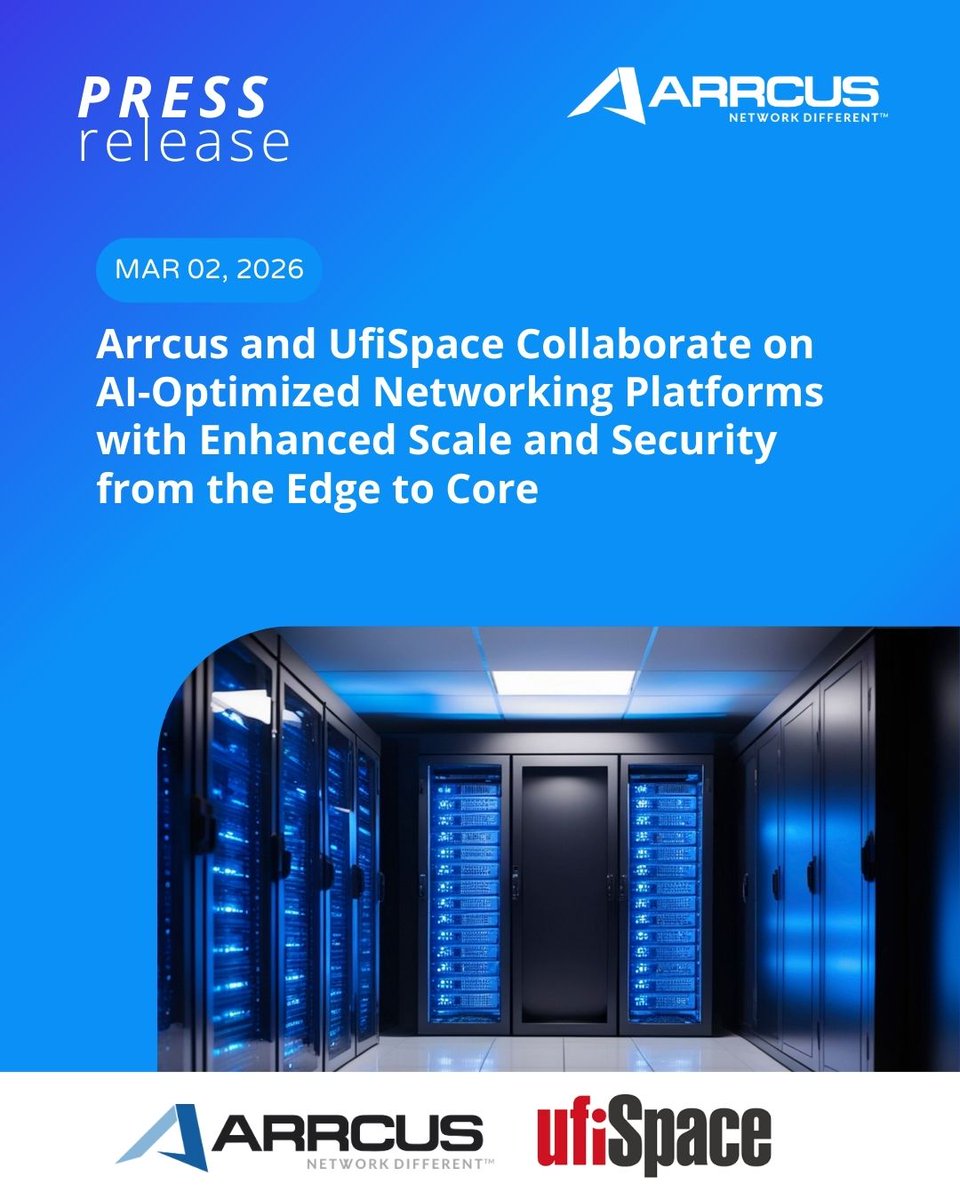
Press Release:
@arrcusinc and @UfiSpace are collaborating to deliver carrier-grade, AI-optimized networking platforms built for production environments. As distributed AI workloads expand from centralized data centers into service provider cores, metro networks, and edge environments, operators need massive throughput, built-in security, and operational continuity.
Please read the full release here: lnkd.in/eCg_Z55F
Please stop by the Arrcus Booth to at MWC to learn more.
MWC Barcelona Hall 2, Booth 2D41
March 2–5, 2026
@shekar_ayyar
#Arrcus #NetworkDifferent #AI #DataCenterNetworking #EdgeComputing #MWCBarcelona #PressRelease
1
5
71

Feb 19
@arrcusinc is leaning into the inference shift: 3x bookings growth in 2025 plus a new AI policy-aware Inference Network Fabric (AINF) to steer traffic across inference nodes, caches DCs based on latency, sovereignty power constraints.
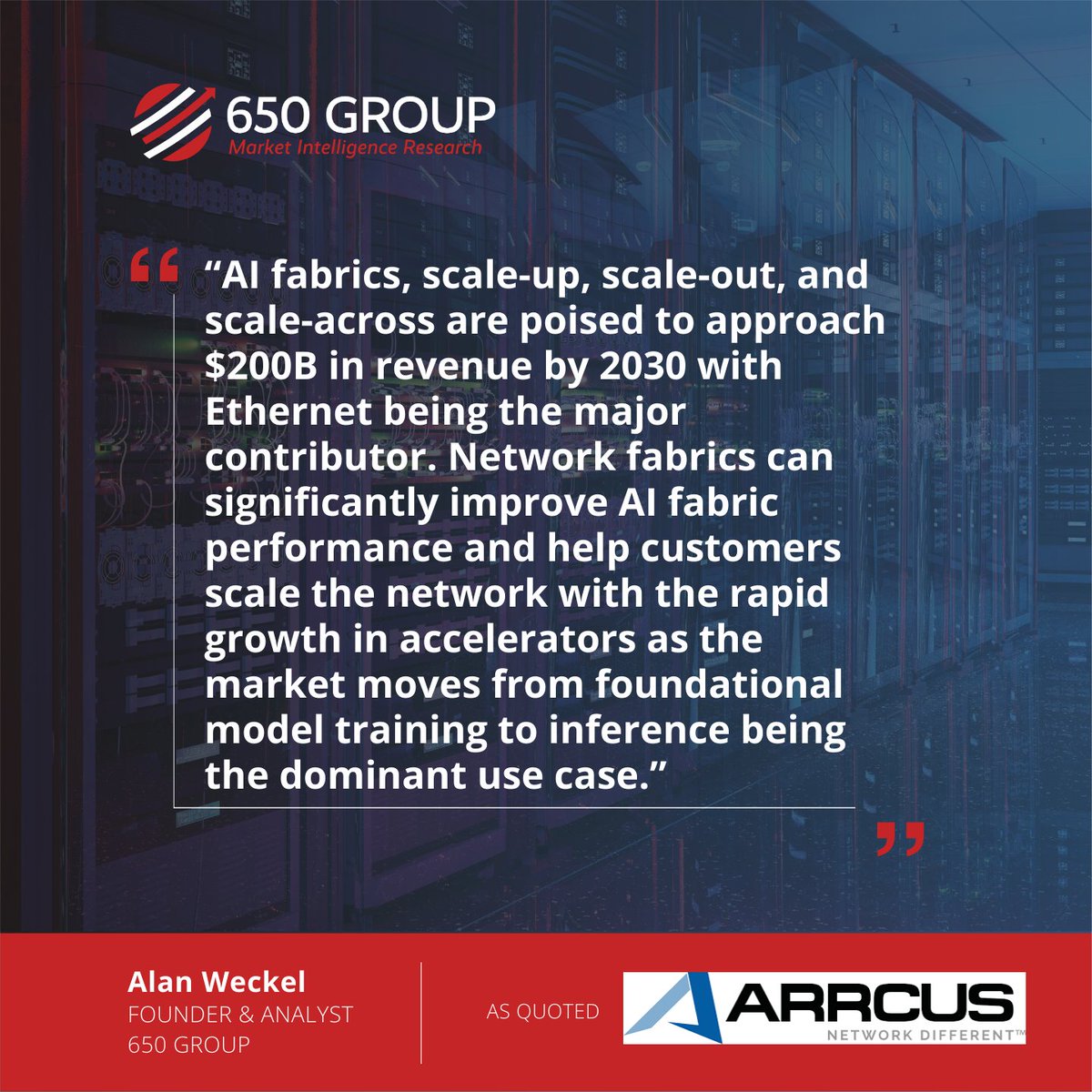
From our lens: AI fabrics (scale-up/scale-out/scale-across) approach $200B by 2030, with Ethernet as the major contributor, and inference becomes the dominant use case.
arrcus.com/news/arrcus-intro…
#AINetworking #Inference #Ethernet #DataCenterNetworking #Arrcus #650Group
1
1
134

[English easy version: OFC 2026 preview]
"AI chips run too hot. So the laser got kicked out. And that turned out to be the best thing that could have happened."
The defining keyword in optical communications for 2026 is ELSFP — the External Laser Small Form-Factor Pluggable. The principle, stripped of jargon, is straightforward: remove the thermally sensitive laser from the furnace sitting next to the switch ASIC and relocate it to the coolest, most accessible part of the system — the front panel.
Here is why this architectural shift represents a structural moat for InP laser vendors — in four points.
1. The Root Problem: You Cannot Put a Candle Next to a Blast Furnace
CPO (Co-Packaged Optics) bonds the optical engine directly to the switch ASIC to minimize electrical interconnect length and reduce power consumption. The problem is that switch ASICs are blast furnaces — Broadcom Tomahawk 5-class chips dissipate 600–900 W. Lasers are candles — precision devices acutely sensitive to thermal stress.
Placing an InP DFB laser inside the same package produces two failure modes:
Wavelength drift (~0.1 nm/°C): At high temperatures, the laser's emission frequency wanders into adjacent WDM channels, causing inter-channel crosstalk
Sudden death: Failure mechanisms such as facet degradation and Dark Line Defect (DLD) propagation give almost no advance warning — and a laser failure co-packaged with the switch ASIC takes the entire fabric down with it
2. The Fix: ELSFP as an External Power Station
The OIF's conclusion was elegant in its simplicity: decouple the laser entirely and plug it into the front panel — the coldest, most serviceable real estate in the system.
The laser now lives outside the chip package, inserted into the front faceplate of the rack unit like a battery into a device. When it fails, no system shutdown is required. The module is hot-swapped in isolation, and the switch fabric continues operating — a fundamental change in serviceability that hyperscalers require before committing to CPO at scale.
3. Why This Is Structurally Bullish for InP
The long-running narrative — "Silicon Photonics is rising, so InP is dying" — was always wrong. ELSFP makes that explicit.
Silicon is an excellent passive optical medium. It routes light efficiently and integrates cleanly with CMOS processes. But silicon cannot generate light — indirect bandgap physics makes room-temperature CW lasing structurally impossible.
The laser that has been moved outside the package now has a harder job than ever. A single ELSFP must supply CW light to 8–16 SiPh optical engines simultaneously, demanding output powers above 24 dBm (>250 mW) with single-mode operation, narrow linewidth, and guaranteed performance at 50°C. The only material system capable of meeting all four requirements simultaneously is InP — via DFB or MOPA architectures refined over decades of compound semiconductor process development.
The role transformation is decisive: InP went from being one component inside a transceiver module to being the standardized energy infrastructure for the entire CPO ecosystem. The more aggressively SiPh scales, the more indispensable the InP light source becomes.
4. What Investors Should Watch at OFC 2026
When the ELSFP live demo goes live at OFC 2026, two questions are all that matter:
Who is building the power plant?
The vendors with the deepest InP vertical integration — Lumentum (US) and Furukawa (Japan, PCE 14.3% at 55°C demonstrated) — are the current frontrunners. SiPh fabless companies have no path around sourcing the laser externally. This dependency is not temporary; it is structural.
Has the single point of failure been solved?
One ELSFP feeding eight engines is one failure away from eight simultaneous outages. The companies that ship credible 1 1 redundancy and optical bypass protection are the ones serious about production deployment. This is the technical question that separates a lab demonstration from a hyperscaler-grade product.
[One-Line Summary]
InP lasers were not evicted. They incorporated as an independent, monopoly energy supplier.
The more road Silicon Photonics paves, the more valuable the high-performance fuel — the InP laser — required to drive on it. OFC 2026 is the year that symbiosis hardens into a standard.
#CoPackagedOptics #CPO #ELSFP #SiliconPhotonics #InP #OpticalInterconnects
#OFC2026 #Photonics #DatacenterNetworking #AINetworking #OpticalNetworking #HighPowerLasers #ExternalLaser #OIF

1
2
465

Dell'Oro Group forecasts AI switch spending >$100B by 2030, with Ethernet emerging as the long-term winner across scale-up and scale-out AI fabrics. #AIInfrastructure #DataCenterNetworking #Ethernet #AICompute
3
3
93

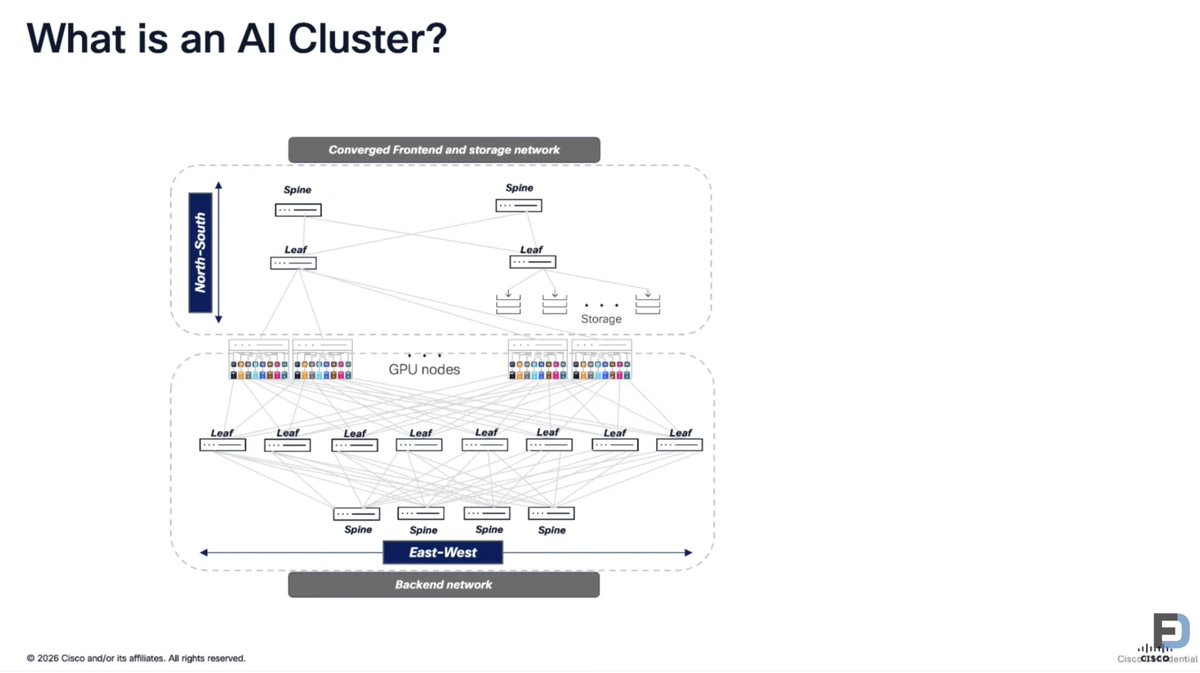
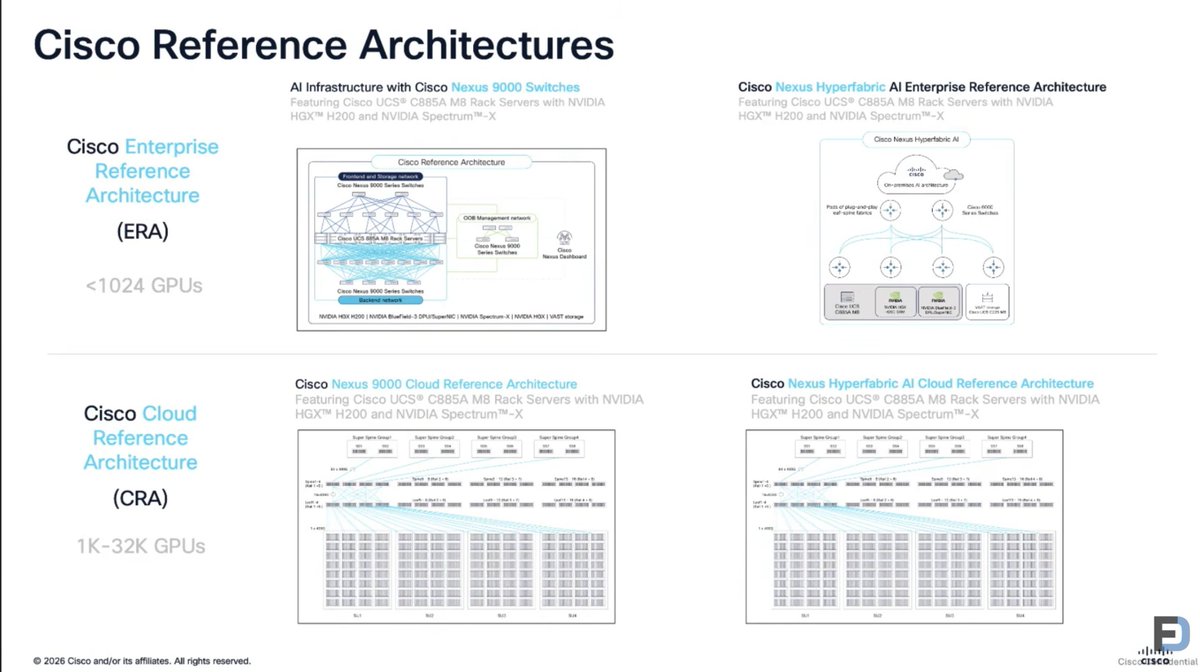
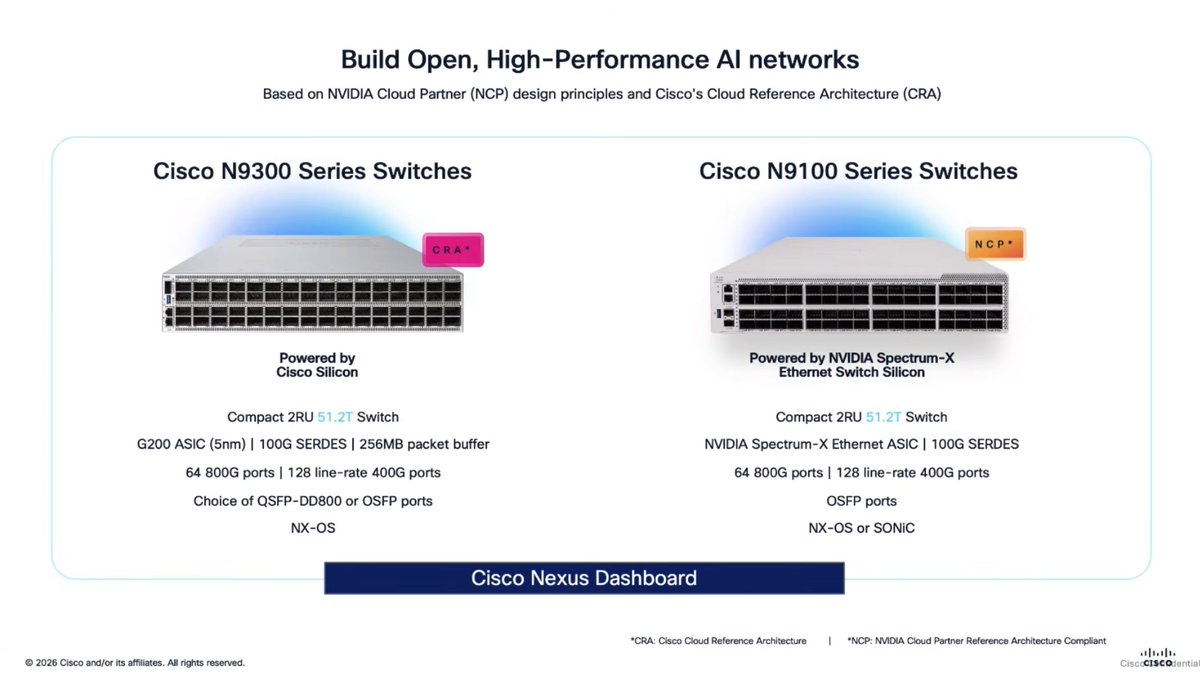
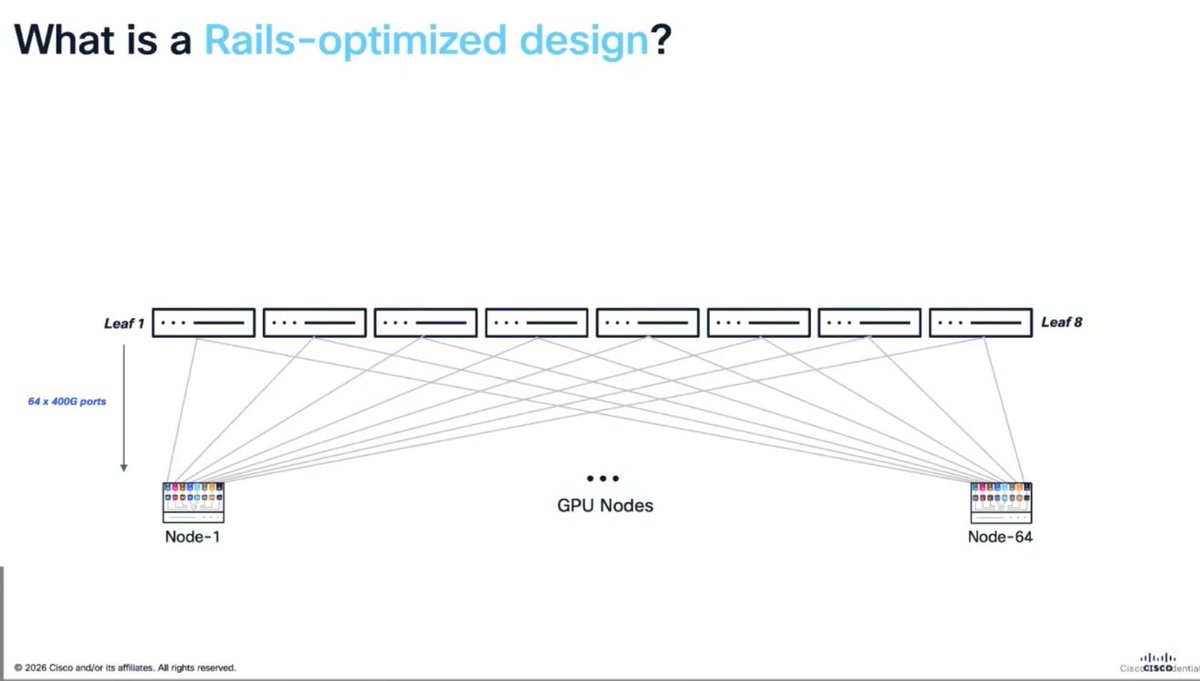
Are you tuned in to @Cisco Data Center Networking presenting at #AIIFD4? 👇
🔗 YouTube: buff.ly/KKiWGEh
🔗 LinkedIn: buff.ly/maQQc72
🔗 Techstrong TV: techstrong.tv
@DemitasseNZ @TechFieldDay #AIInfrastructure #AI #DataCenterNetworking
2
69

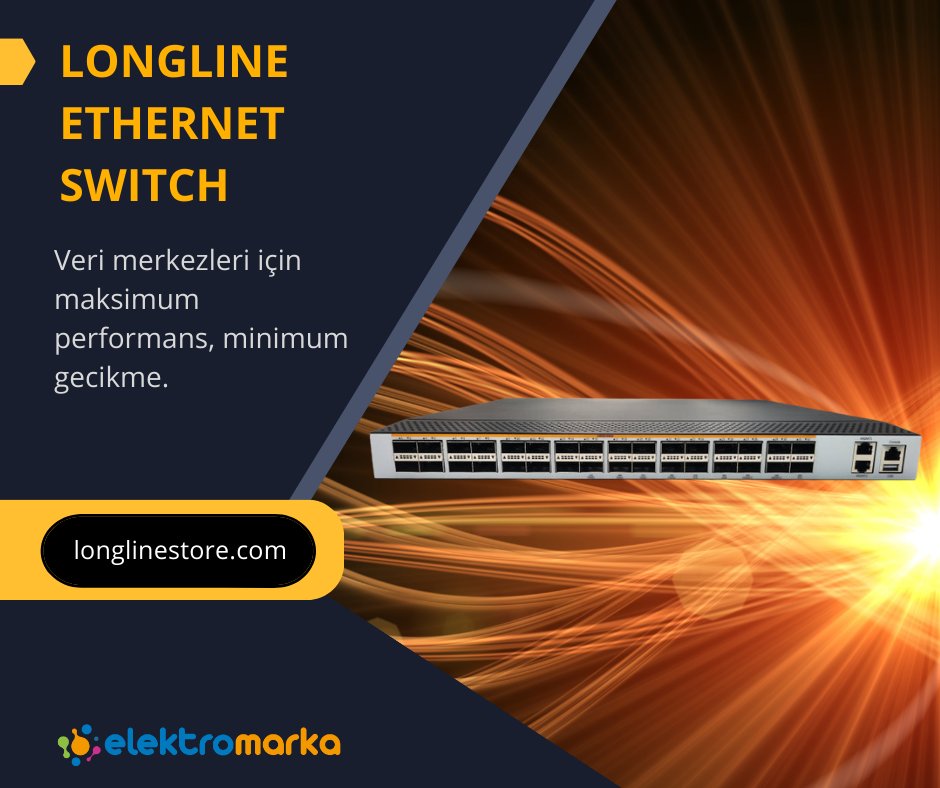
Veri Merkezleri İçin Maksimum Performans, Minimum Gecikme
Longline Ethernet Switch çözümleri, yüksek hızlı veri iletimi ve düşük gecikme gerektiren veri merkezi altyapıları için tasarlanmıştır
Detaylı bilgi: longlinestore.com
#Longline #DataCenterNetworking #Elektromarka
5
10
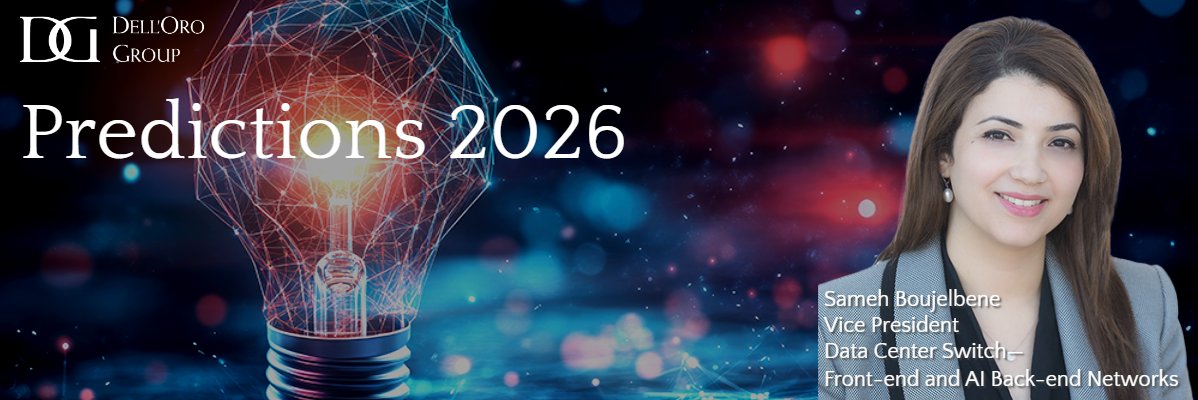
"By 2026, AI data centers will scale faster and grow more complex. Ethernet, scale-up architectures, and 1.6 Tbps switches will define the next phase of AI networking." Sameh Boujelbene, VP analyst
delloro.com/2026-predictions…
#predictions2026 #datacenternetworking #AI
2
5
116

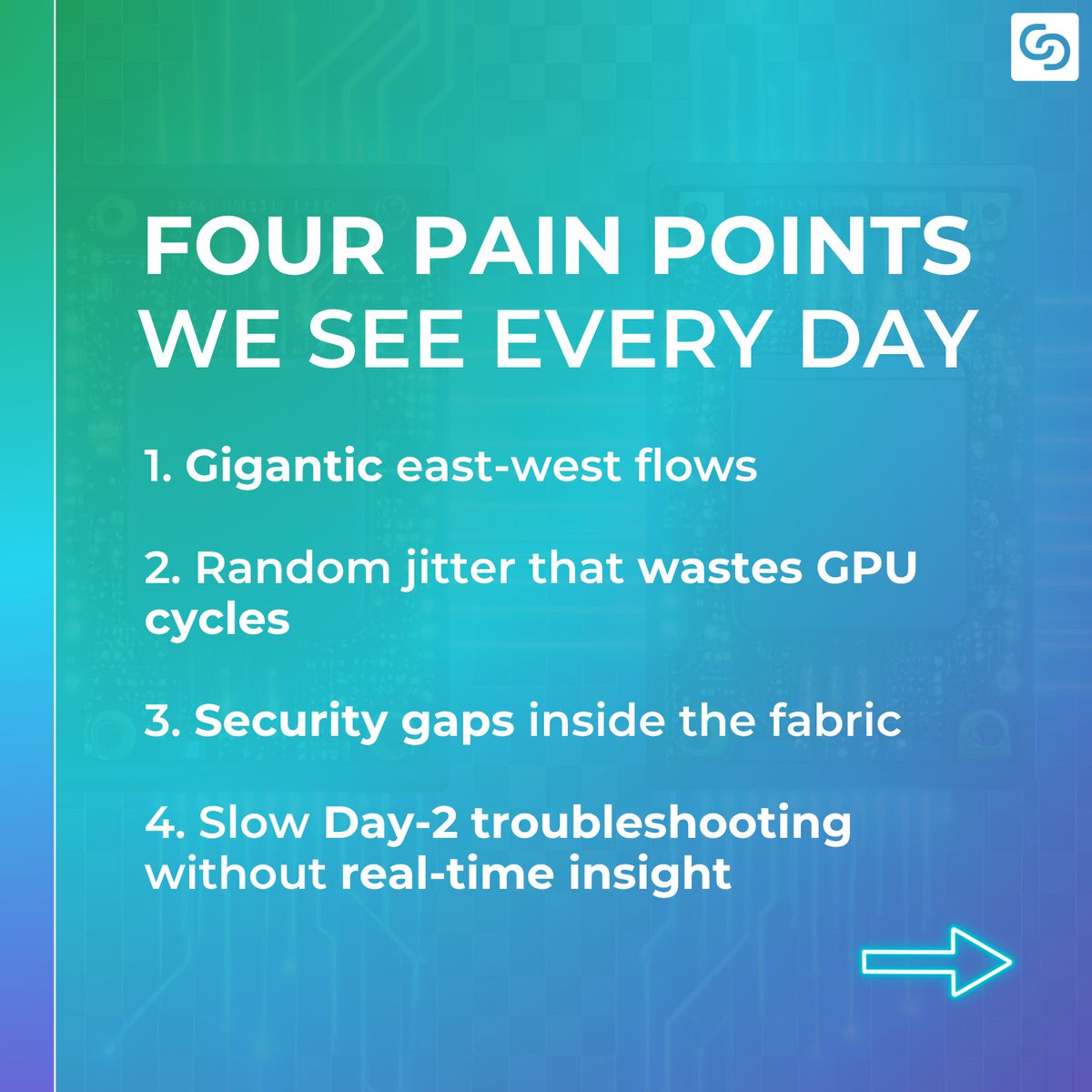
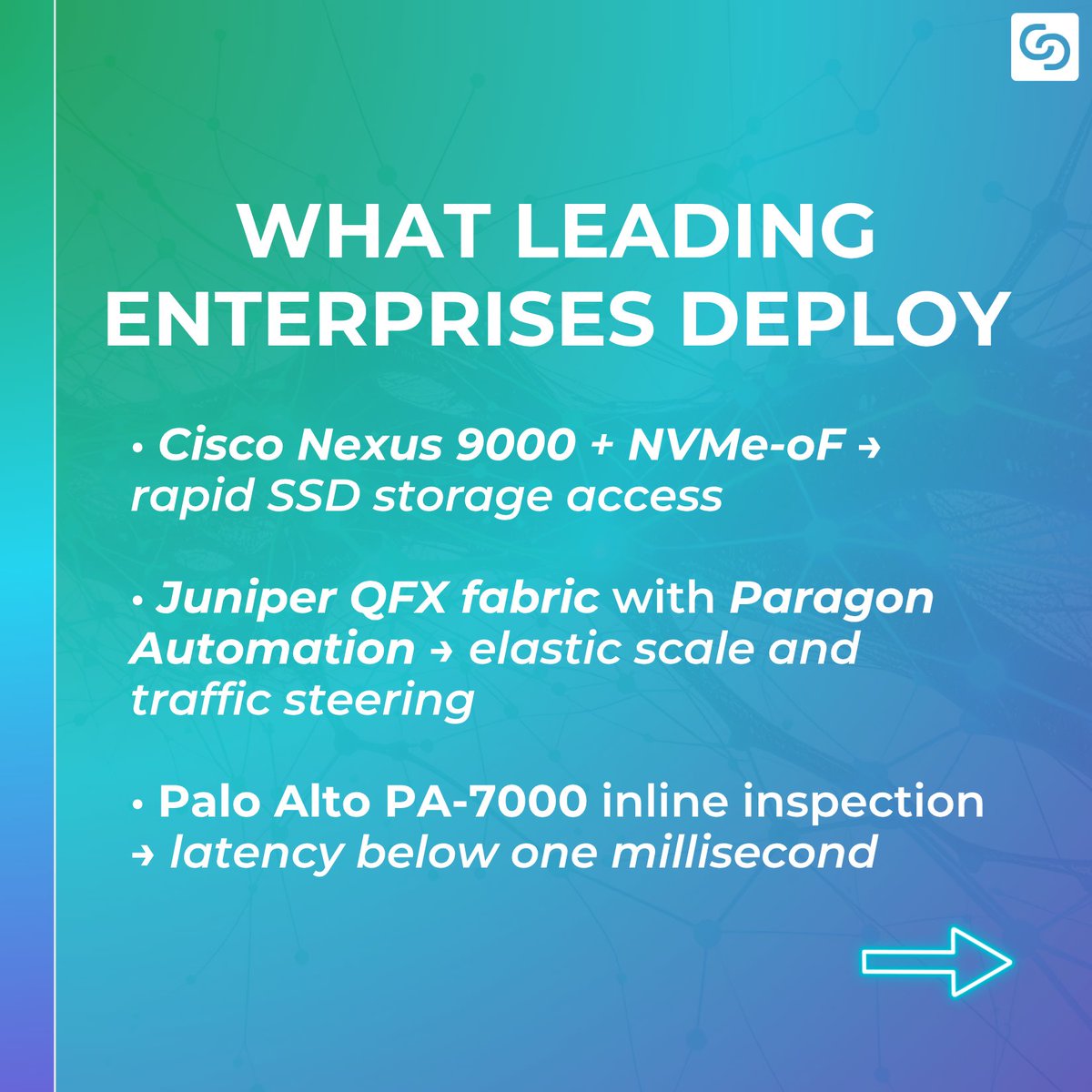
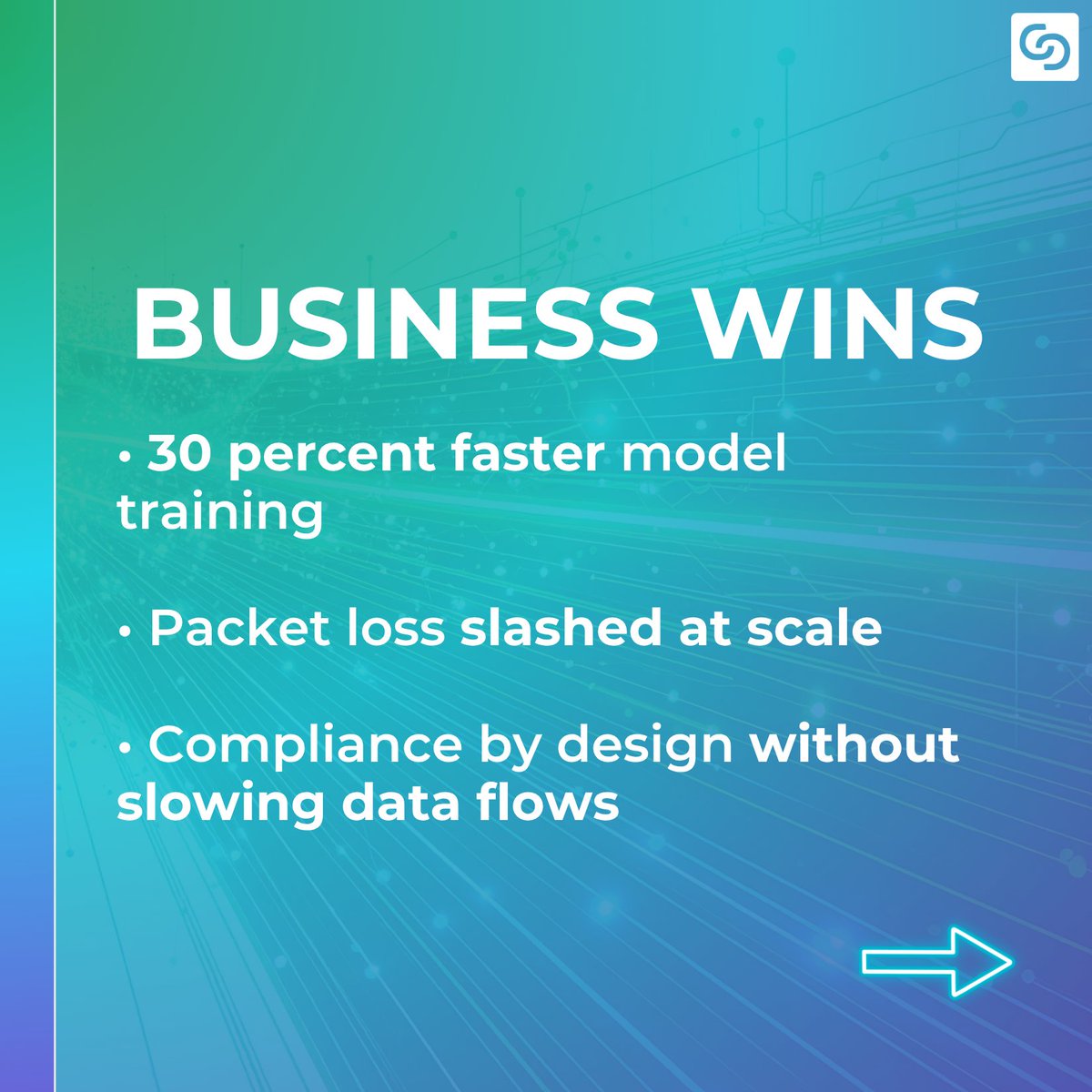
How fast can your AI really go if the network beneath it is stuck in yesterday’s architecture? Explore this carousel for proven tactics on deterministic latency, east-west scale, and security at wire speed, then get the full blueprint in Matt Locknane’s deep-dive: gruveai.substack.com/p/build…
#EnterpriseAI #AIDatacenter #DataCenterNetworking #CIOLeadership #Gruve
3
47
20 May 2025
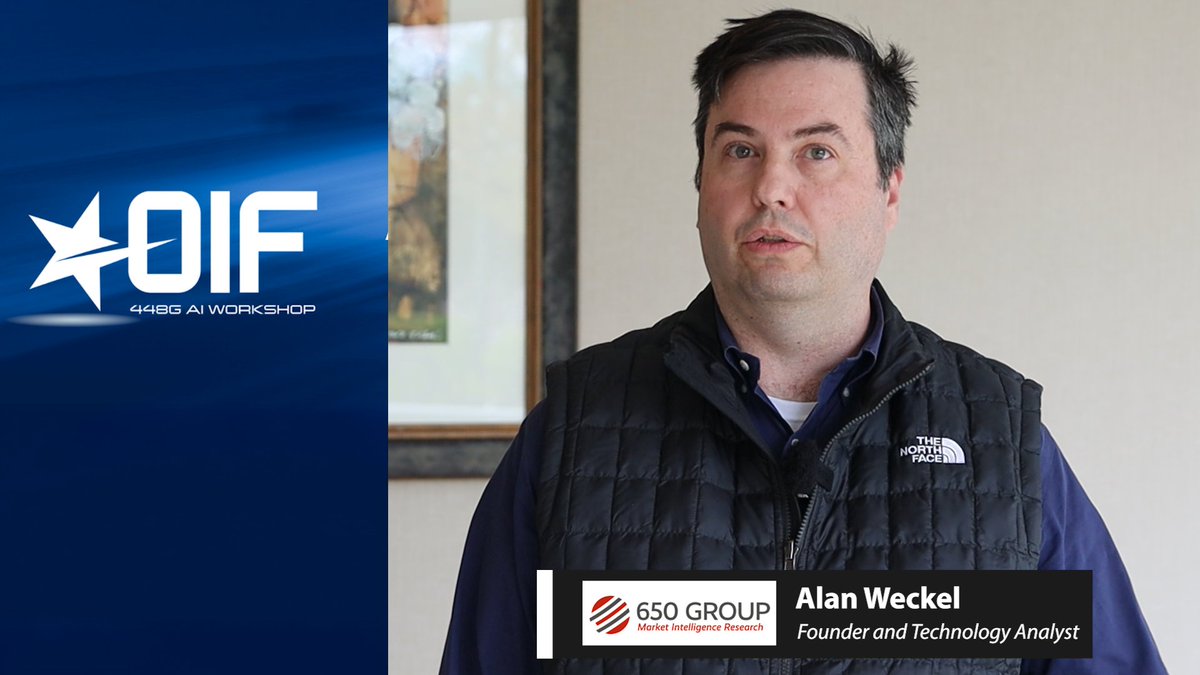
⚡ “We can’t have six scale-up technologies for four hyperscalers.” That’s one of the points I emphasized at the recent @OiForum 448G Workshop in Santa Clara.
Why? Because 448G isn’t just another SerDes milestone—it’s the first network standard built for AI infrastructure from the start.
Unlike prior Ethernet transitions driven by general-purpose computing, 448G arrives in direct response to the unprecedented demands of AI workloads. With chips doubling and quadrupling processor counts, and hyperscalers in an existential race to scale, incremental bandwidth bumps won’t cut it anymore.
At @650Group, we’re forecasting the data center networking market to explode from $10–15B to $50–100B. We expect 3.2T ports—powered by 448G—to ramp by 2028–2029. That means millions of ports per quarter and huge connector demand. But to meet that scale, we need coordinated standards and interoperability.
👀 Full video article recap here: convergedigest.com/video-448…
#OIF448 #AIInfrastructure #DatacenterNetworking #SerDes #Interoperability #Hyperscale #650Group
3
2
181

24 Apr 2025
We're going to the Stockholm Tech Show 2025! Join us at Booth L:41 to explore how we’re powering scalable, secure, and AI-ready data center networks for the world’s leading enterprises.
Meet our team and learn how we're addressing the networking challenges of tomorrow.
Event dates: May 22–23, 2025
Location: Kistamässan, Stockholm
Book a meeting: bit.ly/44qID3t
#AristaNetworks #StockholmTechShow #CloudNetworking #AIInfrastructure #DataCenterNetworking

2
4
443
16 Apr 2025
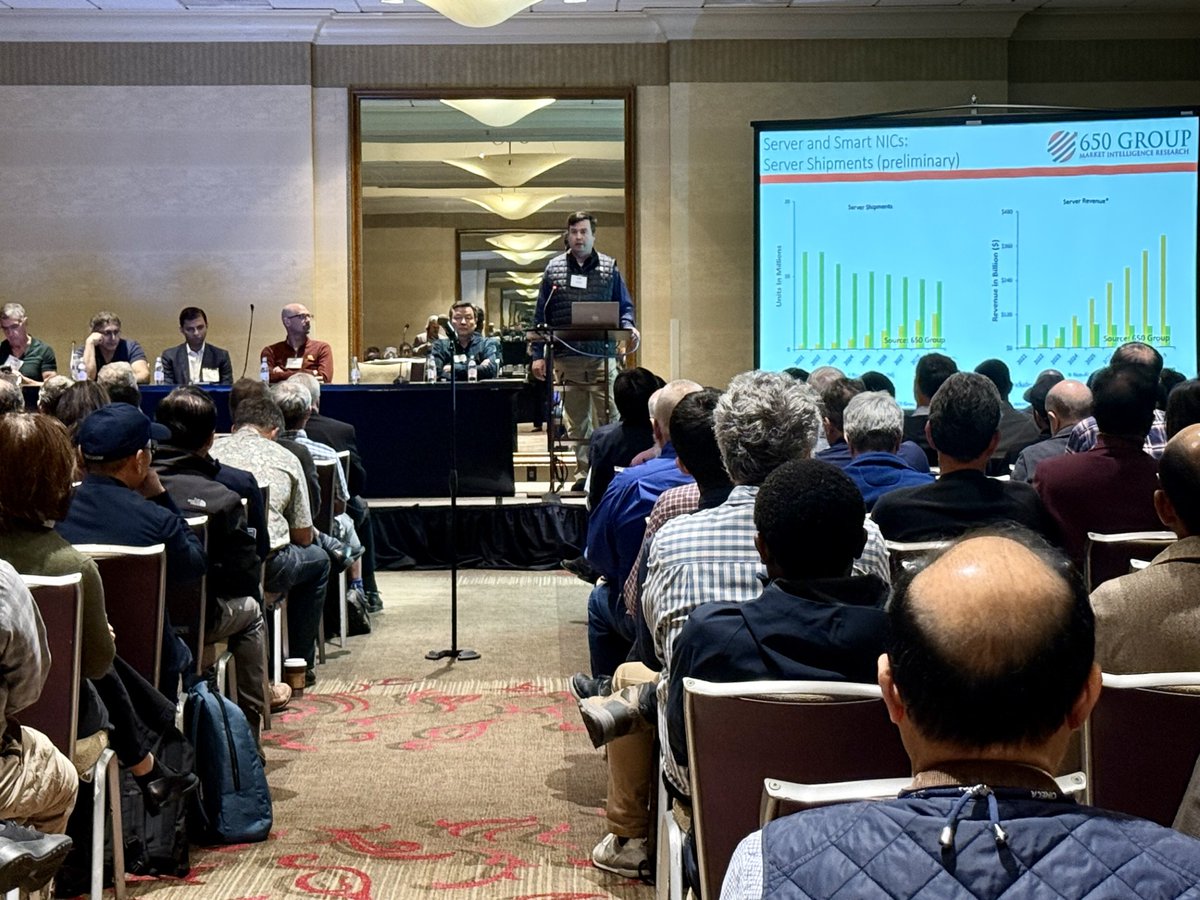
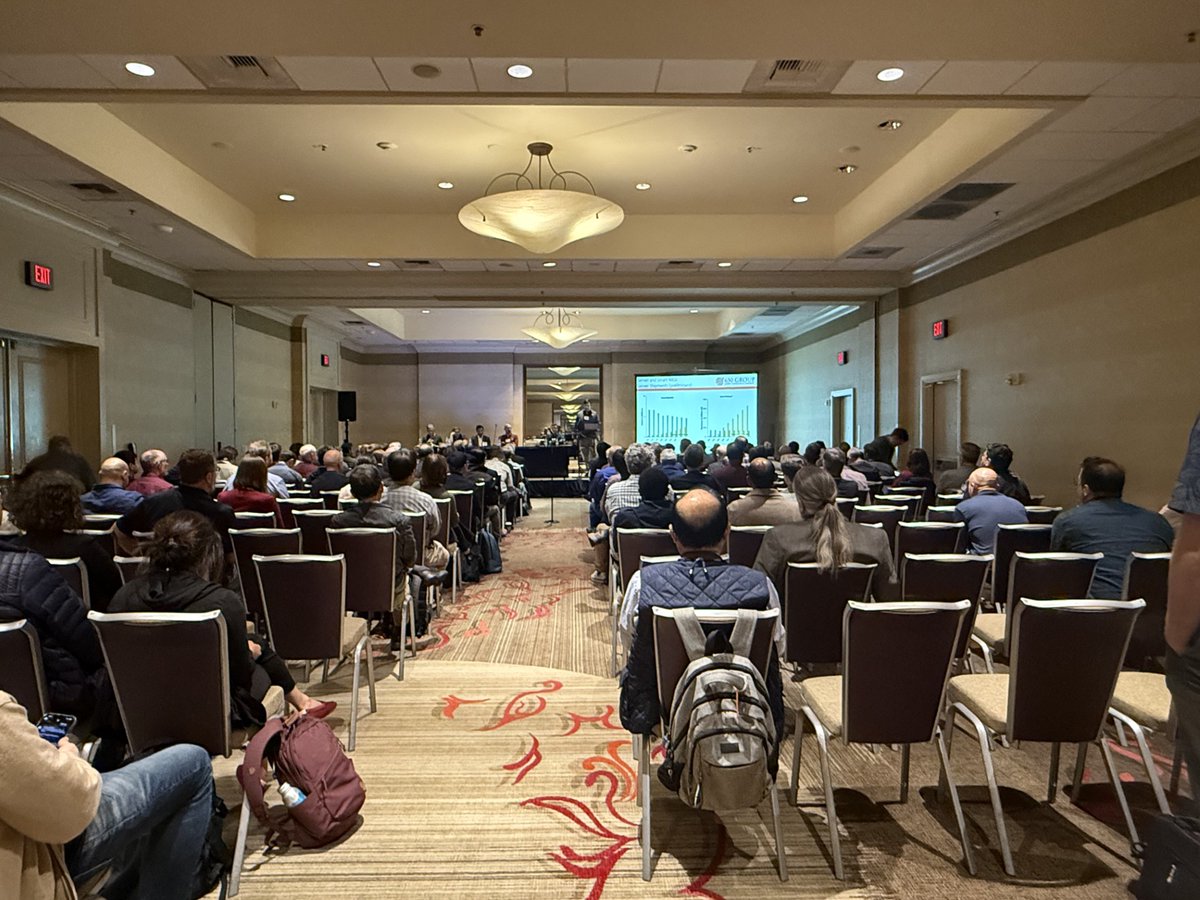
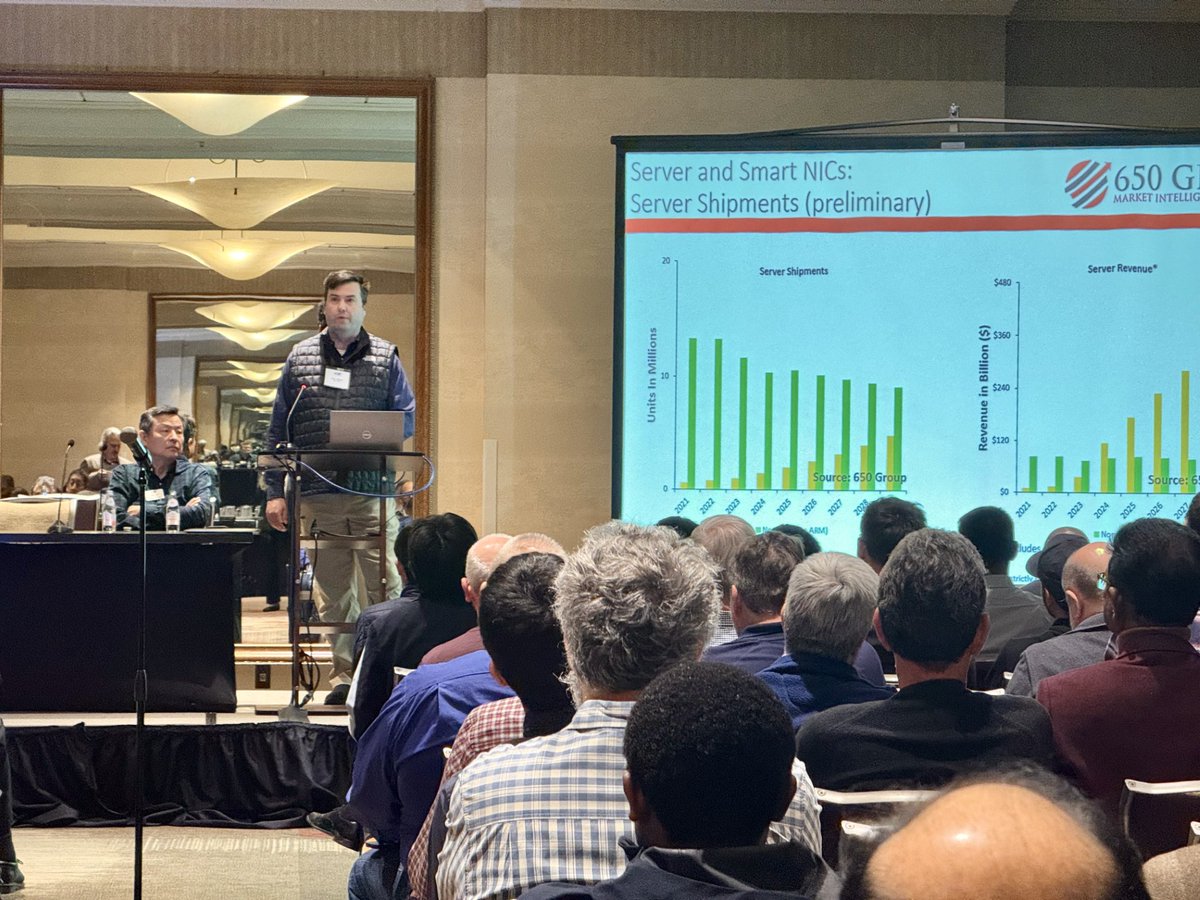
The #OIF448GbpsWorkshop is a critical milestone.
This is the first SERDES speed developed after the major AI inflection—a foundational step as we scale the agentic wave and move toward the robotic age of AI.
At 650 Group, LLC, we’ve been tracking #AIInfrastructure trends for over three years. We’re now seeing a massive network market shift as backend networks take center stage in enabling AI at scale:
➡️ Scale-out networks: Infiniband and Ethernet
➡️ Scale-up architectures: NVLink, UALink, PCIe and Ethernet
With 200 ports a minute barely keeping pace with demand, the data center switching market is on track to hit $50B annually.
None of this happens without the foundational work from @OiForum . Events like this week’s workshop are shaping the next phase of high-speed interconnects and interoperability—and ultimately, the future of AI.
#OIF448Gbps #AIClusters #DatacenterNetworking #SERDES #UALink #NVLink #PCIe #Ethernet #Infiniband #650Group #AIInfrastructure #NetworkMarket #RoboticAI #DataCenterScale #OIF #AIStandards #TechLeadership
1
2
99