🌍 DataDAO enables secure collaboration across industries worldwide. #DataDAO #Web3 #Blockchain #Collaboration #Future
4
💡 AI training becomes ethical and transparent with DataDAO datasets. #DataDAO #AI #Web3 #Blockchain #Ethics
4

Jun 12
🔥 Big Tech no longer controls data communities do with DataDAO. #DataDAO #Web3 #DataOwnership #DAO #Blockchain

6
Jun 11
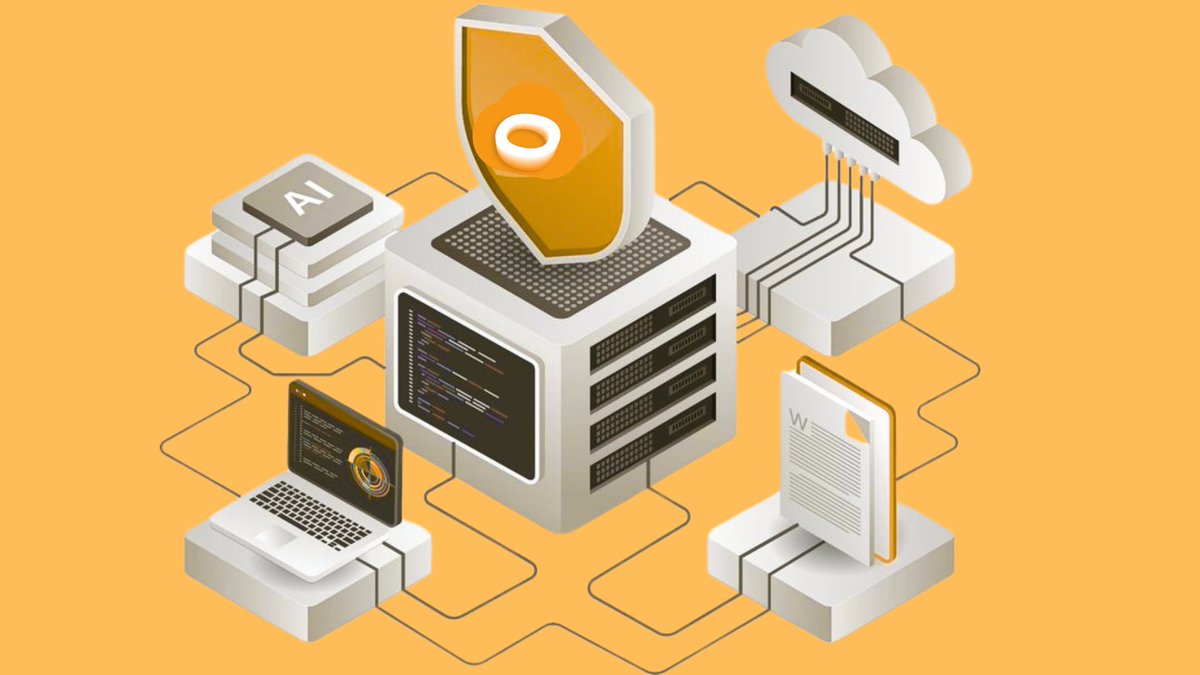
🌐 DataDAO builds trustless systems for global data exchange. #DataDAO #Web3 #Blockchain #Trustless #Crypto
7
Jun 10
💡 Community governance ensures fair decision making in data systems. #DataDAO #DAO #Web3 #Blockchain #Governance

10
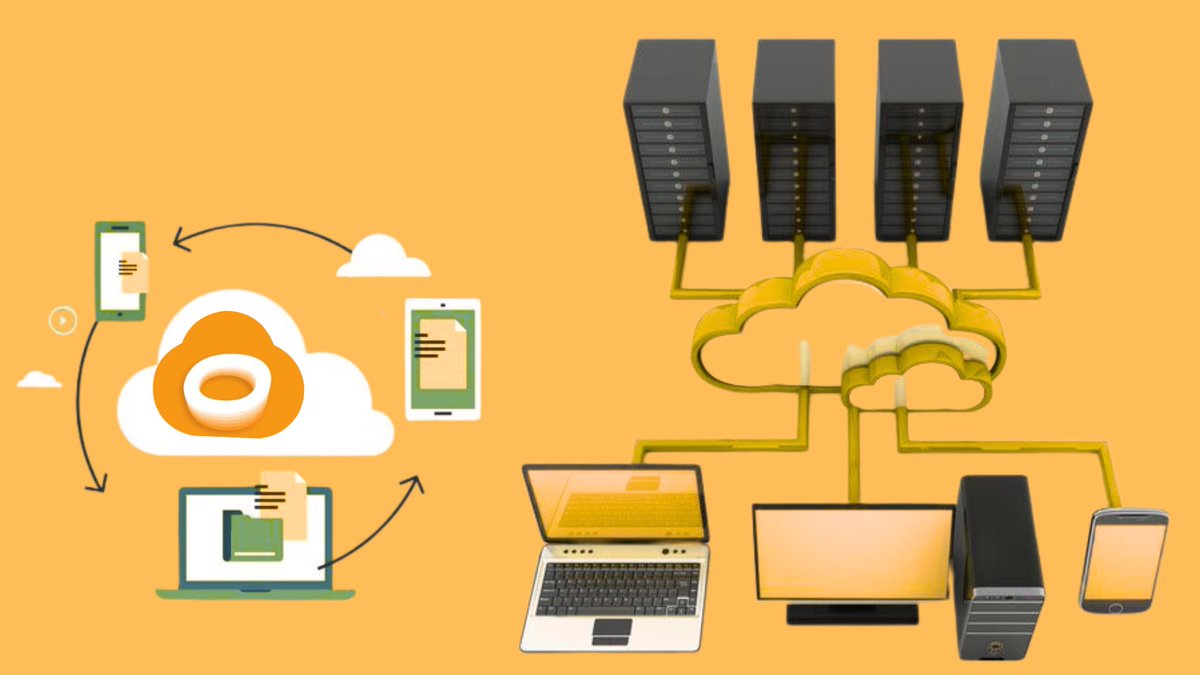
⚙️ Privacy enhancing tech ensures safe data collaboration in DataDAO. #DataDAO #Privacy #Cryptography #Web3 #Security
62
🌍 Shared scientific data accelerates global research collaboration. #DataDAO #Science #Research #Web3 #Blockchain

9

Jun 4
The @Filecoin ecosystem now supports data DAOs where communities collectively govern and fund storage of shared AI training datasets. Decentralized governance for decentralized storage creates new organizational primitives. #DataDAO #Governance
2
19





May 11
$VANA
Vana : “AI Data Ownership Infrastructure”
Marketcap: 51m$, FDV: 207m$
Vana, kullanıcı verisini merkezi şirketlerden çıkarıp, bireylerin kontrol ettiği ekonomik varlığa dönüştürmeyi hedefleyen decentralized data network’tür.
Temel yaklaşımı:
Veriyi saklamak değil, kullanıcı verisini AI ekonomisinin aktif parçası haline getirmek.
Akademik konumu:
decentralized user-owned AI data infrastructure
Problem Tanımı
Bugünkü AI ekonomisinin temel yakıtı:
Veri.
Ama bu verinin büyük kısmı:
Google
Meta
TikTok
OpenAI
gibi büyük platformlar
tarafından toplanıyor.
Kullanıcılar:
Veri üretmesine rağmen, oluşan ekonomik değerden pay alamıyor.
Ayrıca:
Yüksek kaliteli insan verisi, AI modelleri için giderek daha stratejik hale geliyor.
Temel araştırma sorusu
Kullanıcı verisi, merkezi platformlardan bağımsız ekonomik varlığa dönüştürülebilir mi?
Mimari Yaklaşım: User-Owned Data Network
Vana bu problemi:
Decentralized data ownership modeliyle çözmeye çalışıyor.
1. Data Vault Sistemi
Kullanıcılar:
kişisel verilerini
“Data Vault”
yapısında saklıyor.
Bu veriler:
AI training
analytics
ve dataset oluşturma süreçlerinde kullanılabiliyor.
Model:
user data → encrypted vault → AI dataset → economic value
2. DataDAO Yapısı (KRİTİK)
Vana’nın en dikkat çeken yapılarından biri:
DataDAO modeli.
Burada kullanıcılar:
Belirli veri türleri etrafında topluluk oluşturabiliyor.
Örneğin:
sağlık verisi
sosyal medya verisi
oyun verisi
fitness verisi
gibi alanlarda veri ekonomileri oluşabiliyor.
Bu önemli çünkü:
Vana yalnızca:
“veri depolama”
yapmıyor.
Veri koordinasyon ekonomisi oluşturmaya çalışıyor.
3. AI Training Economy
Vana’nın stratejik konumu:
özellikle AI tarafında güçleniyor.
Çünkü gelecekte:
Yüksek kaliteli insan datası,
AI modelleri için en değerli kaynaklardan biri olabilir.
Ve Vana:
bu verinin sahipliğini kullanıcıya vermeye çalışıyor.
Teknik Yapı
1. Encrypted Data Infrastructure
Şifreli veri saklama sistemi
izin kontrollü erişim modeli
2. Data Permission Layer
Kullanıcı:
Hangi verinin, hangi model tarafından kullanılacağını kontrol edebiliyor.
3. Tokenized Data Economy
Veri:
ekonomik varlığa dönüşüyor.
AI şirketleri:
Dataset erişimi için ödeme yapabiliyor.
Yatırımcılar & Fonlama
Toplam fonlama: 25m$
Öne çıkan yatırımcılar:
Coinbase Ventures
Paradigm
Polychain Capital
Casey Caruso
Packy McCormick
Ethereum ecosystem bağlantıları
Kullanım Alanları
1. AI Training Data
LLM training
human preference data
behavioral datasets
2. Personal Data Economy
Kullanıcı veri monetizasyonu
3. Research & Analytics
Anonim veri paylaşımı
dataset koordinasyonu
4. DataDAO Ecosystem
Topluluk bazlı veri ekonomileri
Ekosistem ve Stratejik Konum
Vana şu narrative içinde:
“AI Data Ownership Infrastructure”
Bu alan:
Özellikle AI büyüdükçe, çok daha stratejik hale geliyor.
Çünkü gelecekte:
Asıl değer, modelden çok
kaliteli veri olabilir.
Ekosistem Gücü
Dikkat çeken taraflar:
YZI Labs desteği
MIT bağlantıları
AI data economy narrative
DataDAO yapısı
Özellikle:
“user-owned AI”
yaklaşımı,
Vana’yı klasik AI coinlerinden ayırıyor.
Ekonomik Model
user data → dataset creation → AI usage → value distribution
Süreç:
1. kullanıcı veri sağlar
2. dataset oluşur
3. AI sistemleri veriyi kullanır
4. ekonomik değer paylaşılır
Sonuç:
personal data → decentralized AI data economy
Vana’nın temel hipotezi:
AI çağında en değerli varlıklardan biri:
İnsan verisi olacak.
Ve bu verinin ekonomik değeri,
yalnızca büyük platformlarda toplanmak zorunda değil.
Benim yorumum
Teknik → decentralized user-owned data altyapısı
Ekonomik → tokenize veri ekonomisi
Stratejik → AI data ownership infrastructure
Vana, kullanıcı verisini merkezi platformlardan çıkarıp, AI ekonomisinin ekonomik katmanına dönüştürmeyi hedefleyen decentralized data network oluşturur.
4
9
395

Apr 29
🚀 PrismaX – The Future of AI Robotics is Taking Shape
In the age of AI, data is the new fuel. But in robotics, high-quality real-world data is extremely scarce. That’s exactly the problem PrismaX is solving.
PrismaX is a platform that combines AI Robotics Web3, enabling humans to remotely operate robots (teleoperation) while turning every action into valuable training data for AI.
💡 Key highlights:
Transform human actions into intelligence for robots
Collect real-world data instead of relying on simulations
Build a decentralized data ecosystem (DataDAO)
Unlock a new model: “labor → data → AI → value”
PrismaX isn’t just a tech project it aims to democratize robotics, allowing anyone to participate in training AI and operating robots.
🌍 Big vision:
Create a global robotic labor marketplace, where humans, AI, and robots evolve together in a continuous data loop.
👉 PrismaX isn’t just building smarter robots
it’s building the infrastructure for the future of robotics
@PrismaXai
2
58
Apr 27
Who should own data Big Tech or the people. DataDAO gives the power to communities. #DataDAO #Web3 #Blockchain

1
3
22
Apr 24
On-chain analytics for DeFi applications can now be managed and governed by the community, thanks to DataDAO. #DataDAO #DeFi #Blockchain

2
17

Apr 21
Vana and ORO are solving the same problem with fundamentally different architectural assumptions. That difference matters more than most people realize.
Vana's DataDAO model puts data governance in the hands of contributor communities. Users pool their data into DAOs, the DAO collectively decides who gets access and at what price, smart contracts enforce the terms. It's a decentralized ownership model where the contributor community holds the keys. Elegant in theory, messy in practice. DataDAO governance requires active participation from contributors who, in most cases, just want to earn rewards and move on. Coordination overhead kills data quality consistency.
@getoro_xyz made the opposite architectural bet. Governance sits closer to the protocol layer, data quality is evaluated by on-chain scoring mechanisms, and the privacy guarantee comes from cryptographic hardware rather than community trust. Contributors don't vote on access terms. The TEE attestation and zkTLS provenance do the trust work instead. Less decentralization theater, more verifiable infrastructure.
The tradeoff is real though. ORO's model is more technically rigorous but requires trusting the scoring parameters the team set. Vana's model is messier but gives contributors more direct control over their data's destiny. For frontier AI labs that need consistent, high-quality, provenance-verified data at scale, ORO's architecture is the stronger fit. For contributors who care deeply about ownership and governance, Vana's framing is more honest about what decentralization actually means.
Two different theses about who should control private data infrastructure. Worth watching which one the market validates first.

79
1
115
830

1/ BitSeek AI is not just another “AI crypto” narrative. it’s an attempt to rebuild artificial intelligence infrastructure from the ground up, making it fully decentralized, user-owned, and Web3-native.
In a world dominated by Big Tech AI, this shift is bigger than it looks.
2/ Today’s AI ecosystem is highly centralized.
Companies like OpenAI, Google, and Meta control models, data, and access. Even most “decentralized AI” projects still rely on Web2-hosted models behind the scenes.
BitSeek challenges this entire structure.
3/ At its core, BitSeek is building a full-stack decentralized AI infrastructure not just an app, not just a model, but an entire system.
This includes:
– Decentralized compute
– On-chain model governance
– User-owned data
– Incentive layers for contributors
4/ The backbone of the system is its DeLLM (Decentralized Large Language Model) protocol.
Instead of hosting AI models on centralized servers, BitSeek distributes them across independent nodes globally removing single points of control.
5/ This introduces a powerful shift:
AI is no longer controlled. it becomes network-owned.
Users don’t just consume AI…
They participate in it, contribute to it, and benefit from it.
6/ One of BitSeek’s most important innovations is model atomization.
Large AI models are broken into smaller components and distributed across nodes enabling decentralization without sacrificing performance.
This is how Web3-native AI becomes scalable.
7/ Another key layer is the Model-Context-Protocol (MCP).
This allows AI interactions to happen on-chain meaning:
– Transparent AI behavior
– Verifiable outputs
– Composable AI logic across dApps
8/ BitSeek also introduces a DataDAO model.
Instead of corporations monetizing your data:
→ Users own their data
→ Users decide how it’s used
→ Users earn from it
This flips the entire AI economy.
9/ For developers, BitSeek unlocks a new design space:
– Build AI agents fully on-chain
– Access decentralized LLM infrastructure
– Train models without exposing sensitive data
A true foundation for Web3 AI applications.
10/ The timing couldn’t be better.
AI crypto is becoming one of the strongest narratives but most projects are still surface-level.
BitSeek is building deeper, at the infrastructure layer where real value accumulates.
11/ The project has already secured early backing (~$5M), signaling confidence in its vision to decentralize AI infrastructure at scale.
12/ Of course, execution is everything.
Decentralized AI is one of the hardest problems in tech:
– High compute requirements
– Network coordination
– Performance vs decentralization trade-offs
BitSeek will need to prove it can deliver.
13/ But the thesis is clear:
If blockchain decentralized finance…
Then BitSeek is aiming to decentralize intelligence itself.
14/ This isn’t just about better AI.
It’s about who owns AI.
And BitSeek is building a future where that ownership belongs to the network not corporations.
Keep this one on your radar. @bitseek_ai @benncrypt @crypto_bajrang
1
8
258

Mar 25
What if robots could learn from humans… at scale? 🤖
That’s exactly what PrismaX is building.
While most AI relies on synthetic data…
👉 PrismaX is focused on real-world data for real-world robots.
⚡ Key highlights:
Teleoperation → humans control robots remotely
Real-time data collection for AI training
Decentralized DataDAO model
Incentivized contributors (earn rewards)
Built for real-world applications, not simulations
💡 The problem:
AI doesn’t lack models.
It lacks high-quality real-world data.
👉 And that’s exactly where PrismaX comes in #AI #Robotics #Web3 #DePIN #Crypto #Data #PrismaX @PrismaXai

5
23
186

Mar 19
Nobody's talking about the real problem with Web3 reputation it's not that it doesn't exist. It's that it belongs to someone else.
Every platform you've built trust on your Twitter following, your on-chain history, your community contributions lives in silos you don't own. You grind, they capture the value.
That's exactly the gap @Foruai is building against, and they chose @BNBCHAIN to do it. Not coincidentally.
Here's what's actually going on under the hood:
@Foruai is building what they call the AI Identity Layer the first attempt to turn behavioral data (social activity, on-chain interactions, community reputation) into a composable, portable, and verifiable on-chain asset. The core primitive is the AI-DiD (AI Decentralized Identity): a dynamic identity that evolves based on what you actually do, not just what wallet you hold.
The IdentiFi Score is the intelligence layer on top of that it aggregates signals across social behavior, on-chain transactions, and reputation inputs into a single trustable metric. Think of it less like a credit score and more like a proof-of-contribution fingerprint that follows you everywhere.
Users earn XP Badges for real activity, then stake them in Rep Pools to amplify credibility, access rewards, and participate in gamified community layers. The $FORU token ties the whole economy together identity creation, scoring participation, ecosystem rewards.
For projects, ForU opens the analytics layer: genuine contribution tracking, verified community growth, campaign measurement built on actual reputation data not bot-inflated numbers.
Now why BNB Chain specifically matters here:
This architecture needs a chain that can handle real-time behavioral data without pricing out users. BNB Chain in 2025 hit 0.75s block time with finality at 1.875s, gas fees averaging $0.01, and a 95% reduction in MEV sandwich attacks. They're running parallel execution via BEP-7928 multiple smart contracts executing simultaneously which is exactly the throughput profile a live reputation scoring system demands. If every user action needs to be written on-chain affordably and near-instantly, you can't build this on a network where gas spikes kill UX.
BNB Chain's AI-first roadmap isn't just positioning. The infrastructure TEE support, DataDAO frameworks, Greenfield for decentralized storage aligns directly with what ForU needs: sovereign data, verifiable compute, and a user base already fluent in on-chain interaction.
I think the identity reputation vertical is genuinely one of the most underbuilt layers in Web3 and most projects attacking it are doing so with either too much centralization or too little AI. @Foruai is threading that needle in a way that's technically credible and economically coherent. Whether execution matches ambition is still the open question but the design premise is right, and the chain choice is deliberate. Worth watching closely.
@foruai @BNBCHAIN $FORU

35
36
188

Mar 11
Why PrismaX could become a major AI project
PrismaX combines three major technology trends:
AI
Robotics
Web3
This combination creates a new model where the community can directly participate in the robot training process.
Key highlights of the project:
Teleoperation collects real-world data
DataDAO manages decentralized data
Blockchain creates reward mechanisms for contributors
With this model, PrismaX can scale robot data much faster than traditional systems.
In the future, robots may appear in many fields such as:
logistics
healthcare
manufacturing
education
And PrismaX is trying to become the data platform for that ecosystem.
@PrismaXai

Mar 10

PrismaX and the ambition to build infrastructure for Physical AI
AI is gradually moving from the digital world to the physical world.
If traditional AI mainly focuses on:
✨text
✨images
✨internet data
then Physical AI focuses on robots and real-world environments.
PrismaX is building a data infrastructure layer for Physical AI, where robots can learn from real-world data.
The long-term goals of the project are:
creating a robot data marketplace
building an AI training ecosystem
accelerating autonomous robots across multiple industries
If successful, PrismaX could become an important data platform for the robotics industry.
@PrismaXai

9
18
483

3/
The OptimAI Network architecture is built around three core engines:
• Reinforcement Data Engine DataDAO
A decentralized data coordination layer where community-validated signals from the web, social platforms, and on-chain activity are collected, structured, and reinforced.
The DataDAO governs dataset curation, validation incentives, and long-term data value creation for the network.
• Decentralized Compute Engine
Edge-native inference powered by distributed devices, enabling scalable and low-latency AI compute.
• GenAI Agent Platform
Personalized agents capable of learning user intent, voice, and behavior through continuous reinforcement loops.
All operating on an EVM-based L2 & DePIN infrastructure designed for transparency, verifiable contributions, and aligned incentives.
1
11
48
1,559