
I'm not the one debating. My point is, Mormons argument that one has to read rhe whole book to conclude that the BoM is likely to be demonic is fallacious.
otto von bismarck retweeted

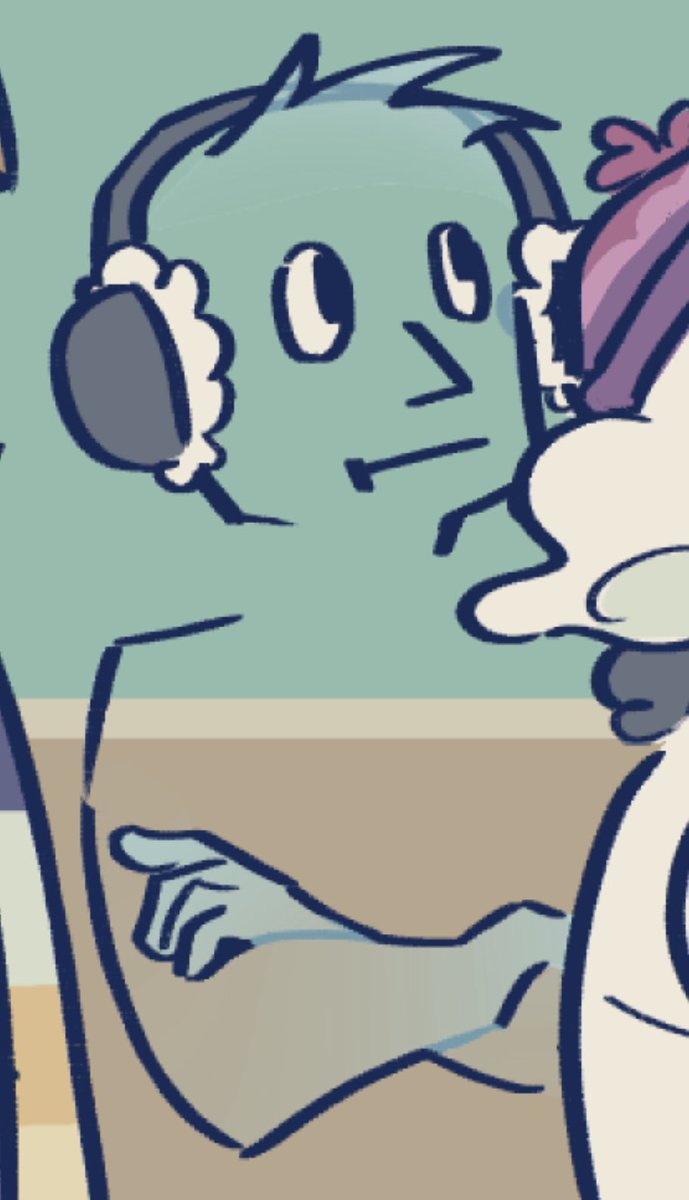
ive been sitting around for a couple hours debating on whether or not i want to draw him more



3
26
413

Nah, you should tho since your style of debating is ignoring and being manipulative.
1

Something… else? What? What could you be thinking of in a conversation about our mass debating sessions?
1
Jorge retweeted

Netherlands fans and Mexico fans enjoying the World Cup in Dallas and debating whether it was “NO ERA PENAL” or “SÍ ERA PENAL”. 😂🇳🇱🏆
 San Cadilla El Norte
27
383
6,725
164,819

i am tired bc its 6 am but i have not finished my project. debating going to bed but so far i am holding on
1
Jodi Cannon retweeted

🚨🇺🇸 SHOULD THE SUPREME COURT PUT AN END TO AUTOMATIC BIRTHRIGHT CITIZENSHIP? 🇺🇸🚨
Millions are debating this issue across America.
What’s your position?
🅰️ YES — It should be ended.
🅱️ NO — It should remain in place.
Drop your vote below 👇🔥🇺🇸
W.H.G. x.com/Babywwir/status/206576…
 Baby
Baby
22
16
64
695
🕺💃 retweeted

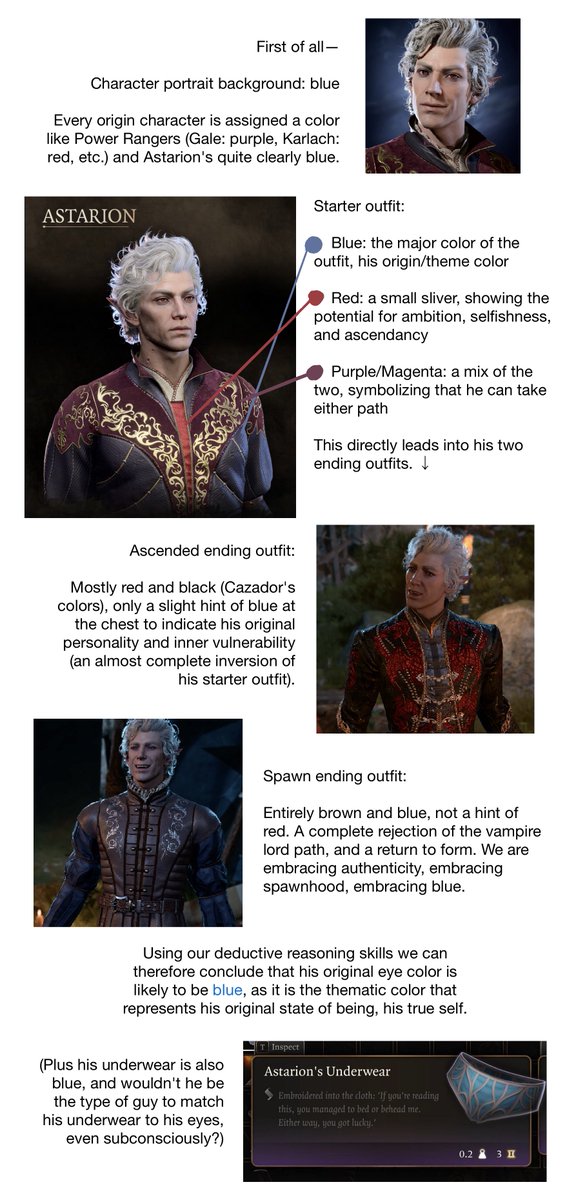
I see people are still debating Astarion's original eye color... if you look into the color storytelling the answer is very overt, imo!
7
51
467
8,178
🏴🏴 tiada perang melainkan perang kelas 🇲🇾🇲🇾 retweeted

In Malaysian Twitter they're debating whether or not it's morally okay to harass / bully Rohingya children. I am not kidding
52
459
3,010
88,798

🧐 Conservatives are not fascists or Nazis.
Calling conservatives “fascists” or “Nazis” is one of the most persistent and misleading rhetorical tactics in modern politics. It inverts history and drains these terms of meaning.
Fascism and Nazism were not movements for limited government, individual liberty, or free markets. They were explicitly authoritarian, collectivist, and statist. Mussolini’s Italy and Hitler’s Germany centralized power in the state, suppressed dissent, regimented the economy through corporatism and central planning, exalted the nation (or race) above the individual, and demanded total loyalty to the regime. Private property existed only at the pleasure of the state; independent institutions, churches, and businesses were subordinated or crushed. These were not “right-wing” in the classical liberal or conservative sense of small government and enumerated powers—they were anti-liberal revolts against individualism and limited state authority.
Today’s mainstream conservatives and classical liberals, by contrast, generally advocate for constitutional limits on government, individual rights, free enterprise, and decentralized power. The real through-line from historical fascism is the pursuit of coercive state control over society and the economy—something far more visible in expansive progressive agendas that seek government dominance in speech codes, education, healthcare, energy, finance, and even personal identity. Big-government centralization, identity-based mobilization, and intolerance for dissent are the recurring patterns, regardless of the labels applied.
The “fascist” smear works as emotional shutdown rather than argument. It lets people avoid debating ideas on merit by associating their opponents with history’s ultimate villains. Precision matters: Authoritarianism can arise from multiple directions, but equating advocates of smaller government with the architects of the largest, most intrusive states in modern history is Orwellian.
3

IM LIKE DEBATING ON SWITCHING TO COMEDY BUT ILL BE TRAGEDY FOR NOW,,,
2

No sorry I misunderstood I was thinking of something else. I do love discussing and debating things with you very much
1
1
7
Lumyr retweeted

22 Dec 2025
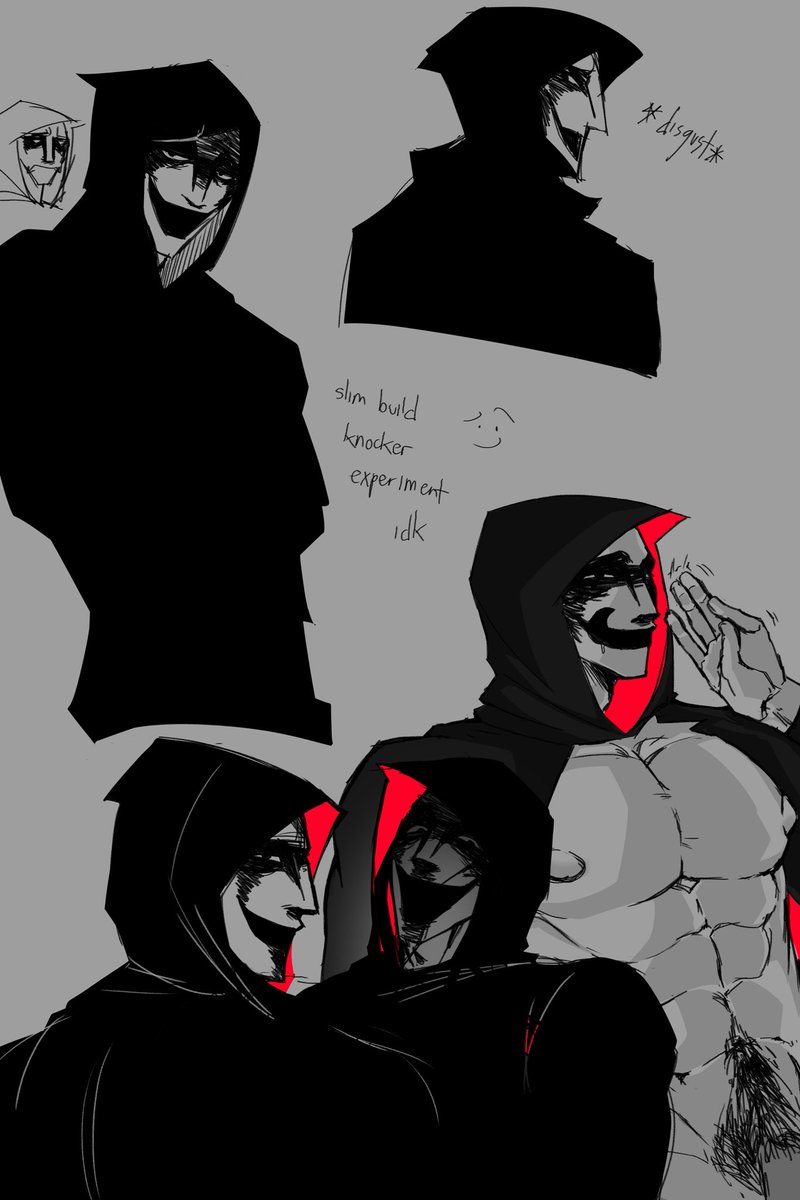
THE KNOCKER’S PULLING HIS COCK OUTTT nah jk it’s just suggestive
Im debating on whether making this actual nsfw but im too lazy to draw AND make a separate 18 acc so ill just censor if i do post it #theknockerfanart #theknockerminecraft #theknockermod


2
21
393
11,673

debating

i really wanna drink again LOLLLL
14
Victim Tee retweeted

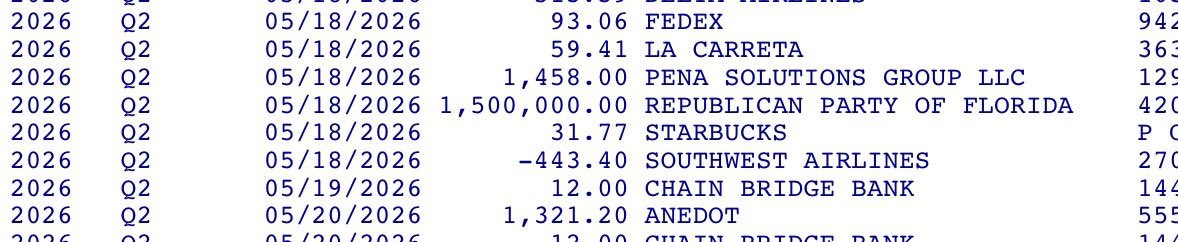
How is it legal that friendsofbyrondonalds.com can buy @FloridaGOP debating requirements? They did it right in front of our faces. And this is a lobby specifically for @ByronDonalds, this is absolutely sleazy and disgusting…

Looks like @AIPAC formed a superpac and gave the @FloridaGOP $1,500,000 to rig a debate by making a crazy criteria.
This is blatant election rigging.
@RonDeSantis time to do the right thing.
1
1
7
107

funniest thing about this thread of argumentative people debating farmers market vs mandi is first time I am hearing about both farmers markets and mandis in blr
I literally had to Google 'mandi' before realising they meant like KR market et al
hahahaha the irony

Don't understand this hate for farmer's markets in Bangalore. I don't want to go to a dirty, muddy, stinky mandi where the sellers are not the growers anyway. I'd rather go to a nice clean farmer's market where I can buy my single origin honey and homemade preserve as well. Both can exist
1
1
74
Metric retweeted

People seem to be debating whether the alien design is Disclosure Day is comically bad or if it’s meta on purpose by deliberately evoking the archetypal blockbuster alien design. Both are wrong. Steven just knows they look like that.
11
172
3,666
63,942
Mistifur retweeted

BELLY
after a week of debating how im gonna animate the squirms, i think i'm making ok progress
now, uhhh
how you guys feel about...her squeezing the prey? :eyes:
anyways
see you in an hour
9
155
1,811
13,912