
20 Aug 2025
𝗡𝗘𝗪 𝗟𝗔𝗨𝗡𝗖𝗛 | 𝗥𝗘𝗖𝗟𝗔𝗜𝗠𝗜𝗡𝗚 𝗣𝗢𝗪𝗘𝗥: 𝗗𝗘𝗖𝗢𝗟𝗢𝗡𝗜𝗔𝗟 𝗙𝗘𝗠𝗜𝗡𝗜𝗦𝗧 𝗖𝗢𝗟𝗟𝗘𝗖𝗧𝗜𝗩𝗘 𝗔𝗖𝗧𝗜𝗢𝗡 𝗙𝗢𝗥 𝗖𝗛𝗔𝗡𝗚𝗘
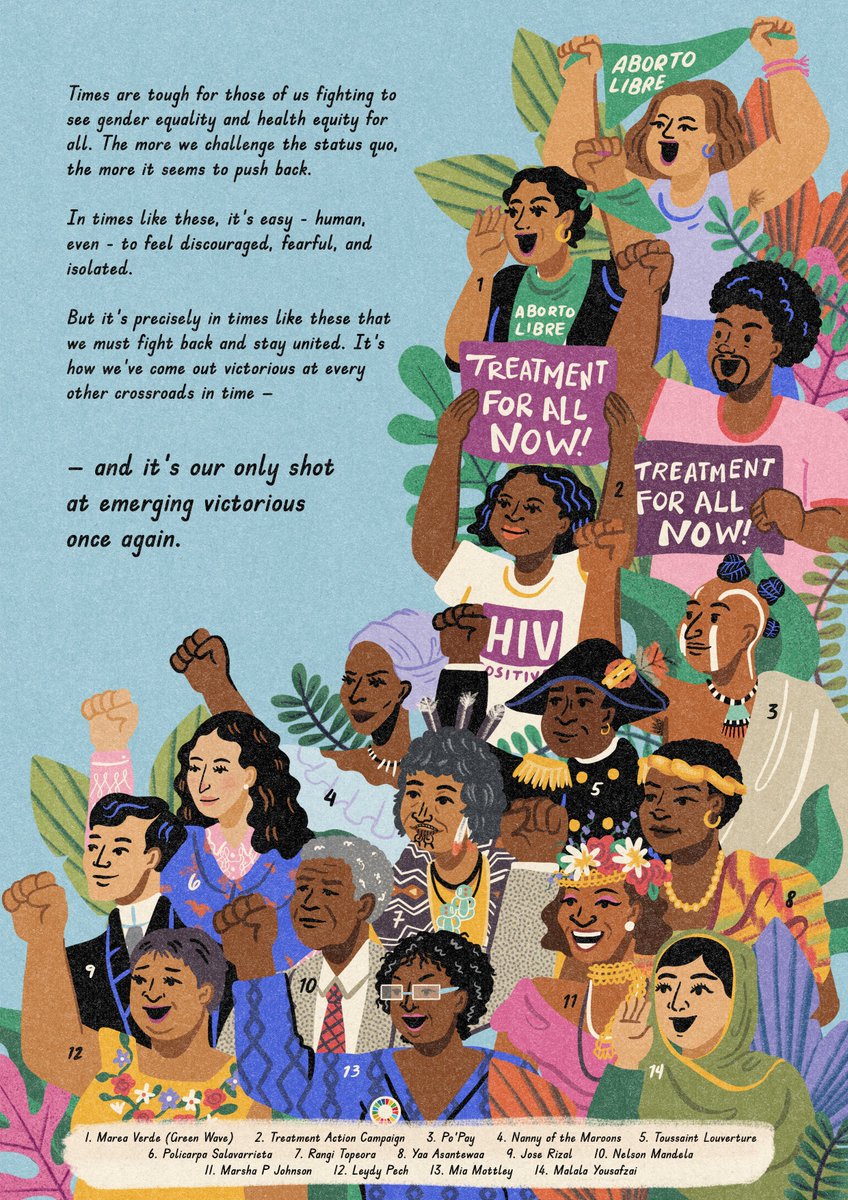
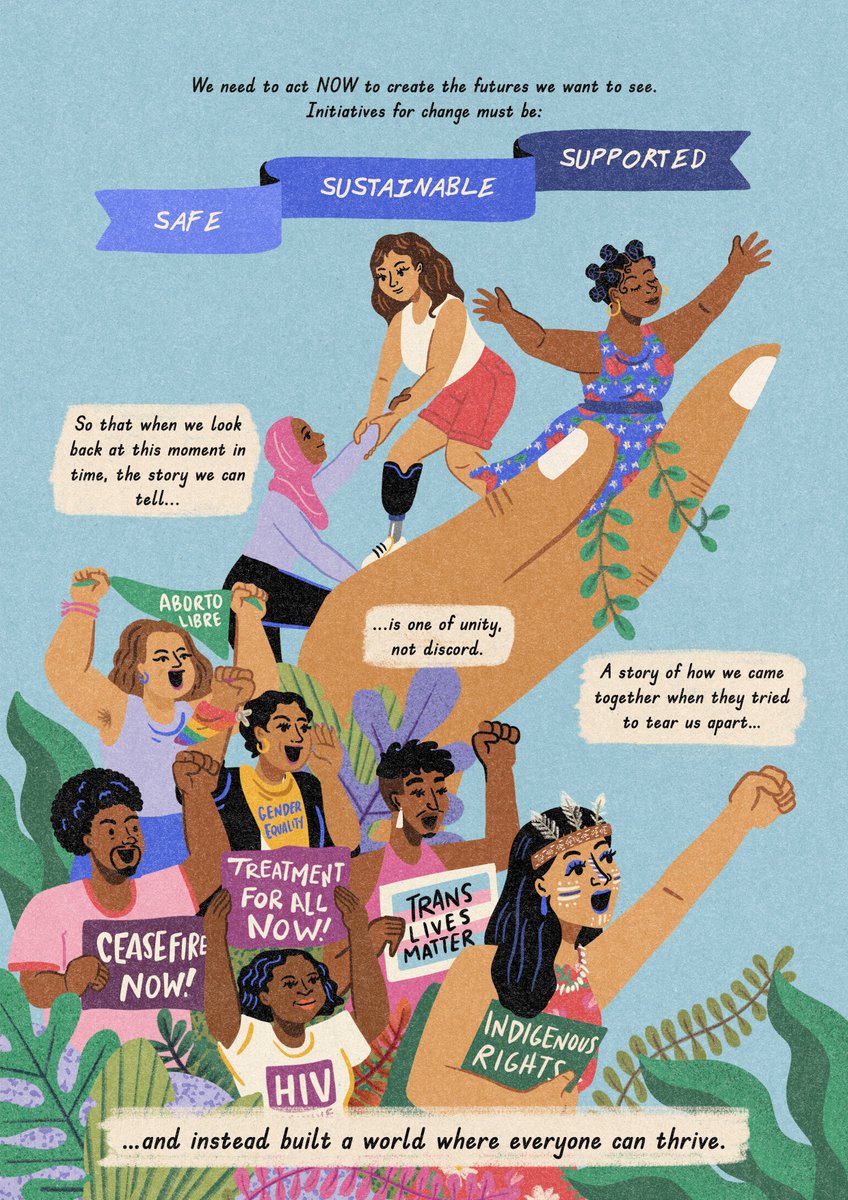
This week, we’re excited to launch the twelfth and final piece in the Advancing Gender Equality in Health series: our vision of a gender equal and health equitable future made possible by collective action.
Co-created with colleagues working at the forefront of collective action in the Caribbean and richly illustrated by Claudine Delfin, this ‘zine brings to life the inspiring might of collective action past, present, and future. It draws on a Three Horizons workshop to spotlight present strengths and challenges, and to envision agentic futures. In recognition of the many fantastic organisations already taking action to create fairer futures, we share 'seeds' of our desired futures that already exist today and call for action NOW to build a world in which everyone can thrive.
If you wish to immerse yourself in a world shaped by courage, community, and change, find the full ‘zine here: go.unu.edu/v1JUP
#GlobalHealth #GenderEquality #HealthEquity #HealthForAll #DecolonizingHealth #DecolonialFeminism #CollectiveAction #DecolonialFeministFutures #ThreeHorizons #UNUIIGH #UNU #UNUat50
1
4
254
13 Aug 2025
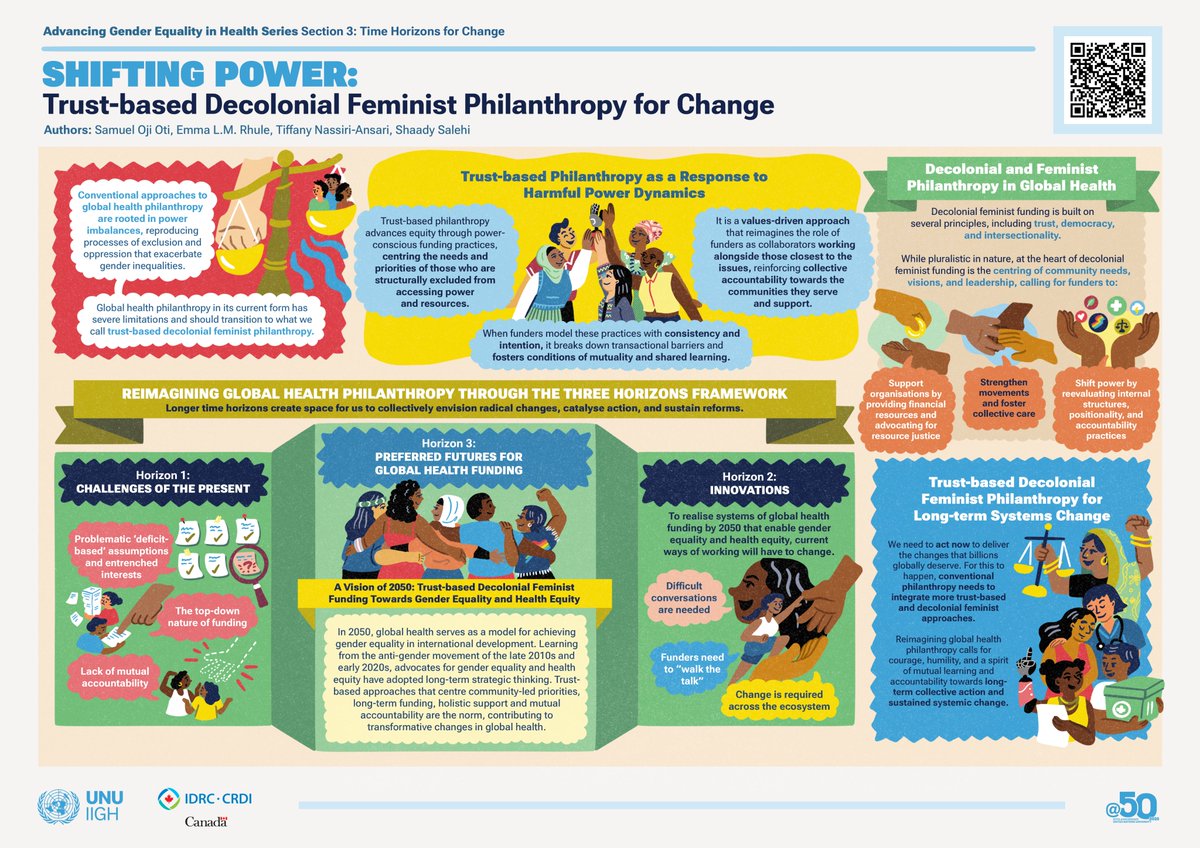
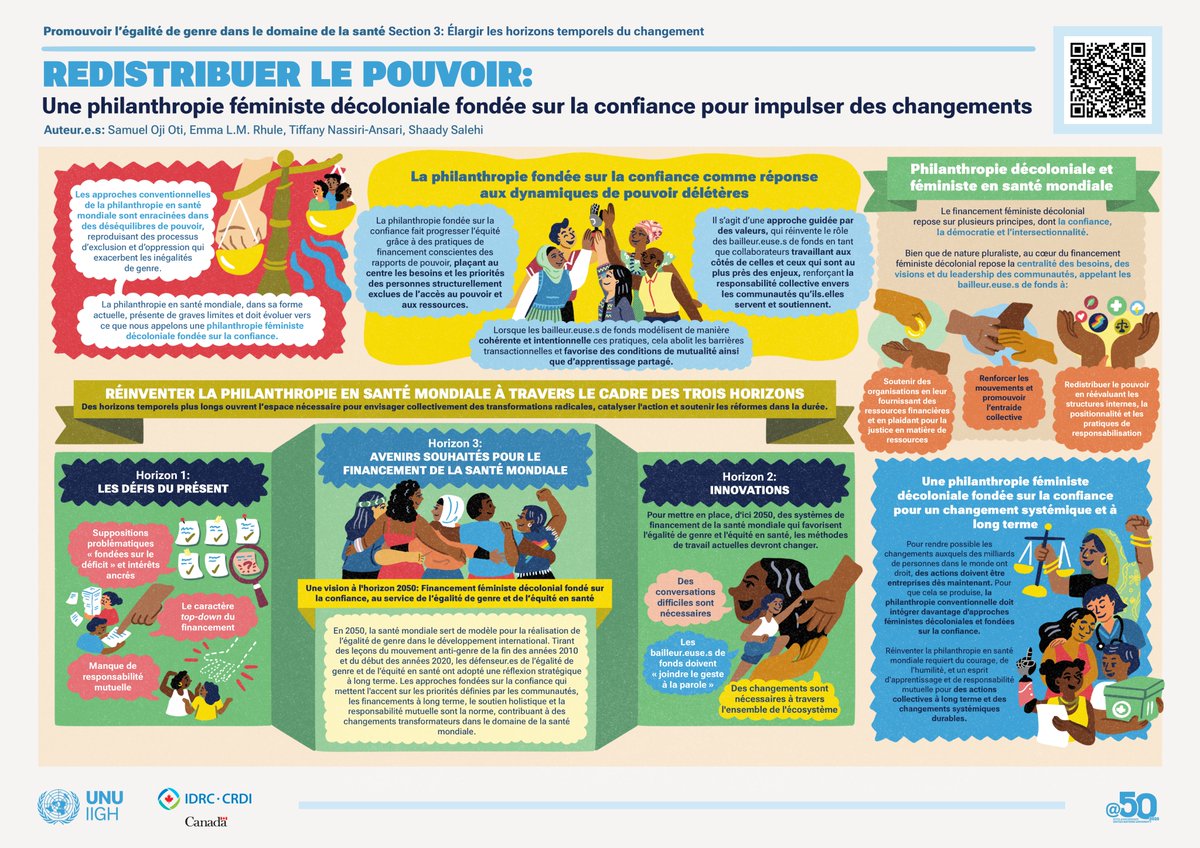
𝗦𝗣𝗢𝗧𝗟𝗜𝗚𝗛𝗧 𝗢𝗡: 𝗦𝗵𝗶𝗳𝘁𝗶𝗻𝗴 𝗣𝗼𝘄𝗲𝗿: 𝗧𝗿𝘂𝘀𝘁-𝗯𝗮𝘀𝗲𝗱 𝗗𝗲𝗰𝗼𝗹𝗼𝗻𝗶𝗮𝗹 𝗙𝗲𝗺𝗶𝗻𝗶𝘀𝘁 𝗣𝗵𝗶𝗹𝗮𝗻𝘁𝗵𝗿𝗼𝗽𝘆 𝗳𝗼𝗿 𝗖𝗵𝗮𝗻𝗴𝗲
Our penultimate visual summary shines a light on trust-based decolonial feminist philanthropy and its vital role in achieving gender equal and health equitable futures. Part of our section on expanding time horizons for change, this paper introduces trust-based decolonial feminist philanthropy and shares a desired 2050, collaboratively envisioned using the Three Horizons tool as a foundation. It outlines present challenges, envisions a future in which funding reforms have supported the realisation of gender equality and health equity, and expresses three calls to action in order to realise the changes we want to see.
Read the full paper here: go.unu.edu/h266I
📝 𝗔𝘂𝘁𝗵𝗼𝗿𝗲𝗱 𝗯𝘆: Samuel Oji-Oti, Emma Rhule, Tiffany Nassiri-Ansari, and Shaady Salehi
🎨 𝗜𝗹𝗹𝘂𝘀𝘁𝗿𝗮𝘁𝗲𝗱 𝗯𝘆: Claudine Delfin
📚 𝗧𝗿𝗮𝗻𝘀𝗹𝗮𝘁𝗲𝗱 𝗯𝘆: Capucine Callery
#GlobalHealth #GenderEquality #HealthEquity #HealthForAll #DecolonizingHealth #DecolonialFeminism #TrustBasedPhilanthropy #FeministPhilanthropy #DecolonialPhilanthropy #DecolonialFeministFutures #ThreeHorizons #UNUIIGH
2
4
381
16 Jul 2025
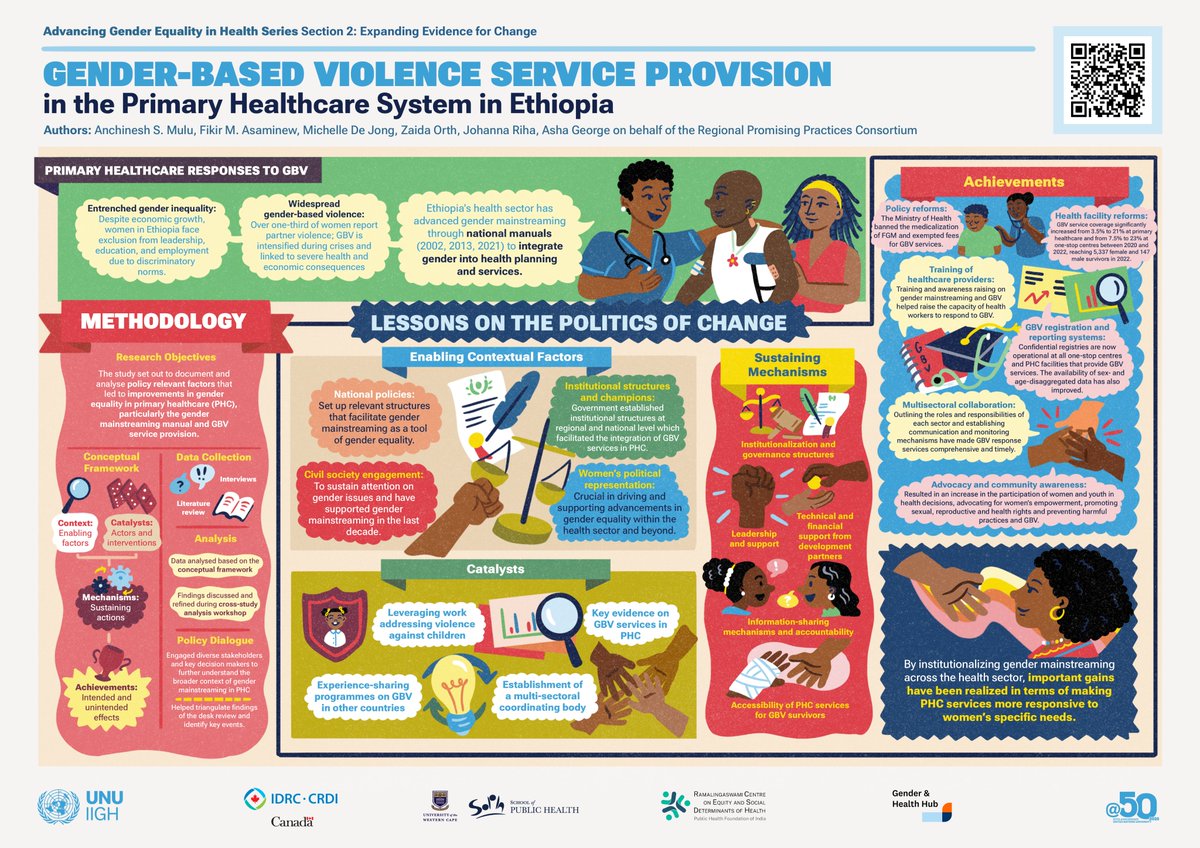
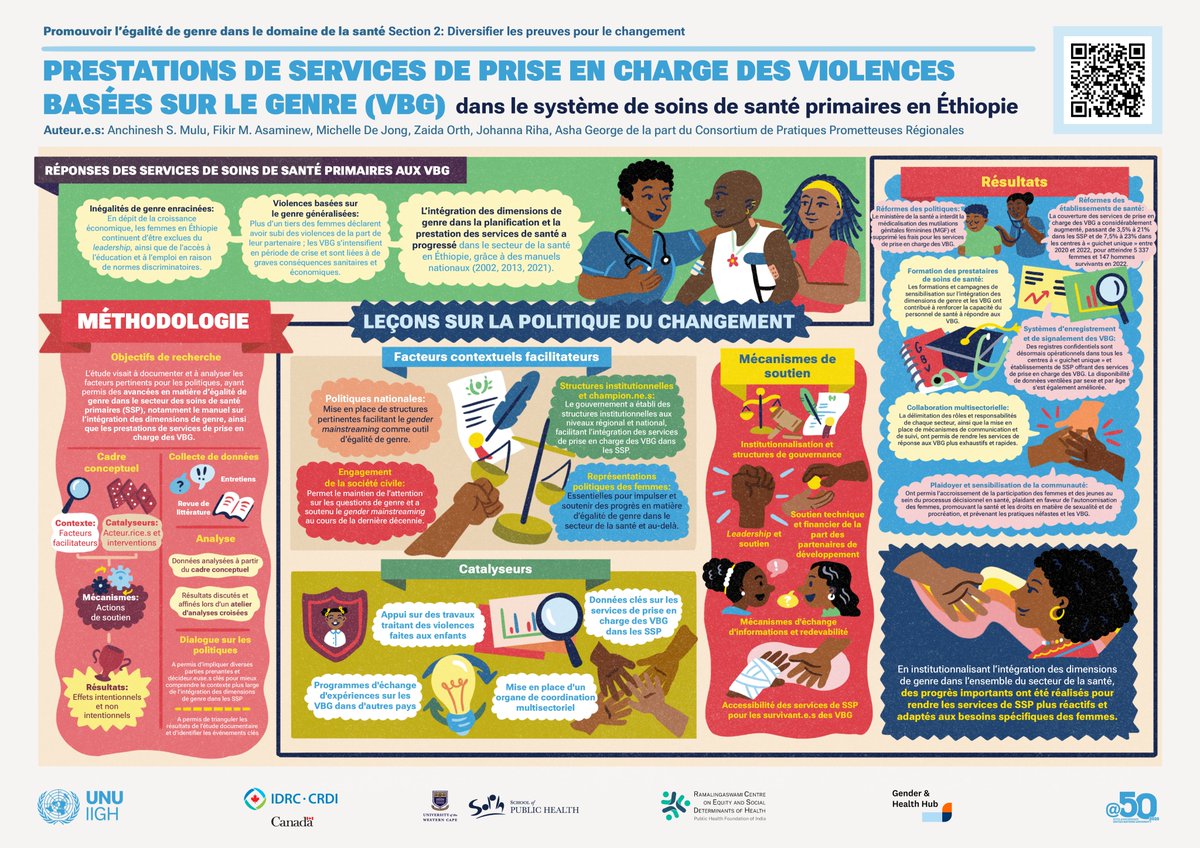
𝗦𝗣𝗢𝗧𝗟𝗜𝗚𝗛𝗧 𝗢𝗡: 𝗚𝗲𝗻𝗱𝗲𝗿-𝗕𝗮𝘀𝗲𝗱 𝗩𝗶𝗼𝗹𝗲𝗻𝗰𝗲 𝗦𝗲𝗿𝘃𝗶𝗰𝗲 𝗣𝗿𝗼𝘃𝗶𝘀𝗶𝗼𝗻 𝗶𝗻 𝘁𝗵𝗲 𝗣𝗿𝗶𝗺𝗮𝗿𝘆 𝗛𝗲𝗮𝗹𝘁𝗵𝗰𝗮𝗿𝗲 𝗦𝘆𝘀𝘁𝗲𝗺 𝗶𝗻 𝗘𝘁𝗵𝗶𝗼𝗽𝗶𝗮
This week, we revisit our paper foregrounding the mechanisms, policy instruments, and institutional arrangements that enabled the comprehensive and sustainable operationalisation of 𝗴𝗲𝗻𝗱𝗲𝗿-𝗯𝗮𝘀𝗲𝗱 𝘃𝗶𝗼𝗹𝗲𝗻𝗰𝗲 (𝗚𝗕𝗩) 𝘀𝗲𝗿𝘃𝗶𝗰𝗲𝘀 within Ethiopia’s primary healthcare (PHC) system.
The fourth of six papers on expanding evidence for change, this report documents how the institutionalisation of gender mainstreaming frameworks – notably supported by dedicated governance structures, multi-sectoral coordination, and financial assistance - has driven measurable expansion in GBV service coverage, with PHC facilities reporting an increase from 3.5% to 21% between 2020 and 2022.
Such improvements to PHC response to GBV are notably anchored in systematic gender-responsive capacity-strengthening incentives, targeted advocacy, and policy reforms that removed critical accessibility barriers.
By capturing the technical expertise, policy commitment, and community engagement underpinning sustainable institutional change, this case study thus provides a documented model for embedding gender equality and GBV response within health system governance. It demonstrates how the convergence of these contextual, catalytic, and sustaining conditions can operationalise rights-based health service delivery, even in resource-constrained settings, and provides policy-relevant lessons to advance health equity through systemic transformation.
📑𝗥𝗲𝗮𝗱 𝘁𝗵𝗲 𝗳𝘂𝗹𝗹 𝗽𝗮𝗽𝗲𝗿 𝗵𝗲𝗿𝗲: go.unu.edu/lUrow
📝 𝗔𝘂𝘁𝗵𝗼𝗿𝗲𝗱 𝗯𝘆 : Anchinesh S. Mulu, Fikir M. Asaminew, Michelle De Jong, Zaida Orth, Johanna Riha, and Asha George
🎨𝗜𝗹𝗹𝘂𝘀𝘁𝗿𝗮𝘁𝗲𝗱 𝗯𝘆: Claudine Delfin
📚𝗧𝗿𝗮𝗻𝘀𝗹𝗮𝘁𝗲𝗱 𝗯𝘆: Capucine Callery
#GlobalHealth #GenderEquality #HealthEquity #HealthForAll #DecolonizingHealth #DecolonialFeminism #Gender #GBV #HealthSystems #UNUIIGH #UNU #UNUat50
1
2
119
2 Jul 2025
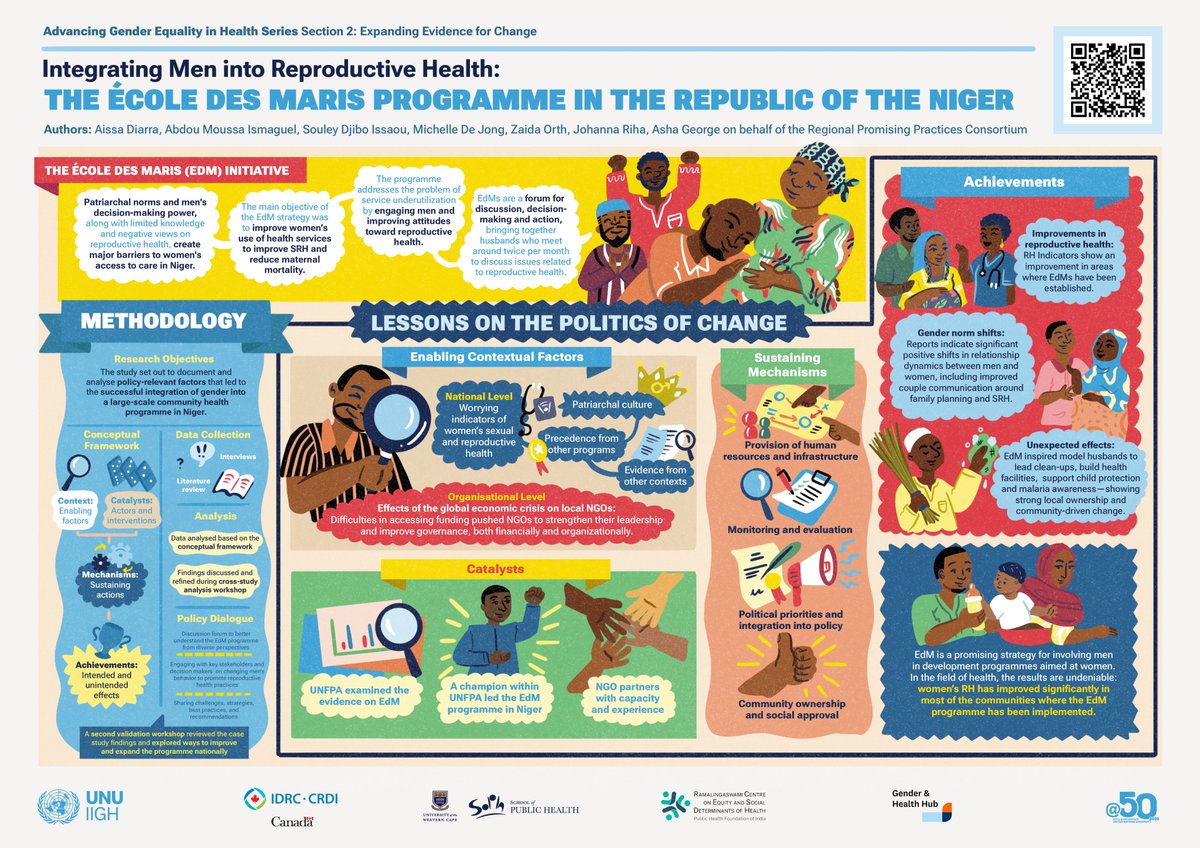
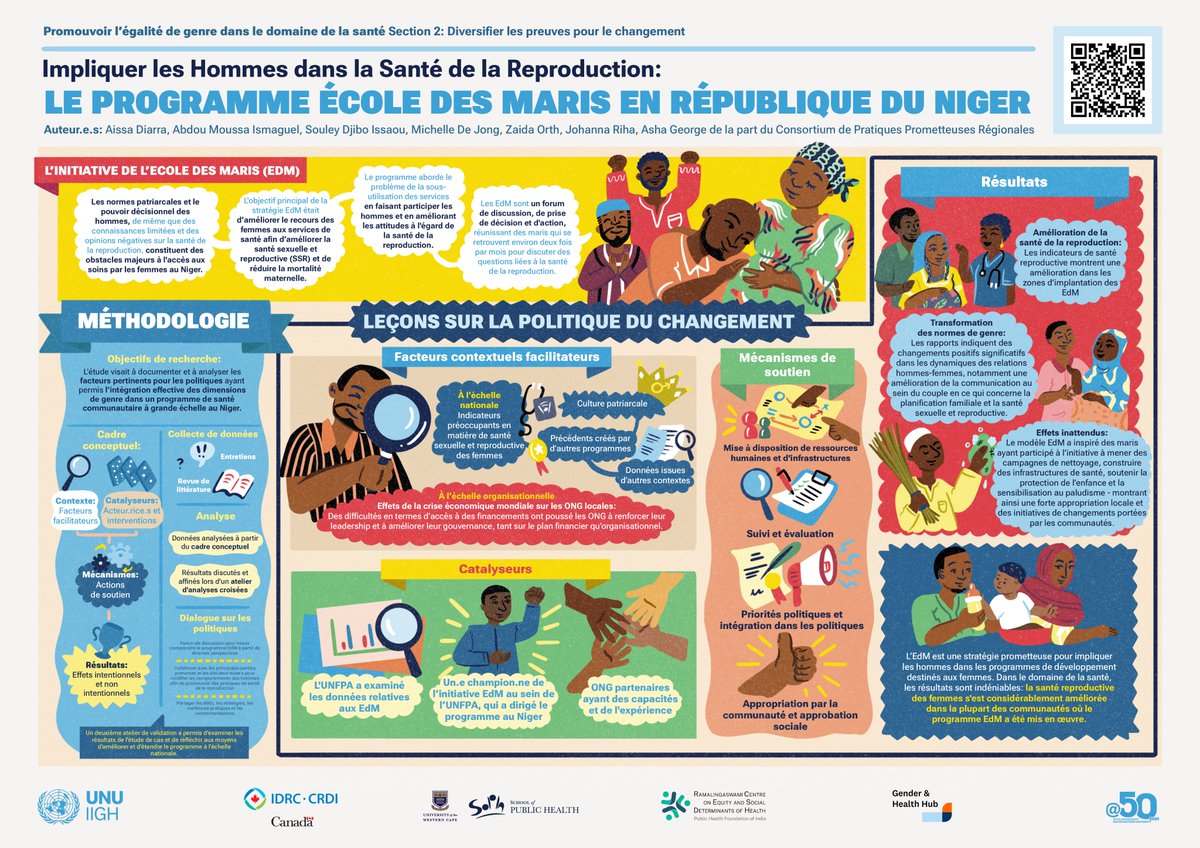
𝗦𝗣𝗢𝗧𝗟𝗜𝗚𝗛𝗧 𝗢𝗡: 𝗜𝗻𝘁𝗲𝗴𝗿𝗮𝘁𝗶𝗻𝗴 𝗠𝗲𝗻 𝗶𝗻𝘁𝗼 𝗥𝗲𝗽𝗿𝗼𝗱𝘂𝗰𝘁𝗶𝘃𝗲 𝗛𝗲𝗮𝗹𝘁𝗵: 𝗧𝗵𝗲 É𝗰𝗼𝗹𝗲 𝗱𝗲𝘀 𝗠𝗮𝗿𝗶𝘀 𝗣𝗿𝗼𝗴𝗿𝗮𝗺𝗺𝗲 𝗶𝗻 𝘁𝗵𝗲 𝗥𝗲𝗽𝘂𝗯𝗹𝗶𝗰 𝗼𝗳 𝘁𝗵𝗲 𝗡𝗶𝗴𝗲𝗿
This week, we revisit our paper spotlighting the É𝗰𝗼𝗹𝗲 𝗱𝗲𝘀 𝗠𝗮𝗿𝗶𝘀 (𝗘𝗱𝗠), a successful community-level intervention in Niger aimed at improving women's reproductive health (RH) outcomes by addressing entrenched gender and social norms that systematically impede on their access to sexual and reproductive health (SRH) services.
In a context marked by persistently adverse SRH indicators - such as high maternal mortality rates - and patriarchal structures enabling the concentration of decision-making power among men, the EdM initiative is designed to engage men as co-architects of reproductive health justice. Through, participatory dialogues among husbands within local communities, the EdM aims to foster critical reflection on gendered decision-making and reproductive autonomy to systematically dismantle normative and structural barriers to SRH access.
The second of six papers on expanding evidence for change, this report dissects the enabling ecosystem and sustaining mechanisms underpinning EdM’s success, including robust multi-sectoral partnerships, strategic integration into policy, and a deliberate emphasis on community ownership and social legitimacy. By promoting reproductive health among men alongside women, the intervention has catalysed significant positive shifts in gender norms and men’s engagement in RH decision-making, through community-driven initiatives for change.
While enduring barriers persist - including fragmented inter-ministerial coordination, limited operationalisation of gender-transformative frameworks, and precarious sustainability in the face of donor reliance and hierarchical local governance structures - the EdM model offers a contextually responsive blueprint for effective health system reform to address the social determinants underpinning SRH inequities.
📑𝗥𝗲𝗮𝗱 𝘁𝗵𝗲 𝗳𝘂𝗹𝗹 𝗽𝗮𝗽𝗲𝗿 𝗵𝗲𝗿𝗲: go.unu.edu/tuNvs
📝𝗔𝘂𝘁𝗵𝗼𝗿𝗲𝗱 𝗯𝘆: Aissa Diarra (@toutira), Abdou Moussa Ismaguel, Souley Djibo Issaou, Michelle De Jong, Zaida Orth (@zaidaorth), Johanna Riha (@johanna_riha), Asha George (@ashageorge72)
🎨𝗜𝗹𝗹𝘂𝘀𝘁𝗿𝗮𝘁𝗲𝗱 𝗯𝘆: Claudine Delfin (@drawnbyclaudine)
📚𝗧𝗿𝗮𝗻𝘀𝗹𝗮𝘁𝗲𝗱 𝗯𝘆: Capucine Callery
#GlobalHealth #GenderEquality #HealthEquity #HealthForAll #DecolonizingHealth #DecolonialFeminism #Gender #UNUIIGH #UNU #UNUat50
1
4
3
203
25 Jun 2025
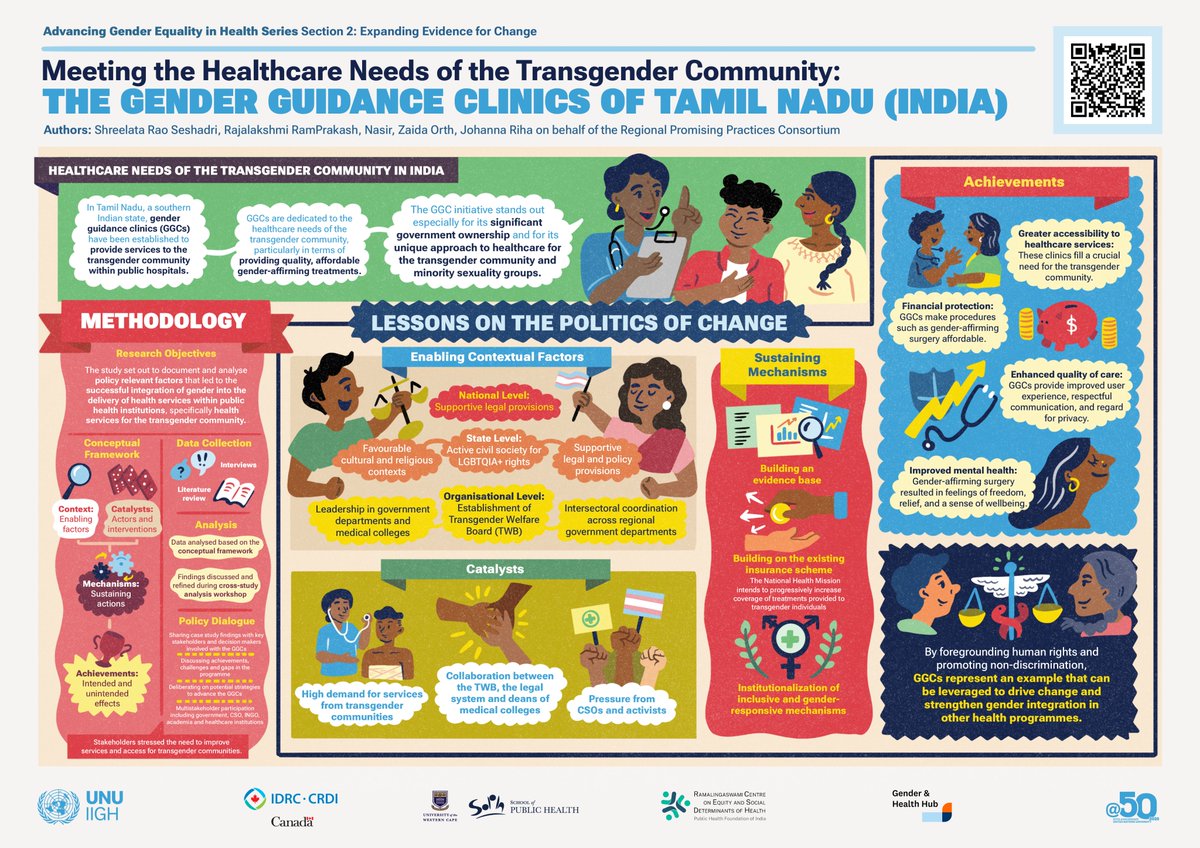
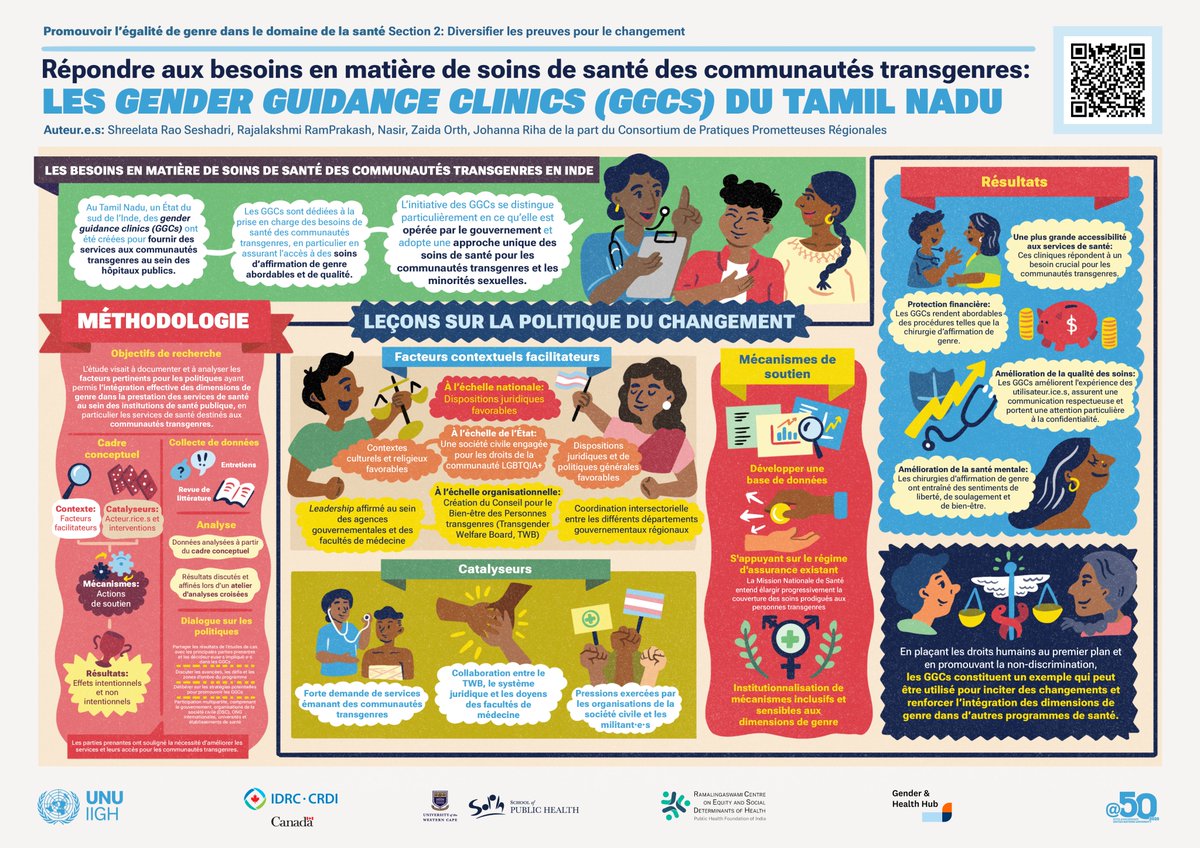
𝗦𝗣𝗢𝗧𝗟𝗜𝗚𝗛𝗧 𝗢𝗡: 𝗠𝗲𝗲𝘁𝗶𝗻𝗴 𝘁𝗵𝗲 𝗛𝗲𝗮𝗹𝘁𝗵𝗰𝗮𝗿𝗲 𝗡𝗲𝗲𝗱𝘀 𝗼𝗳 𝘁𝗵𝗲 𝗧𝗿𝗮𝗻𝘀𝗴𝗲𝗻𝗱𝗲𝗿 𝗖𝗼𝗺𝗺𝘂𝗻𝗶𝘁𝘆: 𝗧𝗵𝗲 𝗚𝗲𝗻𝗱𝗲𝗿 𝗚𝘂𝗶𝗱𝗮𝗻𝗰𝗲 𝗖𝗹𝗶𝗻𝗶𝗰𝘀 𝗼𝗳 𝗧𝗮𝗺𝗶𝗹 𝗡𝗮𝗱𝘂 (𝗜𝗻𝗱𝗶𝗮)
This week, we revisit our paper spotlighting Tamil Nadu’s 𝙂𝙚𝙣𝙙𝙚𝙧 𝙂𝙪𝙞𝙙𝙖𝙣𝙘𝙚 𝘾𝙡𝙞𝙣𝙞𝙘𝙨 (𝙂𝙂𝘾𝙨), a pivotal case study of the successful integration of gender-responsive mechanisms into government health systems and programmes. Established to address specific healthcare needs of transgender communities in India, these government-owned GGCs have tangibly advanced healthcare accessibility, financial protection, and quality of care through dedicated comprehensive services, insurance coverage, and a holistic approach incorporating mental health considerations.
The first of six papers on expanding evidence for change, this report unpacks enabling contextual factors, catalysts, and sustaining mechanisms behind the GGCs’ success, including progressive legal frameworks, strong political will, active civil society advocacy, and intersectoral government coordination.
While identifying persistent barriers faced by transgender individuals in accessing healthcare - such as stigma, discrimination, and gaps in provider sensitisation - the paper offers critical lessons for the scalable integration of gender into the delivery of health services within public health institutions.
📑Read the full paper: go.unu.edu/B0uHM
📝𝗔𝘂𝘁𝗵𝗼𝗿𝗲𝗱 𝗯𝘆: Shreelata Rao Seshadri; Rajalakshmi RamPrakash; Nasir; Zaida Orth (@zaidaorth); Johanna Riha (@johanna_riha)
🎨 𝗜𝗹𝗹𝘂𝘀𝘁𝗿𝗮𝘁𝗲𝗱 𝗯𝘆: Claudine Delfin (@drawnbyclaudine)
📚𝗧𝗿𝗮𝗻𝘀𝗹𝗮𝘁𝗲𝗱 𝗯𝘆: Capucine Callery
#GlobalHealth #GenderEquality #HealthEquity #HealthForAll #DecolonizingHealth #DecolonialFeminism #Gender #UNUIIGH #UNU #UNUat50
1
3
134
18 Jun 2025
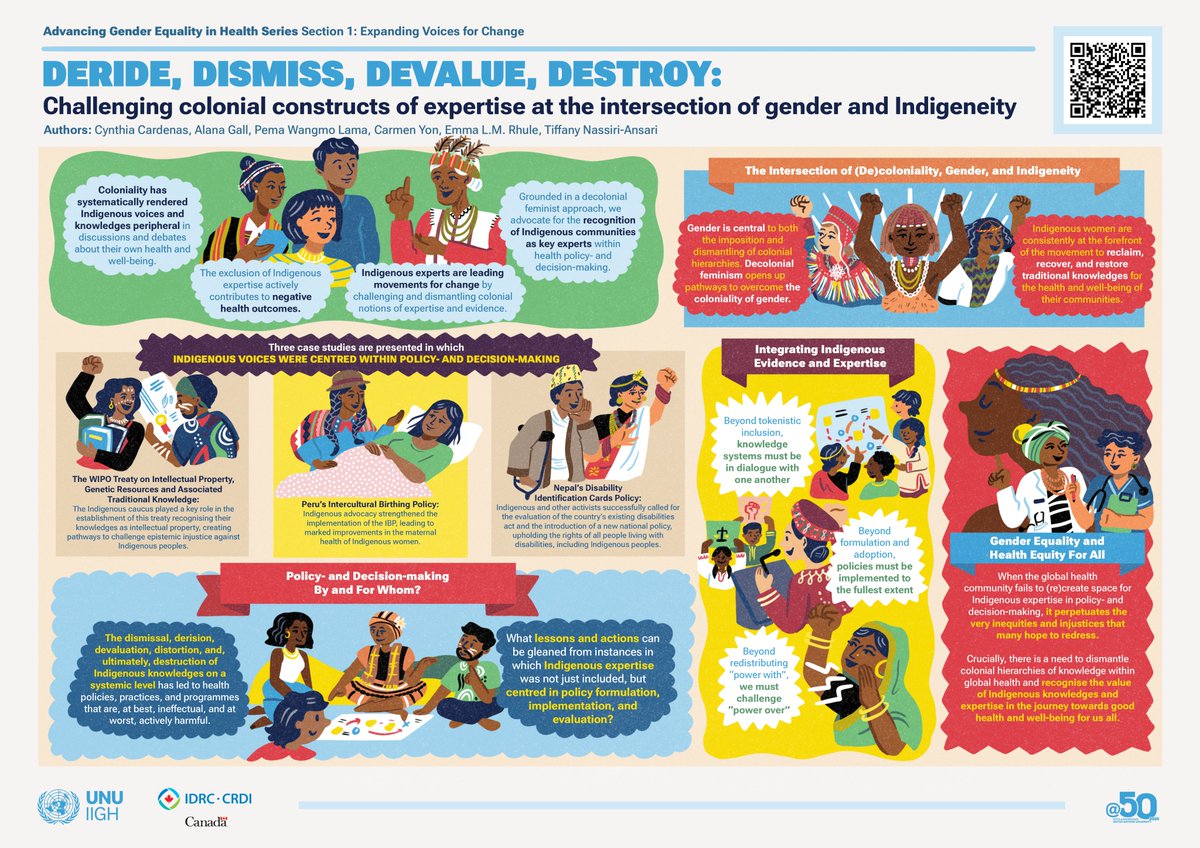
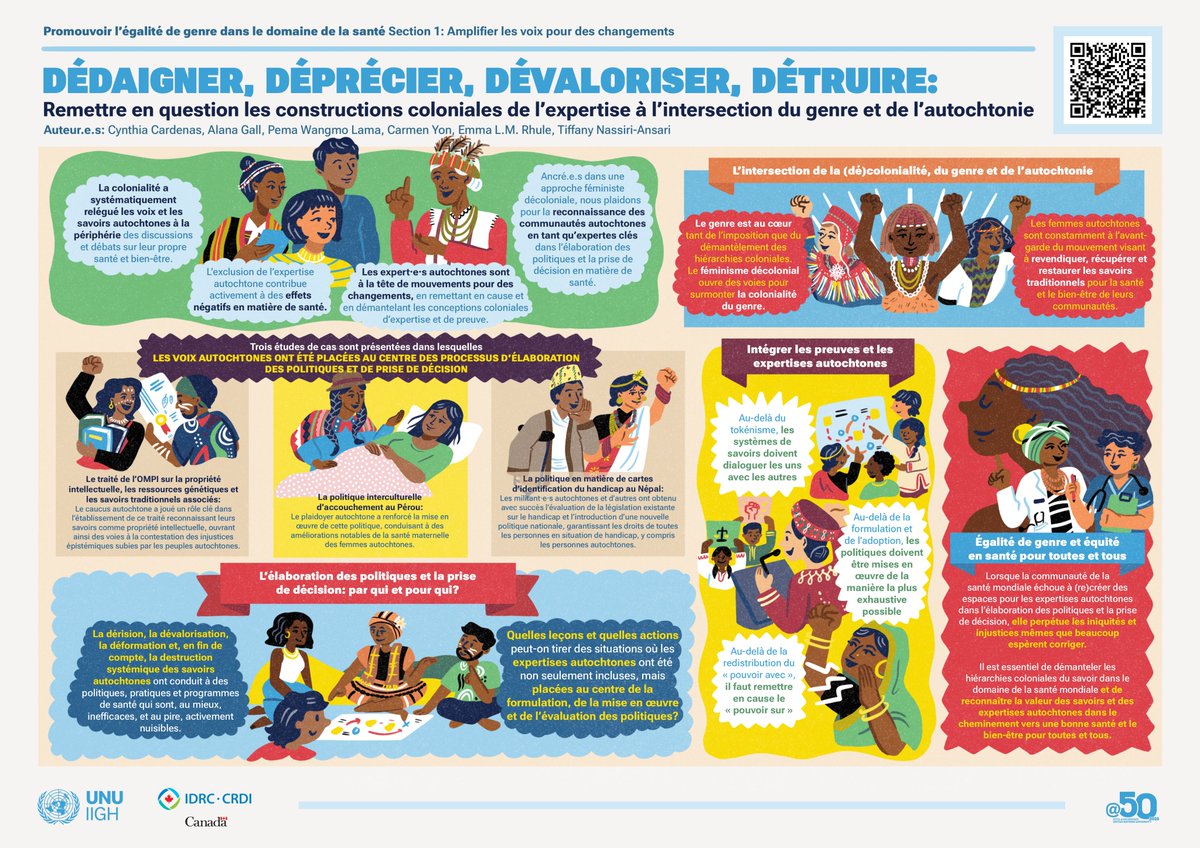
𝗦𝗣𝗢𝗧𝗟𝗜𝗚𝗛𝗧 𝗢𝗡: 𝗗𝗲𝗿𝗶𝗱𝗲, 𝗗𝗶𝘀𝗺𝗶𝘀𝘀, 𝗗𝗲𝘃𝗮𝗹𝘂𝗲, 𝗗𝗲𝘀𝘁𝗿𝗼𝘆: 𝗖𝗵𝗮𝗹𝗹𝗲𝗻𝗴𝗶𝗻𝗴 𝗰𝗼𝗹𝗼𝗻𝗶𝗮𝗹 𝗰𝗼𝗻𝘀𝘁𝗿𝘂𝗰𝘁𝘀 𝗼𝗳 𝗲𝘅𝗽𝗲𝗿𝘁𝗶𝘀𝗲 𝗮𝘁 𝘁𝗵𝗲 𝗶𝗻𝘁𝗲𝗿𝘀𝗲𝗰𝘁𝗶𝗼𝗻 𝗼𝗳 𝗴𝗲𝗻𝗱𝗲𝗿 𝗮𝗻𝗱 𝗜𝗻𝗱𝗶𝗴𝗲𝗻𝗲𝗶𝘁𝘆
This week, we revisit our paper on the importance of integrating Indigenous expertise and knowledges in health policy- and decision-making. The second of two papers on expanding voices for change, it highlights the colonial history of Indigenous epistemicide, shares examples of Indigenous knowledges improving health policies and programmes, and calls for greater integration of Indigenous expertise in initiatives for gender equality and health equity.
📑Read the full paper here: go.unu.edu/0Up0Q
📝𝗔𝘂𝘁𝗵𝗼𝗿𝗲𝗱 𝗯𝘆: Cynthia Cardenas, Alana Gall, Pema Wangmo Lama (@pemamo33), Carmen Yon, @EmmaRhule, and Tiffany Nassiri-Ansari (@t_nassiri)
🎨𝗜𝗹𝗹𝘂𝘀𝘁𝗿𝗮𝘁𝗲𝗱 𝗯𝘆: Claudine Delfin (@drawnbyclaudine)
📚𝗧𝗿𝗮𝗻𝘀𝗹𝗮𝘁𝗲𝗱 𝗯𝘆: Capucine Callery
#GlobalHealth #GenderEquality #HealthEquity #HealthForAll #DecolonizingHealth #DecolonialFeminism #IndigenousVoices #IndigenousExpertise #UNUIIGH #UNU @
2
4
192
11 Jun 2025
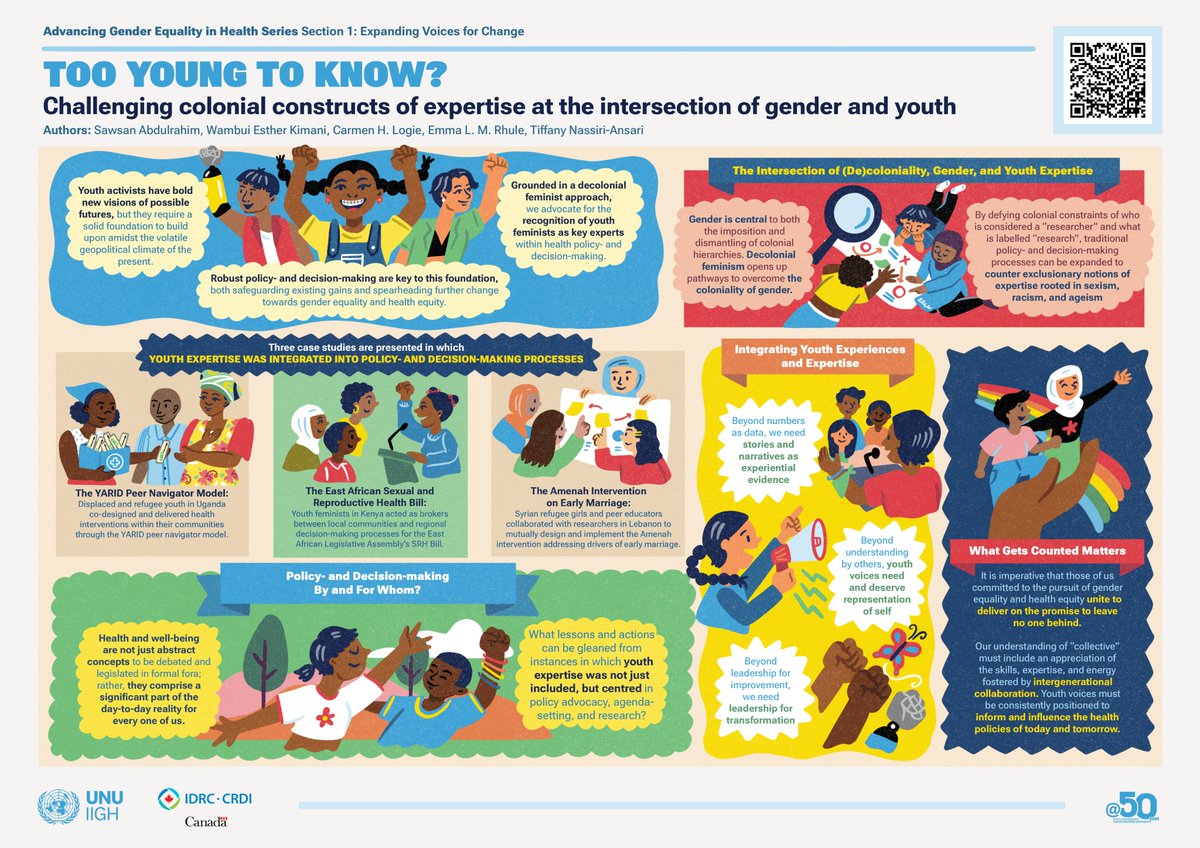
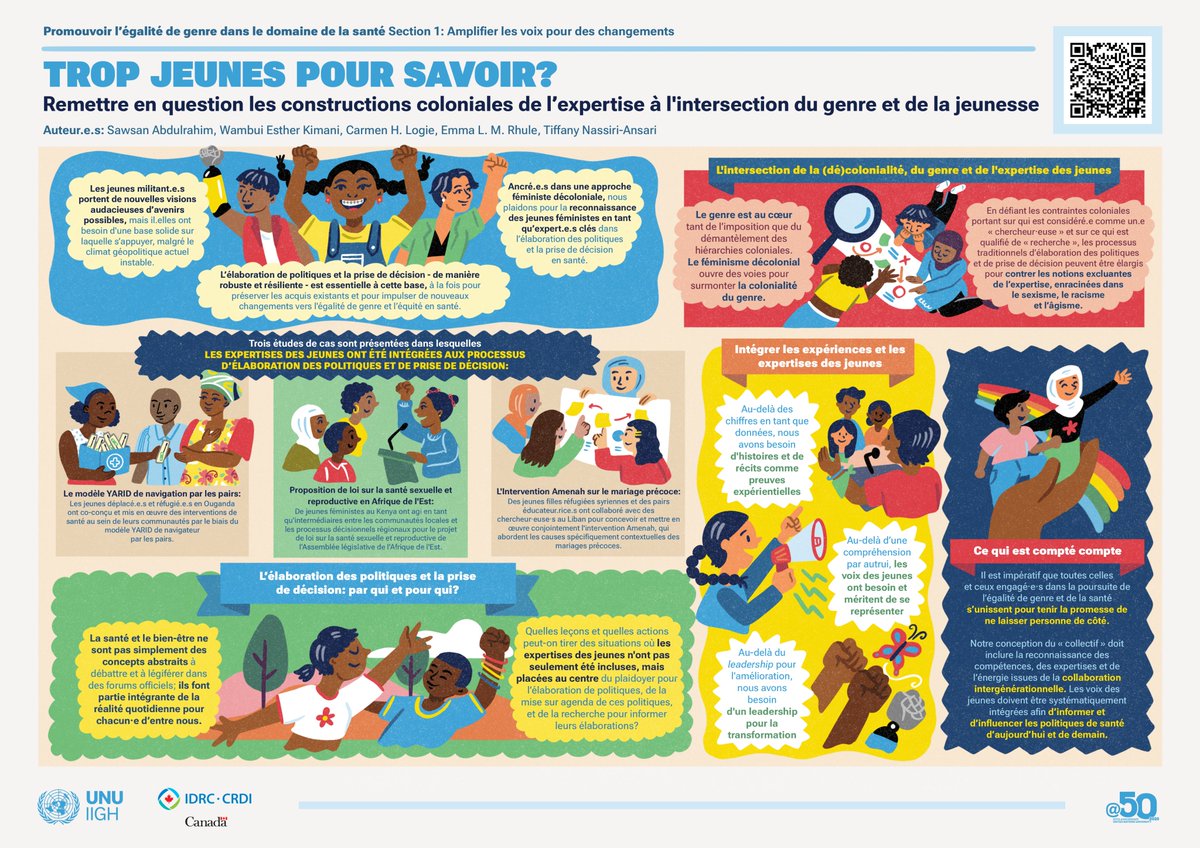
𝗦𝗣𝗢𝗧𝗟𝗜𝗚𝗛𝗧 𝗢𝗡: 𝗧𝗼𝗼 𝗬𝗼𝘂𝗻𝗴 𝘁𝗼 𝗞𝗻𝗼𝘄? 𝗖𝗵𝗮𝗹𝗹𝗲𝗻𝗴𝗶𝗻𝗴 𝗰𝗼𝗹𝗼𝗻𝗶𝗮𝗹 𝗰𝗼𝗻𝘀𝘁𝗿𝘂𝗰𝘁𝘀 𝗼𝗳 𝗲𝘅𝗽𝗲𝗿𝘁𝗶𝘀𝗲 𝗮𝘁 𝘁𝗵𝗲 𝗶𝗻𝘁𝗲𝗿𝘀𝗲𝗰𝘁𝗶𝗼𝗻 𝗼𝗳 𝗴𝗲𝗻𝗱𝗲𝗿 𝗮𝗻𝗱 𝘆𝗼𝘂𝘁𝗵
This week, we revisit our paper on the vital need to draw on youth expertise for the advancement of gender equality and health equity. The first of two papers on expanding voices for change, it interrogates who we consider experts, highlights examples of youth voices driving change, and asks ‘what is lost?’ when we fail to integrate youth expertise in health policy- and decision-making.
📑Read the full paper here: go.unu.edu/UDi2Y
📝Authored by: Sawsan Abdulrahim, Wambui Kimani @KelsieKim, Carmen Logie @carmenlogie, @EmmaRhule, and Tiffany Nassiri-Ansari @t_nassiri
🎨Illustrated by: Claudine Delfin @drawnbyclaudine
📚Translated by: Capucine Callery
#GlobalHealth #GenderEquality #HealthEquity #HealthForAll #DecolonizingHealth #DecolonialFeminism #YouthVoices #YouthExpertise #UNUIIGH #UNU #UNUat50
3
4
382
6 Jun 2025
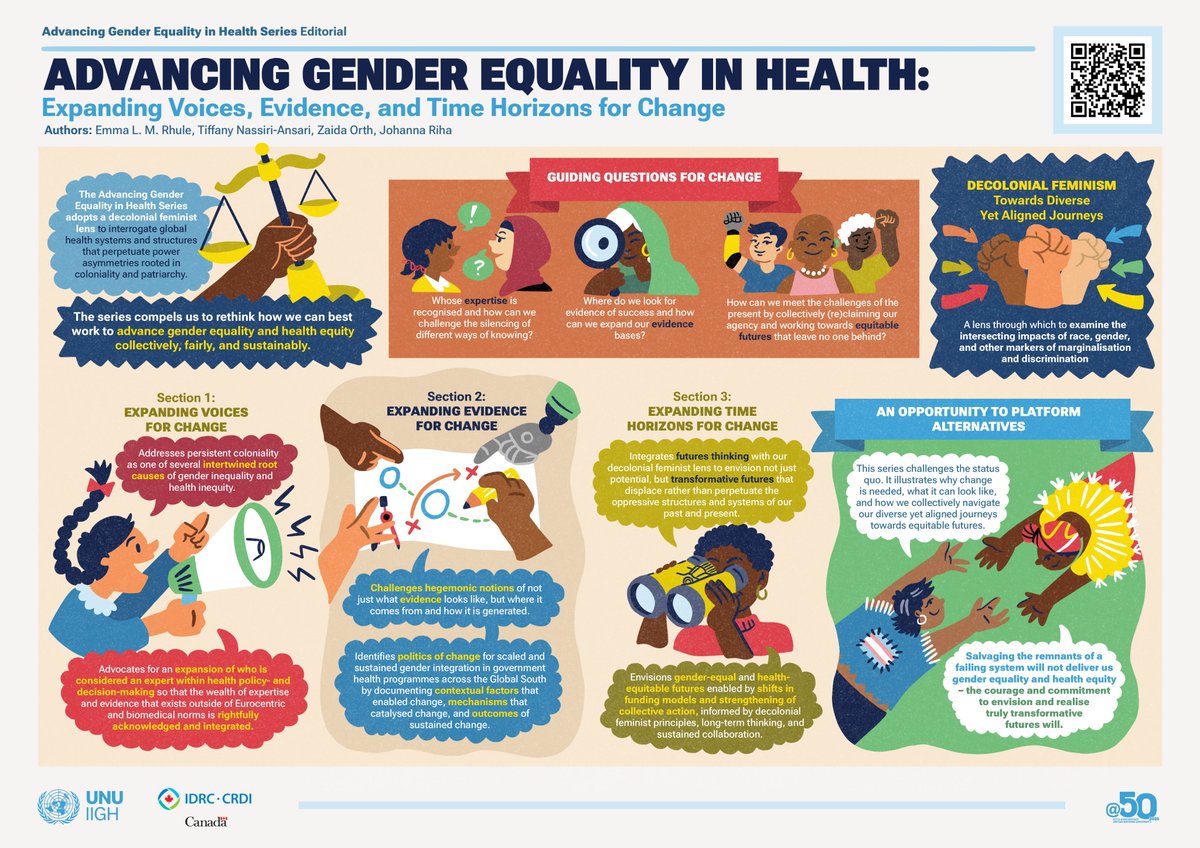
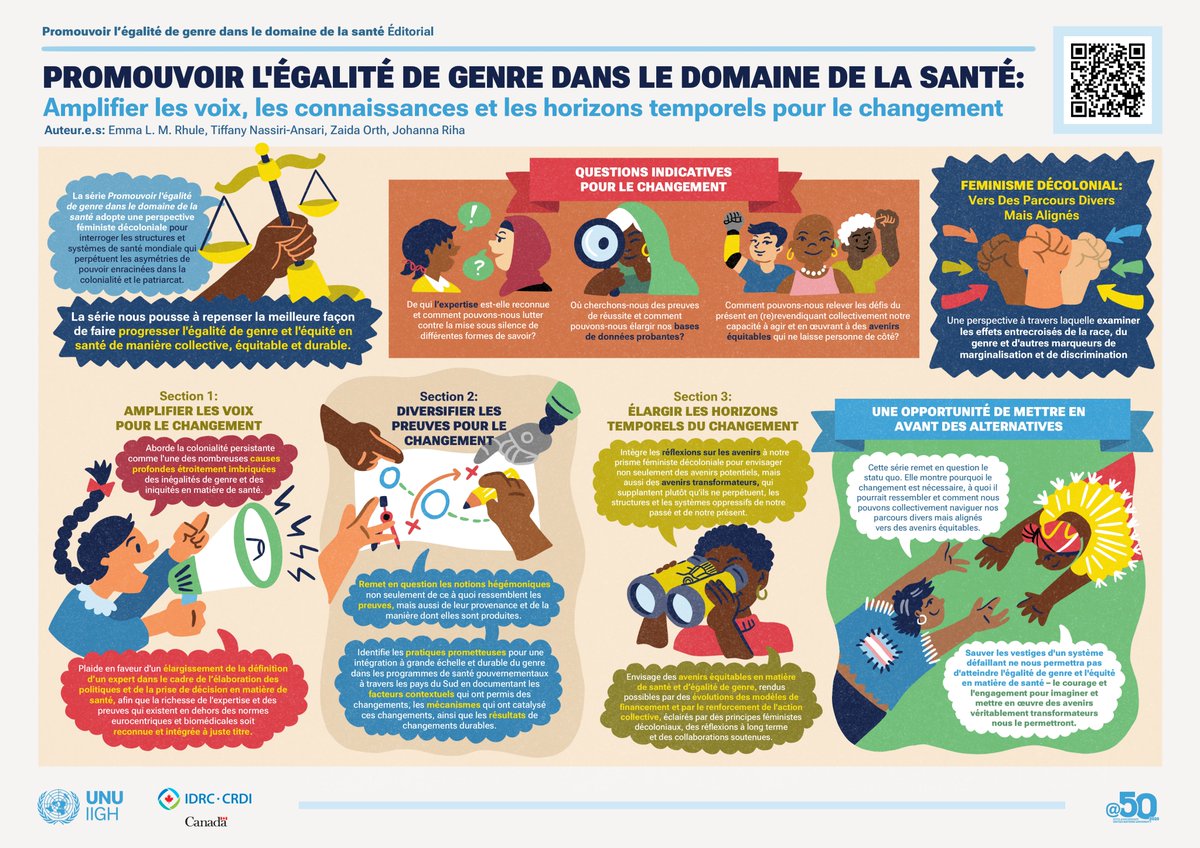
📑 𝗗𝗲𝗲𝗽 𝗗𝗶𝘃𝗲: 𝗔𝗱𝘃𝗮𝗻𝗰𝗶𝗻𝗴 𝗚𝗲𝗻𝗱𝗲𝗿 𝗘𝗾𝘂𝗮𝗹𝗶𝘁𝘆 𝗶𝗻 𝗛𝗲𝗮𝗹𝘁𝗵 𝗦𝗲𝗿𝗶𝗲𝘀
Shaped by colonial and patriarchal power structures, global health has consistently relied on exclusionary definitions of expertise and evidence that sideline Indigenous knowledge systems, youth perspectives, and Majority World successes. UNU-IIGH's Advancing 𝙂𝙚𝙣𝙙𝙚𝙧 𝙀𝙦𝙪𝙖𝙡𝙞𝙩𝙮 𝙞𝙣 𝙃𝙚𝙖𝙡𝙩𝙝 series challenges the preeminence of traditional Eurocentric epistemologies and highlights potential pathways for creating truly transformative and equitable health futures for all.
Through 12 research papers, we:
📢 𝗜𝗻𝘁𝗲𝗴𝗿𝗮𝘁𝗲 𝗱𝗶𝘃𝗲𝗿𝘀𝗲 𝗲𝘅𝗽𝗲𝗿𝘁𝗶𝘀𝗲 in health policy- and decision-making processes
📊 𝗘𝘅𝗽𝗮𝗻𝗱 𝗲𝘃𝗶𝗱𝗲𝗻𝗰𝗲 on promising gender-responsive gov health programs from the Global South
🤝 𝗘𝗻𝘃𝗶𝘀𝗶𝗼𝗻 𝗲𝗾𝘂𝗶𝘁𝗮𝗯𝗹𝗲 𝗳𝘂𝘁𝘂𝗿𝗲𝘀 through collective action and funding reform
In the opening editorial, we root the series firmly in a decolonial feminist lens and showcase how harmful power asymmetries are challenged across the series by applying this lens.
💬 Read the paper here go.unu.edu/pr1Ti and join the conversation!
#UNU #GlobalHealth #GenderEquality #DecolonizingHealth #HealthJustice #UNUIIGH #HealthEquity #DecolonialFeminism #GlobalHealthJustice #HealthForAll #GenderJusticei
4
2
214

30 May 2025
🌿 New publication: Land-Based Activities as Immigrant Health Resiliency During COVID-19
link.springer.com/article/10…
@MountRoyalU @MRULibrary @UNDPClimate @cityofcalgary #LandBasedHealing #BIPOCHealth #COVID19Resilience #DecolonizingHealth #IndigenousKnowledge @CRRF
3
53

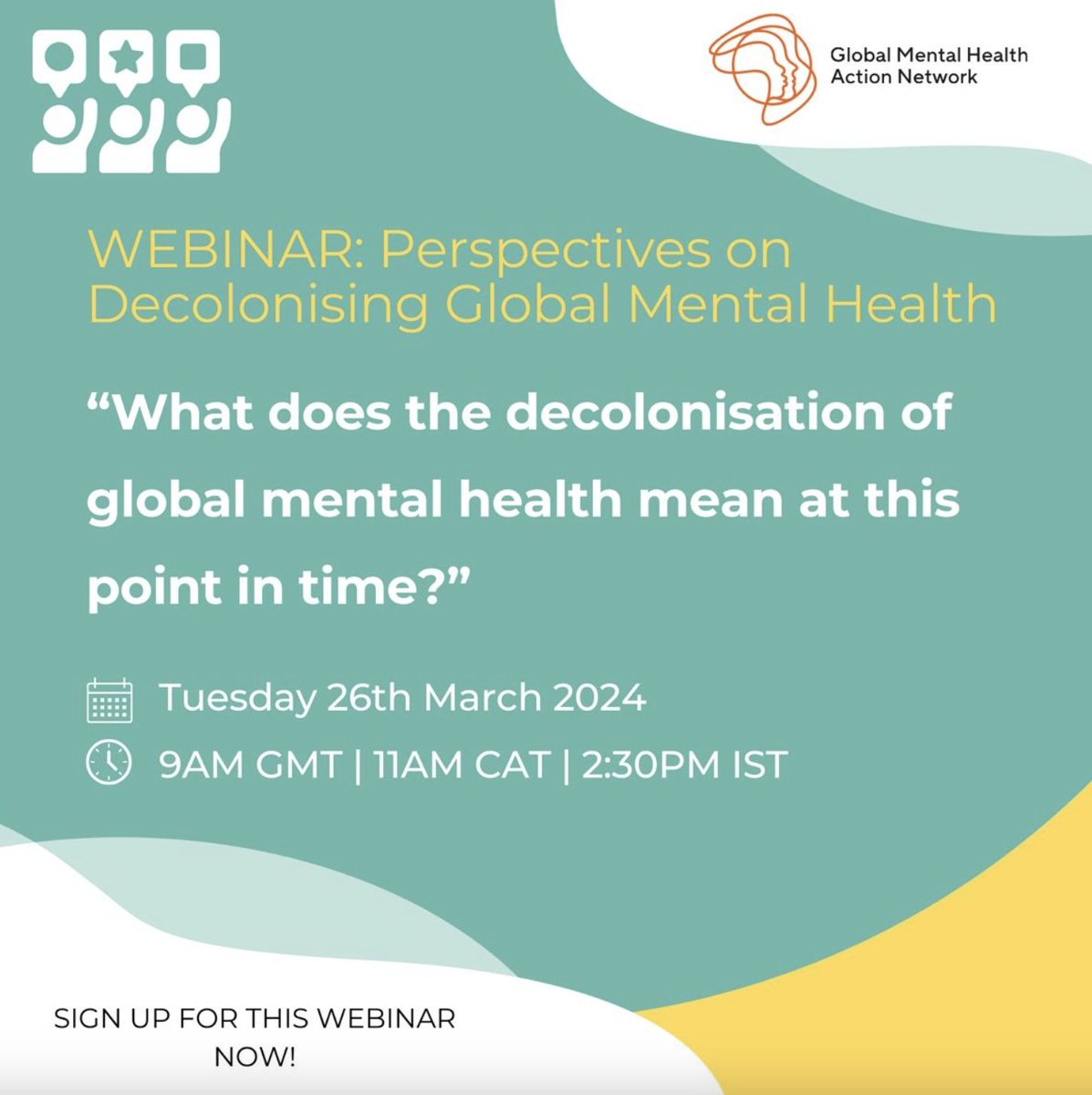
The @WFPHA_FMASP President-Elect @IndigenousWFPHA and CEO @BBorisch participated today in the enriching dialogue, 'Perspectives on Decolonising Global Mental Health,' hosted by the Global Mental Health Action Network.
#DecolonizingHealth #MentalHealth #EquityInHealth #WFPHA
4
7
328

10 Nov 2023
#DecolonizingHealth and #DecolonizingMedicine, une lutte et beaucoup beaucoup de recherches à ce sujet, étendu à #DecolonizingNursing….
Et elle est députée, et la direction du CHU ( U : Universitaire), c’est à pleurer de rage et de honte…🤬🤬@MaximeLg2l
@DrNurseNat
4 Nov 2023

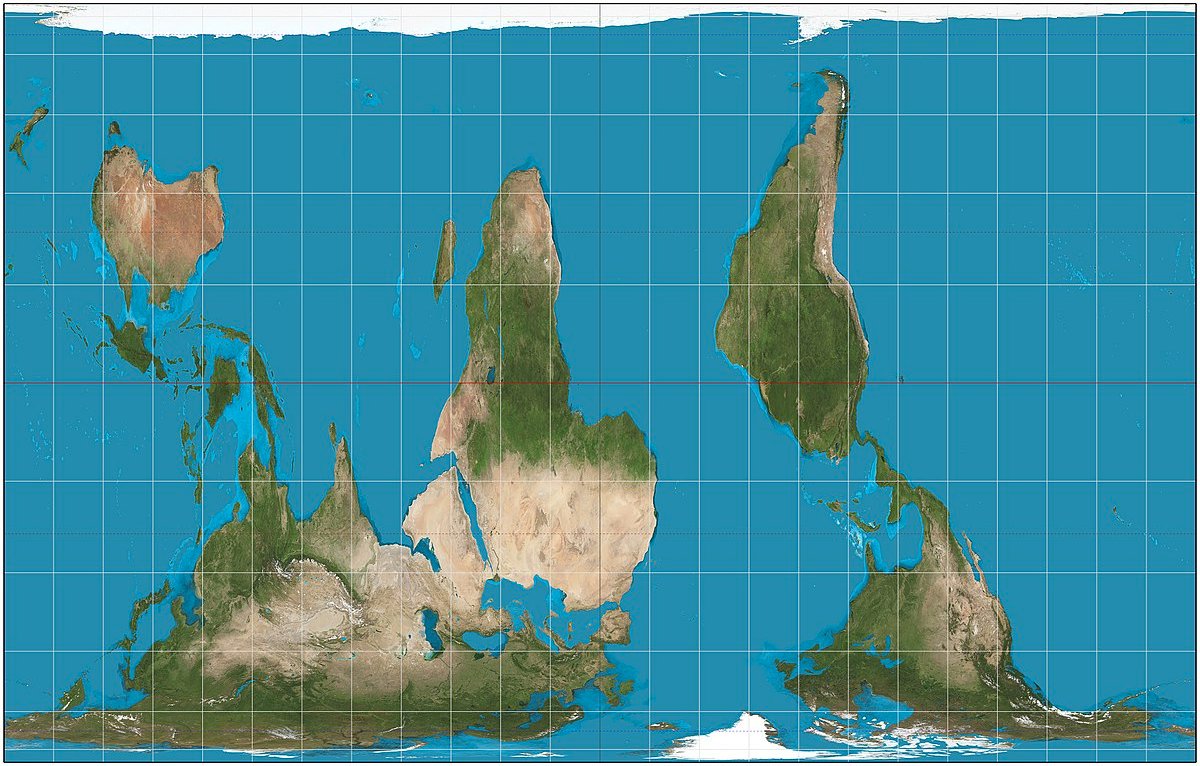
For health & medicine to be decolonised, change will need to be revolutionary, messy, and multigenerational—but also compassionate.
@jocalynclark @NavjoytLadher @Rich_hurley introduce a @bmj_latest series that asks, what next for decolonising medicine?
bmj.com/content/383/bmj.p230…
1
102

10 Oct 2023
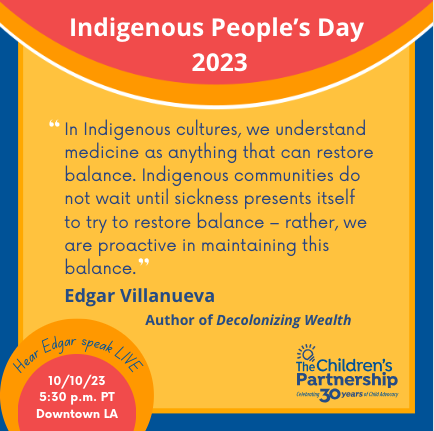
TOMORROW! Watch Founder/CEO @VillanuevaEdgar keynote a conversation about #DecolonizingHealth as part of the @KidsPartnership's 30-year anniversary celebration! Register: bit.ly/RegisterTCP30 #decolonizingwealth #edgarvillanueva

The #health & #wellbeing of Native children is impacted by generations of colonization.
Tomorrow we’re hosting @VillanuevaEdgar to discuss “Decolonizing Health.”
Event & livestream @ 5:30pm. Register: bit.ly/RegisterTCP30
#IndigenousPeoplesDay2023
1
4
1,032

28 Aug 2022
Equipping myself with scripts for life.
#SuicidePrevention
#MentalHealth
#MentalHealthMatters
#DecolonizingHealth
conquerwithnakole.com/19-thi…
HT @NaKoleWatson
1
4
3

Update on #Covid19 #VaccineApartheid from @kerrycullinan11 at @HealthPolicyW
Links #DecolonizingHealth with barriers to African Vaccine Manufacturing #KampalaInitiative
@wto @AVMIAfrica @CEPIvaccines @mmi_updates @healthpov @PHMglobal @InnovateFor_dvt
healthpolicy-watch.news/vacc…
2
3

Still on matters #decolonizinghealth, @Afroscientist speaks to @CKyobutungi #ambroisewonkam @kwambo_2 @christian_happi @djimdeab @GeneMAPOfficial on brain-drain, international funding, and the future of African science. #AfricanScienceAfricanFutures
cutt.ly/oONj48c
9
18

4 Jan 2022
.@SojiAdeyi asserts in this important piece that "The inconvenient truth is that contrary to popular assertions, the core problem is neo-dependency, not neo-colonialism." To me, it is not one or the other, but both. #globalhealth #decolonizinghealth
development-today.com/archiv…
1
4

8 Dec 2021
A powerful initiative - congratulations to Change Maker @saran_wellness for her incredible leadership and work in this space.
#DeColonizingHealth
7 Dec 2021

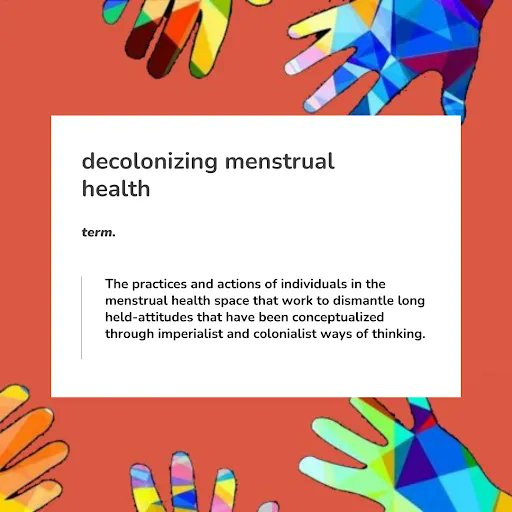
DECOLONIZING MENSTRUAL HEALTH: "This project aims to uncover and bring to light the ways in which western, colonial attitudes have influenced what we accept as normal menstrual health and hygiene (MHH) beliefs and practices. "Read more here buff.ly/3lCa82L 🌟 #amplify
1
2
3

22 Nov 2021
🌍⚕️“It’s not enough to not be racist; Be Antiracist!” @TeresaBonyo speaks about ending humanitarian white saviourism in #CCGH2021 “10 ways to decolonise your global health partnerships”.
👉Join Nov 25 @3pm bit.ly/3r0EQWH
@CAGH_ACSM #DecolonizingHealth #CommunityFirst
2
5

Excellent article by @DrMishalK and others on #decolonizinghealth, highlighting how global health orgs perpetuate the very inequities they claim to rectify bit.ly/326e1ma
@DecoloniseHlth @H_S_Global @gatesfoundation @FCDOGovUK @WHO @UN @USAIDGH
1
4

15 Dec 2020
Yes. We need to be asking and tracking which of the vaccine pharma producers are/planning to produce locally in #Africa. #globaldev needs to prioritise this - not just donations - for long-term sustainability #PeoplesVaccine #decolonizinghealth #ownership
14 Dec 2020

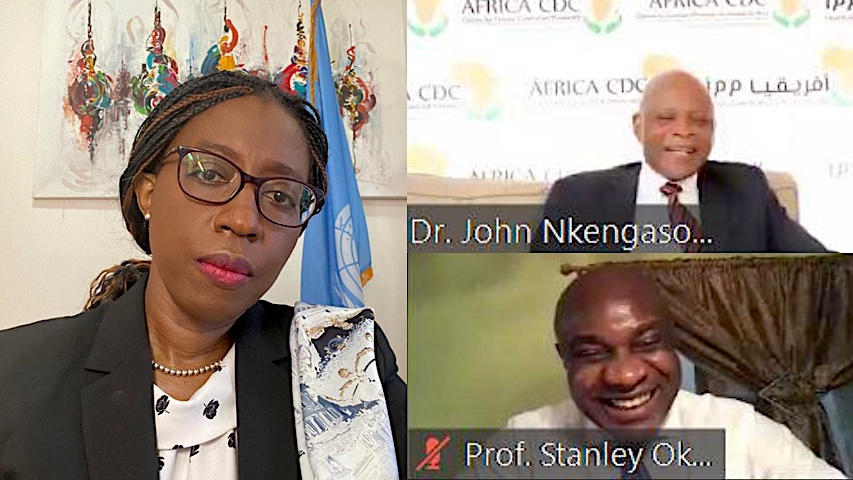
“43% of all vaccines in the world are consumed in #Africa so why aren’t we producing them?We need to tlk abt production, localization & creation of vaccine production hubs in #Africa” -@SongweVera at the @AfricaCDC’s panel on #CovidVaccine –"An Economic Invest't Case for #Africa"
2