
Feb 12
“This is a typical shame election,” says Samuel Lubega.
#PoliticsToday #DemocracyInQuestion #LeadershipMatters #VoicesOfThePeople #arktvug
1
4
44

7 Dec 2025
ସୋସିଆଲ ମିିଡିଆରେ ଆକ୍ଟିଭ, ହେଲେ ହାଉସରେ ଆବସେଣ୍ଟ। ୮ ଦିନ ହେଲା ବିଧାନସଭାକୁ ଆସୁନାହାନ୍ତି ବିରୋଧି ଦଳ ନେତା ନବୀନ ପଟ୍ଟନାୟକ। ଗଣତାନ୍ତ୍ରିକ ବ୍ୟବସ୍ଥା ନେଇ ପ୍ରଶ୍ନ ଉଠାଇଲେ ବିଜେପି, କଂଗ୍ରେସ ।
#Assembly #NaveenPatnaikAbsent #OdishaAssembly #DemocracyInQuestion #OTV
6
3
118
4,620

28 Nov 2025
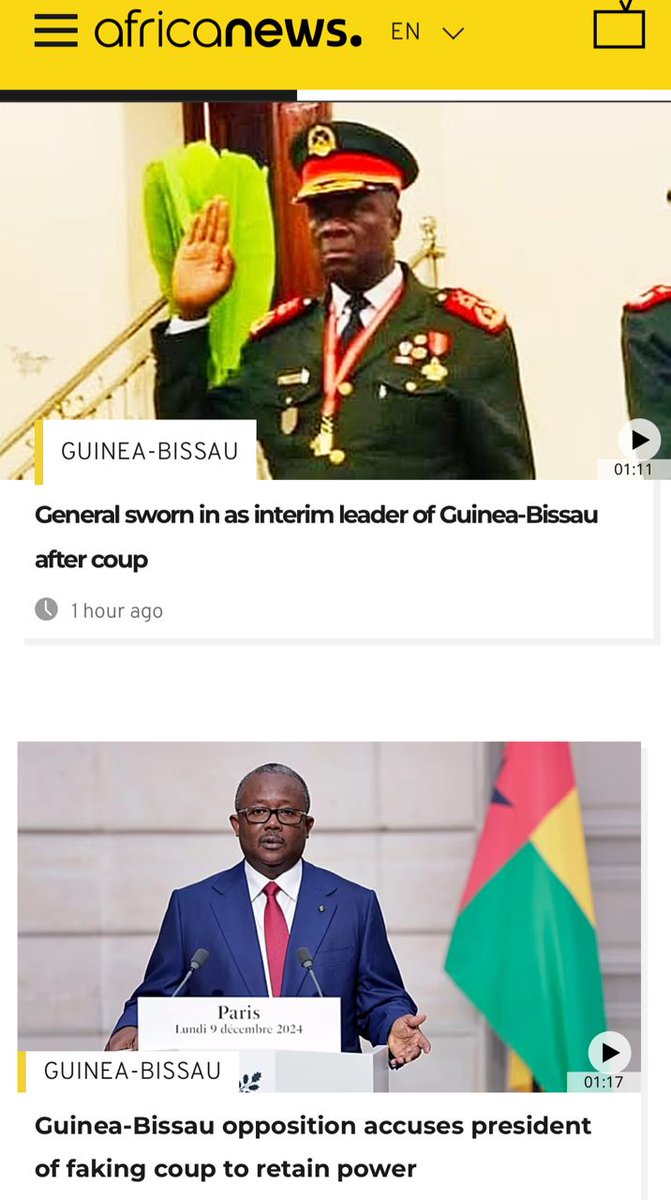
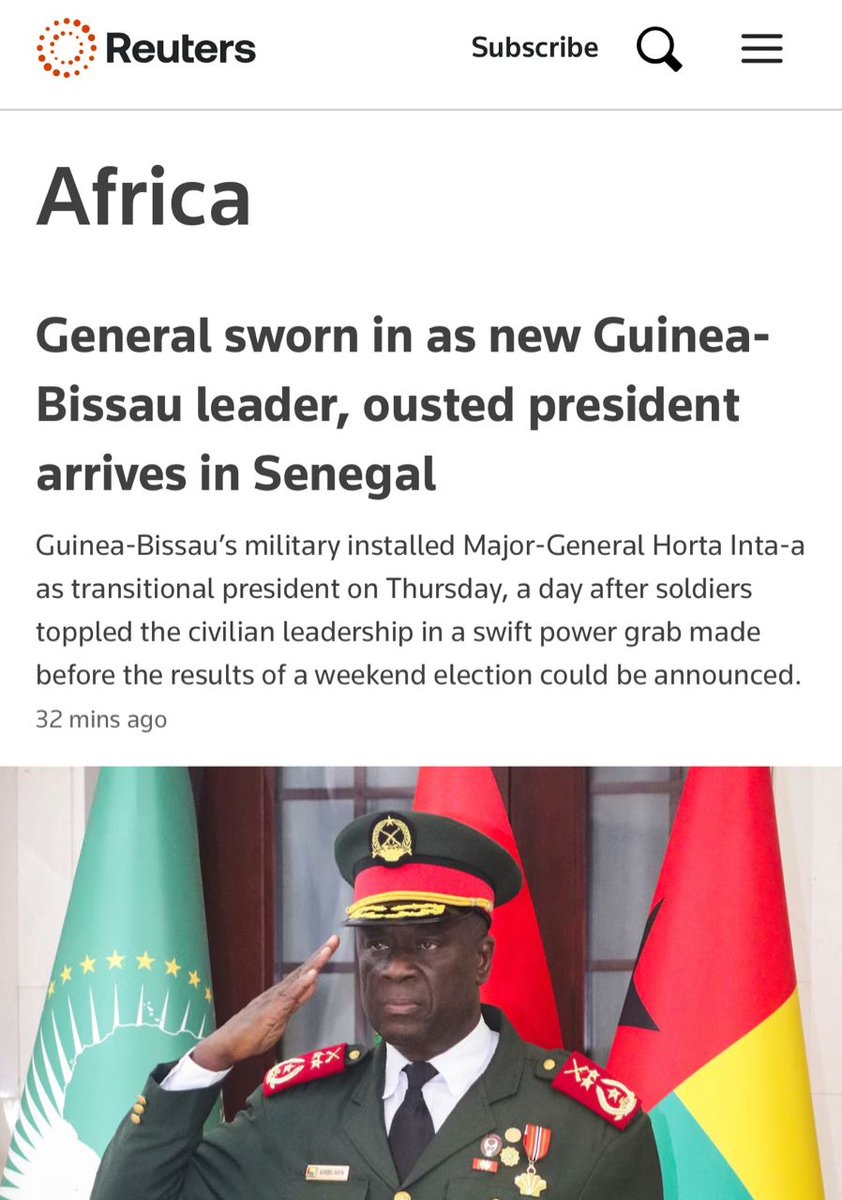
🇬🇼Guinea-Bissau is currently experiencing a crisis, with a military coup d'état having recently overthrown the civilian government on November 26, 2025, just days after general elections were held (November 24, 2025).
What does this then translate to?
🚩Undermining the Electoral Process📌
The coup occurred before the official results of the November 23 presidential election were announced. Both the incumbent, Umaro Sissoco Embaló, and his main challenger, Fernando Dias da Costa, claimed victory, leading to a highly charged atmosphere. The military junta has since suspended all media activities and halted the electoral process indefinitely, directly subverting the democratic will of the people.
🚩Erosion of Democratic Institutions📌
Even before the coup, the democratic system was severely weakened. President Embaló had ruled by decree since dissolving the opposition-controlled parliament in December 2023, an action many considered unconstitutional. The legislative, executive, and judicial branches increasingly fell under the president's control, with the Supreme Court lacking the necessary quorum to function effectively.
🚩Constitutional Crisis📌
Embalo's term officially expired in February 2025 (or September 2025, depending on the Supreme Court’s shifting rulings), yet he remained in power and ran for re-election. This situation was labeled an "institutional coup" by the opposition and civil society.
The current situation represents a significant setback, where an already fragile and eroded democratic framework has been completely overthrown by the military, creating uncertainty and posing a grave threat to the future of constitutional governance and stability in Guinea-Bissau. #Africa #democracyinquestion
1
7
25
2,895

19 Aug 2025
The EC press conference has sparked fresh doubts. Especially on the issue of sharing polling CCTV footage. EC is scared to show the CCTV footage but did not ask us women's permission for making our video in polling booths.
#VoteChori
#GyaneshKumar #ECIVEEP
#DemocracyInQuestion
7
12
170

15 Aug 2025
ಸುಪ್ರೀಂ ಕೋರ್ಟ್ ಆವರಣದಲ್ಲಿ ಮರು ಮತ ಎಣಿಕೆ ನಡೆದಿದ್ದು ಏಕೆ? | EVM Controversy | Supreme Court
ಚುನಾವಣಾ ಇತಿಹಾಸದಲ್ಲಿ ಅಚ್ಚರಿಯ ಘಟನೆಯೊಂದು ಗುರುವಾರ ನಡೆದಿದೆ. ವಿದ್ಯುನ್ಮಾನ ಮತಯಂತ್ರ (ಇವಿಎಂ) ಮೂಲಕ ಚಲಾಯಿಸಲಾಗಿದ್ದ ಮತಗಳನ್ನು ಸುಪ್ರೀಂ ಕೋರ್ಟ್ ಆವರಣದಲ್ಲಿಯೇ ಮರು ಎಣಿಕೆ ನಡೆಸಲಾಗಿದೆ. ಈ ವೇಳೆ, ಹಿಂದಿನ ಫಲಿತಾಂಶದಲ್ಲಿ ಸೋತಿದ್ದಾರೆಂದು ಘೋಷಿಸಲಾಗಿದ್ದ ಅಭ್ಯರ್ಥಿ ಗೆಲುವು ಸಾಧಿಸಿದ್ದಾರೆ. ಇದು, ಚುನಾವಣಾ ಪ್ರಕ್ರಿಯೆಯ ಬಗ್ಗೆ ಭಾರೀ ಕಳವಳ ಮತ್ತು ಆತಂಕ ಹುಟ್ಟುಹಾಕಿದೆ. ಈ ಬಗ್ಗೆ ಸಂಪೂರ್ಣವಾದ ಮಾಹಿತಿ ಈ ವಿಡಿಯೋದಲ್ಲಿದೆ ನೋಡಿ.
#evmcontroversy #supremecourtofindia #electionintegrity #supremecourtruling #PanipatElection #VoteRecount #MohitKumarVictory #DemocracyInQuestion #EVMAccuracy #justiceprevails #electiontransparency
2
77

11 Aug 2025
સંસદથી ચૂંટણીપંચ સુધી સંગ્રામ
#PoliticalDrama #StreetProtest #DemocracyInQuestion #VoteRights #sandeshnews
151

22 Jul 2025
Bharat Ka Sawal : वोटर रिवीजन की तकरार, संसद तक आर-पार ! | SIR विवाद पर अब भारत पूछेगा बड़ा सवाल ?
#BharatKaSawal #SIRControversy #VoterListRevision #ElectionIntegrity #SIRDebate #DemocracyInQuestion #PoliticalControversy #SpecialIntensiveRevision #bharatexpress | @drpraveentiwari @BJP4Bihar @Jduonline @RJDforIndia @AnupriyaJDU
3
4
59
22 Jul 2025
Bharat Ka Sawal : Special Intensive Revision (SIR) विवाद पर अब भारत पूछेगा बड़ा सवाल #BharatKaSawal #SIRControversy #VoterListRevision #ElectionIntegrity #SIRDebate #DemocracyInQuestion @drpraveentiwari x.com/i/broadcasts/1lPJqMbDQ…
3
3
40
14 Jul 2025
5 की पड़ताल : वोटर लिस्ट की लड़ाई, घुसपैठिए पर आई | Bihar Politics | Bharat Express
#VoterListDispute #InfiltratorIssue #BiharPolitics #ElectionControversy #PoliticalDebate #VoterIdentityCrisis #BiharNews #DemocracyInQuestion #BharatExpress | @BJP4Bihar @Jduonline @RJDforIndia @ROHITPOKHRIYAL_
3
3
115

31 Mar 2025
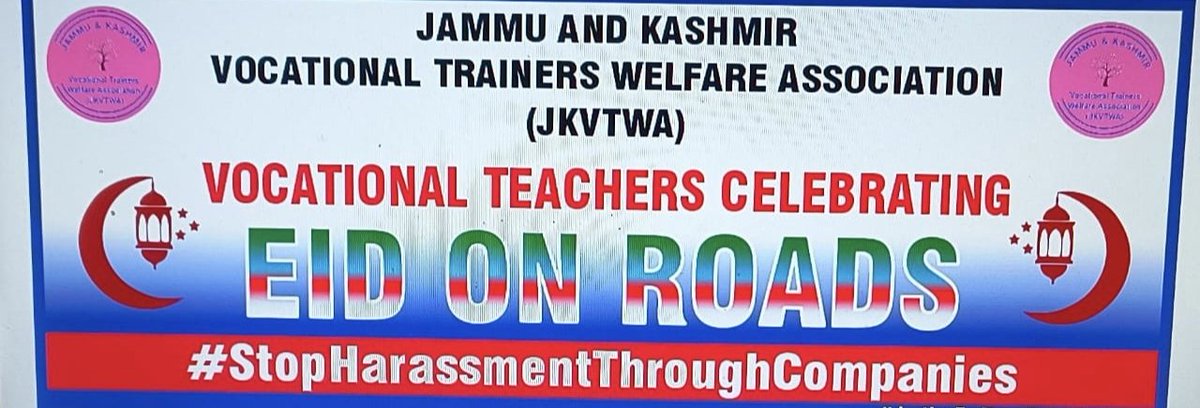
"Peaceful protest is a fundamental right! Vocational trainers detained for demanding their rights. Where is the democracy? #DemocracyInQuestion #VocationalTrainersDeserveJustice"@CM_JnK @sakinaitoo @JKSamagra
3
4
26

25 Feb 2025
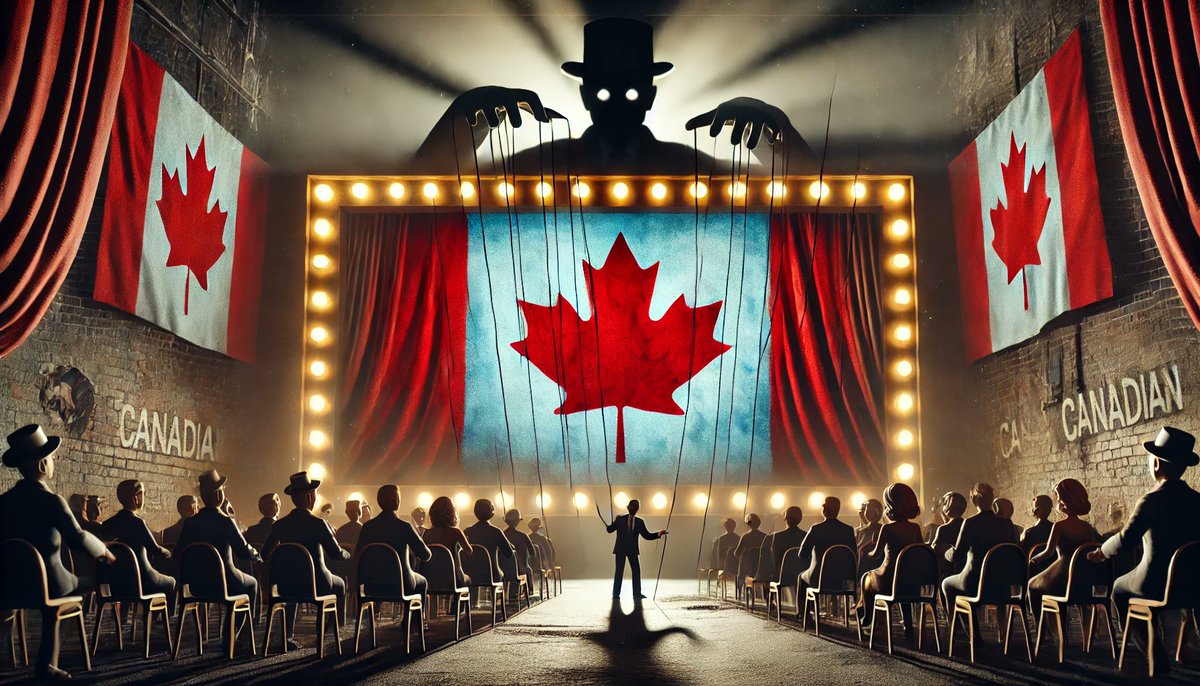
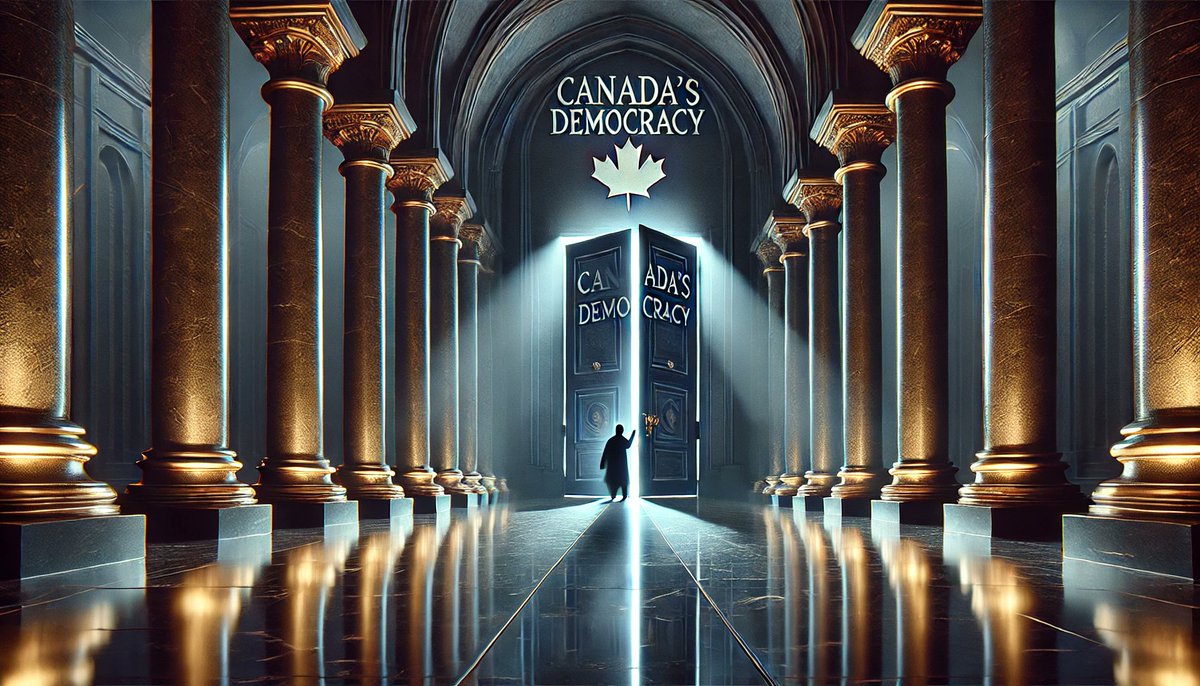
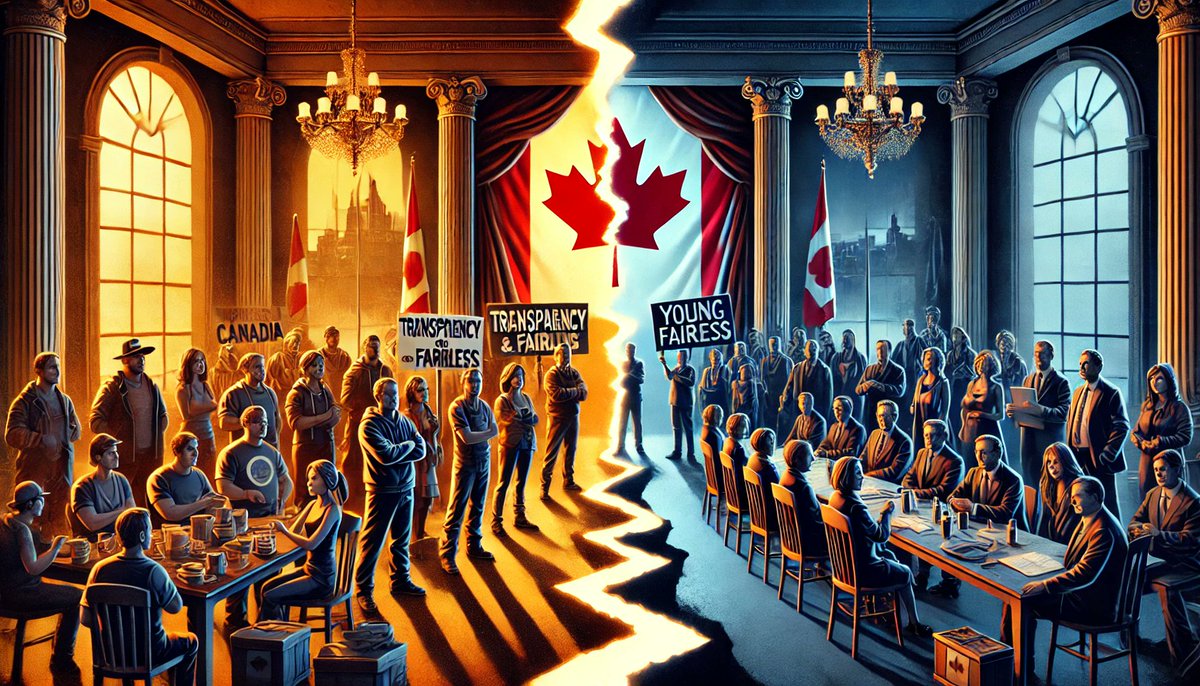
Title: "CA One Party Rule in Canada! The Liberals are rigging the system"
🇨🇦 Are we really in control of our own democracy when it feels like the rules are made behind closed doors?
Recent events reveal a political game where the Liberal machine seems to be calling all the shots...
– disqualifying candidates like Ruby Dhalla and favouring predetermined leaders, all while major decisions are made with little regard for grassroots voices. 🤔💥
From explosive comments by Trump calling Trudeau a “loser” to revelations about backroom deals and media manipulation, the narrative is clear: power is concentrated in the hands of a few.
This isn’t just about one political party...
— it’s about a system where the rules can be changed on a whim, leaving everyday Canadians questioning if our democracy is just a well-branded illusion. 🏛️⚠️
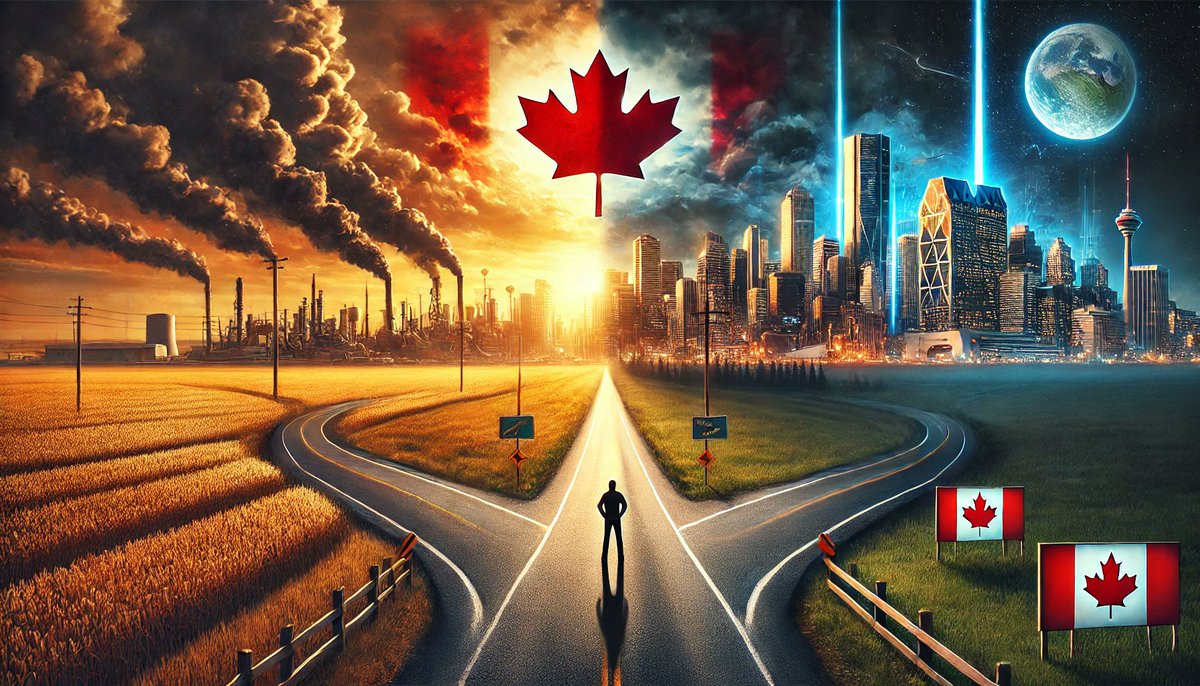
And the irony? While we pride ourselves on Canadian values and independence, there are discussions about whether provinces like Alberta might be better off striking out on their own or even aligning with the U.S. for a better quality of life. 🇺🇸🔥
Could this be the wake-up call our nation needs to rethink the very fabric of our political identity?
Swipe 👉 How do YOU feel about a system where the elites control the game? Is it time for a change? Drop your thoughts below! 💬✊
Title: "One Party Rule in Canada! The Liberals are rigging the system" youtube.com/live/ldf3jgMTRdc…
#OnePartyRule #CanadaPolitics #LiberalMachine #DemocracyInQuestion #PoliticalReform #Canada #StandUp #ChangeTheSystem
😊🇨🇦🔥
1
1
2
67

6 Feb 2025
ELECTIONS APPROACHING, JUSTICE ACTIVATED? Don't be fooled! Uganda's justice system has been a sham for years, leaving innocents to languish in jails. Now, @JudiciaryUG trying to impress the West? #JusticeForUganda #DemocracyInQuestion
@hrw @IntlCrimCourt
@UN @usmissionuganda
2
3
22

1 Nov 2024
The self-proclaimed champion of democracy finds itself in a peculiar position: both major political parties accuse each other of organized election fraud across various states.
The widespread concern among Americans of all backgrounds is understandable.
#DemocracyInQuestion
6
307

2 Oct 2024
Podcast Recommendation 🎤: I had the honour to join the excellent podcast "Democracy in Question" hosted by @ceu President & Rector @ShaliniRanderia. We spoke about radicalisation trends, parallels between different extremist movements, the political mainstreaming of radical ideologies and potential solutions to reverse the effects of polarisation and protect liberal values and institutions. #DemocracyInQuestion
Part I
ceu.edu/article/2024-09-11/j…
Part II:
ceu.edu/article/2024-09-25/j…
1
2
8
1,381

18 Sep 2024
How does a candidate who came LAST 🏃♂️ in the screening exercise miraculously become the party's flag bearer? 🤯🏆 Is this a joke? 😂 Or is it politics as usual? 🤥
#PartyPoliticsShenanigans
#LastToFirst #FlagBearerFiasco #NigerianPolitics #DemocracyInQuestion
2
24

12 Aug 2024
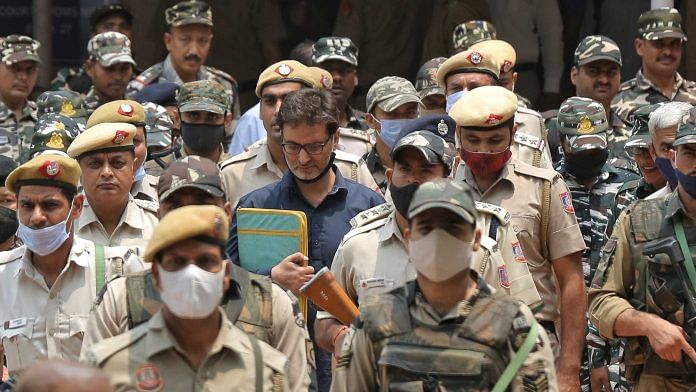
🚨Yasin Malik’s decision to self-represent in Delhi Court has cast a harsh light on flaws in India’s justice system.
This move highlights concerns over fairness and transparency, revealing potential Hindutva biases and questioning the integrity of justice in the world’s largest democracy.
#YasinMalik
#JusticeUnderScrutiny
#FlawsInJustice
#HindutvaBias
#DemocracyInQuestion
6
18
759

9 Aug 2024
First, Dems tried to block Trump, now they tried to block RFK Jr. from the ballot. Meanwhile, Kamala Harris skips the primary process. Why are Democrats so afraid of letting voters decide? #2024Elections #RFKJr #DemocracyInQuestion
1
37

20 Jun 2024
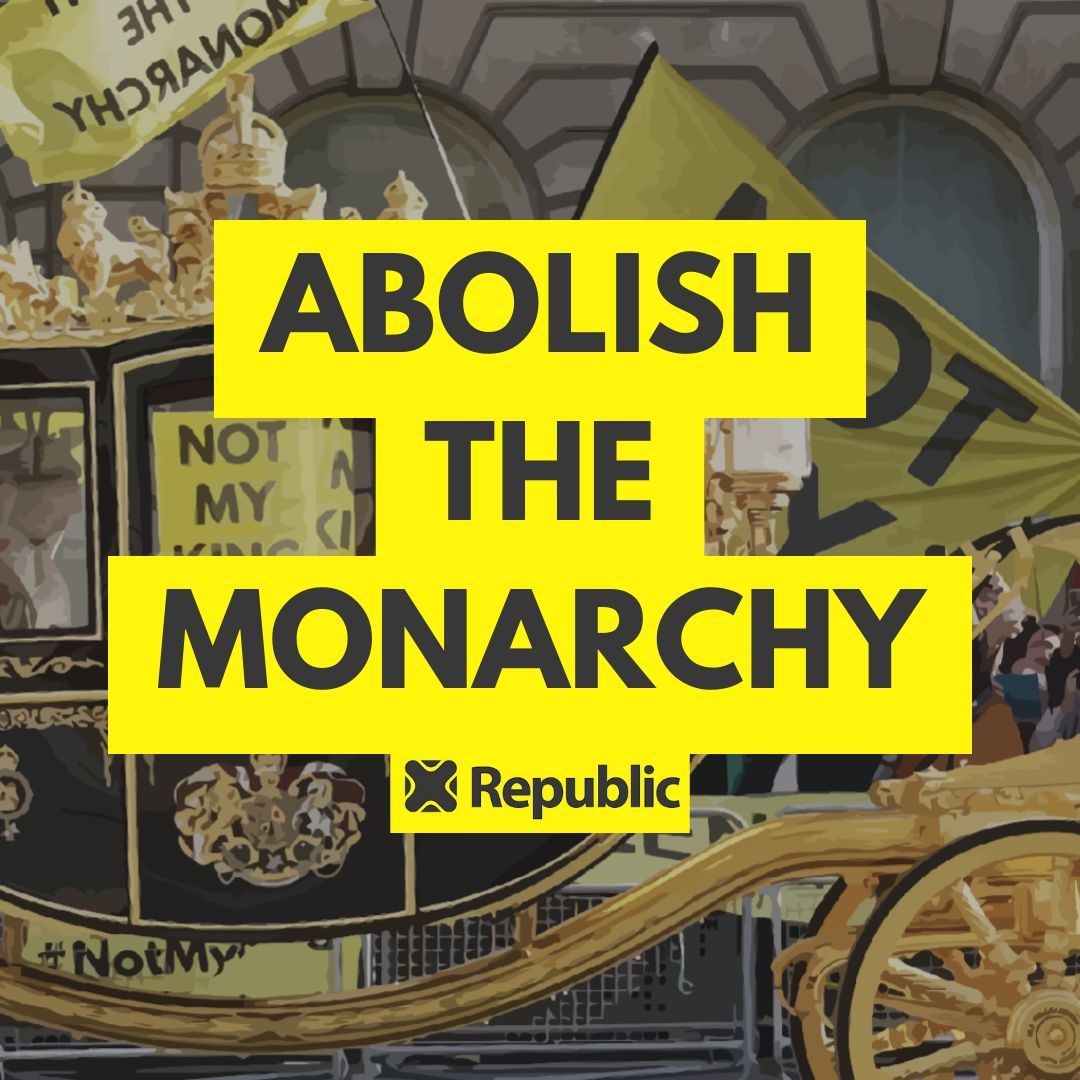
Ah yes, let's keep funding an outdated institution that plays by its own rules. Makes perfect sense. 🤦♂️ #RoyalPrivilege #DemocracyInQuestion 🚫👑 #AbolishTheMonarchy
20 Jun 2024

The monarchy costs £345 million a year, exempts themselves from hundreds of laws and denies us the right to choose our head of state. That's why it's time for them to go. #NotMyKing #AbolishTheMonarchy
1
3
380

Election Integrity Under Fire: EVM Tampering Claims Emerge"
🗳️ #ElectionIntegrity under fire! 🚨EVM tampering claims surface as allegations of mismatching numbers and CCTV camera shutdowns in strong rooms emerge. The Election Commission of India responds, but critics argue it's a scripted response lacking specifics. 🕵️♂️ #DemocracyInQuestion #EVMcontroversy
Stay informed and let's keep our democracy transparent and fair! 🗳️🇮🇳 #ElectionTransparency #EVM #IndiaVotes
2
34

27 Apr 2024
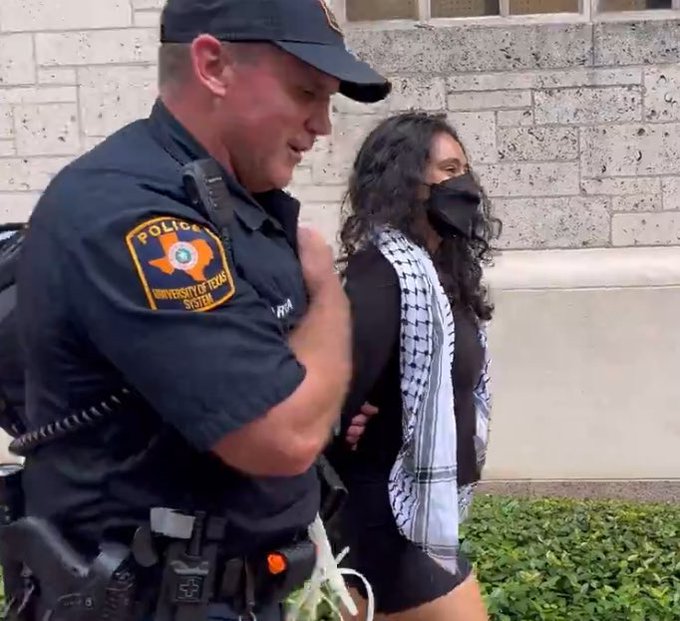
🚨🇵🇸 Supporting Palestine can lead to arrests in America!!! 🇺🇸🇺🇸🇺🇸🤔🇵🇸🇵🇸🇵🇸
Challenges to democracy in America are evident!!!
#FreedomOfSpeech #PalestineSupport #DemocracyInQuestion
4
9
1,038