
Jun 12
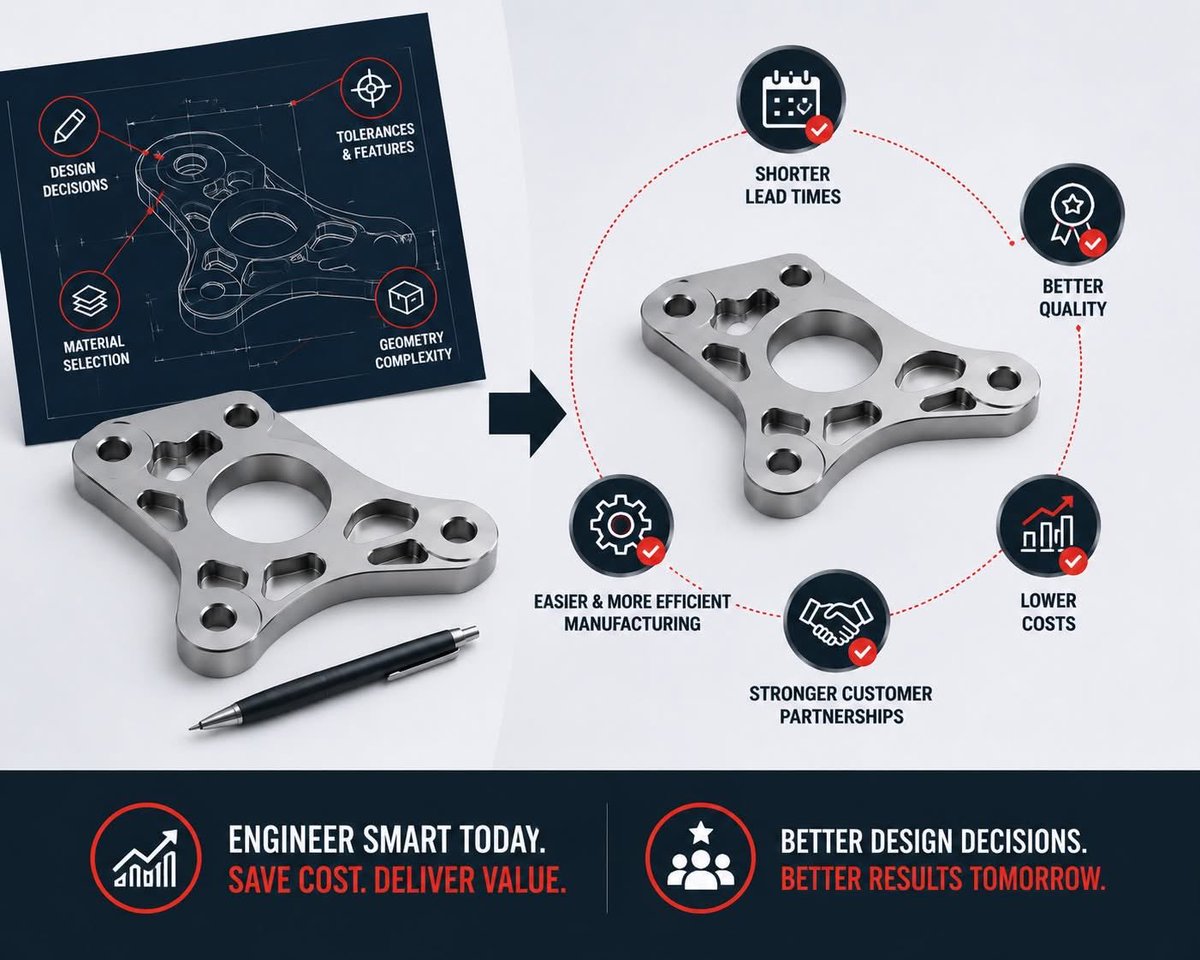
Most manufacturing cost is determined long before the first part is made.
It starts with engineering.
Engineered OEM Components. Delivered at Scale.
📞 870.586.0147
📧 sales@lakesideworld.com
#Engineering #Manufacturing #DesignForManufacturing #OEM #ProductDevelopment
2
2
15

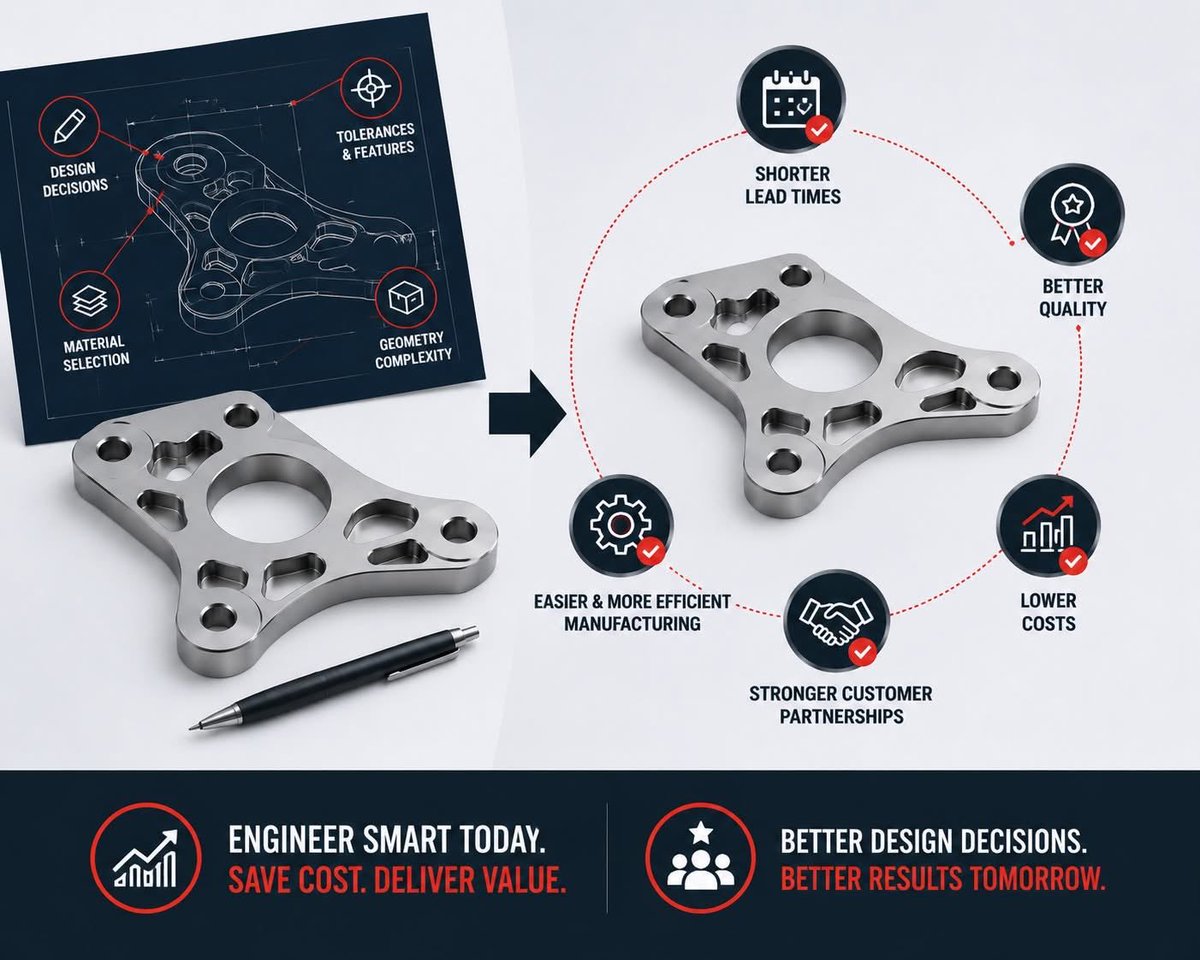
Most manufacturing cost is determined long before the first part is made.
It starts with engineering.
Engineered OEM Components. Delivered at Scale.
📞 870.586.0147
📧 sales@lakesideworld.com
#Engineering #Manufacturing #DesignForManufacturing #OEM #ProductDevelopment
3
3
47

Jun 10
#DesignForManufacturing (#DFM) is something that truly separates Marian's from our competitors 🏆.
We're not only concerned with manufacturing quality parts for our customers' applications; we aim to design and provide those parts the way that makes sense for you.
(1/2)
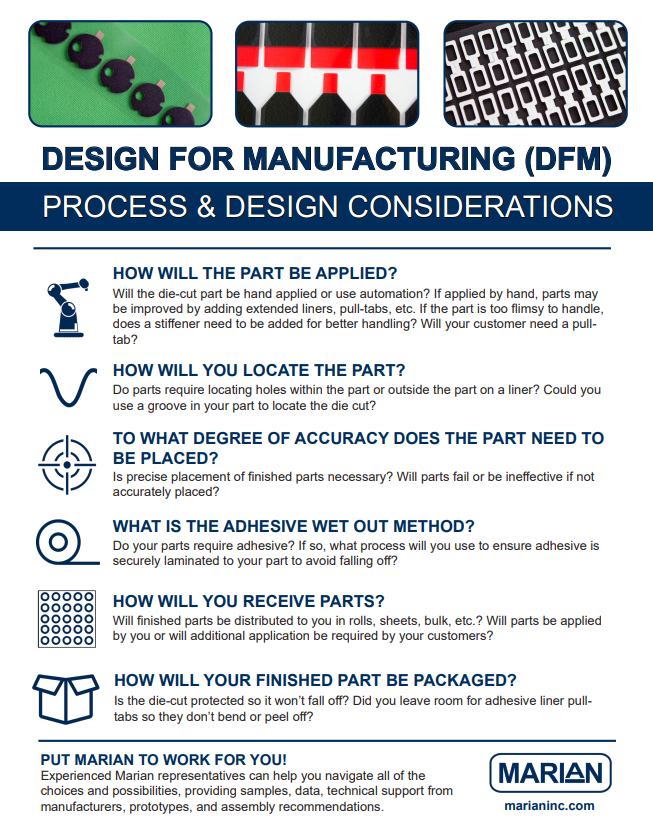
ALT Design for Manufacturing (DFM) | Marian, Inc.
1
29

May 14
Engineers — need a refresher on Design for Manufacturability (DFM)? Join me on May 18 at noon ET for a brief history of DFM, an overview of the digital tools we have today (including AI), and takeaways questions you can take back to your team.
Can't make it? No worries, register anyway and get an on-demand link to view later.
✅ Register here: event.on24.com/wcc/r/5306095…
#designformanufacturing #designformanufacturability #designengineering #manufacturing
1
3
2
200

Jan 26
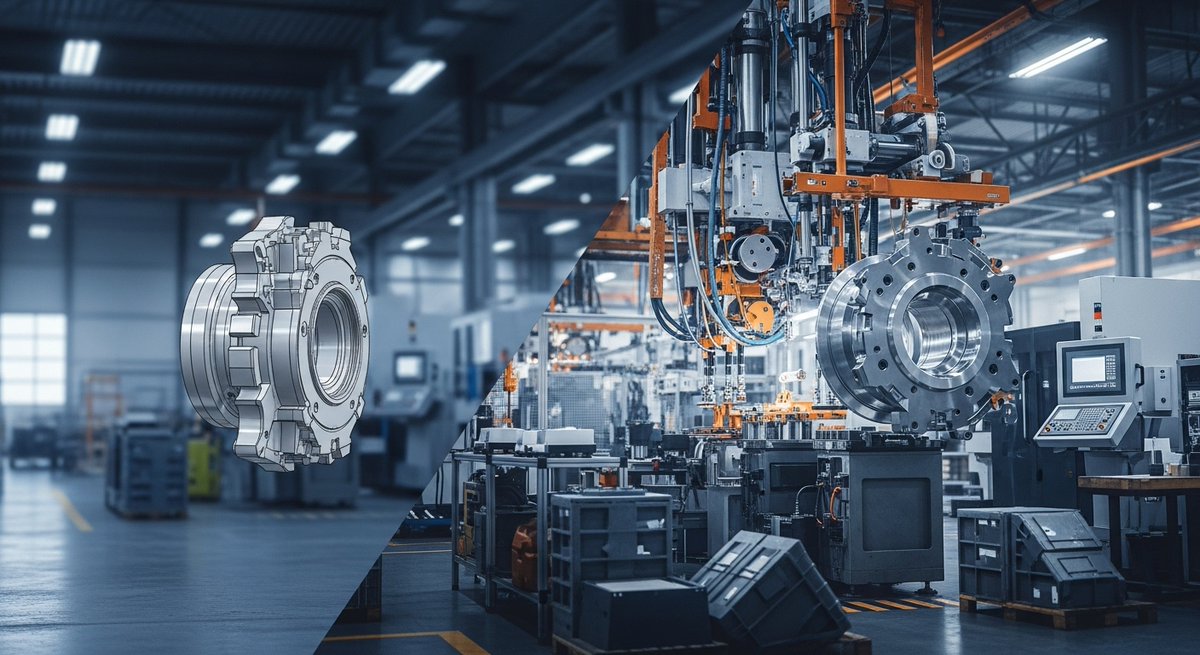
You can’t negotiate away a design flaw.
Manufacturability decisions made early determine cost, feasibility, and sustainability later.
This DFM guide breaks it down 👇
#designformanufacturing #costengineering #manufacturingstrategy #digitalmanufacturing
1
1
2
120

KiCad Do’s & Don’ts - Episode 3: Net Classes & Electrical Rules
One of the biggest differences between a hobby‑grade PCB and a production‑ready design is how you treat your nets. KiCad gives you powerful tools to define exactly how each signal should behave… but many users never touch them.
Net Classes aren’t just “nice to have.” They encode engineering intent:
• High‑current nets need wider traces and larger clearances.
• High‑speed nets require controlled impedance and matched lengths.
• Sensitive analog nets benefit from isolation and stricter spacing.
• Power rails demand predictable thermal and electrical behavior.
When you skip Net Classes, you’re not just skipping settings, you’re skipping discipline.
When you configure them properly, KiCad becomes a design partner instead of a drawing tool.
Electrical Rules (ERC/DRC) then enforce your decisions. They’re not warnings to ignore; they’re the guardrails that keep your design manufacturable, safe, and electrically sound.
Good PCB design isn’t about drawing lines. It’s about encoding constraints.
#KiCad #KiCadTips #PCBDesign #OpenSourceHardware #ElectronicsEngineering #EDA #HardwareDesign #PCBLayout #DesignForManufacturing #DFM #OpenHardware
1
1
3
428
16 Dec 2025
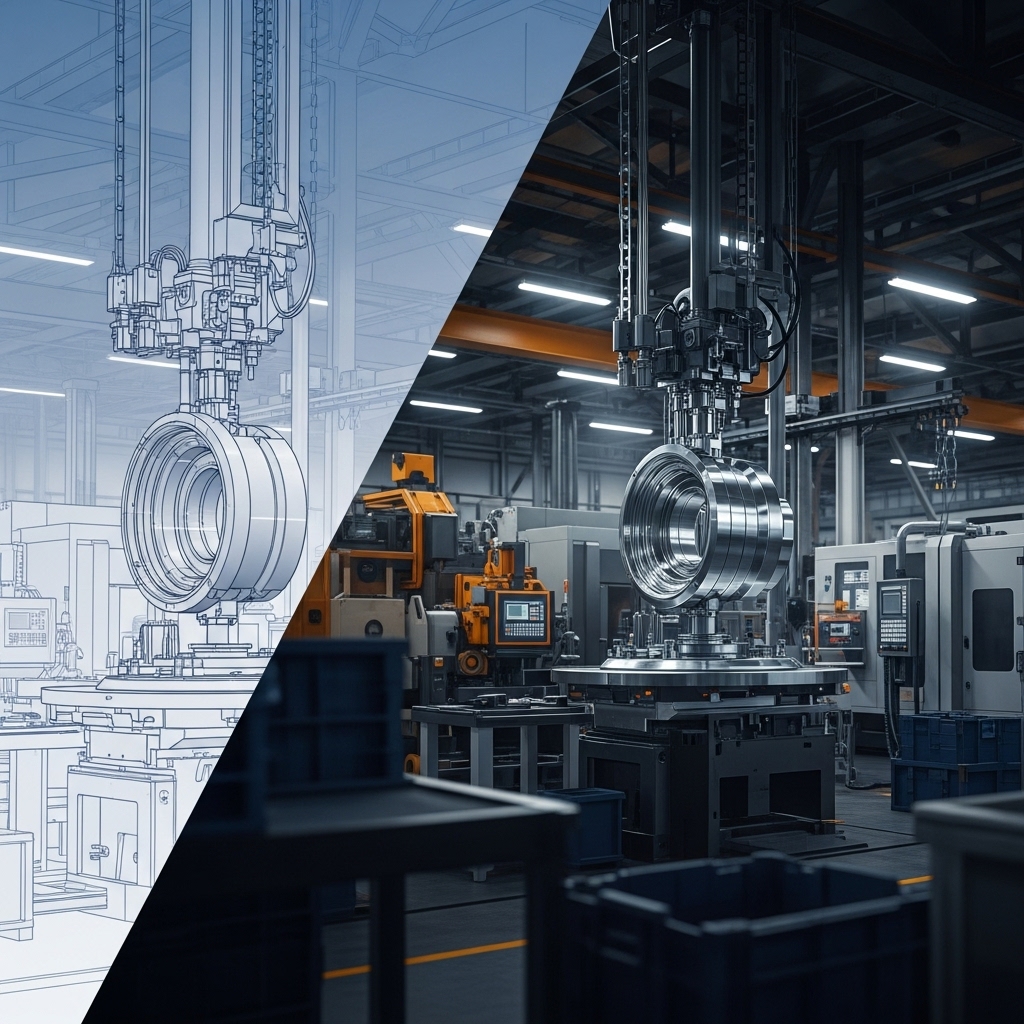
Most manufacturing cost problems aren’t negotiated.
They’re designed in.
Early design decisions lock in cost, feasibility, and sustainability long before production starts.
This DFM guide breaks down:
✅ How small design choices create big downstream costs
✅ Why manufacturability must be addressed early
✅ How teams avoid late-stage surprises
👉 Download: apriori.com/design-for-manuf…
#designformanufacturing #costengineering #manufacturingstrategy #digitalmanufacturing
1
600

CNC Turning converts those specifications into exact, repeatable components with zero guesswork.
Your design, manufactured with precision.
Learn more 👉 rpworld.com/en/service/cnc-m…
#CNCTurning #DesignForManufacturing #EngineeringAccuracy
2
72
👇 How often do you redesign parts after initial machining feedback?
👍 Like if manufacturability is part of your design process.
💬 Share your experience in the comments.
Learn more 👉 rpworld.com/en/service/cnc-m…
#CNCTurning #DesignForManufacturing #PrecisionMachining
3
44

21 Aug 2025
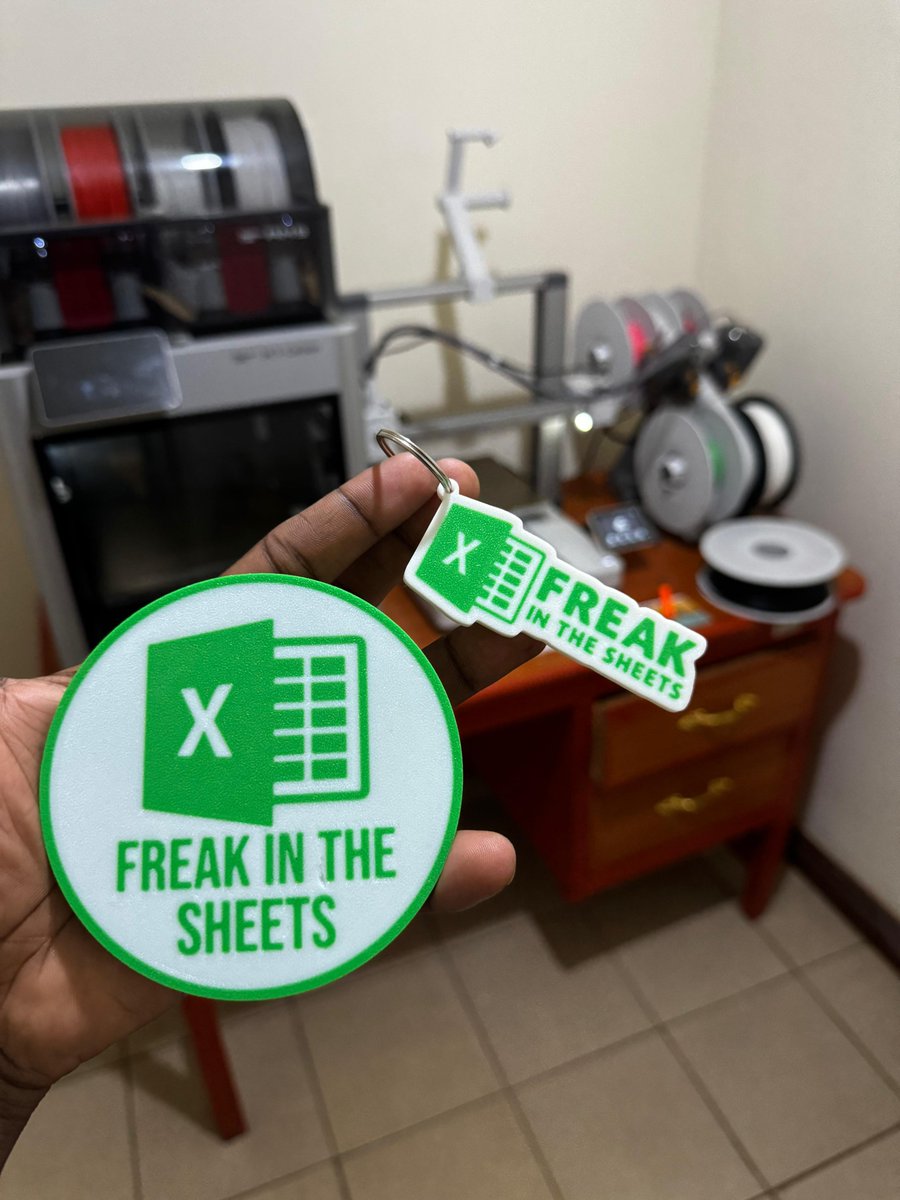
Our printer’s wild side? Printing Excel. #3DPrinting #CAD #Makers #AdditiveManufacturing #DesignForManufacturing #Forgethefuture
4
15
20 Aug 2025
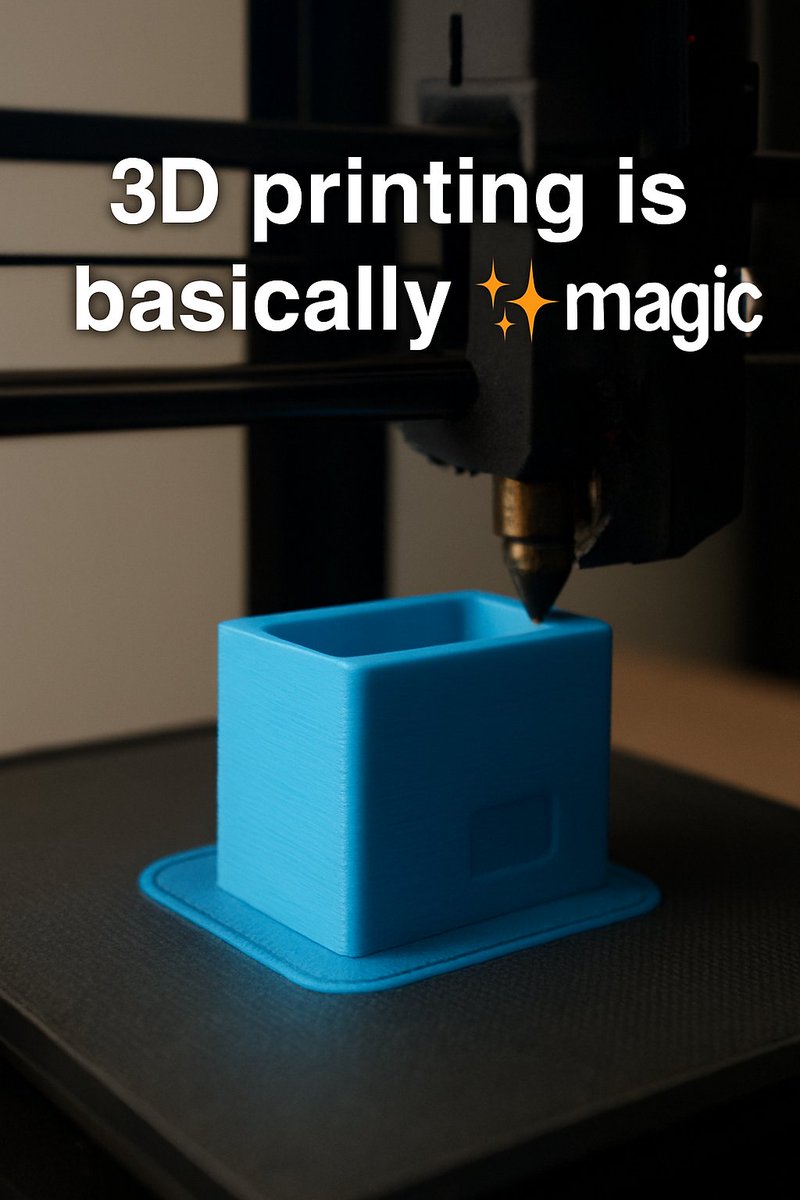
3D printing is basically magic✨.
You start with nothing → a line of filament → and hours later you’re holding a real object that only existed in your head.
Still blows our minds every time #3DPrinting #CAD #Makers #AdditiveManufacturing #DesignForManufacturing
3
25

Join us for a June 25 #webinar to learn seven best practices for optimizing part design for #injectionmolding, avoiding common defects and utilizing simulation, with Peter Rucinski of @Dassault3DS @SOLIDWORKS.
#designformanufacturing #plastics plasticsmachinerymanufacturi…
2
73

💡 PCB Design Pro Tips - The second issue 🌟
🌱Drop your toughest PCB challenges below – let’s engineer solutions together!
🟢allpcb.com?code=S25
#ALLPCB #pcbdesign #DIYElectronics #HardwareHacks #PCBProTips #DesignForManufacturing #engineering
#Electronics
5
32
61,295

15 Dec 2024
Design Your Success with Precision
Your design deserves perfection. Unlock innovative solutions that ensure your project stands out and thrives.
Start designing with confidence today. Discover more at bit.ly/3TcDSUq
#DesignForManufacturing #Innovation

3
17

11 Dec 2024
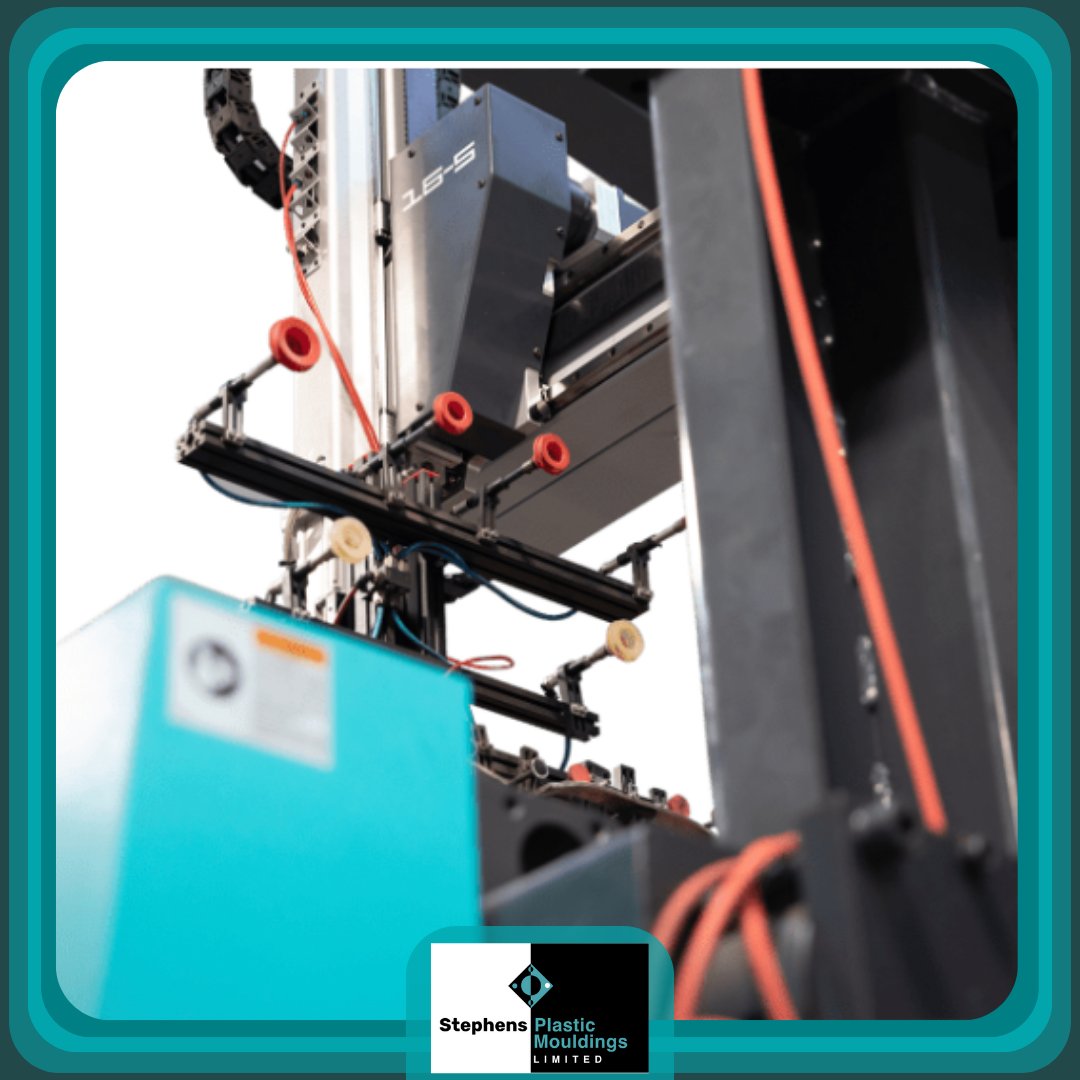
Your product’s journey starts with great design.
We ensure precision, avoiding costly revisions.
stephensplasticmouldings.co.…
#PrecisionMoulding #DesignForManufacturing
1
10
24 Nov 2024
Design Your Success with Precision
Your design deserves perfection. Unlock innovative solutions that ensure your project stands out and thrives.
Start designing with confidence today. Discover more at bit.ly/3TcDSUq
#DesignForManufacturing #Innovation

3
12
1 Sep 2024
Design Your Success with Precision
Your design deserves perfection. Unlock innovative solutions that ensure your project stands out and thrives.
Start designing with confidence today. Discover more at bit.ly/3TcDSUq
#DesignForManufacturing #Innovation #BrumHour

5
3
243

6 Feb 2024
Amazing Magnets has a team of engineers, purchasing experts, and manufacturers who can hold your hand through the entire process. 🤝From understanding the basics of design all the way to full production, Amazing Magnets takes away the stress of the unknown. 🧲
If you are serious about launching your idea💡 and making it a reality, check us out at amazingmagnets.com/custom-en…
#amazingmagnets #product #innovation #magnets #sampling #designformanufacturing #production #idea #ideas
1
1
2
72


11 Jul 2023
This opportunity doesn't come around often in our industry.
Work directly with the Chief Engineer for Lucid Motors and pave the way how #evehicles of the #future are manufactured.
#designformanufacturing #evehicles #manufacturing #…lnkd.in/eP9tzETH lnkd.in/eYGFizWU
1
4
99