
Christians who reject Rabbinic Authority are also simply perpetuating Yeshu's rebellion to the Deuteronomy/Devarim 17 Human Authorities.
The follower is not greater than their icon.

Christians who reject rabbinic authority claim outrightly that Psalm 110 is about THE Messiah. One obvious problem: the text doesn't say that. And it's just a song.
1
35

ischmael K retweeted

Adaleti, adaleti gözetmelisiniz ki, refah içinde yaşayabilesiniz
Devarim (Yasa'nın Tekrarı) 16:20
#NuhunYolu #NuhPeygamber #Nuhi #Noahid #Noahide #Tevrat #Tora #Adalet #Hakim
1
1
42

Evangelio Hebreo de Mateo de Du Tillet, Capítulo 27: Yeshú colgado bajo maldición de Torah (Devarim 21:23): ¡maldito!
ow.ly/s4lm50Z8hq3
3
Back off, now. We do not want your christo cookies.
What disgusting behavior.
You are not welcome, it's forbidden for you to even attempt to convert another Jew
Devarim 13:6-9
1
23

Samet Güç retweeted

Jun 11
boykot listesinde ben devarim galıba bu yalnızlık hayra alamet degıl
3
1
45
868

The eight levels of צדקה (Tzedakah) described by רבי משה בן מימון (Rabbi Moshe ben Maimon, Rambam) in Mishneh Torah, Hilchot Matanot Aniyim 10:7–14 are indeed arranged from highest to lowest, and the highest level is helping a person become self-sufficient. However, the wording in the graphic simplifies some of the categories.
A more precise version would be:
1. Supporting a person before they become impoverished by giving a loan, entering into a partnership, providing employment, or otherwise strengthening their hand so they no longer need assistance.
2. Giving anonymously when neither donor nor recipient knows the other.
3. Donor knows recipient, recipient does not know donor.
4. Recipient knows donor, donor does not know recipient.
5. Giving before being asked.
6. Giving after being asked.
7. Giving less than appropriate, but willingly.
8. Giving unwillingly or grudgingly.
The explanatory text beneath the graphic is generally accurate. The only phrase I would adjust is:
“The highest tier mandates the immediate restoration of human dignity.”
Rambam does not specifically use the language of “immediate restoration.” Rather, the emphasis is on preventing dependency and enabling independence. A more faithful summary would be:
“The highest tier seeks to preserve a person’s dignity by helping them achieve financial independence before they become dependent on charity.”
One additional observation: many people describe Level 1 simply as “business partnerships with the poor.”
That is only one example. Rambam actually includes several methods—loans, gifts, partnerships, employment, and other forms of support that enable self-sufficiency. The central principle is not the partnership itself; it is restoring independence.
From a Torah perspective, this highest level is powerful because it transforms the recipient from someone who receives into someone who can eventually give. That reflects the ideal expressed in דברים (Devarim) 15, where the goal is not perpetual dependence but strengthening one’s fellow Jew so that he can stand on his own feet.
רםי בן זאב
1
1
20

فيه سرر دفين ياقوم 🙄
قُلْ يَـٰٓأَهْلَ ٱلْكِتَـٰبِ لَا تَغْلُوا۟ فِى دِينِكُمْ غَيْرَ ٱلْحَقِّ وَلَا تَتَّبِعُوٓا۟ أَهْوَآءَ قَوْمٍۢ قَدْ ضَلُّوا۟ مِن قَبْلُ وَأَضَلُّوا۟ كَثِيرًۭا وَضَلُّوا۟ عَن سَوَآءِ ٱلسَّبِيلِ ٧٧
هذه نماذج من أحاديث في صحيح البخاري نجد لها نظائر واضحة في التلمود والمشنا وهي كتب تضم أقوال الحاخامات وتفسيراتهم ومناقشاتهم للأحكام الدينية والقصص والتقاليد (مثل كتب الحديث والتفاسيرعند المسلمين).. والفرق أن الرواية هناك تنسب إلى أحبار اليهود، أما هنا فألصقت بعائشة أو بالرسول ثم سُوِّقت للناس على أنها دين ووحي يتبع. وهكذا انشغل الناس بآلاف الروايات المتناقلة بينما أُهمل القرآن الذي أنزله الله هدى ونورًا وحجبت رسالته خلف تراث بشري متراكم.
الجزء الأول: أحاديث من صحيح البخاري مع موازيات في التلمود والمدراش (كتب أحبار اليهود)
١. الصالحون مثل النخلة
حديث البخاري (٦١):
عن ابن عمر رضي الله عنهما قال: قال رسول الله ﷺ:
«إِنَّ مِنَ الشَّجَرِ شَجَرَةً لاَ يَسْقُطُ وَرَقُهَا، وَإِنَّهَا مَثَلُ الْمُسْلِمِ، فَحَدِّثُونِي مَا هِيَ؟»
فقال في آخر الحديث:
«هي النخلة».
الموازي:
(Genesis Rabbah / Bereshit Rabbah ٤١:١، ومزمور ٩٢:١٢)
“الصديق كالنخلة يزهر، كالأرز في لبنان ينمو.”
ويقارن الصالحين بالنخلة التي لا تسقط أوراقها وتثمر باستمرار.
⸻
٢. نقصان العلم في آخر الزمان
حديث البخاري (كتاب العلم):
يتحدث عن ذهاب العلم وظهور الجهل في آخر الزمان.
الموازي:
(Sanhedrin ٩٧a)
“في جيل ابن داود يقل العلماء، وتكثر المشاكل، وتُنسى التوراة عند كثيرين.”
⸻
٣. ملاك موكل بالرحم
حديث البخاري (٣١٨، ٦٥٩٥):
عن أنس بن مالك رضي الله عنه أن النبي ﷺ قال:
«إِنَّ اللَّهَ عَزَّ وَجَلَّ وَكَّلَ بِالرَّحِمِ مَلَكًا…»
إلى آخر الحديث الذي يذكر تحديد الجنس والرزق والأجل.
الموازي:
(Niddah ١٦b – التلمود البابلي)
مناقشات حول مراحل تكوين الجنين في الرحم، والقدر، والجنس، ودور الملائكة أو القوى الغيبية في ذلك.
⸻
٤. النهي عن التغوط باتجاه القبلة
حديث البخاري (٣٩٤):
«إِذَا أَتَيْتُمُ الْغَائِطَ فَلاَ تَسْتَقْبِلُوا الْقِبْلَةَ وَلاَ تَسْتَدْبِرُوهَا، وَلَكِنْ شَرِّقُوا أَوْ غَرِّبُوا».
الموازي:
(Berakhot ٦١b)
“من يتغوط في يهودا لا يتجه شرقاً أو غرباً (باتجاه القدس)، بل شمالاً أو جنوباً.”
⸻
٥. الدعاء بالمطر
حديث البخاري (١٠١٣–١٠١٤):
رفع اليدين في دعاء الاستسقاء.
الموازي:
(Taanit ١٩a)
قصص عن الدعاء لنزول المطر مع رفع اليدين.
⸻
٦. قصة موسى وملك الموت
حديث البخاري (١٣٣٩):
رواية موسى عليه السلام مع ملك الموت.
الموازي:
(Sifrei Devarim ٣٠٥)
قصص أغادية تتناول مواجهة موسى للموت.
⸻
٧. الشيطان كشحاذ
حديث البخاري (٢٣١١):
الشيطان يأتي في صورة محتاج أو سائل.
الموازي:
(Kiddushin ٨١a)
ظهور الشيطان أو “اليسر” في هيئة فقير.
⸻
٨. مثل السفينة
حديث البخاري (٢٦٨٦):
مثل القوم في سفينة، وأن فساد بعضهم يؤدي إلى هلاك الجميع.
الموازي:
(Leviticus Rabbah ٤:٦)
قصة مشابهة عن الضرر الجماعي الذي يصيب الجميع بسبب فعل فرد أو مجموعة.
⸻
٩. الكذب لإصلاح ذات البين
حديث البخاري (٢٦٩٢):
إباحة الكذب في ثلاث حالات: الحرب، والإصلاح بين الناس، وبين الزوجين.
الموازي:
(Yevamot ٦٥b)
“الكذب مباح لأجل السلام.”
⸻
١٠. رحمة الله تغلب غضبه
حديث البخاري (٣١٩٤):
«لما قضى الله الخلق كتب في كتابه على نفسه: إن رحمتي تغلب غضبي».
الموازي:
(Berakhot ٧a)
“ليت رحمتي تكبح غضبي، وأعامل أبنائي برحمة.”
⸻
الجزء الثاني: أحاديث مع موازيات في الكتاب المقدس (كتب النصارى)
١. النبي يقول: رب اغفر لقومي
حديث البخاري (٦٥٣٠):
«رَبِّ اغْفِرْ لِقَوْمِي فَإِنَّهُمْ لاَ يَعْلَمُونَ».
الموازي:
(لوقا ٢٣:٣٤)
“يا أبي، اغفر لهم لأنهم لا يعلمون ماذا يفعلون.”
⸻
٢. مثل العمال في الكرم
حديث البخاري (٣٤٥٩):
مثل اليهود والنصارى والمسلمين كعمال استؤجروا في أوقات مختلفة.
الموازي:
(متى ٢٠:١–١٦)
مثل صاحب الكرم الذي أعطى العمال أجراً متساوياً رغم اختلاف أوقات العمل.
⸻
٣. الصدقة السرية
حديث البخاري (٦٦٠):
«ورجل تصدق بصدقة فأخفاها حتى لا تعلم شماله ما أنفقت يمينه».
الموازي:
(متى ٦:٣–٤)
“لا تعلم يسارك ما تفعل يمينك.”
⸻
٤. الجمل في سم الخياط
حديث البخاري:
في صعوبة دخول الأغنياء الجنة.
الموازي:
(مرقس ١٠:٢٥)
“أيسر لجمل أن يدخل في ثقب إبرة من أن يدخل غني إلى ملكوت الله.”
⸻
٥. ما لا عين رأت
حديث البخاري:
«ما لا عين رأت ولا أذن سمعت».
الموازي:
(١ كورنثوس ٢:٩)
“ما لم تره عين ولم تسمع به أذن.”
⸻
2
572


Interesting 🤔 and this country’s 250th anniversary is around the corner.
G-D is in control. No need to worry. Remember what Devarim 10:12-13 says.
HaShem will guard His servants.
The Power belongs to Adonai.
1
4
56

Jun 17
The Torah of Musa, pbuh, discusses this disobedience in Devarim. The prophet Isaiah, pbuh, discusses, as well.
The Remnant of Bani Isra’il alive today are fulfilling the prophecies of Musa, pbuh, and Isaiah, pbuh.
1
16
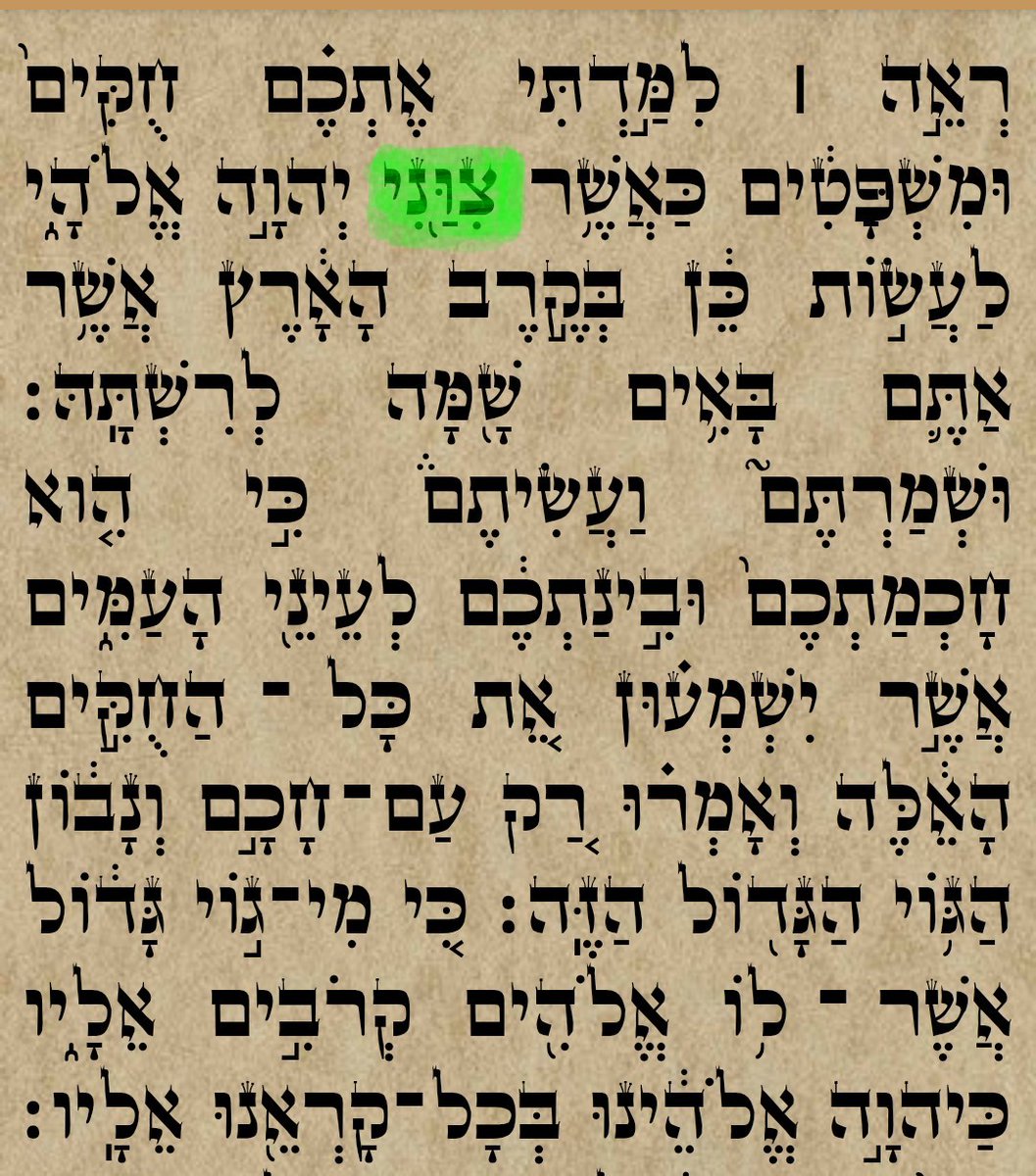
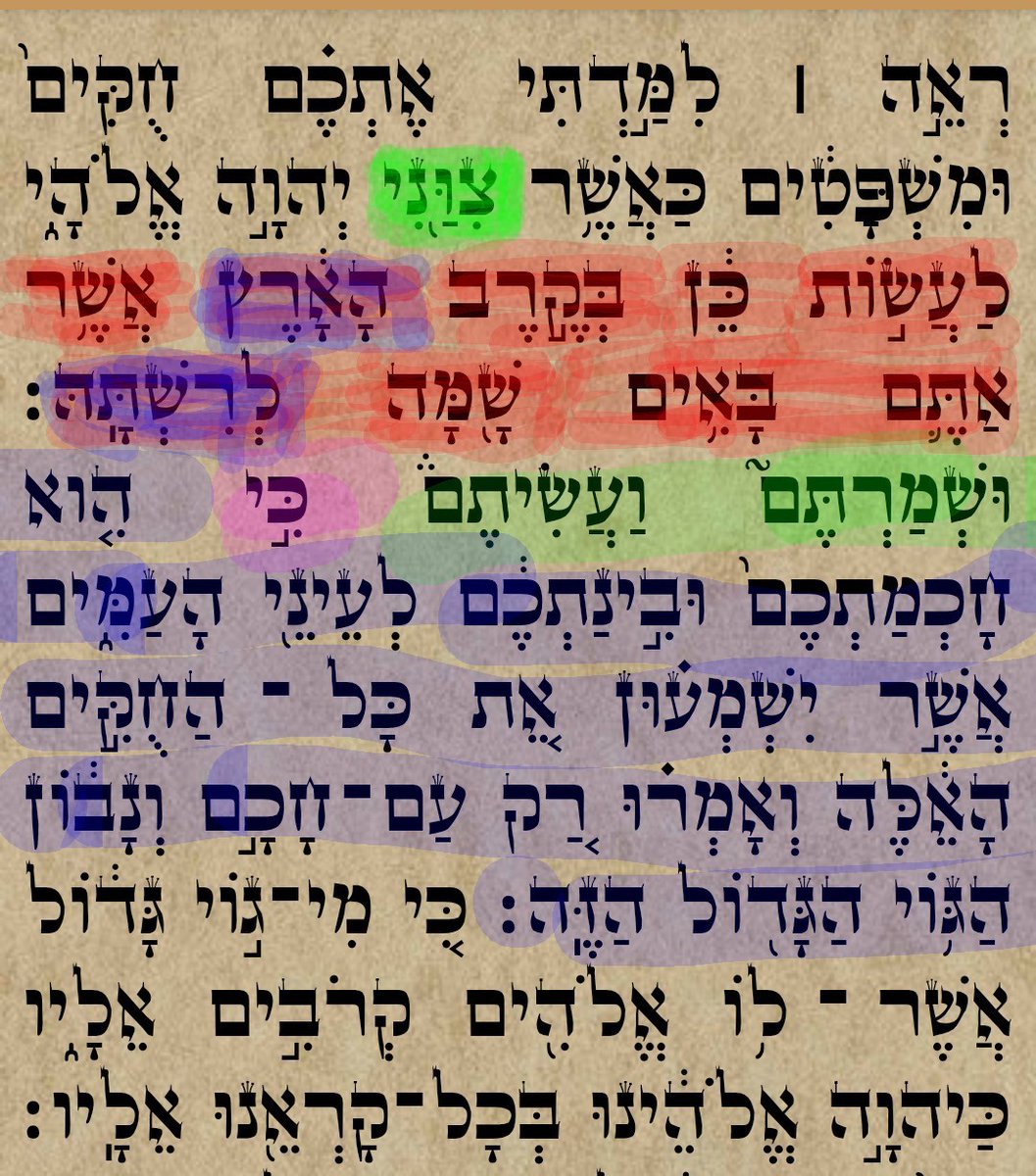
I'm not Anti Zionist, nor am I a Zionist.
I'm a Tzivani.
From Devarim Perek Dalet
14
Rosh Hashanah is around the corner.
Do Teshuvah. The chess pieces are in place.
Yaakov vs. Esau.
Good vs. evil.
Light vs. darkness.
Torah or lies.
Choose wisely. Devarim 30:15-19.
3
3
15
224

Jun 17
Proverbs 30:4:1. Who has gone up to heaven and come down?
Devarim 30:12
Whose hands have gathered up the wind? Yeshayahu 40:12
Who has wrapped up the waters in a cloak? Yeshayahu 40:12
(same verse)
Who has established all the ends of the earth? Yeshayahu 40:28
What is His name, and what is the name of His son? Shemot 4:22 &
Devarim 6:4
The questions in Mishlei are rhetorical. They emphasize that only HaShem controls creation. The son is Israel the nation, not a divine individual. Thanks for playing.
14

Jun 16
Contemporary parental paraphrasing of, “I love you, this is why I must discipline you and this hurts me more than it hurts you”(entire book of Devarim)
4

Jun 16
“Eğer kardeşlerinden biri, şehirlerinden herhangi birinde, Tanrı’nın sana vereceği ülkede yoksul olursa, ona karşı yüreğini katılaştırma ve elini sıkı tutma. Aksine elini açıp ona ihtiyacı kadar ödünç ver.” (Devarim / Tesniye 15:7-11)
2
34

Jun 16
Here the words of Adonai Tzevaot - Devarim 28
But it shall come to pass, if you do not obey the voice of the LORDyour God, to observe carefully all His commandments and His statutes which I command you today, that all these curses will come upon you and overtake you:
1
11
Jun 16
@IsraeliPM perversion and debauchery will not win wars and gain favor with HaShem instead the Land will be destroyed and made desolate.
The LORD will send on you cursing, confusion, and rebuke in all that you set your hand to do, until you are destroyed..Devarim 28:20

BIALIK SQUARE // JERUSALEM BEACH // JAFFA BEACH // HABIMA SQUARE// CLOCK SQUARE
WHERE SHOULD WE KISS NEXT?
TEL AVIV PRIDE 12.6. KISS YOU THERE




6