
Jun 11
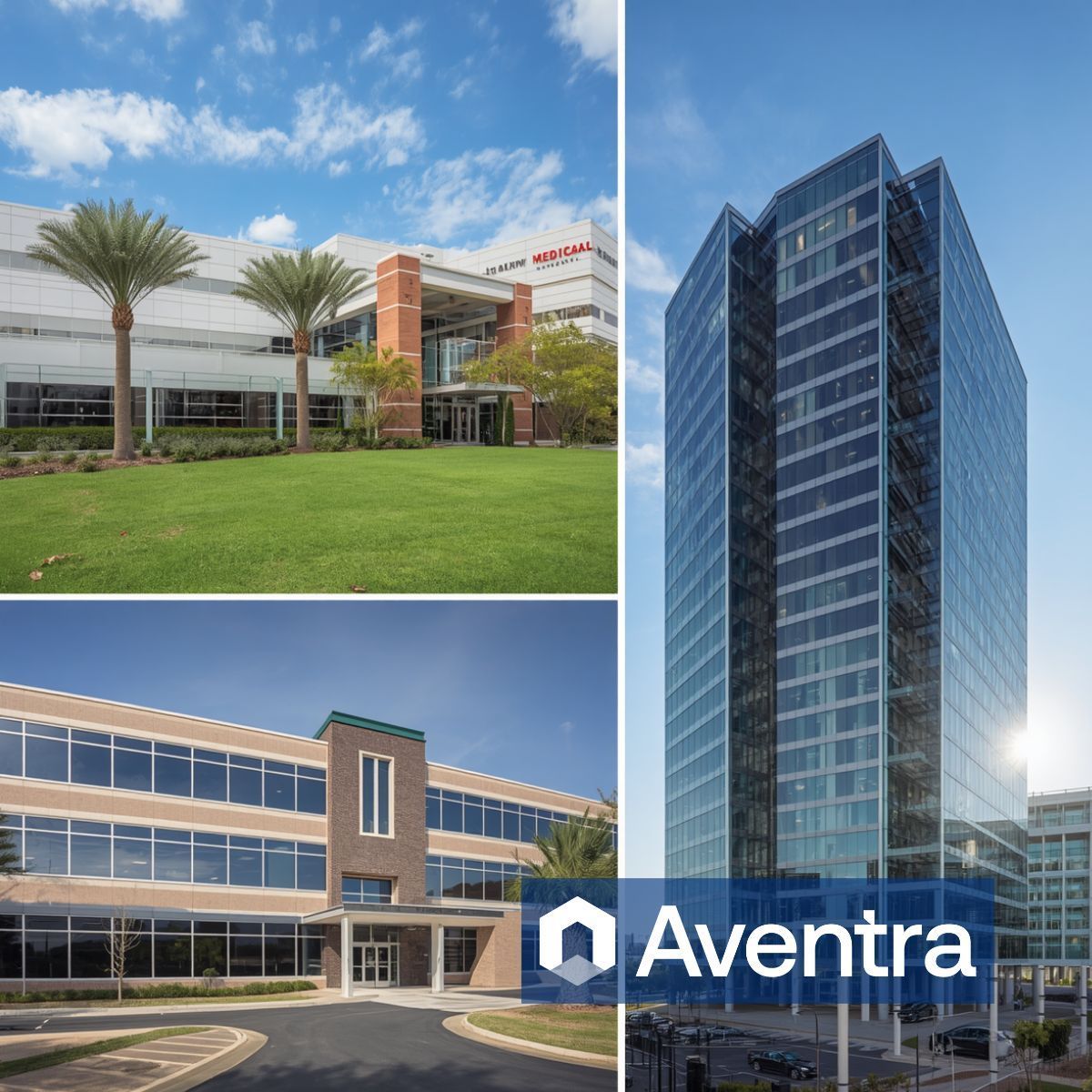
The most interesting construction in South Florida in 2026 is not the next apartment tower. It is the hospital wing, the lab, the school, and the corporate campus.
Florida's commercial sector slowed through 2024 and 2025 under financing pressure. It is strengthening again in 2026, led by healthcare, education, hospitality, and entertainment. That is not a coincidence. The same job growth that drives household formation drives demand for the buildings those workers occupy.
The institutional wave is already visible. Broward just delivered a billion-dollar convention center expansion. A new generation of hospitality product is opening. Medical research and treatment facilities are moving through the pipeline. And across all of it, superintendent and project manager talent is the first thing to get scarce.
Owner side discipline does not change by asset class. A healthcare project, an academic building, and a multifamily tower require the same things: independent cost verification, rigorous pre-construction, tight contract terms, and a team that can hold a schedule when labor is short and costs are high. Teams perform differently when the owner knows how to build. That holds whether the product is a patient tower or a condo tower.
The building type changes. The discipline that delivers it does not. That is why Aventra advises on all vertical construction in South Florida.
If your next project is institutional, educational, commercial, or healthcare, that is the work we do.
#AventraDevelopment #SouthFloridaRealEstate #VerticalConstruction #HealthcareConstruction #DevelopmentManagement #OwnersRepresentation
2
3
37
May 29
Eight months ago, Felipe Aguiar and I launched @aventradev on a contrarian premise: most development failures get blamed on bad markets or bad luck, when the real damage is done on the owner's side of the table, in execution. That side of complex development is structurally underserved, so we built a firm from the ground up to fill the gap.
Eight months in, the thesis holds up every day.
Every conversation with an owner navigating their first Caribbean resort. Every engagement where a lender's confidence in the deal rose because of the owner-side team in place. Every coordination meeting where we caught a scope addition before it became a change order.
The work is not glamorous. It is rigorous, detail-oriented, and relentlessly focused on protecting the owner's interest. That is exactly what we set out to build.
Looking ahead, the opportunities across South Florida multifamily, Caribbean hospitality, and branded residences are as strong as I have seen in 30 years. The capital is there. The demand is there. What the market lacks is the execution capability to convert opportunity into delivered projects. That is Aventra's mission, and we are just getting started.
To the owners, investors, and capital partners who trusted us in these first months: thank you. To the ones we have not yet met: we look forward to the conversation.
aventradevelopment.com
#AventraDevelopment #RealEstateDevelopment #OwnersRepresentation #DevelopmentManagement #CaribbeanDevelopment #SouthFlorida #Leadership #Entrepreneurship
2
3
24
May 27
South Florida multifamily developers have a narrow but valuable window opening right now, and most of the market is not paying attention.
Completions will outpace absorption in 2026. That is the headline everyone reads. Upper-tier rents are softening, vacancy has ticked up, and the narrative says "slow down."
Developers who understand cycles know the opposite is true. The time to secure entitlements, lock construction pricing, and finalize capital is precisely when the headlines are cautious, because the 2028 delivery window looks fundamentally different.
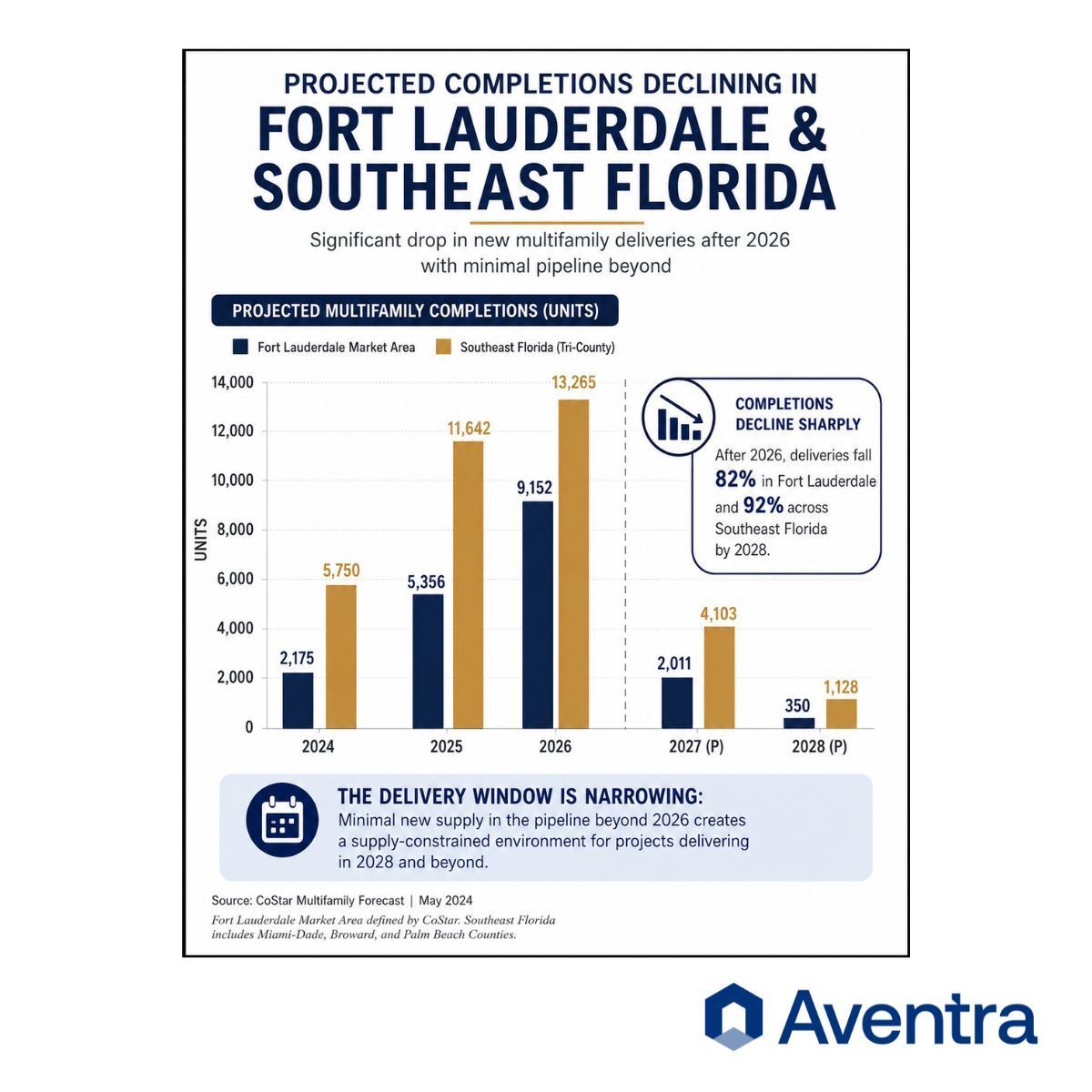
In the Fort Lauderdale market, 10,788 units are under construction, but completions are projected to fall sharply after 2026, with little in the pipeline beyond that. In the Port St. Lucie metro, twelve-month net absorption is already running ahead of completions, and rent growth is projected to accelerate as out-of-state migration continues.
The developers who capture the next cycle are not the ones reacting to today's rent data. They are the ones positioning to deliver into a supply-constrained market 24 to 30 months out. And positioning is only as good as the execution behind it.
At @aventradev, we help owners build execution timelines that align with market cycles, not headlines, grounded in having actually built what our clients are developing.
#AventraDevelopment #SouthFloridaRealEstate #MultifamilyDevelopment #MarketCycles #FortLauderdale #DevelopmentManagement #RealEstateInvesting
2
3
27
May 26
The demand for owner-side advisory in complex development has never been stronger, and the reason is structural. Capital stacks now involve five to seven sources with distinct governance requirements. Regulatory environments in both South Florida and the Caribbean are tightening. Construction costs keep escalating. And the cost of execution failure, measured in carry, lender penalties, and lost market timing, has never been higher.
In that environment, hiring a GC and monitoring from a distance is no longer viable for institutional-scale development. The owner needs a senior team embedded from feasibility through delivery, managing the intersections of design, cost, schedule, capital, and regulation.
That is the gap @aventradev was built to fill, and it is widening as projects grow more complex and capital partners grow more demanding. Our advantage is simple: we advise from the owner's side, grounded in having actually built what our clients are developing. We know the questions to ask, the contract terms that matter, and the critical path decisions to hold a team to. Teams perform differently when they know the owner knows better.
We are expanding engagements across South Florida multifamily, Caribbean hospitality, and branded residences. Every one reinforces a core truth: the earlier an owner invests in independent, senior-level development management, the better the outcome for the owner, the lender, and the end user.
If you are an owner, investor, or capital partner evaluating a complex development, we welcome the conversation.
aventradevelopment.com
#AventraDevelopment #OwnersRepresentation #DevelopmentManagement #RealEstateGrowth #ProjectManagement #SouthFlorida #CaribbeanDevelopment
2
3
10
May 22
Relationships are the most undervalued asset in development management. And I do not mean that in a motivational sense. I mean it in a financial one.
Over 30 years, I have built relationships with contractors, design professionals, hospitality brands, municipal officials, lenders, and government agencies across the Caribbean and South Florida. Those relationships do not appear on a balance sheet, but they directly impact project outcomes.
When a permitting issue arises and I can call someone I have worked with for 15 years to understand the path to resolution, that saves weeks. When a contractor on an island project needs to mobilize additional tradespeople and I know the labor coordinators who can deliver, that protects the schedule. When a lender has a concern about a draw request and I have a track record of transparent reporting with that institution, the conversation is constructive, not adversarial.
This is not about knowing people. It is about having demonstrated reliability over years and across multiple projects. The kind of trust that only comes from follow-through.
For owners evaluating development management partners, the question is not just about systems and processes. It is about the depth and quality of the relationships your team brings to the project. In markets where access, trust, and reputation determine the pace of execution, those relationships are worth more than any software platform.
At @aventradev, our relationships across the Caribbean and South Florida are not a marketing asset. They are an operational one.
#AventraDevelopment #BusinessDevelopment #RelationshipCapital #RealEstateDevelopment #OwnersRepresentation #DevelopmentManagement #Leadership
2
3
29
May 21
The Live Local Act is reshaping South Florida's multifamily development landscape in ways that will define the market for the next decade.
As of January 2026, 5,427 fully affordable multifamily units are under construction across South Florida under the Live Local Act framework. That is not a pilot program. It is a structural shift in how affordable and workforce housing gets built in this region.
The legislation, passed in 2023 and amended in 2025, provides meaningful incentives for developers who incorporate affordable units into their projects: density bonuses, height allowances, tax abatements, and streamlined approval pathways. For developers and capital partners who understand how to structure projects around these incentives, the Live Local Act creates a differentiated development thesis in a market where conventional Class A product is facing rent compression.
The execution, however, is more complex than the incentive structure suggests. Navigating the Act's compliance requirements, coordinating with local housing authorities, and structuring capital around affordable housing covenants requires a level of regulatory fluency that goes beyond standard multifamily development management.
At Aventra Development, we help owners evaluate and execute multifamily projects across South Florida, including projects that leverage evolving regulatory frameworks to create value for both investors and communities.
#AventraDevelopment #LiveLocalAct #AffordableHousing #SouthFloridaDevelopment #MultifamilyDevelopment #DevelopmentManagement #MiamiRealEstate

1
1
4
33
May 19
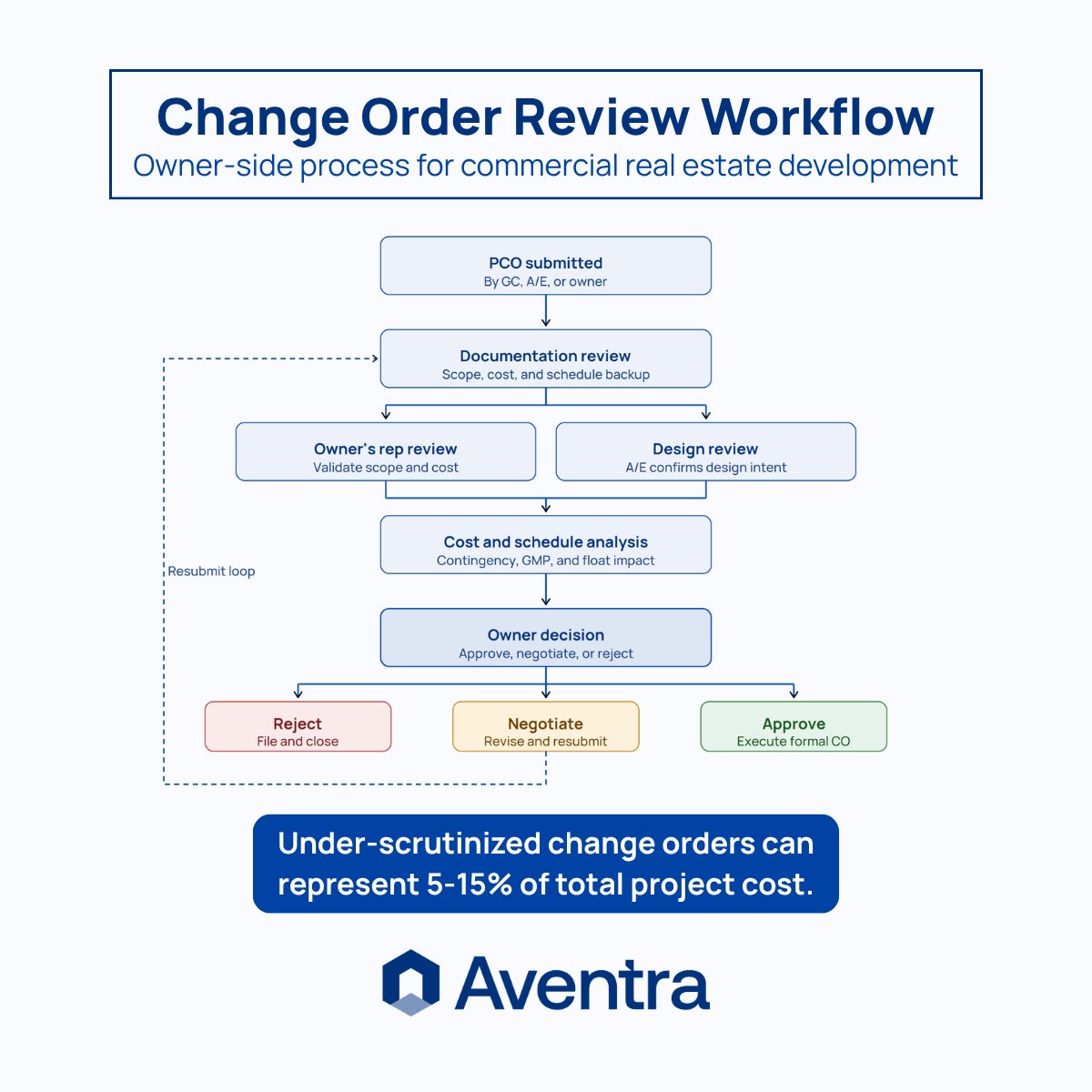
On a complex project, change orders are inevitable. Design clarifications, unforseen site conditions, material substitutions, regulatory changes. The question is not whether they will occur. It is whether the owner has a disciplined process for evaluating, negotiating, and documenting each one.
Without independent owner-side oversight, change order review often defaults to the general contractor's assessment. The contractor submits a cost and schedule impact. The owner approves or negotiates from a position of limited information. Over time, the cumulative effect of under-scrutinized change orders can represent 5% to 15% of total project cost.
An experienced development manager brings independent cost verification to every change order. That means checking unit pricing against market rates, verifying labor hours against scope, evaluating whether the change was truly unforeseen or resulted from design coordination gaps that should have been caught earlier, and assessing the schedule impact separately from the cost impact.
At @aventradev, change order management is not a reactive function. It is a proactive discipline embedded in our construction oversight from day one, protecting the owner's budget and maintaining lender confidence throughout the project.
#AventraDevelopment #ChangeOrders #ConstructionManagement #OwnerRepresentation #CostControl #DevelopmentManagement #ProjectManagement #ProjectRisk
1
2
3
65
May 15
The biggest constraint facing owner-side advisory firms in 2026 is not deal flow. It is talent.
Finding professionals who can sit on the owner's side of a complex development and perform at a senior level requires a rare combination of skills. You need deep construction knowledge. You need financial literacy, the ability to read a pro forma, manage a draw process, and communicate with lenders in their language. You need design sensibility, enough to catch scope creep before it becomes a change order. And you need the interpersonal judgment to manage relationships with contractors, architects, consultants, and municipal agencies simultaneously.
That skill set does not come from one career track. It comes from decades of cross functional experience, often spanning both the construction side and the ownership side of the table.
At @aventradev, Felipe Aguiar and I built our team around this principle. We recruit professionals who have operated across disciplines, who understand both the contractor's perspective and the owner's priorities, and who can move fluently between a budget review and a community stakeholder meeting.
The demand for owner-side advisory is growing. The supply of professionals who can truly deliver it at a senior level is not growing at the same rate. For owners evaluating development management partners, the question to ask is not just what services you provide. It is who, specifically, will be on my project, and what have they built.
#AventraDevelopment #Talent #DevelopmentManagement #OwnersRepresentation #Leadership #RealEstateCareers #ExecutionDiscipline
2
3
24
May 14
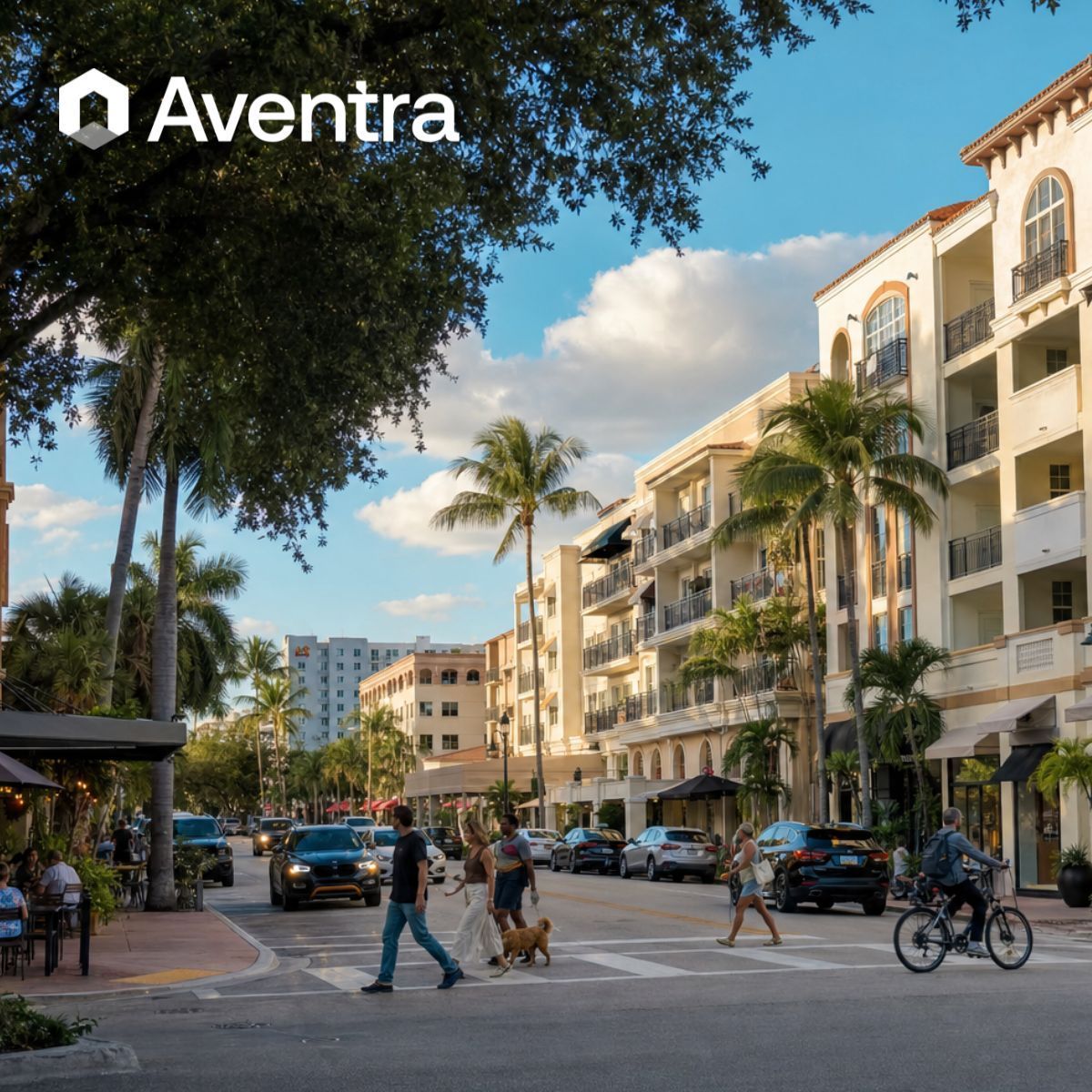
The Coral Way corridor in Miami is one of the most dynamic urban infill environments in South Florida, and it illustrates exactly why experienced development management matters on mid-rise multifamily projects.
The corridor sits at the intersection of strong residential demand, active commercial retail, and evolving zoning frameworks. Projects here navigate height limitations, public benefit contributions, municipal review boards, and community expectations that require careful coordination from the earliest design stages.
For owners developing market-rate rental product in corridors like Coral Way, the execution challenges are distinct from high-rise downtown projects. The entitlement path involves rezoning covenants, public benefit trust fund contributions, and review board engagement. The construction environment requires managing site logistics on constrained urban parcels. And the lease-up strategy must reflect submarket-level rent dynamics, not metro-wide averages.
These are exactly the conditions where independent, owner-side development management creates the most value. Not by adding a layer of oversight, but by integrating budget, schedule, design, and regulatory strategy into a single, owner-aligned platform.
@aventradev Development provides ground-up development management for multifamily projects across Miami-Dade, including active engagements in corridors where urban infill execution demands precision at every phase.
aventradevelopment.com
#AventraDevelopment #CoralWay #MiamiDevelopment #MultifamilyHousing #UrbanInfill #DevelopmentManagement #SouthFloridaRealEstate
2
3
35
May 13
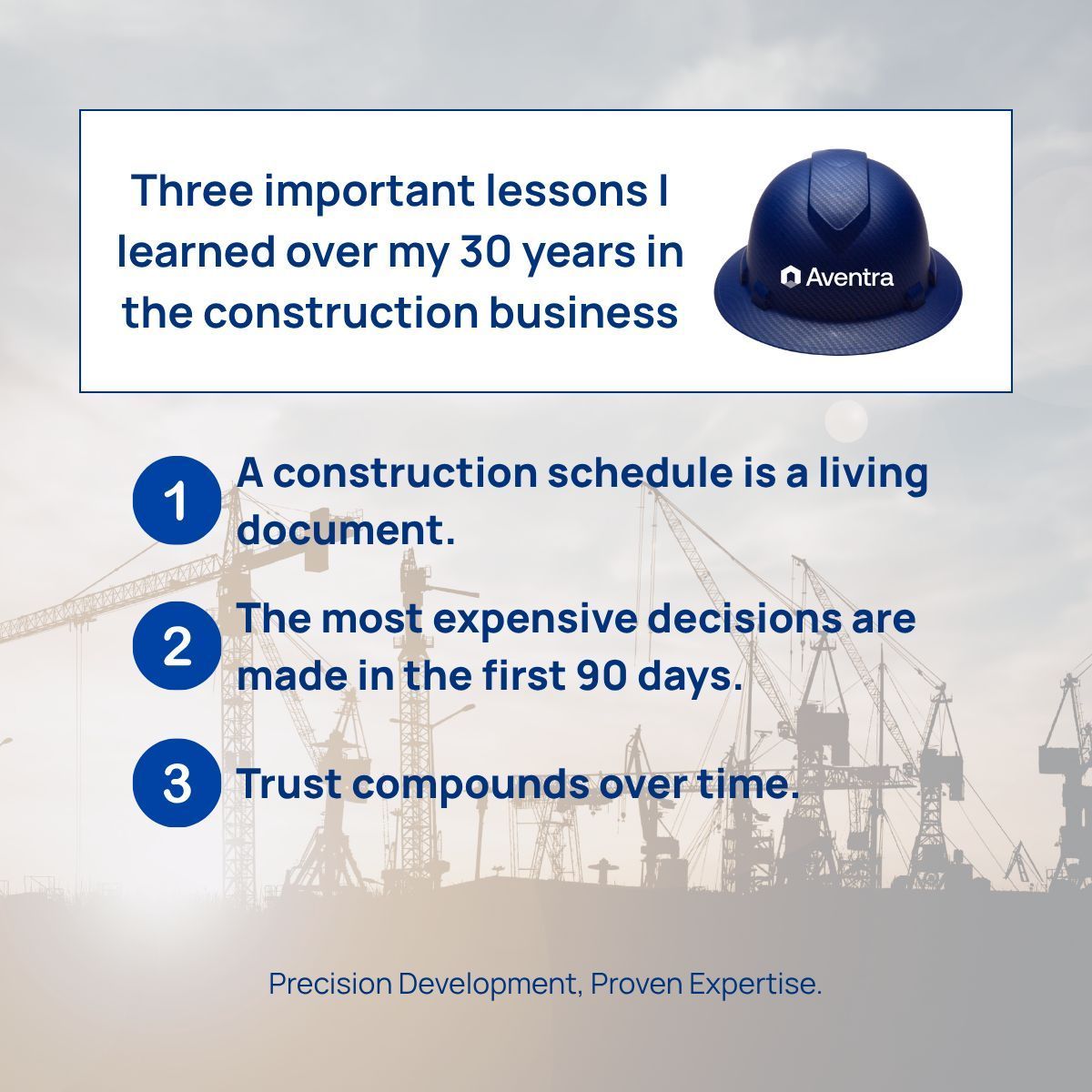
Thirty years of building South Florida and the Caribbean have taught me lessons that no certification program or textbook can replicate. Here are three that I come back to on every project.
First, the schedule is a living document, not a contract with reality. I have never seen a complex project, hospitality or multifamily, finish exactly on the original schedule. The question is not whether the timeline shifts. It is whether you have the systems, the relationships, and the contingency planning to manage those shifts without destroying the budget or the lender relationship. The best project teams treat schedule management as a daily discipline, not a monthly report.
Second, the most expensive decisions are the ones made in the first 90 days. Site evaluation, entitlement strategy, design scope, capital structure, contractor procurement methodology. By the time construction starts, 80% of the project's financial outcome is already determined. This is why owner-side representation at @aventradev the earliest stages is not a luxury. It is where the most value is created and the most risk is mitigated.
Third, trust is the only currency that compounds over time. In island markets especially, your reputation precedes you to every government office, every subcontractor meeting, every community stakeholder session. The developers who build long-term success in the Caribbean are the ones who deliver on their commitments, respect local context, and treat every relationship as a long-term investment.
These are not theoretical insights. They are the operating principles behind every engagement at Aventra.
#AventraDevelopment #RealEstateDevelopment #LessonsLearned #SouthFloridaDevelopment #MiamiDevelopment #CaribbeanDevelopment #Leadership #DevelopmentManagement #ExecutionDiscipline
2
4
28
May 12
The Caribbean's construction workforce challenge is structural, not cyclical, and it is reshaping how projects must be planned and executed.
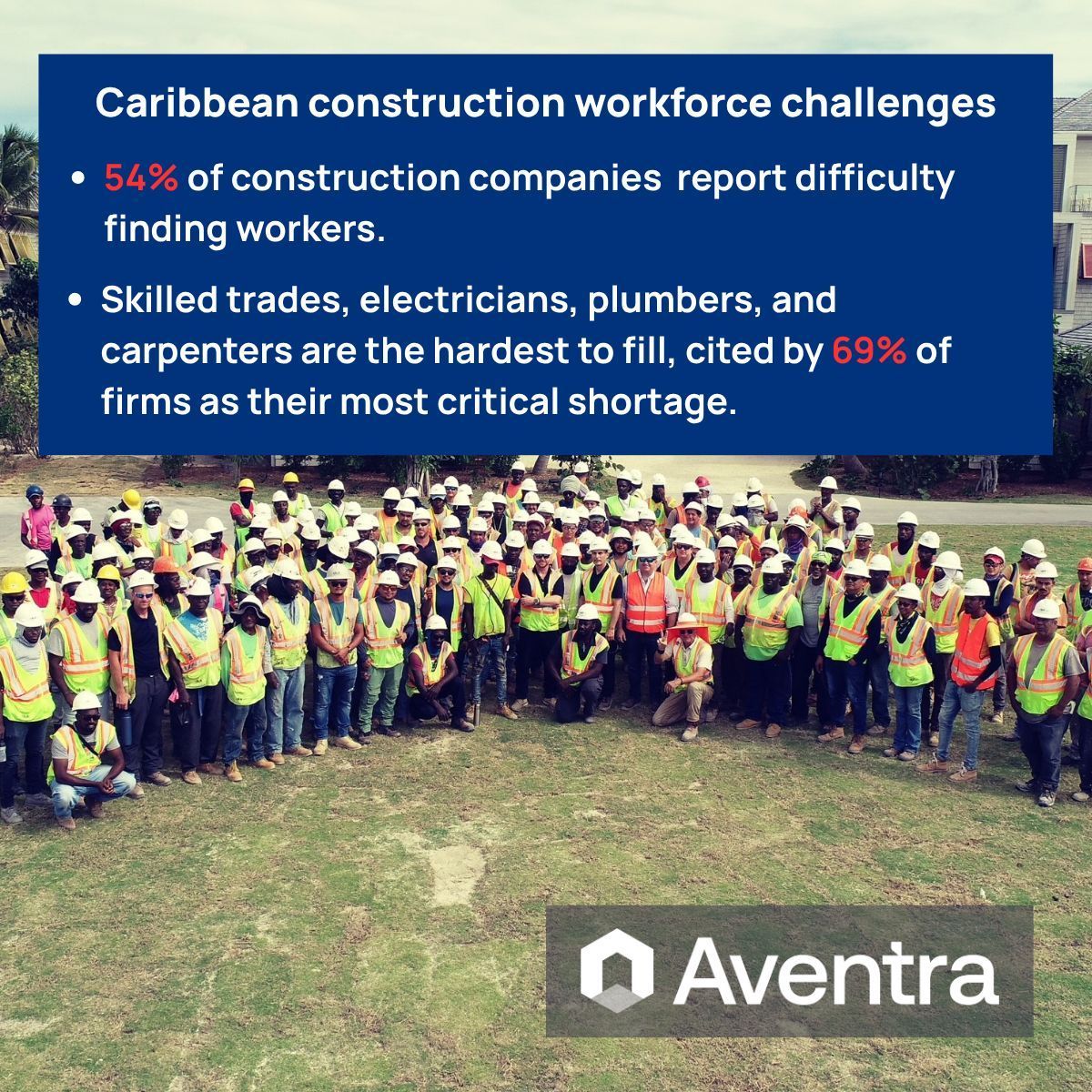
Across the region, 54% of construction companies report difficulty finding workers. Skilled trades, electricians, plumbers, and carpenters, are the hardest to fill, cited by 69% of firms as their most critical shortage. On the outer islands, where local labor pools are small, the challenge intensifies: developers must import skilled workers by the dozen, provide housing and logistics, and manage crews across multiple islands.
Meanwhile, the broader Caribbean workforce is under demographic pressure. Aging populations, declining birth rates, and outward migration of working-age nationals are tightening labor supply across healthcare, agriculture, and construction simultaneously. CARICOM and the International Organization for Migration have called structured labor mobility a strategic priority for the region's economic future.
For developers, this has direct implications for project planning. Construction timelines, crew mobilization strategies, and budget contingencies must all reflect the reality that skilled labor in the Caribbean is scarce and increasingly expensive.
At @aventradev, workforce planning is embedded in our development management from the earliest feasibility stage. We help owners model realistic labor availability, plan crew logistics, and build schedules that account for the workforce realities of island construction.
#AventraDevelopment #CaribbeanConstruction #WorkforceDevelopment #HospitalityDevelopment #ConstructionLabor #DevelopmentManagement
2
3
24
May 11
People ask what an owner's representative actually does on a given week. The honest answer is that no two weeks look the same, and that is exactly the point.
Last month, in a single week, our team reviewed a contractor's updated cost estimate against our independent budget model on a multifamily project. We participated in a design coordination meeting where the architect's updated plans had added $400,000 in scope that no one had flagged. We prepared a lender draw package with supporting documentation for a construction milestone. We conducted a site visit to verify progress against the schedule baseline. And we facilitated a call between the owner and a municipal agency to resolve a permitting condition that was threatening a three-week delay.
None of those tasks are glamorous. All of them are essential.
The value of an owner's representative is not in any single function. It is in the continuity of oversight across every dimension of the project simultaneously. Budget, schedule, design, permitting, lender relations, contractor performance, risk management. These do not exist in silos. They interact constantly, and the owner needs someone tracking those interactions who answers only to them.
After 30 years in this industry, I can tell you that the weeks where nothing dramatic happens are the weeks where the owner's rep is doing their job best. The goal is to prevent problems, not to be a hero when they arrive.
#AventraDevelopment #OwnersRep #DevelopmentManagement #ProjectManagement #RealEstateDevelopment #ExecutionDiscipline #Leadership
2
3
43
Every lender I have worked with in the past five years has told me the same thing: the quality of the owner's execution team is now a primary underwriting variable, not a secondary consideration.
This is a meaningful shift from prior cycles. A decade ago, lenders focused almost exclusively on location, sponsor net worth, and the GC's bonding capacity. The owner's development management team was a footnote in the credit memo.
Today, it is a deciding factor.
Construction lenders are requiring stronger completion guarantees, more frequent reporting, and cleaner cash control mechanisms. They want to see an owner-side team that can manage draw administration without delays, document change orders with full cost and schedule impact, and provide risk assessments that are honest, not optimistic.
For owners and investors, the implication is straightforward. The team you assemble on your side of the table is no longer just an operational decision. It is a capital markets decision. The right development management partner does not just protect your budget and schedule. It improves your terms, expands your lender pool, and reduces your cost of capital.
At Aventra, we built our platform with this reality in mind. Every engagement is structured to give capital partners the confidence that the project has institutional-grade owner-side oversight.
#AventraDevelopment #ConstructionFinance #OwnersRepresentation #DevelopmentManagement #RealEstateCapital #ProjectExecution
2
3
43
South Florida's multifamily market is heading into a pivotal transition. The data is clear, and developers who read it correctly will be positioned for the next cycle.
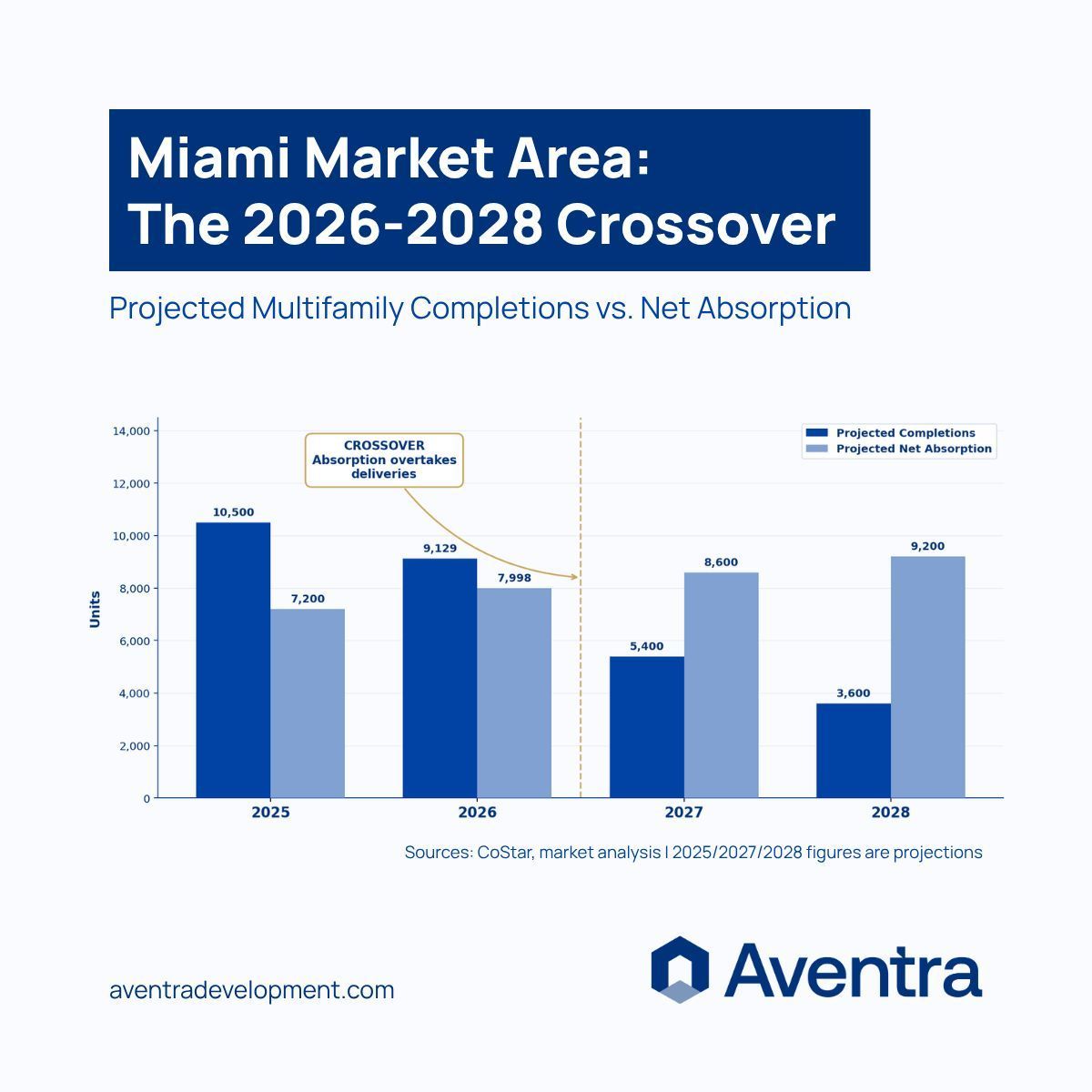
In the Miami Market Area, 18,139 units are under construction with 9,129 slated for delivery in 2026. Twelve-month net absorption is running at 7,998 units. That gap means completions will outpace absorption this year, keep rent growth subdued.
But here is where the story shifts. By 2027 and 2028, projected completions decline sharply while absorption accelerates, driven by continued out-of-state migration and sustained job growth. The developers who secure entitlements and begin construction in this window will deliver into a tightening market.
The rent segmentation story is equally important. Upper-tier rents have softened, with Class A asking rents declining 0.3% to 1.5% depending on their tier. Meanwhile, workforce-level occupancy holds above 96%, and the Live Local Act has spurred construction of 5,427 fully affordable multifamily units across South Floorida, signaling renewed institutional interest in the affordable segment.
For owners and capital partners evaluating new multifamily starts, the timing question is not whether the market is strong. It is whether your execution timeline delivers you into the right phase of the cycle.
@aventradev provides owner-side oversight that aligns development timelines with market conditions, ensuring that execution discipline matches investment thesis.
#AventraDevelopment #SouthFloridaRealEstate #MultifamilyDevelopment #MiamiRealEstate #MarketTiming #DevelopmentManagement
2
4
35
Lenders are more selective than they have been in over a decade. That selectivity is creating a clear advantage for projects with experienced owner-side representation.
In today's market, construction lenders are prioritizing three things above all: sponsor track record, realistic cost modeling, and execution discipline demonstrated from day one.
What does that look like in practice? It means detailed feasibility analysis that reflects actual market conditions, not aspirational assumptions. It means a procurement strategy that is structured and defensible, not relationship-driven. It means a project team with verifiable experience in the asset class and geography, not a resume that reads well on paper.
An experienced development manager on the owner's side signals to lenders that the project has institutional-grade oversight. It reduces perceived risk. It streamlines draw processes. It provides the lender with a credible point of contact who speaks their language and protects their exposure alongside the owner's.
At @aventradev, we understand what lenders need to see because we have spent decades on the other side of that table. Our development management platform is built to give capital partners confidence that the project is being executed with the discipline their investment demands.
aventradevelopment.com
#AventraDevelopment #ConstructionLending #DevelopmentManagement #OwnersRepresentation #ProjectExecution #RealEstateCapital

2
3
36
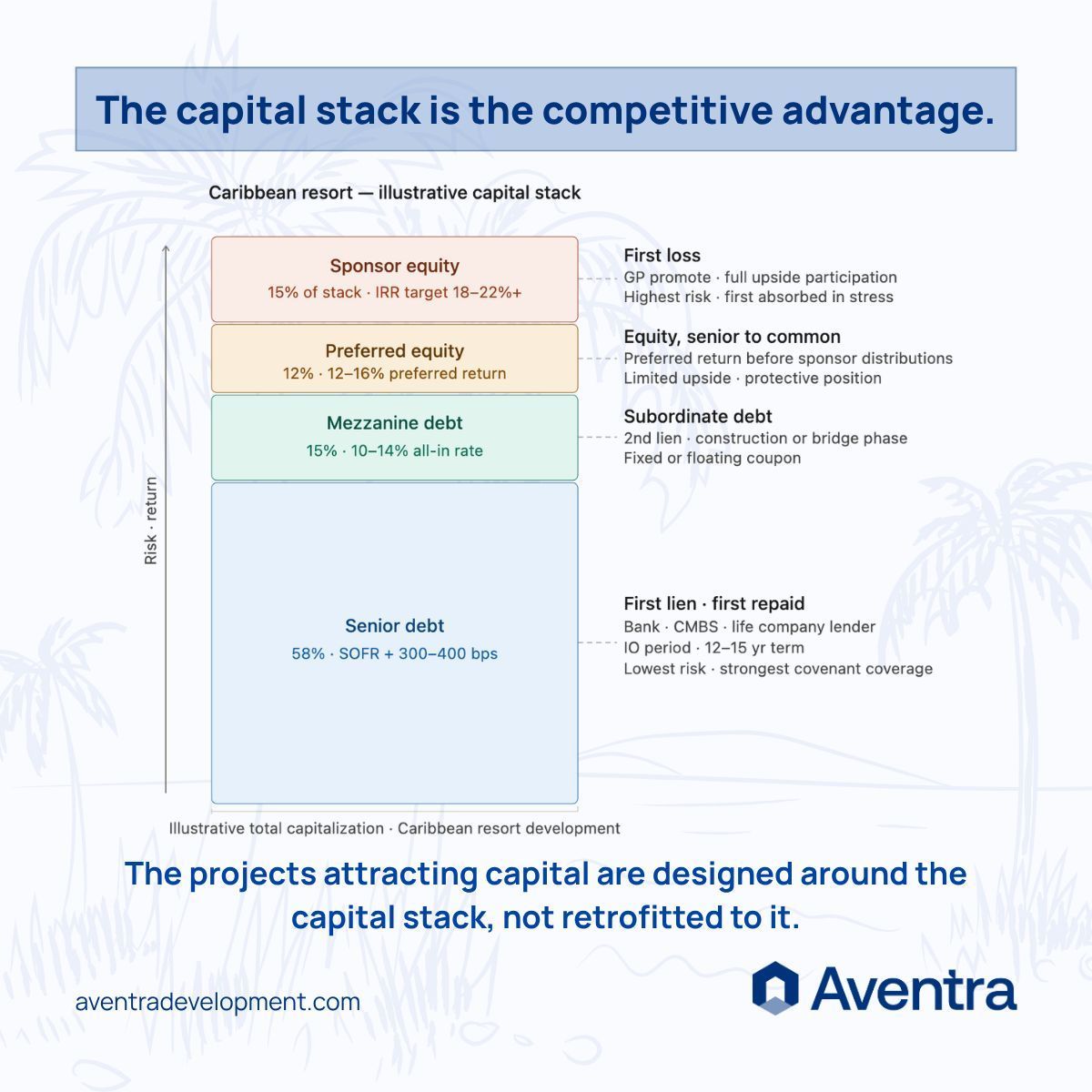
A five-star Caribbean resort now routinely requires five to seven capital sources. Senior debt, development finance institution tranches, private credit, family office equity, tokenized instruments, and sponsor capital. That is not an anomoly. That is the new normal.
The capital stack has never been more complex or more consequential.
In prior cycles, a strong sponsor could secure a senior loan and a single equity partner and break ground. Today, a large resort project may involve a construction lender at 55% loan-to-cost, a DFI tranche, a preferred equity layer from a family office, and structured mezzanine capital from a private credit fund, each with its own return threshold, reporting requirements, and governance expectations.
This complexity is not a burden. It is a competitive advantage for developers who understand it.
The projects attracting capital in 2026 are the ones designed around the capital stack, not retrofitted to it. That means financial structuring begins at feasibility, not after design development. It means unit mix, phasing, and branded residential programming are calibrated to satisfy multiple investor profiles simultaneously. It means the development team speaks the langauge of institutional underwriting, not just construction.
The Caribbean remains one of the most compelling hospitality investment environments in the world. But the developers who will capture this cycle are capital stack architects, not just builders.
At @aventradev, we help owners and investors structure projects that attract and align layered capital from the earliest stages of engagement.
#AventraDevelopment #CaribbeanDevelopment #HospitalityInvestment #CapitalMarkets #RealEstateFinance #DevelopmentManagement #LuxuryHospitality
2
3
31
The next five years in Caribbean hospitality development will be defined by one question: who can actually deliver?
The demand signal is louder than it has been in a generation. Caribbean hotel revenue is surging. Branded residence buyers are lining up. Institutional capital is circling destinations from Turks and Caicos to the Dominican Republic. Government incentive programs, from tax concessions to import duty relief, are actively courting development.
But demand without delivery is just noise. And the Caribbean's track record on delivery is, candidly, mixed.
The projects that will define this era will share common characteristics. They will have experienced owner-side leadership from day one. They will model costs based on actual island construction realities, not mainland benchmarks. They will engage local stakeholders early and authentically, not as a checkbox exercise. They will structure their capital around branded residential programs that provide upfront recovery and diversified revenue. And they will treat entitlement complexity as a planning exercise, not an afterthought.
This is the work we were built for at @aventradev. Our platform exists at the intersection of Caribbean expertise and institutional execution discipline. We help owners and investors move from vision to completion in one of the most rewarding, and most demanding, development environments in the world.
The opportunity is real. The question is whether you have the team to capture it.
#AventraDevelopment #CaribbeanDevelopment #HospitalityInvestment #LuxuryResorts #BrandedResidences #RealEstateExecution #DevelopmentManagement #Aventra

2
3
51
Apr 30
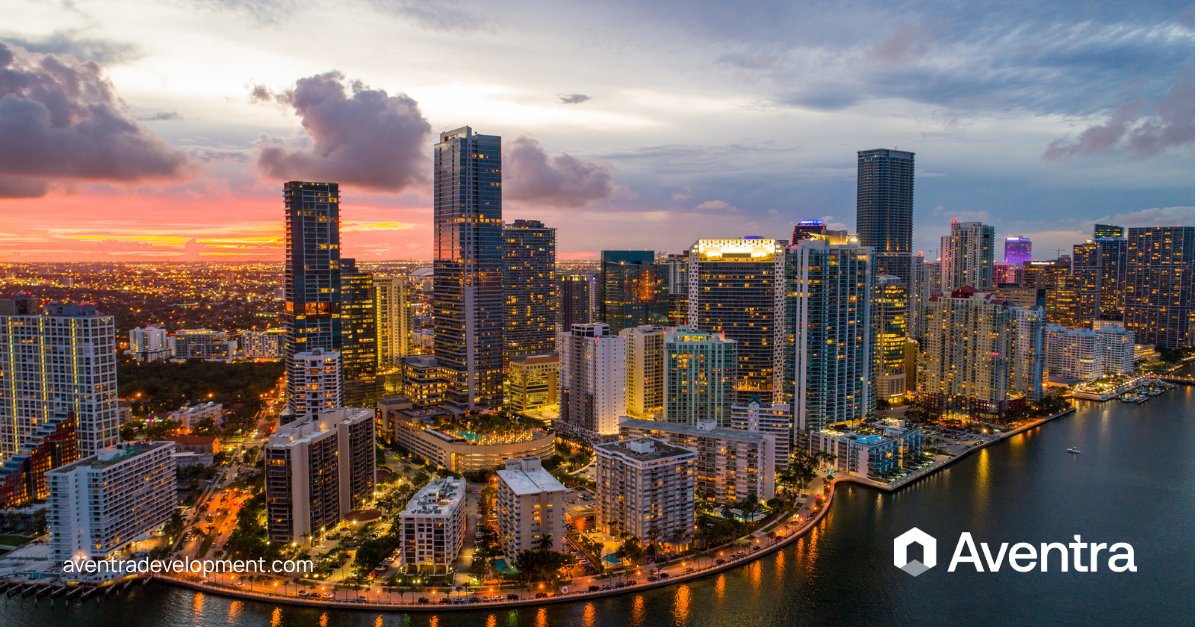
Miami is exploring virtual building inspections for low-risk permits, a move that could meaningfully improve timelines for certain project types.
The City Commission recently directed staff to develop a virtual inspection system, building on a 2021 Florida law that authorized remote inspections via video. Broward and Miami-Dade have already piloted similar programs for routine permits like HVAC replacements and water heaters.
For developers and owners managing multifamily and mixed-use projects, this is a signal worth watching. While high-risk structural inspections will continue to require on-site evaluation, streamlining the low-risk inspection queue could free up capacity across the entire system.
The broader context matters. Miami-Dade's permitting environment remains one of the most complex in the Southeast, with new construction permits routinely requiring three to six months of review. Anything that reduces friction in the pipeline, even incrementally, has an outsized impact on project timelines and carry costs.
At @aventradev, regulatory and permitting navigation is a core component of our development management platform. We work closely with municipal agencies on behalf of our clients because we understand that a well-managed entitlement and permitting process is not just about compliance. It is about protecting the owner's schedule and capital.
#AventraDevelopment #MiamiDevelopment #BuildingPermits #MultifamilyConstruction #RegulatoryStrategy #SouthFloridaRealEstate #DevelopmentManagement
2
3
28
Apr 29
Procurement strategy is one of the highest-leverage decisions an owner makes on a development project. It is also one of the most commonly delegated without sufficient owner-side input.
How you select and contract your general contractor, how you structure the bid process, how you define scope and risk allocation in the contract: these decisions lock in the project's cost trajectory, schedule baseline, and change order exposure for the next 18 to 36 months.
Yet on many projects, the procurement process is driven by the design team, the lender, or the developer's preferred relationship, with limited independent analysis on behalf of the owner.
An experienced owner's representative brings rigor to procurement. The means a structured prequalification process that evaluates contractor capacity, bonding, relevant experience, and current backlog. It means bid analysis that goes beyond the bottom line to examine allowances, exclusions, and risk assumptions. And it means contract negotiations that protect the owner's interests on liquidated damages, change order pricing, and schedule guarantees.
The GC contract is the single largest commitment on most development projects. The owner deserves independent, senior-level counsel in shaping it.
This is one of the areas where @aventradev adds the most value: bringing the discipline and objectivity of owner-side representation to the procurement process, long before a single shovel turns.
#AventraDevelopment #Procurement #ConstructionContracts #OwnerRepresentation #DevelopmentManagement #RealEstateExecution
2
3
24
Apr 24
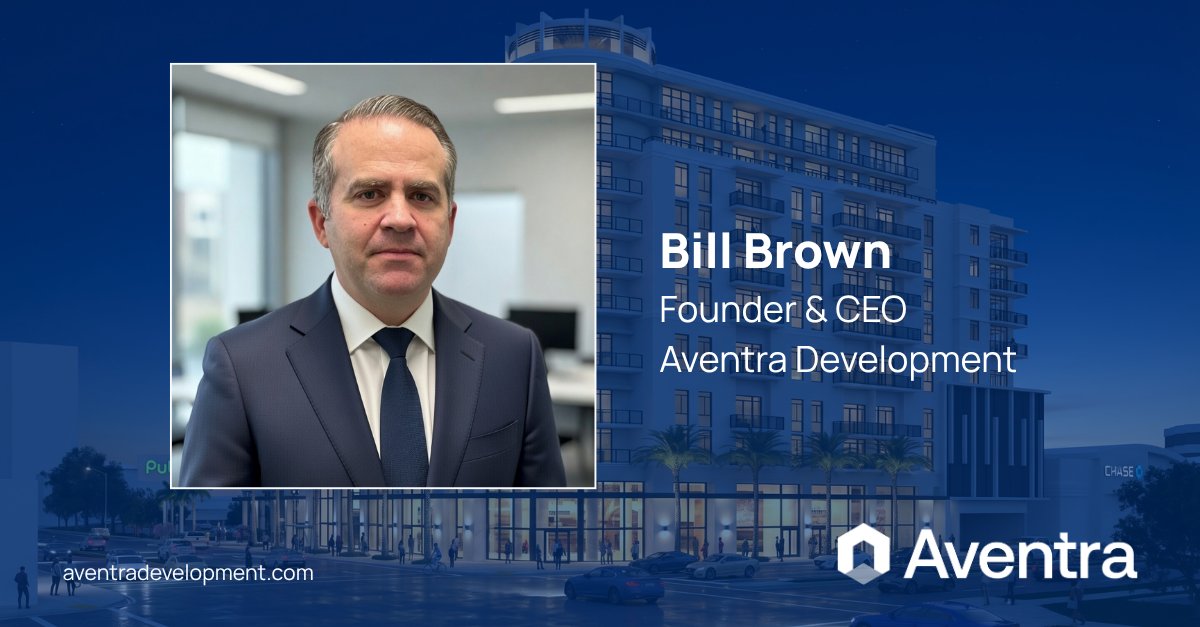
When I founded @aventradev in late 2025, people asked why I did not just start another construction firm.
The answer was simple. After 30 years on the construction side, including founding and running Brown & Brown Construction for more than a decade and serving as CEO of an international construction management firm, I saw the same gap on every project: the owner's side of the table was consistently under-resourced.
Owners would invest enormous energy into capital formation, site selection, and design vision. Then, when it came to execution, they would hand the keys to a general contractor and hope for the best. When problems surfaced, and they always surface, the owner was the last to know and the least equipped to respond.
I built Aventra to site on the other side of that equation. To give owners and capital partners the same caliber of senior leadership on their side that the contractor has on the construction side.
This is not about being adversarial with contractors. It is about balance. The best projects I have been part of, on both sides of the table, were the ones where the owner had independent, experienced representation. The dynamic was healthier. The decisions were better. The outcomes were stronger.
Aventra exists because I believe the owner's side of development deserves better. And I have spent three decades learning what "better" looks like.
#Entrepeneurship #RealEstateDevelopment #OwnersRepresentation #FounderStory #DevelopmentManagement #Leadership
2
3
30