
Le Game Pass à 23$/m (276$/an) force le joueur moyen à dépenser plus. Mais en baissant le prix de 7$/m, Xbox s'assoit sur 84$/an par abonné (le prix d’un jeu AAA). Résultat : la marque perd des centaines de millions directs sur le coup. Un pur move de croissance, pas de profit.
3
🔌Oracle retweeted

Court Directs INEC to Deregister ADC, Accord, and Three Other Political Parties

146
74
540
39,079

Federal High Court directs INEC to deregister ADC, Accord, three other political parties over failure to meet constitutional requirements. ow.ly/8Ccw106zHez
9
Lisa Power retweeted

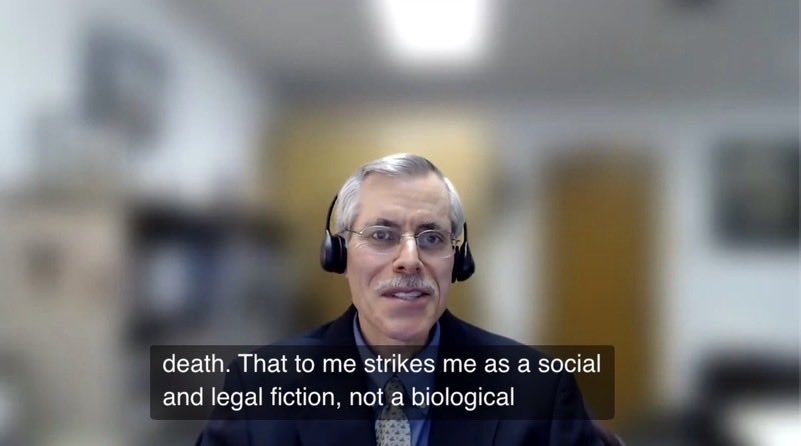
Brain death is “a social and legal construct based on debatable beliefs and values.”
Dr. Lauris Kaldjian directs the program in bioethics and humanities at the Carver College of Medicine at the University of Iowa, where he is also a professor in the department of internal medicine.
He recently spoke at the Columbia School of Professional Studies’ webinar, “Time to Rethink Brain Death: A Discussion with Experts.”
Speaking about the 1968 Harvard ad hoc Committee that originally proposed the idea of brain death, Dr. Kaldjian said:
“I have no way to other than conclude that the main driver was definitely the desire for transplantable organs. But I acknowledge that the other primary rationale that was stated was that there was a concern about ICUs getting overpopulated with severely brain injured individuals.”
“…I think, (there were) two transplant surgeons on it who were clearly interested in the question of transplantation. And specifically a key line from that JAMA 1968 article says from the authors themselves “our primary purpose is to define irreversible coma as a new criterion for death.” That to me strikes me as a social and legal fiction, not a biological discovery. So I'll be blunt about that.”
“…I would just say by way of conclusion that the idea of brain death, I really think, is a social and legal construct based on debatable beliefs and values. It's not primarily a concept determined by biological observation alone.”
7
19
43
1,048

Wow tanta gente ofendidita por esta opinion solo me hacen querer afirmarla con mas fuerza, genuinamente los directs eran mas shows que simplemente vomitar anuncios a lo pendejo mostraban desarrollo del mismo y duraban lo que tenian que durar

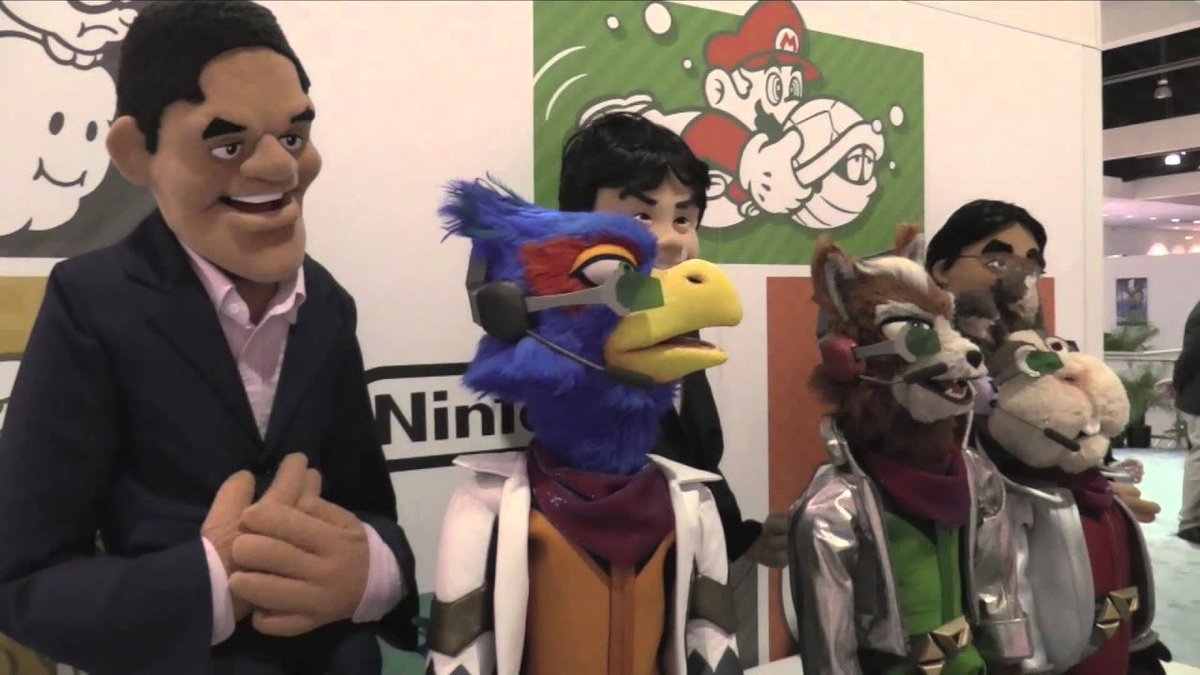
Los Nintendo Direct debieron morir con Iwata por respeto a la imagen que este les dio, Nintendo debio hacer un rebranding a la manera en la que anuncian sus juegos porque se nota que ahora todo es solo empresarial y nada de entretenimiento, un direct era un show no solo trailers

62
13
117
39,501
Julien Laune retweeted

🇪🇺 Malgré une baisse de 7 % des investissements directs étrangers en Europe en 2025, le secteur financier affiche une forte hausse de 21 %, atteignant son plus haut niveau depuis 2019.
🇫🇷 La France enregistre 45 projets financiers ( 50 % en un an) et détrône l’Allemagne, devenant l’une des premières destinations européennes pour les capitaux financiers.
🥇 Paris profite pleinement du Brexit pour renforcer son statut de première place financière de l’Union européenne et attire sièges, fintech et activités réglementées.
💰 Les capitaux mondiaux s’intéressent à l’Europe pour financer la transition énergétique, l’IA et la défense dans un marché encore fragmenté mais stable.
latribune.fr/article/banques…

3
35
105
6,254


Excellent.
Newsom is about as dirty as it gets with the money he directs toward his wife.

Today, my wife & I joined Donald Trump’s hit list. He has directed his Department of Justice to investigate us. They have not found a crime - they are simply trying to find one.
He isn't coming after me because of mean tweets, but because I am considering running for President.
He hates that I consistently call him out. He is simply the most corrupt President in American history.
We have nothing to hide.
Mr. President, come after me. I am not going anywhere.
The country is watching.
18
最高 retweeted

t’es à la fac à mexico t’as l’impression d’être à la fac dans n’importe quel pays européen wsh que des descendants directs de hernan cortes pendant que les mexicains natifs du chiapas gagnent 100 pesos par jour, le niveau d’injustice lol
2
10
596

J'ai toujours préféré travailler dans des univers masculins, les hommes sont généralement plus directs. Les femmes génèrent trop souvent des histoires et de l'hypocrisie.
2
Kalungi Fahad retweeted

The era of army generals pursuing armed rebels in the jungle has shifted. Today, the Head of the Ugandan army directs military forces against unarmed civilians and after chest thumps about how he is powerful😳
Deploying armed battalions to abduct and torture peaceful citizens reflects cowardice and not political strength.
#HandsoffLukwago
#FreeBesigye

18
29
201
5,158

Ca existe encore les directs CDG ? Parce qu'à chaque fois que j'en aurais bien pris, il n'y en avait pas. 🤔
12

Silly me for forgetting that I’m God’s favorite girl. 🤍
Even in the middle of confusion, He always directs my path. My faith reminds me that my Father has never failed me before, and He won’t start now. 🌻
2

For me personally, most the non-Nintendo games I play either don't get revealed in directs or I play way after they get ported (so that way I know if they're good.) The shitty direct narrator removes any interest in these games I could have in the moment since they kill the pace.

When you don't like a Nintendo Direct people say "well you should play more games", and maybe that applies for some people
But its usually the opposite, if you play more games 90% of the Directs are ports/remakes youve already played. That's why it's boring imo. I like new stuff
10




🚨🚨 $IRDM Iridium - FCC Docket 0523-EX-CN-2026
This document is an automated notification from OET Systems Administration sent to Joseph Godles on June 15, 2026. It confirms that an experimental license application associated with call sign WQ2XOE and file number 0523-EX-CN-2026 has been granted. The license is scheduled to remain in effect until June 1, 2028. The message directs the recipient to the OET Experimental Licensing Branch Electronic Filing Site to view the grant and specifies that no reply is needed.
🔗 apps.fcc.gov//els/GetAtt.htm….

35