
2 Jan 2025
See #TEMSinAction! TEMS Paragon lets non-tech drivers perform advanced network tests with just one driver. Test multiple use cases & OTT app quality in a single drive.
🔗 Learn more: eu1.hubs.ly/H0fB5CJ0
#TEMS #NetworkTesting #DriveTesting #Networks #Telecom #OTT
1
1
94

28 Sep 2024
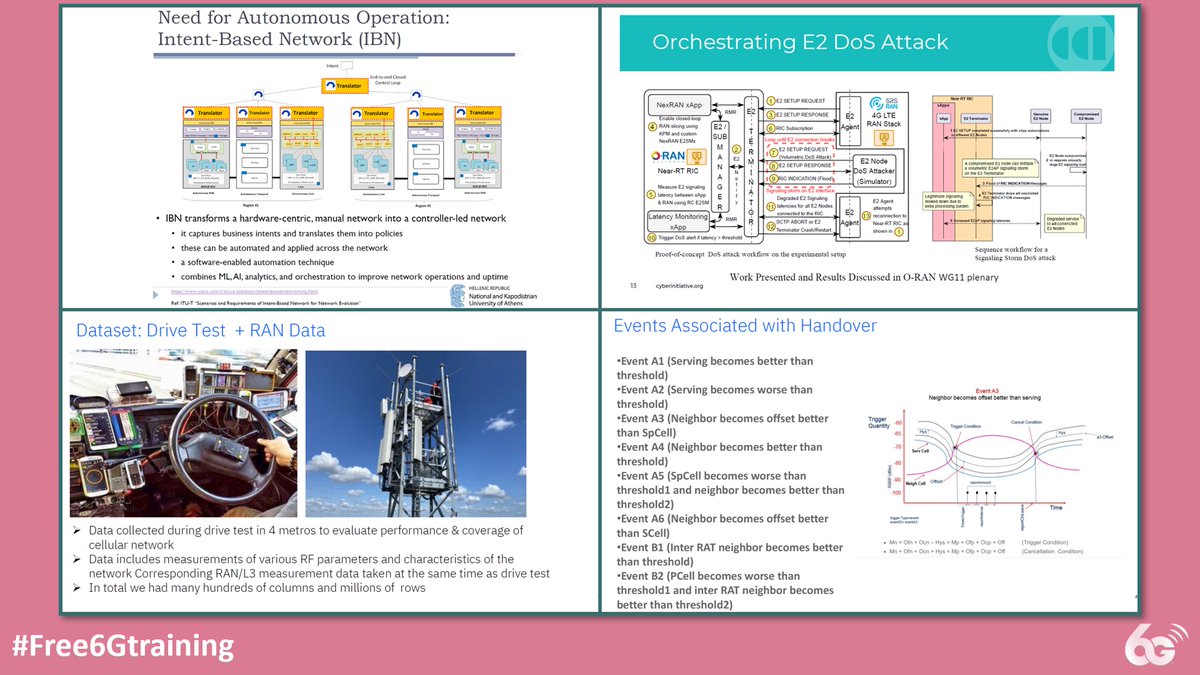
Free 6G Training: Panel Discussion on 'Evolving AI Architectures in Support of End-to-end Heterogeneous Next Generation Networks' - free6gtraining.com/2024/09/p…
#Free6Gtraining #6G #5G #B5G #5GAdvanced #3G4G5G #HetNets #AIML #DriveTesting #MDT #RANdata
6
7
420

28 Aug 2024
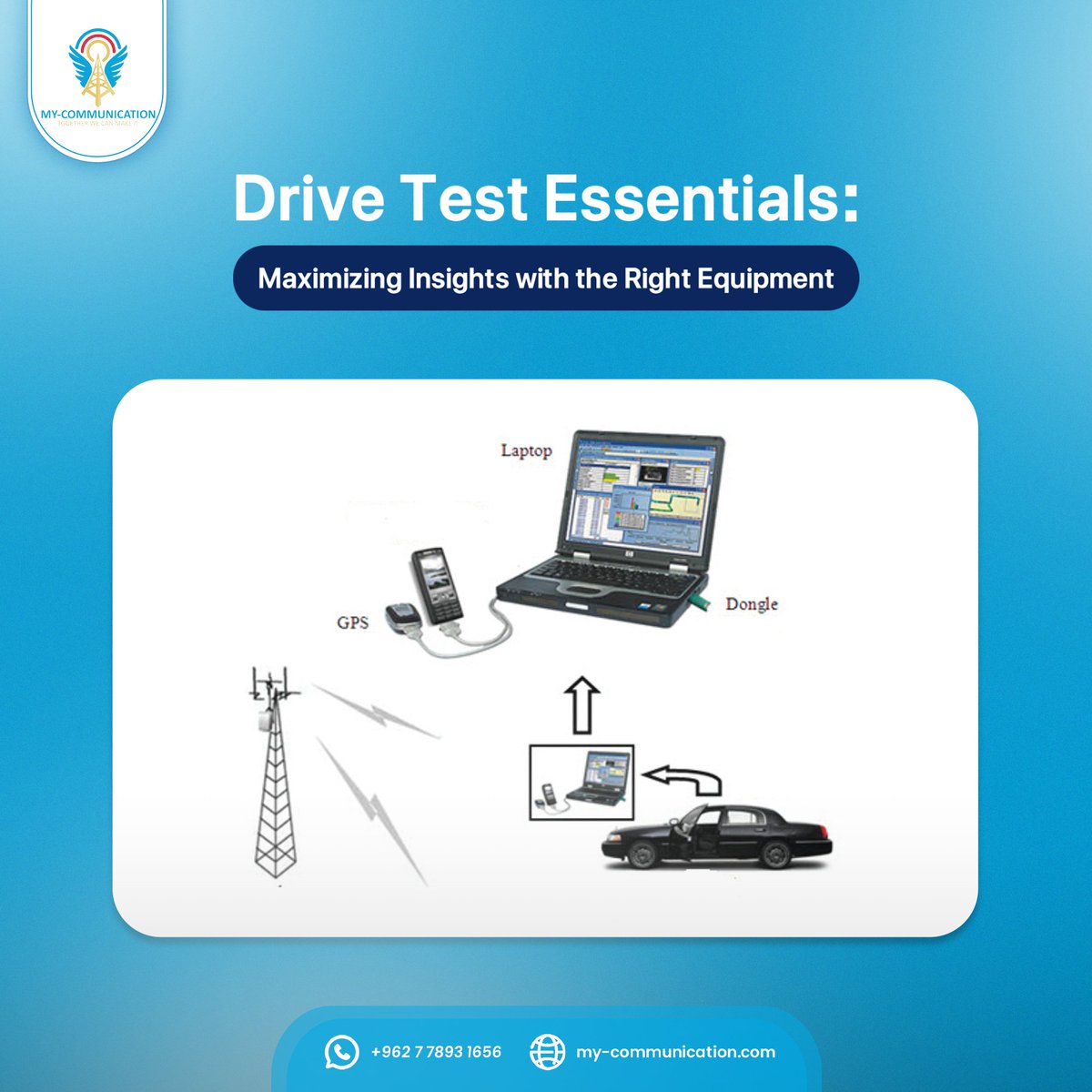
Drive testing is an essential process in the optimization and maintenance of mobile networks, particularly as the industry transitions to advanced technologies like 5G. This post explores the key aspects of drive testing, its significance, and the evolving landscape shaped by new technologies.
What is Drive Testing?
Drive testing involves the collection of data from mobile networks while driving through a specific area. This process allows network engineers to assess the performance of various network elements, including signal strength, quality of service (QoS), and user experience. The data collected during these tests is crucial for identifying areas that require optimization, troubleshooting network issues, and ensuring compliance with regulatory standards.
Importance of Drive Testing
Quality of Service (QoS) and Quality of Experience (QoE): Subscribers expect a seamless experience, whether they are making calls, streaming videos, or using applications. Drive testing helps operators ensure that their networks meet these expectations by providing real-time data on network performance.
Benchmarking: As mobile networks grow in complexity, benchmarking against competitors becomes vital. Drive tests provide insights into coverage, speed, and reliability, allowing operators to position themselves effectively in the market.
5G Deployment: The rollout of 5G networks has introduced new challenges and requirements for drive testing. The global market for mobile network drive test equipment is projected to reach $522.5 million by 2025, growing at a compound annual growth rate (CAGR) of 15.6%. This growth is driven by the need for enhanced testing capabilities to support high-capacity networks and new radio (NR) technologies.
Key Components of Drive Testing
Data Collection Tools: Tools such as Nemo Outdoor, Tems Investigation, and Genex Probe are commonly used for data collection during drive tests. These tools measure various parameters, including signal strength, quality metrics (like MOS and POLQA), and coverage footprint.
Types of Tests: Drive testing encompasses several types of tests, including Single Site Verifications (SSV), Mobility Tests, and Cluster Optimization. These tests help ensure that both individual sites and broader network clusters are functioning optimally.
Real-Time Feedback: Modern drive testing solutions provide real-time feedback, allowing for immediate adjustments and optimizations. This capability minimizes the need for multiple testing rounds and accelerates the overall testing process.
Future Trends in Drive Testing
The future of drive testing is leaning towards automation and predictive analytics. As mobile networks evolve, the demand for proactive testing solutions that can anticipate issues before they impact users is increasing. Key trends include:
Cloud-Based Solutions: Integrating drive testing with cloud analytics enables remote diagnostics and immediate data analysis, enhancing responsiveness to network issues.
Unmanned Aerial Vehicles (UAVs): Drone technology is being explored for drive testing, providing enhanced coverage and data collection capabilities from unique perspectives.
Predictive Testing: The shift from reactive to predictive testing will allow operators to address potential network challenges proactively, ensuring a higher quality of service for users.
#DriveTesting #MobileNetworks
#NetworkOptimization
#5G #QoS #QoE
#Telecom #NetworkPerformance
#MobileTechnology
#NetworkTesting
#5GDeployment #Telecommunications
#NetworkEngineering
3
210

1 Dec 2023
Read about #Netradar latest #innovation:
Mean Opinion Score (MOS) for Voice services.
We go beyond traditional #drivetesting reducing the need for manual processes. Mobile operators can optimize #networkperformance efficiently and cost-effectively.
Link in the comments.

1
3
47
12 Jul 2022
✔️Great news! @nokia has selected Infovista to deliver cloud-based automated #drivetesting to accelerate roll-out of #5G deployments!
Exciting times ahead!
Find out more ➡️ bit.ly/3RquqKI

1

9 Mar 2022
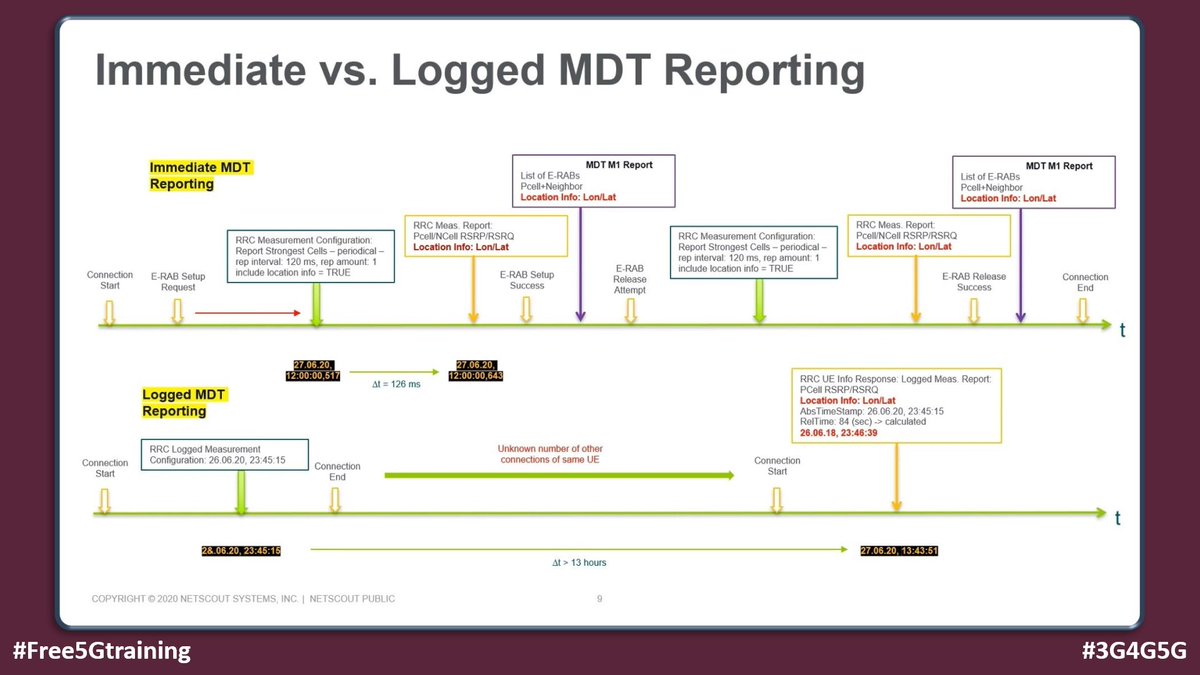
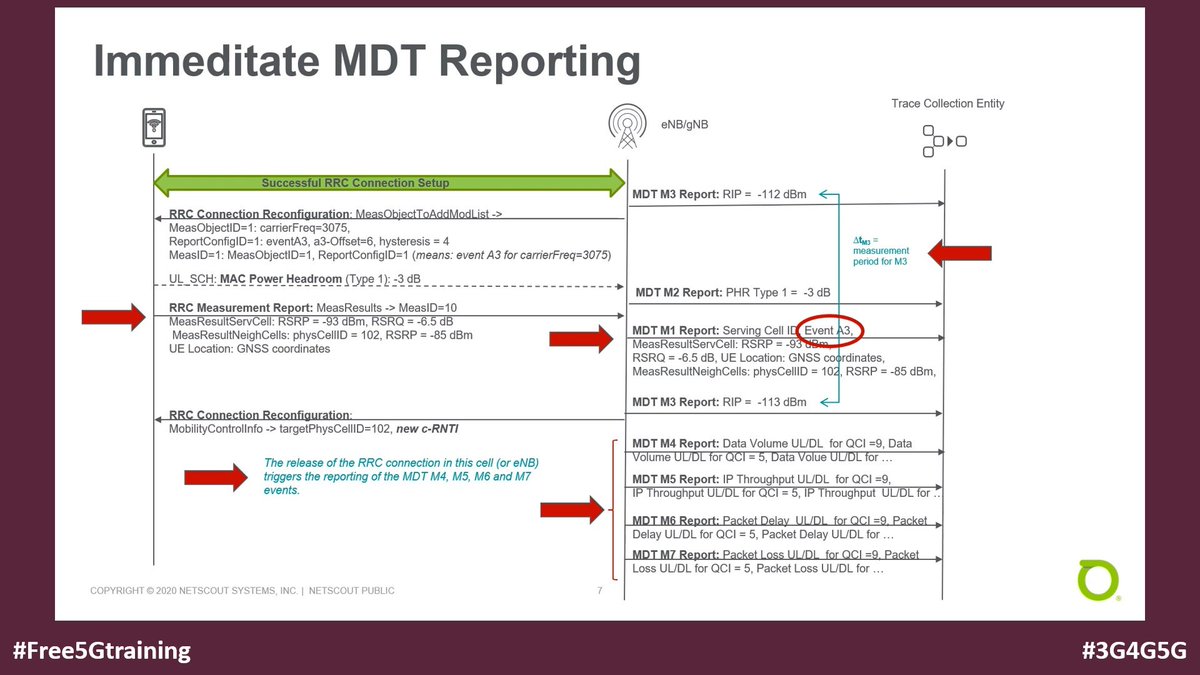
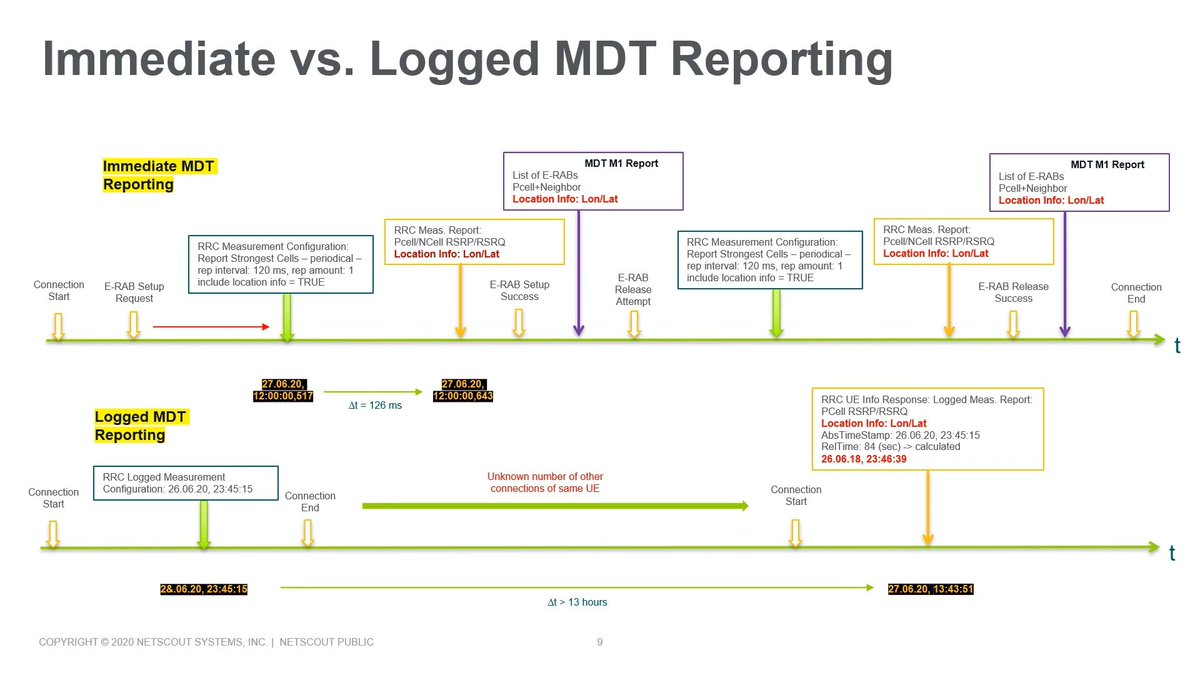
The 3G4G Blog has good details on how the SON Feature, Minimization of Drive Testing (#MDT) works in 5G - blog.3g4g.co.uk/2020/08/3gpp… via @KreherRalf, @NETSCOUT
#Free5Gtraining #3G4G5G #4G #5G #SON #DriveTesting #RLfailure #5Gsignaling #RRC #Immediate #Logged #Reporting
3
4

3 Mar 2022
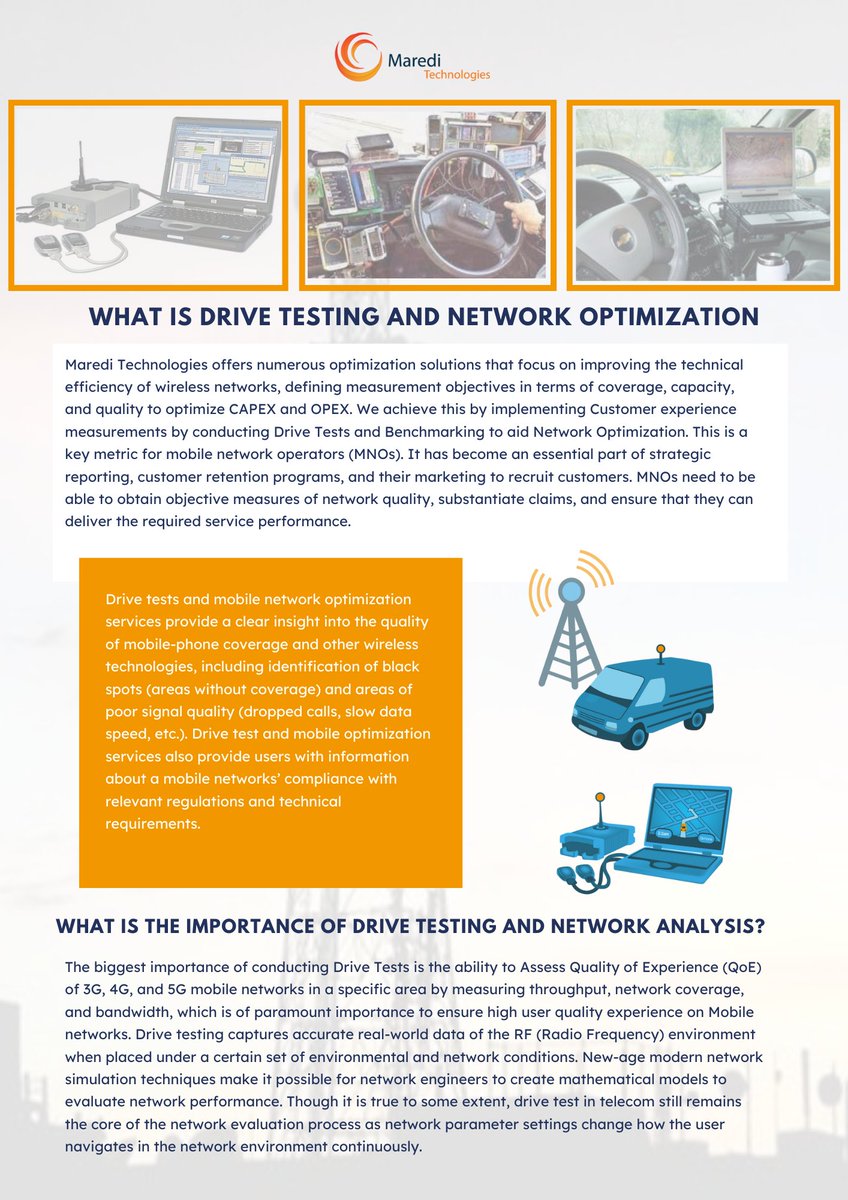
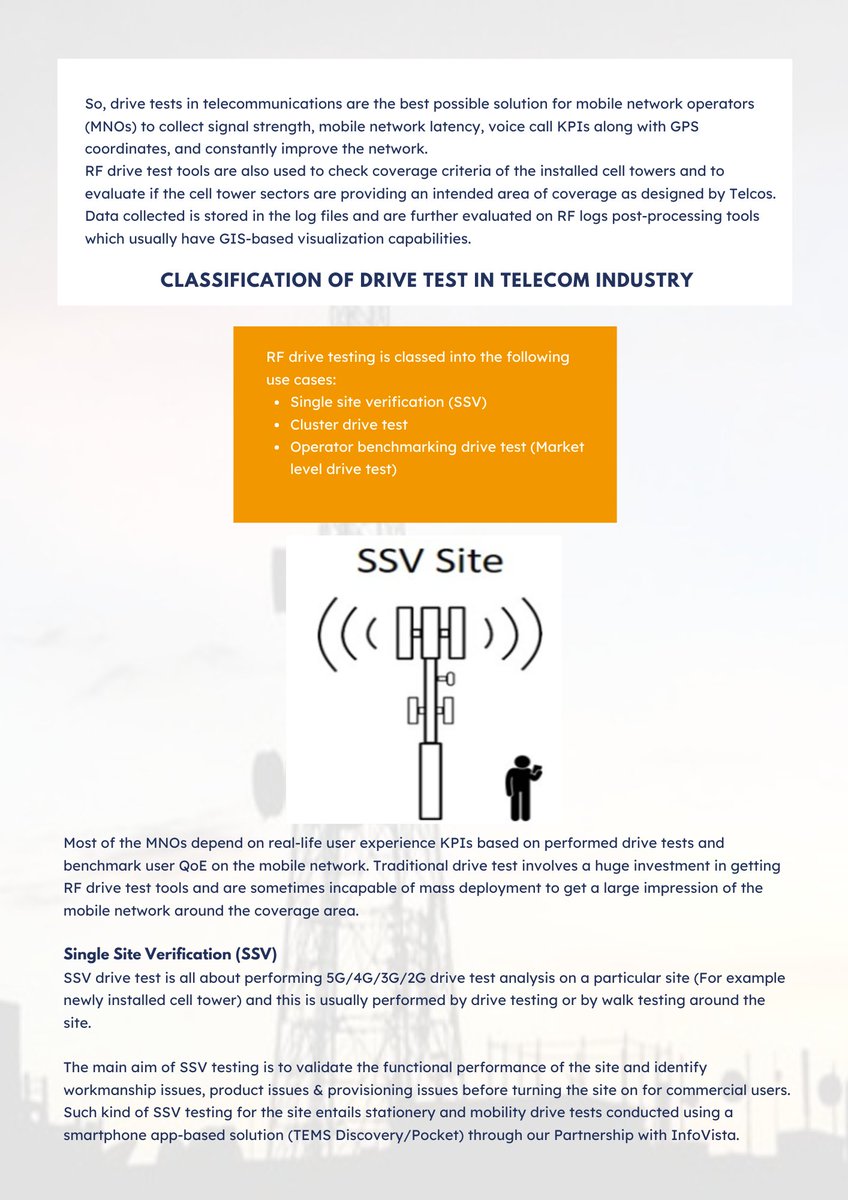
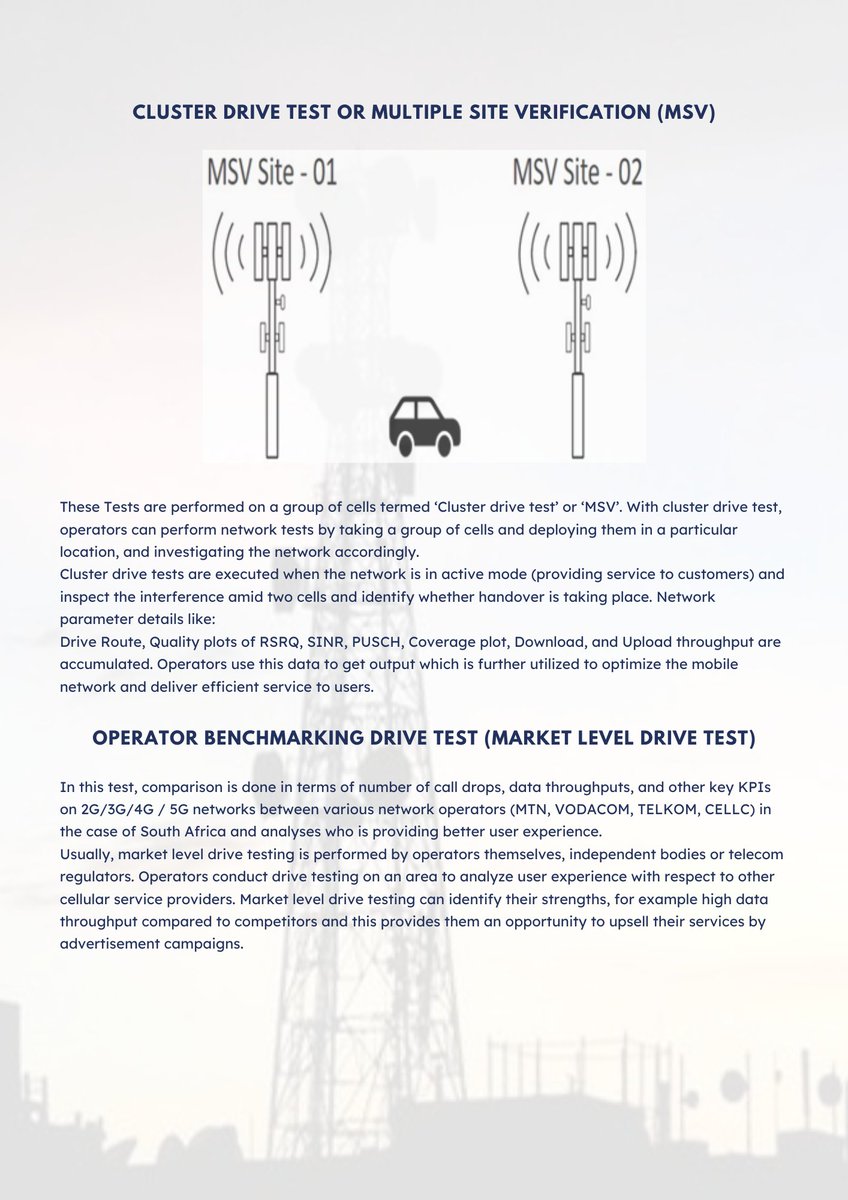
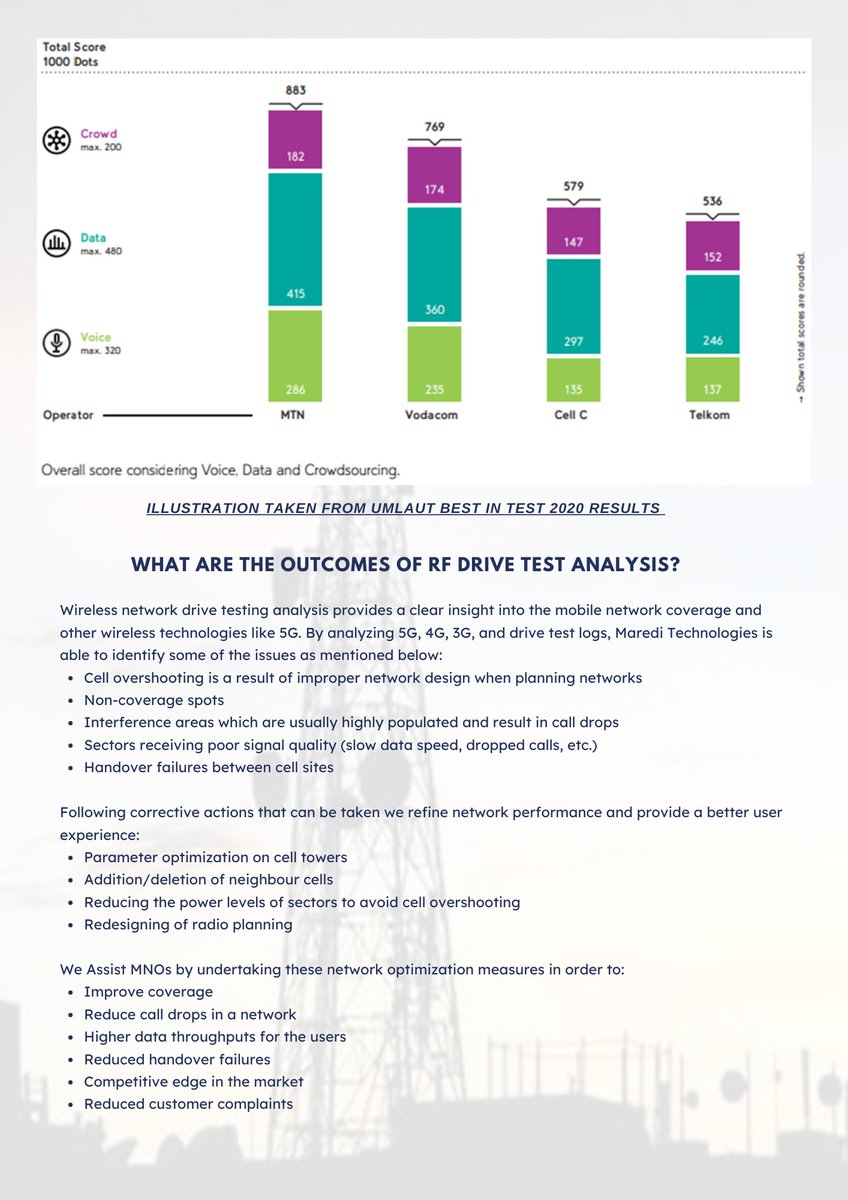
What is Drive Testing and Network Optimization? #MarediTech #YourICTPartnerOfChoice #DriveTesting #NetworkOptimization #RF
3
2
18 Sep 2021
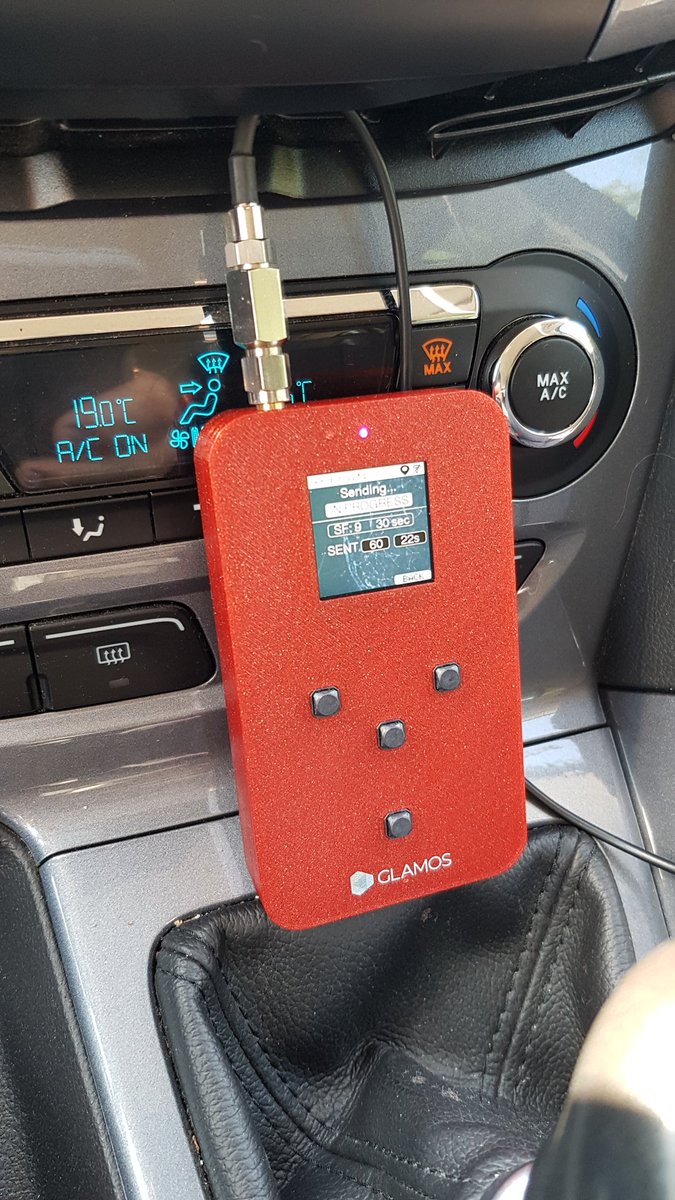
ICYM this post from @KreherRalf, @NETSCOUT on The 3G4G Blog about 3GPP MDT - How it works and what is new in Rel. 16 - blog.3g4g.co.uk/2020/08/3gpp…
#Free5Gtraining #3G4G5G #3GPP #4G #5G #SON #MDT #DriveTesting #RLfailure #5Gsignaling #RRC #Immediate #Logged #Reporting
4
3

1
5
25
11 Mar 2021
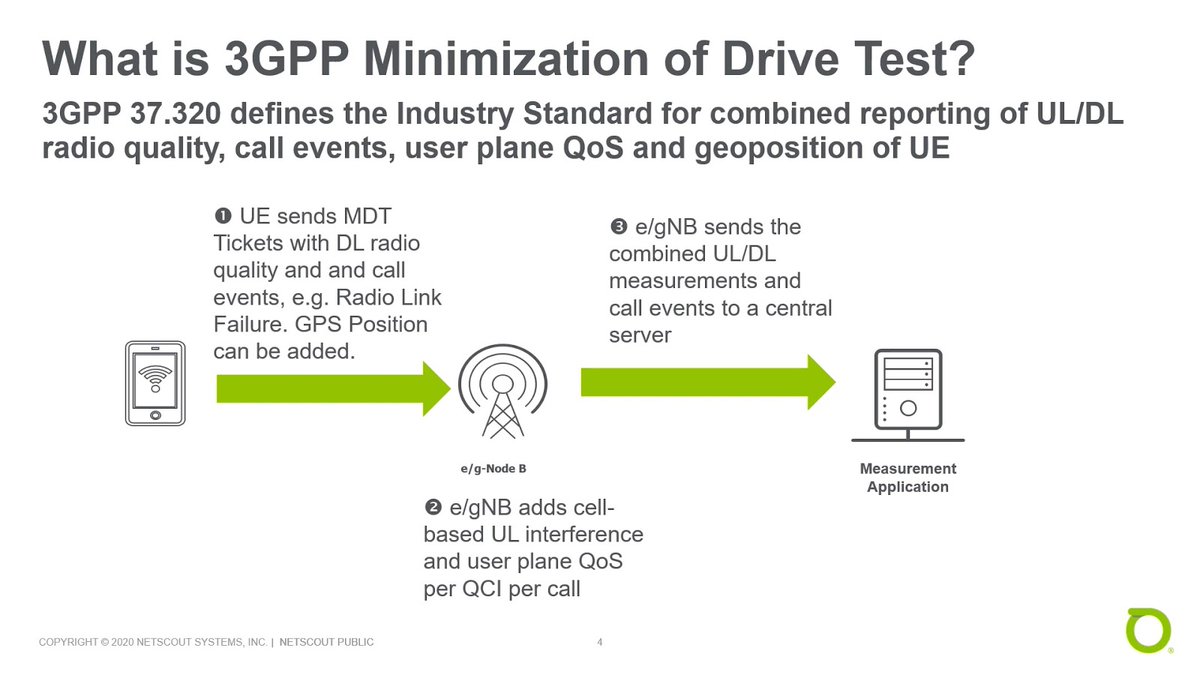
ICYM this post from @KreherRalf, @NETSCOUT on The 3G4G Blog about 3GPP MDT - How it works and what is new in Rel. 16 - blog.3g4g.co.uk/2020/08/3gpp…
#Free5Gtraining #3G4G5G #4G #5G #SON #DriveTesting #RLfailure #5Gsignaling #RRC #Immediate #Logged #Reporting
3
2
4 Sep 2020
The 3G4G Blog has some details on how the SON Feature, Minimization of Drive Testing (#MDT) works in 5G - blog.3g4g.co.uk/2020/08/3gpp… via @KreherRalf, @NETSCOUT
#Free5Gtraining #3G4G5G #4G #5G #SON #DriveTesting #RLfailure #5Gsignaling #RRC #Immediate #Logged #Reporting
4
6

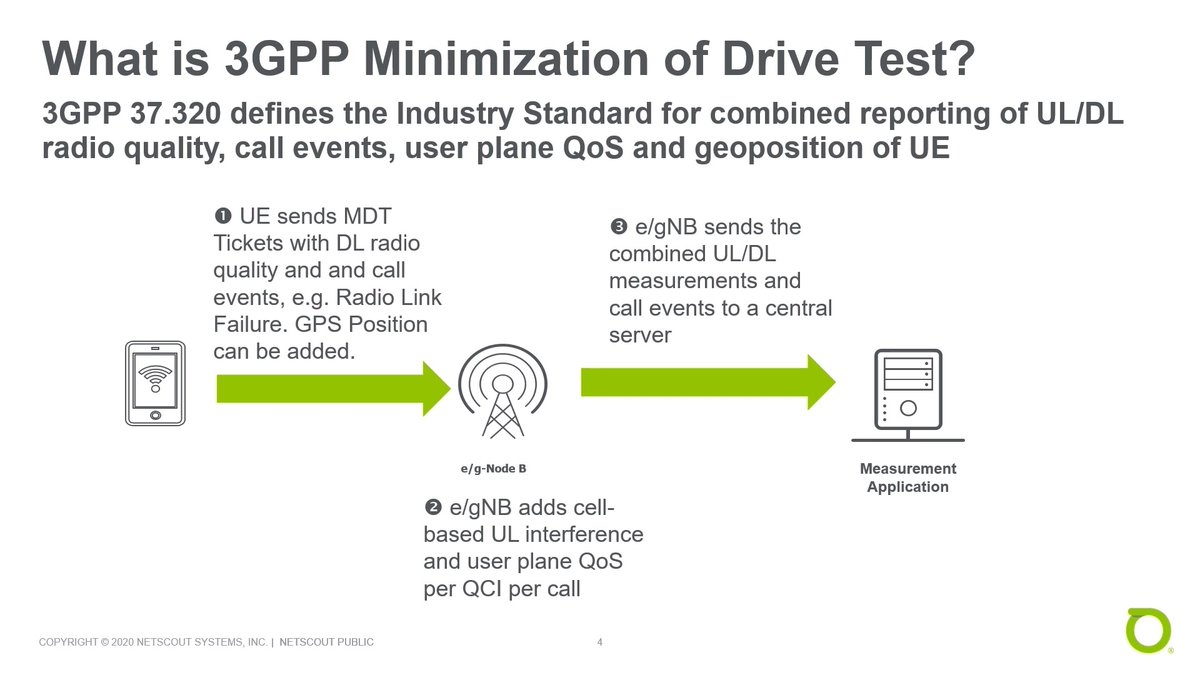
The 3G4G Blog: 3GPP MDT - How it works and what is new in Rel. 16 - blog.3g4g.co.uk/2020/08/3gpp…, via @KreherRalf, @NETSCOUT
#3G4G5G #4G #5G #SelfOrganizingNetworks #SON #DriveTesting #MDT #RLfailure #5Gsignaling #RRC #Signalling
5
12

9 Jul 2020
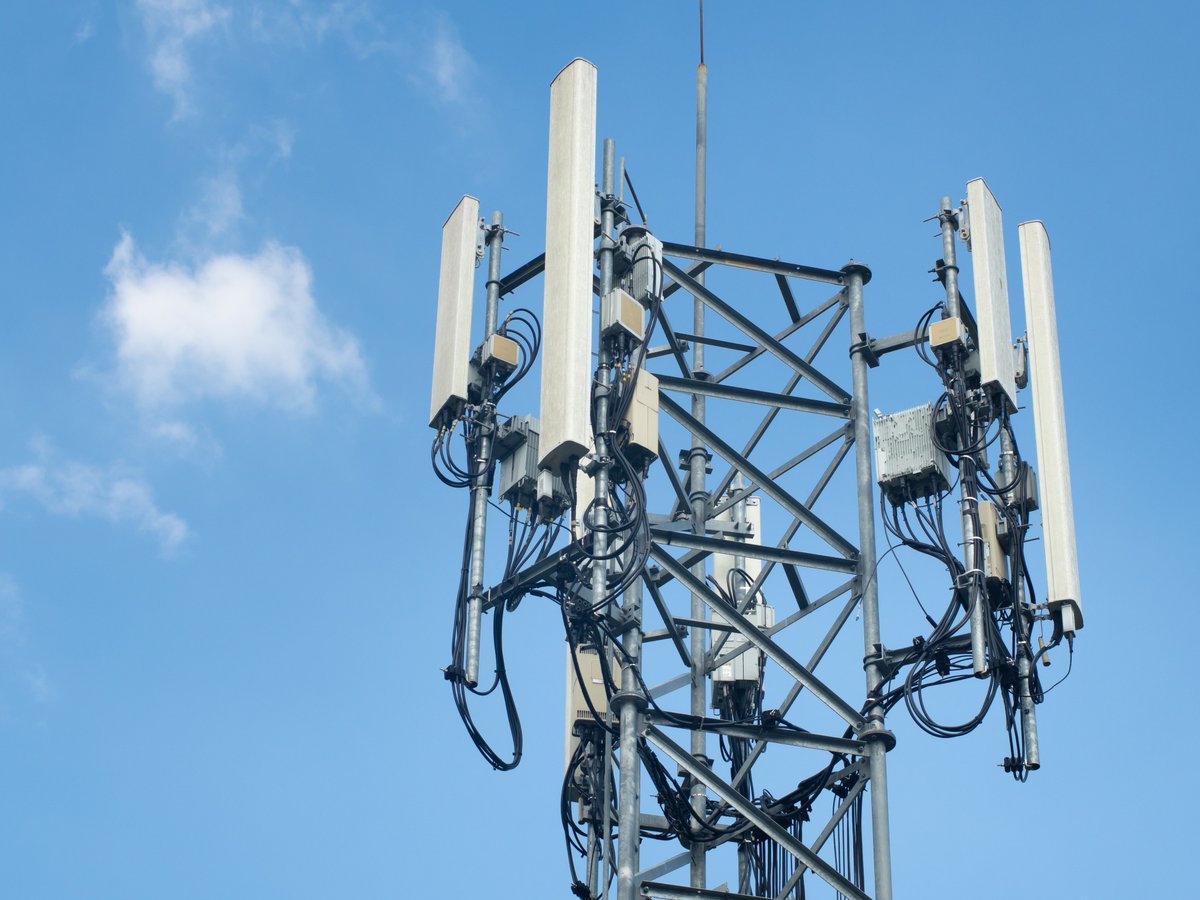
Envista boosts cellular forensics services with forensics radio frequency surveys for cell tower service verification. Read about our latest technology here: envistaforensics.com/about/n… #digitalforensics #frequencysurvey #drivetesting
1
2

14 Mar 2019
The benchamark KPIs that needs to measure for a 3G network during a drive test
qr.ae/TW7dN0
#network #networking #networks #3G #networkperformance #networks #networking #networkmonitoring #networkanalytics #networktesting #NetworkVisibility #drivetesting
2

10 Feb 2018
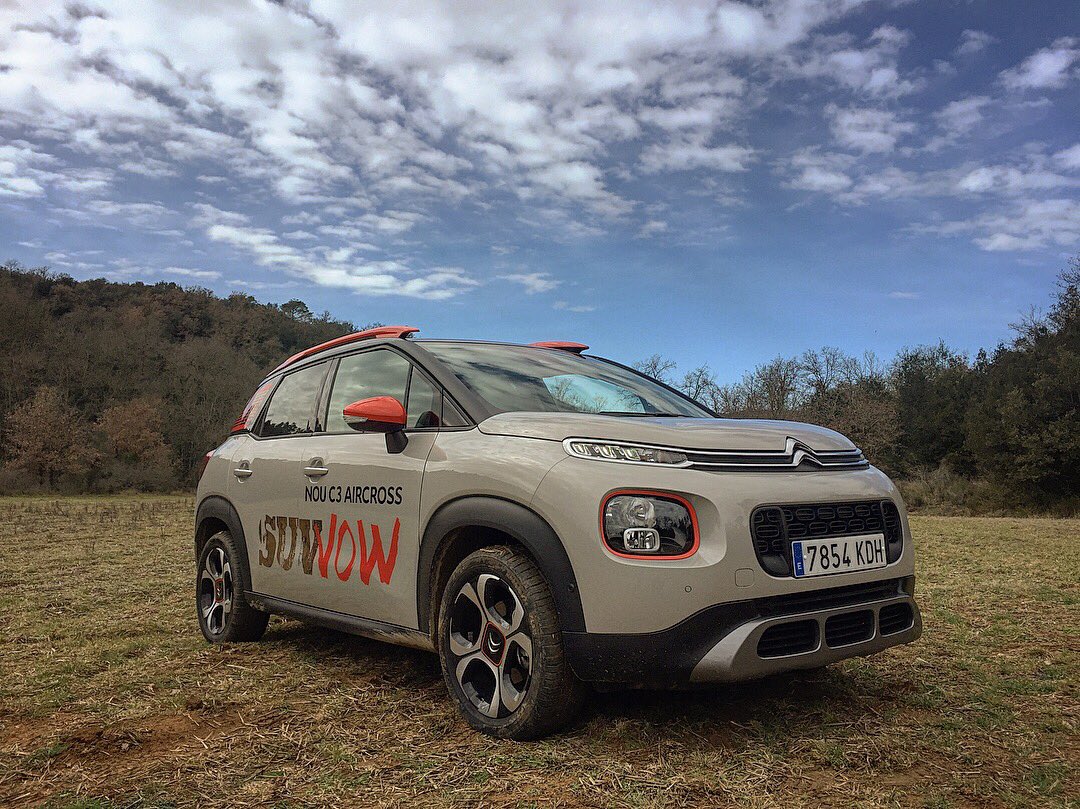
Matí entretingut amb @GrupAndreu #Girona testejant el #GripControl del nou #SUV #C3Aircross de #Citroën
• • •
#GarageAndreu #GrupAndreu #Citroen #C3 #Aircross #TestingDrive #DriveTesting #GripTesting #DriveTest #GripTest @CitroenEspana @Citroen
1
10 Feb 2018
Matí entretingut amb @GrupAndreu #Girona testejant el #GripControl del nou #SUV #C3Aircross de #Citroën
• • •
#GarageAndreu #GrupAndreu #Citroen #C3 #Aircross #TestingDrive #DriveTesting #GripTesting #DriveTest #GripTest
1
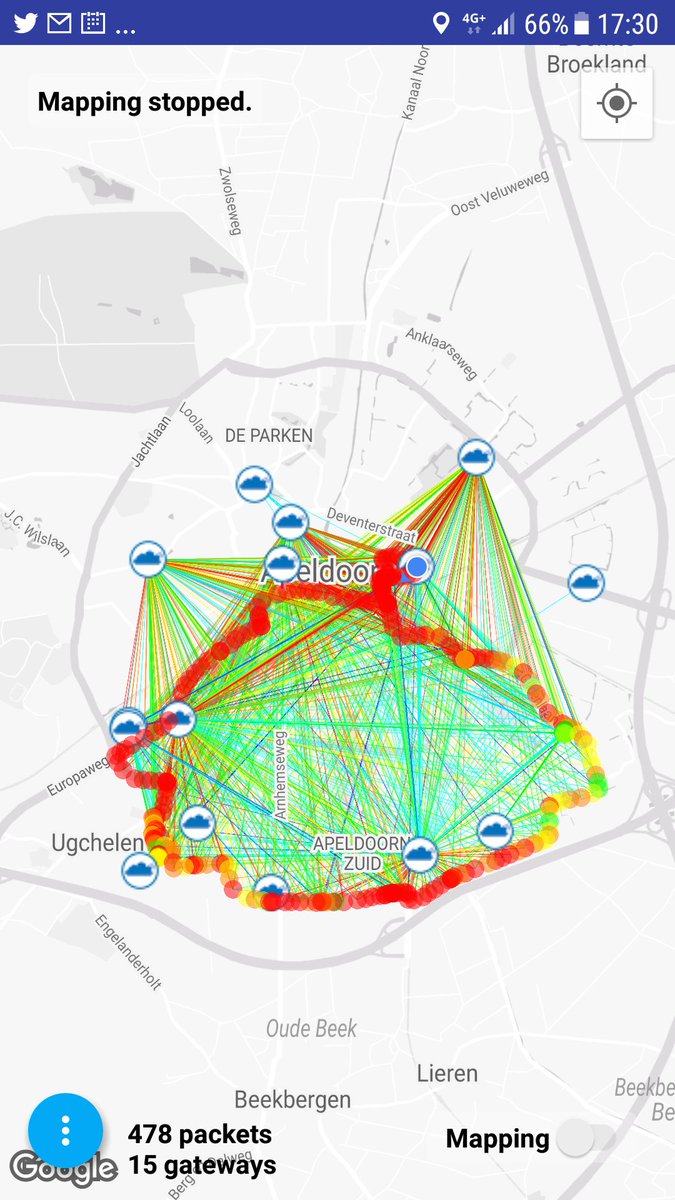
@thethingsntwrk I have to work on the shape of my christmas ball #drivetesting #TTNMapper in @TTNApeldoorn
1
5

11 Dec 2017
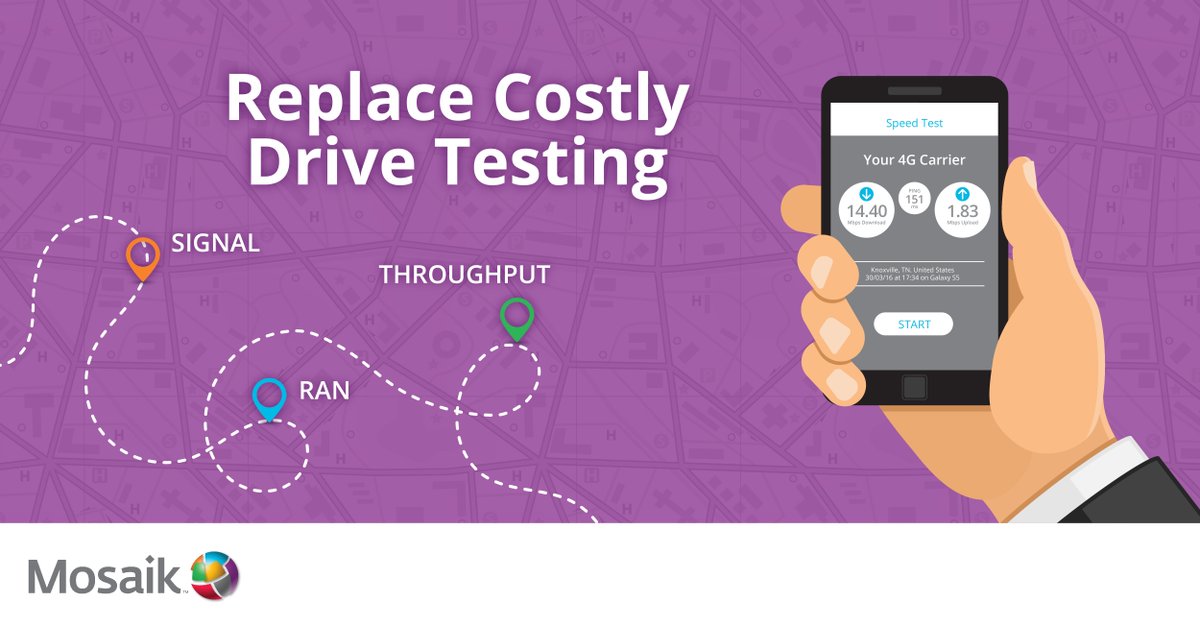
Why pay for expensive #drivetesting when your subscribers are already deployed in the field? Our Network QoE solution takes device-level measurements directly from your network so that you can understand the true mobile experience. Learn more ow.ly/694x30h5hnv
2

18 Nov 2017

1
4
