
May 3
🌅 GARCH Quant Academic Series|D. E. Shaw
📖 【Day 4/7】Portfolio Construction with Dynamic Risk Constraints
👤 Authors: D. E. Shaw Research (2003), Institutional Investment Research
📌 Summary
This paper explores portfolio construction under dynamic risk constraints. It proposes an adaptive portfolio optimization framework that dynamically adjusts risk budgets in response to real-time changes in market volatility and correlation structures. The study examines how to maximize returns while keeping overall risk under control, with strong emphasis on advanced risk measures such as Conditional Value-at-Risk (CVaR).
🏛️ Key Academic Contributions
• Proposed a CVaR-based portfolio optimization model that captures tail risk far more effectively than traditional variance approaches
• Designed dynamic risk budgeting mechanisms that adjust asset class exposures in real time according to prevailing market conditions
• Introduced a hybrid risk estimation approach combining multi-factor risk models with statistical factor models
📚 Why It’s Essential Reading
An advanced must-read for portfolio risk management.
The paper skillfully integrates academic risk theory with D.E. Shaw’s practical experience, offering profound insights into dynamic risk control in portfolio construction.
#DEShaw #PortfolioOptimization #CVaR #RiskManagement #DynamicRisk #QuantResearch #GARCHQuant
5
86

9 Dec 2025
Does liquidation always close at 50% of the debt? I wish it were that simple. @MultichainZ_ works a bit smarter: Variable Liquidation Close Factor.
So the system looks at this: "Is this wallet going under or is it still salvageable?"
If the risk is at a normal level → liquidation usually closes half.
But in a position that has reached the Insolvency line, the situation changes: The protocol can tell the liquidator to "Sell everything, close the debt completely."
What does this mean? Dynamic, adaptive risk management within the Omnichain Credit Protocol. Can a lending protocol exist without protecting funds? Especially when cross-chain liquidity is involved...
MultichainZ breaks the classic DeFi logic here:
Liquidation ≠ fixed rule → a mechanism that works according to the situation, cleaning the protocol of bad debt. Frankly, it's closer to the behavior of real financial systems (TradFi). Because when RWA, LSD, yield-bearing assets, even NFTs are collateral, you can't manage risk with a single model.
That's why MultichainZ is closing the "single chain single rule" era. Seamless liquidity, bridging cost offsets, omnichain design... When all these come together, the result is much more than just a lending protocol: it's an on-chain structure that operates like a Financial Tech Company.
This is precisely why everyone from Plume Network to ChainZ Army is excited: Rules aren't memorized; they're situation-based. Risk isn't static it's dynamic. Liquidation isn't a single move it's adaptive.
And it must be said: The future of DeFi will be exactly like this smart, multi-chain, not avoiding risk but managing it. MultichainZ is ahead of the curve here.
@MultichainZ_ @Bantr_fun #LiquidationRules #Solvency #DynamicRisk #MultichainZ #Omnichain #DeFi #RWA #Lending #Bantr

72
1
59
288

13 Nov 2025
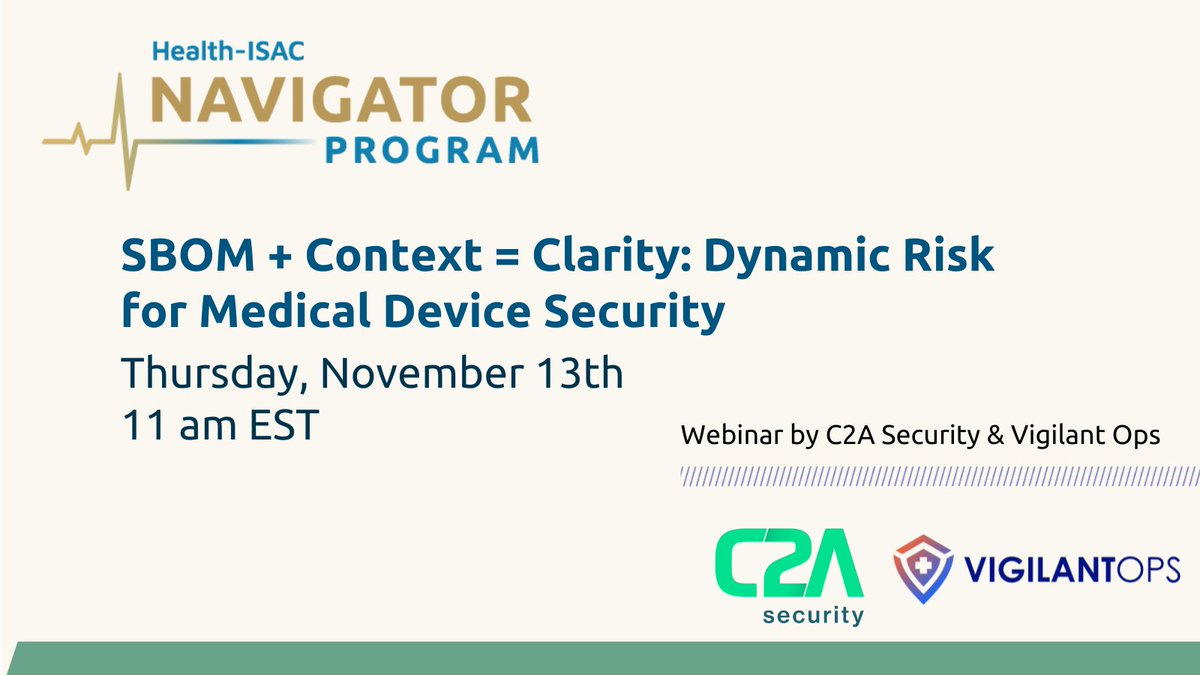
TODAY AT 11 AM ET. SBOM Context = Clarity: Dynamic Risk for Medical Device Security webinar by Health-ISAC Navigator, @C2A_Security featuring @vigilant_ops. Register- portal.h-isac.org/s/communit…. #SBOM #FDA524B #DynamicRisk
2
69

19 Jun 2025
Not every move needs your money.
Today’s market is full of traps:
– War headlines
– Retail sales whipsaws
– Traders chasing noise
🎯 Your edge is patience.
✔️ Let levels confirm
✔️ Let setups mature
✔️ Let risk guide size
Trade clean — not fast.
@moneyflowgroup @moneyflowtradegroup
#SPX #options #daytrading #mindset #dynamicrisk #tradingpsychology
2
4
69

9 Jun 2025
Forget fixed rules. CoreX runs contextual risk protocols:
📈 Bull runs
📉 Bear traps
🔁 Sideways chop
Each scenario triggers a different behavior tree.
No market is too noisy.
#DynamicRisk #CoreXDefense

16
115

2 Jan 2023
3
75

1 Apr 2022
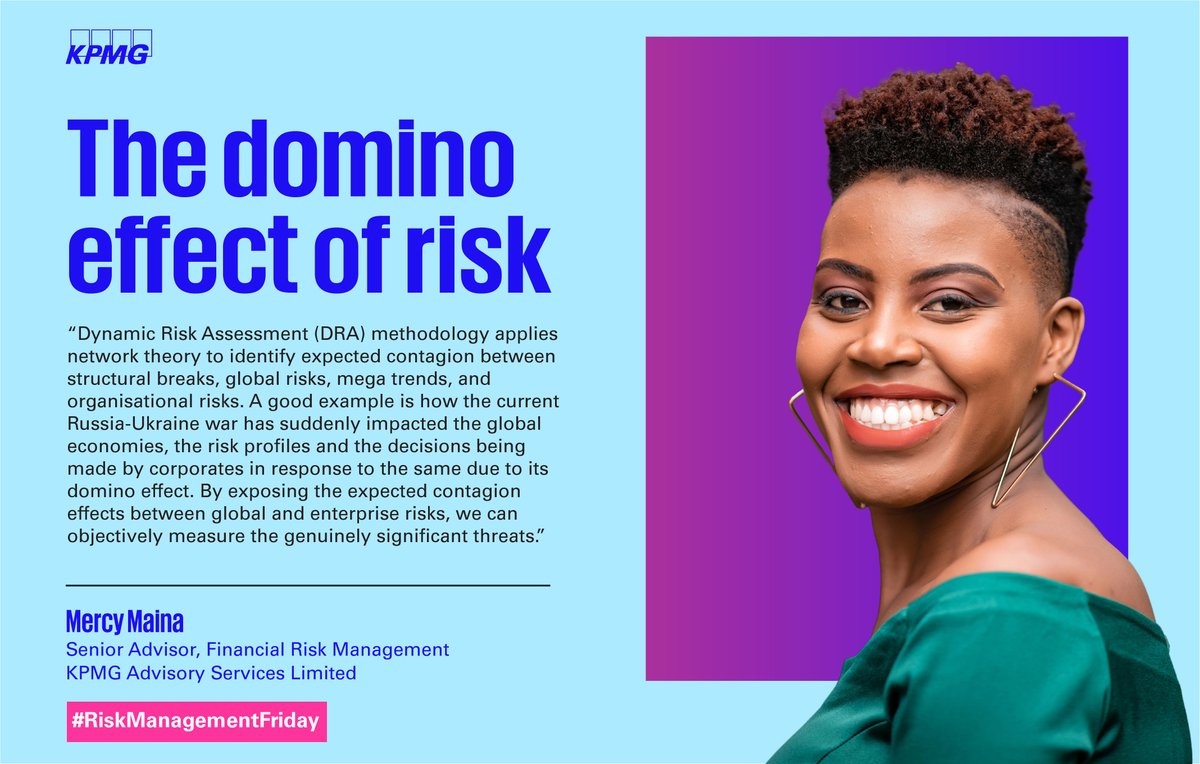
#RiskManagementFriday: Mercy Maina, Senior Advisor - Financial Risk Management @KPMGEastAfrica, shares insights on the domino effect of risk.
#DynamicRisk
2

31 Jan 2022
The term ‘Dynamic Risk Assessment’ is commonly used to describe a process of risk assessment being carried out in a changing environment
kycportal.com/kycp-dynamic-r…
#kyc #kycportal #aml #riskmanagement #riskassessment #dynamicrisk #dynamic #riskbasedprocess #strenghtenKYC #automation
1
2




4 Nov 2021
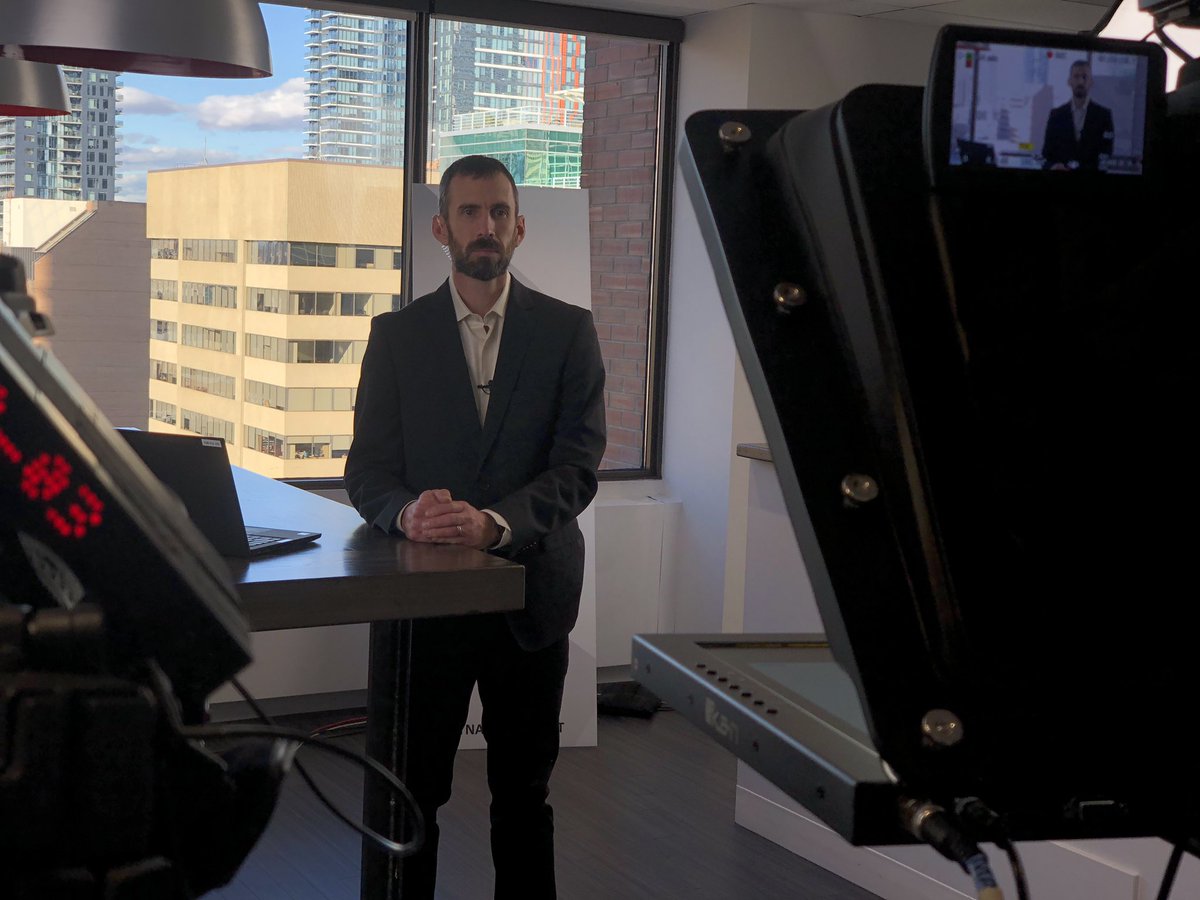
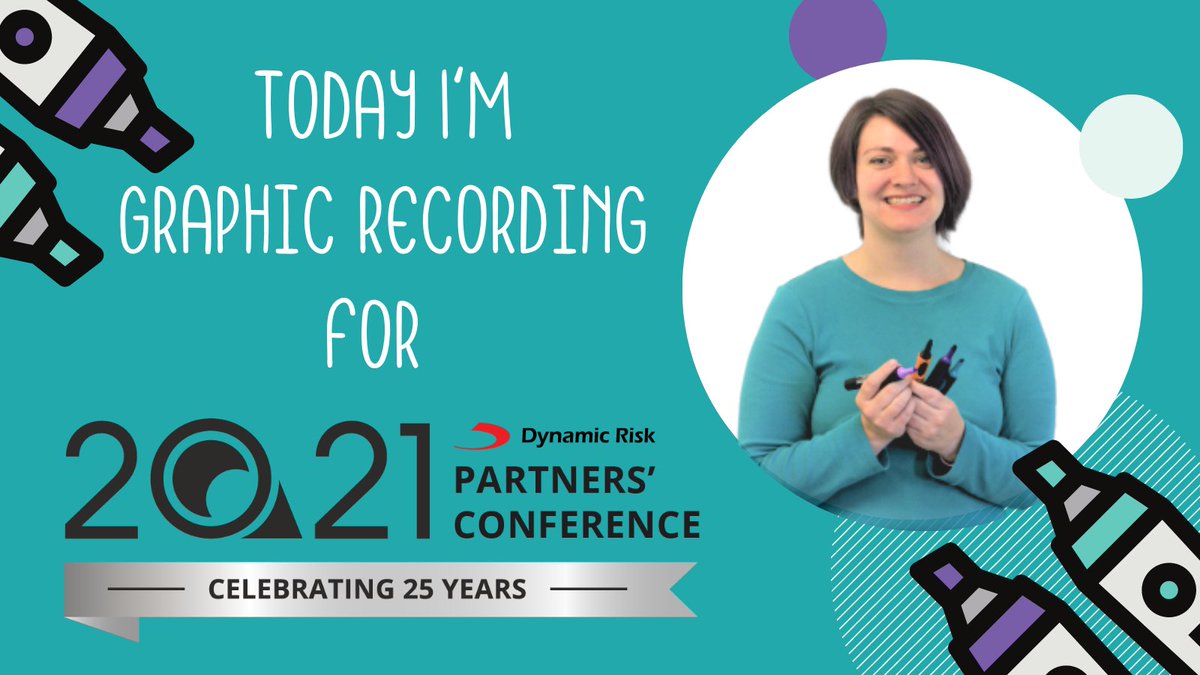
The markers are ready for the @DynamicRisk event!! 🖍🖍🖍
pos.li/2jx2qe
#PC2021 #GraphicRecording #GraphicFacilitation #sketchnote #VirtualEvent #LiveEvent #LiveScribe #VisualStoryTelling #VisualThinking #MindsEyeCreative
5

27 Nov 2019
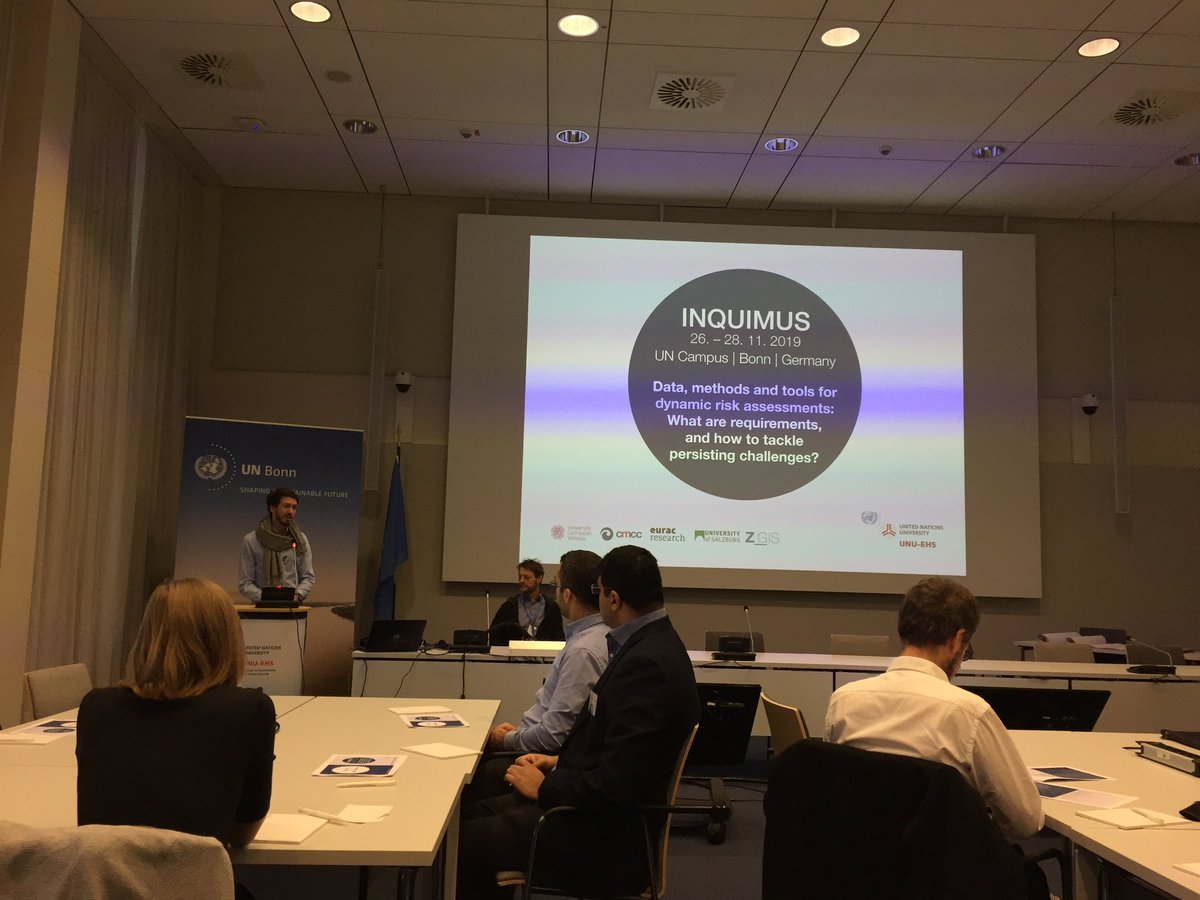
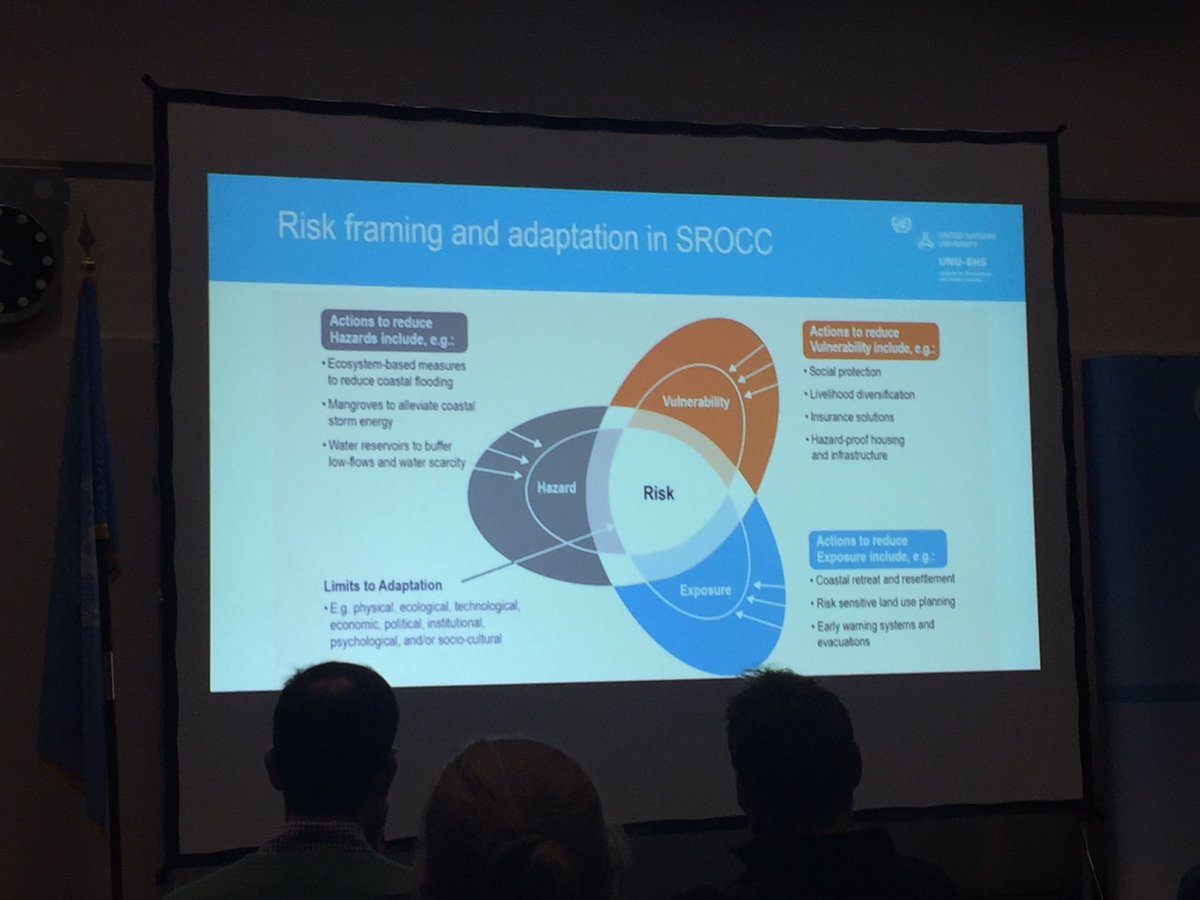
Data, methods and tools for #dynamicrisk assessments. Looking forward to an exciting #INQUIMUS workshop @UNUEHS @IIASAVienna
2
4

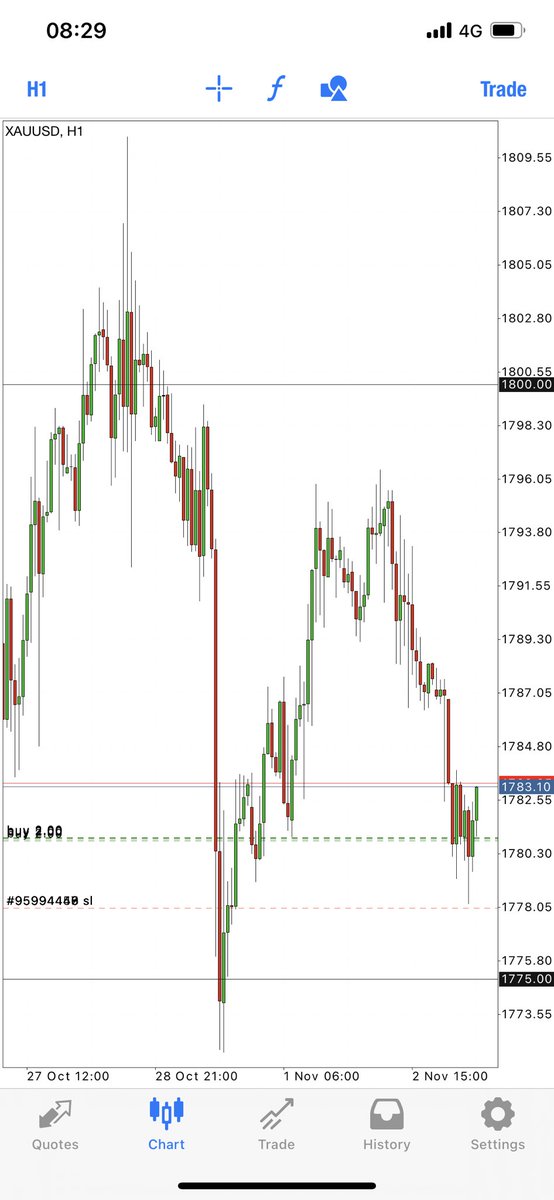
Now shifting entire focus to increase #profitability instead of #accuracy.
Believe this is the major change as a journey of a successful trader.
Let me see how it goes.
#algotrade
#pyramidding
#highProbability days
#riskMgmt
#dynamicRisk
1
8

8 Feb 2019
This is so true, and equally applies in the marine environment 💨💨🌊🌊⛴ #safetyatsea #CrewResourceManagement #DynamicRisk Management #professionals doing their job 👍😊
8 Feb 2019

Often the reporting of go arounds is seen as a failure in some way of the pilots skills. In fact, the opposite is correct. A go around shows that prudent decisions were made to ensure the safety of the aircraft, customers, and crew by professionals doing there job. #StormErik

6

3 Oct 2018
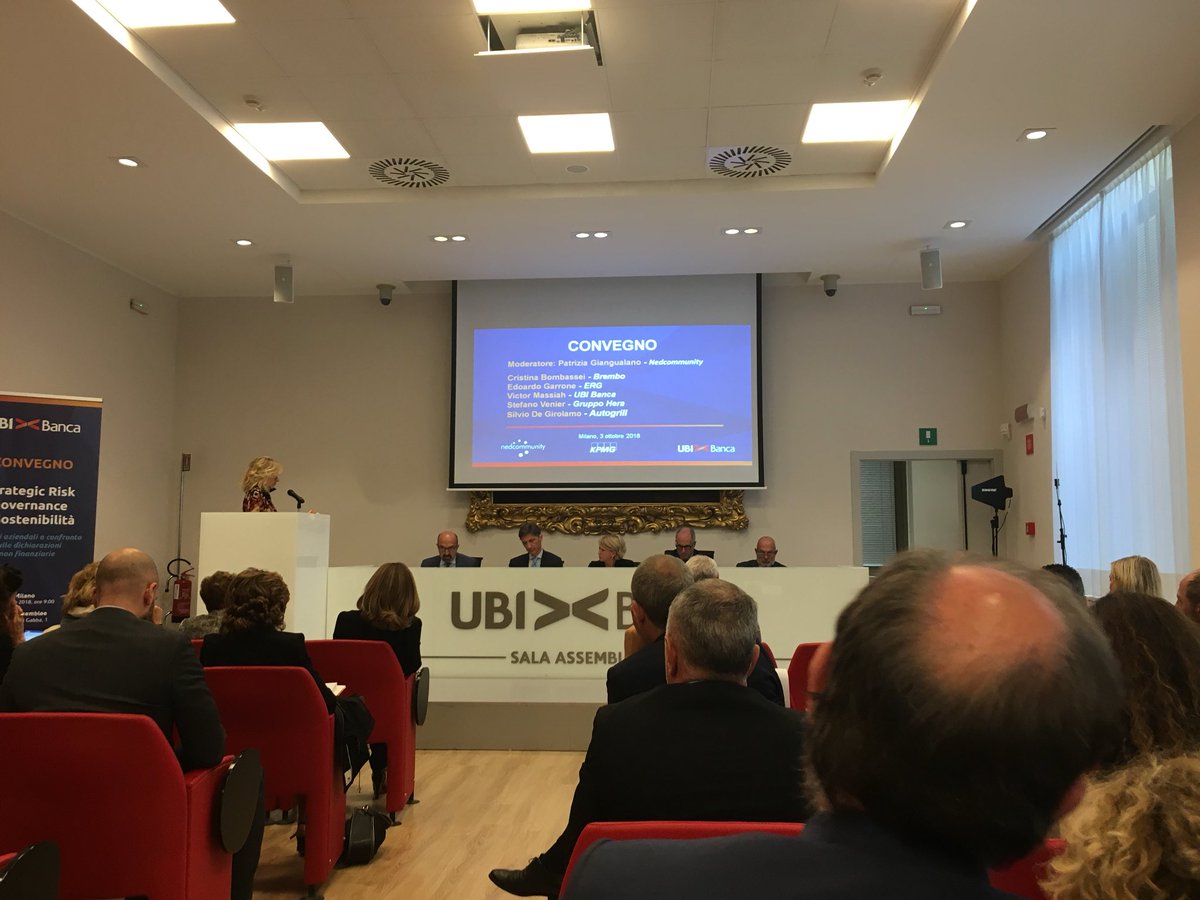
Per gestire la complessità e’ necessario gestire i rischi in maniera dinamica #DynamicRisk Assessment : analizzare le interdipendenze esistenti e riuscire a sviluppare un ‘pensiero digitale’ @Autogrill_it @Silviodg
2

9 Nov 2017
Learning to make correct decisions today. @ArgyllCollege #uhi #scotlandoutside #dynamicrisk #coasteering #LeadershipDevelopment #outdoorlearning #students #skillstraining instructed by #hebrideanpursuits #thinkuhi #bestclassroom


2
4

31 Oct 2017
NOTE TO THE CISO: PART 3– The Future of Application Security
#mobilesecurity #CAST #ContextualSecurity #DynamicRisk
ow.ly/Ub8d30gfwZI
1
2