
Feb 26
☀️🌍🌕 WHERE CAN YOU SEE THE TOTAL LUNAR ECLIPSE?
Watch the Shadow Move Across the Globe.
On March 3, 2026, the Moon slides into Earth's shadow, and this animation shows exactly who gets a front-row seat and who misses out.
Watch the shaded region sweep westward across the globe. If you're inside that region, you can see the eclipse. If you're on the edge? That's where it gets interesting. 👀
🌅 Eastern edge (right side): The Moon is setting as the eclipse happens. Observers here see the Moon sink below the horizon mid-eclipse. Imagine watching a Blood Moon melt into the sunrise. Dramatic, but you won't see the whole show.
🌄 Western edge (left side): The Moon is rising already in eclipse. You'll step outside to see a red Moon climbing above the horizon, no waiting required.
🎯 The contour lines on the map mark the boundaries at each "contact time," the moments when the Moon enters or exits the two parts of Earth's shadow:
→ Penumbra: the outer, lighter shadow where the Sun is only partially blocked. The dimming is subtle at first.
→ Umbra: the dark inner shadow where the Sun is completely hidden. This is where the magic happens and the Moon turns red. 🔴
If you're on a contour line, that contact happens right at your moonrise or moonset. If you're well inside the region, you get the full show from start to finish.
🌏 Best seats in the house:
→ Japan, Korea, eastern China, Australia, New Zealand, Hawaii, Alaska
→ Western US & Canada see the full event in the pre-dawn sky
→ Eastern US & Canada catch totality as the Moon sets at dawn
→ Europe & Africa, sorry, not this time 😔
This is the LAST total lunar eclipse until December 31, 2028, nearly three years away. If you're in the visibility zone, don't miss it.
📖 Full times, details & livestream links:
🔗 thesuntoday.org/eclipse26030…
🎬 Animation credit: NASA's Scientific Visualization Studio
#TotalLunarEclipse #BloodMoon #Eclipse2026 #LunarEclipse #EclipseMap #Astronomy #TheSunToday
1
14
36
2,252

7 Apr 2024
Recalculate: New map where it's possible to see the path of totality is now slightly narrower than NASA had said.
That means some cities on the edge of the route that were expecting to experience total darkness might be left out.
NASA was off in 2017 too! 😏
#SolarEclipse2024 #EclipseMap #pathoftotality
3
6
913

Behold the iconic darkening in @kennethfield #eclipsemap. It makes me want to be able to zoom right in and see street scenes of people along the path looking up with their solar glasses. There must be an AI prompt for this
1 Apr 2024

One week to go until the #TotalSolarEclipse across the US, and my map is featured in @mapsdotcom ☀️🌕
2
528

21 Aug 2017
Don't miss today's #SolarEclipse. Check out the Top 11 maps that explain the Eclipse. ow.ly/LmhN30evOvx #EclipseMap #Eclipse
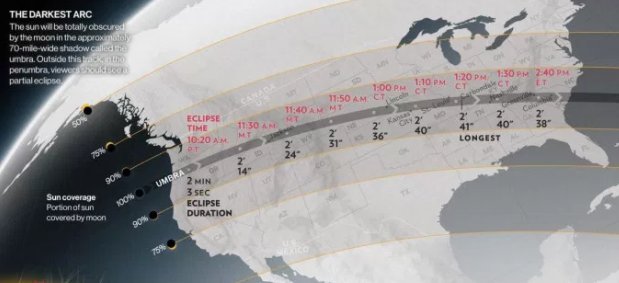
1
1

21 Aug 2017
Who out there is going to the meridian of the #greatamericaneclipse? Don't forget your #EclipseGlasses, #sciart #eclipsemap
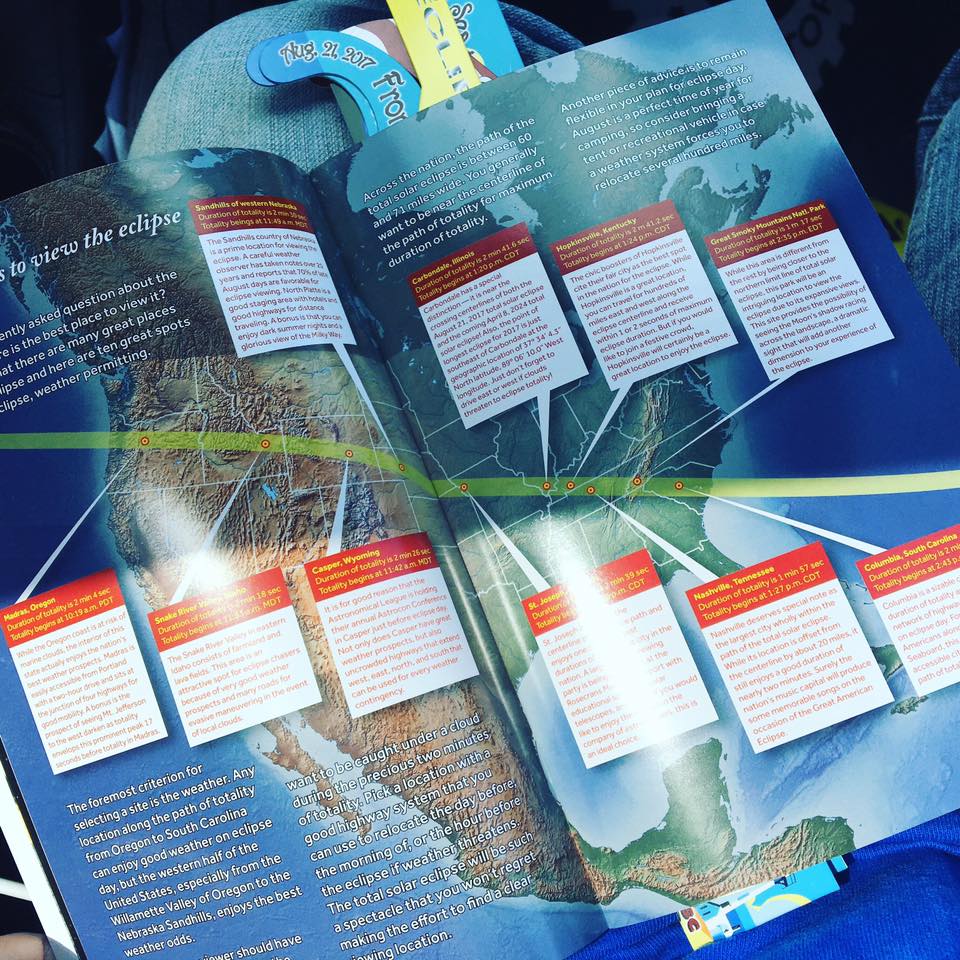
1

21 Aug 2017
Who out there is going to the meridian of the #greatamericaneclipse? Don't forget your #EclipseGlasses, #sciart #eclipsemap
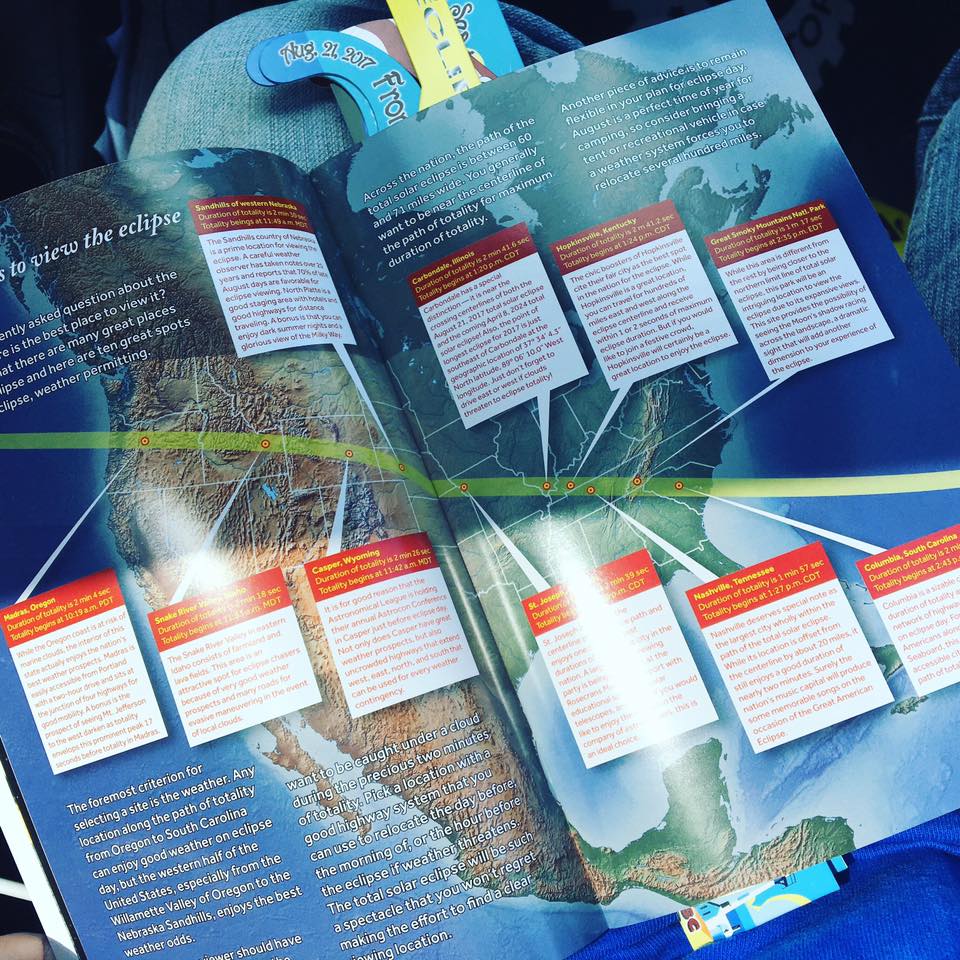
1

15 Aug 2017
Make sure you & your employees stay safe when viewing the #eclipse! Read #tips from @NASA: go.nasa.gov/2fIIthw #workcomp #eclipsemap
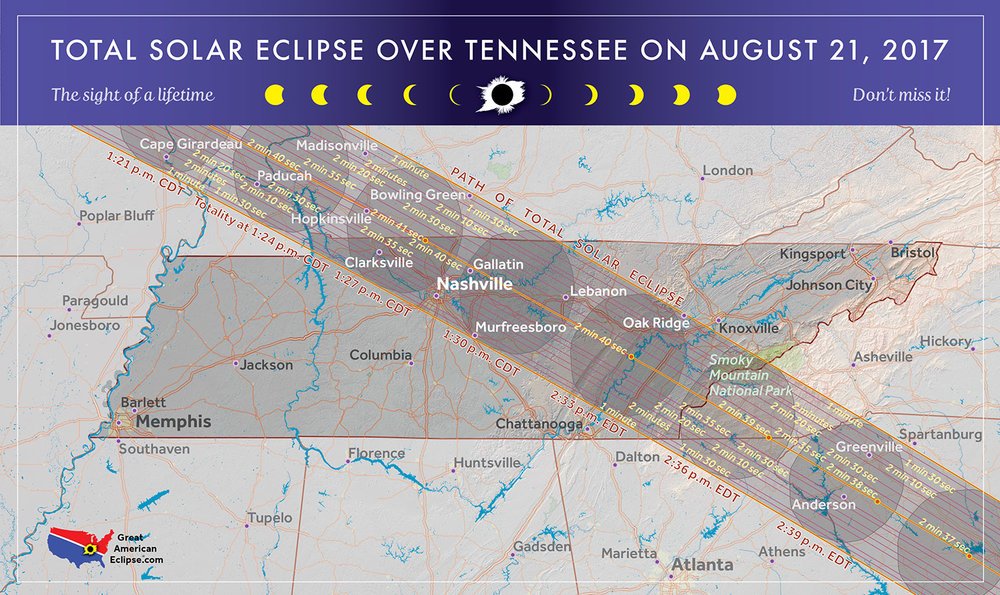
1
4

2 Aug 2017
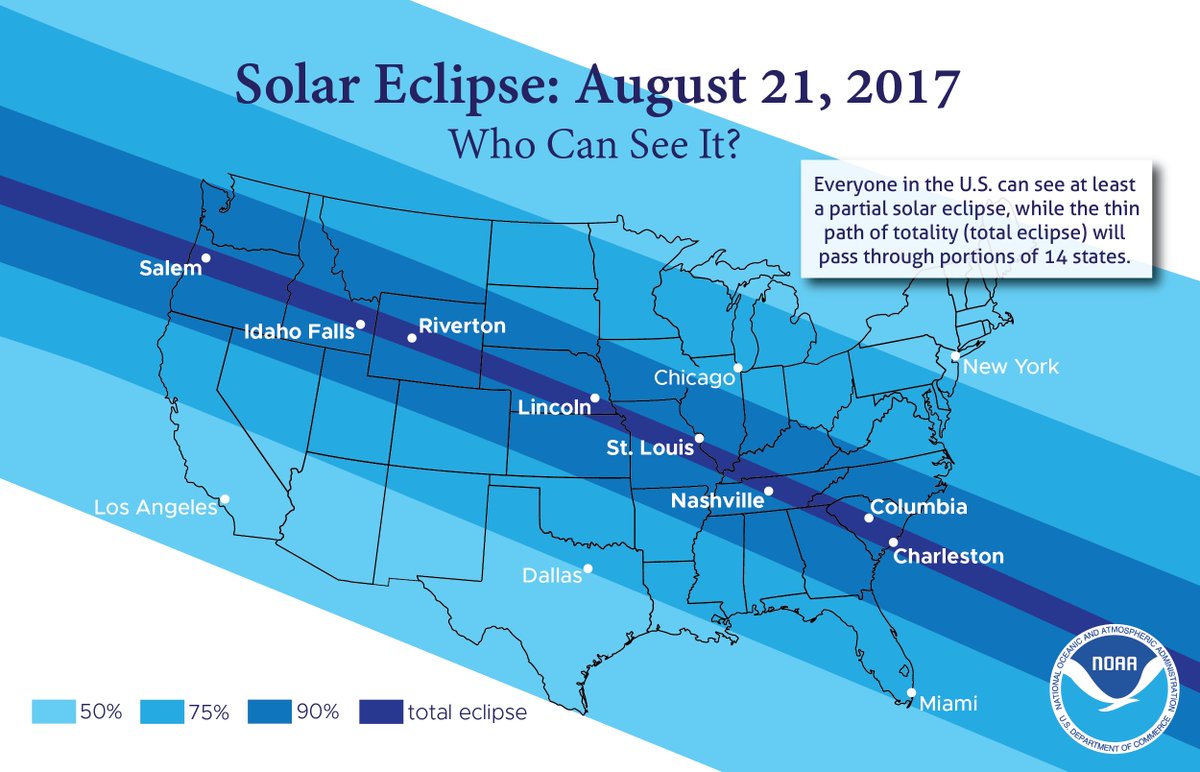
It's August - solar phenomenon coming soon. Will you be making a trip to see the total #eclipse? #EclipseMap #cawx
8
21
31

14 Jul 2017
Use our sassy, interactive #EclipseMap to help you find out the time of totality or max partiality in your area: eclipse2017.nso.edu/eclipse-…
14 Jul 2017

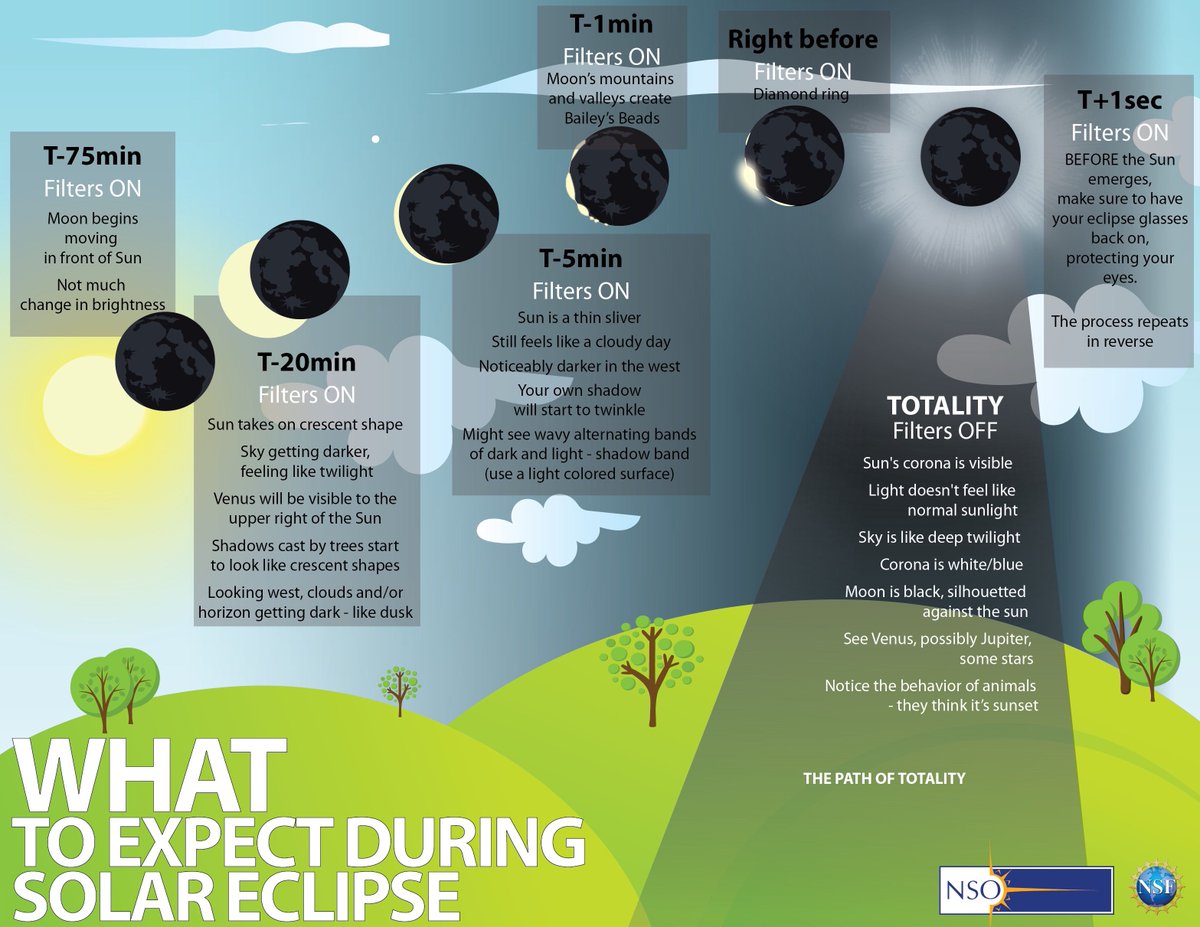
Whether heading to #totality or sticking around for a partial #SolarEclipse, this infographic will help you prep for the big day!
1