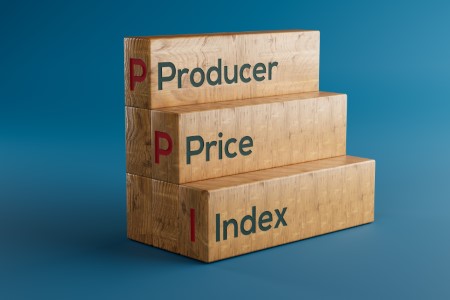
Service inflation rose in securities transaction & railway services in Mar quarter, while easing in banking, pension & insurance, as per Commerce Ministry’s first service-sector PPI data under new WPI series.
#IndiaEconomy #Inflation #WPI #ProducerPriceIndex #CommerceMinistry #EconomicData
More news below:
informistmedia.com/MoneyWire…
59

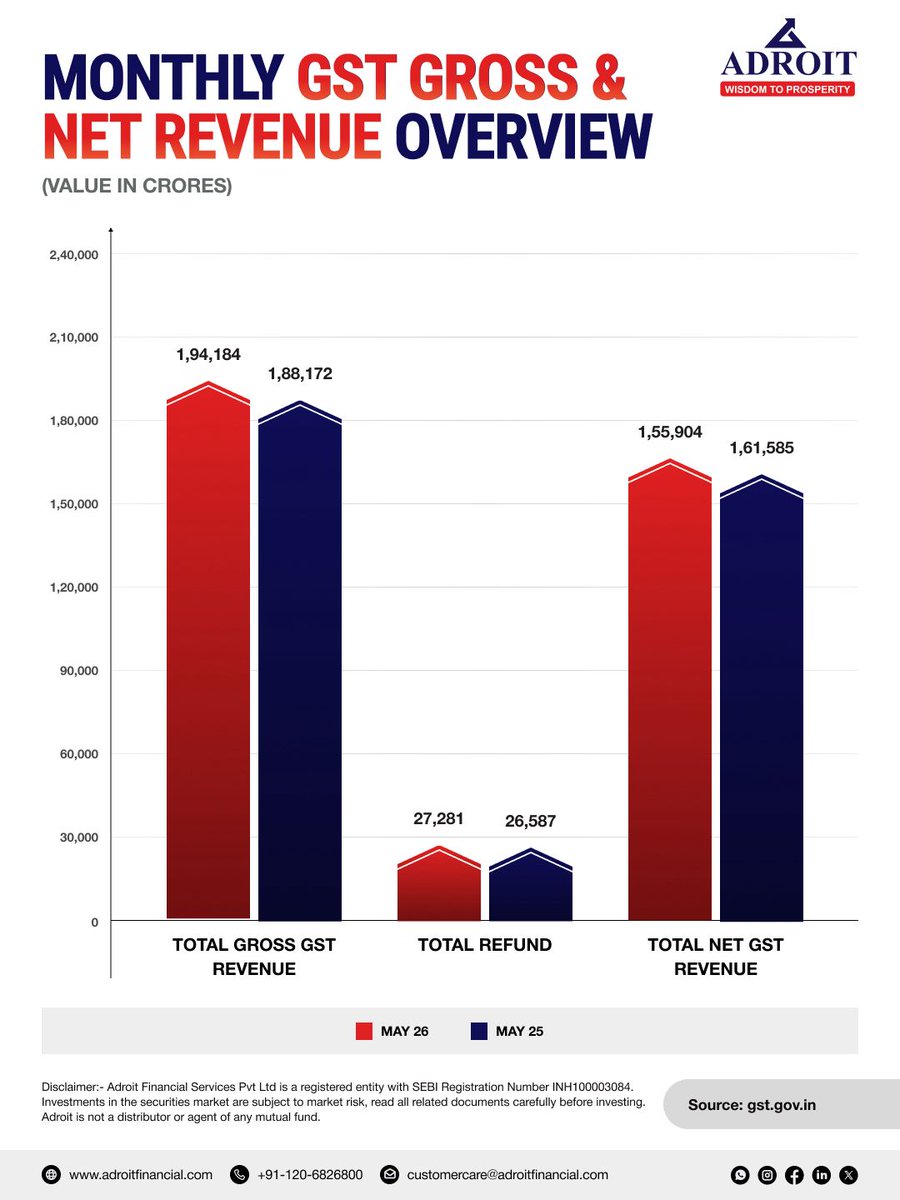
📊 GST Collections Stay Above ₹1.9 Lakh Crore in May 2026
India's GST collections remained strong in May 2026, reflecting resilient economic activity and continued tax compliance despite a high base.
🔹 Gross GST Collection: ₹1.94 lakh crore
🔹 Net GST Revenue: ₹1.67 lakh crore
🔹 Refunds Issued: ₹27,281 crore
📈Key Insight:
GST collections have consistently remained at elevated levels, indicating healthy consumption trends, robust business activity, and the continued formalisation of the economy.
💡What it means:
Sustained tax collections strengthen government finances, support infrastructure spending, and reinforce confidence in India's long-term growth story.
#GST #TaxRevenue #IndiaEconomy #EconomicGrowth #FiscalHealth #Consumption #EconomicData #MarketInsights #Investing #BusinessNews #AdroitFinancial #SamajhnaZarooriHai
5

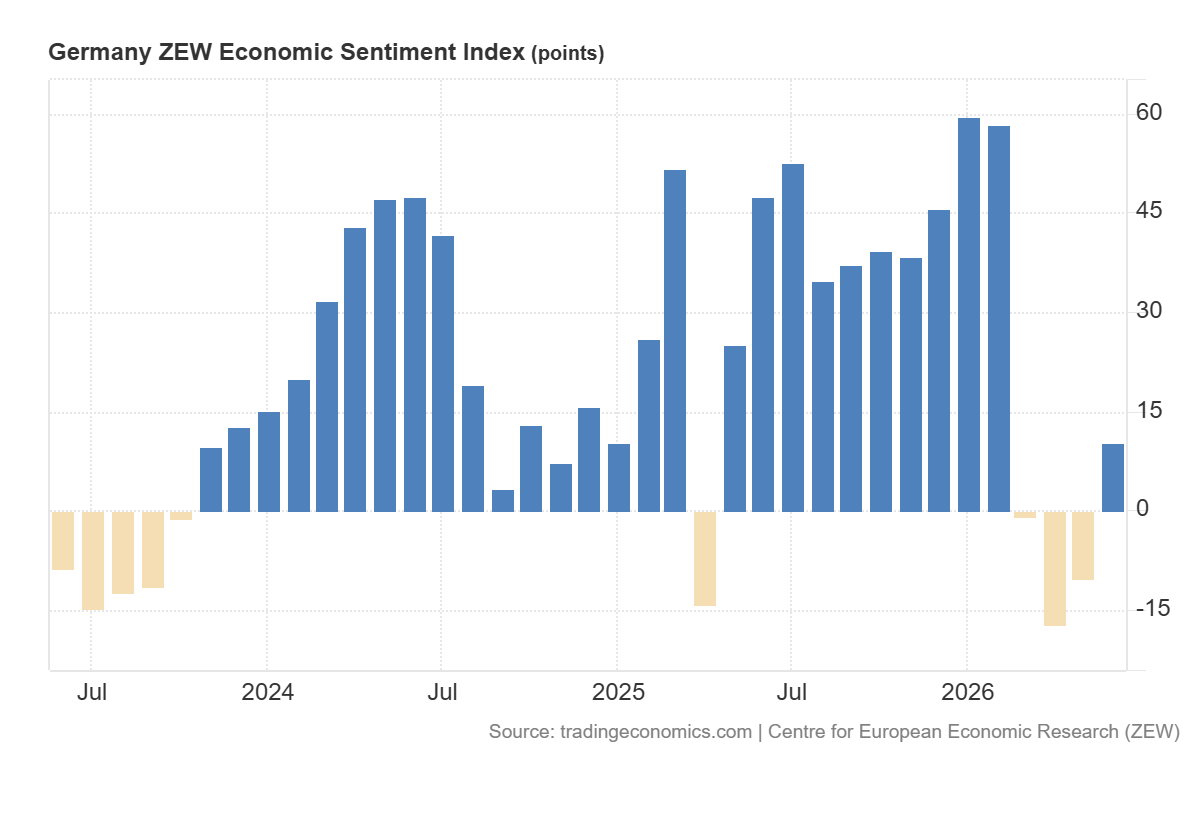
📊 Germany’s ZEW Indicator of Economic Sentiment rose by 20.7 points to 10.5 in June 2026, marking its first positive reading since March and outperforming market expectations of -6.0 [cite: Germany’s ZEW Indicator of Economic Sentiment rose 20.7 points to 10.5 in June 2026, its first positive reading since the war in the Middle East shook confidence in March, and beat market expectations of -6.0.]. The rebound is primarily driven by forward-looking optimism regarding a potential resolution to the Middle East conflict, which has softened broader energy price and inflation concerns among institutional investors. Sectoral expectations reflected this shift, with the automotive industry climbing 21.9 points, alongside steady gains in chemical ( 16.0) and mechanical engineering ( 9.2) balances, even though these aggregates remain in negative territory.
📈 Conversely, structural constraints continue to weigh on the present baseline. Germany's current economic situation assessment worsened slightly to -81, trailing the consensus expectation of -78. Additionally, the construction sector fell a further 15.2 points to -12, heavily reflecting the immediate pass-through effects of the ECB’s recent interest rate hike on June 11.
❓ Given this expanding divergence between stabilizing forward-looking sector sentiment and a deteriorating current situation baseline, how do you expect Eurozone industrial production capacity to absorb these asymmetric pressures throughout Q3?
#Macroeconomics #Germany #ZEWIndex #DataAnalytics #EconomicData #MonetaryPolicy #QuantitativeAnalysis #EconData
1
11
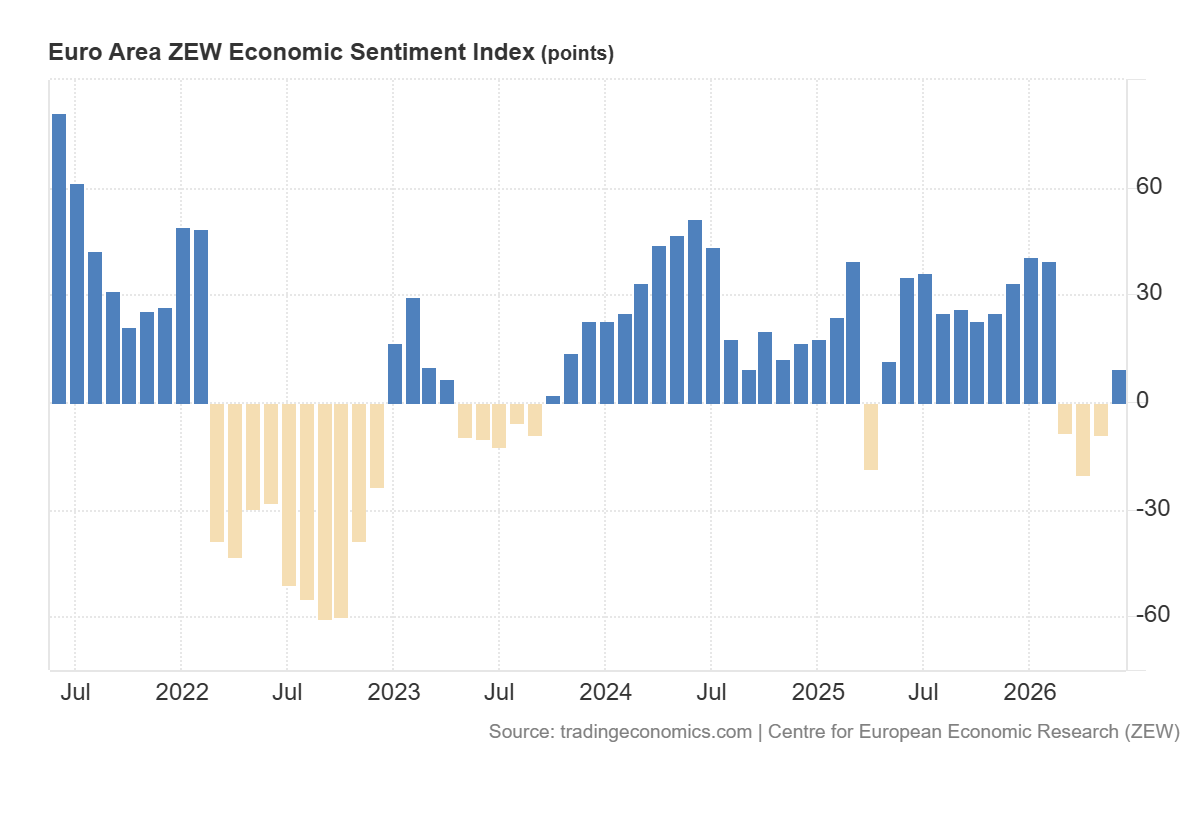
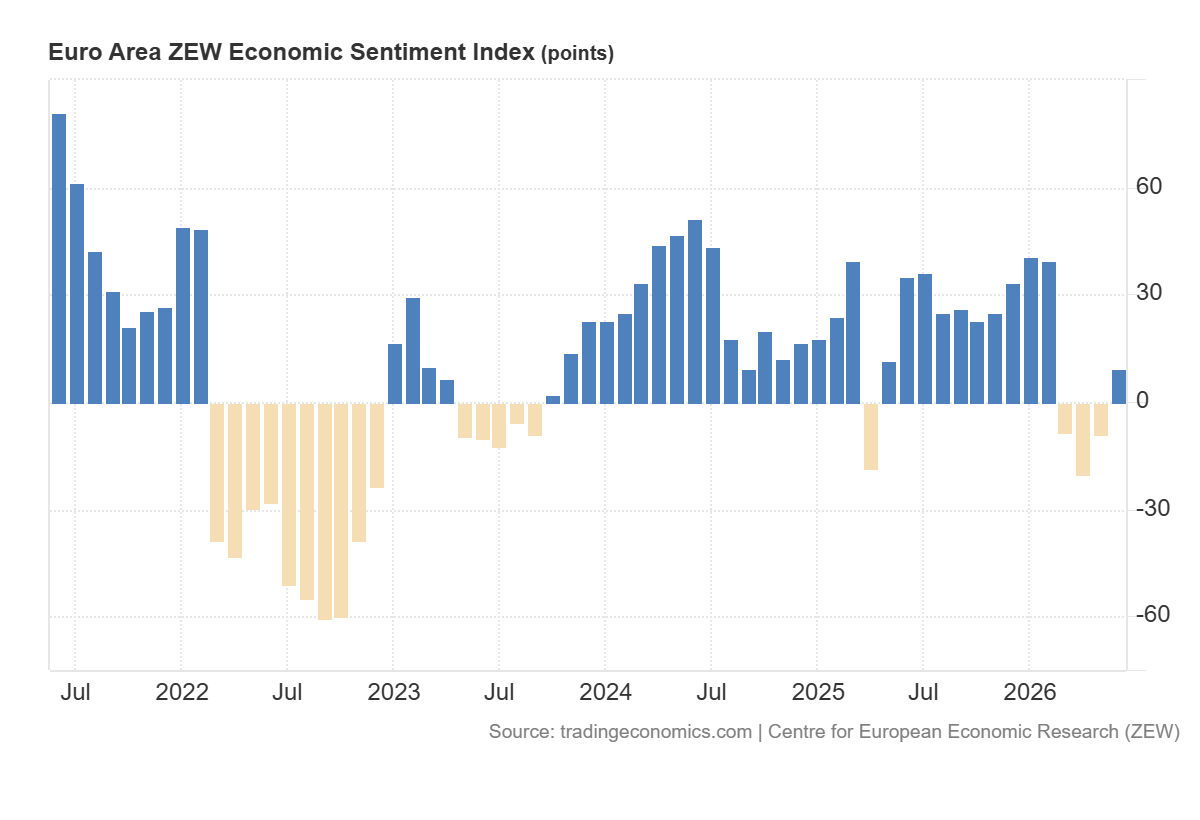
📊 The ZEW Indicator of Economic Sentiment for the Euro Area climbed by 18.6 points to 9.5 in June 2026, substantially outperforming market forecasts of -7.2. The sharp recovery is primarily underpinned by shifting geopolitical expectations regarding the Middle East conflict, which softened immediate anxieties surrounding energy inputs and structural inflation.
📈 The breakdown reveals a distinct divergence: while the forward-looking inflation expectations index fell by 19.5 points to 45.8, the assessment of the current economic situation dropped further by 2 points to -43.4. Currently, 57.7% of surveyed analysts project a flat economic trajectory, while 25.9% expect structural improvements.
❓ Given this notable gap between optimistic forward-looking sentiment and a deteriorating current situation index, how do you see the ECB managing its policy normalization pace in Q3?
#Macroeconomics #EuroArea #ZEWIndex #DataAnalytics #EconomicData #MonetaryPolicy
11

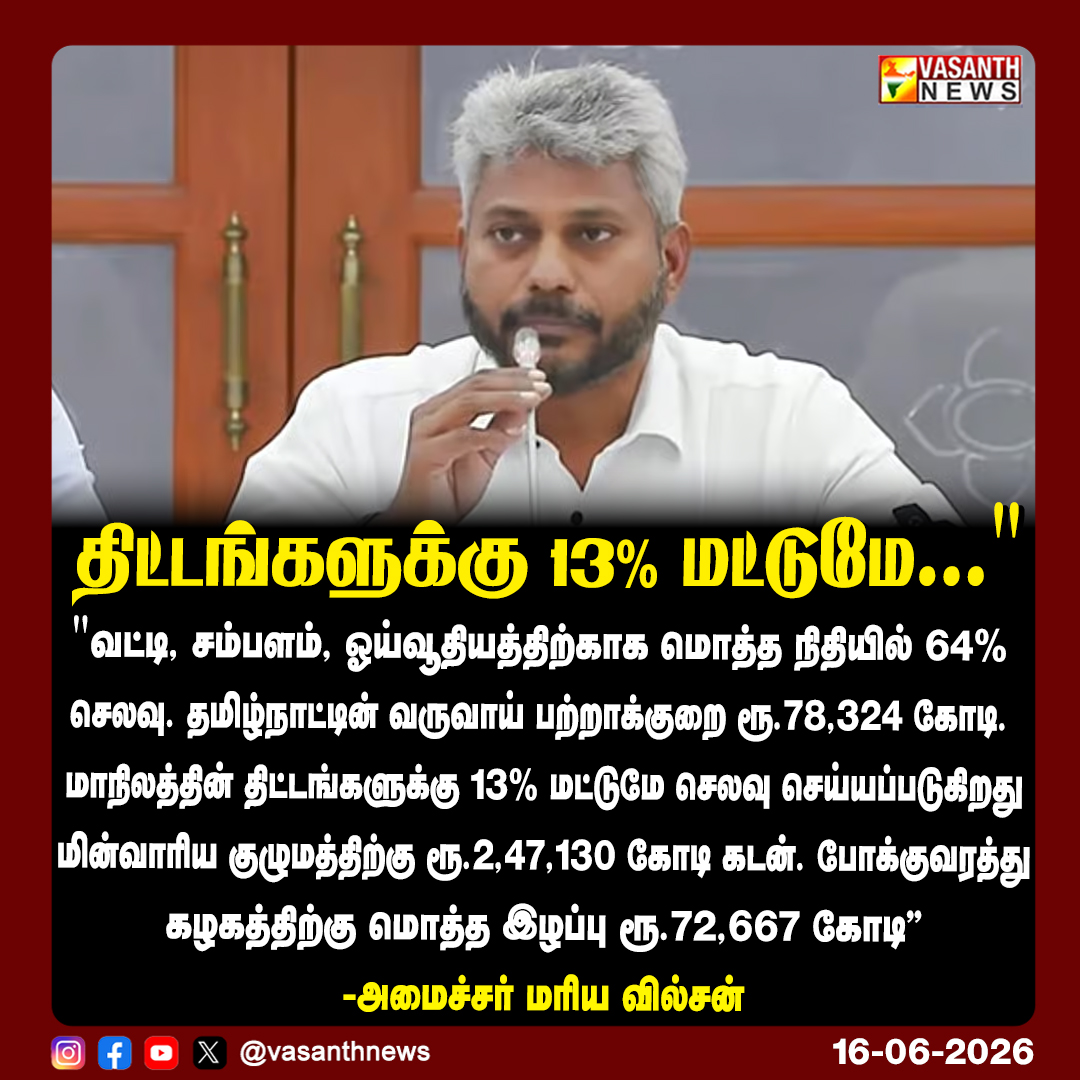
திட்டங்களுக்கு 13% மட்டுமே..."
"வட்டி, சம்பளம், ஓய்வூதியத்திற்காக மொத்த நிதியில் 64% செலவு. தமிழ்நாட்டின் வருவாய் பற்றாக்குறை ரூ.78,324 கோடி.
-அமைச்சர் மரிய வில்சன்
#TamilNaduFinance #StateBudget #MariaWilson #PublicSpending #EconomicData #vasanthnews #tvk @TVKPartyHQ
37
Markets Economic News:
$SPY 0.02% | $QQQ 0.21% (pre-market)
• 08:15 – ADP Employment Change
• 08:30 – Building Permits
• 08:30 – Housing Starts
• 08:30 – Export/Import Prices
• 16:30 – API Crude Oil Stocks
MARKETS RESEARCH: tradingview.com/chart/QQQ/hK…
#SPY #QQQ #Premarket #Macro #EconomicData
2
31

4/8 💡 EU exports to China: pharmaceuticals ( 8% YoY), luxury automobiles ( 5%), and precision instruments ( 4%). However, these are dwarfed by the flood of Chinese industrial goods. #TradePolicy #EconomicData
1
7

Expected range: 0.5870-5930 levels.
#yen #jpyinr #usdjpy #japanese #treasury #yields #economicdata #foreignexchange #currencymarket #marketanalysis #forex #bizsolfinserv #consultants #currencies #fxrisk #riskmanagement #advisory #fxmarketswithbizsol
29

📊 China May data mixed: Industrial output 4.5% y/y (exp 4.2%) BEATS, but retail sales post FIRST DECLINE since 2022. Highlights uneven recovery in world's 2nd largest economy. [Forex] #China #EconomicData #CNY
13

📢 JUNE 11 – JULY 6 ONLY - 15% off Advance Registration
Join us November 16–19, 2026, in Alexandria, Virginia, USA, for the ICGFM Fall Conference!
This exciting NEW conference will focus on Economic Data and Decision-Making, exploring how global leaders can adapt and respond to the rapidly evolving Public Financial Management (PFM) landscape.
The 4-day program brings together public financial management thought leaders to share best practices, discuss financial reforms, and explore innovative approaches to better serve citizens and communities worldwide.
💡 Gain insights through:
• Keynote presentations
• Davos-style panel discussions
• Interactive table conversations
• Extensive networking opportunities
✅ CPE credits available for all sessions
Register today and be part of the conversation shaping the future of public financial management.
👉 icgfm.memberclicks.net/2026-…
#ICGFM #PFM #PublicFinancialManagement #EconomicData #DecisionMaking #GovernmentFinance #FinancialReform #Leadership #Conference2026 #ProfessionalDevelopment

12
8/8 📊 Jio's IPO could benchmark Indian telecom valuations globally. For comparison, Bharti Airtel trades at 28x PE; Jio may command a premium at 35-40x. #JioIPO #EconomicData
53

Jun 15
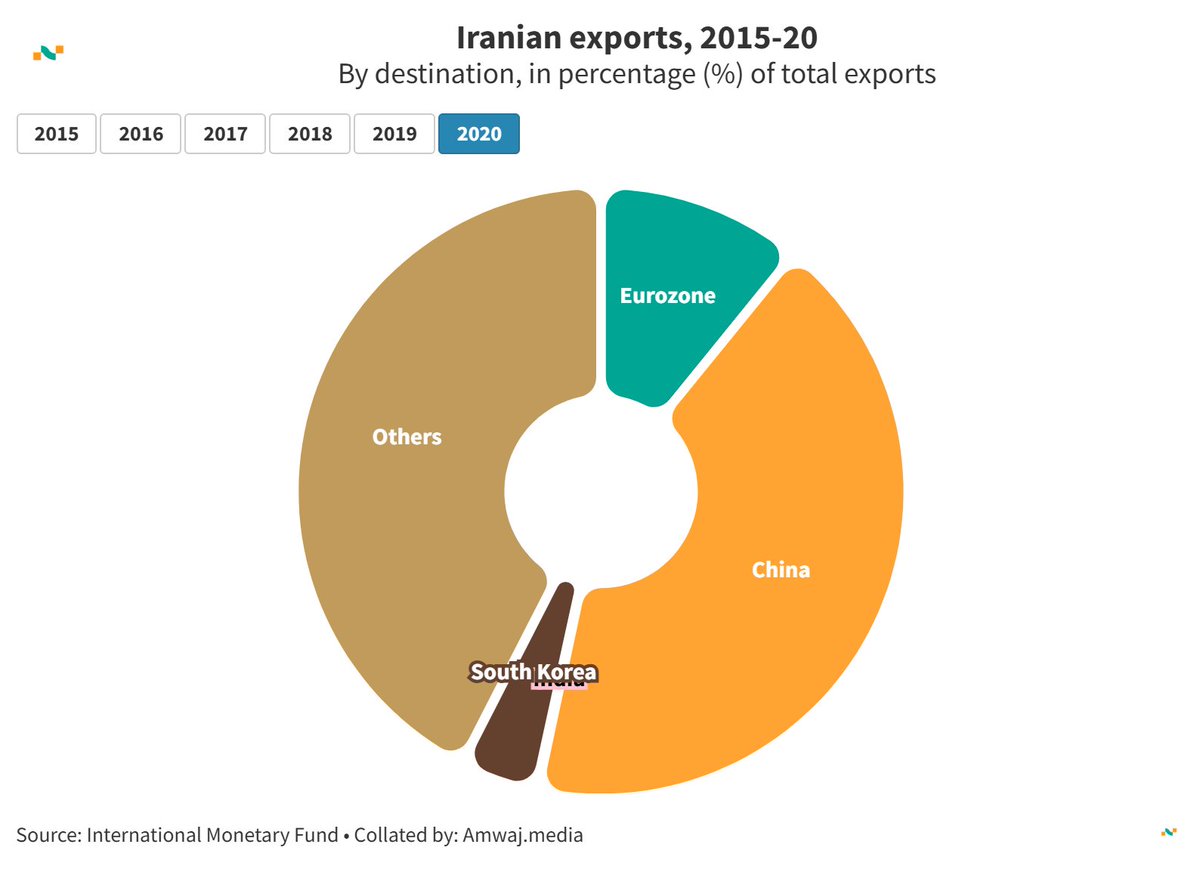
#DailyData from @amwajdata | 🇮🇷 Iran's export destinations, 2020
🇨🇳 China: 43.4%
🇪🇺 Eurozone: 11.1%
🇰🇷 South Korea: 4.2%
🇮🇳 India: 0.1%
🌍 Others: 43.4%
Learn more👉amwaj.media/en/data/country/… #IranExports #GlobalTrade #EconomicData
17

Jun 15
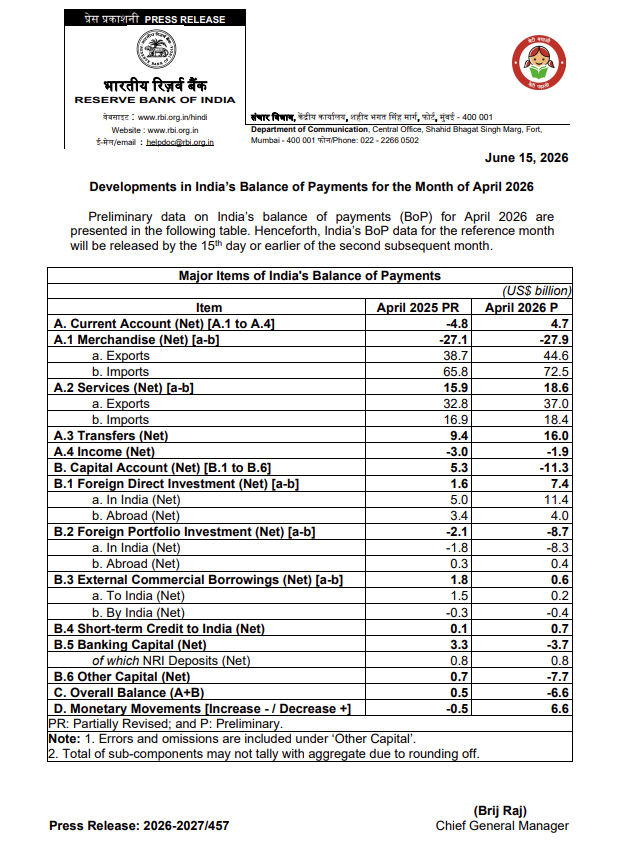
RBI Data: अप्रैल में भारत का करंट अकाउंट 4.7 अरब डॉलर के सरप्लस पहुंचा, निर्यात में बढ़ोतरी
#RBI #IndianEconomy #EconomicData #ETNSNews
hindi.etnownews.com/news/ind…
198

Preliminary data on India’s balance of payments (BoP) for April 2026 are presented in the following table. Henceforth, India’s BoP data for the reference month will be released by the 15th day or earlier of the second subsequent month: Reserve Bank of India
@RBI | #RBI | #India | #BalanceOfPayments | #BoP | #Economy | #IndianEconomy | #Finance | #Macroeconomics | #ForeignExchange | #Forex | #EconomicData | #CentralBank | #UNI
83

Jun 15
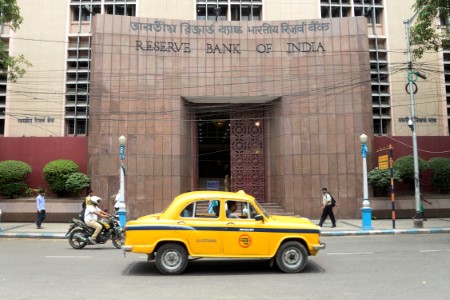
India's current account posted a surplus of $4.7 bln in April, compared with a deficit of $4.8 bln a year earlier, supported by a higher services trade surplus and stronger net transfers, RBI data showed.
#CurrentAccount #RBI #IndiaEconomy #TradeBalance #ServicesExports #EconomicData #ExternalSector #IndiaMarkets #BalanceOfPayments #Economy
Read full news below:
informistmedia.com/MoneyWire…
2
60

Jun 15
GLOBAL ECONOMIC DATA WATCH: CANADA & U.S. MANUFACTURING — JUNE 15, 2026
🔹 Fresh economic data from Canada and the United States offered a mixed picture of North American manufacturing activity at the start of the week.
🇨🇦 Canada Economic Data
🔹 Manufacturing Sales (MoM) rose 4.2% in May, slightly below market expectations of 4.5%, but accelerating from the previous reading of 3.0%.
🔹 The strong monthly increase signals continued resilience in Canada's industrial sector despite ongoing global trade uncertainties.
🔹 Wholesale Sales Excluding Petroleum (MoM) increased 0.6%, outperforming consensus estimates of 0.2%, although moderating from the prior month's 1.9% gain.
🔹 The better-than-expected wholesale data points to steady underlying domestic demand outside the energy sector.
🇺🇸 United States Economic Data
🔹 The Empire State Manufacturing Index unexpectedly fell to 5.7 in June, missing expectations of 13.5 and declining sharply from 19.6 in May.
🔹 While the index remains in expansion territory above zero, the slowdown suggests manufacturing activity in New York State is losing momentum.
🔹 The softer reading may reinforce expectations that U.S. industrial growth is moderating after a strong rebound earlier this year.
💡 Market Takeaway
🔹 Canada's economy continues to benefit from solid manufacturing and wholesale activity, while the weaker U.S. factory survey highlights emerging signs of uneven industrial demand.
🔹 Investors will closely monitor upcoming inflation, labor market, and industrial production data for further clues on the policy outlook from the Bank of Canada and the Federal Reserve.
#EconomicData #CanadaEconomy #USEconomy #Manufacturing #EmpireStateIndex #FederalReserve #BankOfCanada #Markets #Investing #MacroEconomics
122
Jun 15
India's merchandise trade deficit widened over 25% YoY to $28.21 bln in May, driven by higher imports, according to commerce ministry data.
#TradeDeficit #IndiaTrade #Imports #Exports #CommerceMinistry #IndiaEconomy #TradeData #EconomicData #MerchandiseTrade #Economy
Read full news below:
informistmedia.com/Commodity…
2
66

Jun 15
Markets Economic News:
$SPY 1.29% | $QQQ 2.16% (pre-market)
• US-Iran peace agreement headlines push global markets higher
• 08:30 – NY Empire State Manufacturing Index
• 09:15 – Industrial Production
• 10:00 – NAHB Housing Market Index
FULL RESEARCH: tradingview.com/chart/QQQ/WY…
#SPY #QQQ #Premarket #Macro #EconomicData
2
58
Jun 15
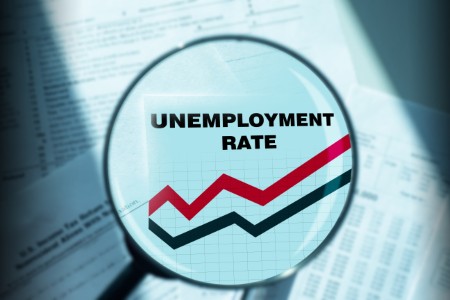
India's unemployment rate rose to an 11-month high of 5.5% in May, driven by higher rural joblessness, despite a decline in urban unemployment.
#Unemployment #JobsData #PLFS #IndiaEconomy #LabourMarket #Employment #RuralEconomy #EconomicData #India #JobMarket
Read full news below:
informistmedia.com/EquityWir…
2
56