
Jun 12
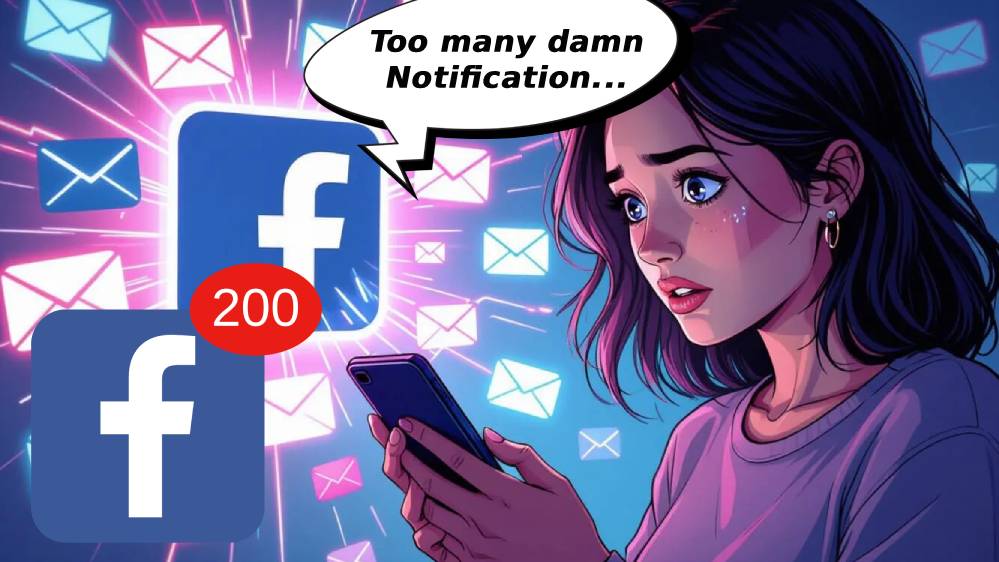
😡📱 Facebook Emails Won't Stop? Here's The Real Fix divine-element.com/facebook-… #FacebookEmails #EmailNotifications #TooManyEmails #FacebookSpam #EmailOverload
12

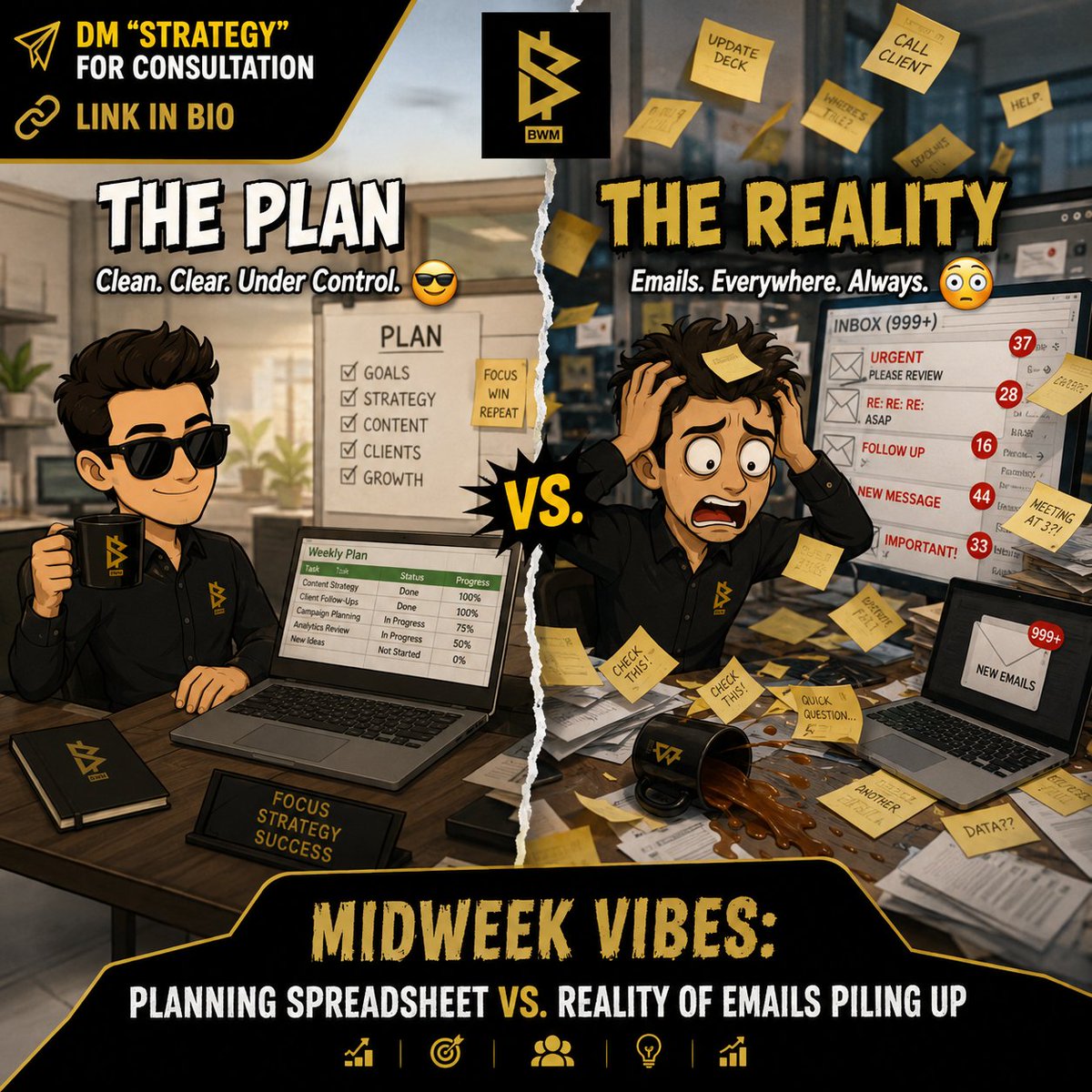
Planning spreadsheet vs. reality of emails piling up 📈📧. Midweek vibes hit hard, but strategy always wins in the end.
DM “STRATEGY” for consultation | Link in Bio
#WorkLifeBalance #OfficeHumor #MidweekMood #PlanningVsReality #StrategyWins #EmailOverload #ProductivityFails
5

Jun 6
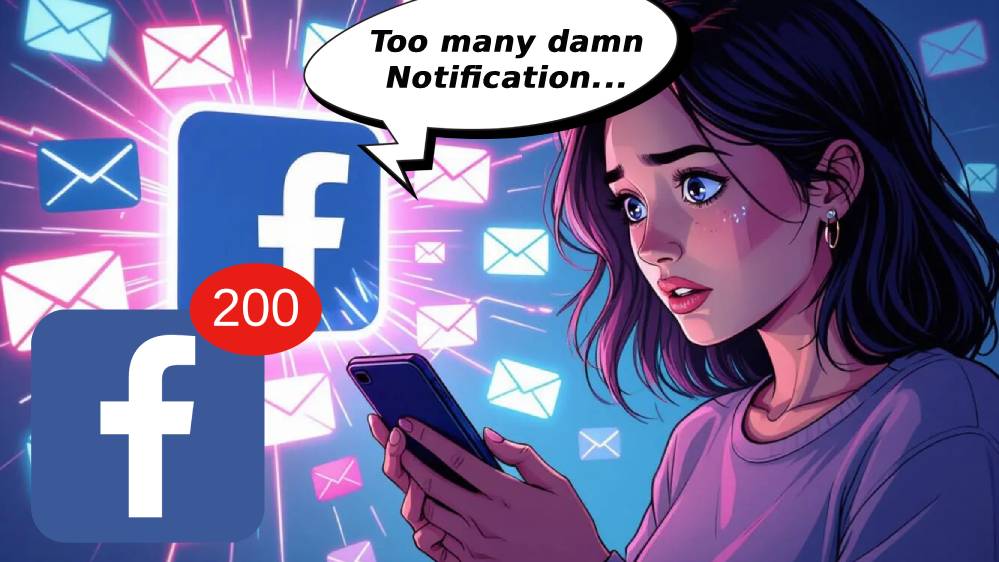
📧🚫 Stop Facebook Email Notifications - Step by Step Guide divine-element.com/facebook-… #FacebookEmails #EmailNotifications #TooManyEmails #FacebookSpam #EmailOverload
9
May 27
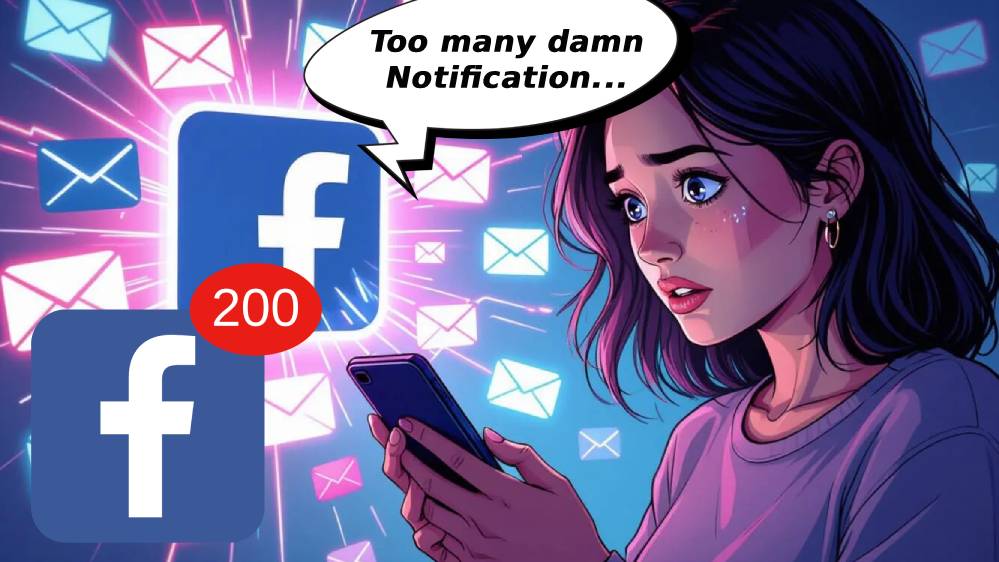
😤📧 Facebook Sending Too Many Emails? How To Stop It Now divine-element.com/facebook-… #FacebookEmails #EmailNotifications #TooManyEmails #FacebookSpam #EmailOverload
61
May 24
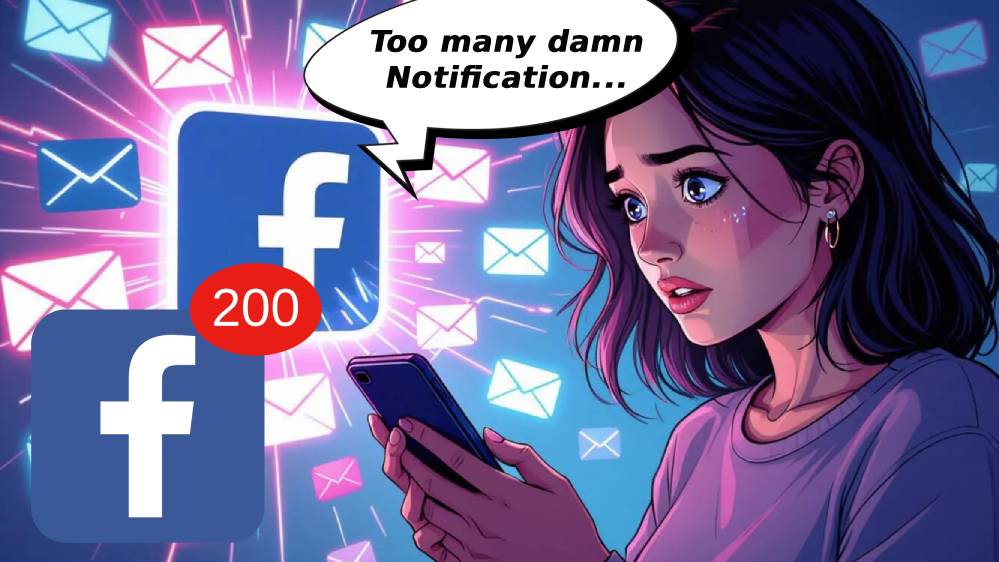
📬😫 Facebook Email Spam Overload - Turn It Off Completely divine-element.com/facebook-… #FacebookEmails #EmailNotifications #TooManyEmails #FacebookSpam #EmailOverload
6

May 22
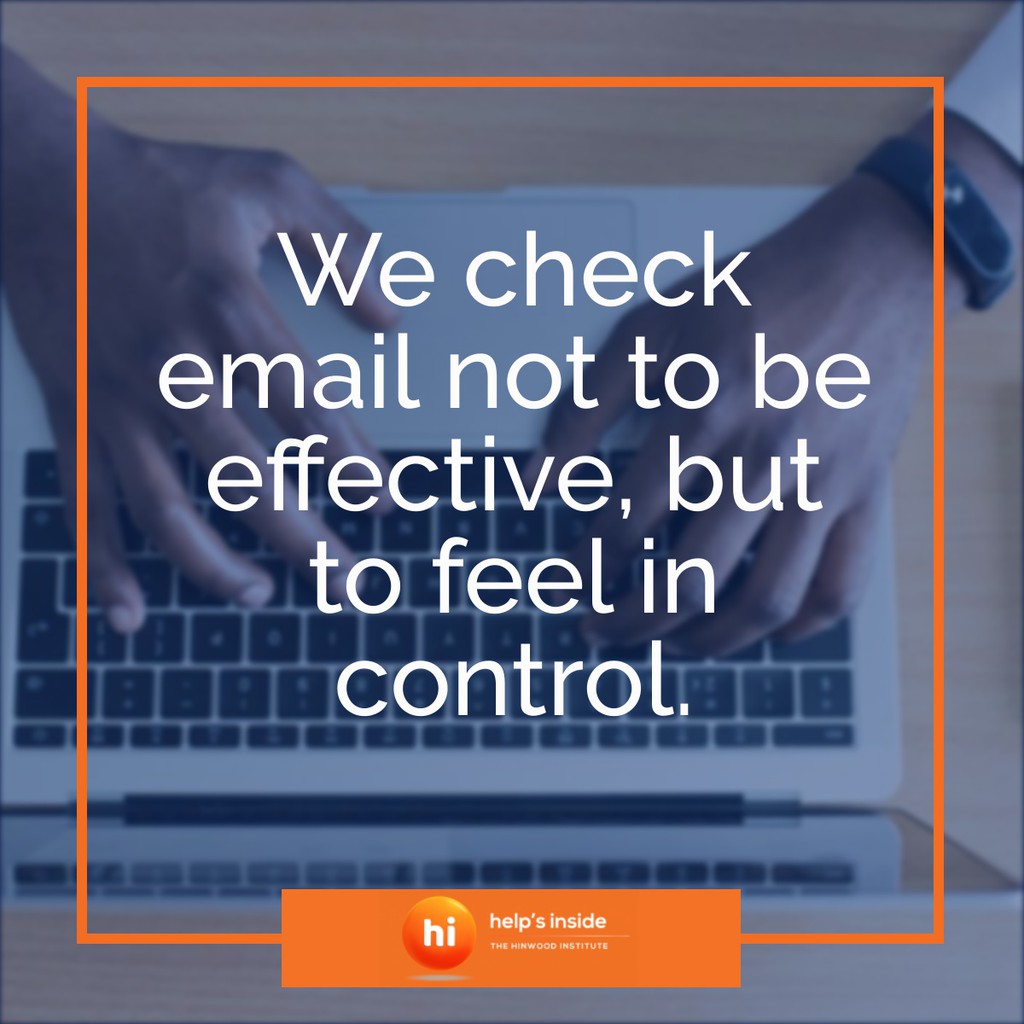
There is a creeping epidemic in the modern workplace, one that masquerades as productivity but stealthily drains energy, focus and efficiency.
Read more 👉 lttr.ai/ArZTO
#MasteringEmailHabits #EmailOverload #TimeManagement
7

May 19
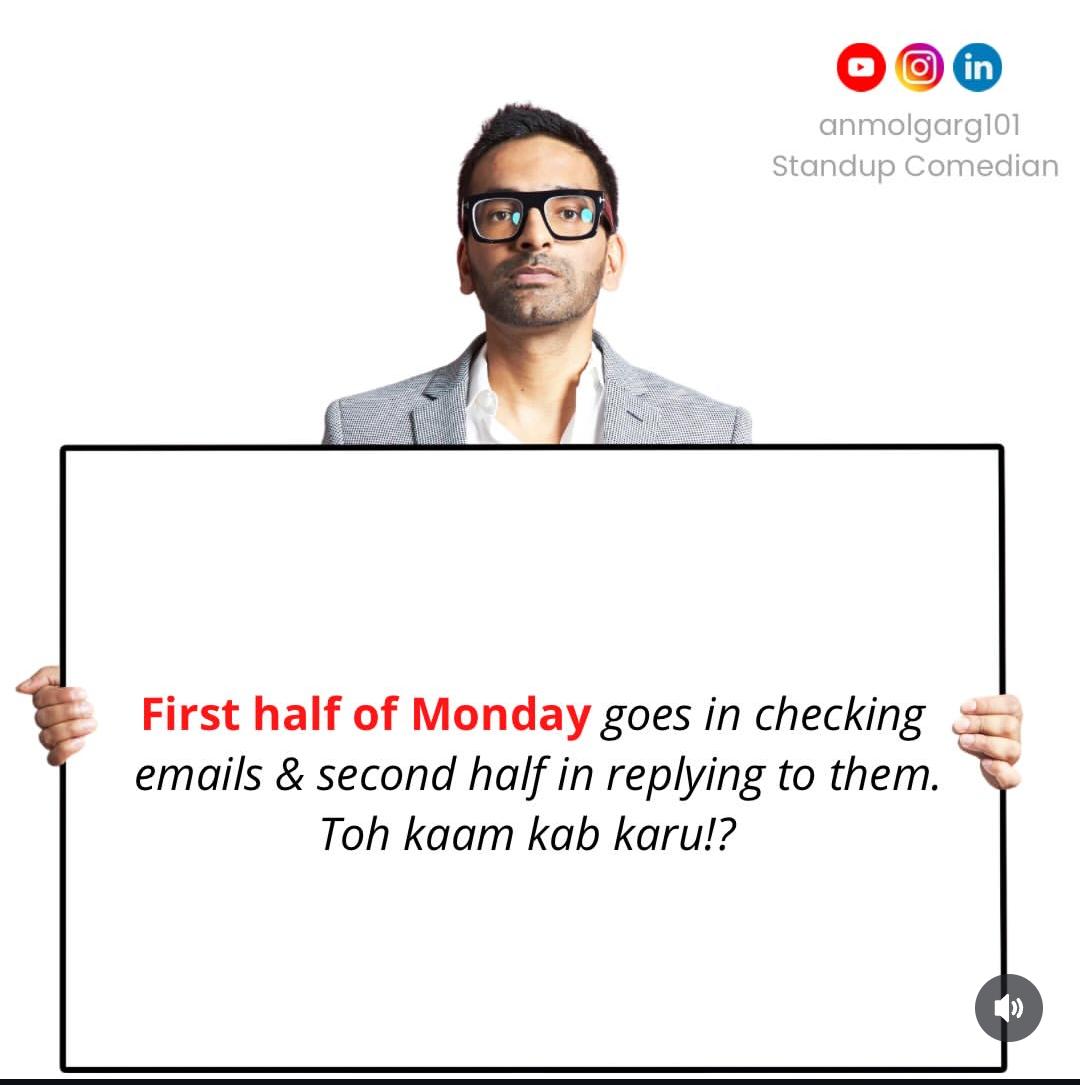
40% of workers have 50 unread emails in their inbox.
Not because they're lazy.
Because the inbox is a perpetual motion machine of incoming noise.
You can't keep up. Nobody can.
#EmailOverload #Struggle #InboxZero
14
May 19
117 emails per day. You open your inbox and immediately feel the weight of 117 conversations you need to track.
#EmailOverload #MentalLoad #Productivity
12
May 19
You need a response from one person.
Instead, 47 people CC'd watch the conversation unfold.
Everyone reads it. Nobody responds.
Email: designed to invite witnesses to your productivity struggle.
#EmailOverload #CommunicationFail #Productivity"
2
20
May 18
57% of your workday is spent communicating.
43% is spent actually creating.
Now you coordinate more than you create.
So coordinating needs to be automated, don't you think?
#Productivity #WorkCulture #EmailOverload
19
May 17
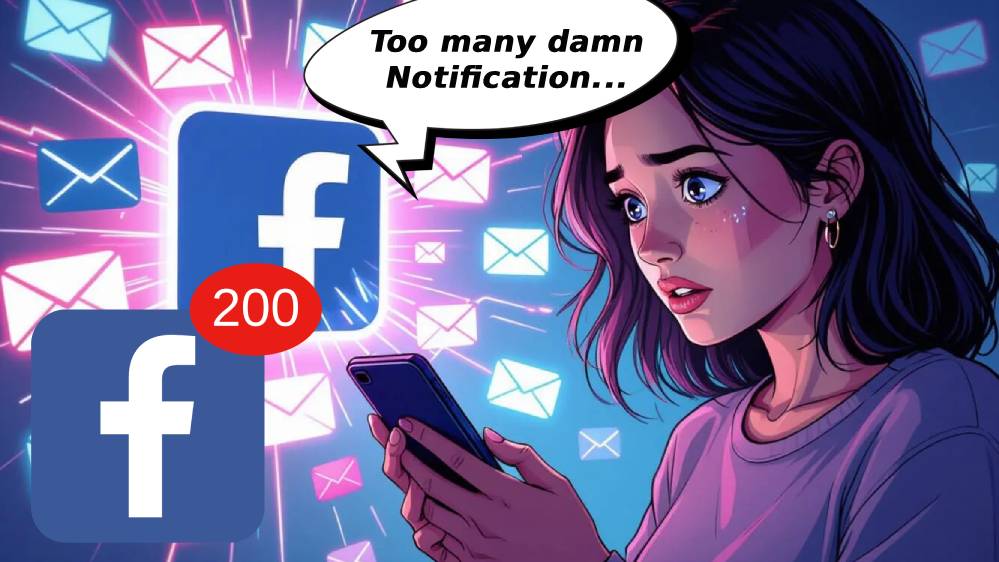
😤📧 Facebook Sending Too Many Emails? How To Stop It Now divine-element.com/facebook-… #FacebookEmails #EmailNotifications #TooManyEmails #FacebookSpam #EmailOverload
144

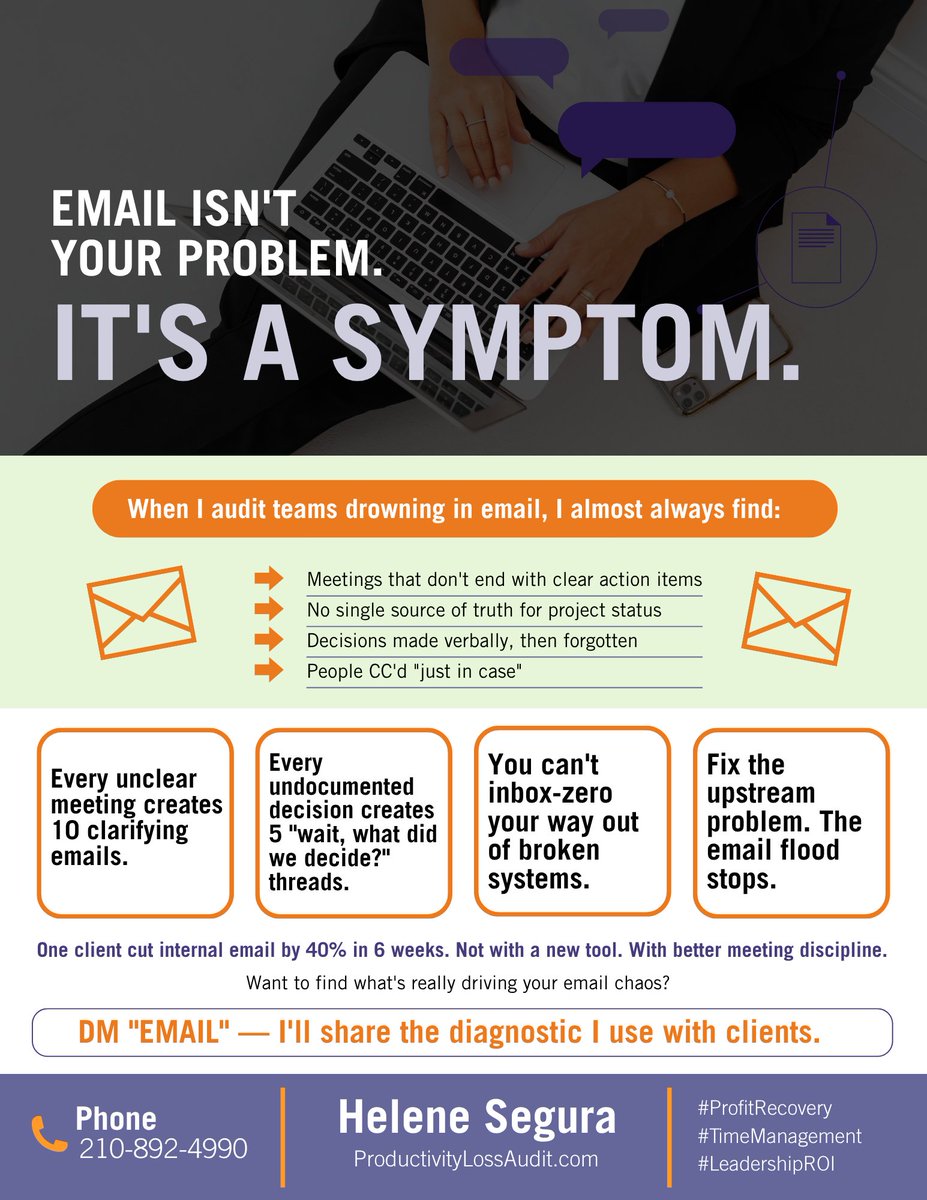
Email isn't your problem. It's a symptom. 📧
Every unclear meeting = 10 clarifying emails.
Every undocumented decision = 5 "what did we decide?" threads.
Fix upstream. The flood stops.
DM "EMAIL" for a free diagnostic.
#EmailOverload #Productivity #Leadership #TimeManagement
1
11

May 8
Drowning in emails? 😵💫 Stop guessing and start knowing. Check out how AI Clarify can clear up the confusion: linktr.ee/aiclarify
#EmailOverload #ClarityIsKey #OverthinkersDream #MessageInsight #OfficeLife
174

Apr 29
Drowning in emails about the latest AI trends? Let’s exchange some clever strategies to navigate the chaos and find clarity in the AI jungle. #AIFatigue #EmailOverload #FindWhatMatters #TechTalk cvsoci.al/0Z2TYzMC?cv=177748…
1
182

Apr 29
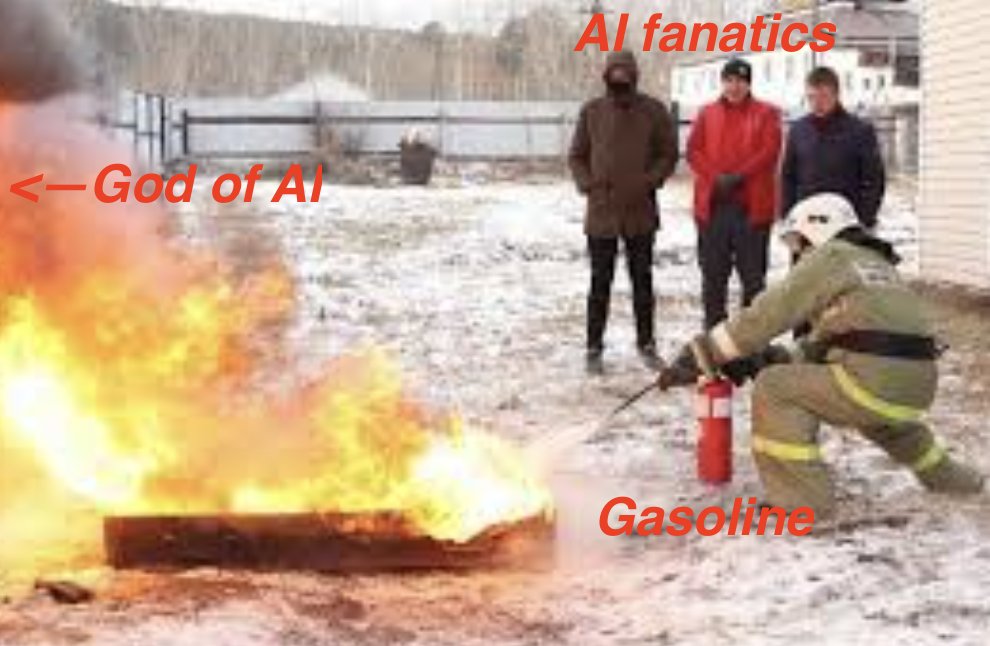
🧯 Would you put out a fire with gasoline? open.substack.com/pub/sobole…
#coldemail #aifilters #coldoutreach #spam #emailoverload
1
37

Apr 4
While the often-cited 28% figure for time spent on email sounds alarming, it’s worth questioning how accurately it reflects real productivity loss. Many “email hours” include quick scans, notifications, or necessary coordination that actually moves work forward rather than pure waste. Studies like McKinsey’s are broad averages across knowledge workers and don’t distinguish between high-value strategic emails and low-value noise. The real issue isn’t email itself but poor habits: lack of filters, weak team communication norms, and culture that expects instant replies. Blaming email alone risks overlooking root causes like unclear priorities or excessive meetings. With better practices (batch processing, templates, async updates), that 28% can be cut dramatically without declaring email the villain.
#EmailOverload #ProductivityHack #WorkSmart #KnowledgeWork #InboxZero
119
Mar 23
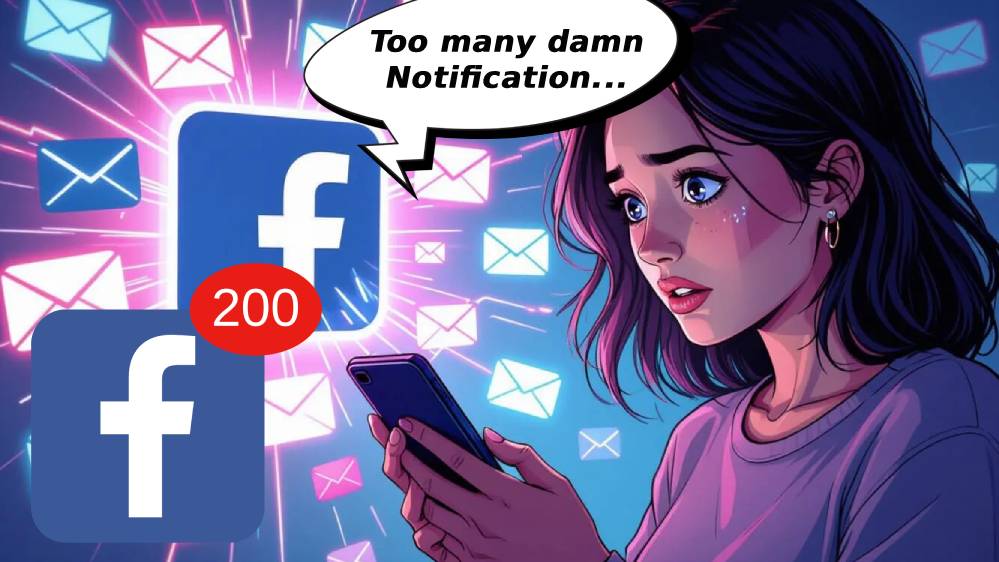
🤬📬 Too Many Facebook Emails? Control Settings Finally divine-element.com/facebook-… #FacebookEmails #EmailNotifications #TooManyEmails #FacebookSpam #EmailOverload
8
Mar 16
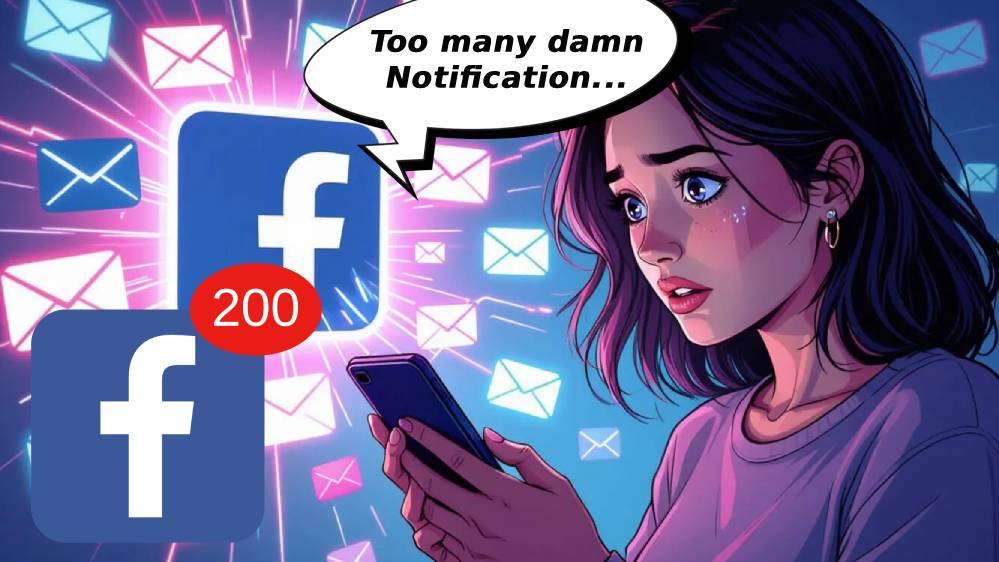
😡📱 Facebook Emails Won't Stop? Here's The Real Fix divine-element.com/facebook-… #FacebookEmails #EmailNotifications #TooManyEmails #FacebookSpam #EmailOverload
7

When your inbox is full, but you promised yourself no overtime this week 😅
#WorkLifeBalance
#Burnout
#EmailOverload
#FridayVibes
#ProtectYourPeace
12