Dear @GovernmentZA
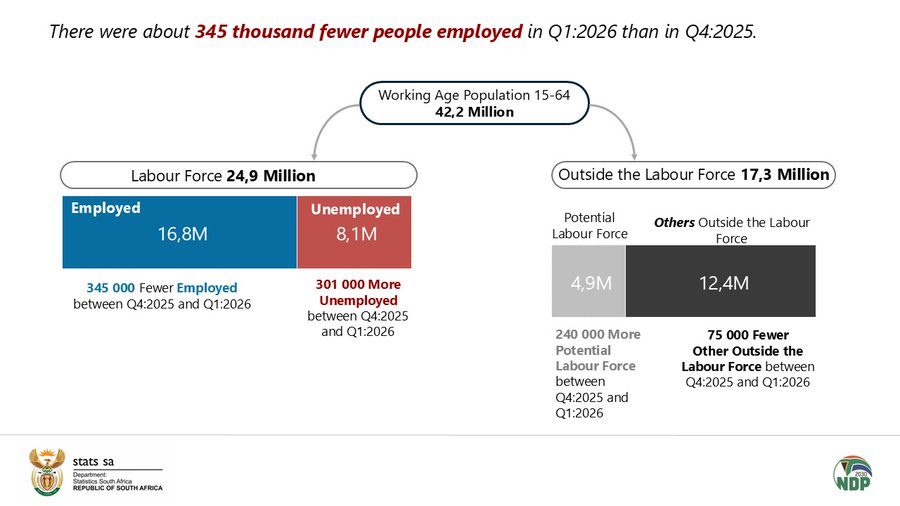
If we’re serious about reducing unemployment, we must invest in infrastructure that creates real jobs. Roads, water, energy projects—done right—unlock growth and opportunity.
#EngineeringLed #EngineeringSolutions #InfrastructureMatters
2
2
50

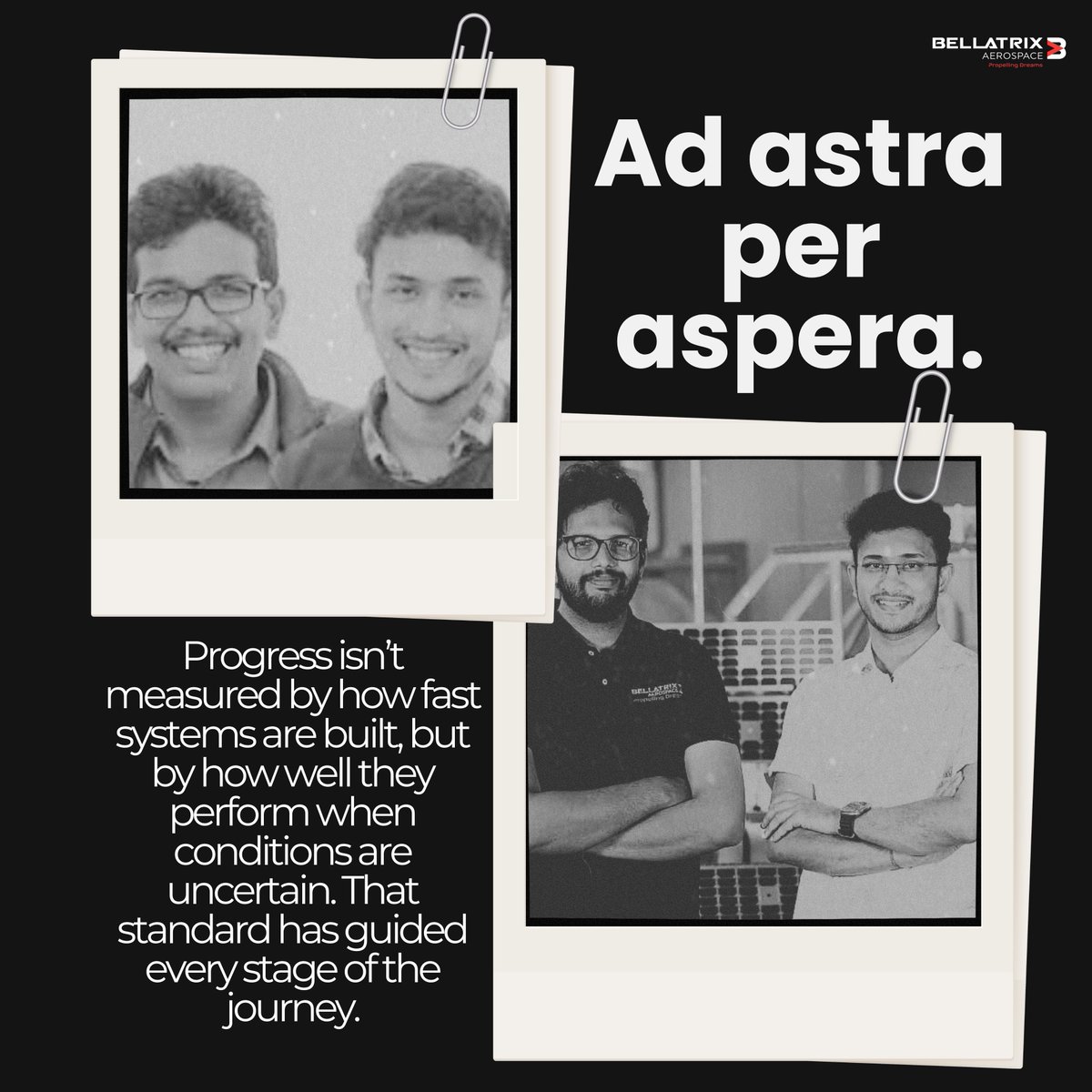
A decade ago, space wasn’t an investor-friendly sector.
• Capital for hardware companies was hard to find.
• Build cycles took years.
• Private-sector policies were limited.
Most of the world depended on a few large players for launch vehicles, satellites, and subsystems.
When we started working on propulsion, these problems became very real.
• Lead times ran into years.
• The supply chain was fragmented.
• A single system could cost as much as a Series A round for a consumer startup.
And yet, our daily lives depend on satellites such as communication, navigation, weather, connectivity. We are already deeply connected to space.
To improve life on Earth, satellite systems need to get better, and they need to be faster, more affordable, and easier to access. So, we chose to work on redefining the tech, cost, and lead time.
Vertical integration wasn’t part of a grand plan. It started out of necessity, slowly became a strategy, and today it’s part of who we are
Today, the ecosystem has expanded significantly.
• 300 space tech startups
• Multiple launch providers
• Flight heritage for indigenous technologies
• A larger talent pool and growing interest to be of this sector
And as the ecosystem matured, so did expectations, from customers, partners, and the market at large.
On #NationalStartupDay, we’re proud to be part of an industry that has moved from possibility to capability.
#Spacetech #Propulsion #DeepTech #EcosystemEvolution #EngineeringLed #BellatrixAerospace
2
3
60
1,760


17 Oct 2022
Big Data Analytics, Supply Chain/Market-linked Model, FaaS, IoT Enabled, EngineeringLed Innovation are the future of AgriTech
@PMOIndia @narendramodi @nstomar @mygovindia @PIB_India
#PMKisan #agrigoi
3
5

8 Aug 2020
#WomensDay time for reflection
Why are we sitting with women in the #GraduatedAndUnemployed in engineering?
Why is gogo Dlamini without water, electricity - compromising her health & security?
Everyone must to advocate for a better public infrastructure system #EngineeringLed
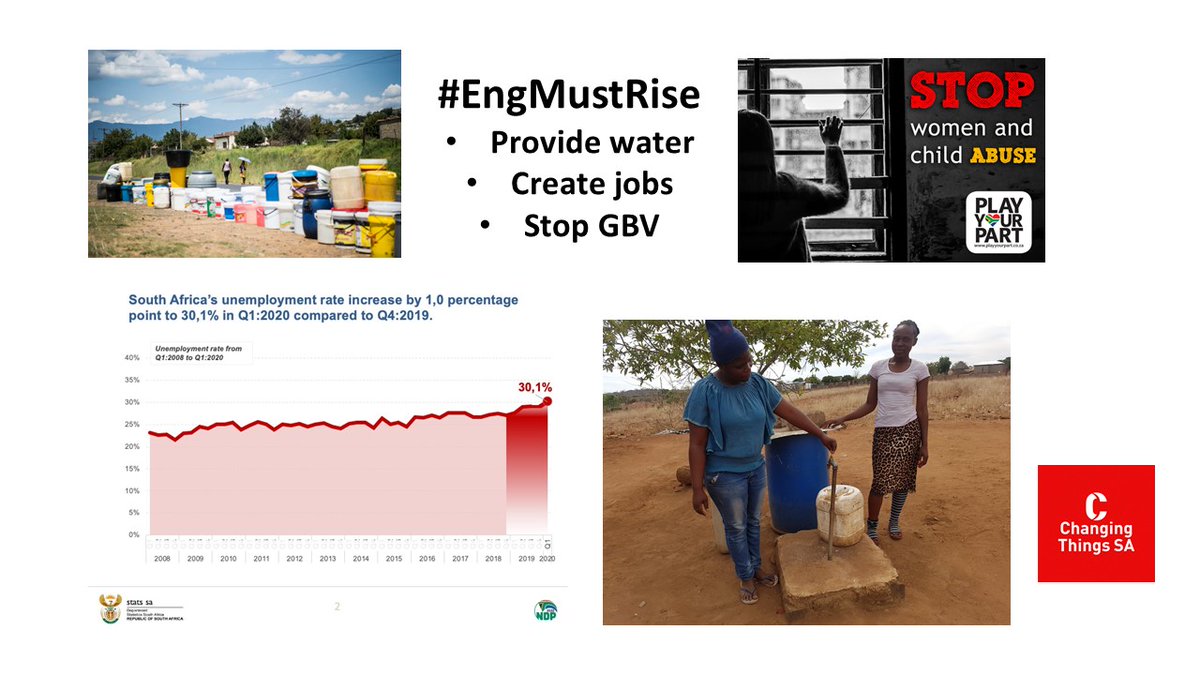
ALT Call for Engineers to rise and serve the nation - water, jobs, etc
1
3

8 Mar 2018
8 Mar 2018

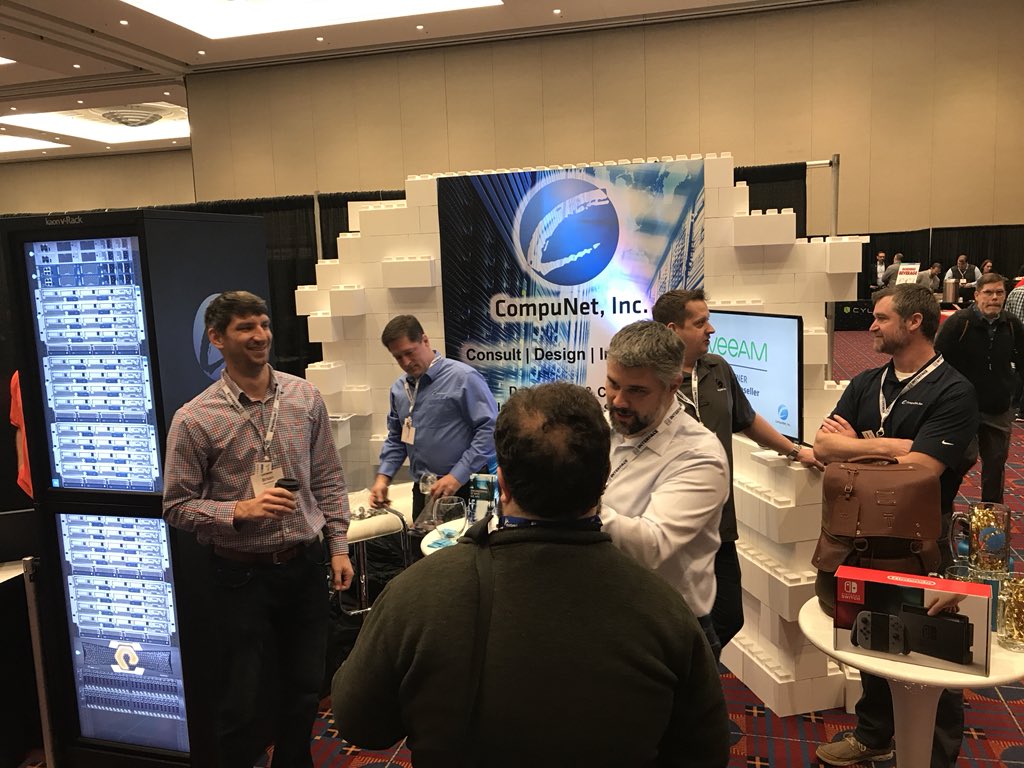
Come join us at Interface Portland today. Booth 126. Win some cool swag!
2

12 Oct 2017
1