
Areas of ongoing investigation within the POLER-D framework>
*Multiple author and stylistic patterns~distinct variations in handwriting,structure, and linguistic usage suggest possible differences in authorship or composition periods.
*Section-specific linguistic drift~measurable changes in token distribution appear across manuscript sections while maintaining broader structural consistency.
*Possible ritualistic medical content~many translated sequences describe preparation, treatment, cleansing, repetition, and cyclical procedures.
*Zodiac timing overlays~astronomical and zodiac imagery may function as temporal markers associated with seasonal activities or treatment schedules.
*Gallows glyphs as structural anchors~Highly constrained positional behavior suggests a structural role beyond ordinary lexical content.
All remain subject to testing, falsification, and revision as additional folios are analyzed.
3

11m
🇷🇺Chronicles of a defeated Russian army:
The Russian military Telegram channel War Zone reports that large-scale violations, corruption, and falsification of reports have been uncovered in the Russian military group “Vostok” — according to sources close to military circles.
According to their information, during an inspection of units of the “Vostok” group on May 19, 2026, the commission revealed facts of falsification of combat operation results and submission of false reports.
A particularly dire situation was recorded in the 29th Combined Arms Army, commanded by Lieutenant General Alexei Zhuravlyov.
The main accusations include: ▪️ Colonel General Andrei Ivanaev systematically provided inaccurate information to the General Staff regarding the capture of settlements, destruction of Ukrainian positions, and the number of downed drones.
▪️ Cases were recorded where the temporary entry of small groups into populated areas was presented in official reports as full control, despite the fact that the soldiers were killed shortly afterwards.
▪️ In some units, the level of disciplinary violations, including alcohol and drug use, marauding, and arbitrary abandonment of positions, reaches up to 60%.
▪️ There are reports that a significant part of the bodies of dead servicemen are not evacuated and are recorded as missing in action, which serves to avoid paying compensation.
▪️ The commission also uncovered facts of misappropriation and illegal resale of humanitarian aid, equipment, and drones.
▪️ According to the inspection materials, individual units of the group were assessed as insufficiently prepared to fulfill the tasks set by the General Staff.
According to the source, these facts represent a serious problem and a reputational blow for the Russian army.
This detailed exposure of systemic corruption, falsified reports, and poor discipline in one of the key Russian military groups once again confirms the deep rot within the Russian armed forces. The fact that such problems are being openly discussed even in pro-Russian military channels shows how widespread and unsustainable the situation has become. This internal decay significantly undermines Russia’s combat effectiveness and long-term prospects in the war.
4
12
707


☝️Crying Greek after falsification of history just because some people 'spoke Greek' for business and trade like today most people speak English.
Truth 👇

TURCO-ANATOLIAN-ROMAN HERITAGE!
Thread:
Many Greeks claim 'Roman Empire was Greek'. Therefore 'some Turkish cities & the people were also Greeks'.
Let's break this nonsense down.
In short: Greeks had nothing to do with. You see Caesar's coin, AENEAS carrying father from Troy.
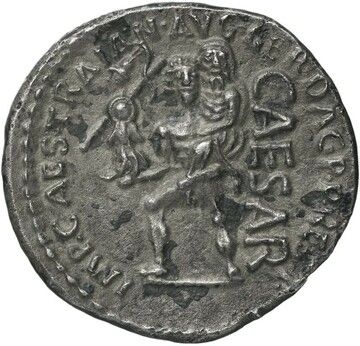
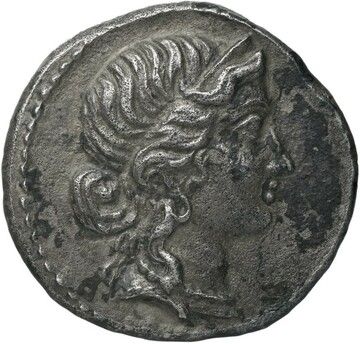
1
9

He landed in Switzerland. Geographical falsification is just as stupid as historical falsification.
1

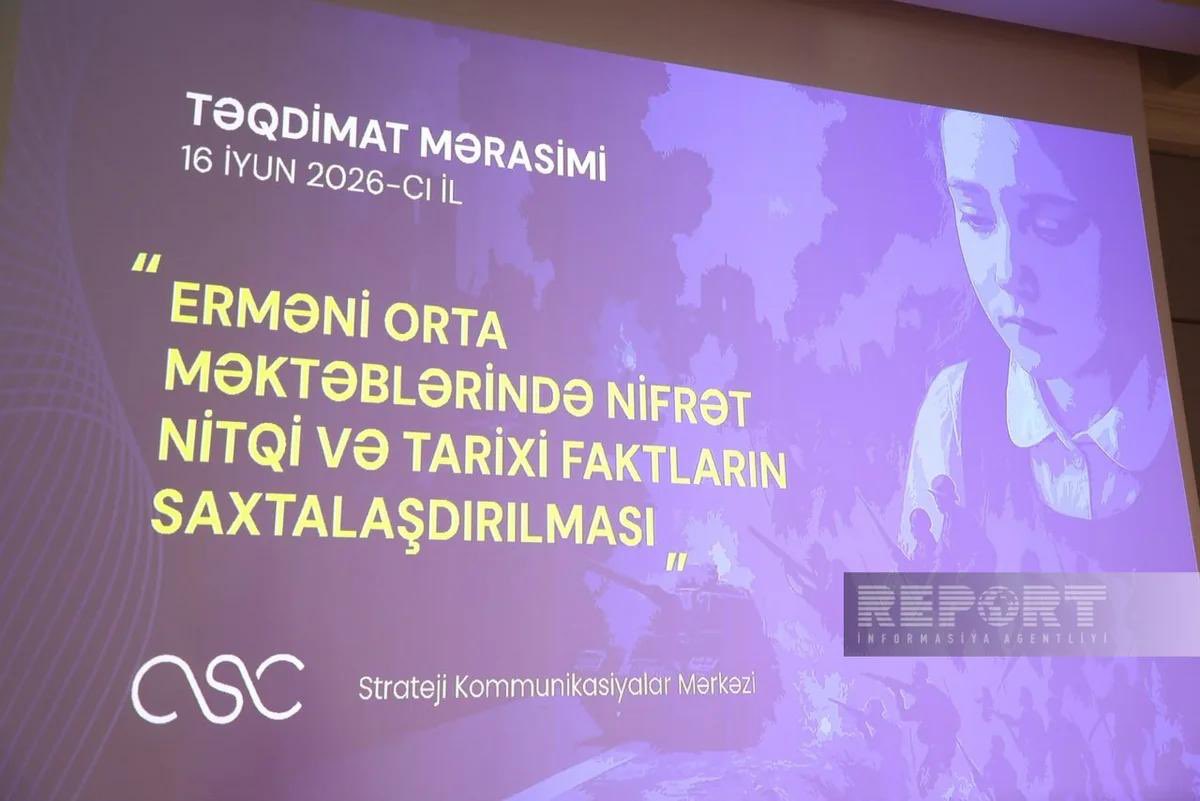
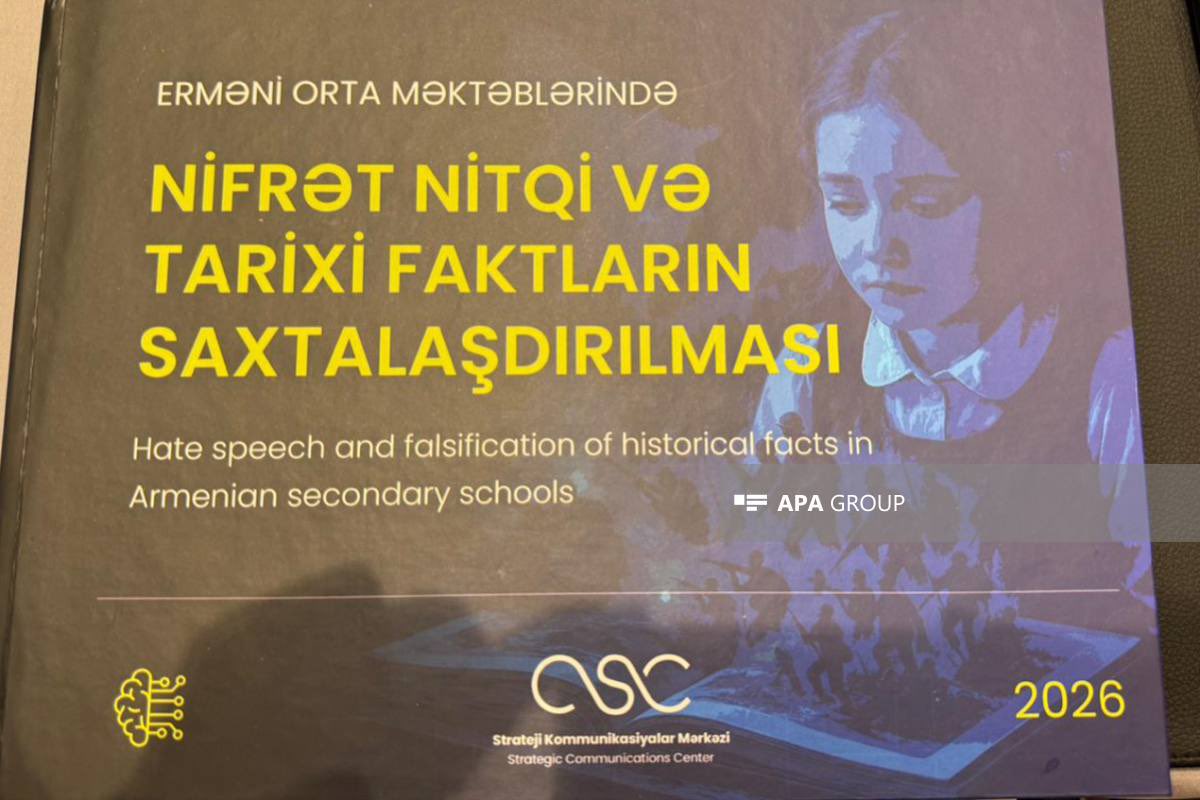
On June 16, a presentation of the book Hate Speech and the Falsification of Historical Facts in #Armenian Secondary Schools was held in Azerbaijan. Speaking at the event, A. Abdullayev, the project leader of the book and Deputy Chairman of #Azerbaijan’s Center for Strategic Communications, stated that “the research in this area was conducted on the basis of materials discovered in educational institutions that operated in #Artsakh during the years of ‘occupation.’”
In the modern world, information warfare has become an important strategic tool. In this context, it is possible to analyze how language and narratives turn into instruments of psychological influence, as well as how hostile attitudes are formed. The concept of “information warfare” was first used by physicist Thomas Rona in 1976 in the report Weapon Systems and Information War, prepared for Boeing.
It is noteworthy that in #Azerbaijan, Armenophobia has long been turned into an instrument of state policy. Although there is no single universal definition of hate speech, international organizations, legal norms and states take into account a number of criteria, phenomena and events that may influence its definition in a given context. Although hate speech is clearly condemned under international law, in #Azerbaijan it is not decreasing; on the contrary, it is rapidly spreading across almost all spheres, while various organizations are being created to address this issue.
The above-mentioned report states that “some of the analyzed materials related to Armenia contain cases of forming an ‘image of the enemy,’ escalating ethnic conflict and presenting historical events for political purposes.” MP R. Nabiyev adds that “using #Armenia as an example, we see how people are drawn into ideological wars from childhood.”
One of the mechanisms for spreading Armenophobia is the educational and cultural sphere. In Azerbaijani school textbooks and fiction, Armenians are often portrayed negatively — as aggressors, murderers or enemies. For example, a 7th-grade literature textbook includes the story The Last Bullet, in which an #Armenian is portrayed as a murderer. It says: “…Alif recognized this voice: it was Hakob. He had heard that Hakob was known for torturing people to death… the panic-stricken Armenians shot Alif…”
Azerbaijani writer Eyvaz Zeynalov, in his work The Thief, writes: “…However, Armenian theft is not ordinary theft, but a unique kind of theft. The greatest thefts were committed against the Turks: Armenians stole our names, music, musical instruments, carpets, monuments, food and, most importantly, our land.”
The deep-rooted nature of Armenophobia is also evidenced by the observations of Azerbaijani writer Akram Aylisli, who noted that the word “Armenian” is used as an insult in Azerbaijan. The expression “you are behaving like an Armenian” can become a reason for a fight, while the word “Armenian” is essentially equated with the word “enemy” in its deepest meaning.
While accusing #Armenia of spreading “hate speech,” Azerbaijan itself has for many years reproduced Armenophobic narratives at the state, educational and cultural levels. The report presented by Azerbaijan can be viewed not only as an attempt to assess #Armenia’s educational environment, but also as another tool used within the framework of information warfare.
Azerbaijan’s accusations regarding the presence of “hate speech” in Armenia’s educational system appear contradictory, given the manifestations of Armenophobia that have been shaped for many years within Azerbaijani society itself and under the patronage of state structures.
2
62

Wednesday morning headlines from #Azerbaijan, 17 June
● Azerbaijan’s Parliament (Milli Majlis) stated that France “continues hybrid attacks against Azerbaijan in order to advance its interests in the region that contradict international law.” The statement identified the following alleged hybrid threats from France:
• Legal pressure. Since November 2020, the French parliament has repeatedly adopted resolutions directed against Azerbaijan’s sovereignty and territorial integrity. While these resolutions have limited legal force, they are used as tools of political pressure and to create a negative image of Azerbaijan internationally.
• Activity in international organizations. France is accused of actively working against Azerbaijan at the United Nations, EU institutions (particularly the European Parliament), the Council of Europe, PACE, the OSCE and the International Organisation of La Francophonie in an effort to secure decisions that undermine Azerbaijan’s interests.
• Media campaigns. The formation of a negative image of Azerbaijan in French media has become systematic. According to the statement, around 40 anti-Azerbaijani articles and dozens of television reports were published in May and June alone, demonstrating the scale of what it described as negative propaganda. French media are also accused of providing a platform to members of Azerbaijan’s radical opposition who have little political influence, thereby distorting the reality of the country and misleading the French public.
• Use of Azerbaijani émigrés. France is accused of using radical Azerbaijani-origin individuals who have received asylum there to portray Azerbaijan as a “repressive regime” and discredit the country.
• Online campaigns. The statement alleges that large-scale anti-Azerbaijani online campaigns are being run by pro-Armenian groups funded by French NGOs and networks of investigative journalists. According to the parliament, fake news is spread through bots and fake accounts to manipulate international public opinion.
• Espionage activities. France is accused of conducting intelligence activities in Azerbaijan.
• Arms supplies to Armenia and support for the EU Monitoring Mission in Armenia (EUMA). According to the statement, EUMA has effectively been turned into a French instrument focused primarily on intelligence gathering in the region and aimed at increasing tensions and undermining the peace process between Azerbaijan and Armenia.
The Milli Majlis said it “considers it necessary to appeal not to French officials, but directly to the people of France, urging them not to be influenced by these unfriendly actions of certain French politicians and state institutions.”
● Agriculture Minister Majnun Mammadov presented the government’s 2026–2030 program for the development and processing of agricultural, fisheries and aquaculture products. He said the main goal is to create jobs in the regions in order to reduce urbanization and encourage people to remain in their hometowns and build businesses there. Key measures include greater mechanization, modern irrigation systems, and the introduction of new equipment and technologies.
● A minimum cultivation area of five hectares has been established for creating a farming enterprise. The agriculture minister suggested that owners of smaller plots could join together in cooperatives or family farming operations. According to him, such initiatives have already been launched in several villages. In the village of Aghali in the Zangilan district, for example, 32 farmers have formed three cooperatives. They have been allocated 51.6 hectares of land and contracts have been signed, Mammadov said.
● Nearly 49.5 billion cubic meters of Azerbaijani gas have already been delivered to Italy through the Trans Adriatic Pipeline, Energy Minister Parviz Shahbazov said. He noted that Italy is Azerbaijan’s main trading partner and receives a significant share of the country’s oil and gas exports. “Azerbaijan-Italy relations, based on a multifaceted strategic partnership, are being further strengthened through new investments, energy projects and humanitarian cooperation,” Shahbazov said.
● A group of Azerbaijani NGOs and human rights advocates sent a protest letter to the Foreign Affairs Committee of the U.S. House of Representatives. The letter opposes a proposal submitted by Congressman Brad Sherman calling for the release of former Nagorno-Karabakh official Ruben Vardanyan and other ethnic Armenians convicted in Azerbaijan. The proposal also calls for maintaining Section 907 of the Freedom Support Act, which restricts U.S. government assistance to Azerbaijan. In August, President Donald Trump signed a document suspending the application of the amendment. The letter argues that those whose release is being sought are war criminals who played direct roles in the destruction of civilian infrastructure and cultural heritage and committed acts of genocide. “Under national legislation and international legal instruments, Azerbaijan has every right to hold those responsible accountable. […] This initiative undermines positive momentum at a time when Azerbaijan and Armenia are moving toward lasting peace and normalization, while President Donald Trump and his administration support dialogue and normalization between the two countries,” the letter states.
● A report titled “Hate Speech and Falsification of Historical Facts in Schools in Armenia” was presented in Baku. Deputy head of the Strategic Communications Center, Ali Abdullayev, said the research was based on materials found in educational institutions that operated in Karabakh during the period of Armenian control. According to him, analysis of more than 1,000 materials identified around 3,000 instances of hate speech or historical distortion. “For example, maps shown to students depict Azerbaijan’s Nakhchivan autonomous republic as ‘historic Armenian territory.’ Turks are described in textbooks as barbarians, while Azerbaijanis are portrayed as thieves and robbers,” Abdullayev said. He added that all the textbooks and ideological literature examined had been published in Yerevan by state institutions. He also argued that current Armenian school textbooks continue to promote hostility toward Azerbaijanis and claim that Karabakh and Nakhchivan do not belong to the Azerbaijani people.
● The Baku Court of Appeal continued hearings on appeals filed by former political and military leaders of the former self-proclaimed Nagorno-Karabakh Republic who are imprisoned in Azerbaijan. In February this year, Arayik Harutyunyan, Levon Mnatsakanyan, David Manukyan, David Ishkhanyan and David Babayan were sentenced to life imprisonment on charges including war crimes resulting from Armenia’s military aggression against Azerbaijan, terrorism, violent seizure of power and other offenses. Arkady Ghukasyan and Bako Sahakyan received 20-year prison sentences; Madat Babayan and Melikset Pashayan received 19 years; Garik Martirosyan received 18 years; David Alaverdyan and Levon Balayan received 16 years; and Vasily Beglaryan, Gurgen Stepanyan and Erik Ghazaryan received 15 years.
During the hearing, Levon Mnatsakanyan and his lawyer presented arguments and requested an acquittal. The next hearing is scheduled for June 23.
● Culture Minister Adil Karimli met at UNESCO headquarters in Paris with newly elected UNESCO Director-General Khaled El-Enany. The sides discussed prospects for cooperation in protecting cultural heritage. “UNESCO looks forward to further developing cooperation with Azerbaijan,” El-Enany wrote on X.
● Joint tactical special exercises, Caucasian Eagle 2026, are being held at the Mukhrani military base near Tbilisi with the participation of special forces units from Azerbaijan, Turkey and Georgia.
🔴 Every morning, a brief digest of the latest news from Azerbaijan, #Georgia, and #Armenia, here tinyurl.com/3zhamx8h
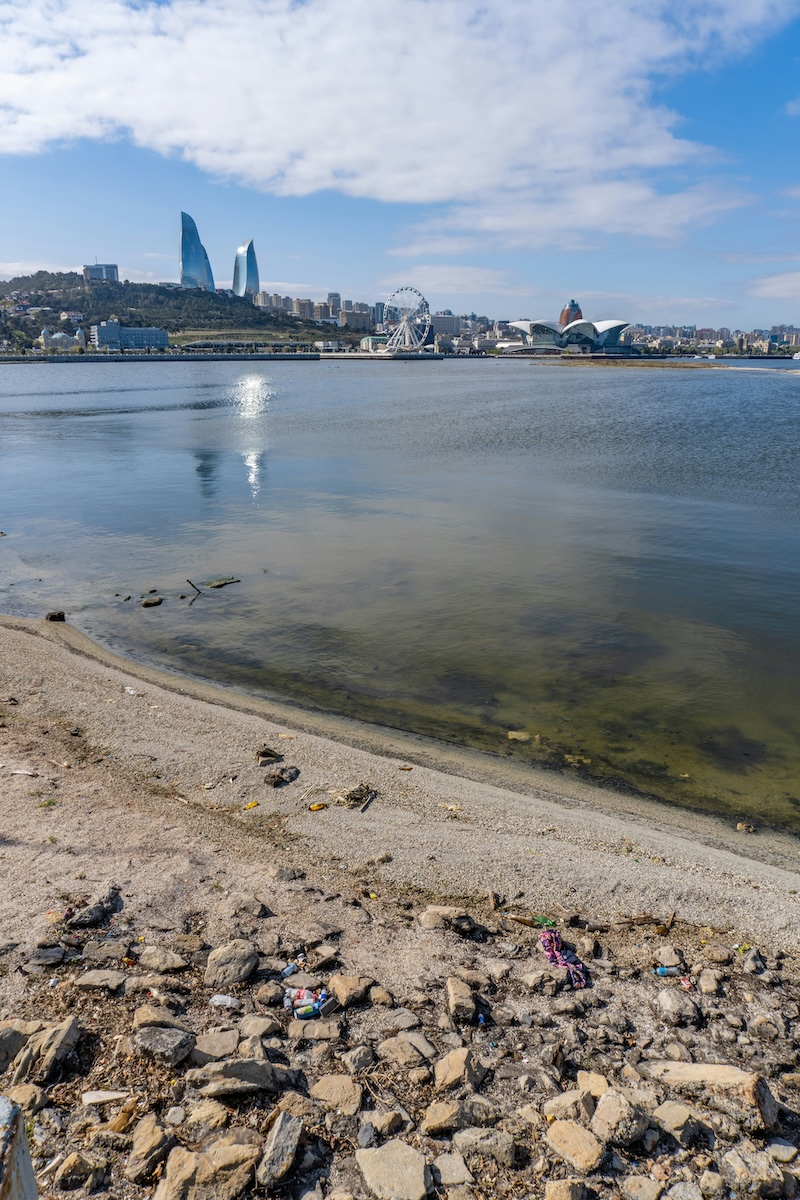
Photo Zulfugar Karimov
1
103

If this is false. As stated by Grok user @ Michael 59302787 should be prosecuted for falsification of information !
2
535

Not suspended but their games were automatically tagged as forfeited; isang season lang yung suspended yung buong DLSU campaign due to the document falsification of 1-2 basketball players.
1
1
383
PANAFRIC-GROUP retweeted

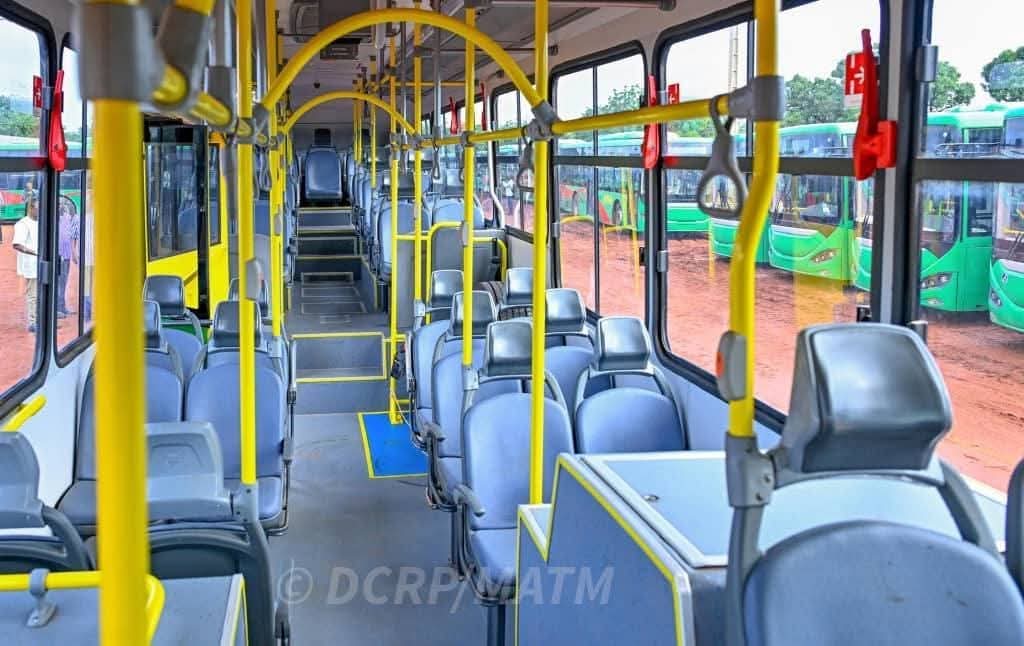
#BurkinaFaso🇧🇫 : #SOTRACO 9 machinistes arrêtés pour fraudes répétées et 3 étudiants aux arrêts pour falsification de cartes d'abonnement

10
28
1,063

Fair point. A lot of science advances by confirmation, not clean falsification. But the Higgs search could have come back empty. The difference isn’t refuting vs. confirming. It’s whether the claim is still exposed to a result that could go against it.
1
5

Le 27 juin: Rendre l’indépendance à ses véritables artisans
Le 27 juin ne doit pas être réduit à une cérémonie, à des uniformes repassés pour quelques heures, ni à la glorification d’un seul homme.
Cette date porte un combat. Elle porte la répression subie, les libertés sacrifiées, les exils, les prisons, les humiliations et parfois le sang versé pour que Djibouti puisse enfin se tenir debout parmi les nations.
L’indépendance n’est pas tombée du ciel. Elle fut arrachée par des femmes et des hommes qui refusèrent la domination coloniale et choisirent la dignité, souvent au prix de leur propre vie.
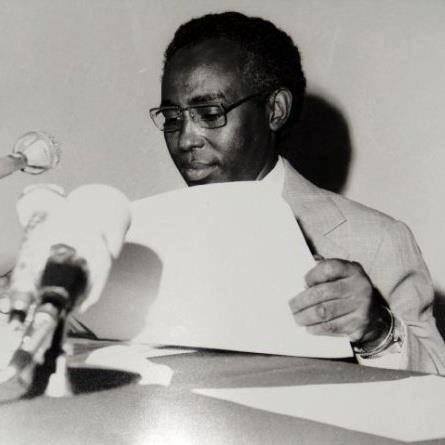
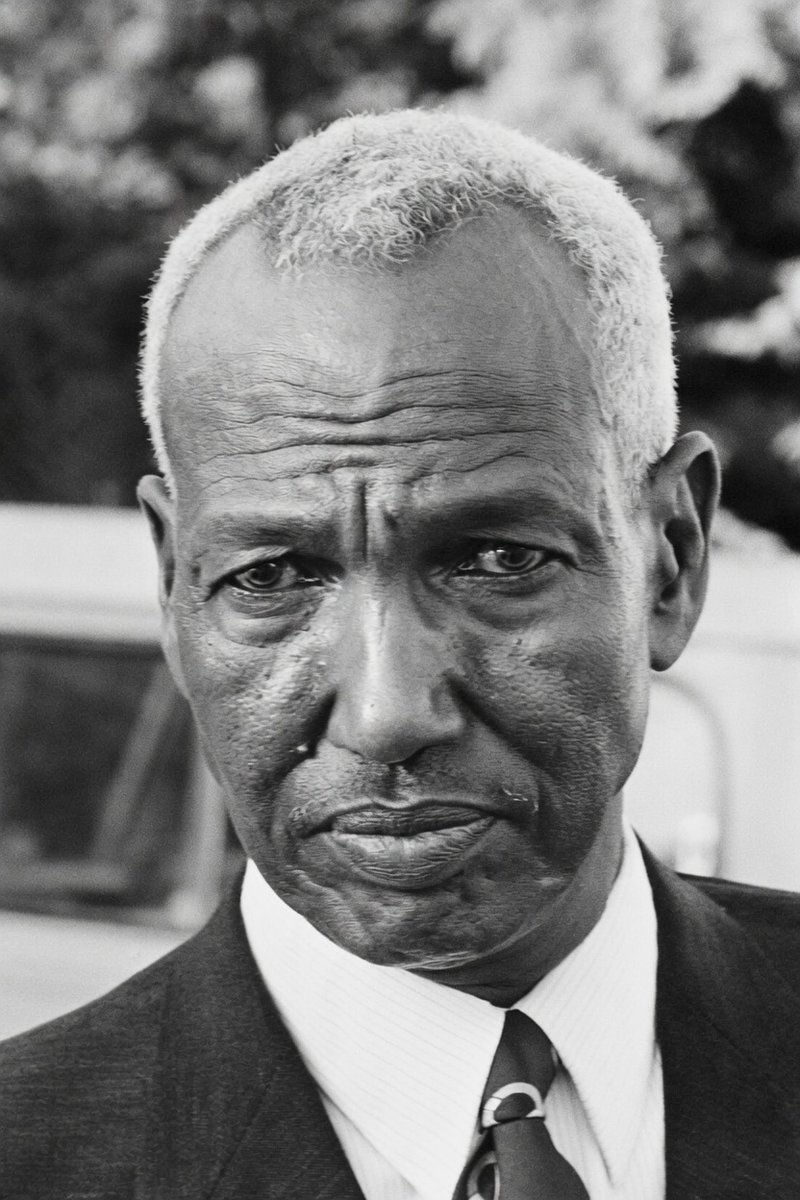
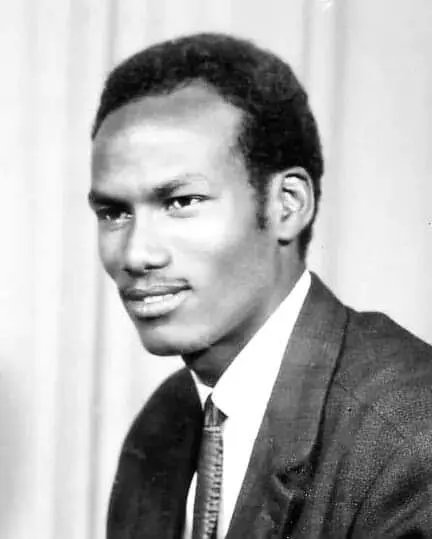
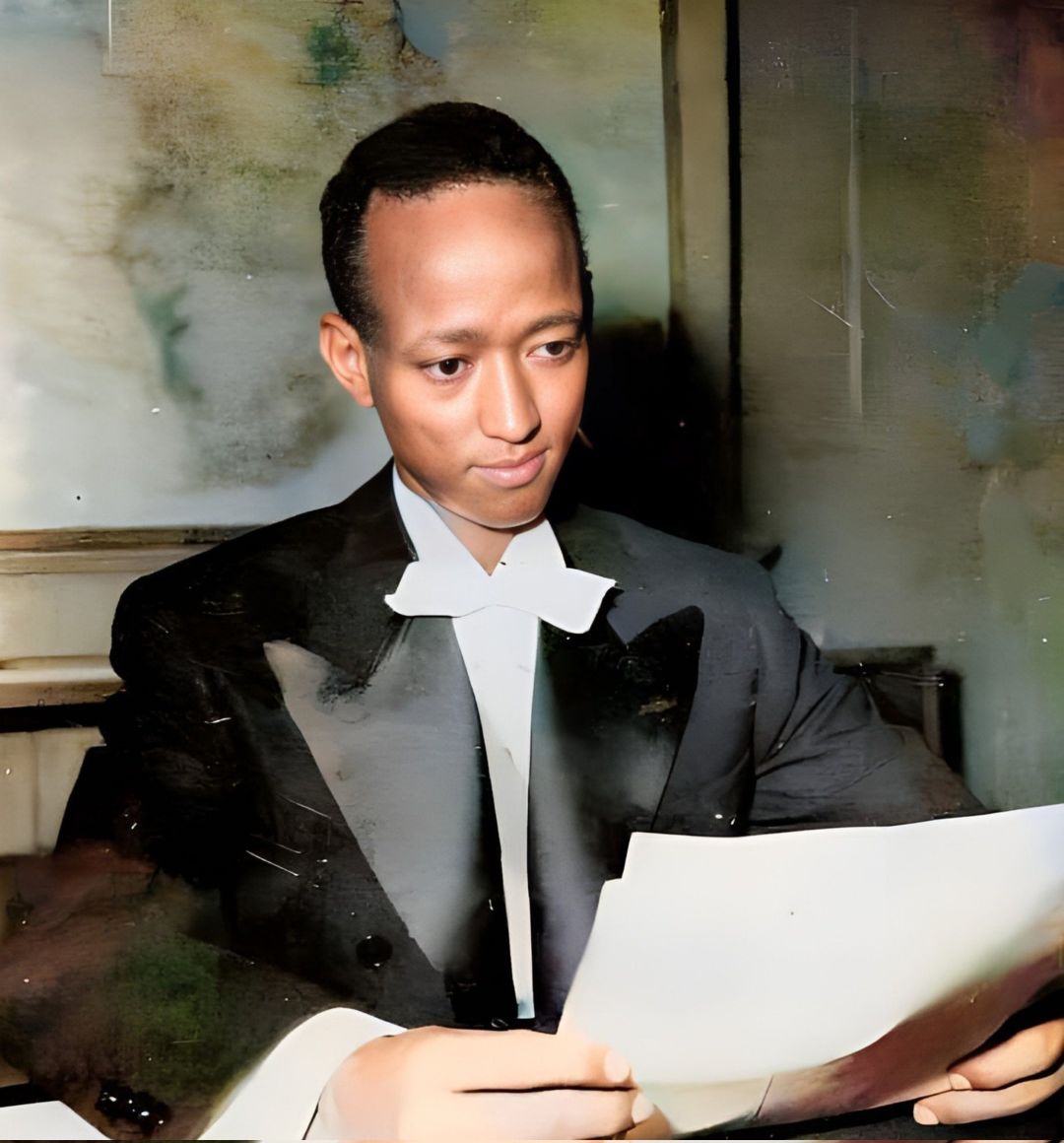
En ce 27 juin, la République doit prononcer les noms de Mahmoud Harbi, Ahmed Dini Ahmed, Aden Robleh Awaleh, Hassan Gouled Aptidon, ainsi que ceux de toutes les figures connues ou effacées de notre lutte nationale. Leur diversité politique ne diminue pas leur place dans l’Histoire, parce qu'ils sont l'histoire. Elle rappelle que l’indépendance fut l’œuvre d’un peuple, et non le privilège d’un homme.
J’y associe nos armées et nos forces de sécurité, ainsi que les femmes et les hommes qui les servent. On les exhibe le temps d’une parade, puis on les abandonne à des conditions indignes, à l’affaiblissement de leurs institutions et à l’absence de reconnaissance. Une nation ne peut pas célébrer ses forces le matin et les négliger le reste de l’année.
Le peuple djiboutien doit aussi refuser la falsification de sa mémoire. Le 27 juin ne peut pas devenir une mise en scène destinée à reléguer les artisans de l’indépendance dans l’ombre pour ériger en héros celui dont le parcours fut, durant cette période, à rebours de leur combat.
Le plus grave est leur effacement méthodique. Leurs noms ne sont presque jamais prononcés par celui qui cherche aujourd’hui à occuper seul le récit national. Ce silence répété n’est plus un oubli. C’est une confiscation politique de l’Histoire.
Le 27 juin n’est la propriété ni d’un régime, ni d’un président, ni d’un parti. Il appartient au peuple djiboutien et à celles et ceux qui lui ont rendu sa liberté.
Que leur mémoire demeure vivante. Et que la République cesse enfin de se célébrer elle-même pour devenir digne de ceux qui l’ont rendue possible.
1
1
152

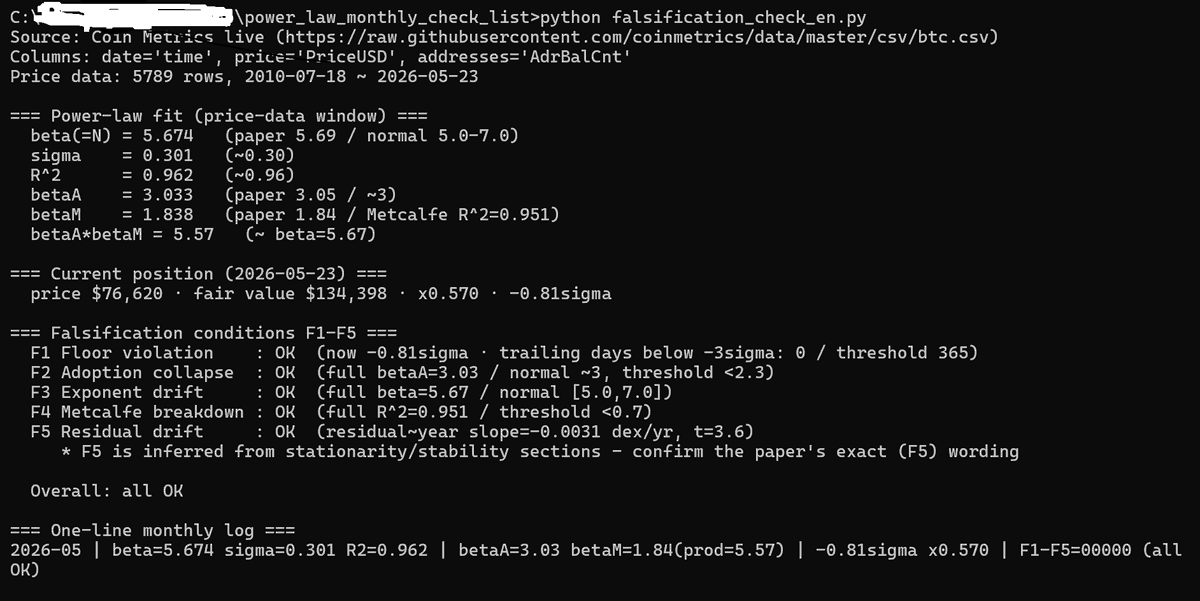
Is the Bitcoin power law still alive?
I check it every month.
The 5 falsification conditions (F1-F5) from Santostasi & Perrenod, measured on free Coin Metrics data:
· Floor violation — clear
· Adoption (βA≈3) — clear
· Exponent drift (β=5.67, normal 5-7) — clear
· Metcalfe R²=0.95 — clear
· Residual stationarity — clear
All five pass.
Price is at x0.57 of the trend line (cheap, lower band), but the model itself is intact.
@Giovann35084111 @moneyordebt @ScientificBTC
#Bitcoin #PowerLaw
2
11
56
3,823

Despite Popper, falsification is not a common demarcation criterion between science and pseudoscience. Lots of scientists confirm. Look at your own papers! Few falsifications there. There are a lot of confirmations though. But what there is is testing.
1
9


The final revelation was sent by GOD as a MERCY to MANKIND.
Which is why it was given DIVINE PROTECTION, ESTABLISHING its AUTHORITY over CONTRADICTIONS in previous scriptures, caused by HUMAN FALSIFICATION, which happened !
1
9

The uBiome madmadam ( dr Elizabeth Bik) was protected… as for the same as what she did, others ( Elizabeth Holmes) ended up in jail fir many years!!!
Why did she remained free?
That will be an interesting question !!!
Especially as SHE was then recycled and put in charge of the PubPeer network of shame! Just this recycling begs another deep question!
WHO did protect her?
WHO had the reach to influence the FBI?
What was the nature of the deal at PubPeer ( pubsmear)
I think WE ALL need the answers … because she was the main ingredient in a mob network of scientific deceit and falsification
We know that Lonni Besancon is a trolling creature of the Wallenberg ( Astra Zeneca) foundation -but he was just the useful front and attack dog of this mob network !
Who planned and ran it all?
Deeeeep question;)!

I still haven't seen the Ubiome madwoman in the @SenateFloor tell us under oath that there is no link between vaccines and cancer ! And where are his accomplices ?
hsgac.senate.gov/subcommitte…
9
13
349

Les “judéo-chrétiens": ce n'est pas un groupe qui a "fusionné". C'est un terme qui désigne juste le fait que le Nouveau Testament s'appuie sur l'Ancien. Toujours aucune preuve de falsification textuelle donc. J’attends des preuves textuelles/historiques : qui, quand, où?
1
10