
Jun 10
Looking for the reports?
We've made both versions available:
• Condensed Summary Report
• Expanded Technical Report
Both can be found at the top of our EV Training & Resources page:
brimstonefireprotection.com/…
For those who attended FDIC or have reviewed the FSRI presentation, what was your biggest takeaway?
9
Jun 10
New research from UL’s Fire Safety Research Institute (FSRI) is providing important guidance for the future of EV fire response.
At FDIC 2026, FSRI presented findings from 18 full-scale EV fire tests and identified four response methods supported by their research:
• Let it burn
• Handlines
• Under-vehicle cooling nozzles
• EV fire blankets
Among the most notable findings, FSRI highlighted under-vehicle cooling as a preferred method for reaching battery packs without lifting or tilting vehicles and recognized the value of impermeable fire blankets for helping contain smoke and contaminants during incidents.
As lithium-ion battery incidents continue to increase across transportation, commercial facilities, fleets, and public infrastructure, access to research-backed information is more important than ever.
To help responders, safety professionals, and decision-makers better understand the findings, we’ve created both a condensed summary and a detailed technical report covering the key takeaways from the presentation.
Access the reports through the link in our bio and watch the full video breakdown on our YouTube channel.
The conversation around EV fire response continues to evolve. Research, training, and practical field experience will play a critical role in helping organizations prepare for what’s ahead.
#ULFSRI #EVFire #LithiumIonBattery #FireProtection #FireSafety #BatteryFire #EmergencyResponse #FireService
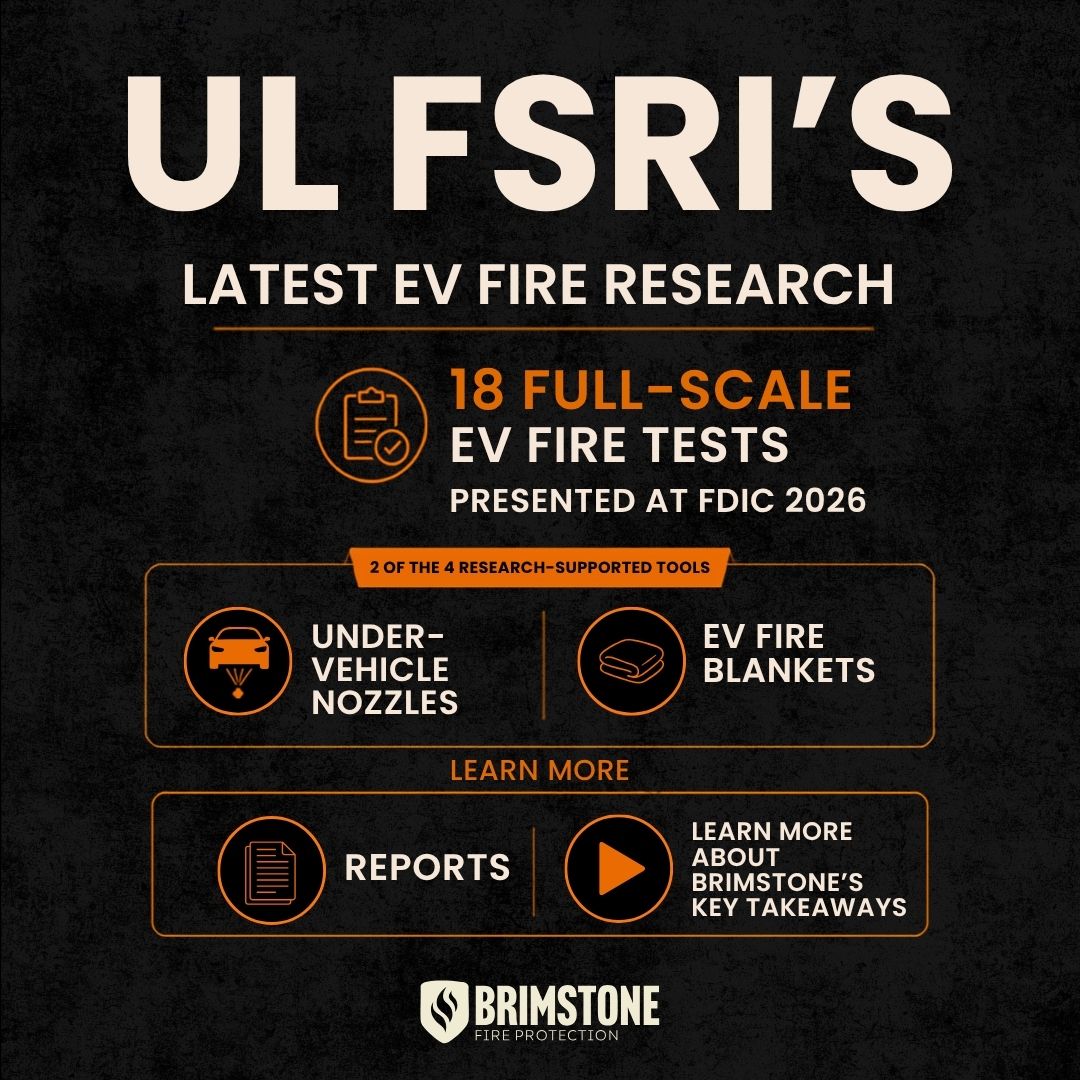
ALT Informative graphic showcasing UL FSRI's latest electric vehicle fire research. Highlights tools and tests presented at FDIC 2026.
1
27

Jun 5
#FloridaBred Hot Rod Honey 🏎️ 🍯 ✨ Takes @GulfstreamPark Maiden Special Weight and #FTBOA FSRI Bonus 🏇 💸 💸
@SamyCamacho1 @OcalaStud @AirdrieStud #FloridaSireRacingIncentive #FloridaSire #Wire2Wire #HorseRacing ⬇️ bit.ly/HotRodHoneyFSRIWIN
2
3
332

May 15
질식포(화재 담요)만으로는 리튬이온 배터리 장착 전기차 화재를 완전히 진압하기 어렵습니다. 산소 차단 원리로 기대하지만, 배터리 화재의 특성 때문에 한계가 큽니다.
왜 완전 진압이 안 되나?
• 리튬이온 배터리의 열폭주(thermal runaway) 현상: 배터리 내부에서 자체적으로 산소와 가연성 가스를 발생시킵니다. 외부 산소를 차단해도 내부 화학 반응(전기화학적 분해)이 계속 진행되며 불이 꺼지지 않습니다.
• 실험 결과: FSRI(UL Fire Safety Research Institute), NFPA, 한국 소방 연구 등 다수 실험에서 질식포를 덮으면 화염은 줄거나 사라지지만, 배터리 내부 온도는 여전히 높고(500℃ 이상 유지) 열폭주가 지속됩니다. 가연성 가스(수소 등)가 포 아래 쌓여 포 제거 시 폭발 위험이 있습니다.
한국 실험(SBS, 소방 연구)에서도 비슷합니다: 포를 덮으면 화염 확산은 막지만, 배터리 온도가 충분히 내려가지 않고 가스가 계속 나옵니다.
질식포의 실제 역할과 효과
• 장점:
• 주변으로 불이 번지는 것 방지 (차량 내장재 연소 지연).
• 복사열 차단 → 지하주차장 등에서 옆 차량/건물 보호.
• 유독 가스·연기 일부 억제 → 시야 확보와 인명 보호에 도움.
• 초기 화재(배터리 미관여)나 주변 화재에는 효과적.
• 단점:
• 배터리 직접 관여 시 완전 소화 불가.
• 포 자체가 고온(1000℃ 이상)에서 손상될 수 있음.
• 장시간 덮어도 열폭주가 멈추지 않아 재발화 위험.
더 효과적인 대응 방법
소방당국 권고:
1. 물 냉각이 핵심 — 배터리 팩에 직접 물을 주입하거나 대량 살수로 식혀야 합니다(수천 리터 필요).
2. 질식포는 보조 수단으로 사용: 불 확산 방지 물 살수 병행.
3. 전문 소화제(에어로졸, 특수 포말)나 침수 방법(간이수조) 고려.
결론: 질식포는 “완전 진압”이 아니라 화재 통제·확산 방지 도구입니다. 일반 소화기나 포만 믿지 말고, 전문 소방대 도착까지 시간을 버는 용도로 활용하세요. EV 화재는 일반 차량 화재와 완전히 다르니, 최신 소방 가이드라인을 참고하는 게 좋습니다.
May 14

요즘 전기차 화재 뉴스 볼 때마다 가슴 철렁하는데, 이 영상 속 장비가 아주 물건임.
이건 '질식 소화포'라는 건데, 화재가 난 차량에 커다란 내화 천을 씌워 산소를 완전히 차단하는 방식임. 물을 아무리 뿌려도 잘 안 꺼지는 전기차 배터리 열폭주 상황에서 유독가스 확산을 막고 불길을 잡는 데 아주 효과적임.
무겁고 위험해 보여도 소방관 몇 명이서 슥 덮기만 하면 상황 종료니, 요즘 소방서에서는 필수템으로 통한다고 함. 안전을 위해 이런 스마트한 장비들이 더 많이 보급되어야 할 듯함.
1
868

Apr 17
2jt ga dapet ac bagus buat dinginin ruangan. Naikin lagi buat dapetin inverter. Jangan mau percaya kalau ada tukang ac bilang ac inverter jelek gampang rusak, itu akal-akalan kang service ac karena inverter ganisa di "mainin" sama mereka leboh complicated fsri ac conventional
1
2
1,547
Overpressure event.
Subtle indicators.
Rapid change.
Can we really recognize it in real time?
FSRI training:
training.fsri.org/resources/…
🎥 Video Credit: unknown
#firebehavior #flowpath #FireEducation
1
8
515

Mar 20
The Fire Service Scoop looks at updates from Bullard, Snap-tite, NVFC, UL FSRI. Plus, it's Spark the Fire Dog's 75th anniversary!
firehouse.com/55364225
1
2
455

Mar 20
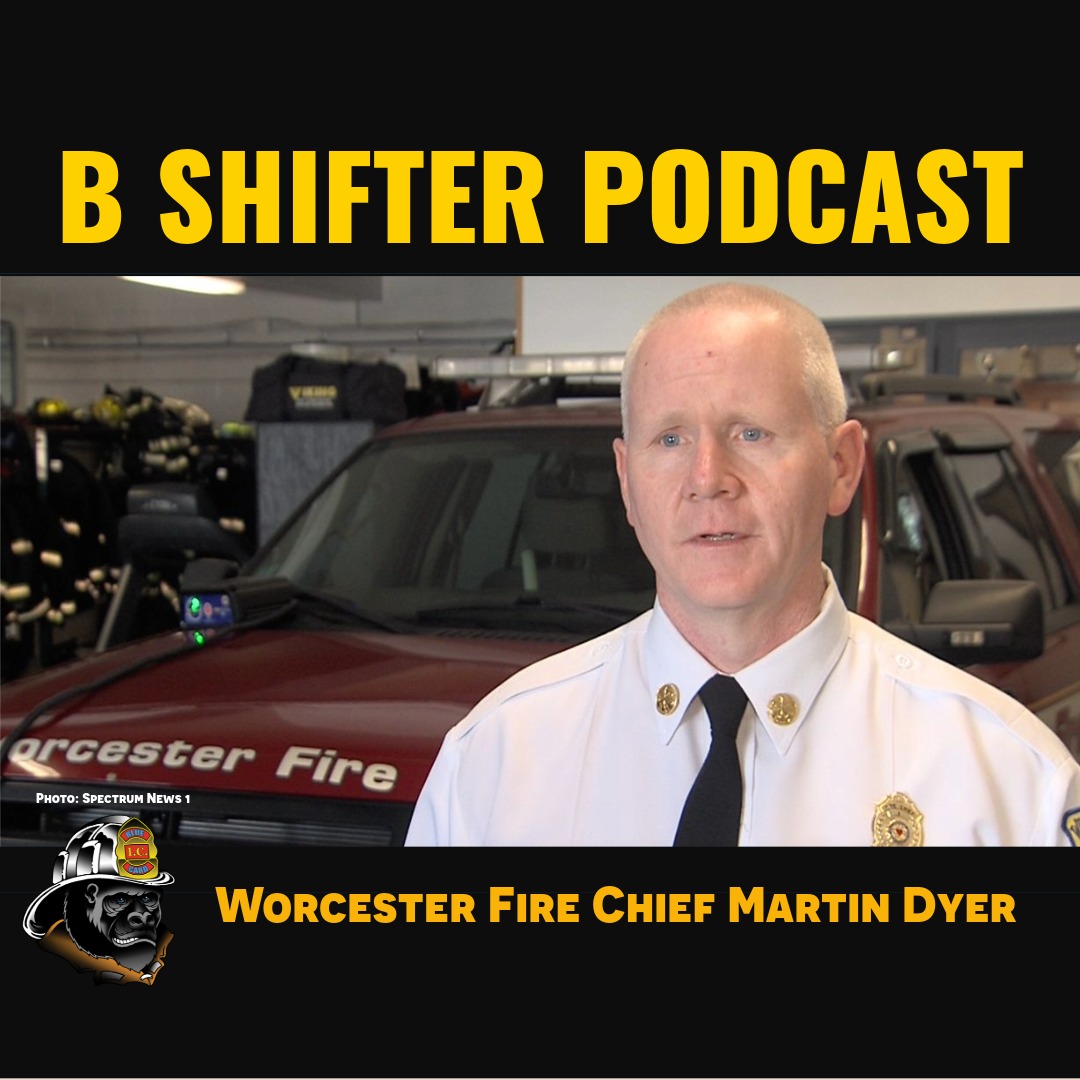
NEW B SHIFTER PODCAST 🎙️
We sit down with Worcester Fire Chief Martin Dyer to talk about what real officer accountability looks like—and why the front seat can’t be a part-time leadership role.
This is a deep dive into disciplined command, integrated training, and the kind of culture change that makes firegrounds safer and service delivery sharper.
In this episode, we cover:
• Worcester’s history—and how tragedy drives learning
• Department profile, staffing model, and command structure
• Ending “ride up” coverage in officer seats
• What accountability and supervision really mean at the company level
• Tying Blue Card command training to civil service promotion
• Integrated drills connecting strategy, tactics, and tasks
• Lessons learned implementing—and sustaining—change
• Communication tools, early adopters, and building credible internal trainers
• Triple deckers, balloon frame hazards, and resource planning
• Early alarm policies, command depth, and Level 1 staging
• Advice for future company and chief officers
• Fire dynamics, FSRI, and professionalism as customer service
This is a must-listen for anyone serious about command, leadership, and raising the standard.
🎧 Listen now: podcasts.apple.com/us/podcas…
#BShifter #BlueCard #IncidentCommand #FireService #Leadership
4
4
867
Mar 16
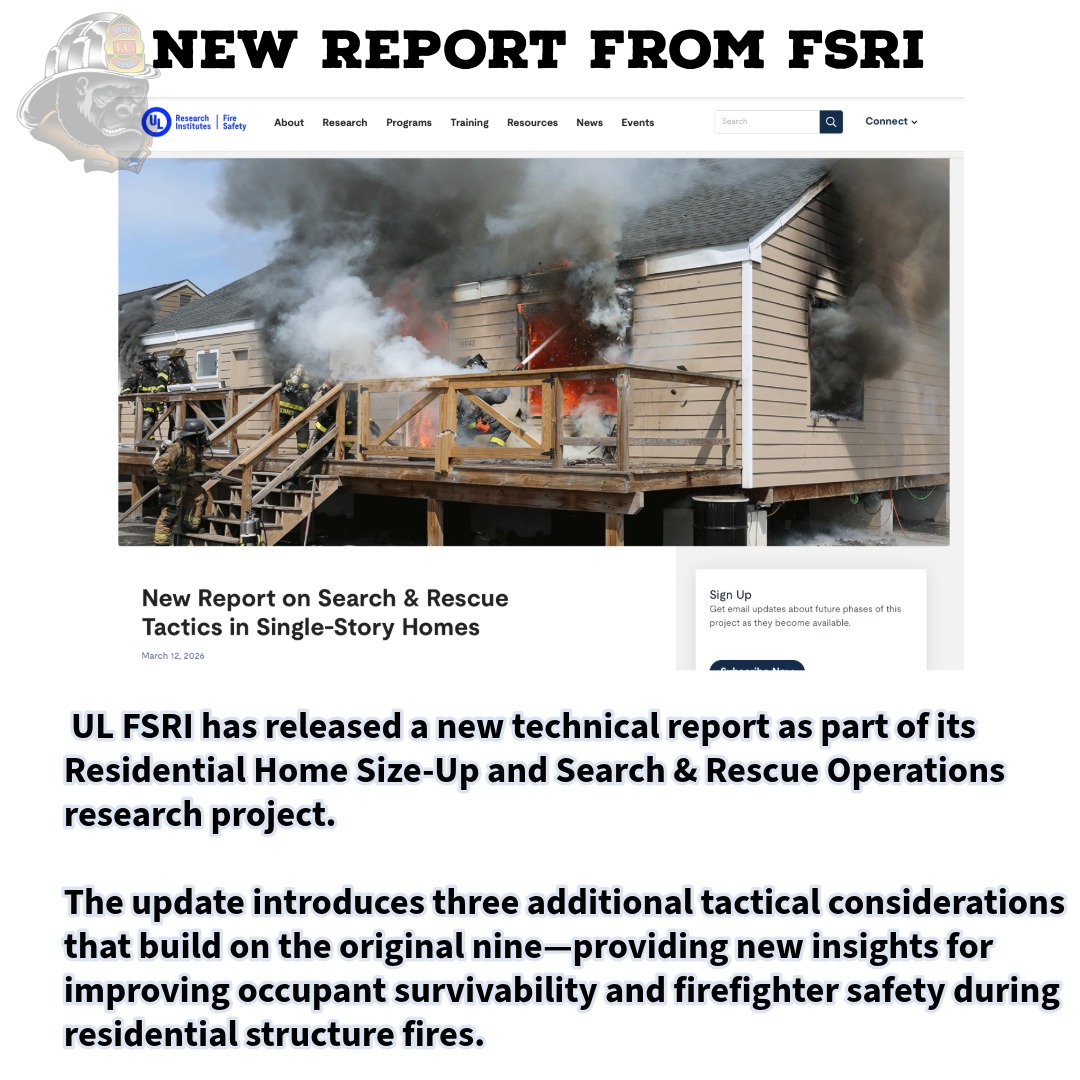
UL FSRI has released a new technical report as part of its Residential Home Size-Up and Search & Rescue Operations research project.
This update introduces three additional tactical considerations that build on the original nine, offering new insights that can improve both occupant survivability and firefighter safety during residential structure fires.
The research provides practical takeaways for company officers, incident commanders, and interior crews making real-time decisions on the fireground.
Watch the quick overview video:
youtube.com/watch?v=SFO44Yhf…
Download the full report:
fsri.org/research-update/new…
#FireService #FireResearch #ULFSRI #FirefighterSafety #SearchAndRescue
2
5
168

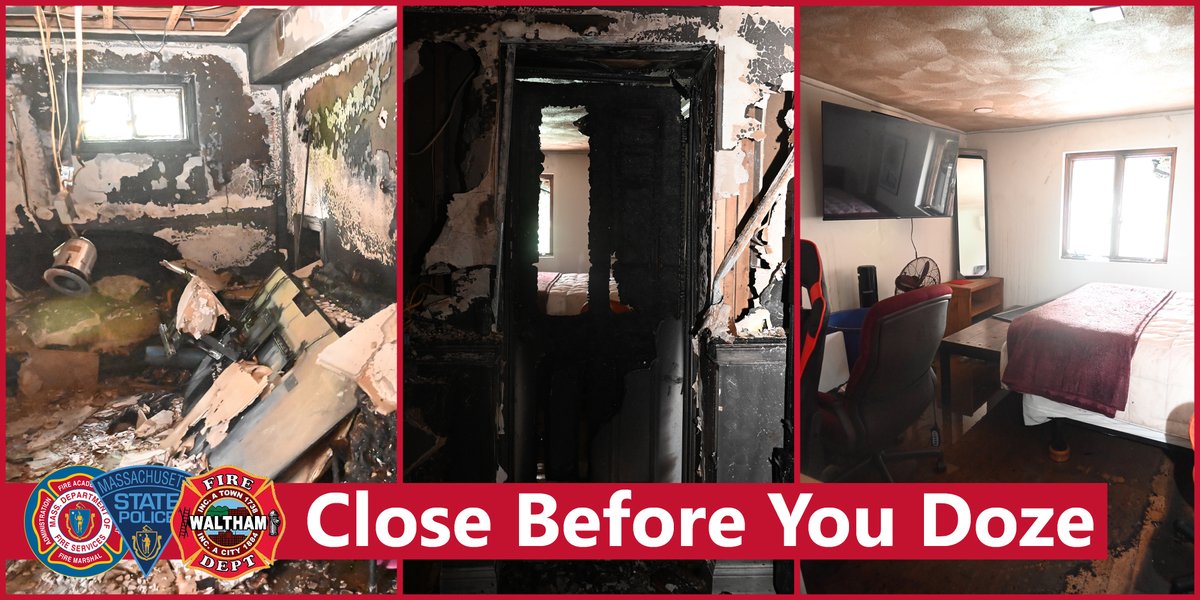
These photos were taken after the @WalthamFireDept extinguished a house fire. Note that the bedroom with a closed door was nearly untouched by smoke and flames. #CloseBeforeYouDoze to slow the spread of fire into your sleeping area! Learn more from @FSRI: closeyourdoor.org/
6
12
1,256

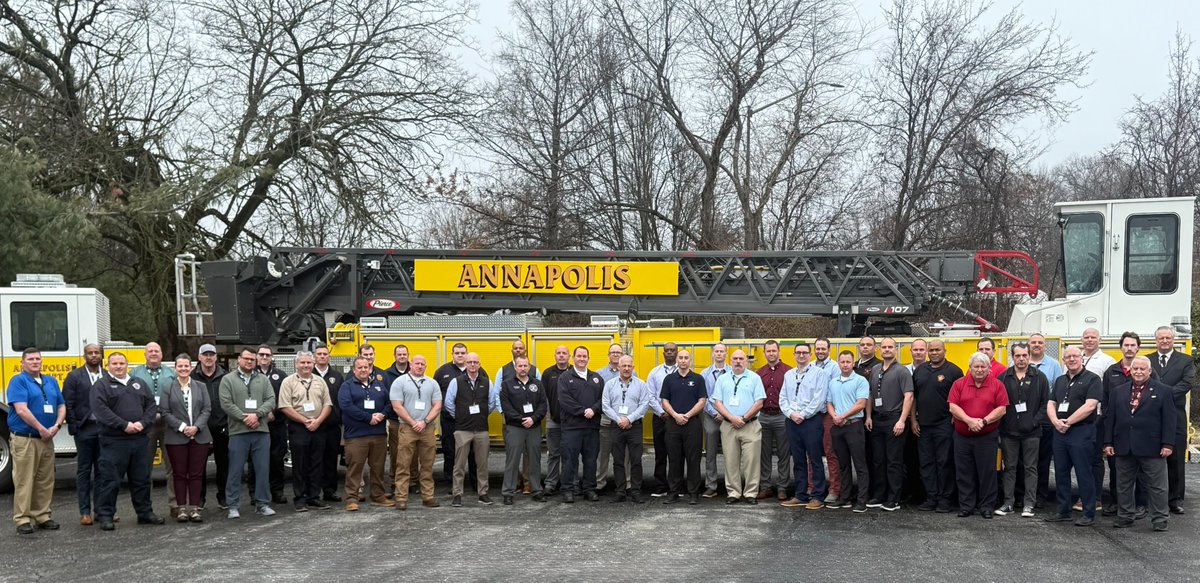
Staff & Command in Annapolis concluded on Friday with senior researchers from FSRI focusing on fire dynamics and best practices for residential fires.
Now in its 56th year, Staff & Command aims to sharpen fire leaders' professional knowledge and technical skills.

2
4
422

Mar 8
はい。
結論から言うと、消防や保険業界がEVより住宅用ESS(家庭用蓄電池)を重く見る最大の理由は、火災そのものよりも「住宅という逃げ場のない箱の中で、長時間・再燃性・爆発性のある高エネルギー設備が固定されている」点です。
EVは危険でも基本的には「車両」です。ESSは住居インフラなので、事故が起きた瞬間に人命・建物・隣家・保険金支払いが一体化してしまいます。
もう少し実務的にいうと、EV火災は「難しい車両火災」ですが、ESS事故は**“住宅火災+爆発危険+再発火+避難困難+近隣延焼”の複合災害**になりやすい。ここが決定的な違いです。FSRIの研究では、住宅の付属ガレージを模した実験で、熱暴走により発生した可燃性ガスがたまり、遅れて着火して爆発的な圧力上昇を起こす危険が示されています。IAFFも、住宅用ESSが絡む火災では消防士に追加の警戒が必要だと明言しています。
まず「逃げ場のなさ」です。
EVは路上、駐車場、屋外で問題になることが多い一方、ESSは住宅の壁際、ガレージ、ユーティリティ空間などに設置されます。NFPAは住宅用ESSに火災リスクがあるため、家のどこにでも置いてよいわけではないとして、設置場所に制限を設けています。これは逆にいえば、設置位置次第で避難経路や延焼性に影響するほどの危険源と見なされている、ということです。
そしてESSは固定式です。
事故が起きても、車のように屋外へ移動させることができません。夜間、家族が就寝中、停電時、ガレージや建物内の閉鎖空間で異常が起きると、住人は「煙」「有毒ガス」「爆発危険」の中で避難判断を迫られます。IAFF/ULの住宅用ESS研究は、こうした住宅内・住宅近接環境での対応困難さそのものを問題視しています。
次に、消火の絶望感です。
ここは「燃える」より**「熱暴走が続く」ことが本質です。ULはUL 9540Aを、ESSにおける熱暴走による火災伝播評価の中核試験**として位置づけており、NFPA 855でも大規模火災試験として明示的に参照されています。つまり、業界標準そのものが「単なる表面火災ではなく、セルからセルへ伝播する熱暴走」を前提にしているわけです。
さらに厄介なのは、火ではなくガスです。
FSRIの2024年の発表では、ESSの熱暴走で出る可燃性オフガスが密閉ガレージ内に蓄積し、**遅延着火によるデフラグレーション(爆燃)**を起こしうることが示されました。つまり、消防隊や住民は「見えている炎」だけでなく、見えていない爆発前駆状態にも対処しなければならない。これが従来の住宅火災よりはるかに嫌らしい点です。
保険・防災の現場では、これは「消火困難」だけでなく接近困難を意味します。
2019年のアリゾナのESS事故では、閉鎖空間にたまったガスが爆発し、消防士4人が重傷を負いました。IAFFはこの事例を、住宅ESS対応研究の背景事情として明確に挙げています。住宅用ESSは系統規模の施設より小さいとはいえ、閉鎖空間内でのガス蓄積と爆発という意味では、かえって人に近い場所で起きる分だけ質が悪いです。
保険の限界については、先生の直感どおりで、問題は「火災保険で払えるか」だけではありません。
多くのケースでは、住宅火災保険は火災そのものの損害を一定範囲でカバーしうるでしょうが、保険会社が本当に恐れているのは、1件の事故が建物本体・家財・太陽光設備・近隣延焼・仮住まい費用・賠償責任まで連鎖することです。Veriskは、BESSが普及するにつれ、保険会社にとってのリスク評価項目として、設置場所、システム構成、保守、消防対応、建物価値への影響が重要になると指摘しています。住宅用BESSそのものが保険目的物の価値を押し上げる点も論点です。
つまり保険実務では、これは単なる「家電の火災」ではなく、アンダーライティングを変える設備リスクです。
商業分野ではFMやMunich Reなどが、リチウムイオン蓄電設備について、長期運用での故障・複合システム障害・火災防護設計の重要性を繰り返し強調しています。FMはLi-ion ESS向けの専用データシートを出し、Munich ReもESSを複数の高機能部品が組み合わさった、長期的に故障しうる複雑系として扱っています。これは「普通の住宅設備と同じ保険ロジックでは見ない」という意味です。
もう一つ大きいのは、再発火と長期管理です。
Li-ion系の事故では、いったん鎮静化したように見えても、のちに再燃することがあります。FMは2026年のデータシートで、Li-ion火災は初期イベント後数時間たって再点火しうるため、ガス系消火設備は十分でないと述べています。住宅ESSでも規模は違えど、考え方は同じで、「消えたかどうか」ではなく監視継続が必要な設備火災になります。
加えて、ESSは家の中にある大型二次電池”なので、製品不具合がそのまま住宅リスクになります。
3
463
Watching the front door as BC.
Conditions change.
What changed — and why?
🎥 Video Credit: UL FSRI
#firebehavior #flowpath #FireEducation
1
5
340

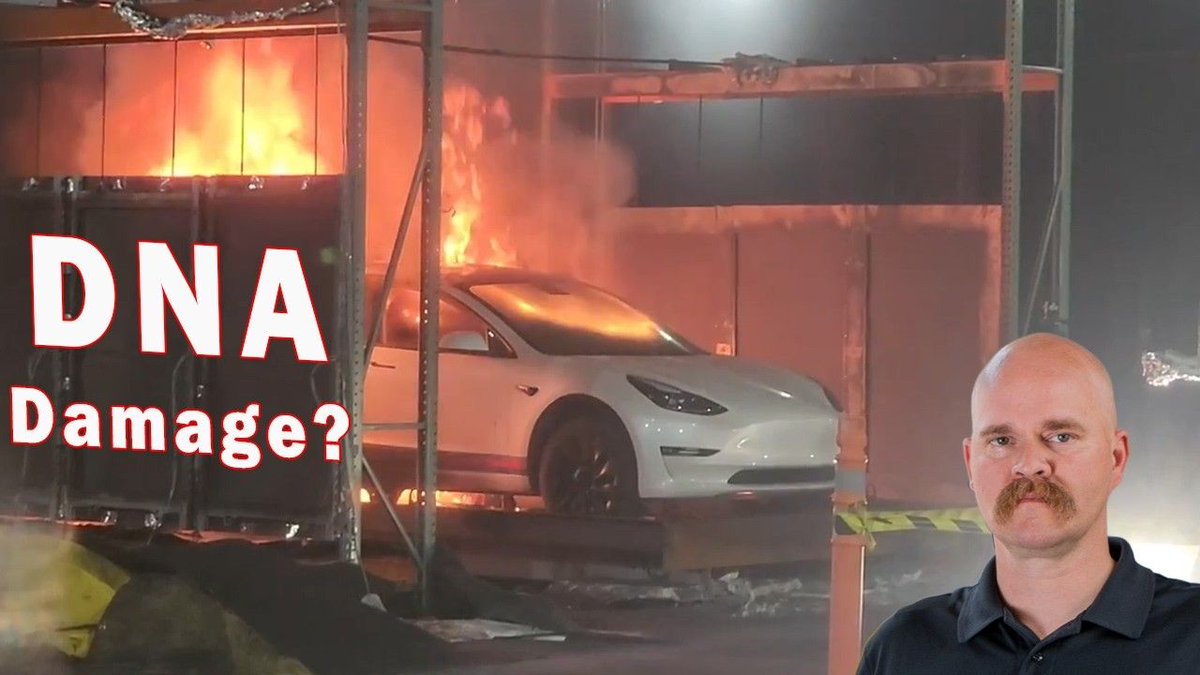
Over three years, the UL Fire Safety Research Institute (FSRI) conducted full-scale burns on electric and gas vehicles to analyze what’s actually in the smoke.
Six Electric Vehicles.
Three internal combustion vehicles.
Metals. Fluoride. PAHs. PFAS.
And laboratory testing to determine whether the particulate matter could cause genetic damage.
This isn’t opinion. It’s peer-reviewed data.
If you respond to vehicle fires, investigate them, tow them, or operate around them — this matters.
Watch here:
youtu.be/JAulSvAphu0
#FSRI #FireService #EVFires #VehicleFires #LithiumIon #FirefighterSafety #OccupationalExposure #BatterySafety #SCBA
2
5
91

Firefighter PJ Norwood of Connecticut Fire Academy and FSRI breaks down modern home fire behavior and why radiant heat exposure is a real threat in tight neighborhoods.
1
1
2
65
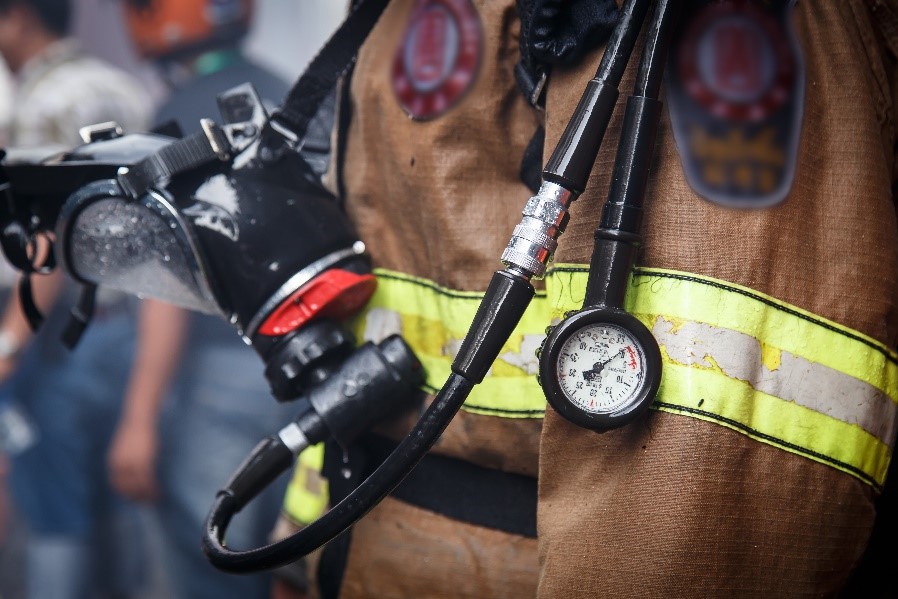
Do you teach a high school fire cadet or explorer program? FSRI wants to hear from you!
FSRI will host confidential, virtual interviews to learn about teaching challenges and priorities.
Interested? Please fill out this form: bit.ly/hs-cadet-instructor-s…
2
94

Feb 17
NERIS is more than a new reporting platform. It is an opportunity to rethink how we use data in the fire service.
On Fire Service Data and Tech Talk, leaders from Esri, UL FSRI, and Cape Coral Fire Department explain how to turn data into action for community risk reduction.
Watch the full episode:
ow.ly/7ggC50YgSAj
#FireService #NERIS #CRR
1
3
596

Jan 26
Another overpressure event from Montreal.
💥 Not extreme thermal insult — still a major risk.
💬 What indicators make you anticipate overpressure?
FSRI resource: training.fsri.org
🎥 @the4kguy | @flashpointequipment
#FireEducation #FireBehavior #flashpointequipment
3
17
1,552

Jan 21
Quiere más argumentos técnicos y resultados del estudio? Listo, sigamos la discusión técnico porque usted sigue llevando el debate a lo mismo, las clases sociales. Argumentos técnicos más fuertes del estudio
1. El problema no es la existencia del subsidio, sino su tendencia estructural al desbalance
El estudio demuestra, con series históricas y proyecciones, que el esquema actual de subsidios y contribuciones presenta un desbalance creciente y estructural entre:
El valor total de los subsidios entregados (acueducto, alcantarillado y aseo), y
La capacidad real de financiación vía contribuciones, aportes solidarios y recursos presupuestales.
Este desbalance no es coyuntural, sino persistente a lo largo de las vigencias analizadas (2018–2024) y tiende a ampliarse en el escenario inercial (sin ajustes) proyectado para 2025–2029
No tomar decisiones hoy no preserva los subsidios; por el contrario, los pone en riesgo en el mediano plazo.
2. La base fiscal que financia los subsidios es limitada y crece más lento que la demanda
El estudio evidencia que:
El número de hogares beneficiarios crece más rápido que el de contribuyentes.
Particularmente en estrato 2, el crecimiento de beneficiarios de subsidio de acueducto es sostenido y significativo.
Las contribuciones provenientes de estratos altos y usos comercial e industrial no crecen al mismo ritmo
Esto genera una presión directa sobre:
El Fondo de Solidaridad y Redistribución de Ingresos (FSRI).
El presupuesto distrital, que debe cubrir déficits crecientes.
El sistema está cargando cada vez más peso sobre una base de aportantes que no se expande proporcionalmente.
3. El estrato como mecanismo de focalización muestra límites claros (ineficiencia distributiva)
El estudio socioeconómico, basado en una encuesta representativa a 1.033 hogares urbanos, demuestra que:
Hay hogares en estratos subsidiados (1, 2 y 3) cuyos ingresos per cápita superan ampliamente la línea de pobreza.
Al mismo tiempo, existen hogares con alta vulnerabilidad económica en estratos no subsidiados o parcialmente subsidiados (estrato 4).
Ejemplo clave:
Ingresos per cápita promedio en estrato 3: ~$915.000
En estrato 4: ~$952.000
La diferencia económica real es reducida, pero el trato tarifario es completamente distinto
El esquema actual no maximiza el impacto social de cada peso subsidiado, lo que es fiscalmente ineficiente.
4. Mantener el esquema actual implica sacrificar otros gastos sociales prioritarios
El estudio analiza las fuentes reales de financiación del déficit:
Aportes solidarios.
Recursos del 10% del predial.
Regalías.
Recursos de entidades descentralizadas.
Presupuesto distrital.
Conclusión clara del documento:
A mayor déficit de subsidios, mayor presión sobre el presupuesto general, reduciendo el margen fiscal para otras políticas públicas.
Esto implica un costo de oportunidad real:
Menos recursos para educación, vivienda, seguridad o infraestructura.
Rigidez presupuestal creciente.
Defender subsidios insostenibles puede terminar debilitando otras políticas sociales igual o más importantes.
5. El estudio no propone una eliminación abrupta, sino una corrección técnica y gradual
Un punto fundamental para la defensa política:
La Universidad Icesi no recomienda eliminar subsidios.
Propone ajustes graduales en los factores, con escenarios comparados entre:
Situación actual (inercial).
Situación con propuesta ajustada.
Los modelos de series de tiempo muestran que:
La propuesta reduce significativamente el desbalance proyectado.
Mejora la sostenibilidad del FSRI.
Evita escenarios de déficit crítico en el horizonte 2025–2029

Jesús bendito, no más personas que responden con falacias ad hominem para evadir el argumento central que les están cuestionando. Y ojalá muestre el estudio tan falas afirmación de que los pobres desperdician
2
1
4
690

Jan 17
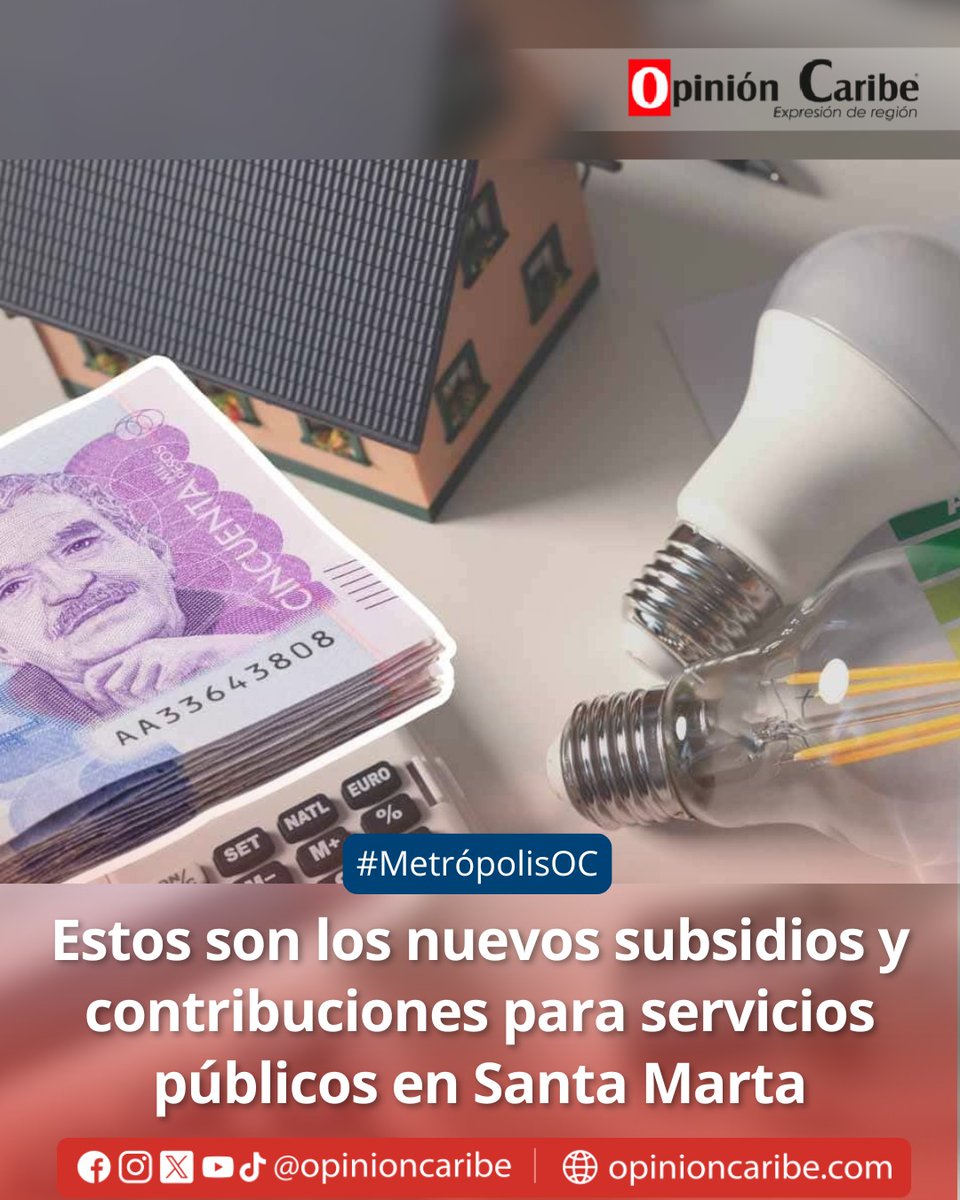
#MetrópolisOC El Concejo Distrital de Santa Marta aprobó el Acuerdo No. 019 de 2025, mediante el cual se establecen los nuevos factores de subsidios y contribuciones para los servicios públicos domiciliarios de acueducto, alcantarillado y aseo, con destino al Fondo de Solidaridad y Redistribución del Ingreso (FSRI).
➡️opinioncaribe.com/2026/01/17…
@by_vicro500 @ElCallejeroSM @SantaMartaDTCH @essmar_esp @Superservicios
3
3
839