

Feb 11
ivorygoats' snack review:
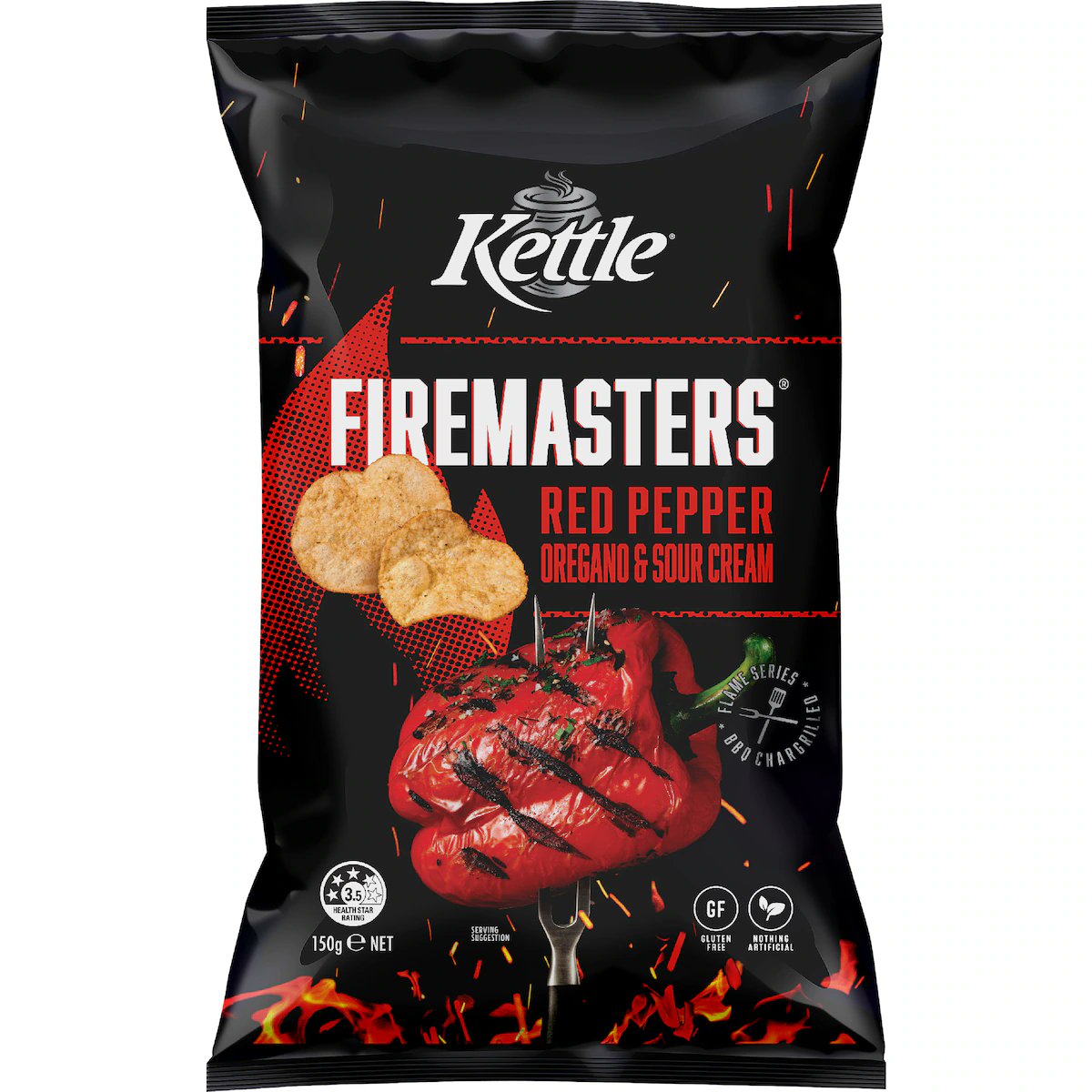
Kettle Firemasters - Red Pepper, Oregano & Sour Cream.
Slightly sweet and smokey with a vague hint of sour cream. Not a lot going on. Unless for some reason you find regular sweet chilli and sour cream chips too spicy there's zero reason to get these.
1
5
88

24 Dec 2025
Merry Christmas to the entire DNA ecosystem! 🧬🎄
Whether you’re gathering resources as a Forager, building the future as a Toolmaker, or aiming for the moon as an Astronaut—we appreciate every single one of you.
May your holidays be warm (shoutout to the Firemasters 🔥) and your memories colorful (like the Cavepainters 🎨).
#DNAToken #Evolution #Web3

7
4
22
975

18 Nov 2025
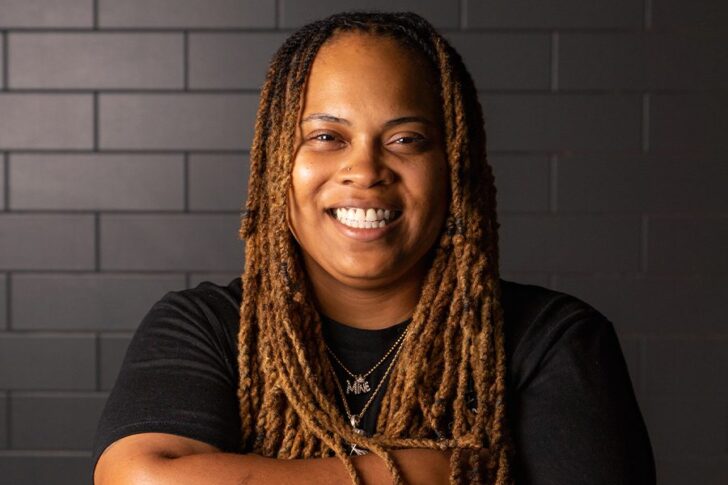
Northwood University is thrilled to announce that Chef Dominique Leach — award-winning pitmaster and owner of Chicago’s iconic Lexington Betty Smokehouse — will keynote the 51st Stafford Dinner on February 28, 2026, at Apple Mountain Resort!
From training in MICHELIN-starred kitchens to earning national recognition on BBQ Brawl, CHOPPED, and Firemasters, Chef Leach has redefined modern barbecue with heart, heritage, and world-class technique.
This year’s student-led dinner will feature an unforgettable NU-Opoly theme, bringing Northwood’s most beloved places and traditions to life — all supporting the Stafford Dinner Memorial Scholarship.
PLUS: Limited-edition NU-Opoly game sets are now available as part of a special scholarship fundraiser!
Read more: northwood.edu/news/food-netw…
2
2
242

30 Oct 2025
nvm apparently not allowedto post the build but val released her pause music so whatever atp the mod is cancelled its mine and firemasters code the fans should at least get something so the mod dies for good
10
23
2,552

1 Jan 2025
Have you seen how bamboo clumps on fire splutter, split and explode? Baozhu in Chinese — which literally meant ‘exploding bamboo’ was the predecessor of fireworks. According to Chinese legend, on New Year’s Eve, a monster would come to eat villagers and destroy villages. People burnt bamboo to produce an explosive sound to scare it away. Thus, fireworks became a tradition for New Year.
Like many inventions, firecrackers fireworks were created by accident and by search for immortality. Around 200 BC, Chinese unintentionally invented firecrackers by tossing bamboo into fire, but it took another thousand years before true fireworks came alive. As the story goes, around 800 AD, an alchemist mixed sulfur, charcoal, and potassium nitrate (a food preservative) hoping to find the secret to eternal life. Instead, mixture caught on fire and gunpowder was born. When the powder was packed into bamboo or paper tubes and lit on fire, history had its first fireworks.
If you attended a fireworks show in 800 AD, it would be unlike anything we see today. Paper fireworks were used to scare evil spirits or to celebrate weddings and births and were simply thrown onto a fire, not blasted into the air. There were no added colors, so a "fireworks show" was just a series of small, noisy explosions. Chemistry was an accidental discovery and there was still a long way to go.
Unsurprisingly, it wasn't long before military adopted gunpowder. By 1200, China had built first rocket cannons, using gunpowder to aim and blast projectiles at their enemies. Off battle field, however, this technology led to something beautiful: first aerial fireworks.
Gunpowder traveled west when European and Arabian diplomats and missionaries began visiting China around this time. Like their Chinese counterparts, Western engineers also developed weapons, this time, muskets and cannons but continued to develop fireworks, and they became larger and more elaborate.
If you attended a fireworks show in 1600, science would not have been much different from ancient China, but it was a lot more entertaining. Now used for military victories, religious events, or royal celebrations, aerial fireworks (still plain orange no color yet) were run by "firemasters" and their assistants, "green men". Before the show, green men, named for leaves they wore to protect themselves from sparks, would tell jokes to crowd while they prepared celebration. Being a green man, however, was a highly dangerous position, and many were injured or killed when their fireworks malfunctioned.
When English royals weren't competing with Europe for best fireworks display (King James II's firemaster was actually awarded knighthood for his impressive work), they were introducing fireworks to their 13 colonies across the Atlantic. If you've ever wondered why we celebrate Independence Day with these colorful explosions, you can thank the British and John Adams. On July 2, 1776, two days before the Declaration of Independence was signed, he wrote this letter to his wife:
"This day will be most memorable in the history of America," he predicted. "I am apt to believe that it will be celebrated by succeeding generations as the great anniversary festival... It ought to be solemnized with pomp and parade... bonfires and illuminations [fireworks]... from one end of this content to the other, from this time forward forevermore."
...and so it was. On July 4, 1777, the first anniversary of America's country-hood, there were indeed fireworks, and there would be for more than 200 years to follow.
Of course, if you had been there for America's anniversary, you still would not have seen colored fireworks. Explosions like those we see today would not be created for another 60 years when Italian inventors added in metals like strontium or barium. At long last, in 1830s, our modern fireworks were born, and celebrations took on an entirely new light.
Fengfanying Palza-Fanying Park, Wenzhou Zhejiang - China 🇨🇳
#archaeohistories
3
37
205
34,808

15 Aug 2023
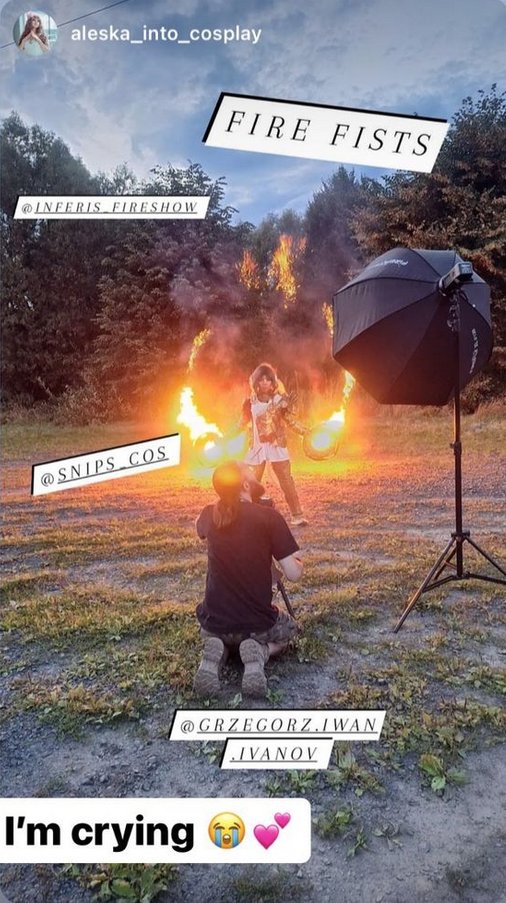
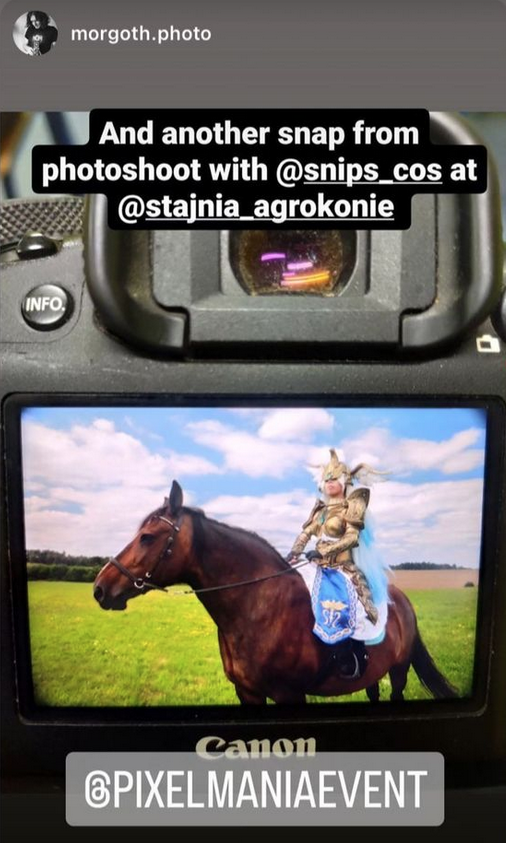
Je te rassure le feu n'est pas si proche de mes props, c'est une illusion d'optique (tout le monde a cru qu'on avait enflammé mes props 😂). Les firemasters se tenaient loin, je ne sentais même pas la chaleur du feu ! Halone à cheval c'était un gros need j'avoue 😭
1
2
34
15 Aug 2023
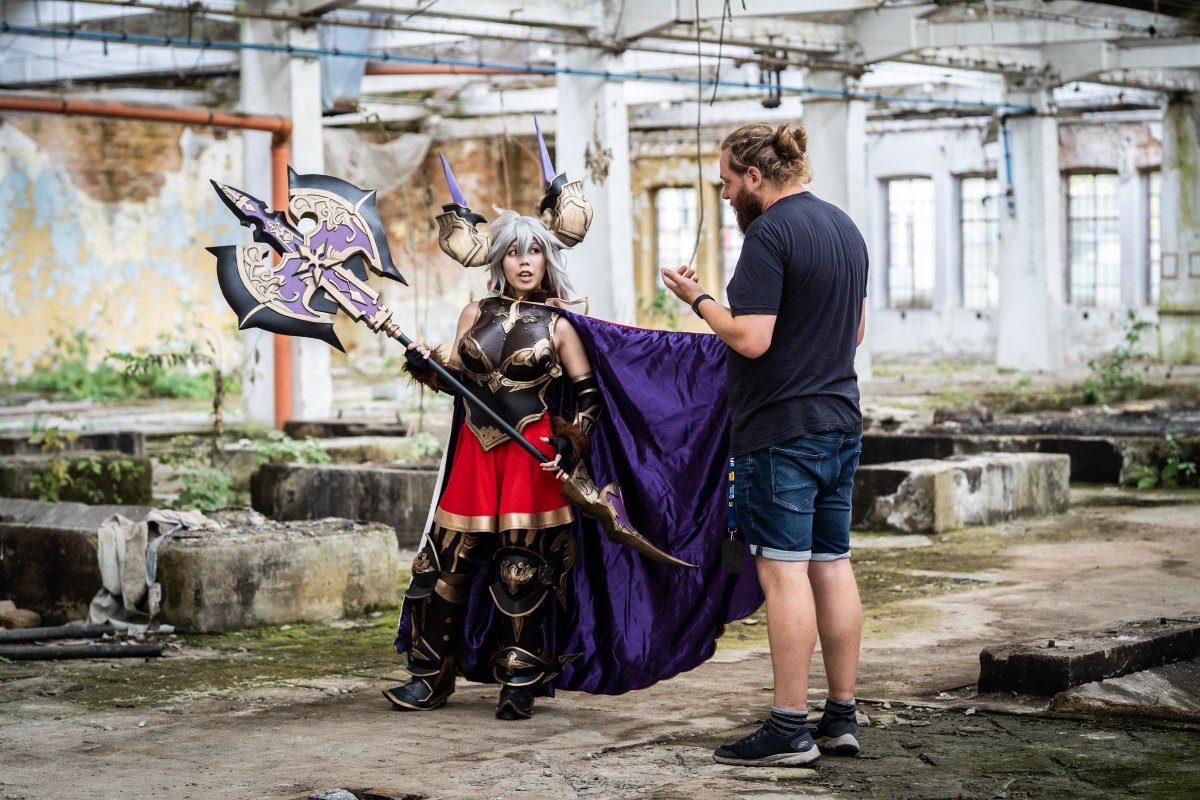
I came back from PixelMania in Poland yesterday! It was 3 intense days: 12 photo shoots (one with firemasters and one with a horse), many new amazing people met and a lot of incredible locations! I can't wait to show you all the pics taken 😭
📷 Last pic by @/dragu.pl (IG)
1
1
11
541

8 Aug 2023
@FoodNetworkCA Jenny Burthwright your fried green tomatoes did not deserve that snide comment from chef Tahir Bacchus, your meal was so creative and looked delicious 👏🏻👏🏻👏🏻 #Firemasters
106

18 Jul 2023
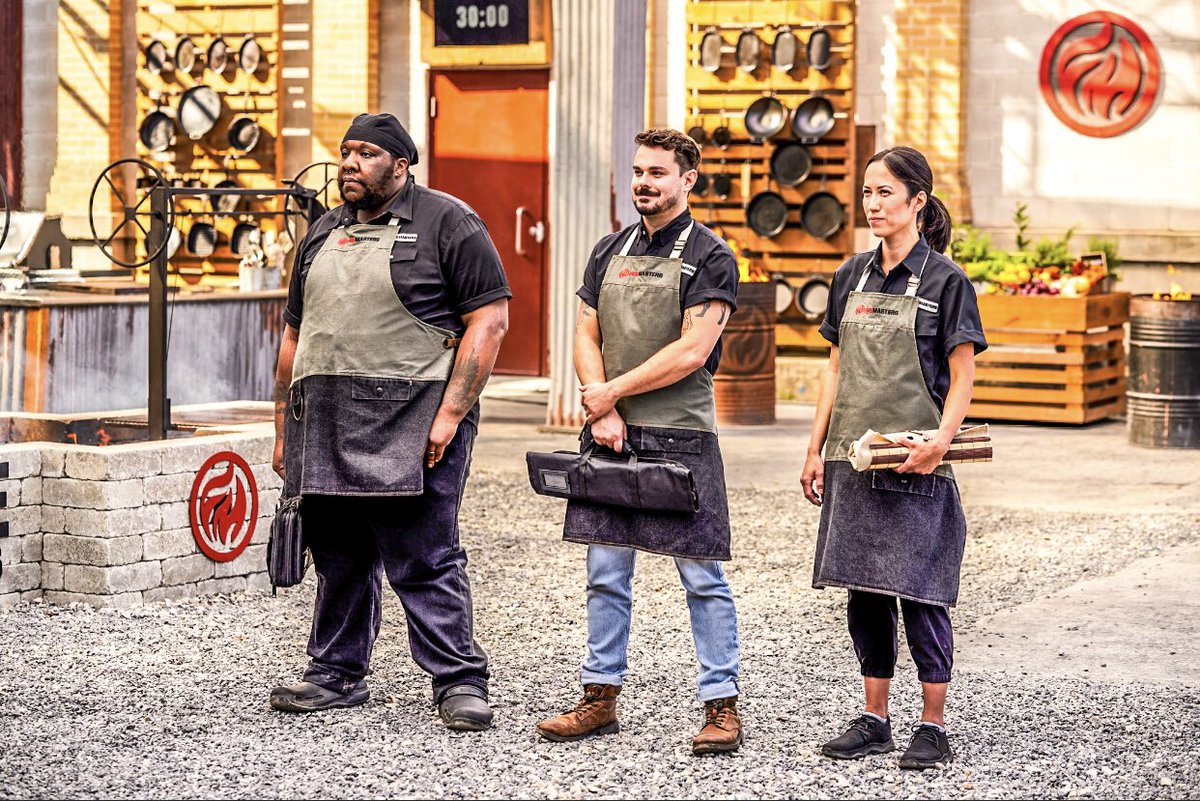
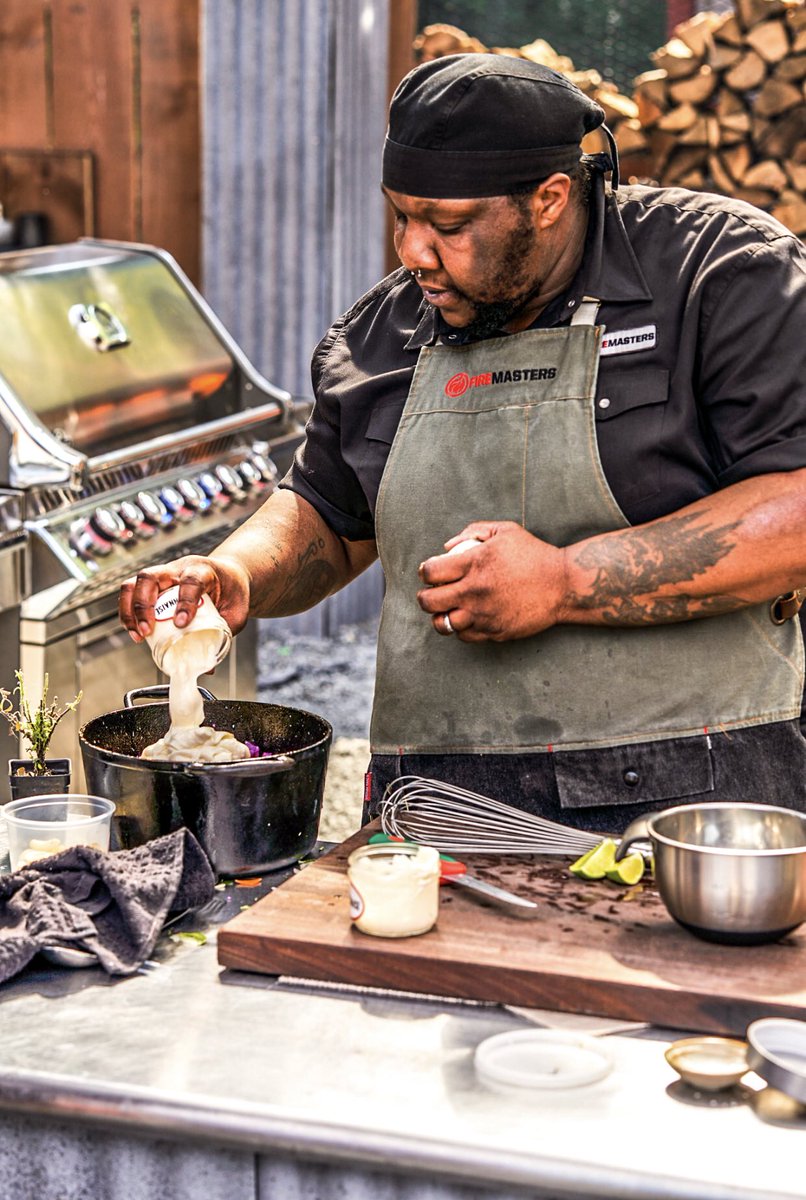
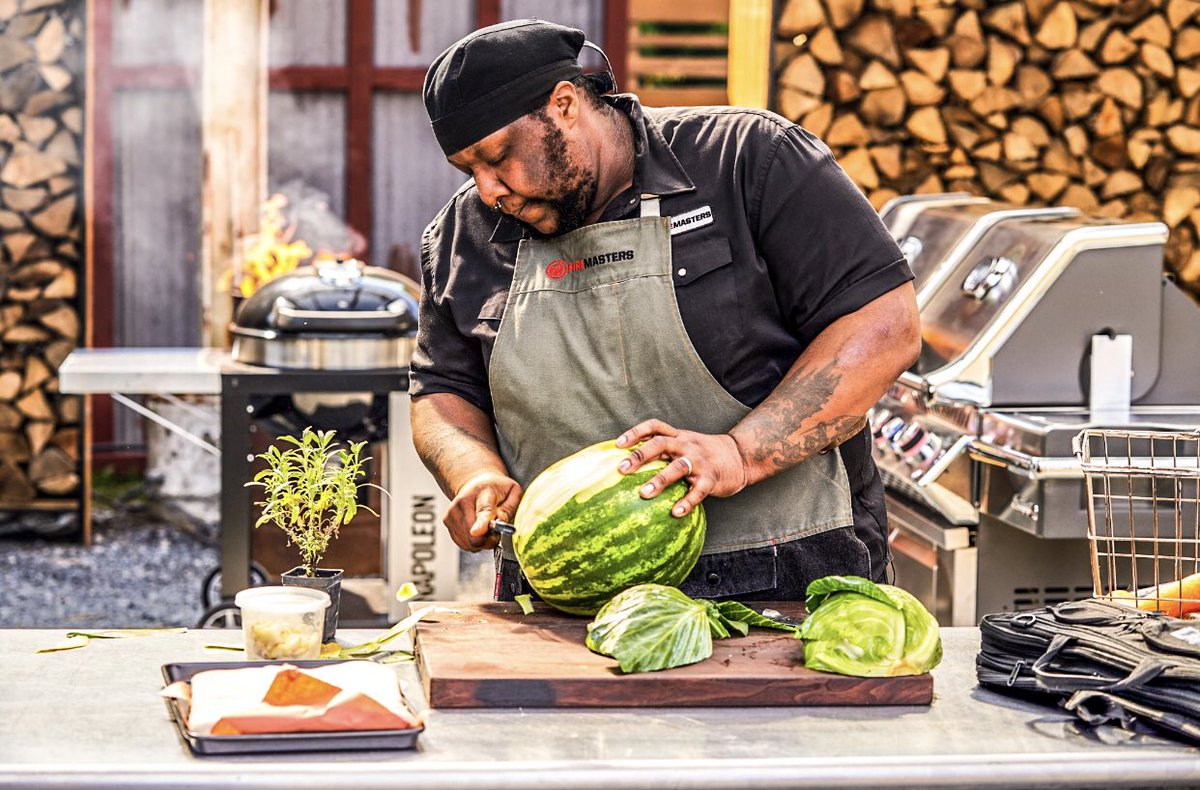
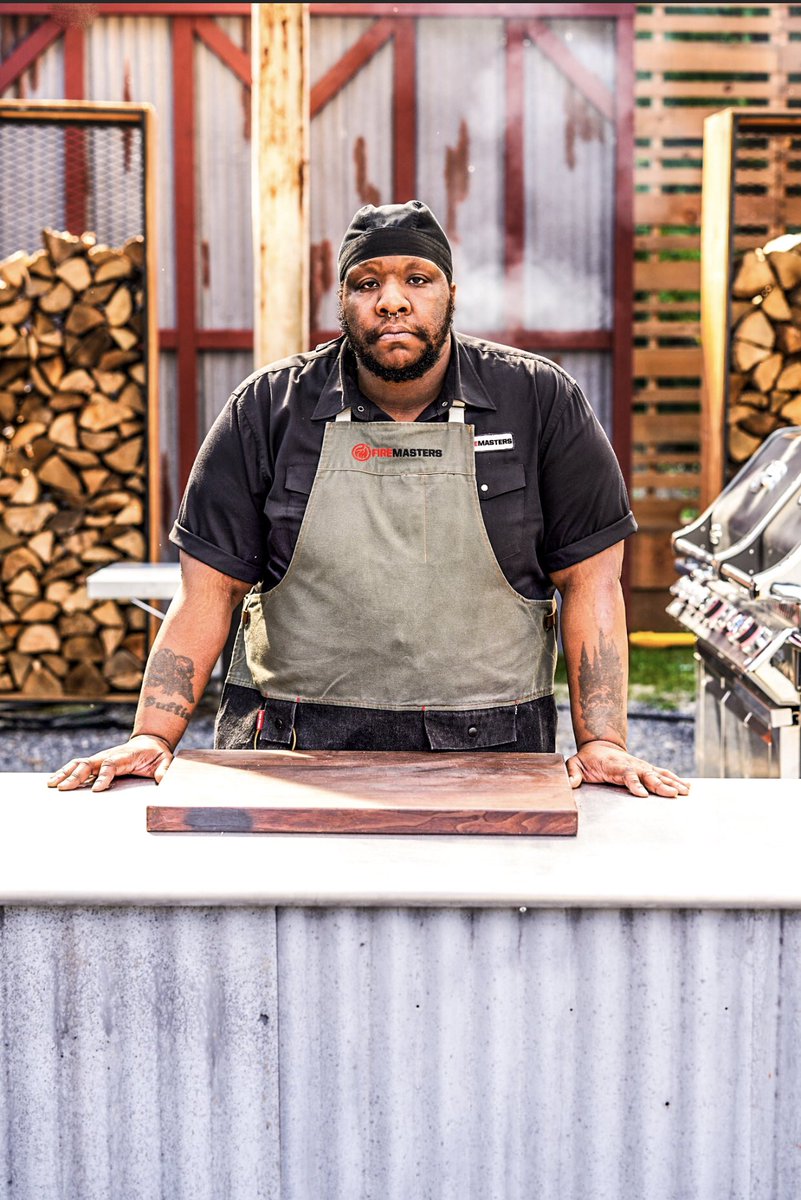
📷 Lost & Found Photos
🎥 “Fire Masters”
🍁 Toronto, Ontario
🇨🇦 @FoodNetworkCA
#firemasters #foodnetwork #foodnetworkca #foodnetworkcanada #bbq #barbecue #pittoplate #thecookingchannel #discoveryplus #food #cooking #chef #pitmaster #orelleyoung #toronto #ontario #canada
155

Quick stream updates:
- Tuesday 4pm: Post-#FireMasters Shanghai Shawarma
- Thursday 4pm: Rouladen with @DanasKitchen.
Usual bat channel.
Come put some #AsiaInYourMouth!
Twitch.tv/johnleung888
#TwitchStreamers
1
94
We’re going for the title of #FireMasters champ on @FoodNetworkCA — and We're live now to find out if we’ve done it: twitch.tv/johnleung888
#TwitchStreamers @teamhappypeople @twitch
2
4
100

19 Jun 2023
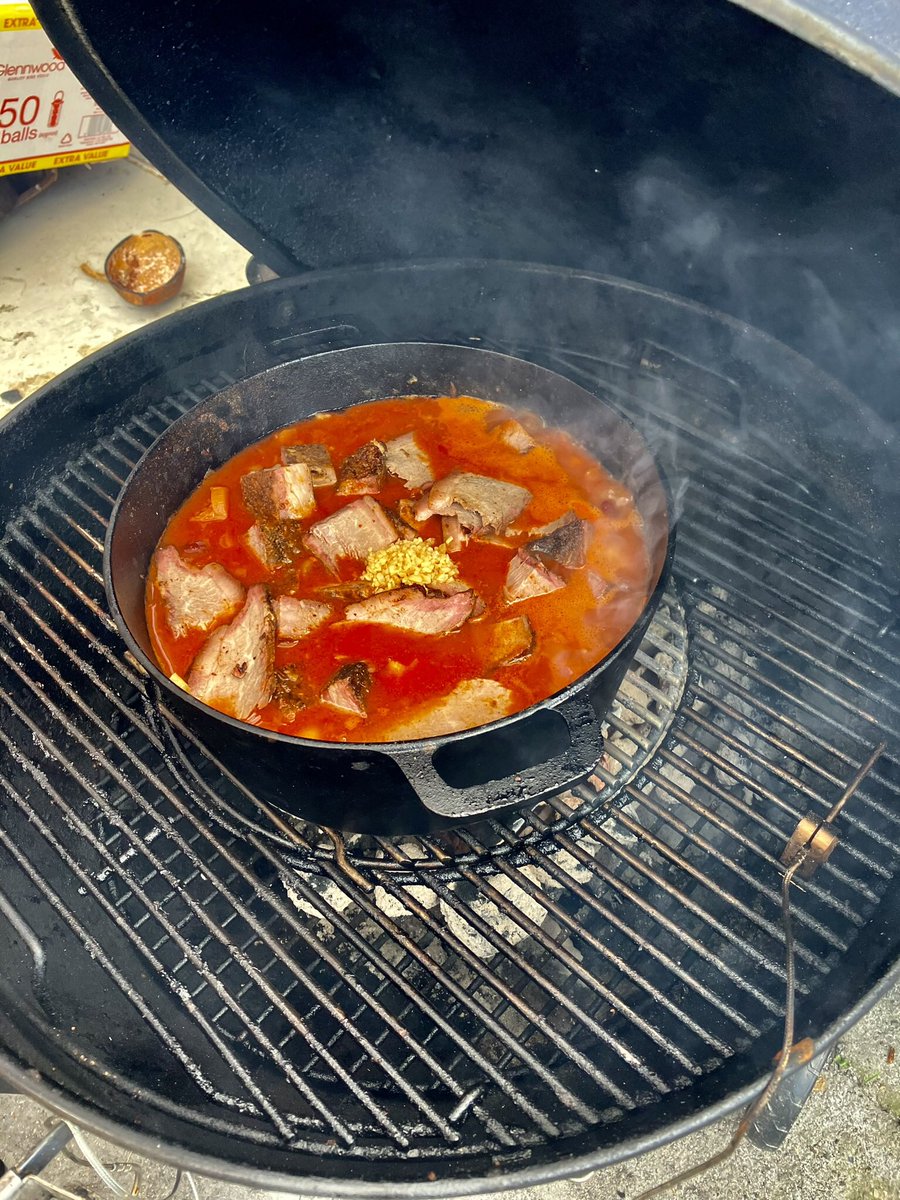
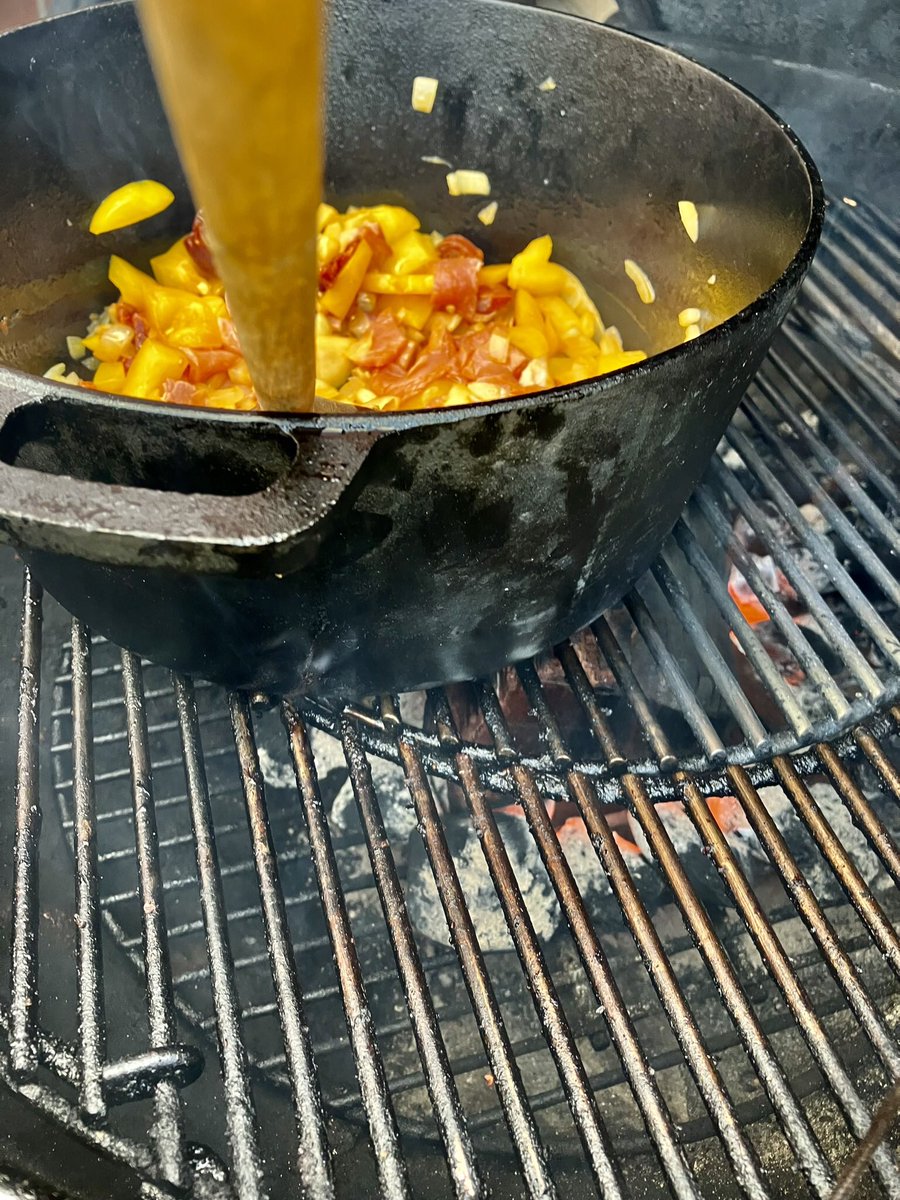
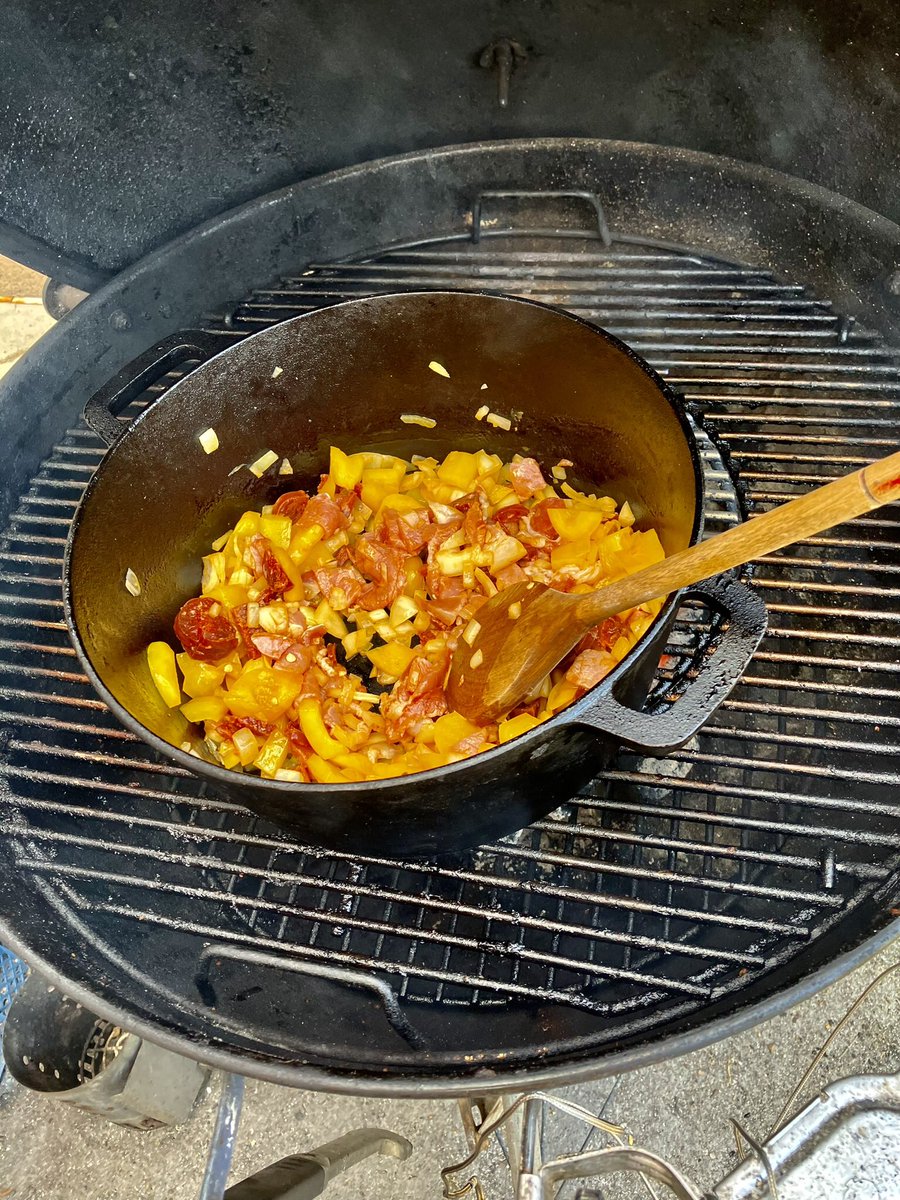
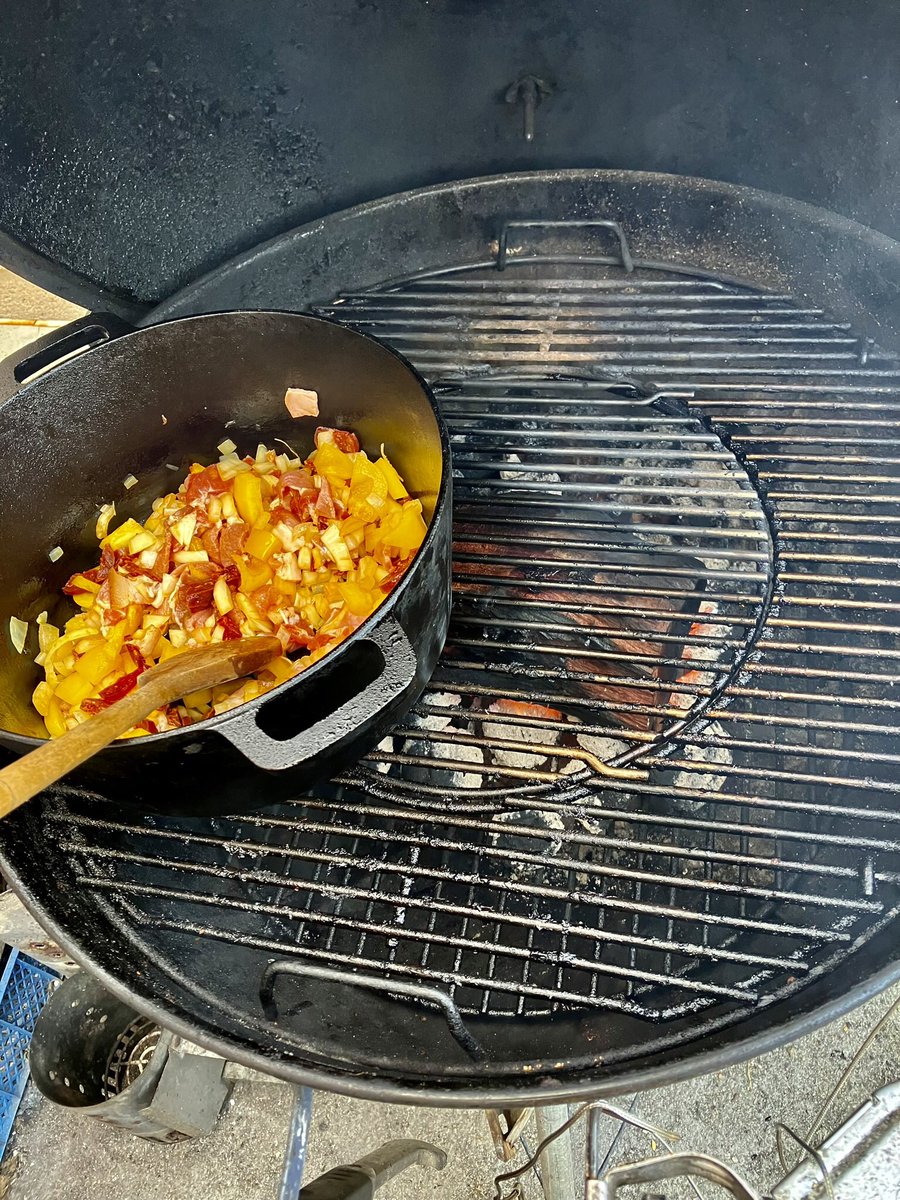
Not a strictly Mexican chilli but cooking over kameeldoring Braai wood. Open fire. Let’s see how this goes. Gonna give it 3/4 hours. Leftover brisket chilli. Firemasters #brisketchill #nofoodwaste #bbq #dutchovencooking
9
334

19 Jun 2023
Calgary’s very own @JohnLeung888 kicking it at the @FoodNetworkCA #FireMasters watch party. Remaining chefs has no choice but to make #asian meals in tribute! #YYCeats #YYCfood
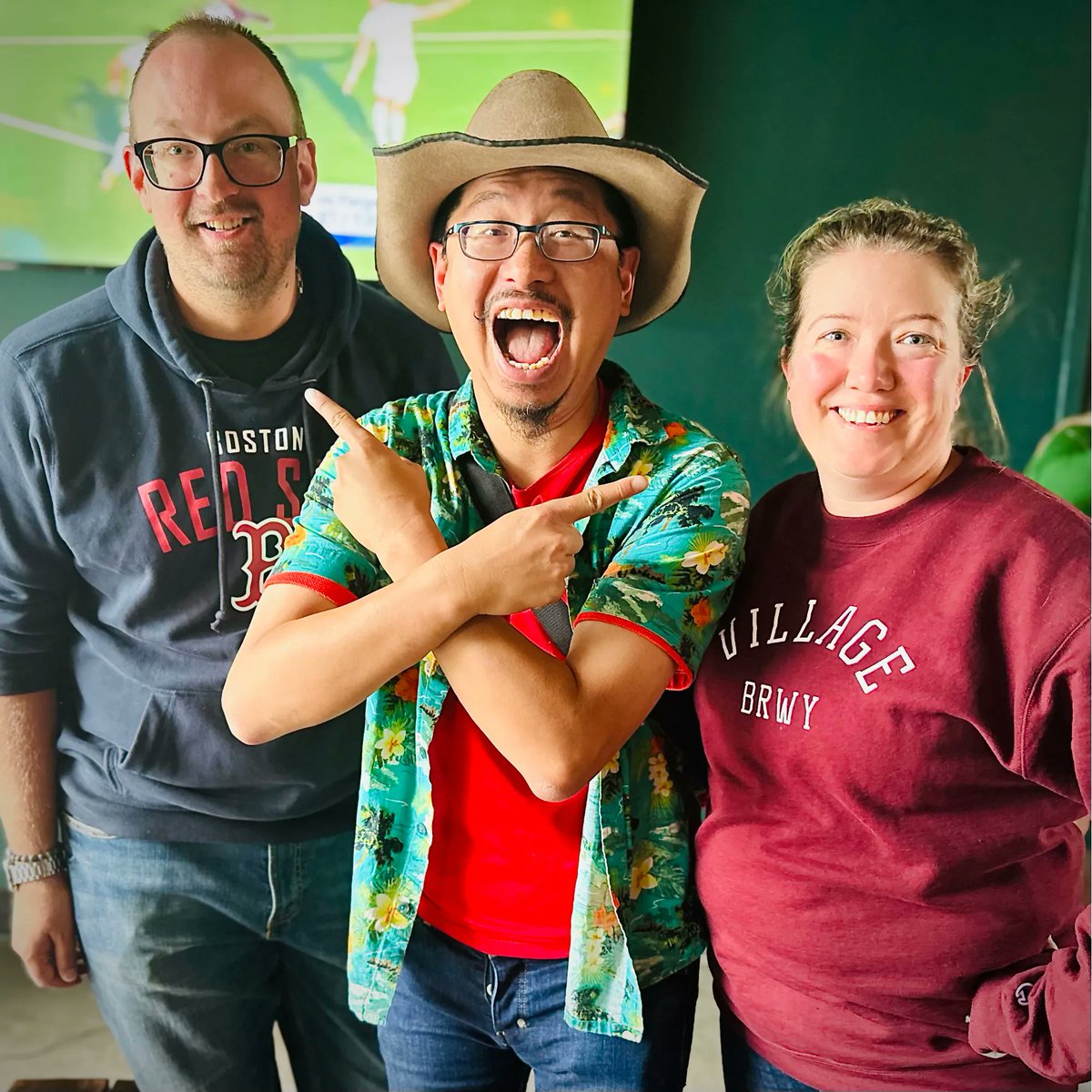
ALT John making funny faces
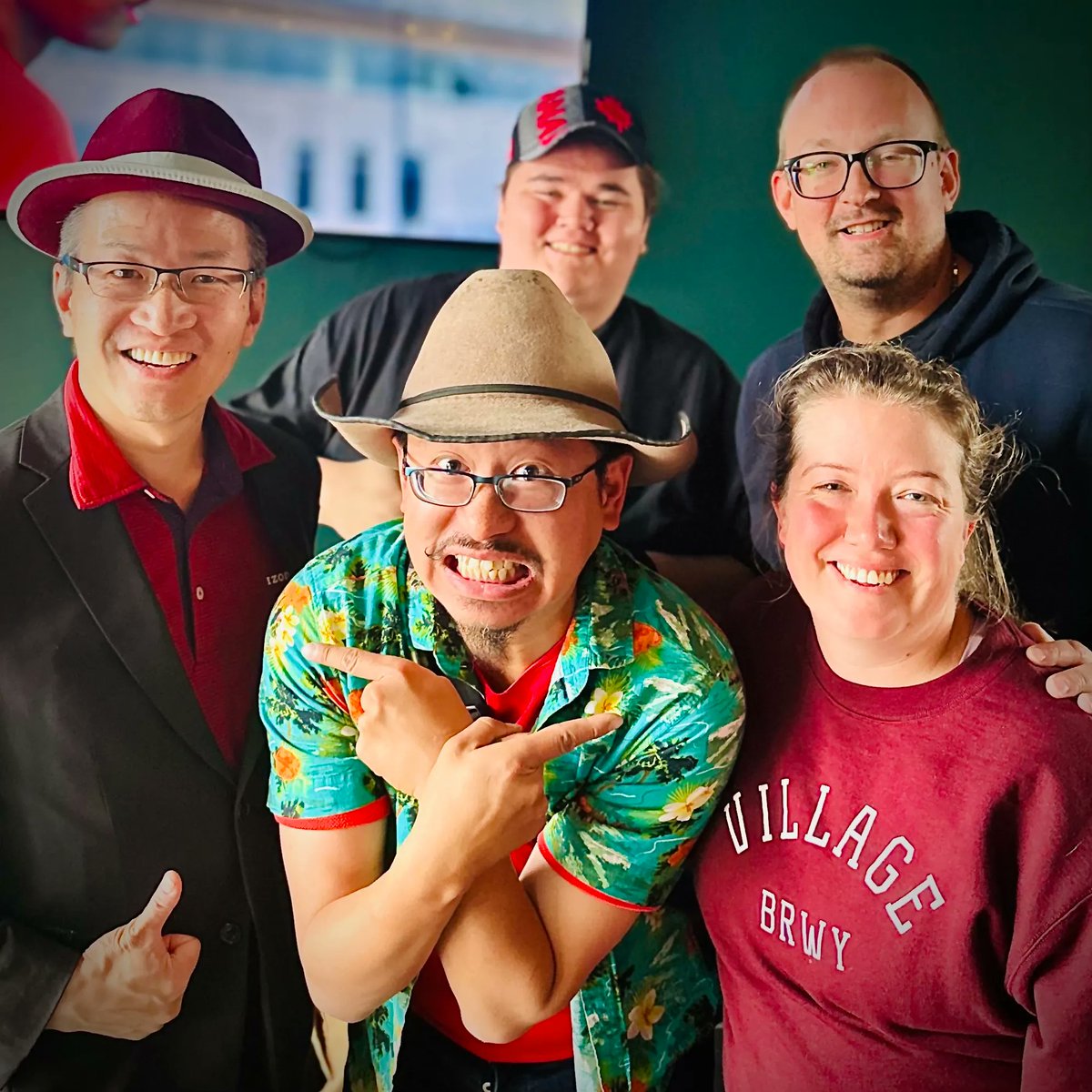
ALT John is more concerned than we are
1
4
255
We’re going for the title of #FireMasters champ on @FoodNetworkCA — and We're live now to find out if we’ve done it: twitch.tv/johnleung888
#TwitchStreamers @teamhappypeople @twitch
1
3
106
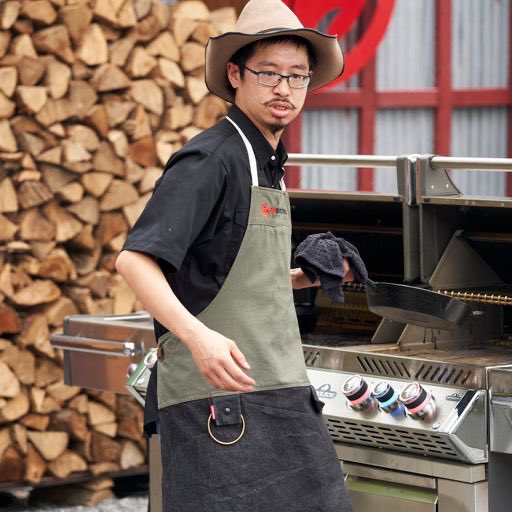
Tomorrow 7pm Eastern (4pm Pacific)
#FireMasters on @FoodNetworkCA.
Watch party at Veranda in #YYC.
IRL @twitch stream at 5pm Eastern.
Will you join the hype???
#twitchstreamers #yycfood @foodbeast #twitch #yyc
1
8
17
1,416
Was a rough day yesterday but we’re back today.
And the weather isn’t super hot in #YYC so good day to whip out the grill.
4pm today (Thursday, June 15th)
Twitch.tv/johnleung888
Tune in!
#firemasters @FoodNetworkCA #TwitchStreamers
249
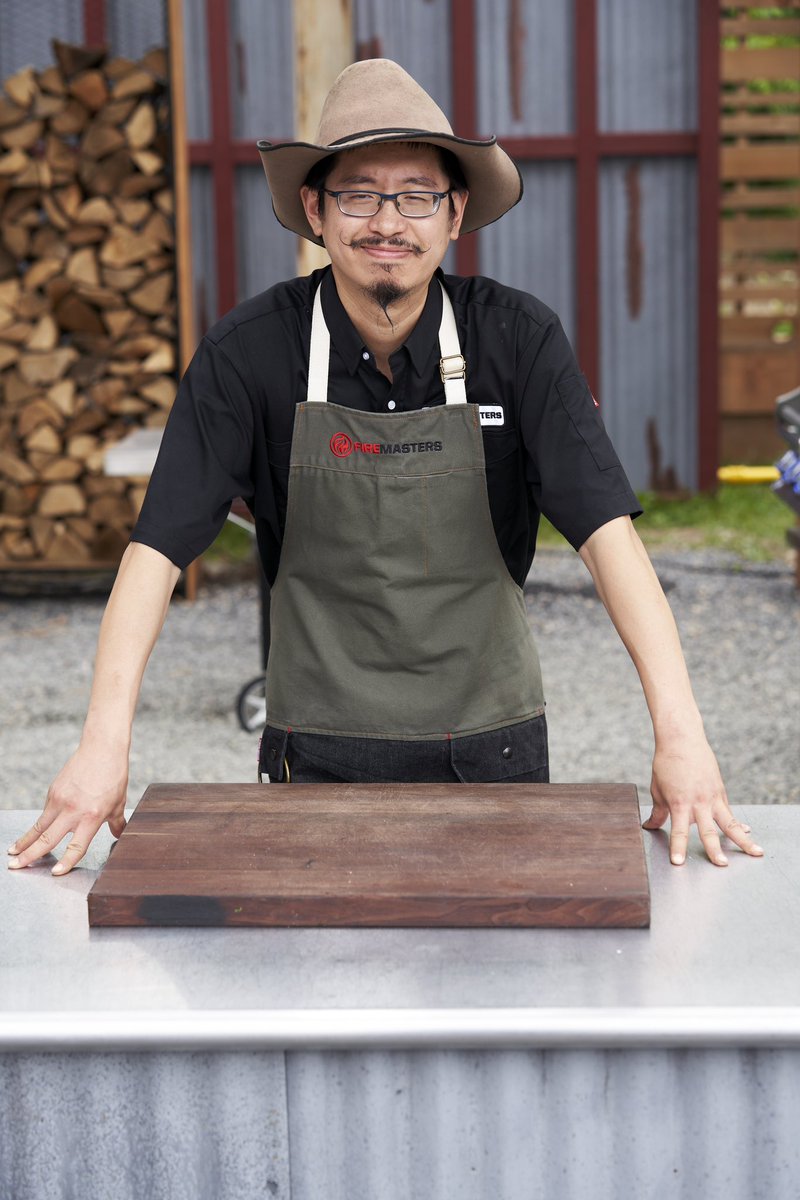
One week to go.
Sunday, June 18 at 7pm Eastern (5pm MT/4pm PT).
#firemasters on @FoodNetworkCA.
You watching or joining me at Veranda (on Currie Barracks) in #YYC?
1
2
11
337
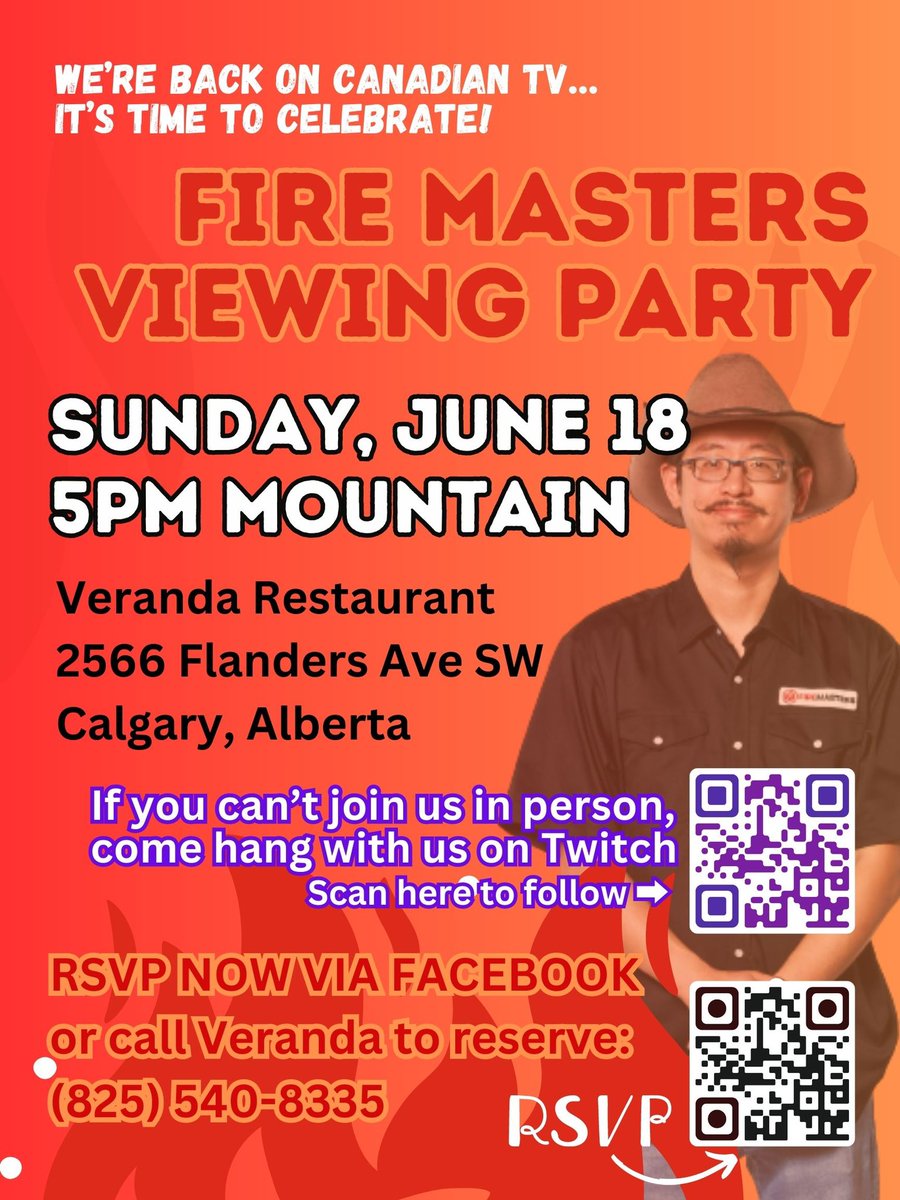
ICYMI:
I’ll be on @FoodNetworkCA’s #FireMasters on June 18 at 5pm MT.
Viewing Party at Veranda (2566 Flanders Ave SW, #YYC, Alberta) that night.
RSVP for in person party/tune in on @Twitch: twitch.tv/johnleung888
#yycfood #yyc
1
1
2,139
We’re starting off with #FireMasters s5 ep10 watchalong and Sichuan “shao kao” (bbq sticks) today!
4pm Mountain.
Twitch dot com slash johnleung888 (link in bio)
@FoodNetworkCA @stacktv @teamhappypeople @Twitch #TwitchStreamers
1
1
198