
Mongols’ Ancestors Discovered America 20,000 Years Ago 😱
Mind-blowing connection:
The ancestors of Native Americans came from the Mongol / Altai / Siberia region around 15,000–25,000 years ago.
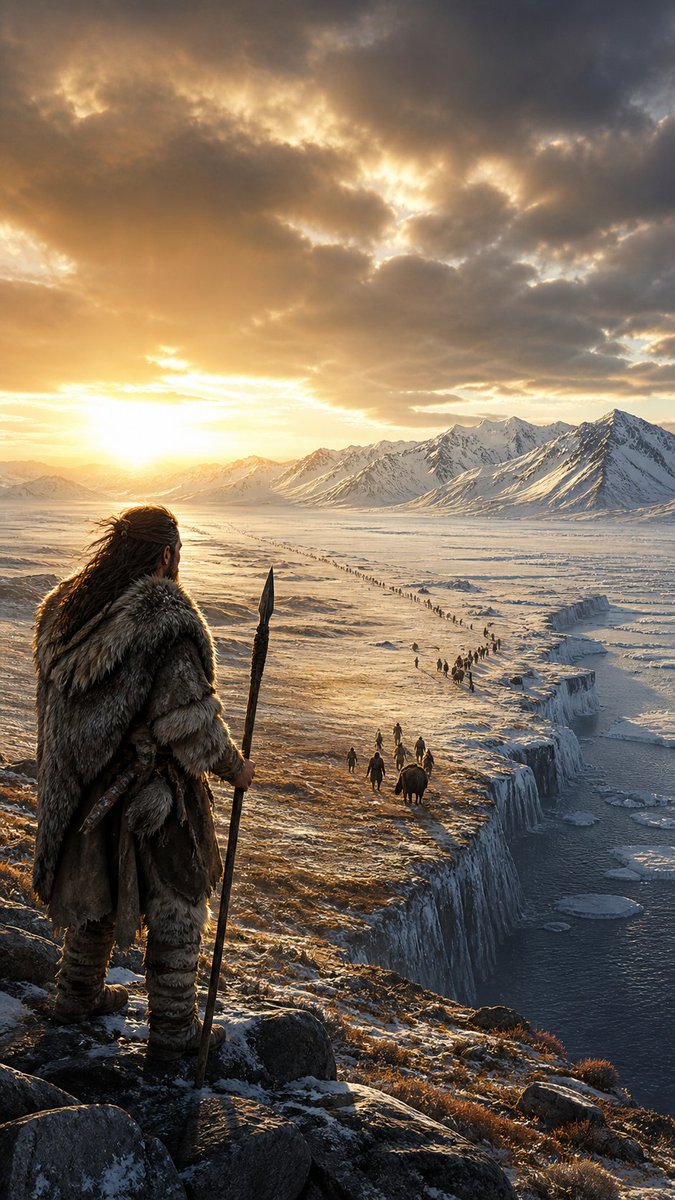
They crossed the Bering Land Bridge during the last Ice Age and became the First Peoples of the Americas.
Mongols and Native Americans share the same ancient DNA (haplogroups Q and C).
Two branches of the same family tree 🇲🇳❤️
#MysteriousMongolia #MongolianNativeAmericans #Beringia #AncientMigration #FirstAmericans
5
64
117
10,739

Mongolians discovered America…
Not in 1492.
20,000 years ago.
Their ancestors walked from the Altai Mountains and Mongolia, crossed the Bering Land Bridge during the Ice Age, and became the First Peoples of the Americas.
One branch stayed in the steppes…
The other discovered an entire continent.
Mind officially blown 😱
Would you have crossed the Bering Land Bridge? YES or NO? 👇
#MysteriousMongolia #DiscoveredAmerica #Beringia #AncientMongolians #FirstAmericans
1
5
209

Mar 31
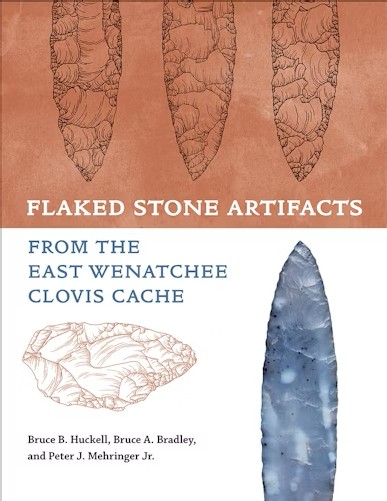
Brand new book in the Peopling of the Americas Publications Series! Check it out today!
Flaked Stone Artifacts from the East Wenatchee Clovis Cache
By Bruce Huckell, Bruce A. Bradley and Peter J. Mehringer Jr.
#TAMU #Archaeology #firstamericans #anthropology #texasaandmuniversity
1
7
24
923

21 Jul 2025
I have an idea, bring the Washington Commander’s foot ball team to OKC. #makeithappen #endracism #firstamericans #OKC #nfl #americanfootball
57

10 Jul 2025
Archaeologists have discovered a 7,000-year-old Native American village on Alaska's Shuyak Island, the oldest known settlement in the Kodiak Archipelago. The findings reveal a complex history of Indigenous life that challenges previous assumptions about ancient population patterns.
#Alaska #nativeamerican #firstamericans #migration
ancient-origins.net/news-his…
3
6
63
6,297

29 Jun 2025
🧬 Ancient Native American from California – SN-44
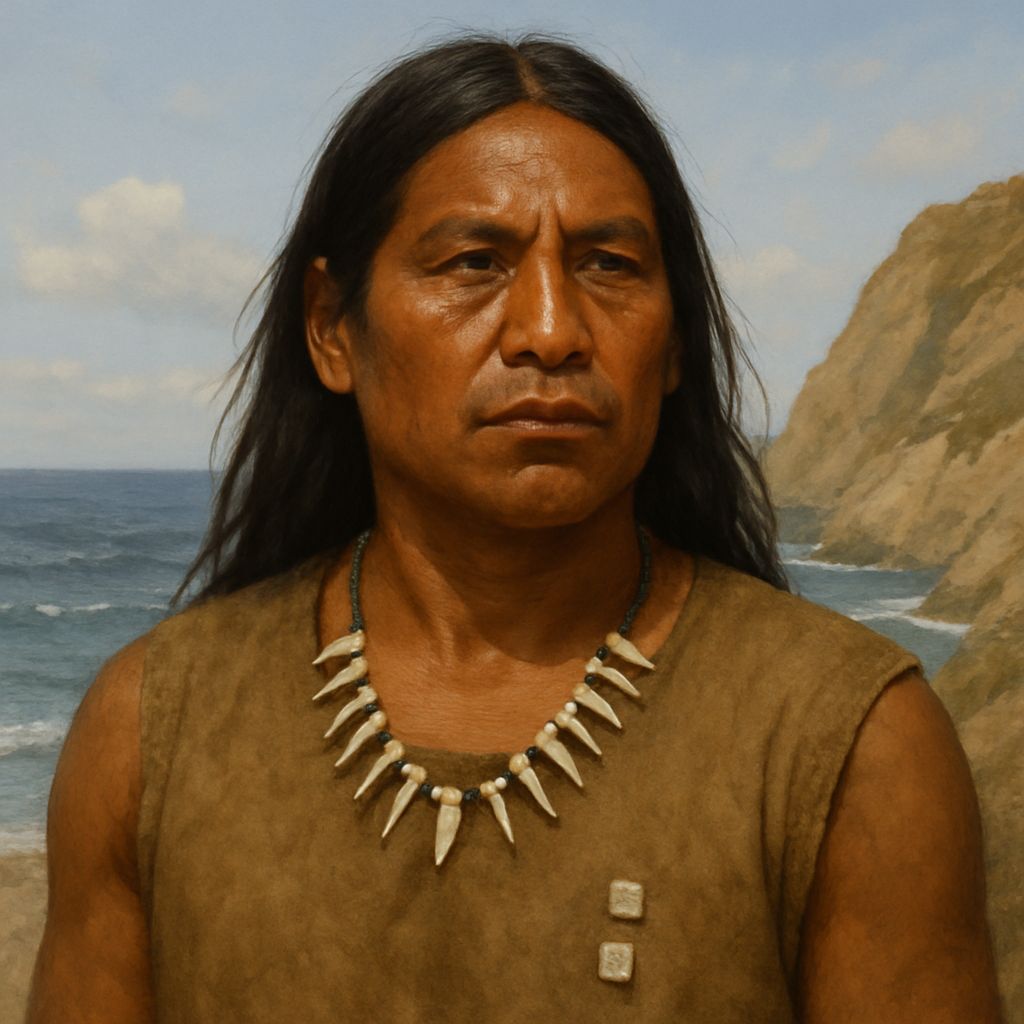
Meet SN-44, a man who lived over 5,000 years ago (3626–3194 BCE) on San Nicolas Island, off the coast of California. He belonged to the early Indigenous inhabitants of the region—ancestors of the Nicoleño people, whose last known member was Juana Maria, the real-life inspiration for Island of the Blue Dolphins.
🔹 GENETIC LINEAGE
Paternal Line (Y-DNA): Q-FT33346
➡️ This is a distinctly Native American haplogroup, descending from ancient Siberians who crossed the Bering Land Bridge. His paternal roots stretch back to the first humans to enter the Americas.
Maternal Line (mtDNA): A2c
➡️ A branch of one of the five founding maternal lines of Native Americans. Confirms his deep Indigenous American ancestry on his mother’s side.
🧬 Both lineages point to a pure First American genetic identity, untouched by later admixture.
🔹 AUTOSOMAL DNA (Full Ancestry)
🧊 Deep Ancestry Breakdown (from ancient sources):
~88% Ancient Paleo-Siberian
~12% Ancient North Eurasian
This mix matches the ancestral profile of the First Peoples of the Americas—a blend formed thousands of years before reaching the New World.
🌎 Modern Genetic Matches: Although SN-44 lived in California, his closest modern relatives (genetically) are isolated Indigenous groups in:
The Amazon
The Andes
Central America
💡 Why? Because those populations remain largely unadmixed, retaining the original First American genome—just like SN-44. His DNA is a genetic time capsule.
🪶 Historical & Cultural Insight
SN-44 lived during the Archaic Period, long before European contact. His people likely hunted, fished, and thrived on marine resources from San Nicolas Island, preserving traditions that would continue for millennia.
His lineage reminds us that all Indigenous peoples of the Americas—from California to the Amazon—share an ancient, unbroken bond.
📌 Key Takeaways
🧔 Male, lived c. 3600–3200 BCE on San Nicolas Island, California
🧬 Pure Native American ancestry (Q-FT33346 & A2c)
🏹 Part of the First Peoples of the Americas
🌍 Closest modern matches = unadmixed South/Central American tribes
📖 Ancestor of the Nicoleño—linked to Island of the Blue Dolphins.
#AncientDNA #NativeAmerican #SanNicolasIsland #IndigenousHistory #Genetics #FirstAmericans #ArchaicPeriod #IslandOfTheBlueDolphins #Nicoleño #mtDNA #YDNA #HumanOrigins #PaleoSiberian #MaltaBoy #AncientCalifornia #JuanaMaria #Anthropology #Archaeogenetics
1
1
2
305
29 Jun 2025
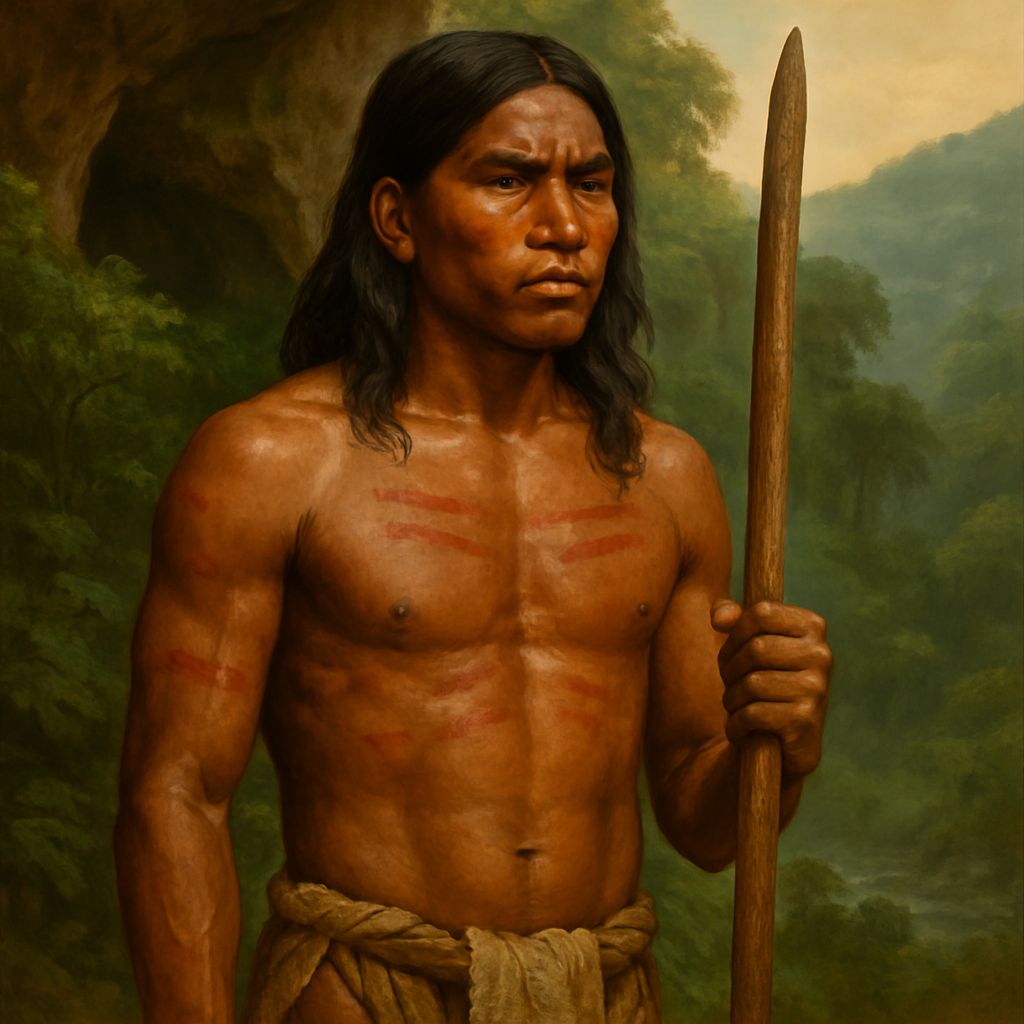
🧬 Genetic Profile of Sumidouro6
📍 Who Was He?
Name: Sumidouro6 (archaeological sample)
Age: Lived between 8293 BCE – 7966 BCE, roughly 10,100 years ago
Location: Sumidouro Cave, Lagoa Santa region, Brazil
Period: Early Holocene
Importance: One of the earliest known humans in South America—a direct genetic window into the First Peoples of the Americas.
1. 🧑🤝🧑 Uniparental Markers (Ancestral Lineages)
These markers trace direct lines from father and mother:
Y-DNA (Paternal): Q-M902
→ Originates in Siberia/Central Asia
→ One of the founding paternal haplogroups of Native Americans.
mtDNA (Maternal): D1
→ Also traces back to Asia, common among South American Indigenous populations.
🔍 Conclusion: Both his father’s and mother’s lines trace back to the ancient Siberian migrants who crossed the Bering Strait. His genetic lineage is 100% Indigenous American.
2. 🧬 Autosomal DNA (Total Ancestry)
Autosomal DNA reveals his full ancestry, from all lines. Multiple models confirm his Native American roots:
A. 🌎 Modern Populations (How similar is he to modern groups?)
Model 1
South Amerindian: 84%
North Amerindian: 5.6%
Central Amerindian: 5.4%
Model 2
Native Amazonian: 68.4%
Aymara (Peru/Bolivia): 9.2%
Plains Indians (North America): 5.8%
Model 3
Native Amazonian: 55%
Native Peruvian-Bolivian: 18.8%
Native USA: 12.4%
Native Mexican: 10.4%
✅ All models show he is overwhelmingly South American Native, especially Amazonian, with smaller links to Indigenous groups across the Americas.
B. 🦴 Ancient Ancestry Model (What is he made of?)
Ancient Paleo-Siberian: 85.6%
Ancient North Eurasian (ANE): 14.4%
🧠 Explanation:
Paleo-Siberians were the main ancestors of Native Americans.
ANE is an older Siberian population that contributed DNA to both Native Americans and some Europeans.
These two sources form the genetic foundation of all Indigenous Americans.
3. 🧭 Closest Genetic Matches (Population Similarity)
He closely matches modern Indigenous groups, especially:
Maya
Native Bahamian
Greater Antilles peoples
Amazonian tribes like Ashaninka and Shipibo
Aymara of Peru and Bolivia
📌 These strong links confirm the genetic continuity between ancient and modern Indigenous people in South and Central America.
✅ Final Summary
Sumidouro6 was a purely Indigenous South American male living over 10,000 years ago in Brazil.
He carried both Q-M902 (Y-DNA) and D1 (mtDNA)—classic Native American founding lineages.
His autosomal DNA shows a strong Amazonian profile, and deep ancestry from Paleo-Siberian and ANE populations.
He is a direct representative of the First Peoples of South America, showing little to no admixture from outside groups.
#Sumidouro6
#AncientDNA
#LagoaSanta
#EarlyHolocene
#FirstAmericans
#PaleoIndian
#IndigenousBrazil
#AmazonianAncestors
#NativeAmericanHistory
#Archaeogenetics
#HumanOrigins
#QHaplogroup
#mtDNAD1
#AncientPortrait
#PrehistoricBrazil
#PaleoSiberian
#AncientNorthEurasian
#10kYearsAgo
#GeneticAnthropology
#HistoryThroughDNA
4
561
28 Jun 2025
🧬 Genetic Profile of Individual I0309
Time Period: Around 7,700 years ago, between 5850 and 5550 BCE
Location: Arroyo Seco II site in present-day Argentina
This ancient man lived during the early Holocene, long before the rise of any major civilization in the Americas. He was part of a hunter-gatherer community whose remains were found at a key archaeological site that helps scientists understand how the first people spread across South America.
🧑🔬 Identity and Lineage
He was biologically male. His paternal and maternal genetic lines clearly place him among the founding populations of the Americas.
On his father’s side, he carried the Y-DNA haplogroup Q-M902, a branch of the larger Q-M3 lineage. This lineage is one of the key paternal lines carried by the first humans to cross from Siberia into the Americas via the Bering land bridge. The presence of Q-M902 in this individual shows he came from that original migratory wave.
On his mother’s side, he belonged to mitochondrial haplogroup D1. This is one of the five foundational maternal haplogroups found among Indigenous peoples of the Americas (alongside A, B, C, and X). Haplogroup D1 remains common across both North and South America, especially in the Andes and Amazon regions, further linking him to the earliest settlers of the continent.
🧬 Ancestry and Genetic Makeup
When scientists analyzed his full genome—not just the paternal or maternal lines—they found a mix of two ancient ancestral sources that define the genetic identity of Native Americans.
Roughly 88% of his DNA came from Ancient Paleo-Siberians, a group related to East Asians. The remaining 12% came from the Ancient North Eurasians, a population that once lived in Siberia and parts of Ice Age Europe. This unique combination is the signature genetic blend found in the ancestors of all Native Americans. It confirms that this man was descended directly from the First Americans, the people who entered the Americas over 15,000 years ago.
🌎 Genetic Connections to Modern Peoples
When his DNA was compared to modern populations, it showed very strong connections to today’s Indigenous peoples of South America.
The most dominant link was to Amazonian Native Americans, who are considered some of the most genetically conservative descendants of the early South American settlers. He also showed notable similarity to Aymara populations from the Andes, as well as some affinity with Native groups in the Caribbean and North America, although to a lesser extent.
Across different DNA modeling tools, his results were remarkably consistent: he had over 85–90% similarity with Amazonian and Andean Native peoples, confirming that his genes are still alive and recognizable in the region’s Indigenous populations today.
🧾 Final Interpretation
Individual I0309 was a man who lived nearly 8,000 years ago in southern South America. He was a direct descendant of the original settlers of the Americas, with genetic roots stretching back to ancient Siberia. His paternal and maternal lineages—Q-M902 and D1—are classic founding markers of Native American ancestry.
His genetic makeup shows that the early inhabitants of Argentina were closely related to the people who would go on to populate the Amazon and Andes. The strength and clarity of his DNA links with modern Indigenous South Americans suggest an impressive genetic continuity, despite thousands of years of environmental and cultural change.
This man’s genome is a crucial piece in the puzzle of how humanity spread through the Americas. He represents not just a local hunter-gatherer, but a chapter in the global story of migration, adaptation, and survival.
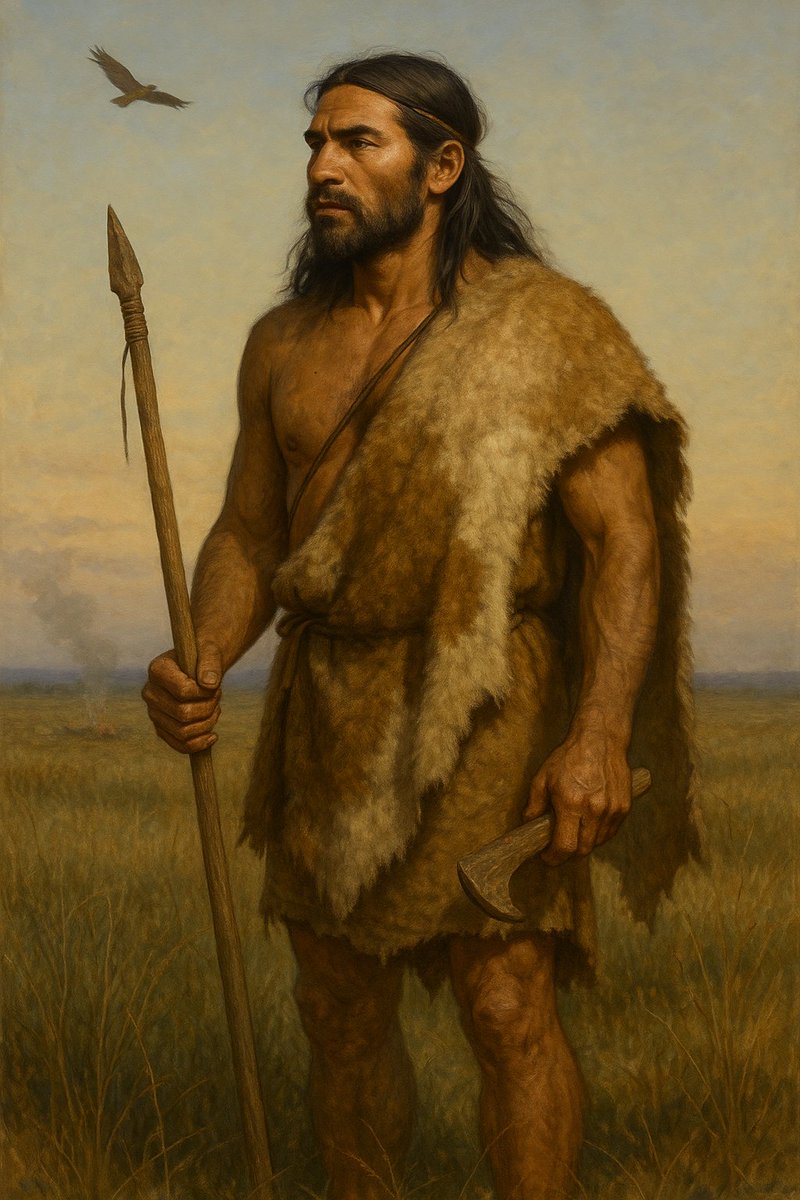
#AncientDNA #FirstAmericans #NativeAmericanOrigins #AmazonianRoots #AndeanAncestry #GeneticAnthropology #BeringiaToPatagonia #PaleoSiberian #HumanMigration #ArroyoSecoII #FoundingLineages
3
259

6 Jun 2025
Emma Schwerin & Sam ; The Father- Daughter Duo to be the #FirstAmericans who scaled #SevenSummits #MtEverest. Emma hated hiking & then She set an example of scaling 29,029 ft. She is just 17 y/o #AmericanWomen to have done this feat.
#MountainHiking #Montana
2
12
527

5 Jun 2025
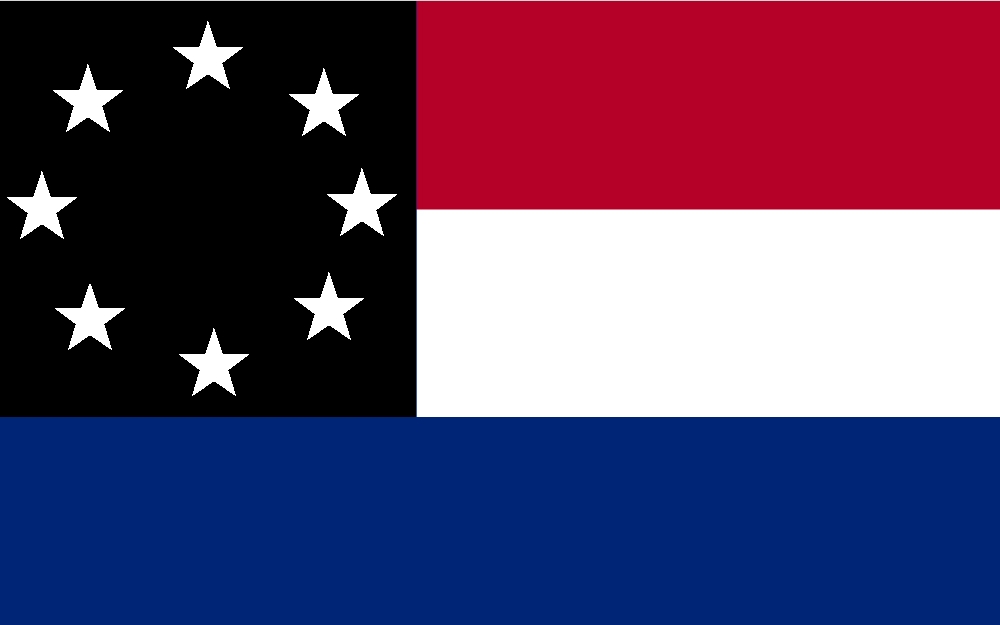
Once the indigenous population loses its super majority or majority status within its own territory-land, it effectively loses control over that land. Ultimately, the land comes under the control of the group that holds the super majority population, defends, and occupies it last.
There are numerous examples throughout history where indigenous populations lost majority status in their own territory-land, resulting in the loss of control and sovereignty. This has occurred in places such as Australia, New Zealand, Hawaii, the United States, Canada, Brazil, Egypt, Jamaica, other Caribbean nations, Singapore, the Canary Islands, and many other countries. Fiji is often cited as a potential future example. In each case, the demographic shift led to the indigenous population being politically, economically, and culturally marginalized within their ancestral lands.
Territory-Land can also be dominated by a minority group, as seen in historical cases like Liberia from 1822 to 1980, South Africa from the 1800s to 1994, Angola and several other examples around the world where a smaller population held disproportionate political and economic control over the majority.
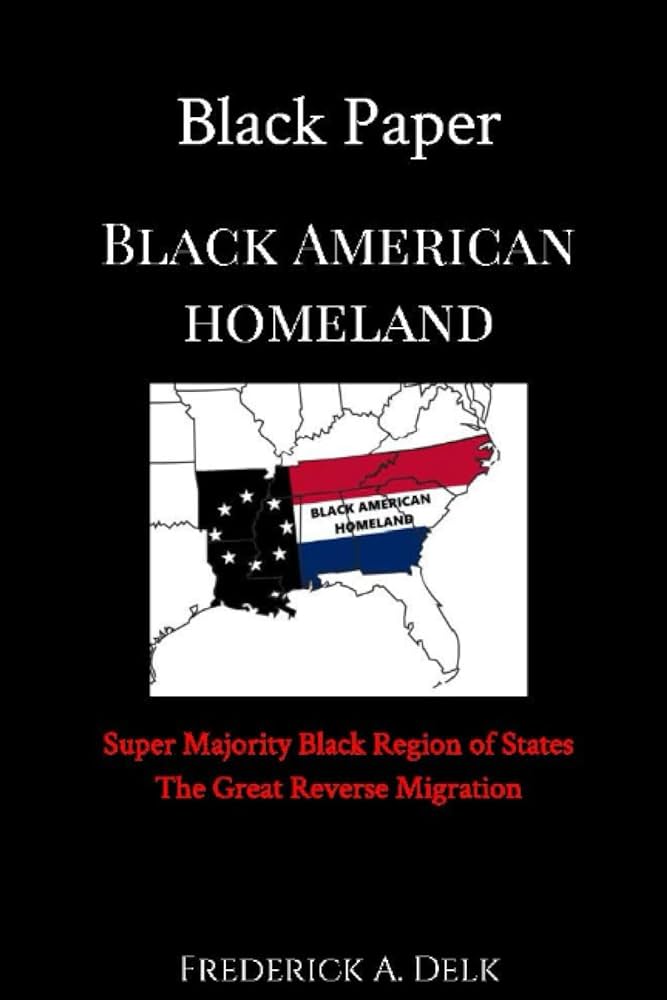
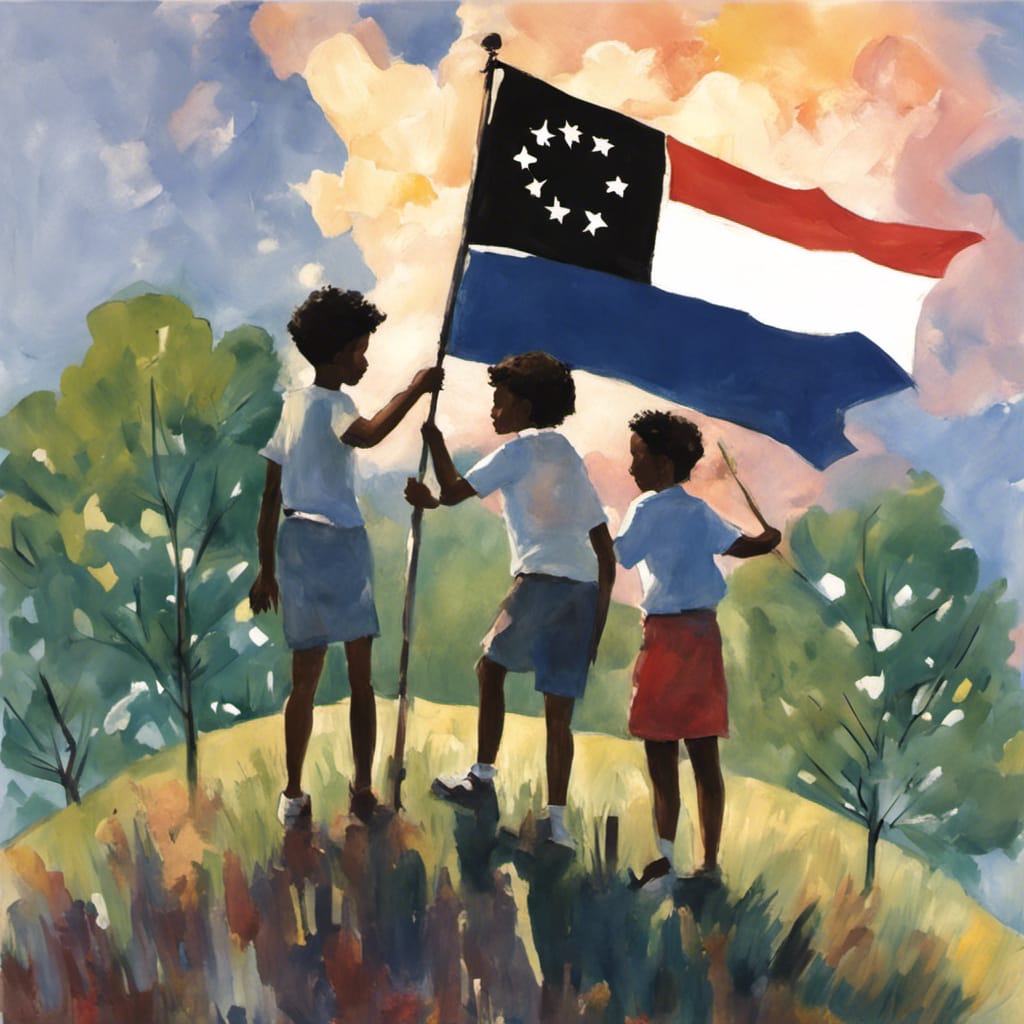
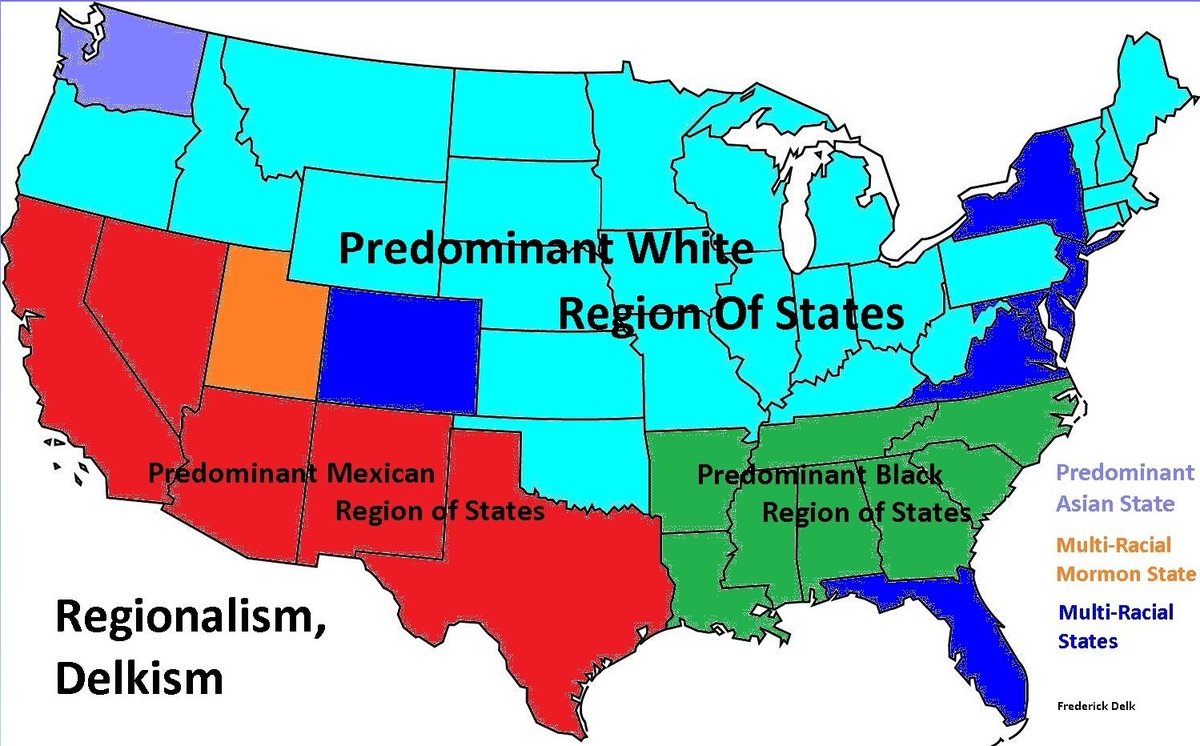
45 million First Americans also known as Black Americans have a historic opportunity to obtain Super Majority Population and Political Control over the 8 States Southern Region (North Carolina, South Carolina, Georgia, Alabama, Mississippi, Louisiana, Arkansas, and Tennessee). After maintaining this super majority and political dominance for a generation, they will come to be recognized as the First Americans or rightful stewards and occupiers of that Territory-Land, solidifying their claim to the region as their own.
First Americans
First American Homeland
#FirstAmericans
#FirstAmericanHomeland
By Frederick Delk
1
2
15
1,796

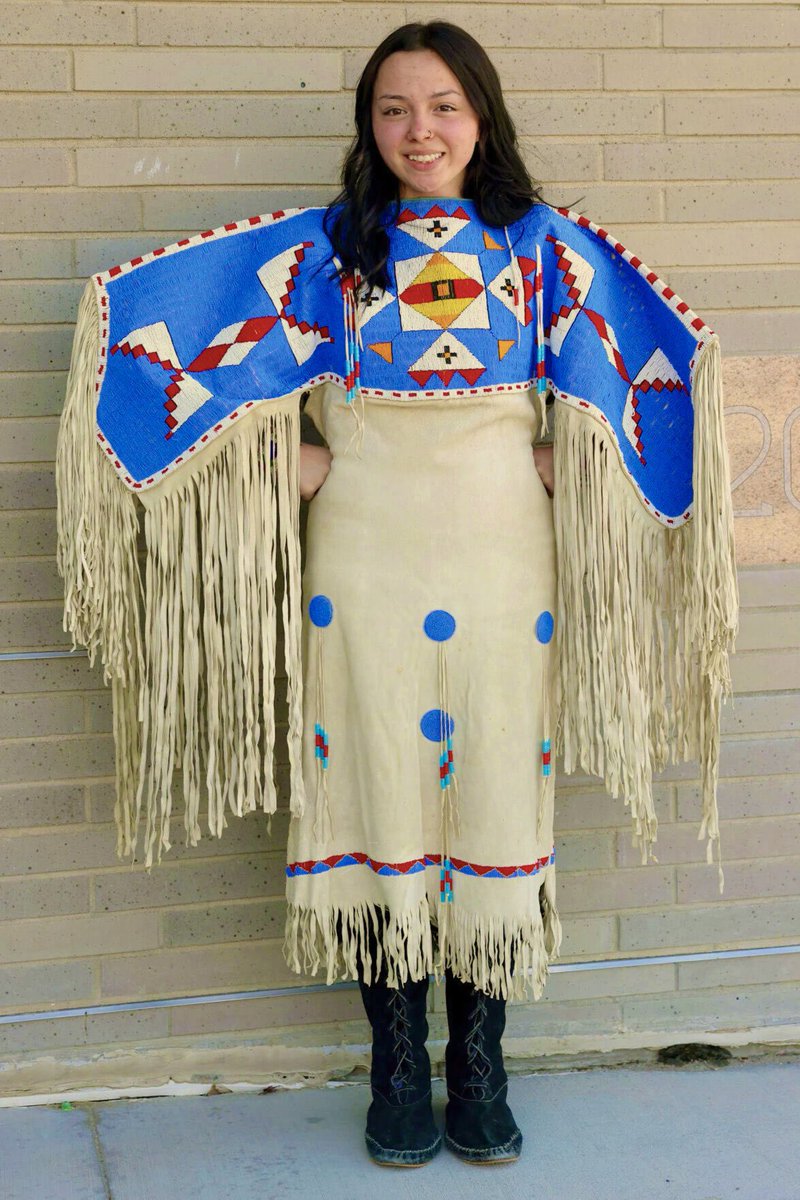
Absolutely tribal regalia should be allowed beneath a gown. In New Mexico we actually passed a law to ensure this was allowed as well as appropriate items on caps and similar things. Tribal Regalia at School Events: SB 163, 2025 session. #nmleg #FirstAmericans #NativeAmerican
15 May 2025

Northern Arapaho girl wanted to wear her regalia beneath her gown to graduation.
The principal of her Wyoming high school told her, “If I let one minority do it, then I have to let the rest.”
Should Native graduates be allowed to wear their regalia, beneath their gowns?
1
3
163

1 Nov 2024
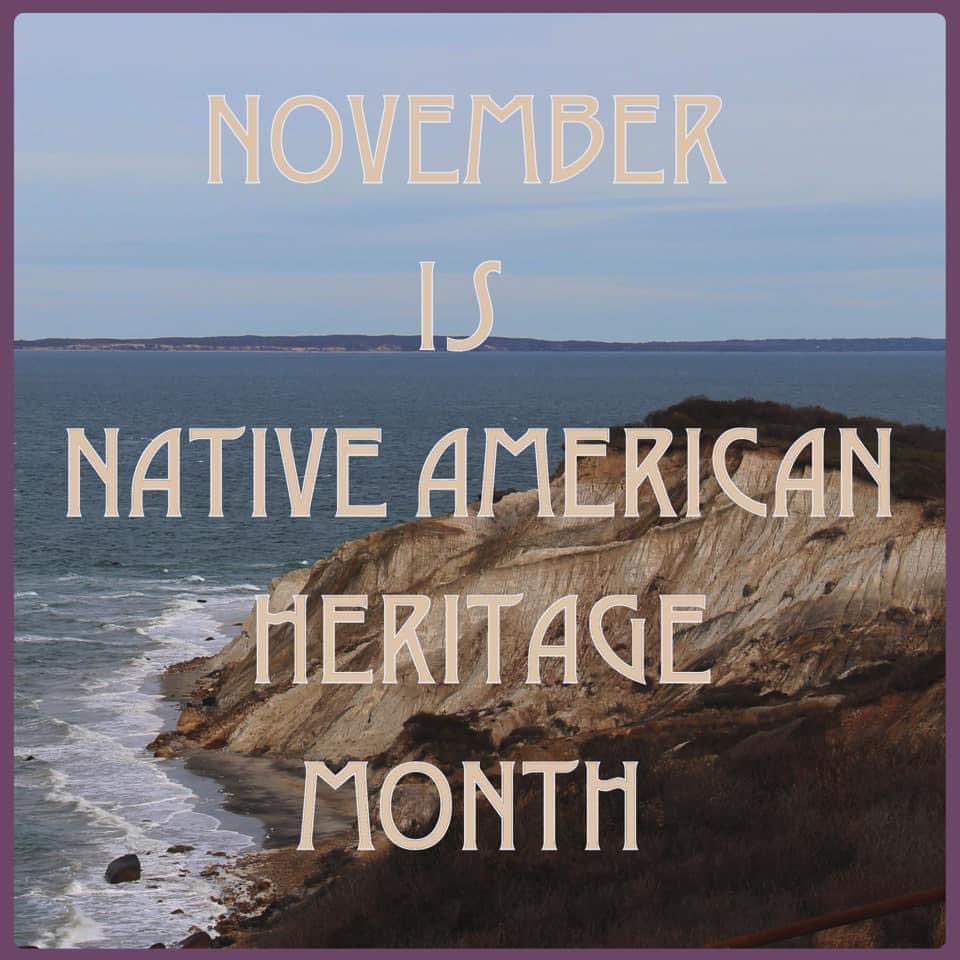
November is Native American Heritage Month
#Pride #Tribe #Indigenous #Native #NativeRights #LandBack #Aquinnah #Wampanoag #Algonquin #Indian #NativeAmerican #FirstAmericans #Settlers #Founders #Owners #Custodians #CareGivers #Peoples #Firsts #Originals #Inhabitant #Occupiers
3
124

14 Oct 2024
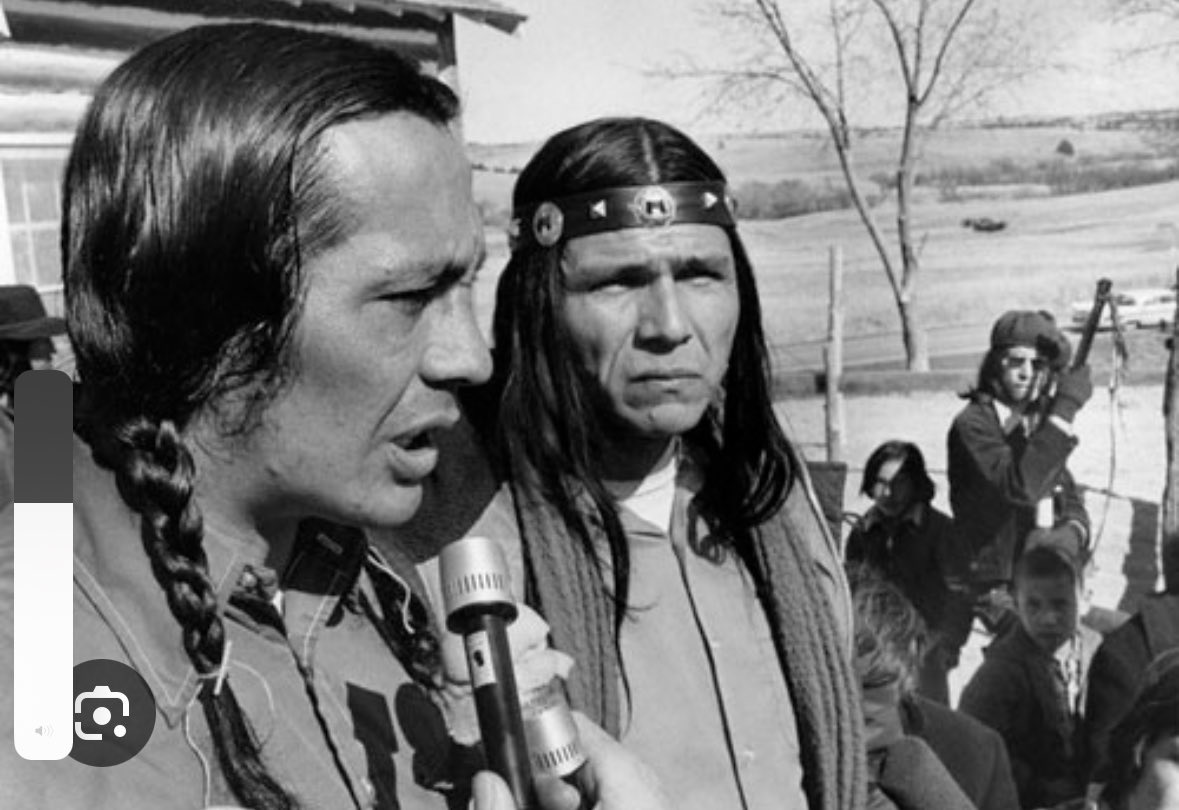
MORE INDIGENOUS PEOPLE’S DAY
CIVIL RIGHTS LEADERS
WOUNDED KNEE 1970’S CIVIL RIGHTS
RUSSELL MEANS AND DENNIS BANKS
Last time I was on a SIOUX RESERVATION nothing has changed. In 50 years since Wounded Knee 20 years since we worked with Russell and 12 years since the massive 7.5 billion dollar settlement for creating The Tribal Trust it’s still the same. Really makes me sick to think what we’ve done to the Native American People.
#NativeAmerican #NativeAmericanDay
#CivilRights #FirstAmericans #SiouxNation #Reservations #IndigenousPeoplesDay #WoundedKnee
3
11
2,134

14 Oct 2024
In Wichita, Oct 14th is Indigenous Peoples' Day. #kakenews #indigenous #indigenouspeople #firstamericans
5
424

14 Oct 2024
Ever wonder why 'indigenous' Americans look so Asian?
Canada got it right on this one.
#Canada #FirstCanadians #Indians #FirstAmericans
2
223

30 Sep 2024
If I could gently adjust your thinking, America occupied by its original “ethnic race” would be 90% Native Americans. Not 90% Colonizers #FirstAmericans
2
2
224

31 Jul 2024
I’m a twelfth generation White American.
I guarantee you, if you gave Trump voters like me the option to divert money we send to Ukraine for example, to FBA, 75% would do it.
We’re #AmericaFirst and you’re #FirstAmericans.
We can and should figure this out.
3
2
28
2,108

20 Jul 2024
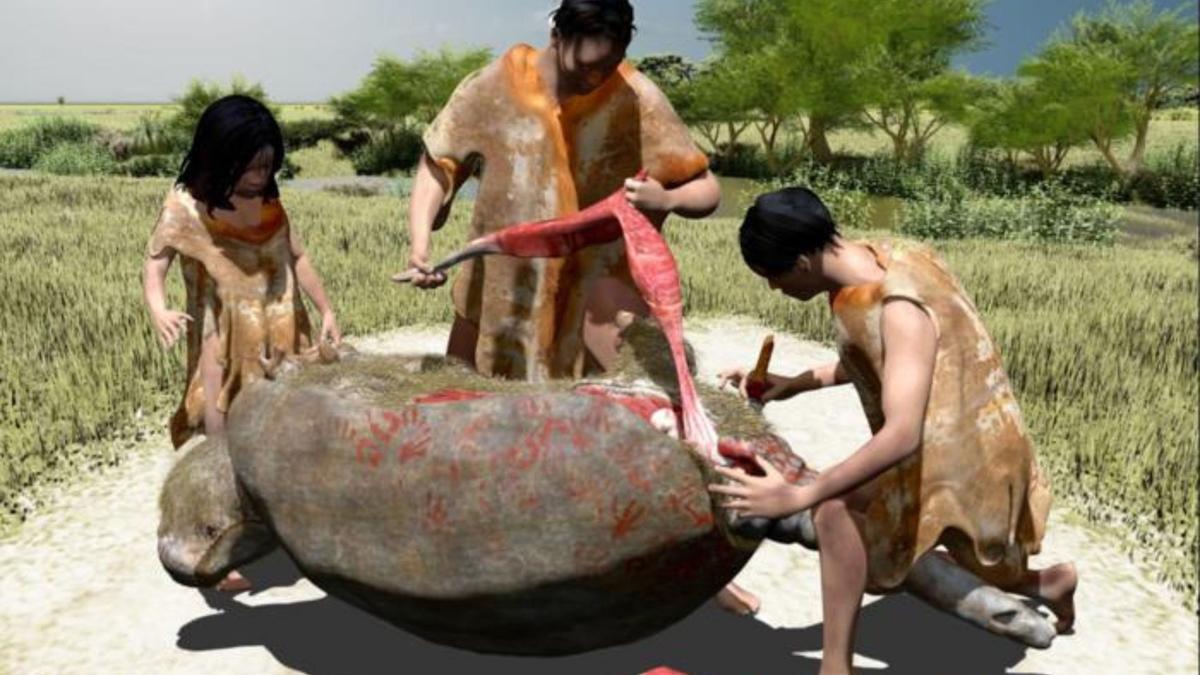
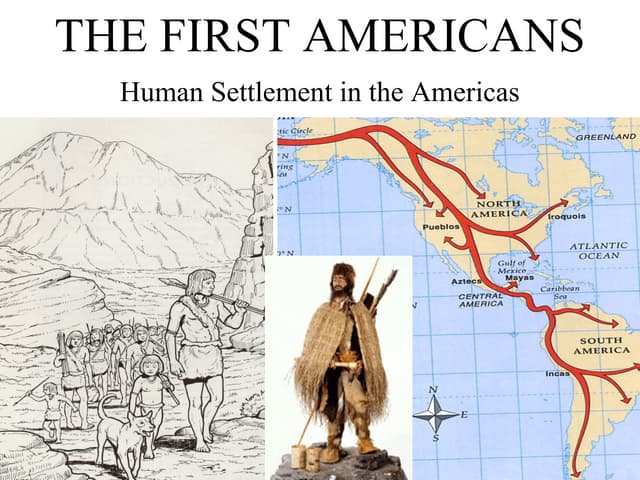
Аргентин улсын нутаг дээр 21 000 жилийн өмнө хүн оршин амьдарч байсныг илтгэх хадны зургийн ул мөр илрүүлэв.
Бидний сурах бичигт үзсэн баримт дээр ойролцоогоор 10 000 жилийн үед Берингийн хоолойгоор дамжиж Америк тив дээр хүмүүс очсон гэдэг ойлголт улиг болжээ.
#FirstAmericans #IndigenousHeritage #NativePride #AmericanIndian #NativeAmericanCulture #IndigenousHistory #TribalLegacy #FirstNationPeople #NativeTraditions #ProudHeritage #IndigenousLivesMatter #HonoringAncestors #RespectYourRoots #TribalTraditions #NativeLeadership #CulturalSurvival #LandoftheFree #StandingStrong #ResilientCommunity #HeritageMatters
2
245
18 Jul 2024
Ancient humans butchered a giant armadillo-like creature 20,000 years ago in Argentina, pushing back the timeline of human migration in the Americas.
#Migration #FirstAmericans #SouthAmerica #PleistoceneEpoch #Argentina #Megafauna
ancient-origins.net/news-evo…
9
48
4,410

