
18 Dec 2024
Perhaps if more democracy defenders had pressured @potus to #fixFOIA & Congress to enact reforms or engage in good faith on @opengovpart, we’d *all* be better positioned to have our right to know upheld, instead of denied by a government addicted to secrecy.
1
180
1 Dec 2023
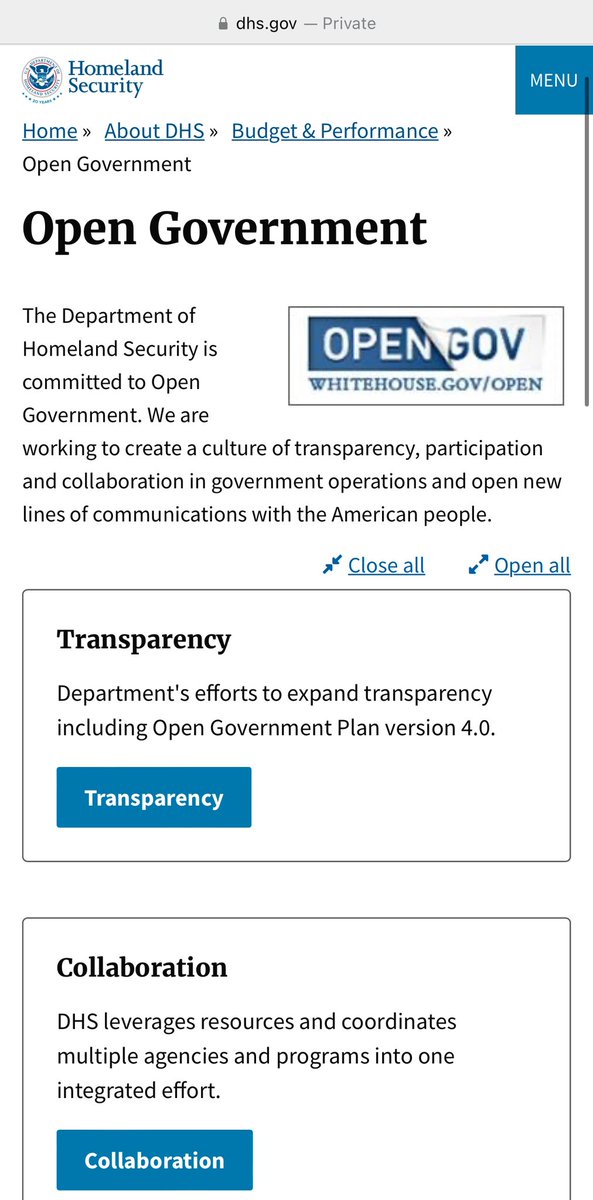
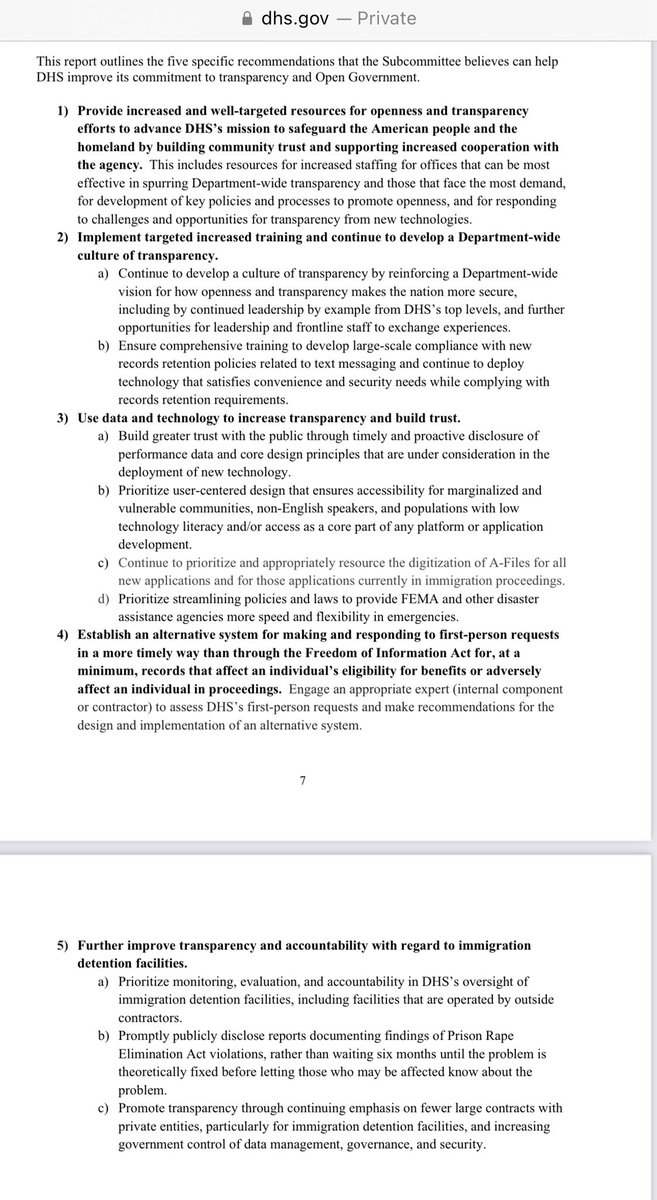
Please share how @DHSgov will lead the way in transparency & accountability to further your mission to inform & protect the public. How will civil servants innovate to deliver for the American people? Will you #fixFOIA at @USCIS with @GSA_TTS? dhs.gov/publication/openness… #OpenGov
1
1
133
25 Oct 2023
"Relying on homegrown solutions to problems created by federal agencies which had at least 2 years to implement a more practical solution is both unsustainable & leaves the public with only a fraction of the information to which it is entitled."-@twocatsand_docs "It also calls into question the government’s commitment to transparency & access to information at a time where verifiable information is of crucial importance."
I think the failures surrounding the end of FOIAOnline answer that question. The sorry state of government transparency is not important enough to warrant the full attention of the President or Congress, so implementation of the Freedom of Information Act and the OPEN Government Data Act remains far poorer than should be the case in the United States of America.
We spend more on one stealth bomber than we do each year upholding the public's rights to know and access public knowledge, while steadily classifying more and more records - most of which do not need to be secret at all.
Despite @POTUS @JoeBiden claimed commitments to transparency: whitehouse.gov/disclosures/ this @WhiteHouse has not restored open government as a principle, practice, or set of coherent policies and programs across the U.S. government: e-pluribusunum.org/2023/10/1…
A coalition of good government organizations wrote to @POTUS in August, asking for more ambitious actions; there still has been no reply from the @WhiteHouse, much less a change in policy. Establishing a tiny secretariat at @USGSA is not responsive to endemic secrecy and opacity in the U.S. government or the threat of corruption and authoritarianism – only to remaining compliant with the @OpenGovPart's standards. governing.digital/letters/le…
I asked @TheJusticeDept & @FOIA_Ombuds repeatedly about whether there would be a plan for federal agencies to repost documents disclosed on #FOIAOnline for all of 2022 & most of 2023, once I learned the @EPA had decided to sunset it in 2021.
I drafted a letter with Members of the FOIA Advisory Committee which was then adapted into guidance from the Chief FOIA Council: justice.gov/d9/2023-09/09.05… …but @TheJusticeDept left doing so up to agencies after reminding them of their obligations, just as they left #FOIAOnline to wither, instead of taking it over operating it from the @EPA, as the @USGSA did with @RegulationsGov.
I flagged the impending takedown to Congressional Committees & suggested keeping these records accessible at a "frozen" FOIAOnline.gov – or at least keeping that website online until all agencies had reposted the documents to their "reading rooms" – but @SenatorDurbin @SenGaryPeters @RepJamesComer @Jim_Jordan didn't convene hearings on the state of the Freedom of Information Act & map out a sustainable, coherent strategy to #FixFOIA & make the USA into an international leader in public access to information, instead of a laggard.
I've tried to engage the @WashingtonPost & @NYTimes about this over the years, but have found that the editors don't appear interested in covering the free flow of government information or @WhiteHouse45 & @WhiteHouse's broken promises and commitments on open governemnt, as with FOIA reform in 2014:
archive.nytimes.com/publiced…
For my part, I'm sorry that I didn't do all of this better, as a journalist and then an advocate. I made mistakes over the past decade that meant I wasn't as effective as I could and should have been.
Here's hoping that we can all find a way to build a better future for FOIA online using the lessons learned here, together. Americans deserve the strongest FOI law and the best implementation of it in the world. To get there, we'll need to find a way to enact bipartisan legislation, conduct nonpartisan oversight, and to empower the many public servants and dedicated officials who genuinely want to help people get the information we need to be self-governing – and sanction those who would deny it.
1
341
19 May 2023
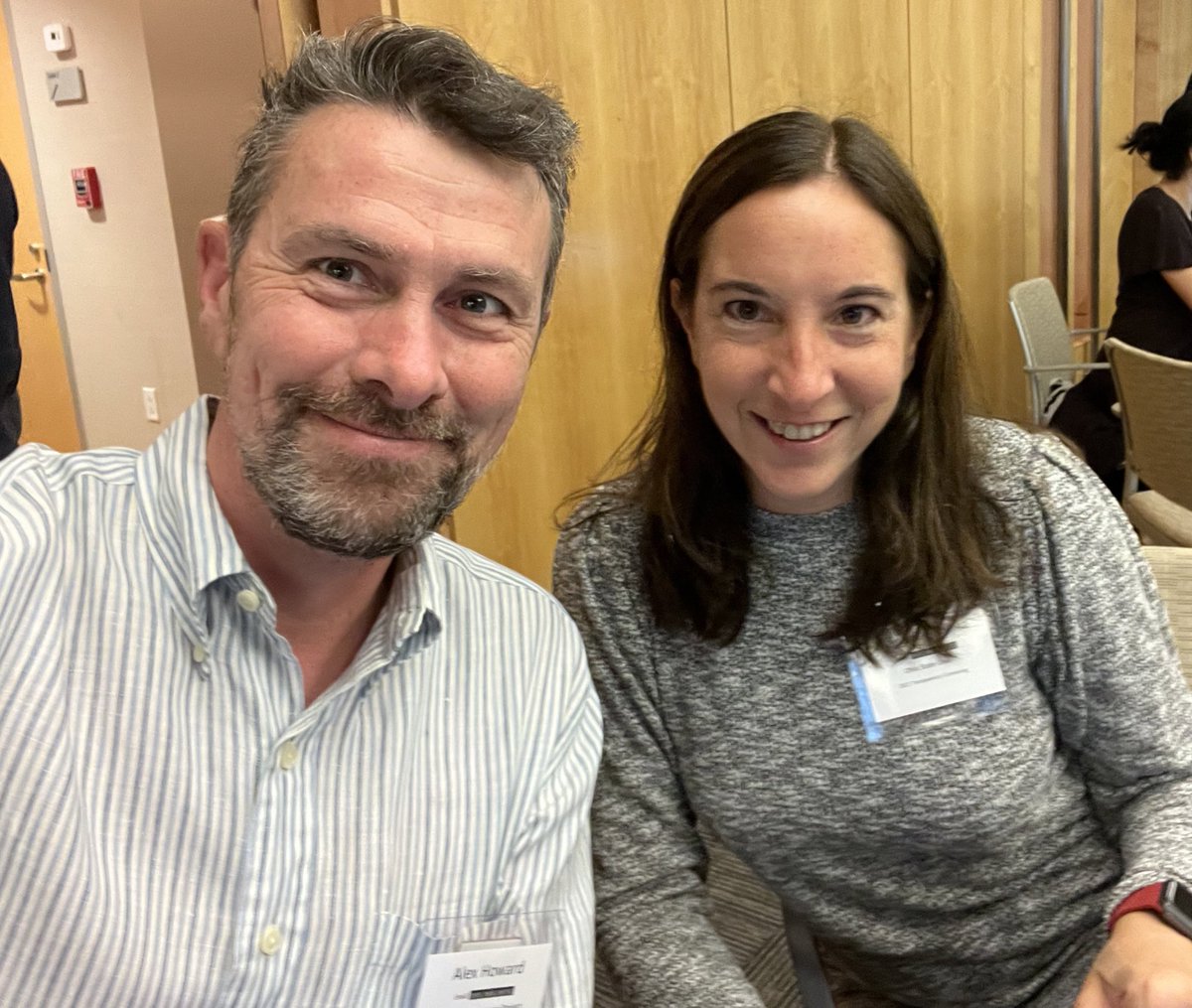
Coincidentally, I’m sitting next to Professor Kwoka at a transparency conference where we’re speaking later! Her research & new book on the Freedom of Information Act is a must-read on what ails the FOIA system: yalejreg.com/nc/symposium-sa… #OpenGov #FixFOIA #FixFOIA
17 May 2023

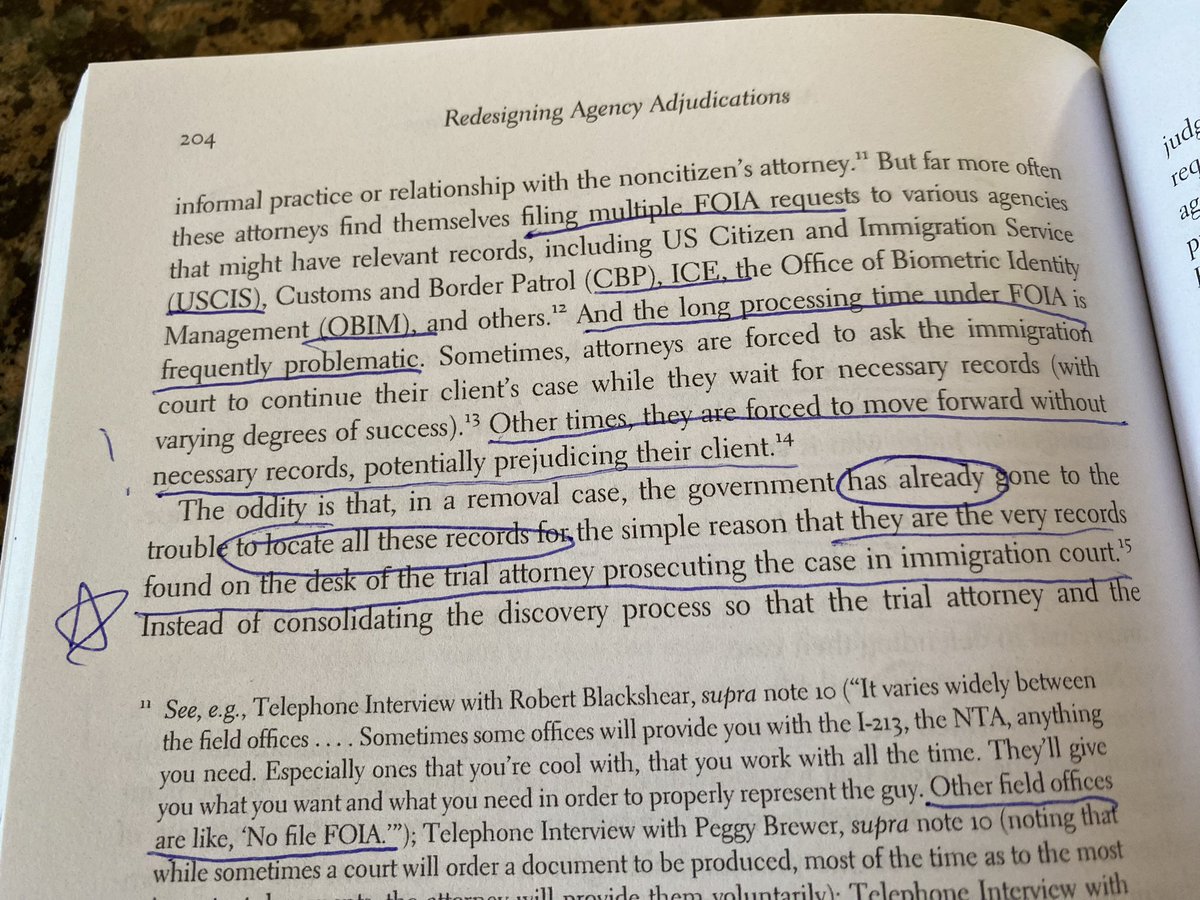
1/ 🧵This will keep you up at night: the US gov has actually deported people who haven’t been able to get their legal records back in time through #FOIA. Meanwhile those records are held by the very person seeking to remove them from the country.
We can do better.
1
1
1,055
17 Feb 2023
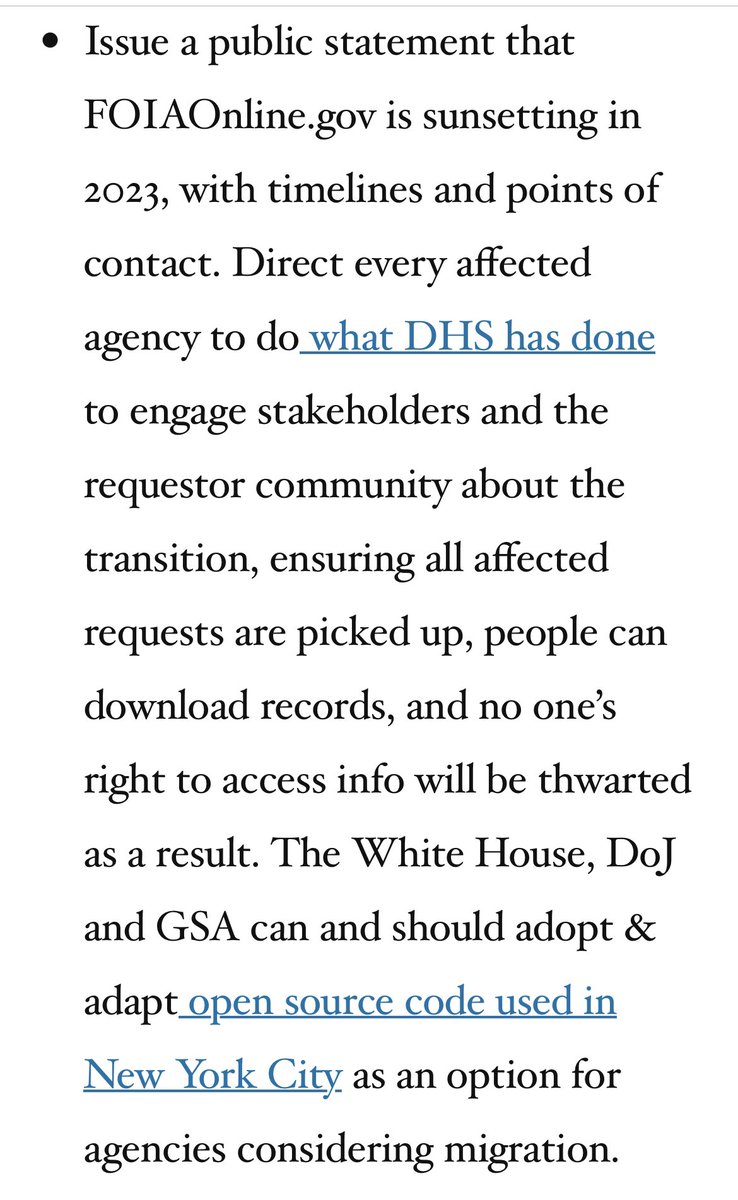
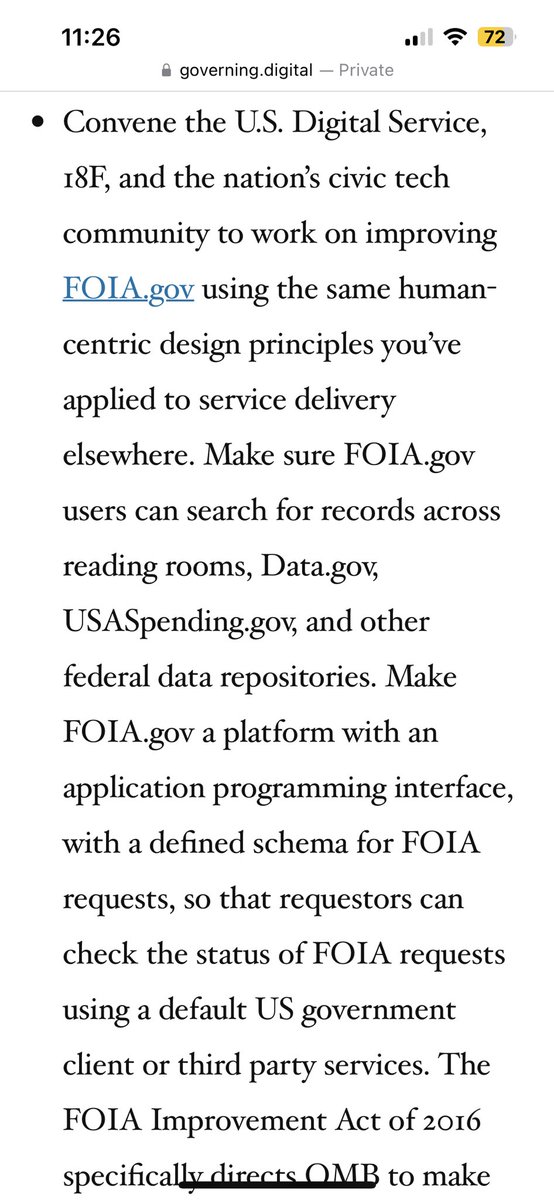
The @WhiteHouse45 could have modernized FOIAOnline @GSA_TTS.
Instead, @TheJusticeDept left #FOIAOnline & @EPA CIO decided to sunset the site in 9/2023:
mailchi.mp/muckrock/open-sou…
Agencies will move to commercial tech.
@WhiteHouse @OMBpress should #FixFOIA:
governing.digital/2023/01/18…
1
3
1
854

19 Oct 2022
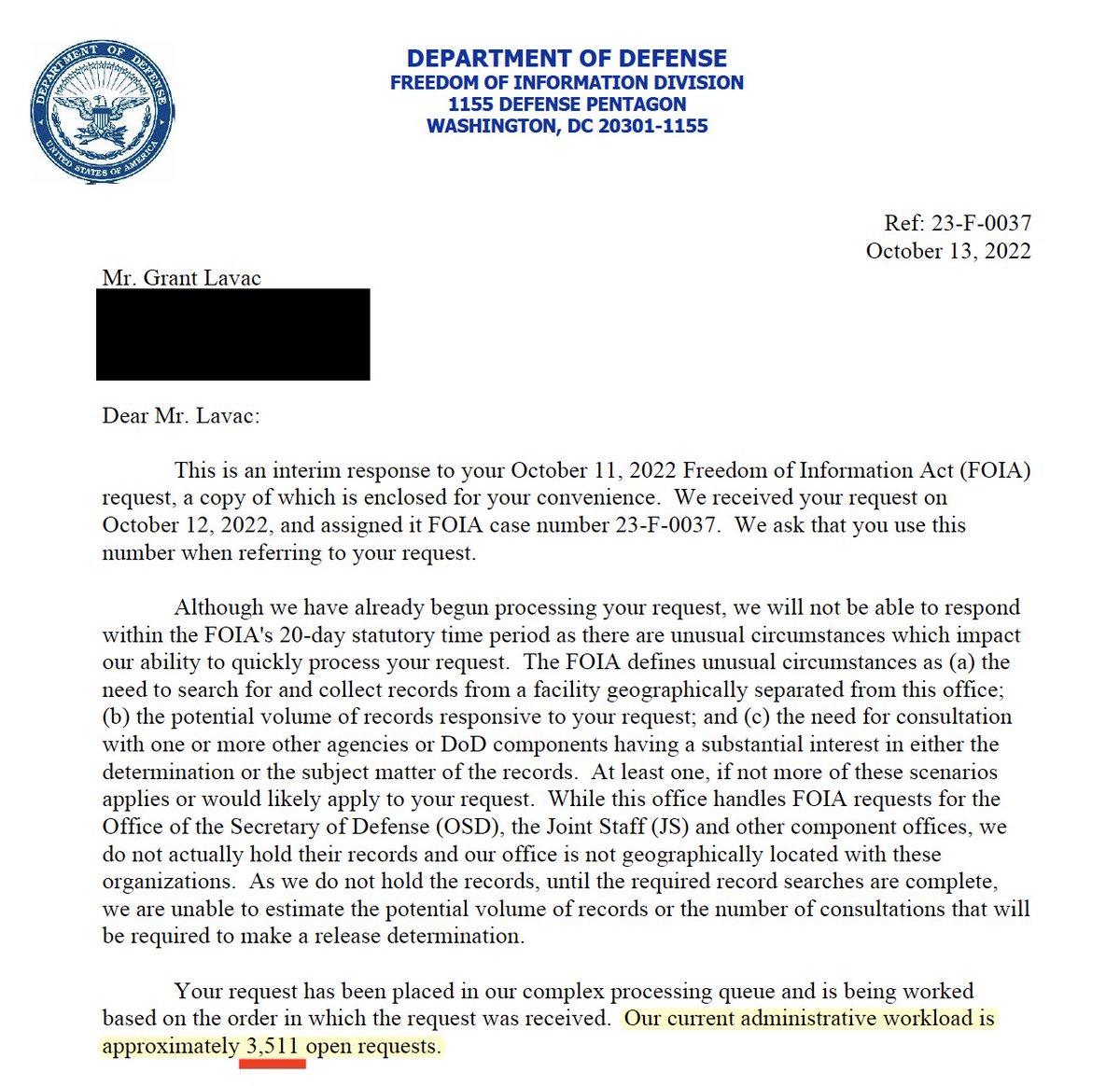
Yikes!!! Looks like I'm gonna be waiting at the back of the queue for a while. That's ok though...I'm pretty sure the 3,510 FOIA requests ahead of me are from John Greenewald. @theblackvault #ufotwitter #fixFOIA 😉
2
2
22
14 Sep 2022
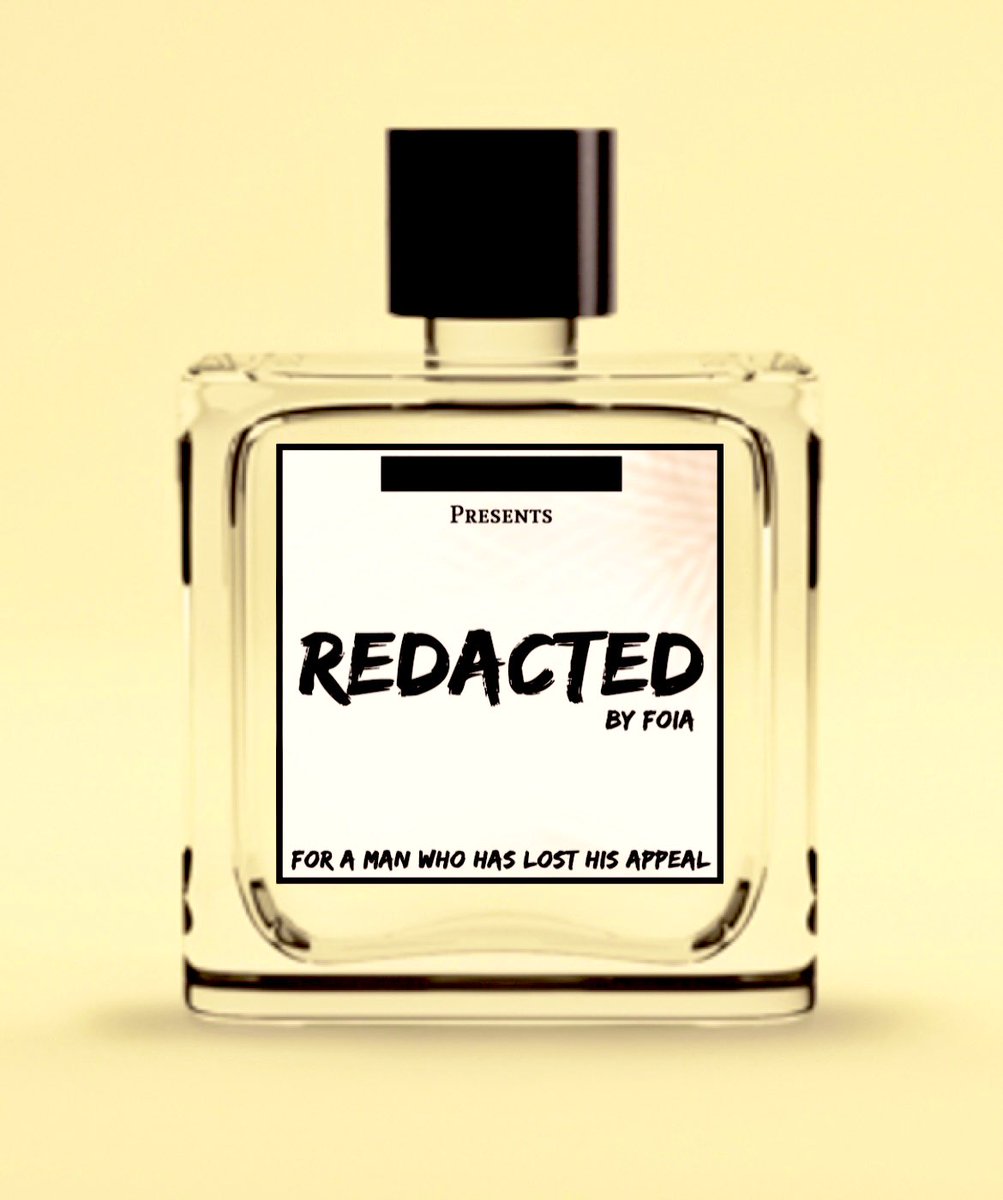
For all the #FOIA folks out there…we know this fragrance all too well. @theblackvault #fixFOIA #ufotwitter
10
11
93

4 Sep 2022
It looks like #FOI is having some problems down under…thankfully, I haven’t been on the receiving end of any significant issues to date (and hopefully it stays that way). Sounds like some reforms might be coming: smh.com.au/politics/federal/… #ufotwitter #FOIA #fixFOIA #UAP #UFO
1
2
12

25 Aug 2022
As your constituent, citizens can help get answers on #UAPs! Consider supporting legislation that will help reduce the long wait times and the common practice of hiding information using overclassification when submitting #FOIA requests. #theBIGPHONEHOME3 #fixFOIA #ufotwitter
25 Aug 2022

🏛 @RepAdamSchiff It’s time to talk about the Government’s #UAP crash retrievals program #uaptwitter #ufotwitter
1
8
23 Aug 2022
Speaking of execution, did you see the biggest #UFO skeptic @MickWest sign our UAP Petition to release all available data on "Gimbal, Go-Fast, & Tic Tac." Plus other initiatives, including the request 2 #fixFOIA. Check it out! Maybe next time you can join? thebigphonehome.com/
2
6

19 Aug 2022
#theBIGPHONEHOME3 #LiveStream with #UAP mini-doc filmmaker @RedPandaKoala joins us to discuss his newest projects and perspectives on the latest #UFO legislation and news that has happened recently. #fixFOIA #ufotwitter #uaptwitter youtu.be/oPXVyaXi4hA
1
3
19 Aug 2022
#theBIGPHONEHOME3 #livestream with @UAPSociety founder and #Veteran F-16 fighter pilot @chrisotis78 talks about funding new #UAP #UFO research with NFTs and his thoughts on all things #UFOs #fixFOIA #ufotwitter youtu.be/oPXVyaXi4hA
2
3
19 Aug 2022
Step 3:
Call.
Write.
Tweet.
Activate Yourself!
#theBIGPHONEHOME3 #fixFOIA #ufotwitter #uaptwitter #UFO #UAP #UAPHearings
thebigphonehome.com/

1
3
5
19 Aug 2022
Step 1: Sign our Petition requesting the immediate release of all data related to the Gimbal, Go-Fast, & Tic Tac #UFO videos! Releasing them would help build trust between the American people, intelligence agencies, & lawmakers. chng.it/p4fqm6RrWp #theBIGPHONEHOME3 #FixFOIA

1
4
12