
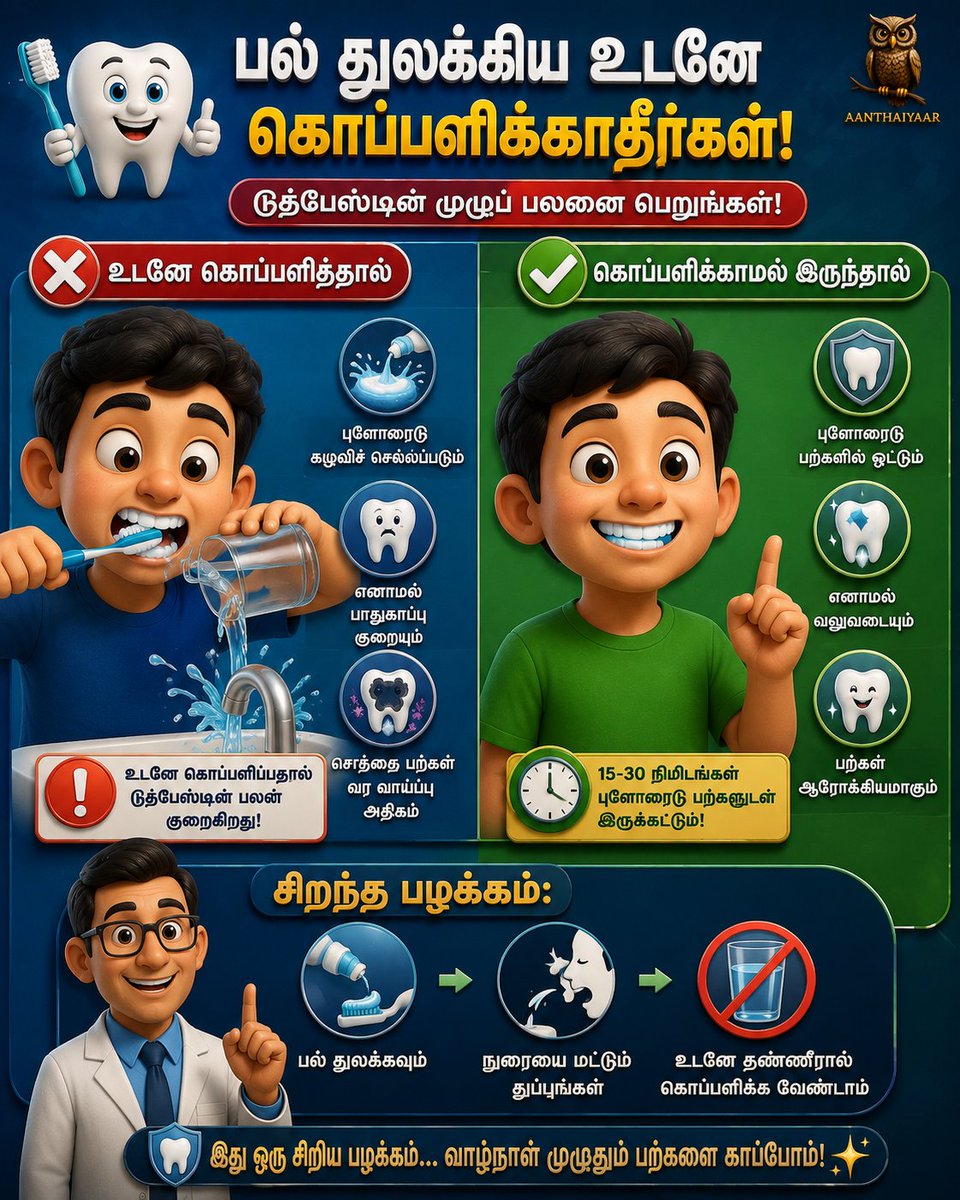
🦉நாம் தினமும் காலையில் பல் துலக்கிய உடனே வாயைக் கொப்பளிக்கும் வழக்கத்தைக் கொண்டிருக்கிறோம், ஆனால் அந்த எளிய பழக்கம் நாம் பயன்படுத்தும் டூத்பேஸ்ட்டின் முழுப் பலனையும் பற்களுக்குக் கிடைக்காமல் தடுத்துவிடுகிறது என்று பல் மருத்துவ நிபுணர்கள் புதிய அதிர்ச்சித் தகவலைத் தந்துள்ளனர்.
சமூக ஊடகங்களில் வைரலாகி வரும் 'பல் துலக்கிய உடனே வாயைக் கொப்பளிக்கக் கூடாது' என்ற ஆரோக்கியக் குறிப்பு குறித்துப் பல்வேறு பல் மருத்துவர்களிடம் ஆராய்ந்த போது, அதில் இருக்கும் அறிவியல் உண்மை பெரிய அளவில் உறுதி செய்யப்பட்டுள்ளது.
நாம் பொதுவாக இரண்டு நிமிடங்கள் பல் துலக்கிவிட்டு உடனே தண்ணீ ஊற்றி வாயைக் கொப்பளிக்கும் போது, பற்களைப் பாதுகாக்கும் 'புளோரைடு' (Fluoride) மற்றும் எனாமல் பழுதுபார்ப்பிற்கான வேதிப்பொருட்கள் அனைத்தும் பற்களில் ஒட்டாமல் உடனடியாகக் கழுவிச் செல்லப்படுகின்றன.
டூத்பேஸ்ட்டில் உள்ள புளோரைடு பற்களின் எனாமலை வலுப்படுத்தவும், சொத்தைப் பற்கள் வராமல் தடுக்கவும் குறைந்தது 15 முதல் 30 நிமிடங்கள் வரை பற்களின் மேற்பரப்போடு தொடர்பில் இருக்க வேண்டியது அவசியமாகும்.
நாம் சாப்பிட்ட பிறகு வாயில் சுரக்கும் அமிலங்களால் எனாமல் பலவீனமடையும் போது, இந்த புளோரைடு தான் பற்களை மீண்டும் பளபளப்பாக்கிப் பாதுகாக்கிறது என்பதால், பல் துலக்கியவுடன் வாயில் இருக்கும் கூடுதல் நுரை மற்றும் பேஸ்ட்டை மட்டும் துப்பிவிட்டு, உடனடியாகத் தண்ணீரால் வாயைக் கொப்பளிப்பதைத் தவிர்ப்பதே பற்களின் ஆரோக்கியத்திற்குச் செய்யும் மிக எளிய மற்றும் சிறந்த பழக்கமாற்றமாகும் என்று மருத்துவர்கள் பரிந்துரைக்கின்றனர்.
#DentalHealth #BrushingTips #ToothpasteFacts #FluorideProtection #OralHygiene #HealthyTeeth #DentistAdvice #பல்ஆரோக்கியம் #பல்மருத்துவகுறிப்பு #எனாமல்பாதுகாப்பு #புளோரைடு #ஆரோக்கியவாழ்வு #ஆந்தைரிப்போர்ட்டர்
1
1
49

Jan 5
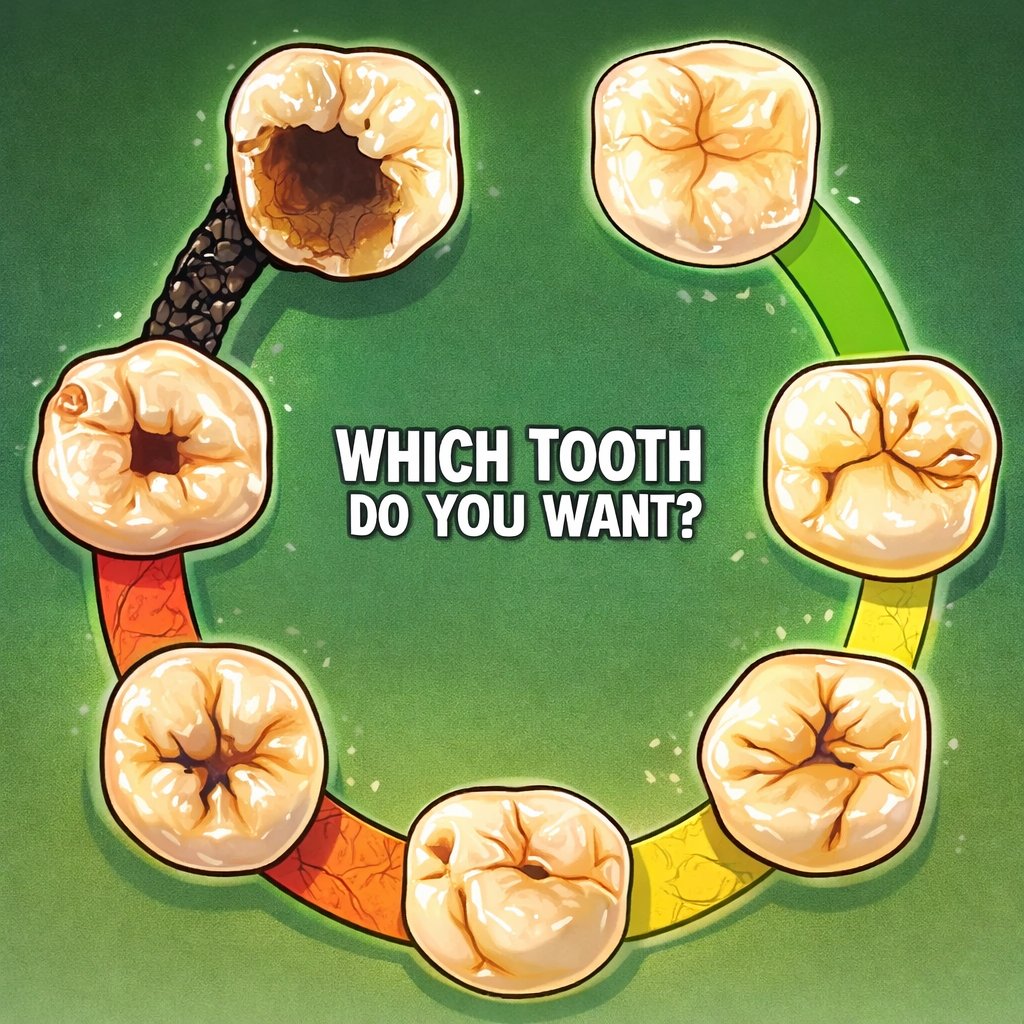
🆘 Dental Caries Progression in Childhood: From Early Lesions to Advanced Decay
Dental caries is a chronic, progressive disease that often begins in early childhood and can advance rapidly if not detected and managed on time. In children, the caries process is strongly influenced by dietary habits, oral hygiene practices, fluoride exposure, and parental awareness.
🔸 The progression typically starts with initial enamel demineralization, visible as white spot lesions on the tooth surface. At this stage, the process is reversible with proper oral hygiene, fluoride therapy, and dietary control. Unfortunately, these early signs are often overlooked because they are painless and subtle.
🔸 If the demineralization continues, caries advances into the dentin, where the disease progresses faster due to the lower mineral content and higher organic composition of primary teeth. Children may begin to experience tooth sensitivity or discomfort, especially with sweet or cold foods.
🔸 In advanced stages, untreated caries can reach the dental pulp, leading to inflammation, pain, infection, and even abscess formation. At this point, more complex treatments such as pulp therapy or tooth extraction may be required, potentially affecting mastication, speech development, and the eruption of permanent teeth.
👉 Early diagnosis, preventive strategies, and regular dental visits are essential to interrupt the caries process in childhood. Educating parents and caregivers plays a crucial role in protecting primary teeth and ensuring a healthy oral environment for the developing child.
🦷 Healthy baby teeth today build the foundation for a healthy smile tomorrow.
#OdontopediatricOnline #PediatricDentistry #EarlyChildhoodCaries #DentalCariesProgression #ChildOralHealth #PreventiveDentistry #PrimaryTeeth #HealthySmiles #FluorideProtection #DentalEducation
3
12
275
8 Dec 2025
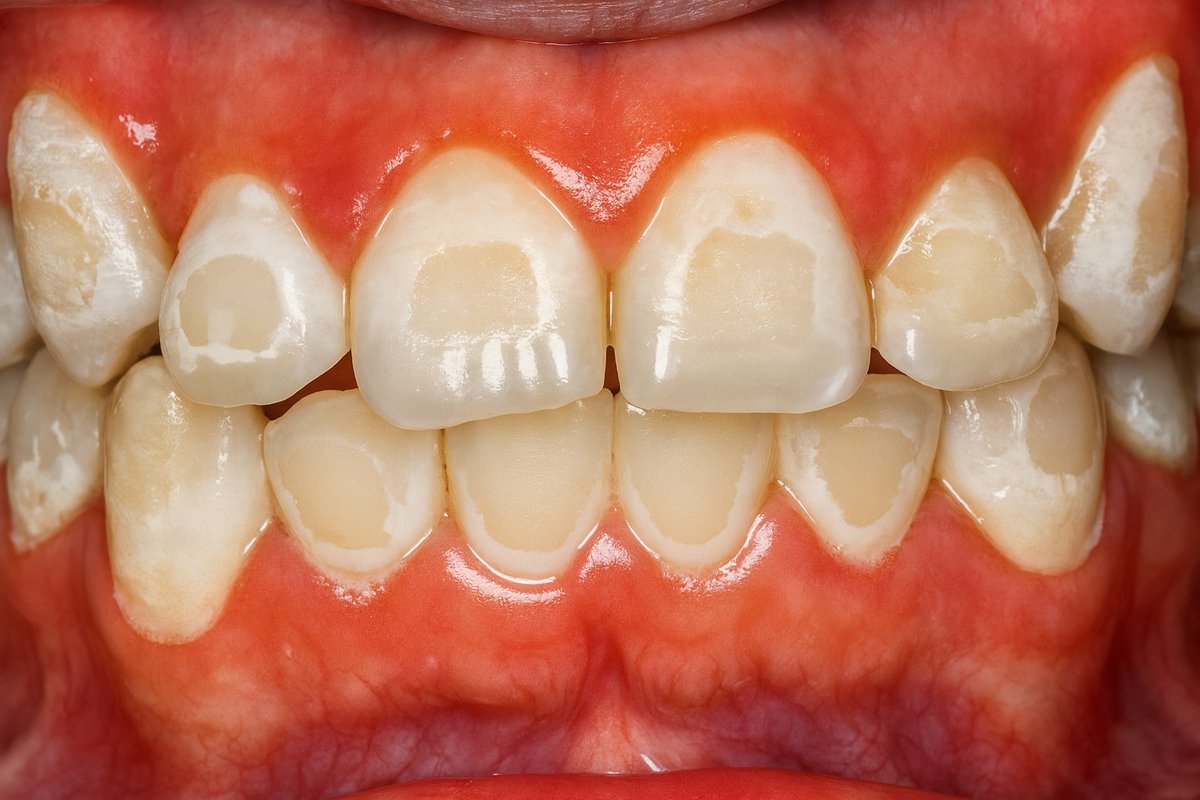
🔰 White Spots After Braces: Causes, Prevention, and Treatment
White spots that appear on teeth after orthodontic treatment are a common concern among patients who wear braces. These chalky areas are known as decalcification lesions, and they occur when plaque and bacteria accumulate around brackets, leading to the loss of essential minerals from the enamel.
◽️ Poor oral hygiene, excessive sugar intake, and neglecting regular dental cleaning during orthodontic treatment can worsen the problem.
◽️ To prevent white spots, it’s crucial to maintain a strict oral hygiene routine, including thorough brushing around each bracket, using fluoride toothpaste, and rinsing with fluoride mouthwash to help remineralize enamel. Dentists may also recommend professional fluoride varnishes, remineralizing gels, or microabrasion treatments once the braces are removed.
👉 Orthodontic care is not only about achieving a straight smile but also preserving the health and brightness of tooth enamel. Prevention and consistent hygiene are the best allies to avoid permanent damage and ensure a truly beautiful smile after braces.
#OralHealth #Odontovida #BracesCare #WhiteSpots #DentalCare #HealthySmile #FluorideProtection #OralHygiene
1
15
1,744
3 Dec 2025
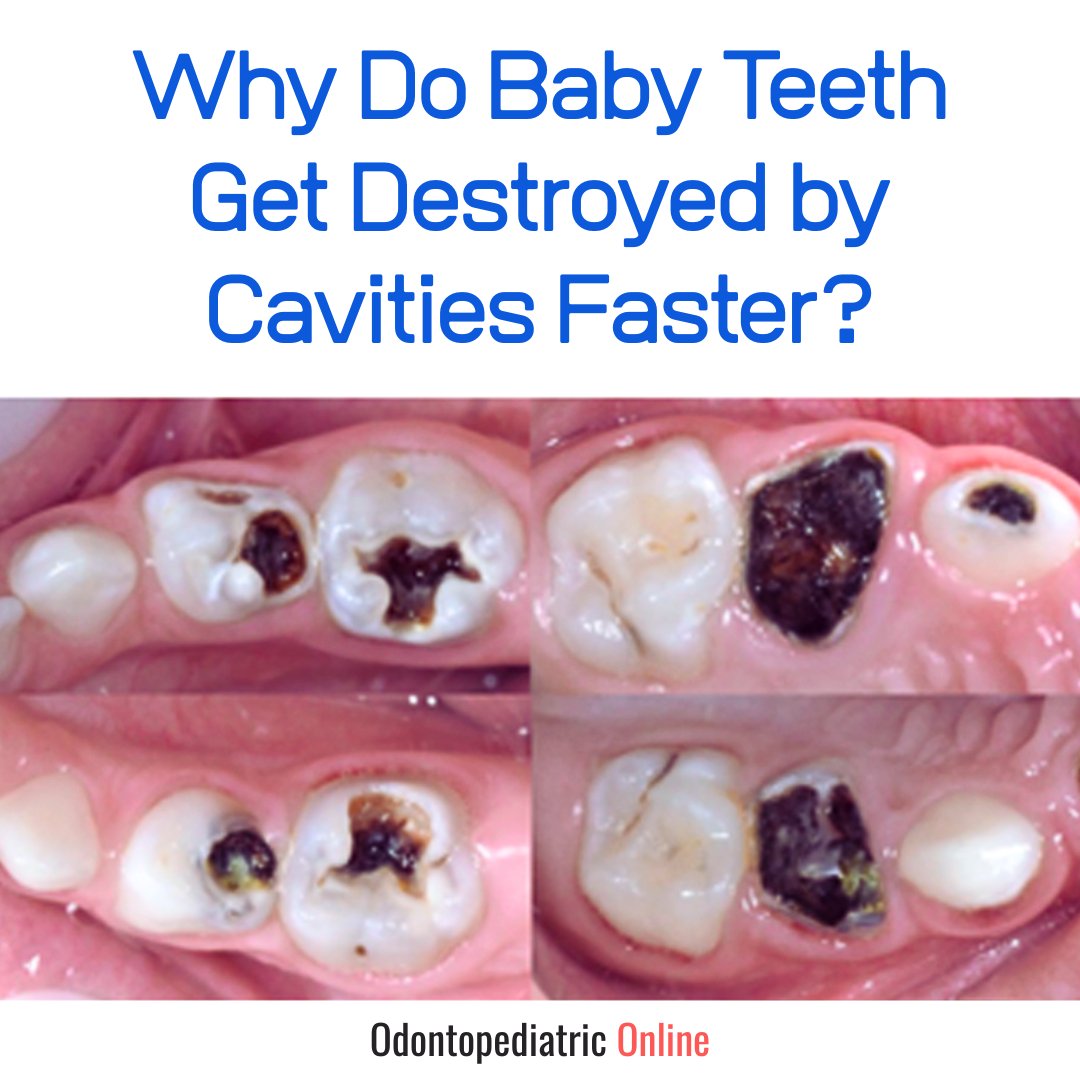
🆘 Why Do Baby Teeth Get Destroyed by Cavities Faster?
Primary teeth (baby teeth) have a thinner enamel layer and a larger pulp chamber compared to permanent teeth. This makes them more vulnerable to acid attacks from cavity-causing bacteria.
🔹 Once decay starts, it progresses more rapidly and can reach the nerve of the tooth in a short period, often leading to pain, infection, or early tooth loss.
🔹 In addition, children’s diets are often higher in sugars, and brushing habits may not be optimal. Factors like prolonged bottle use or nighttime feeding can further increase the risk of early childhood caries.
👉 Protecting baby teeth is essential not only for chewing and speaking but also for maintaining space for permanent teeth. Early prevention, proper brushing, fluoride use, and regular dental check-ups are the best defense against cavities.
#OdontopediatricOnline #PediatricDentistry #BabyTeeth #EarlyChildhoodCaries #ToothDecay #OralHealthKids #DentalCare #PreventCavities #HealthySmiles #KidsDentistry #CariesPrevention #FluorideProtection #OdontologíaPediátrica
4
203

1 Sep 2025
કામની વાત : બ્રશ કર્યા પછી તરત જ પાણી કેમ ન પીવું જોઈએ? કોગળા કરવા પણ ખતરનાક !
#HealthTips #DentalCare #BrushingTips #WaterAfterBrushing #GarglingWarning #OralHealth #FluorideProtection
tv9gujarati.com/photo-galler…
219
31 Aug 2025
બ્રશ કર્યા પછી તરત જ પાણી કેમ ન પીવું જોઈએ?
#PostBrushingWater #BrushingTeethRules #FluorideProtection #OralCareTips #HealthyTeethHabits
tv9gujarati.com/web-stories/…
260

9 Jun 2025
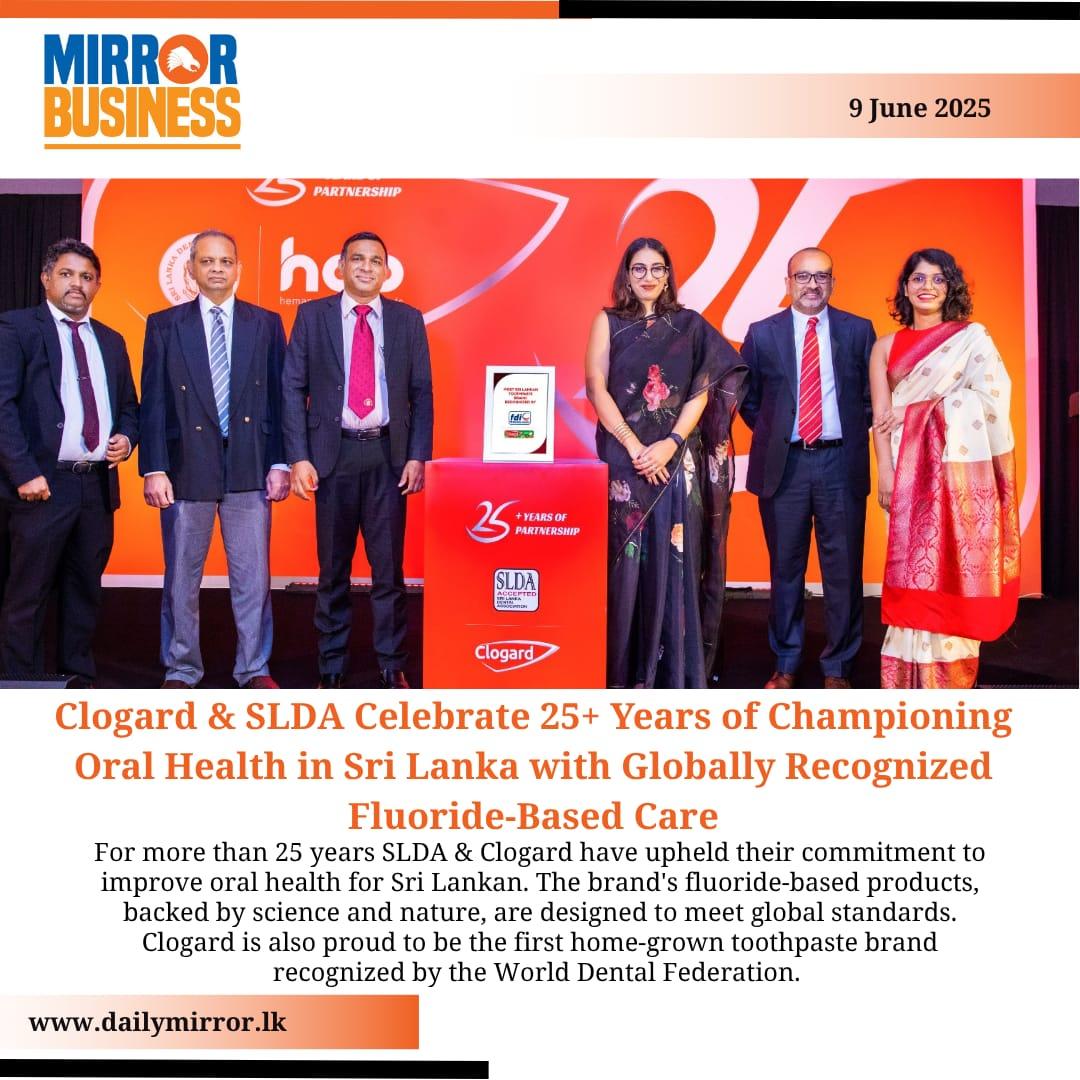
For more than 25 years SLDA & Clogard have upheld their commitment to improve oral health for Sri Lankan. The brand's fluoride-based products, backed by science and nature, are designed to meet global standards.
Clogard is also proud to be the first home-grown toothpaste brand recognized by the World Dental Federation.
#ClogardSL #SLDAApproved #OralHealthLK #25YearsOfCare #FluorideProtection
1
660

9 Jul 2024
બાળકને બ્રશ કરાવવાની સાચી ઉંમર કઈ?
#ChildDentalCare #HealthySmiles #KidsOralHealth #BrushTeeth #FluorideProtection #PediatricDentistry #DentalHygiene #ToothCare #Gfcard #Gujaratfirst
2
154

5 Jun 2019
Hey @newportnow. Do you see the City of Newport website? cityofnewport.com/news/2019/…. Rhode Islanders need to learn about the consequences of #fluoride 'overfeeds'.
While this is not as serious as #FlintWaterCrisis or ncbi.nlm.nih.gov/pubmed/9323…
kids & #kidneys need #FluorideProtection
1
3
5 Jun 2019
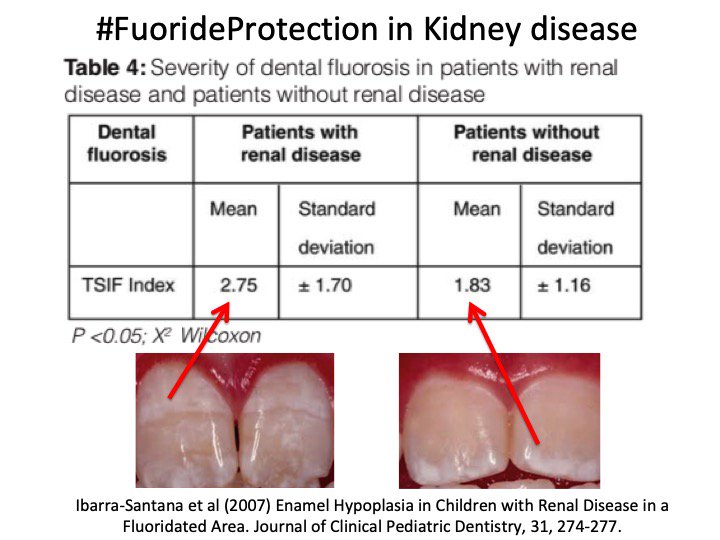
Doing great work! Now let's teach families whose kids have #kidneydisease #FluorideProtection, because #fluoride makes sick kidneys even sicker. They can't handle #fluoridated water. How can you tell? #Spotsonteeth.
3
4
5 Jun 2019
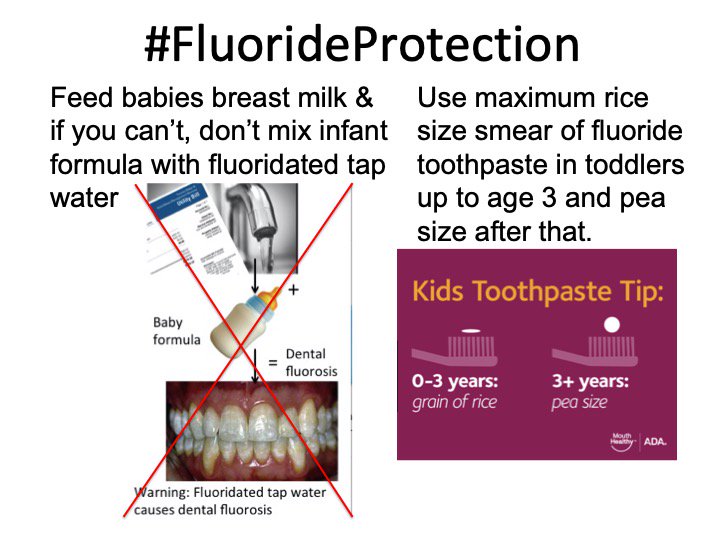
Learn how to protect yourself and your children form the harmful effects of #fluoride ingestion.
It hurts human teeth, bones many soft tissue.
Let's start here: #FluorideProtection
1
4
3 Jun 2019
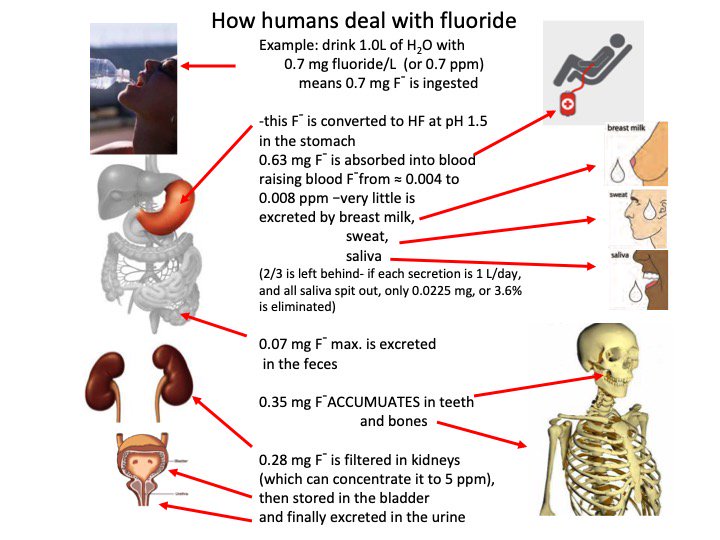
Hey JJ. Here's your first lesson on how 'Mother Nature' protects humans from #fluoride poisoning. Pass it on to your @AFS_Fluoride buddies so they understand. There seems to be a general lack of knowledge of #FluorideProtection in humans, even with regular dentists like you.
1
3
3 Jun 2019
Before neolithic farming (≈ 25,000 yrs ago) journals.plos.org/plosone/ar…, hunter-gatherers had no dental decay. "Mother nature" protected all humans for millions of yrs from #fluoride poisoning through dilution, excretion & skeletal sequestering. Evolution = #FluorideProtection.
1
1
4