
Jun 11
🚨 IISER Tirupati JRF / Project Associate-I Opening!
Project: "Fluorogenic Probes for Monitoring Organelle-Specific ATP Dynamics During Pathophysiological States"
Desirable: Experience in molecular & cellular biology techniques
helpbiotech.co.in/2026/06/ii…
@IiserTirupati #JRF
91

Jun 10
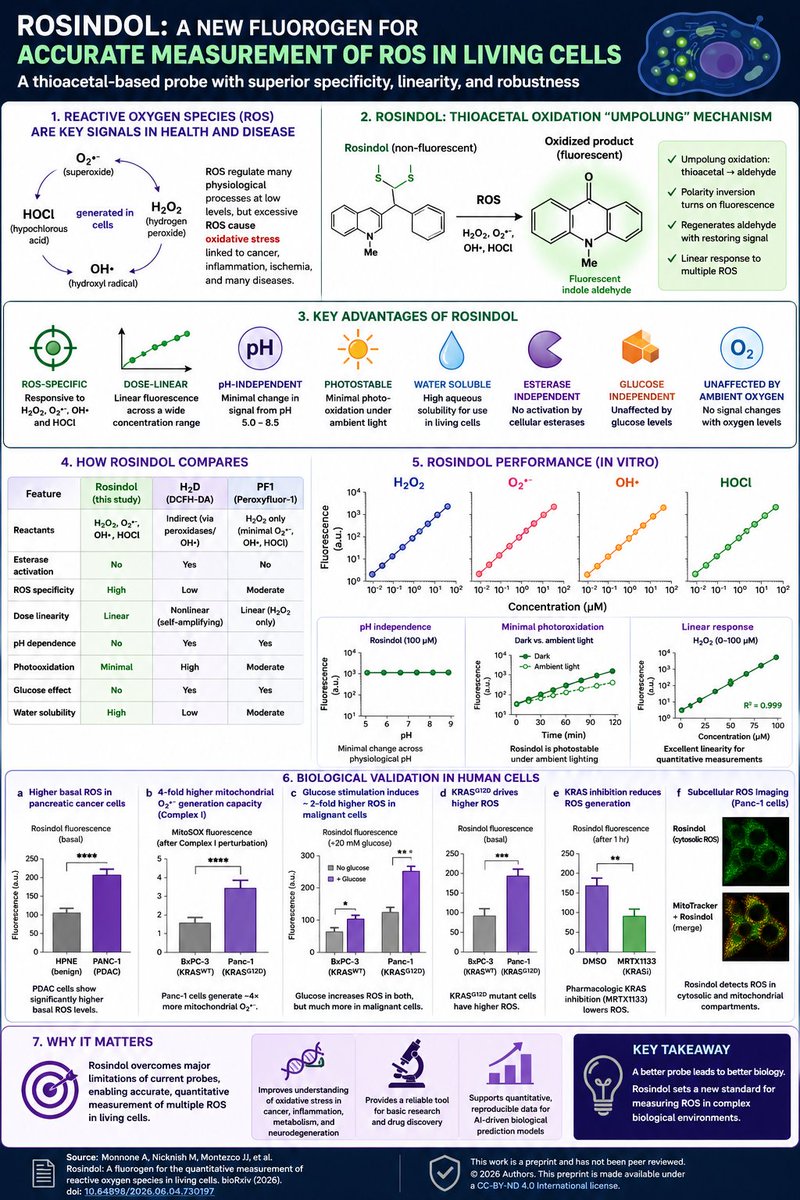
🚨 New ROS Probe May Change How We Study Cancer Metabolism
For decades, ROS biology has relied heavily on DCFH-DA (H2DCFDA)-based assays despite well-known limitations: poor ROS specificity, esterase dependence, pH sensitivity, photooxidation, and nonlinear signal amplification.
A new bioRxiv preprint introduces Rosindol, a thioacetal-based fluorogenic probe designed to overcome many of these problems.
Key innovations
✅ ROS-triggered oxidation of a thioacetal moiety generates a fluorescent indole aldehyde signal.
✅ Linear quantitative responses to multiple biologically relevant ROS species:
H₂O₂
O₂•⁻
OH•
HOCl
Unlike conventional probes, Rosindol demonstrated:
pH-independent fluorescence
minimal photooxidation
reduced autoxidation
water solubility
independence from esterase activity
independence from glucose concentration
These characteristics directly address several concerns raised in the 2022 ROS measurement guidelines from Murphy et al.
Cancer metabolism insights
The most interesting part may be the biological application.
Using pancreatic cancer models, the authors report:
🔹 Higher basal ROS levels in malignant PDAC cells compared with benign pancreatic cells.
🔹 A ~4-fold greater capacity for mitochondrial superoxide generation after Complex I perturbation.
🔹 Glucose stimulation induced approximately 2-fold stronger ROS production in malignant cells, linking Warburg metabolism to oxidative stress generation.
🔹 KRASG12D-mutant Panc1 cells exhibited higher ROS levels than KRASWT BxPC-3 cells, and pharmacologic inhibition with MRTX1133 reduced ROS generation.
Why this matters
Many conclusions in cancer metabolism, aging biology, mitochondrial research, immunology, and inflammation depend on ROS measurements.
If probe artifacts are substantial—as the authors argue—then parts of the oxidative stress literature may require reinterpretation.
Rosindol will need independent validation and peer review, but the study highlights an important principle:
Better biology often begins with better measurement tools.
📄 Reference
Monnone A et al. Rosindol: A fluorogen for the quantitative measurement of reactive oxygen species in living cells. bioRxiv (2026)
DOI: 10.64898/2026.06.04.730197
#CancerMetabolism #ROS #OxidativeStress #PancreaticCancer #KRAS #Mitochondria #RedoxBiology #CancerResearch #Bioengineering #FluorescentProbes
4
20
944

Have you heard of sequence-specific fluorogenic probes?
1
3

Pleased to share our recent Feature Article on "Activatable fluorogenic prodrugs of potent inhibitors targeting overexpressed metabolic enzymes in cancer" in Chem. Commun. pubs.rsc.org/en/content/arti…. Congrats to @pallavibarman96, @NikitaPal131613 and @RahulKesar41431.
1
29
1,179

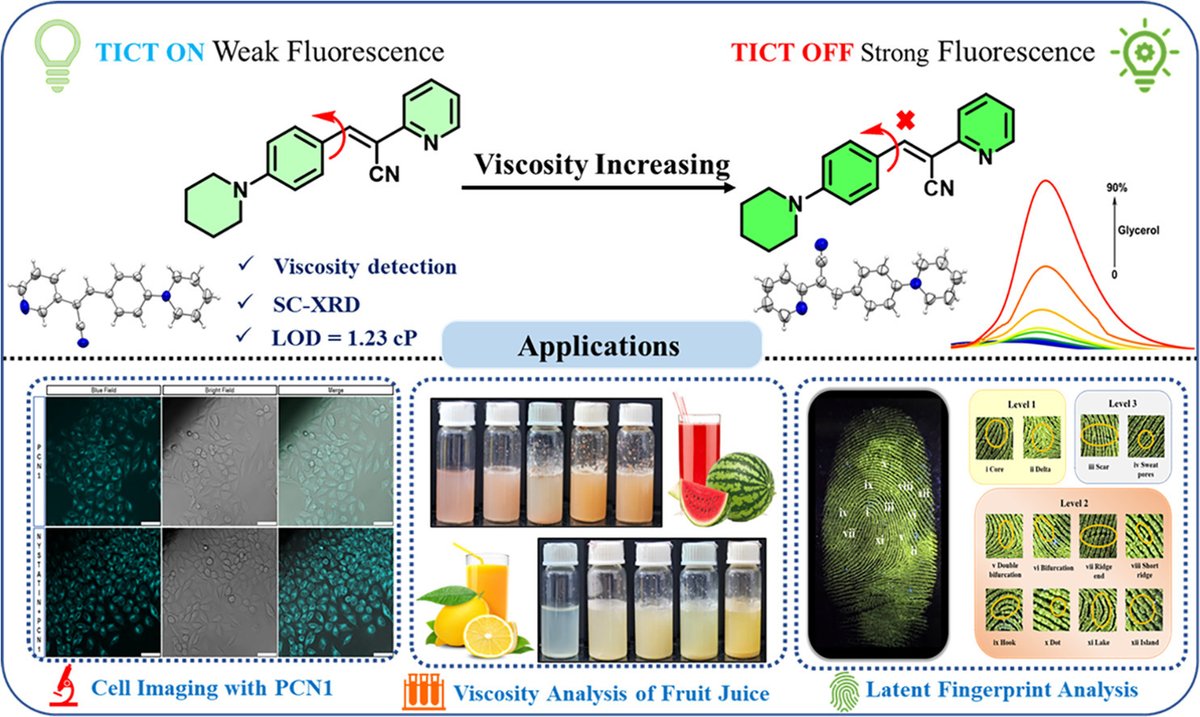
Another research article entitled "Multifunctional α-cyanostilbene based fluorogenic probe for tracking of intracellular viscosity, juice spoilage and latent fingerprint analysis" has been published in Journal of Molecular Structure.
doi.org/10.1016/j.molstruc.2…
2
21
1,172

May 24
Fluorogenic Red to Near-Infrared Tetrazine–Cyanine Probes for Bioorthogonal Organelle Membrane Imaging and Spatiotemporal Disruption | Journal of the American Chemical Society pubs.acs.org/doi/10.1021/jac…
6
50
3,475
May 21
Solid-Phase Synthesis of ProTide Fluorogenic Probes Enables Systematic Profiling of Carboxypeptidase Activity | Journal of the American Chemical Society pubs.acs.org/doi/10.1021/jac…
2
16
2,297

May 21
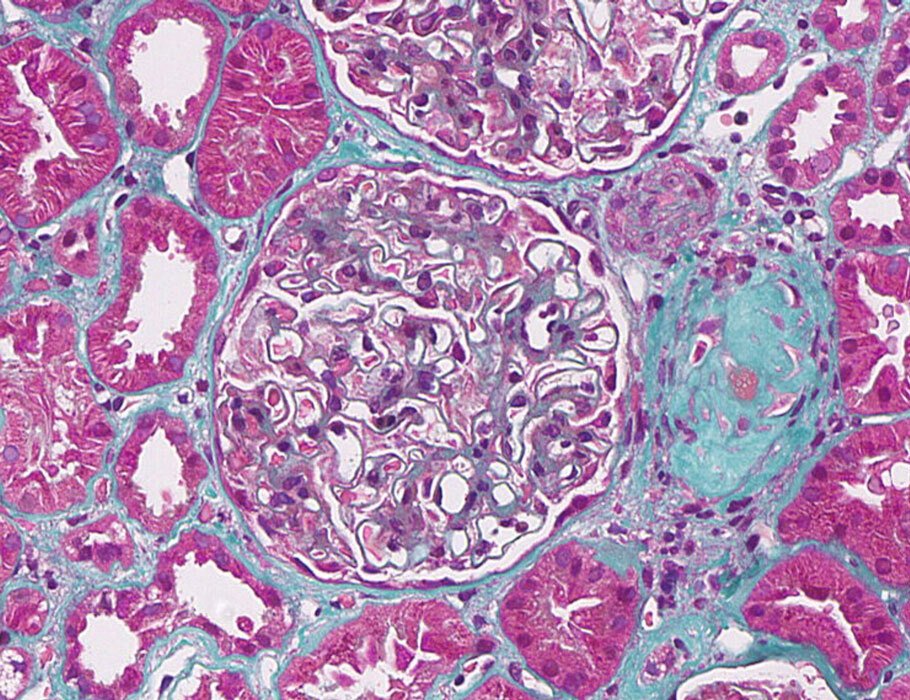
Urinary fluorogenic reporters for noninvasive detection and staging of kidney fibrosis
science.org/doi/10.1126/scit… @ScienceTM
1
13
551

Urinary fluorogenic reporters for noninvasive detection and staging of kidney fibrosis
science.org/doi/10.1126/scit…
1
2
119

May 14
一方で、一方、bioorthogonal reaction として見る場合は、PBS 37 °C での反応が 12 時間、67% 収率という点をどう評価するかが重要になってきますね。
細胞標識や in vivo 応用を主張するには、反応速度、血清中安定性、チオール・アミン・還元環境での選択性、細胞毒性の検証がまだ必要に思います。
Fluorogenic probe についても、coumarin 系では大きな fluorescence turn-on が出ていますが、溶媒依存性が強く、biological buffer 中での性能を確認したいところです。
現時点では、bioorthogonal chemistry の完成形というより、cinnoline 合成と fluorogenic probe 設計に使える新しい反応候補という位置付けになるかなと
May 14

N-carbonyl aryldiazene と cis,trans-cycloocta-1,5-diene を用いた azo-Povarov 型 click reaction
pubs.acs.org/doi/10.1021/acs…
この反応、室温・無触媒で cinnoline 誘導体を高収率に与える点は、興味深いですね。
Ggram-scale でも高収率で進むため、cinnoline scaffold の迅速合成法としては実用性が高そうに見えます。
2
15
3,354

May 10
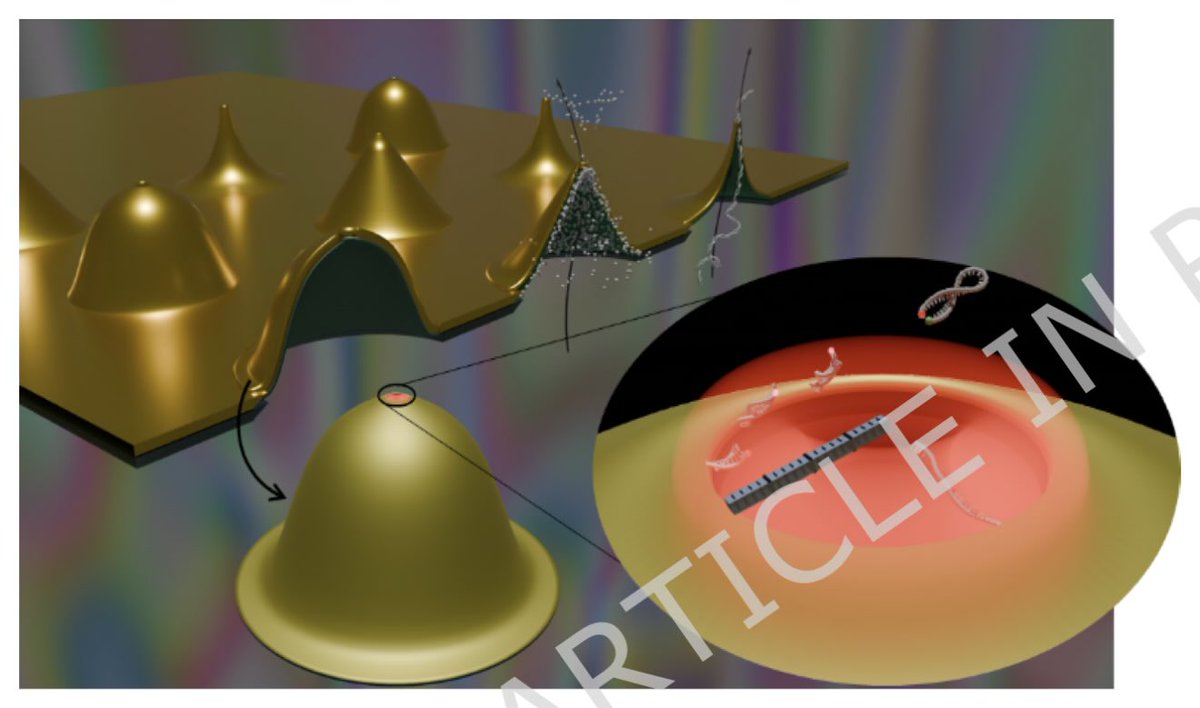
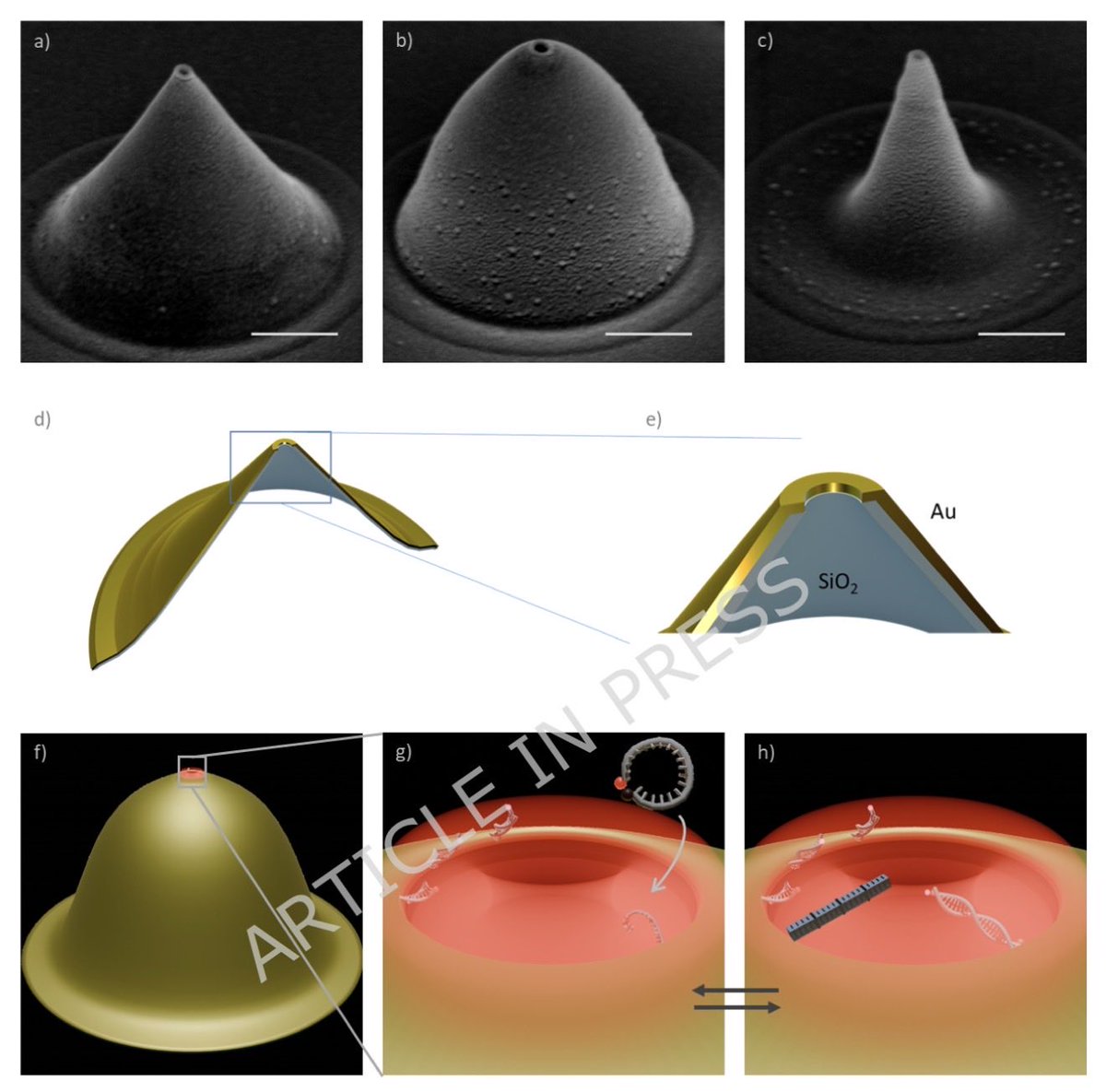
Nanopore Alchemy 2.0. Lanzavecchia and crew created three-dimensional conical gold nanopores using nanofluidic confinement and plasmonic effects. Metallic structures concentrate electromagnetic energy into nanoscale hot spots, enabling real-time observation of transient DNA hybridization events (DNA-PAINT) inside the metallic maw. Unlike previous solid-state plasmonic nanopores, this setup supports single-molecule fluorescence under wide-field epi-illumination.
Fluorogenic imagers glow only when bound, mapping the pore tips with high precision. Using DNA oligos as molecular nanorulers reveals the balance of enhancement versus quenching. At 3 nm, non-radiative decay devours emission. At 6 nm, plasmonic field amplification yields peak brightness. Beyond 9 nm, field decay tempers the glow. Non-monotonic brilliance is confirmed across confocal maps and boxplots. Simulations show symmetric hotspots near the gold rim, with total decay-rate modifications dropping from 10⁵ to 27 as distance increases.
Local thermoplasmonics add ~12.5 °C heating under modest irradiance, broadening effective distances without disrupting thiol anchors. Design principle for plasmonic biosensors: position emitters in the 5–7 nm range for optimal signal.
Dual-material conical nanopores combine gold and silicon asymmetrically. SEM/EDX false-color imaging confirms the design with yellow Au and orange Si at the rim. Rhodamine 6G shows pure Au pores remain dark, while Au/Si hybrids glow brighter at the center, indicating asymmetric |E|² distributions. This geometry enables tailored fields, surface chemistries, and multifunctionality for optogenetic or data-storage applications.
3D plasmonic nanopores act as portals where electromagnetic, thermal, and kinetic effects interact with molecular precision. DNA-PAINT’s stochastic bursts probe confined nanoenvironments, and nanoruler data optimize signal yield. Hybrid architectures promise multifunctional opto-nanofluidic devices for sequencing, iontronics, and molecular data readout.
The work envisions DNA as living antennas and nanopores as tunable lenses for photonic secrets. A pore that not only senses DNA but illuminates it with exclusive light.
1
2
144

May 6
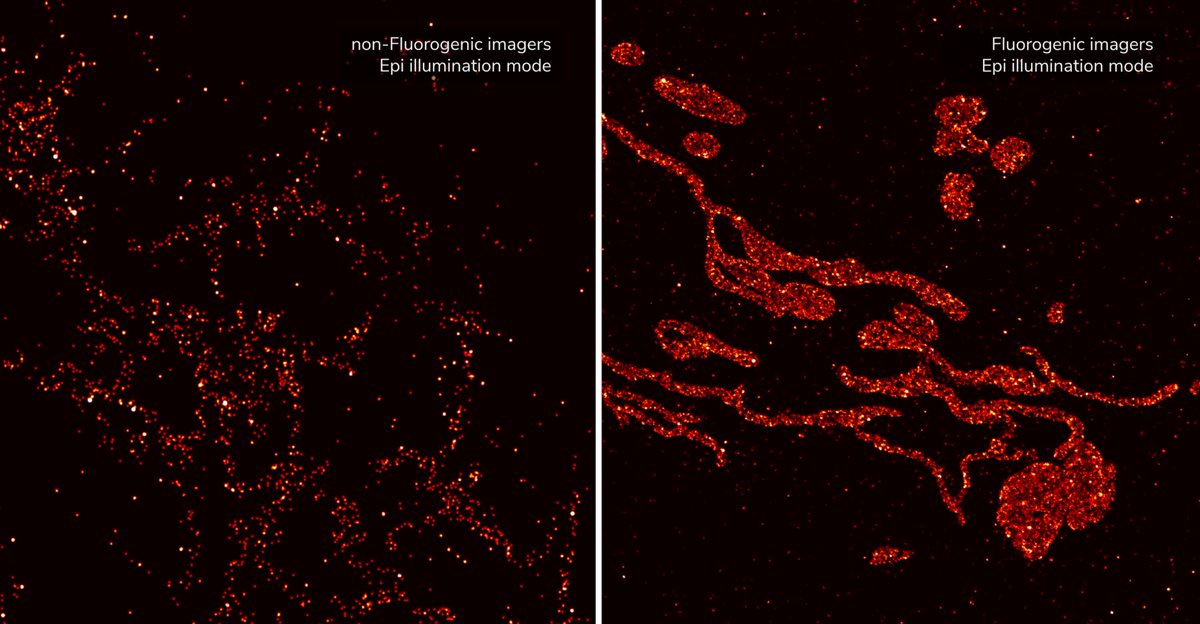
Struggling with background noise when imaging targets above the cell surface via DNA-PAINT?
Here’s how Fluorogenic imagers improve your results:
✔️ Robust 𝗗𝗡𝗔-𝗣𝗔𝗜𝗡𝗧 𝗶𝗺𝗮𝗴𝗶𝗻𝗴 𝗶𝗻 𝗘𝗽𝗶, 𝗛𝗜𝗟𝗢, 𝗮𝗻𝗱 𝗧𝗜𝗥𝗙 illumination modes
✔️ 𝗟𝗼𝘄𝗲𝗿 𝗯𝗮𝗰𝗸𝗴𝗿𝗼𝘂𝗻𝗱 for cleaner images
✔️ 𝗛𝗶𝗴𝗵𝗲𝗿 𝘀𝗶𝗴𝗻𝗮𝗹-𝘁𝗼-𝗻𝗼𝗶𝘀𝗲 ratios for improved resolution
👉 Explore Fluorogenic imagers: massive-photonics.com/produc…
Already using our DNA-PAINT kits? Fluorogenic imagers are compatible with current FAST-DNA-PAINT kits, requiring no new kit purchase.
#Superresolution #DNAPAINT #SMLM #MassivePhotonics
2
6
350


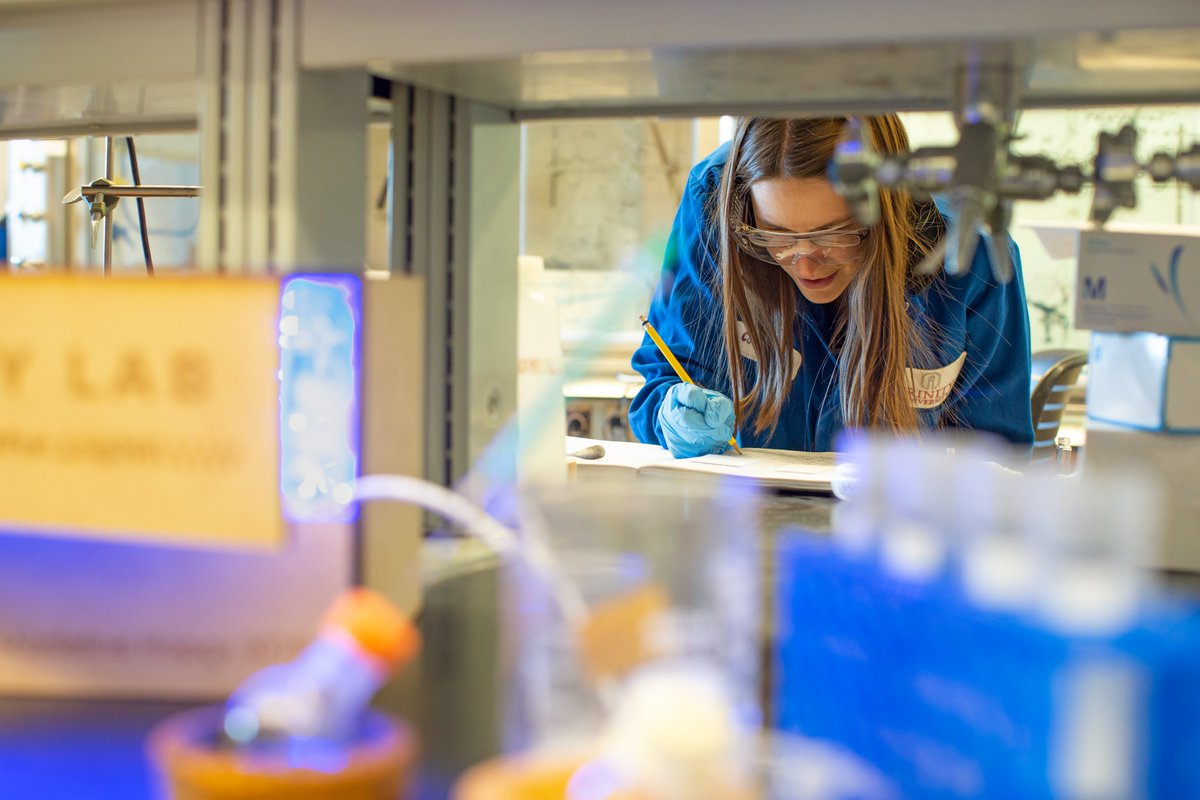
Chemistry professor Christina Cooley had her lab’s research, “Systematic Optimization of Fluorogenic ARGET ATRP toward Rapid and Oxygen-Tolerant Analyte Detection,” published in a special issue of ACS Omega highlighting undergraduate research. Jordan McMurry ’21, Jose Ricardo dos Remdios ’22, Nicholas Cipolla ’25, and Max Chamoun ’19 were student co-authors.
View their research at pubs.acs.org/doi/full/10.102….
#TrinityUAlumni #TigerPride #STEM
ALT A scientist wearing a blue lab coat and gloves records notes in Christina Cooley's lab.
2
95

Mar 26
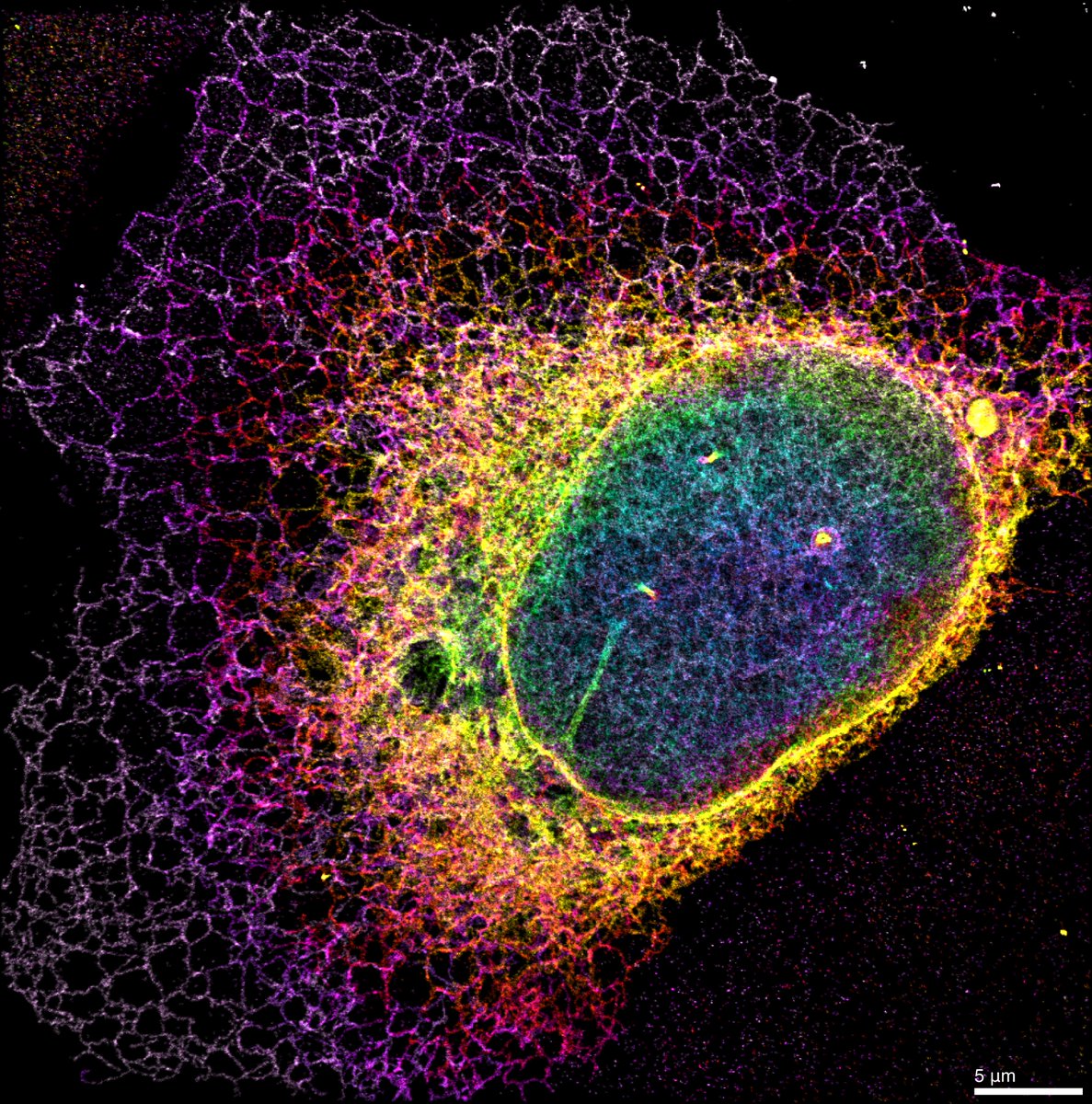
Excited to announce our new probes for #DNAPAINT⚡️With Fluorogenic speed-optimized probes, you can achieve whole-cell, 3D super-resolution imaging with standard widefield illumination! Preprint out now — biorxiv.org/content/10.64898… @SStoller_ @AsmitaJha16 @FSchueder
18
77
3,186

Mar 26
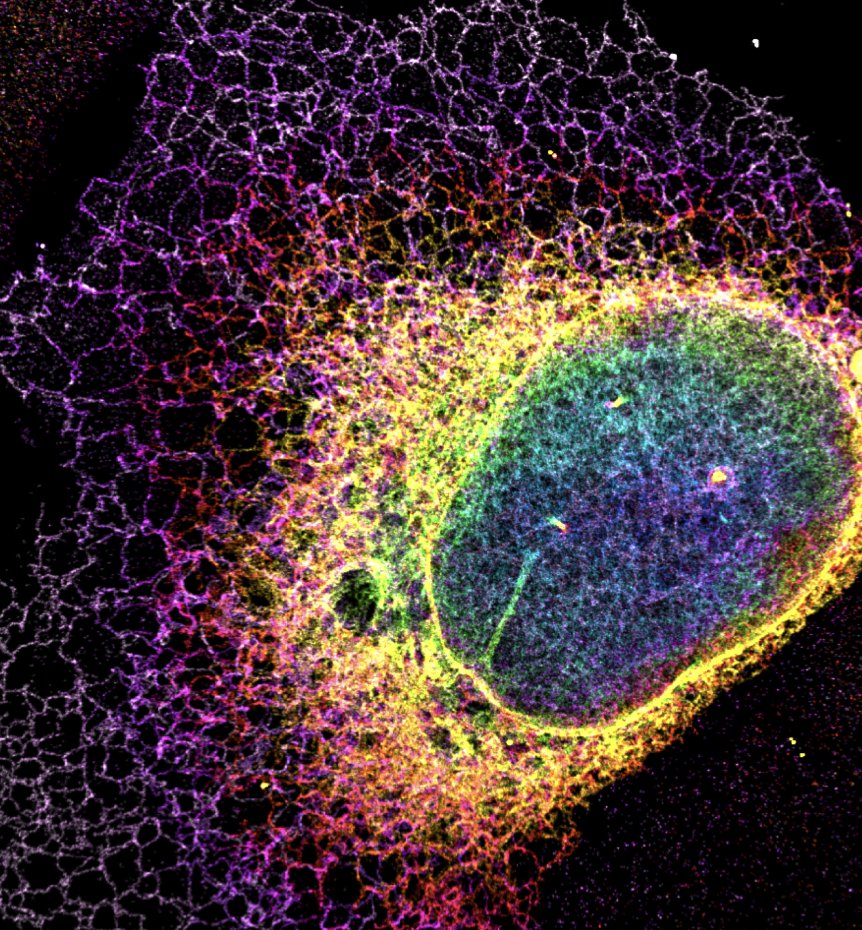
Please check out our newest work on fluorogenic speed imager probes, in which we combine the strengths of speed-optimized imagers and fluorogenic imagers.
#SuperResolution #DNAPAINT #microscopy
biorxiv.org/content/10.64898…
1
9
230

Mar 11
Intracellular expression of a fluorogenic DNA aptamer using retron Eco2
elifesciences.org/articles/9…
1
5
2,021

Feb 17
Protein-encapsulated fluorogenic probes for the selective detection of endogenous O-GlcNAcase (OGA) pubs.rsc.org/en/Content/Arti…
1
7
991

Jan 16
New Year, New Paper from the lab!
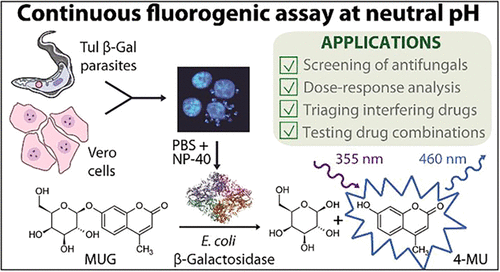
An enhanced fluorogenic phenotyping assay for screening of new drugs against Trypanosoma cruzi, the causative agent of #Chagas disease.
And two new antifungals with activity against T. cruzi!
@unsamoficial @CONICETDialoga @ebynunsam
🧵 1
1
3
12
249

Fluorogenic CRISPR for DNA imaging in live mammalian cells dlvr.it/TQMwGt
3
24
2,268