
Jun 13
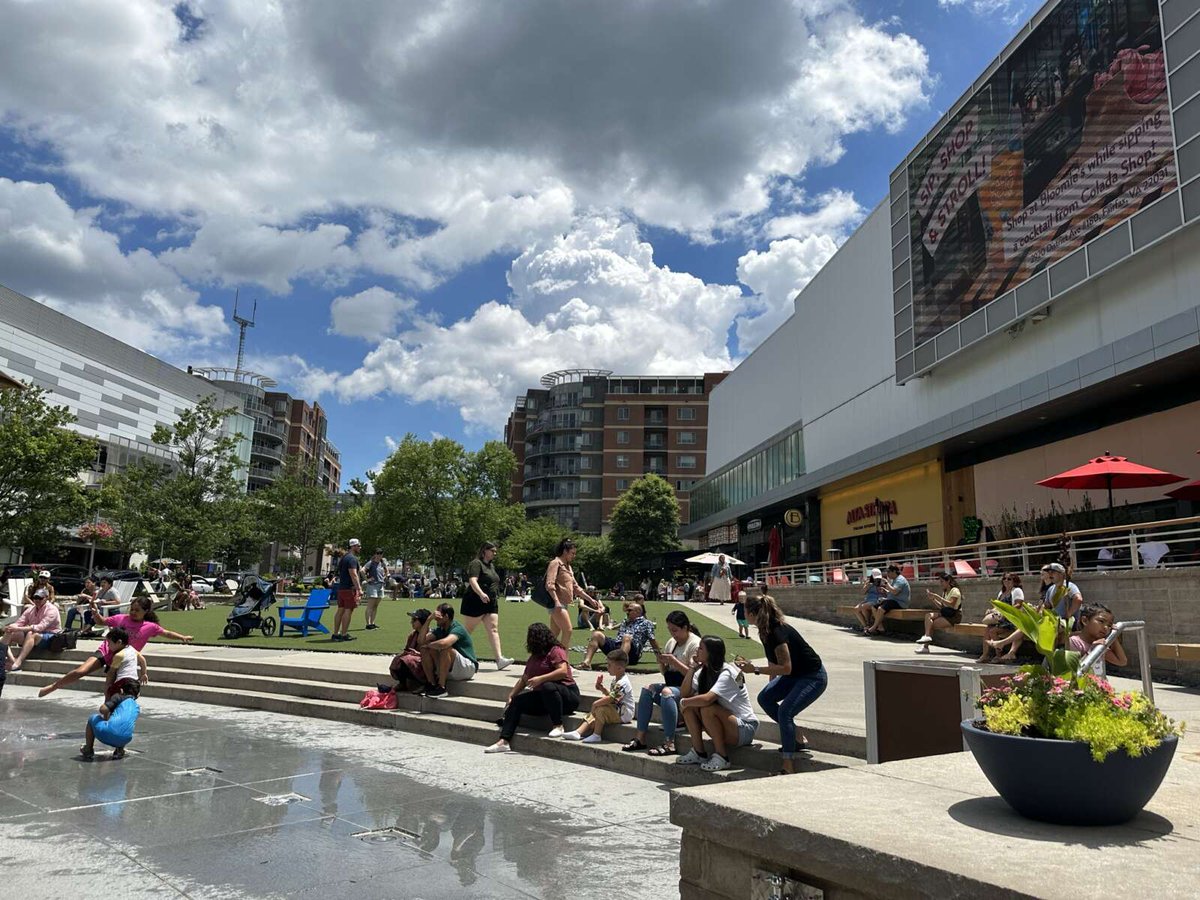
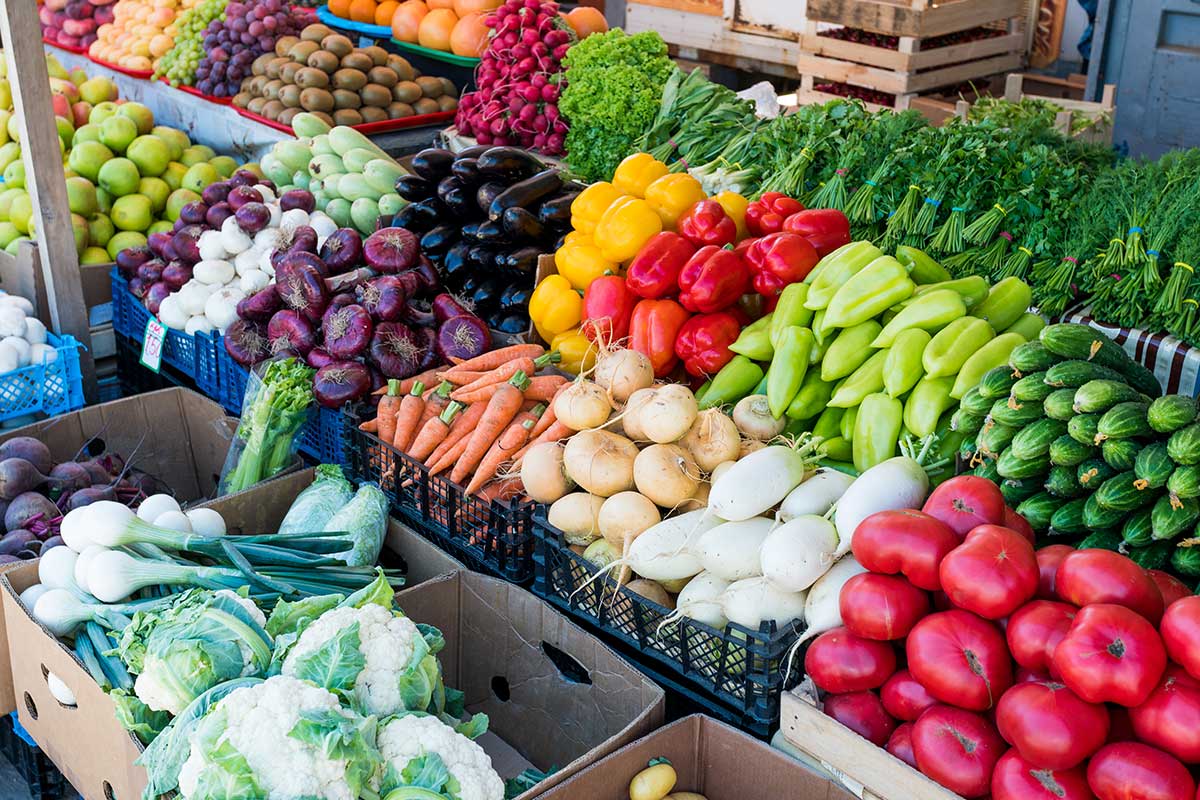
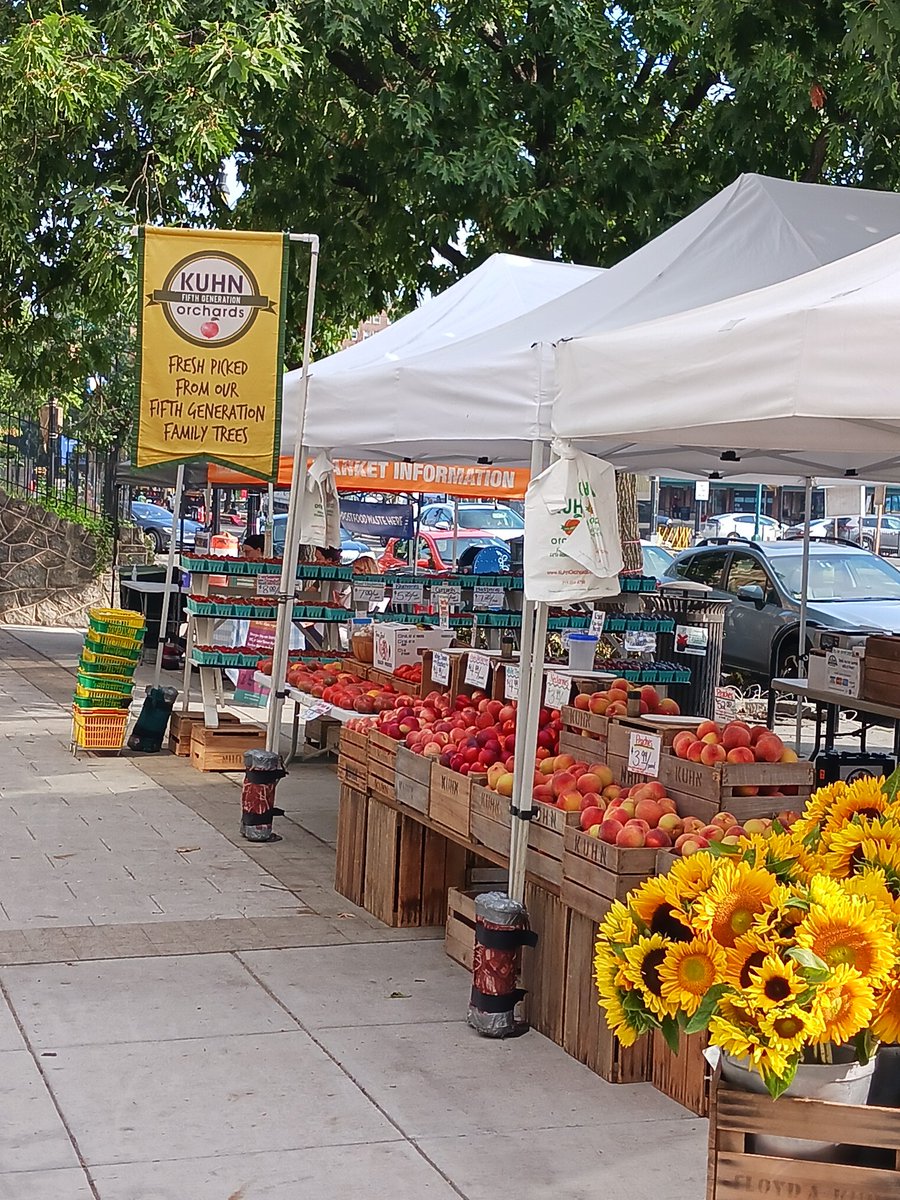
The Mosaic FRESHFARM Farmers Market runs every Sunday, year-round—just 5 minutes away. 🥕🍞☕ Stop by and visit tomorrow. Shop fresh produce, enjoy homemade pastries, and savor bites from local favorites.
#FRESHFARM #Amberleigh2026 #KETTLER
11

Apr 9
🌿 Farmers' market season is back! FRESHFARM By The White House returns every Thursday through November 19, right in the heart of Downtown DC.
Check it out: bit.ly/4c8BBT2
#DowntownDC #FRESHFARM #DCFarmersMarket #DowntownDCBID #DCEats #LunchInDC
3
300

Mar 20
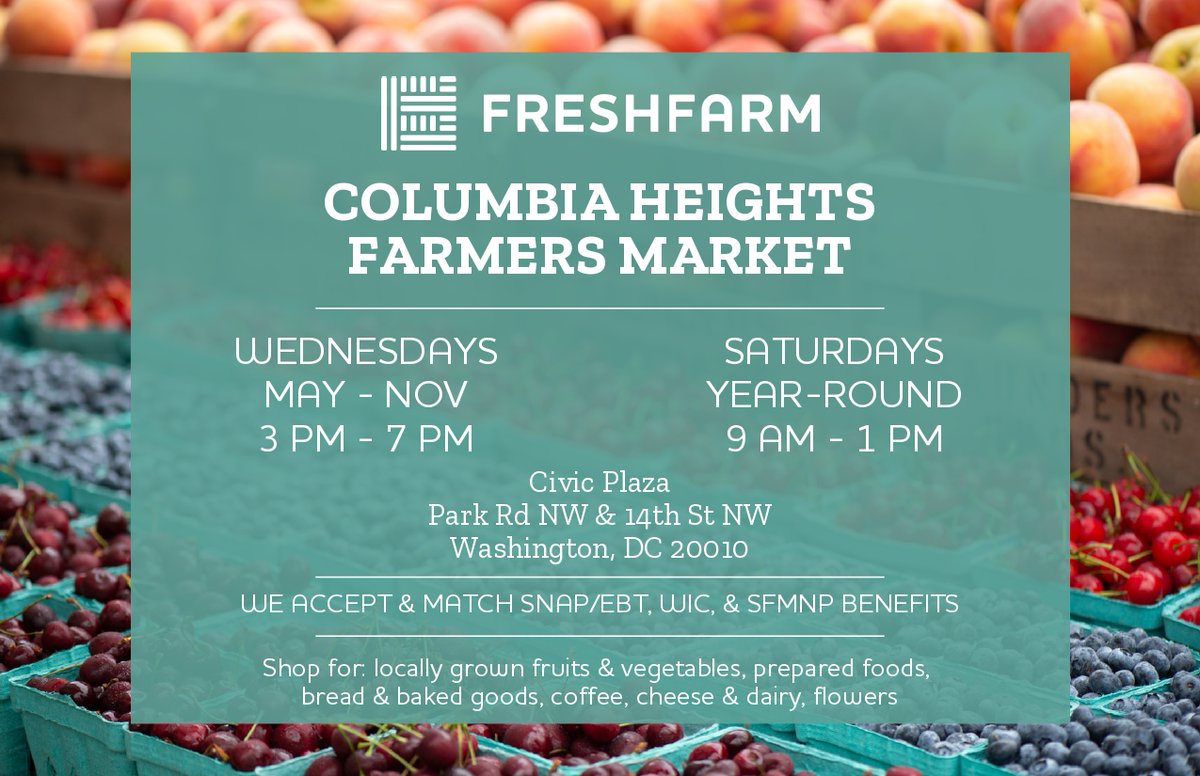
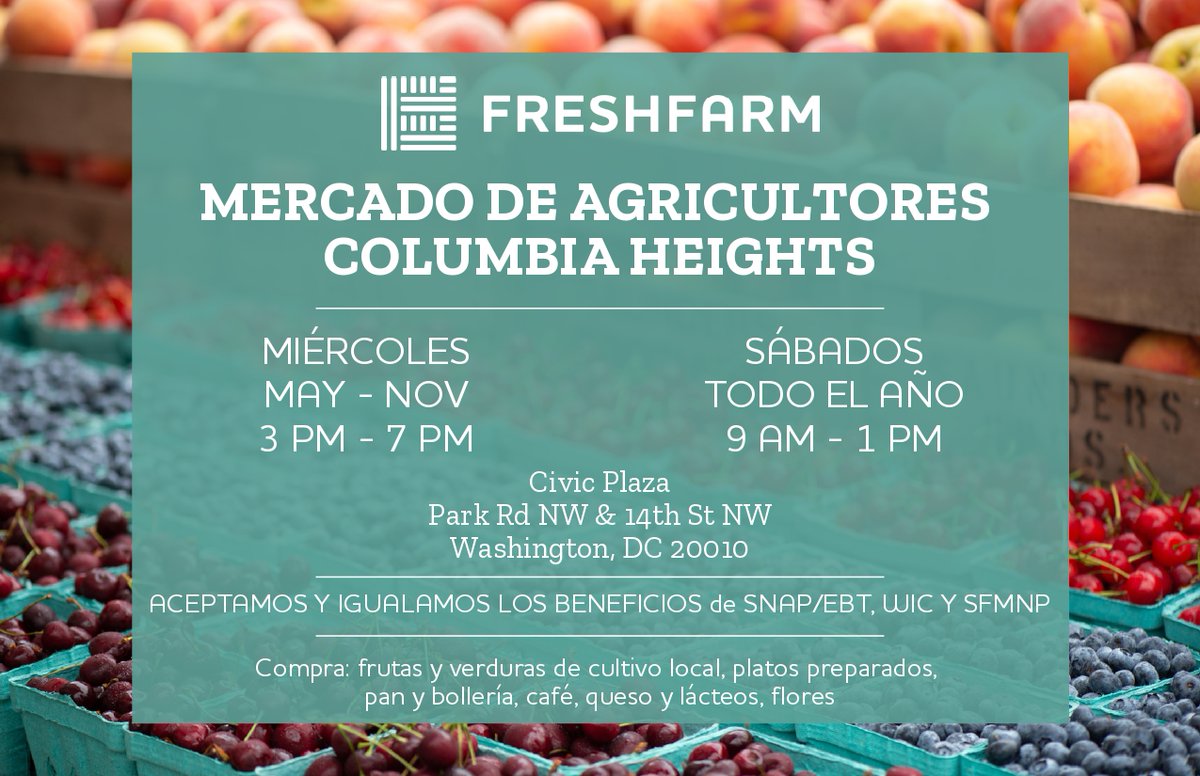
CentroNía Community: @FRESHFARMDC is hosting the Columbia Heights Saturday Farmers Market Opening Day on 4/4 at 9AM! 🥕🍅
Shop fresh, locally grown fruits, veggies, & more.
📍 Civic Plaza (14th St NW & Park Rd/Kenyon St NW)
#centronia #freshproduce #familyservices #freshfarm
1
2
157

Mar 17
Who else is watching this AI race but getting no benefit from it?
Why is it that only multimillion-dollar companies gain value, while the everyday consumer gets nothing?
Time to change that.
#AI #community #farmers #farmersmarkets #freshfarm
2
26

Mar 13
Day 23/30 – Tech Journey @TechSphereAcad
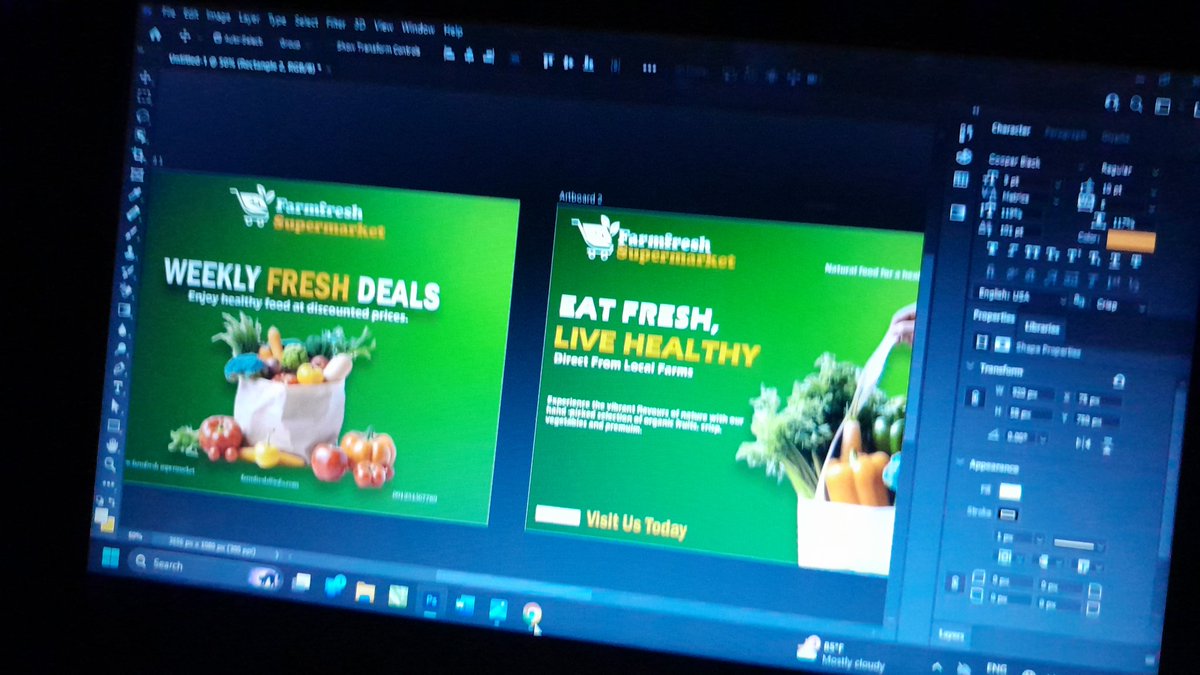
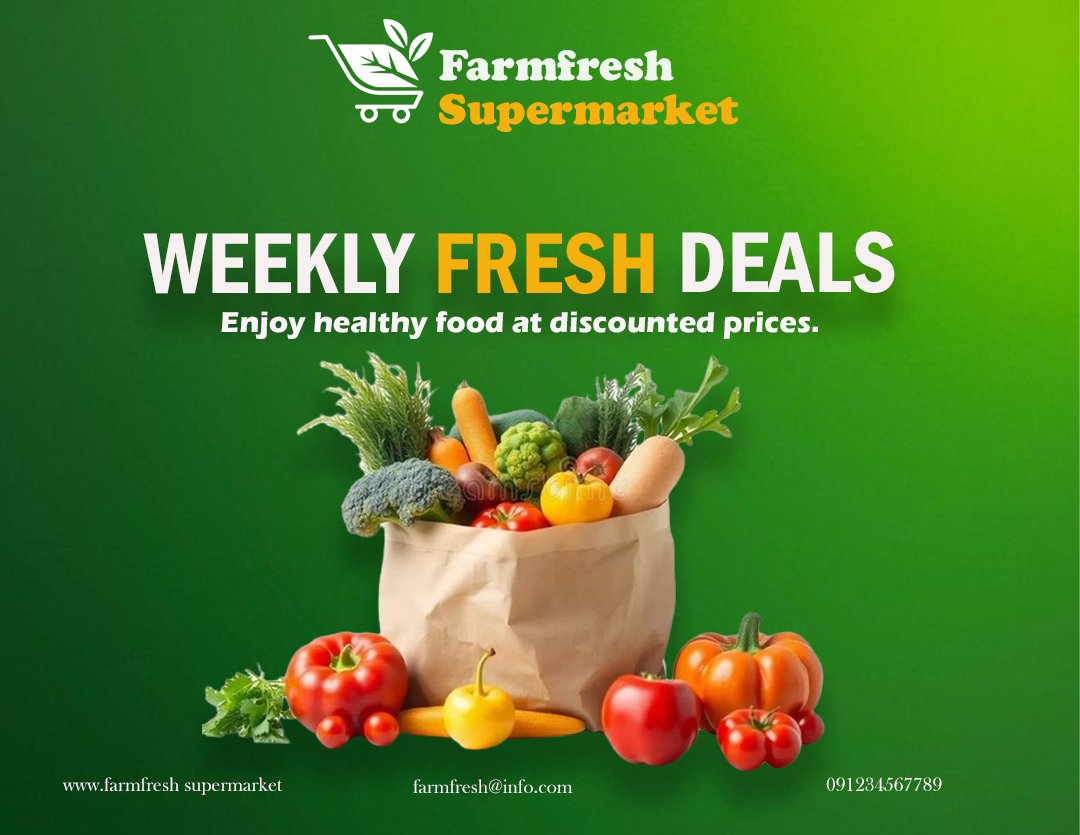
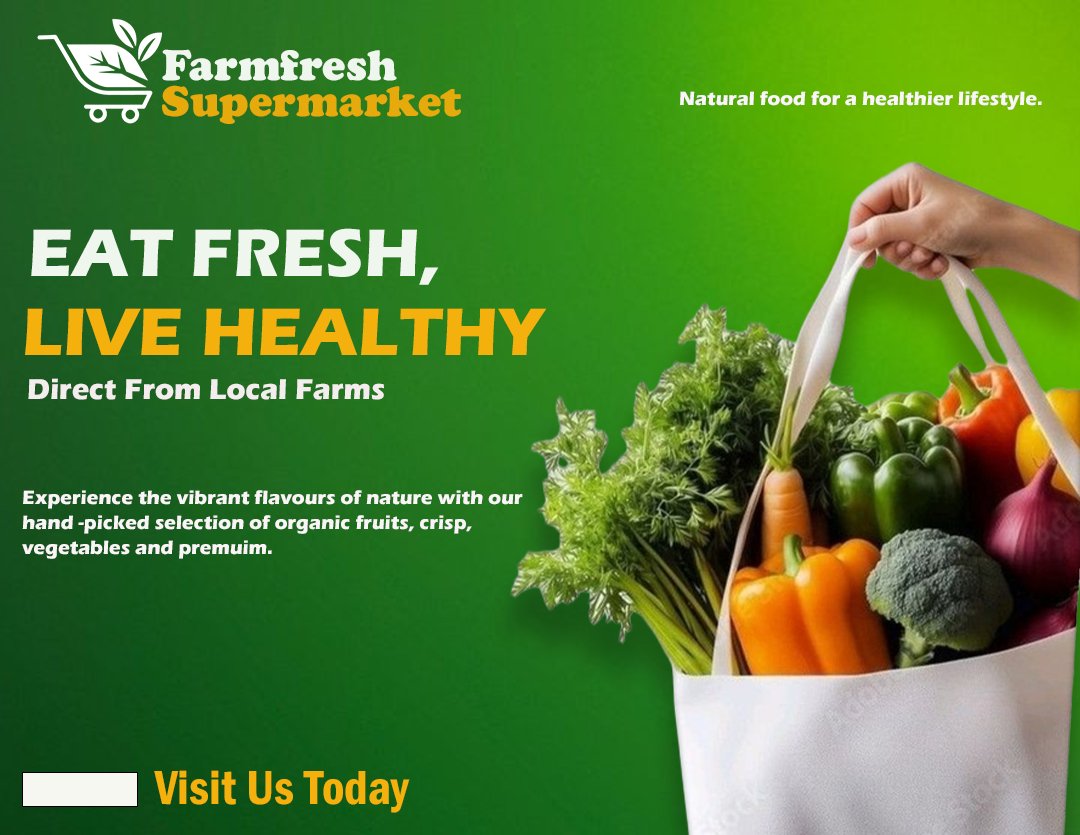
Today I designed two flyers for Freshfarm Supermarket. Focusing on layout, colors, and visuals, I learned how small tweaks can make designs more appealing and effective. Every design challenge is a step closer to mastering my craft.
2
35

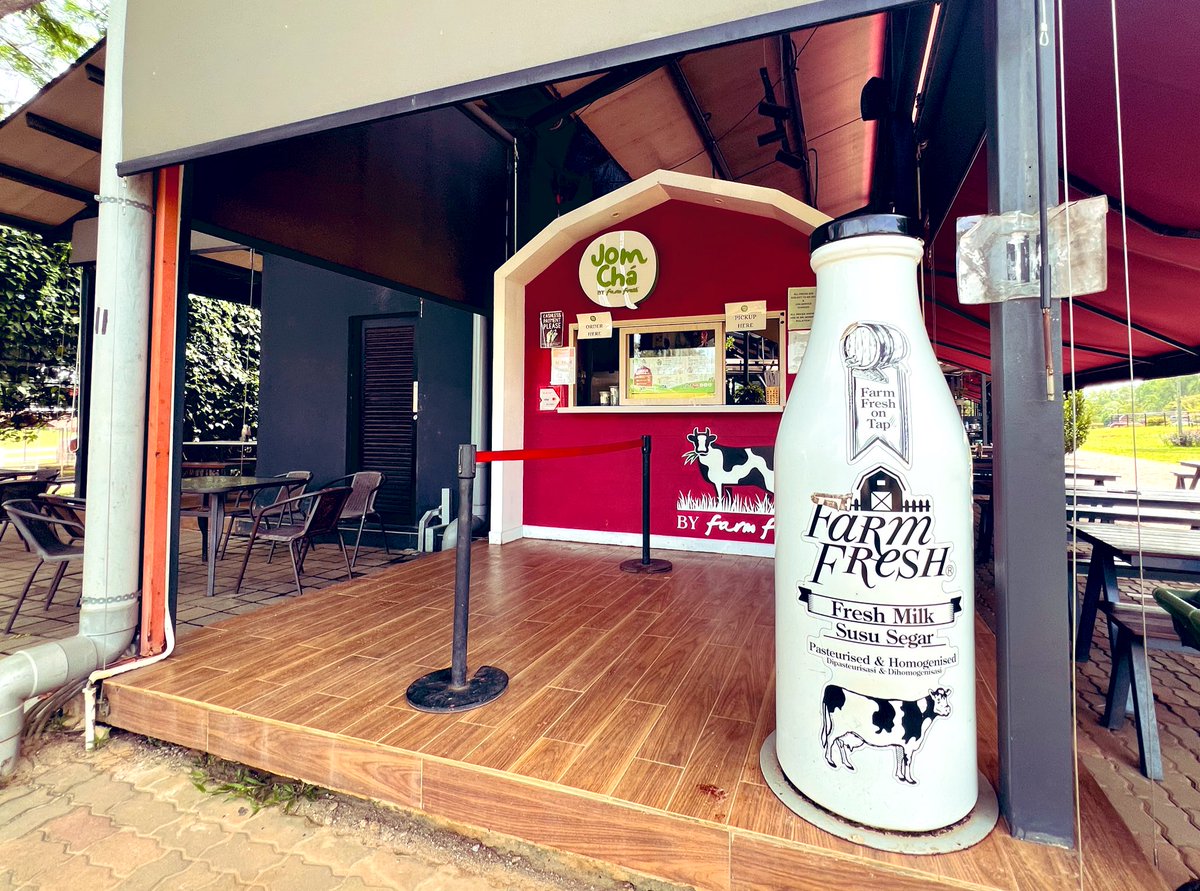
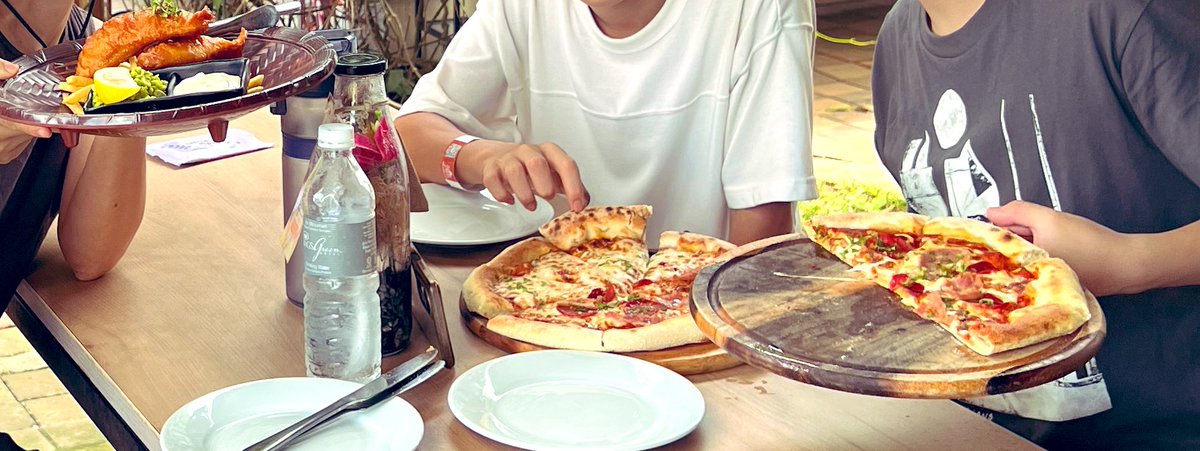
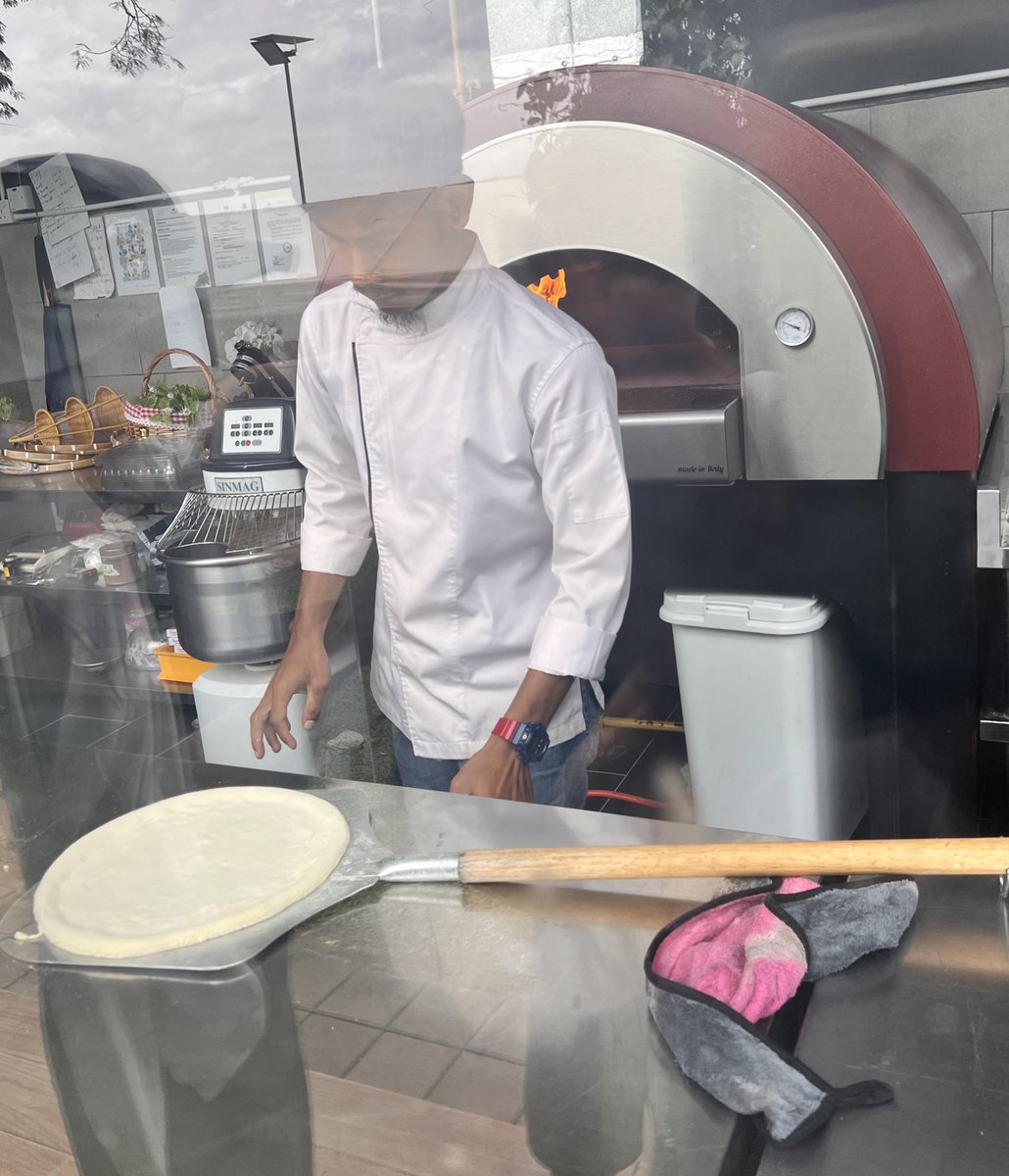
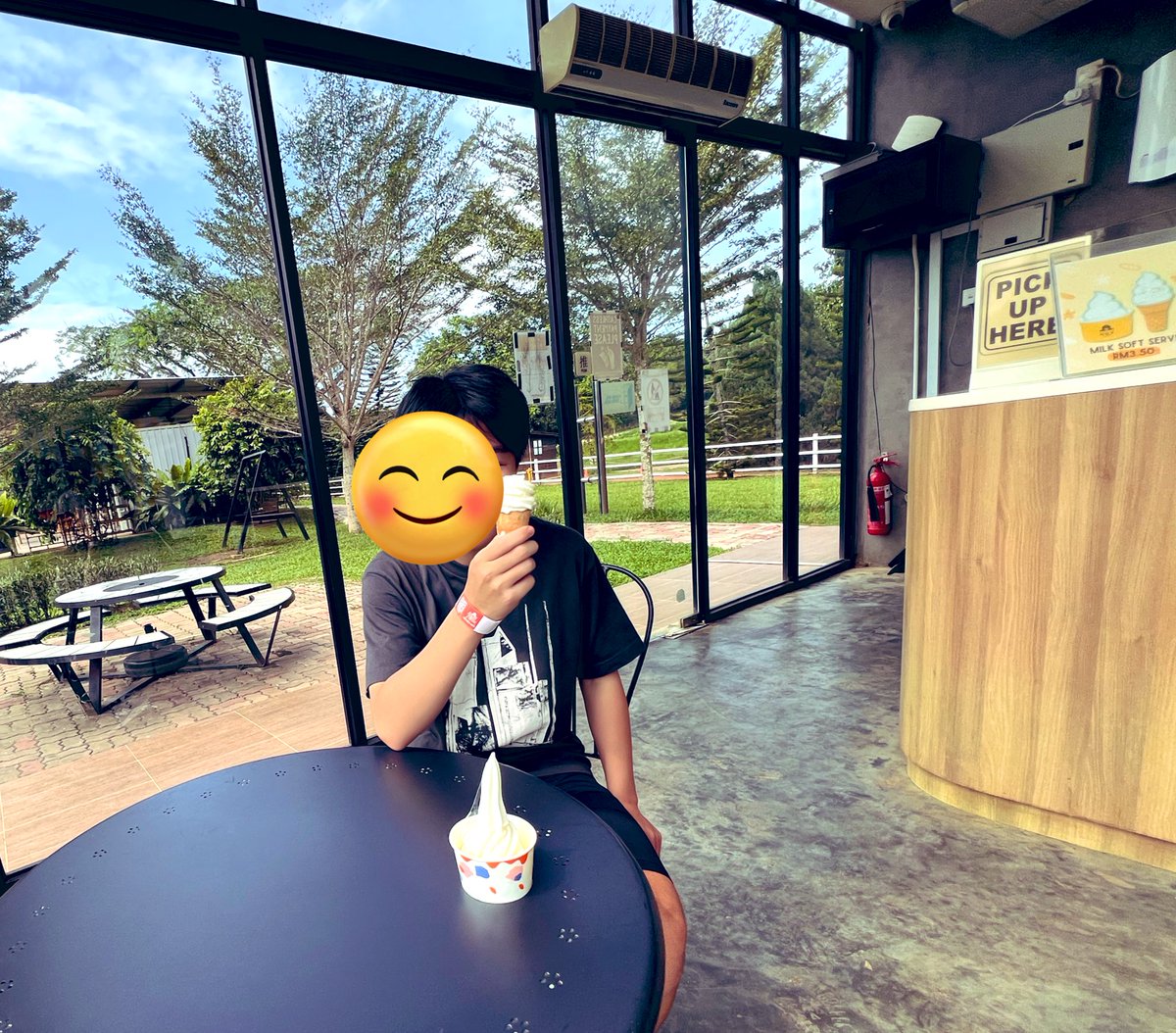
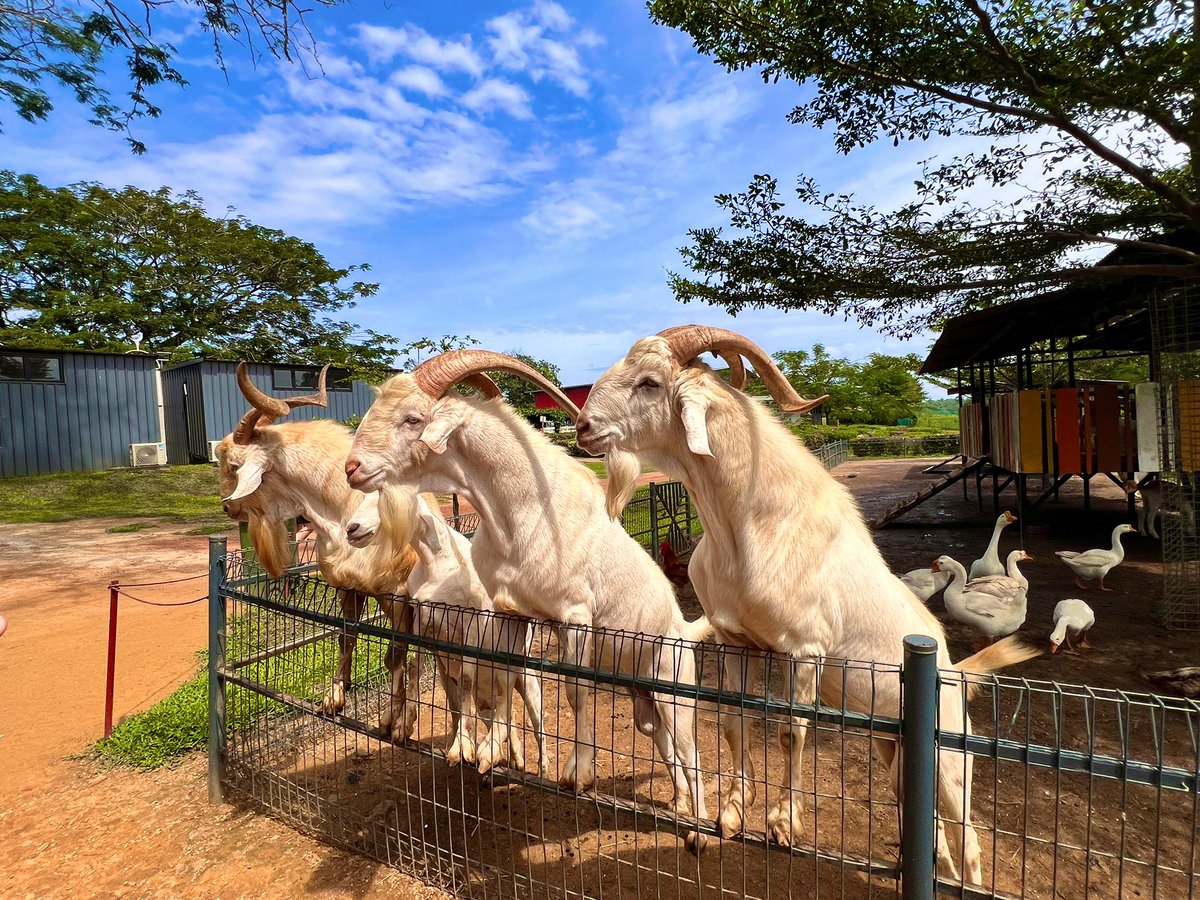
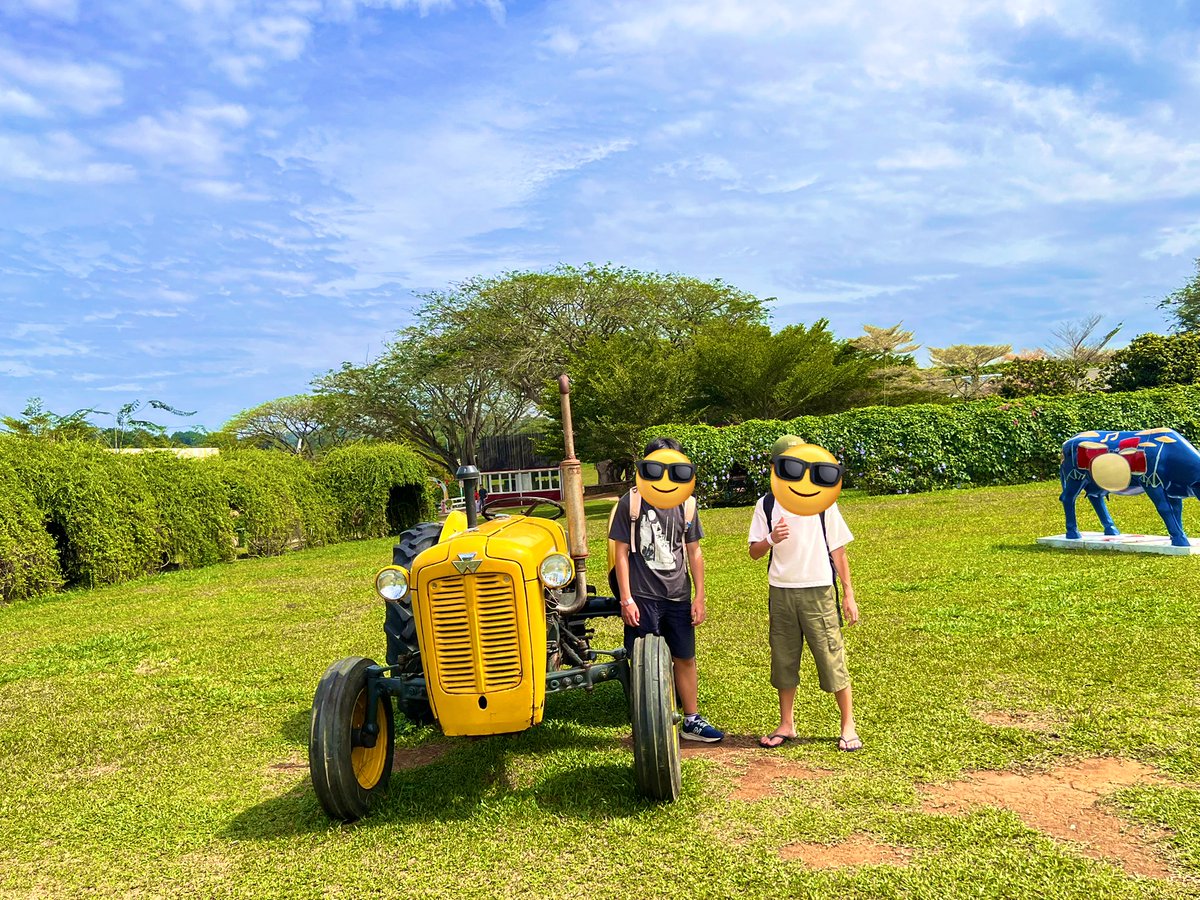
家族づれや友達同士にも最適。
トラクターで周ったり自然の中でデジタルデトックス🌿
焼きたてピザと濃厚アイスが最高です…
いつも冷蔵庫にある牛乳メーカー🇲🇾
さらに愛着わきます。
#FreshFarm(UPM)

1
24
1,482

2 Nov 2025
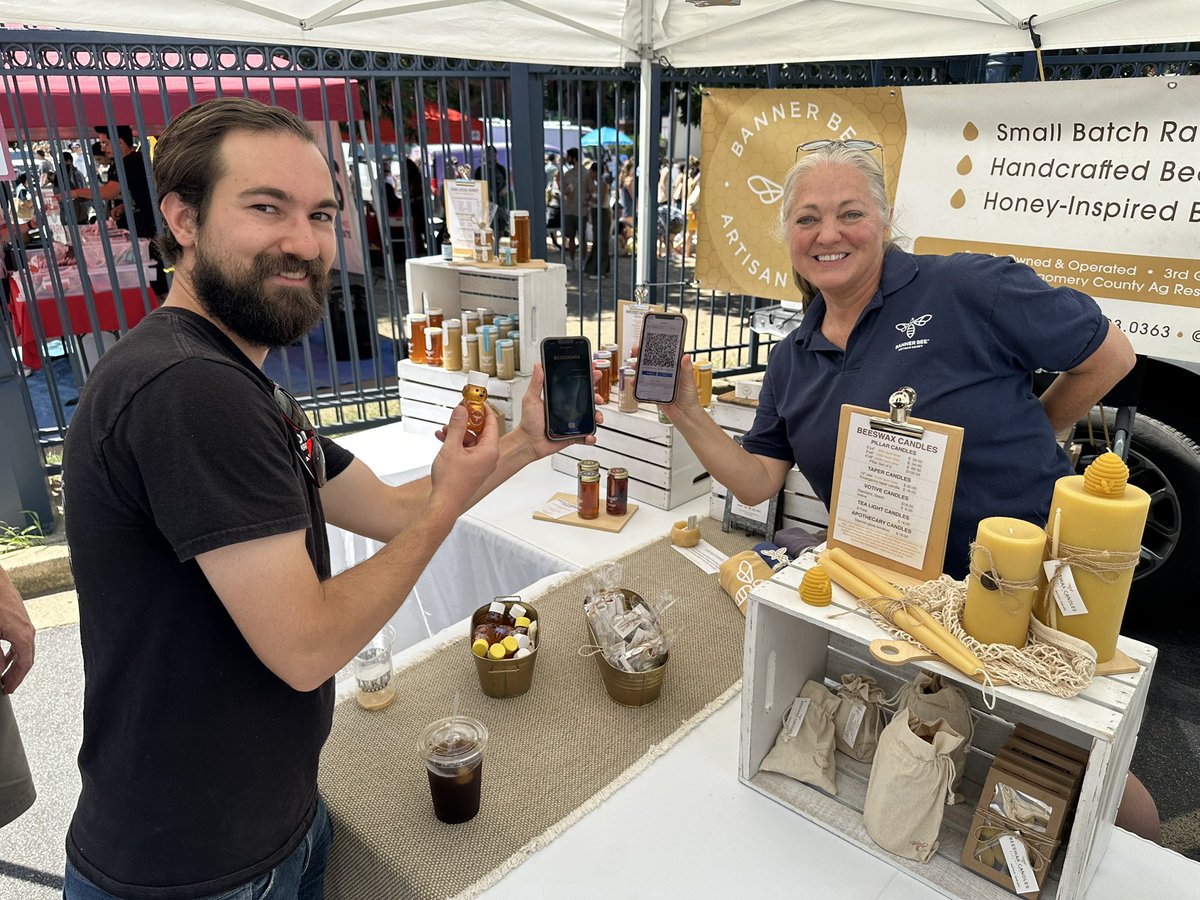
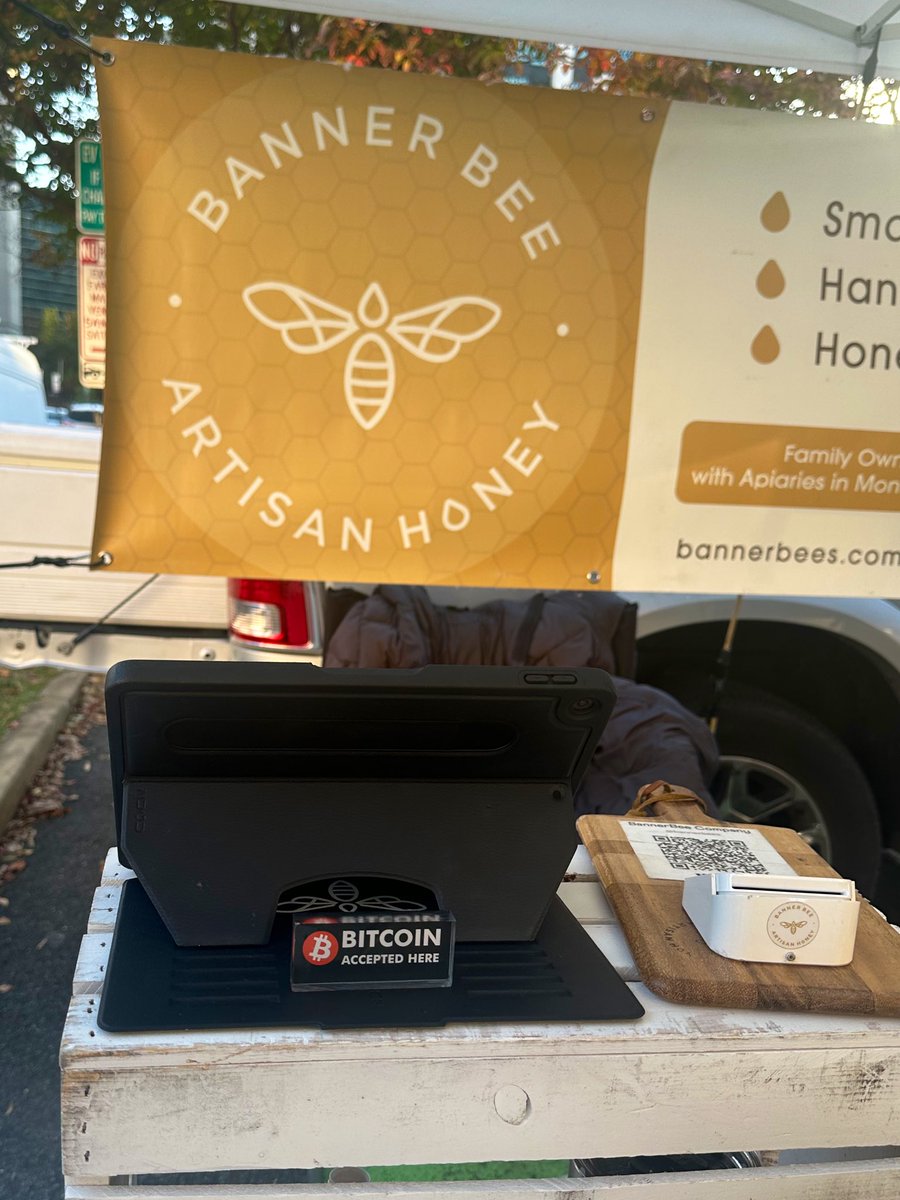
🐝 Banner Bee is the 1st merchant at the DuPont farmer’s market, and the first of any FRESHFARM markets in the DMV to accept Bitcoin.
🍯 Grab a variety of bee products in Arlington on Saturdays and DuPont on Sundays.
💪 We’re well on our way to a DC Bitcoin circular economy!
1
6
116

12 Aug 2025
Banner Bee now accepts Bitcoin!
Visit FRESHFARM Market in DuPont every Sunday!
- Honey
- Lotions
- Lip Balm
- Pollen
- Soaps
Ask to pay with BTC 🐝🍯🧡
10 Aug 2025

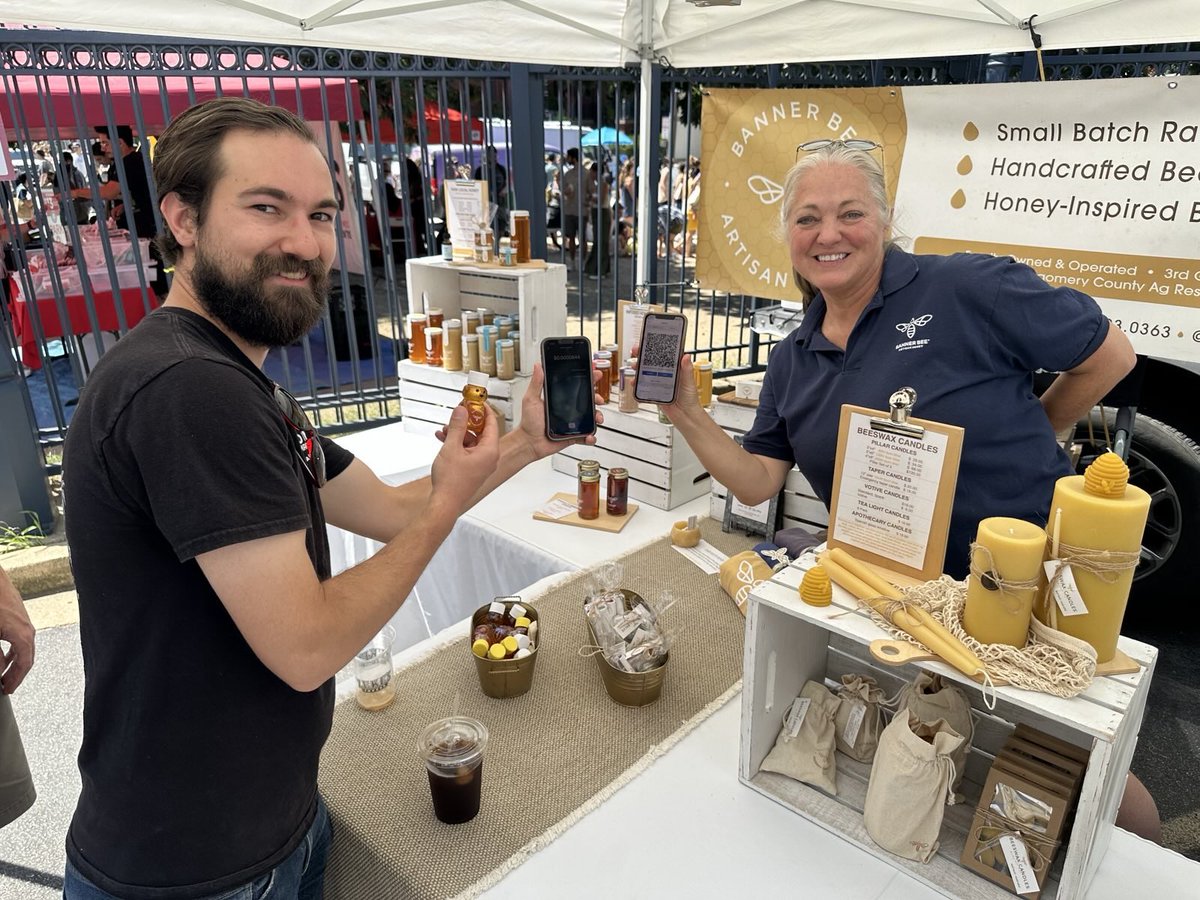
What’s sweeter than honey?
When you pay for that honey with the merchant’s first ever Bitcoin transaction!
Medium of exchange adoption is spreading in @BTCDistrict
Come support Banner Bee with sats at the farmers market every Sunday in Dupont Circle
2
1
9
377

🎤 Good morning, Washingtonians!
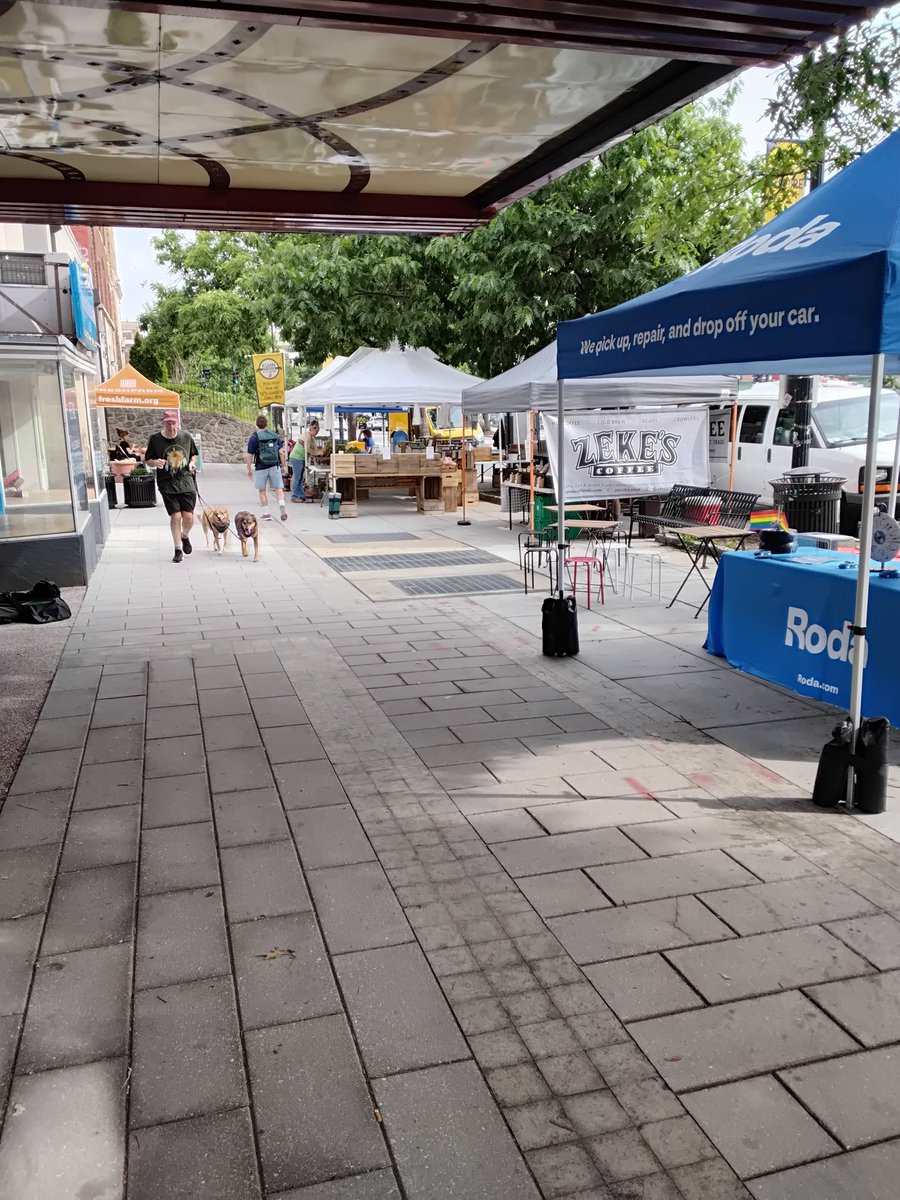
This is award-winning author and columnist Jeffery McNeil, live at the #ClevelandPark @FreshFarm Farmers Market 🌽🍓🥬
If you're into supporting local farmers and avoiding drama, today's a perfect day. Enjoy the music, fresh produce, and great people. I’ll be here from 9:00 AM to 12:00 PM, then across the street from 1:00 to 2:00 PM.
💥 Feeling hungry? Slide over to @Wingos for $1 wings from 12:00–4:00 PM! 🍗🔥
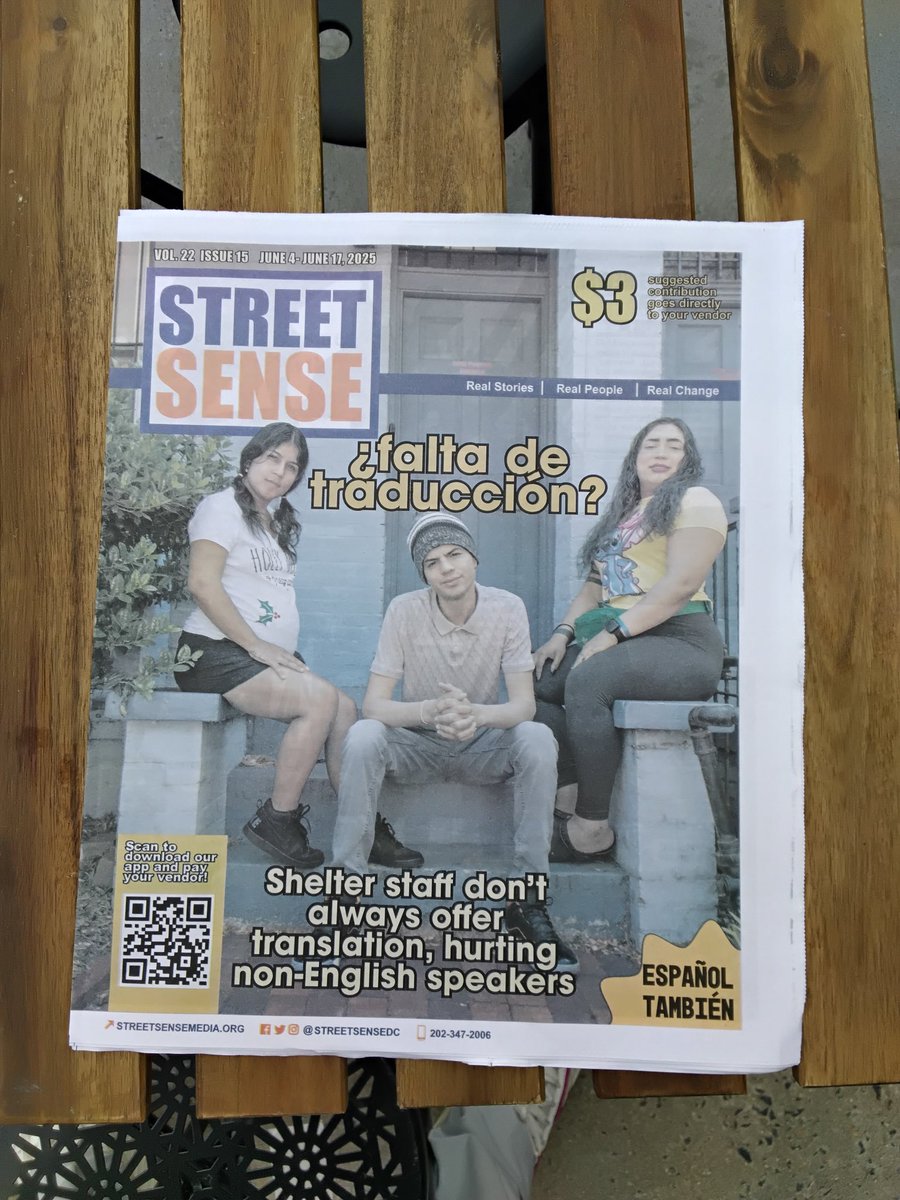
🗞️ Support authentic journalism, street hustle, and The Grind:
Venmo: @Jeffery-Mcneil-4
Cash App: $Jefferymcneil0362
Zelle: broomble@gmail.com
Street Sense App: Vendor #133 – Jeffery McNeil
📚 Let’s build. Let’s connect. Let’s grow. #NoDramaJustPurpose
#DCEvents #StreetSenseMedia #WingosDC #TheGrindLive #FarmersMarketVibes #SupportLocal #JefferyMcNeil #ClevelandParkDC
1
3
170
Good morning, Washingtonians ☀️
It’s your neighborhood vendor, author, and pulse of the streets — Jeffrey McNeil.
📍 ETA: I’ll be at 18th & L NW (by Nordstrom Rack, Farragut North Metro, and K Street) starting around 7:00 AM — with a fresh edition of Street Sense, the paper that calls out the nonsense.
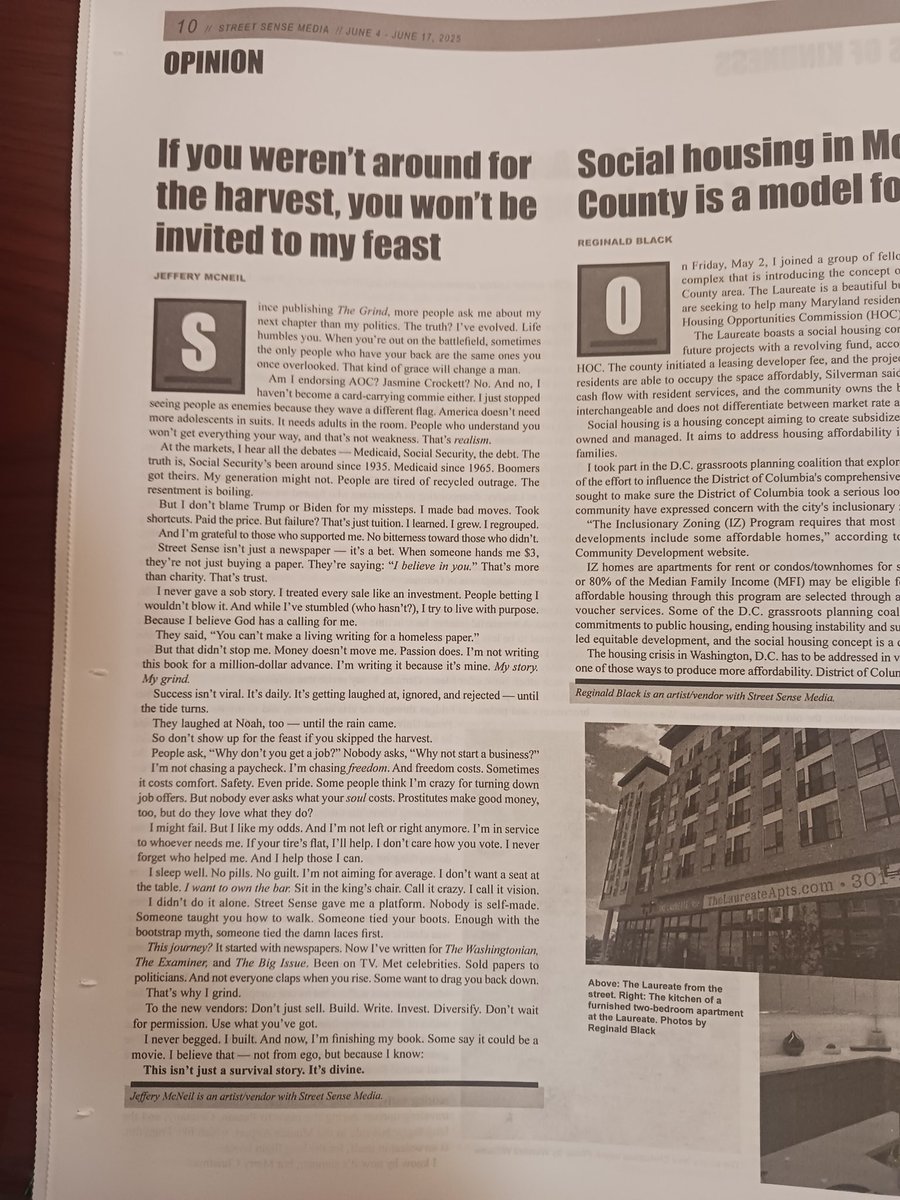
When I first started writing The Grind, folks laughed. Mocked. But I kept planting.
Now the harvest is here.
And if you didn’t help sow it — don’t expect a plate.
But YOU? You’re invited. 🍽️
📰 Grab my latest column for just $3 (less than a Starbucks coffee) and meet an award-winning author and vendor doing it for the people.
💸 Want to give more? I’ll never stop you.
Ways to support:
📲 Venmo: @Jeffery-Mcneil-4
💵 CashApp: $jefferymcneil0362
🏦 Zelle: broomble@gmail.com
🔁 Reminder: Over 1 billion people live with less than a dollar in their pocket. Your dollar means something.
Afternoon Stops:
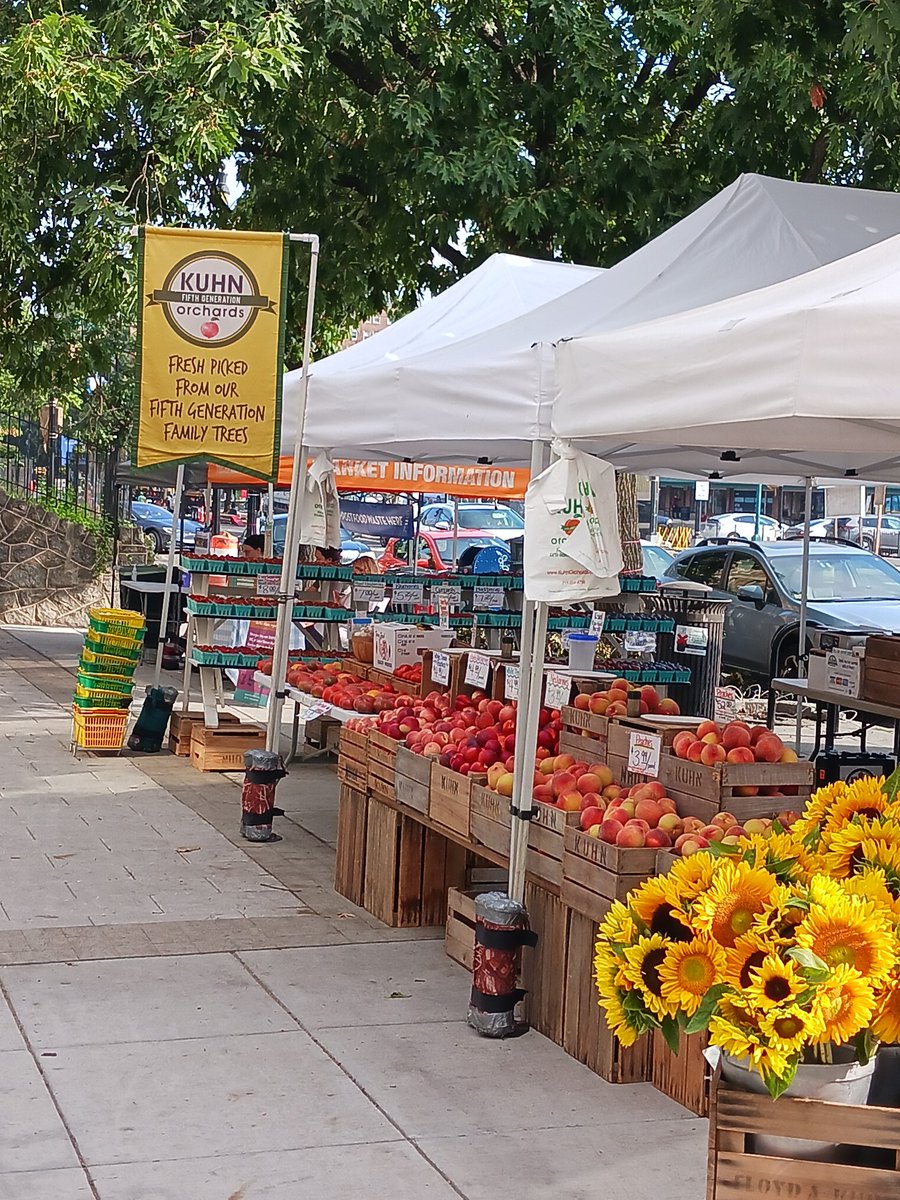
🥬 @FreshFarm Market at GW Hospital
🍗 @Wingos in Glover Park — dollar wing happy hour meets Street Sense fire
Follow the Grind.
Respect the Jack. ♠️
#StreetSenseDC #TheGrind #SupportVendors #RespectTheJack #DCWriters #FarragutNorth #KStreet #FreshFarm #WingosDC
1
2
117
🌈🌞 Good morning, Washingtonians!
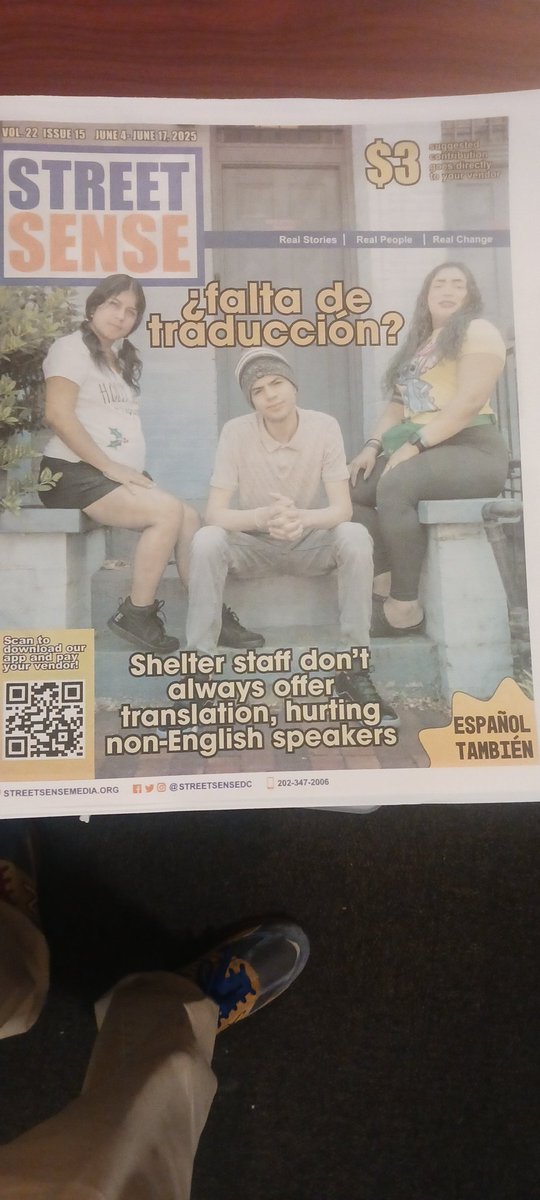
This is award-winning vendor and columnist Jeffrey McNeil, and I just arrived at the Cleveland Park #FarmersMarket with the latest edition of @streetsensedc. 📖📰
📍 Find me @FreshFarm promoting my newest column:
“If you weren’t there for the harvest, you won’t be invited to the feast.”
🌈 While you're out enjoying the #PrideParade, local events, or just soaking up the sun — remember, real community means supporting one another.
💪 Whether it's farmers growing fresh food, vendors raising awareness about homelessness, or neighbors showing love — we’re all part of the same ecosystem.
✨Support your city. Support your people. Support the grind.
Zell: Broomble@gmail.com
Venmo: @Jeffery-Mcneil-4
Cash App: $JefferyMcNeil0362
#WingosDC #SupportLocal #StreetSenseDC #PrideDC #CommunityFirst
#FarmersMarketFinds #ClevelandParkDC #ClevelandPark #FreshFoodDC #DCEvents 🌈🌽❤️
1
2
152
Good Morning, Washingtonians! ☀️📰
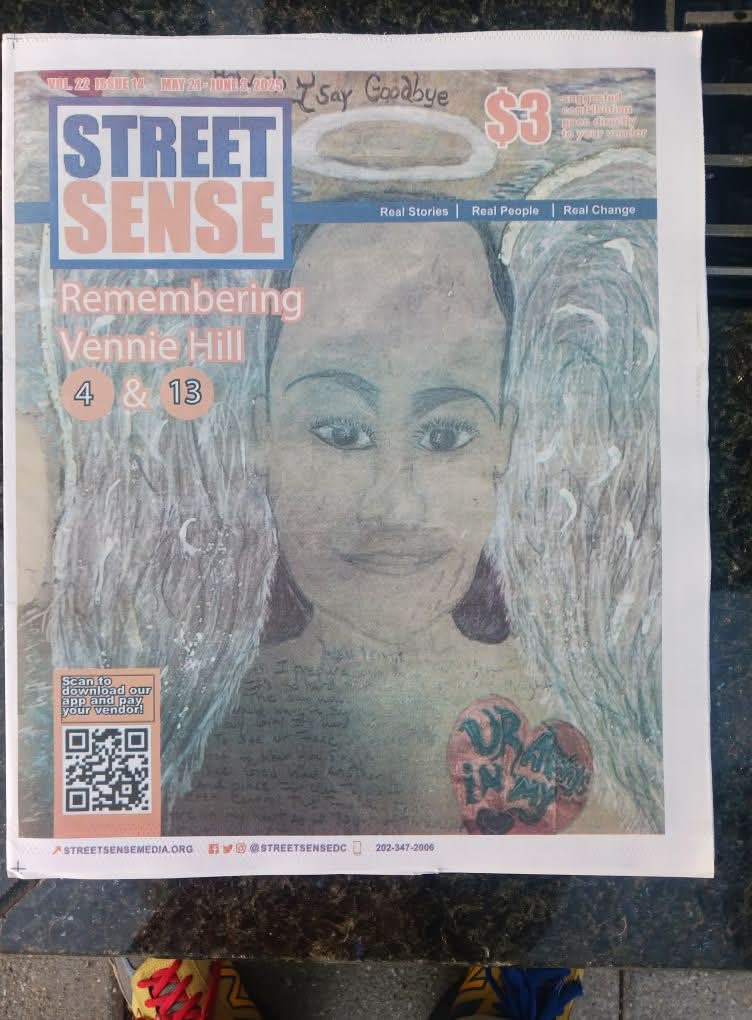
This is Jeffery McNeil — award-winning author & columnist, read across the globe 🌍 by everyday people and even presidents. 🇺🇸📚
📍 Catch me today:
Farragut North (18th & L): 7–10 AM
Sales Workshop: 10:30–11:30 AM
@FreshFarm White House Farmers Market: 12–2 PM 🥬🛍️
Foggy Bottom or 18th & K: 4–6 PM
I’ve got plenty of papers and something real to say. 🔥
🌧️ The rain is clearing, and I’m here to offer perspective.
If you’re stressed about cold fries 🍟 or waiting in line for coffee ☕, just pause.
💭 Someone went hungry last night.
💭 Someone slept through that rain without shelter.
💭 Over a billion people have empty bottles and emptier plates. 🥀
Want to flip your day? Be of service.
For just $3 — cheaper than Starbucks or the Washington Post —
you can help share the real voices of the Have Nots.
💯
#StreetSenseDC 🗞️
#PeoplesPaper ✊🏾
#SupportLocalVoices 🗣️
#GrassrootsMedia 🌱
#JefferyMcNeil ✍🏾
#RainOrShineDC 🌦️
#WingosDC 🍗🔥
#FreshFarm 🥬
#TruthWithGrit
#ServeOthers 👐
#DCCommunity 🏙️
🧠📍☀️🖤💬
1
3
175
15 May 2025
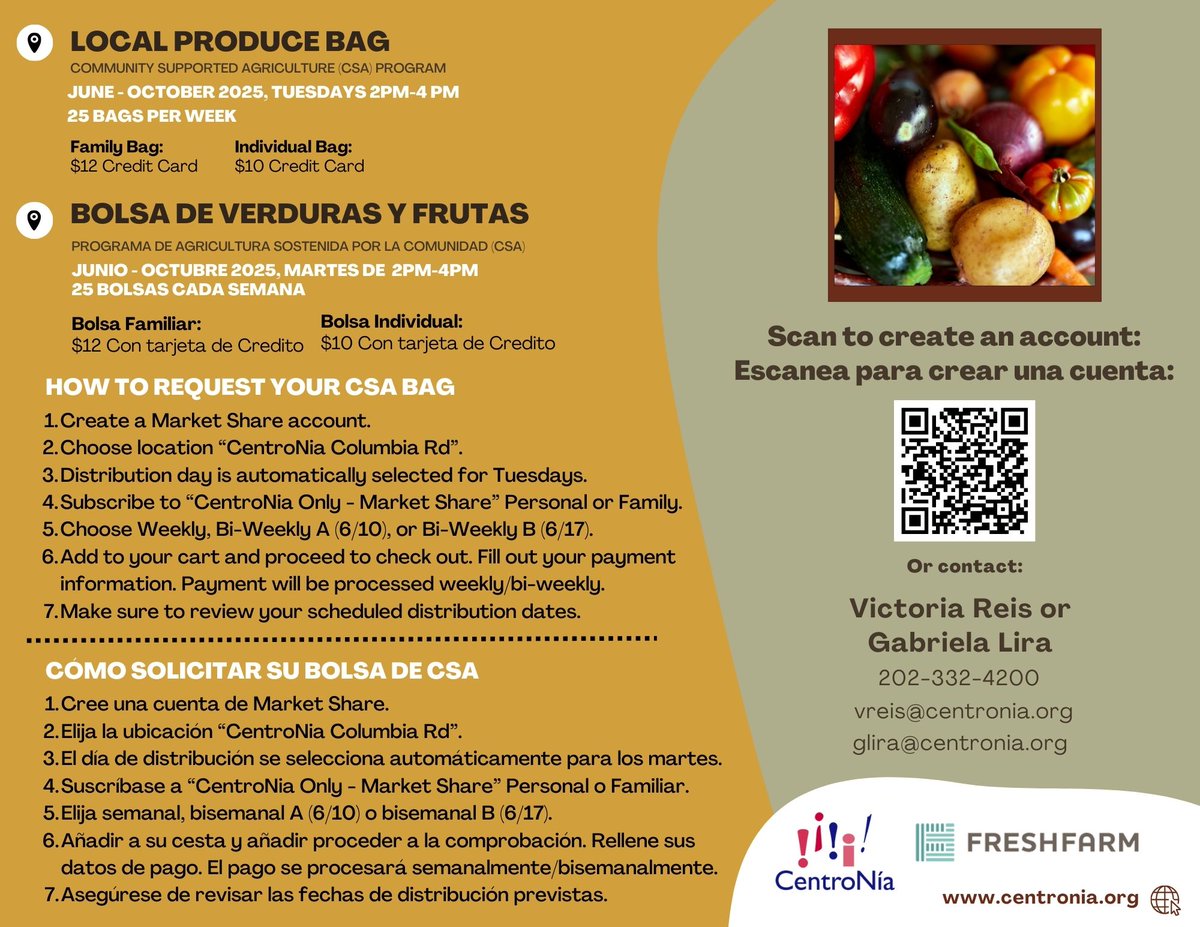
CentroNía Columbia Road and Upshur Parents, CSA bags are back! With the help of our friends and partners at @FRESHFARMDC we are providing local produce bags through the CSA program.
#CSA #FRESHFARM #familyservices #communitysupport
1
1
3
164

13 Apr 2025
#cattle #cows #cow #blackangus #nebraskacows #bull #bovine #ranchcattle #calf #calves #DirectBeef #FreshFarm #ForATable #FreshMeat
2
30
1,440

18 Jan 2025
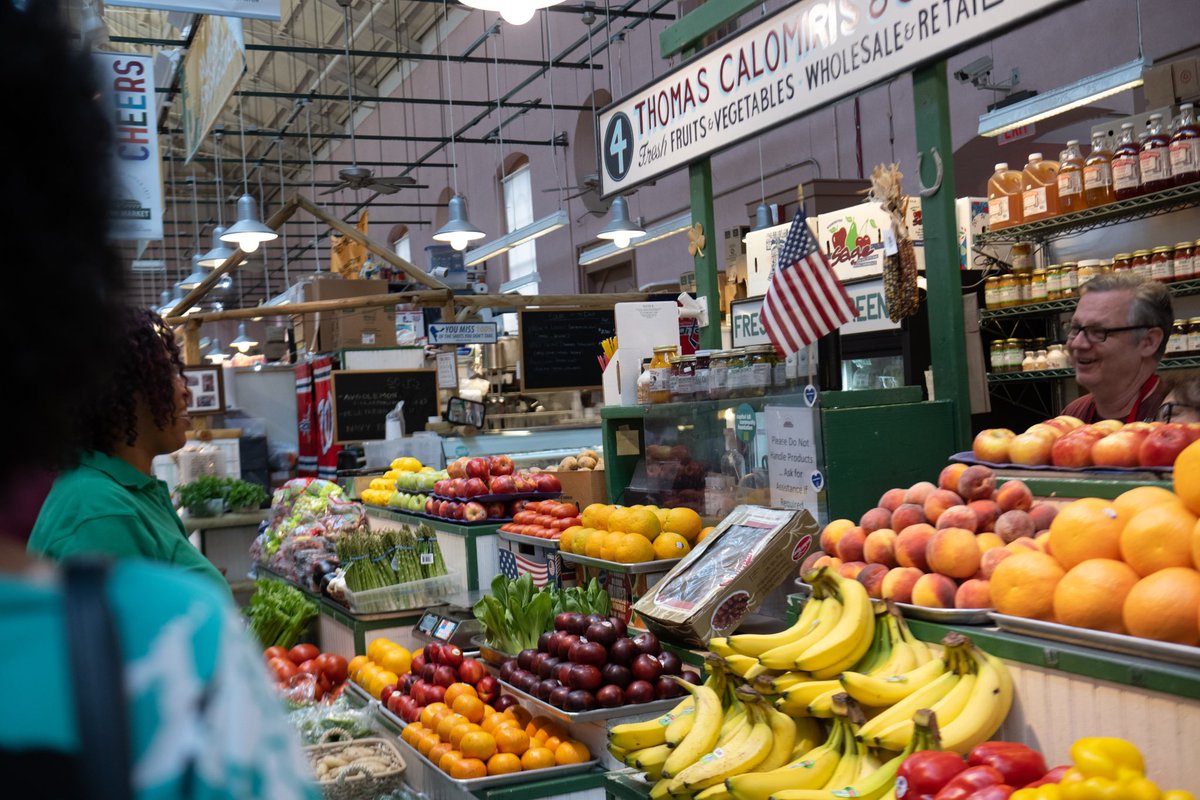
When you visit DC’s markets, you’ll experience some of our fantastic local businesses and restaurants.
We encourage you to stop by:
🥬Eastern Market all weekend
🍜Union Market all weekend
🧺Dupont Circle FRESHFARM Market Sunday
1
9
15
4,250

21 Oct 2024
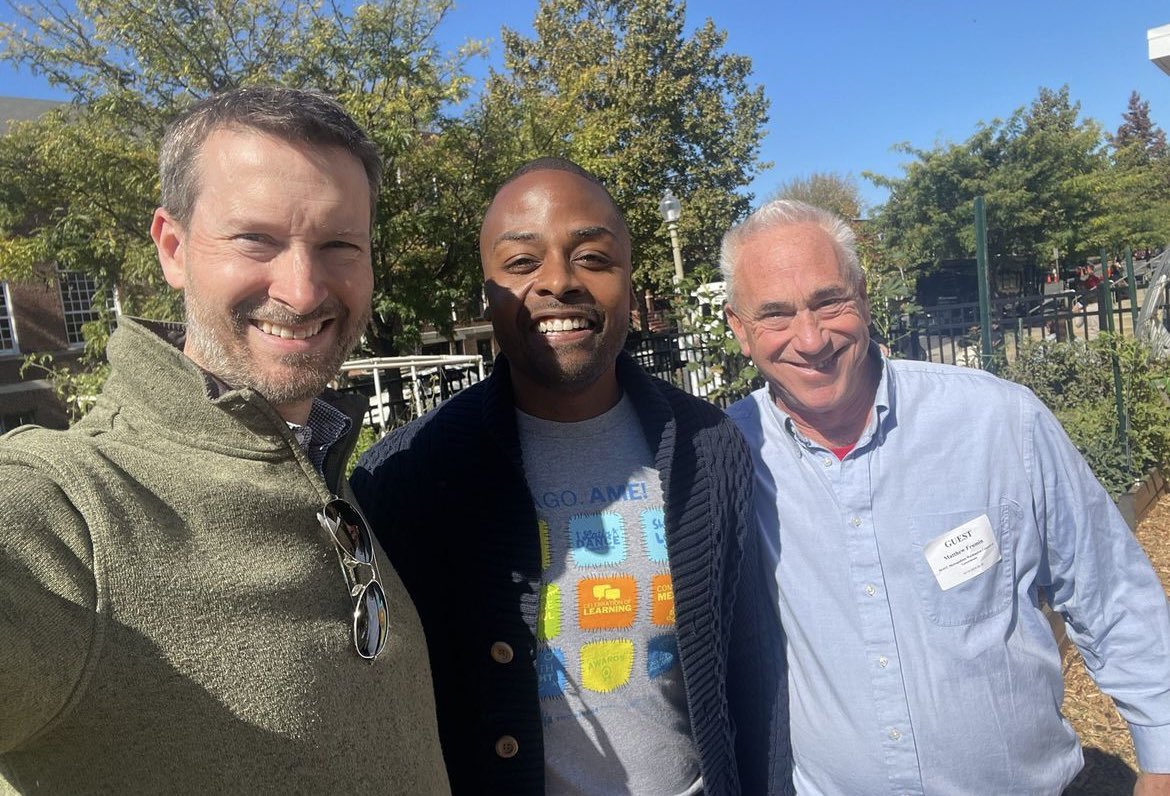
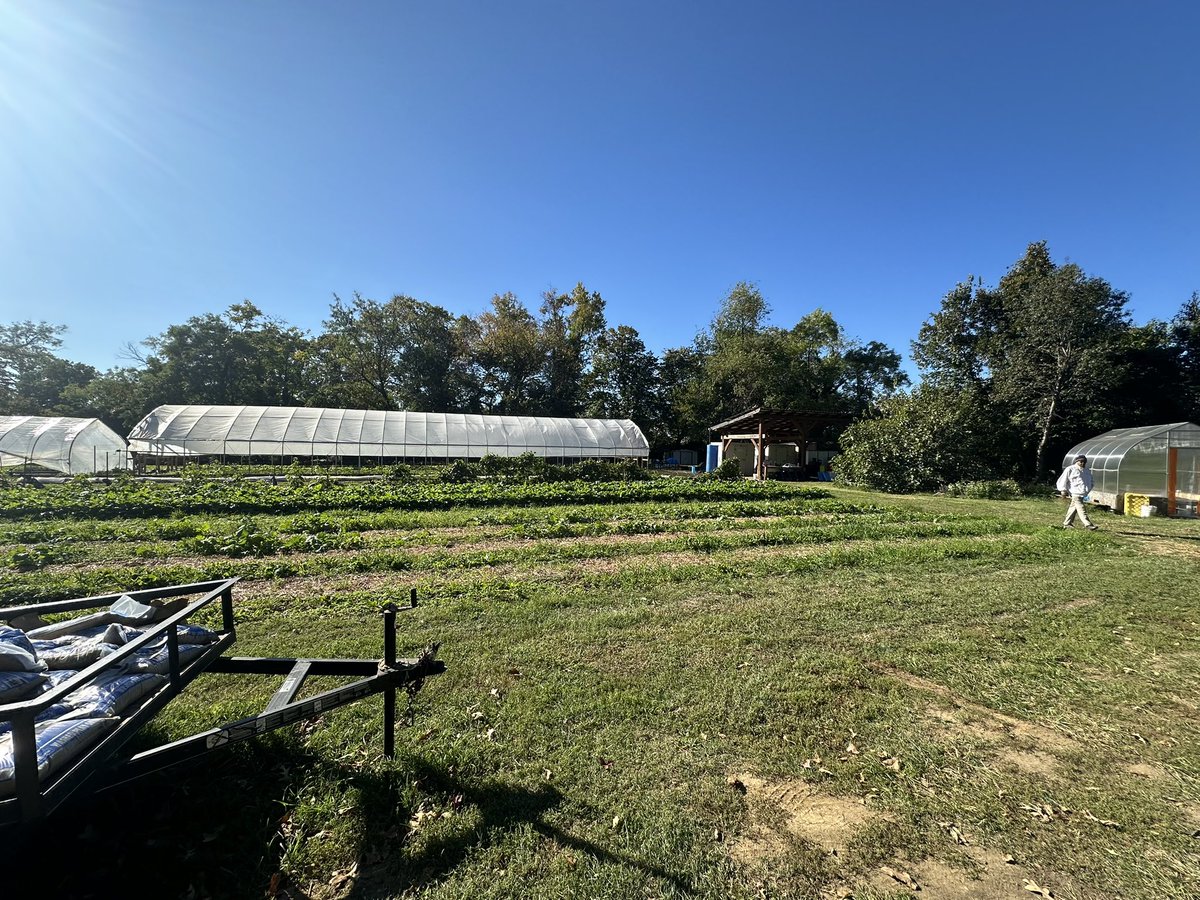
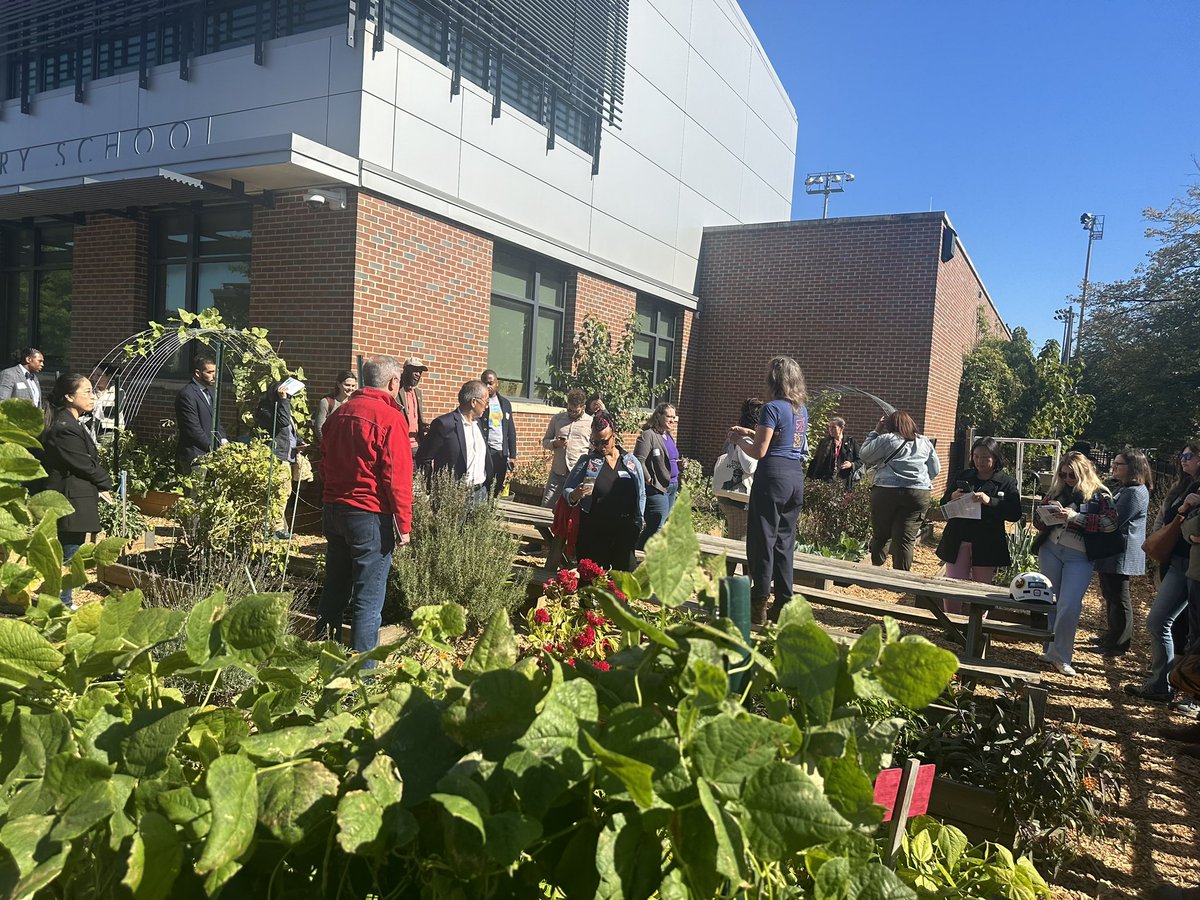
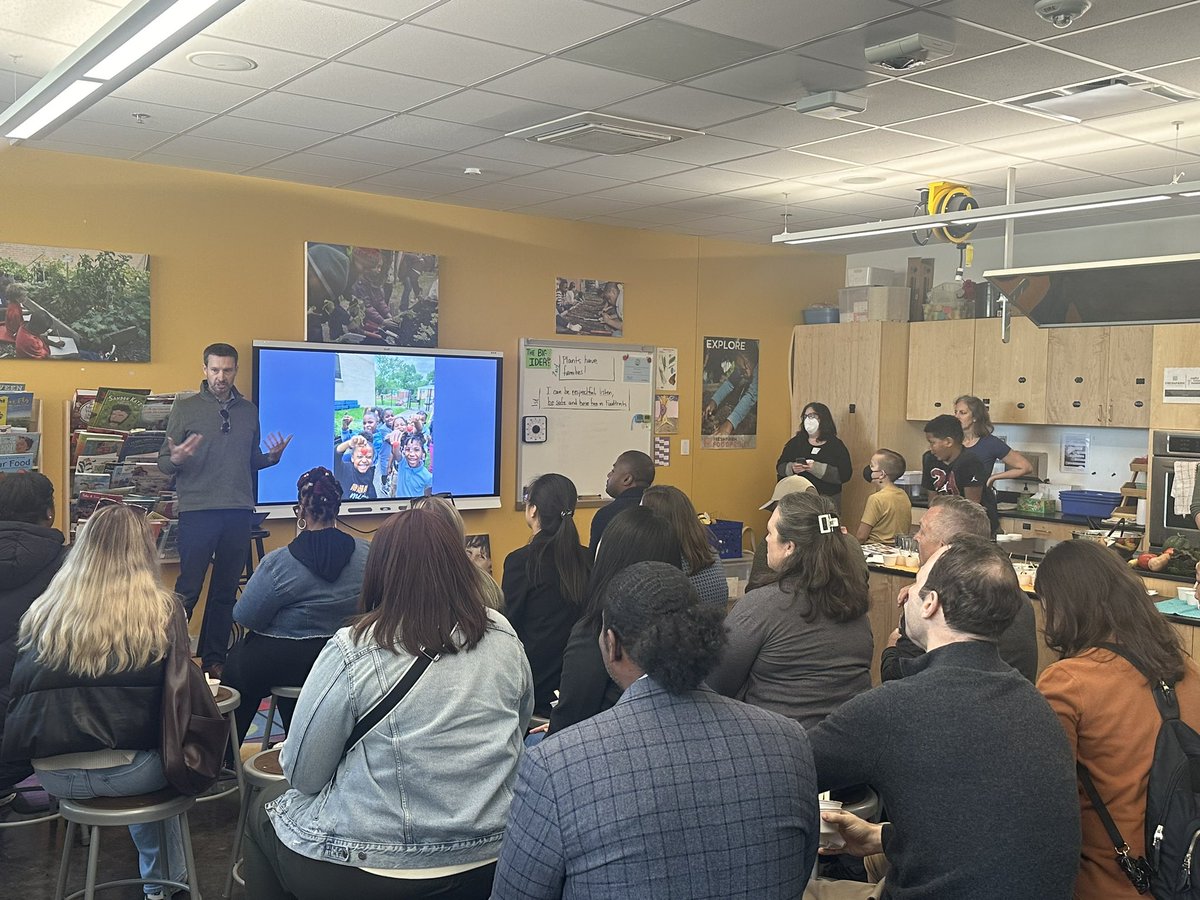
On Friday, I attended the annual regional FARM Tour highlighting sustainable urban farming in DC. We went to @3PHarmony farm in Ward 5, and Watkins Elementary in Ward 6 where students & @charlesallen spoke about FRESHFARM @FoodPrintsDC - thanks @MWCOG & @CMZParker5 for hosting!
2
307

3 Oct 2024
🌮 Follow our BAU ambassador, Laura Camila Gamez Ariza, to stay updated on all the exciting happenings around campus!
Experience the fresh taste of local delights at FRESHFARM by the White House Market—just a 2-minute walk from Bay Atlantic University!
#dcismycampus
1
4
278

23 Aug 2024
If you have kids or have worked with children, you might recognize exchanges like these.
Time to brush teeth. “But why?!”
Socks don’t go on our hands. “But why?!”
Let’s eat a colorful plate of vegetables. “But why?!”
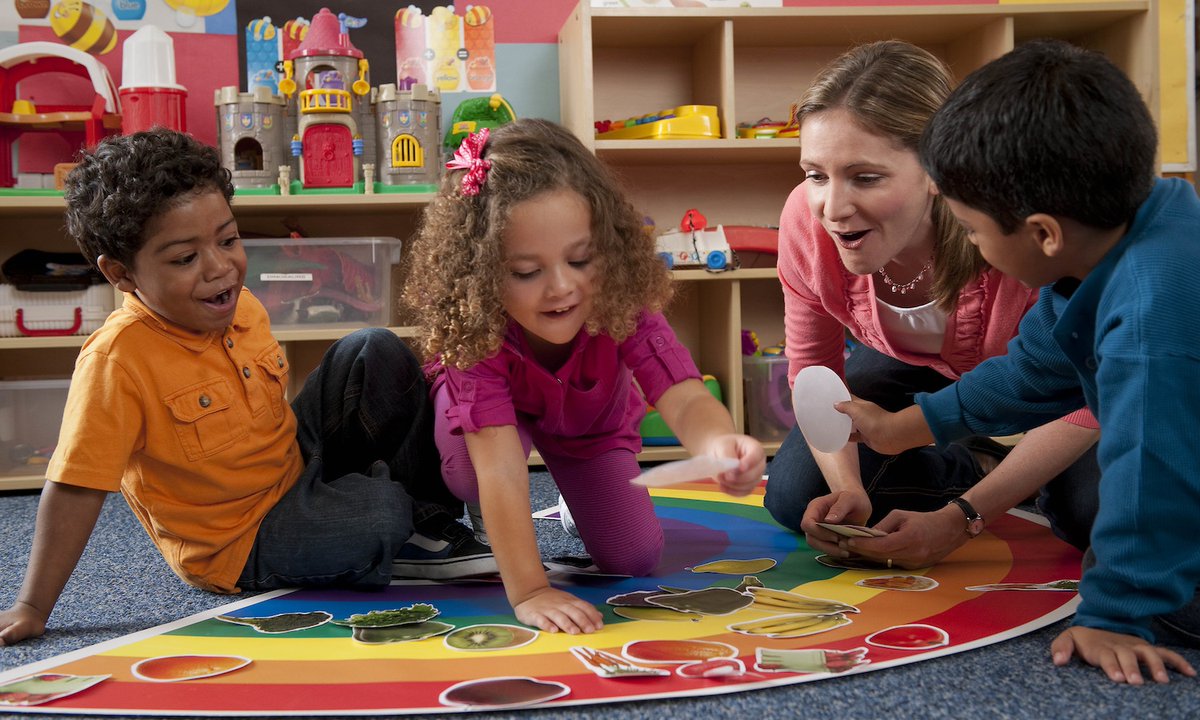
Kids are curious and want to understand the world around them—the world they’ll inherit from us. And food is central: Well-nourished children, of course, perform better in school, and building food literacy from a young age is transformative for kids’ understanding of empathy, sustainability, and health.
When we give kids nutritious food to eat, we also have to make sure we answer their number one question: Why? Why are these particular foods good for our bodies and the planet? Why is it important to participate in growing food ourselves? Why does what we eat matter?
Luckily, around the globe, inspiring organizations are working tirelessly to connect children with both healthy meals and the nutrition education to truly understand what they’re eating—and why.
“Let’s give kids positive, memorable, community-building experiences with real food as a way to build preferences for that food, build confidence in utilizing and eating that food, and build skills in kitchens and gardens,” says Jenn Mampara, Director of Education for FRESHFARM, whose FoodPrints program integrates these skills directly into local schools’ curricula.
It’s inspiring to see how these organizations are encouraging students to try foods they may not otherwise. The Chennai Urban Farming Initiative’s Chief Resilience Officer Krishna Mohan tells Food Tank that many of the kids he works with typically hate spinach. But when they’re a part of the growing process, “the children seem to love the taste of the spinach they grow,” he says.
But nutrition education can’t replace building meaningful access to affordable, nourishing foods for people of all ages; rather it must work alongside it. As we’ve said before, a true root cause of hunger is poverty: People experiencing food insecurity don’t need to be lectured—they need the financial resources to put their food knowledge into action.
When supplemental food relief and a strong social safety net are able to work in tandem with food programming that’s responsive to community needs and cultural backgrounds, the whole food system is better off.
“Over time, with enough programming for youth and families across a community, demand for access to fresh produce and cooking skills will grow,” Carolyn Federman, the Founder of the Charlie Cart Project, tells Food Tank.
foodtank.com/news/2024/08/fe…
1
3
527



29 Jul 2024
<พรีออเดอร์>
JJANG FRESHFARM goods by @jjangburi
♡ ราคาตามภาพด้านล่าง
♡ เริ่มจัดส่งในเกา 12-21/08
ยกเว้นตุ๊กตารอ 2-3 เดือน (ส่งกลับแอร์)
♡ ค่าส่งเหมา 40 บาท
♡ สอบถาม/สั่งซื้อ dm
❌️ ปิดรับ 4/08 20:00
#ตุ๊กตาzb1 #ตลาดนัดzb1 #ตลาดนัดzerobaseone

1
7
8
2,824