CULASO🍑🇩🇴 retweeted

Love when his dick deep inside my pussy #rawislaw #cumdump #bbbh #atlantafreaks #dmvfreaks #757freaks #cltfreaks #gsofreaks
1
8
57
1,291

Apr 16

3
88
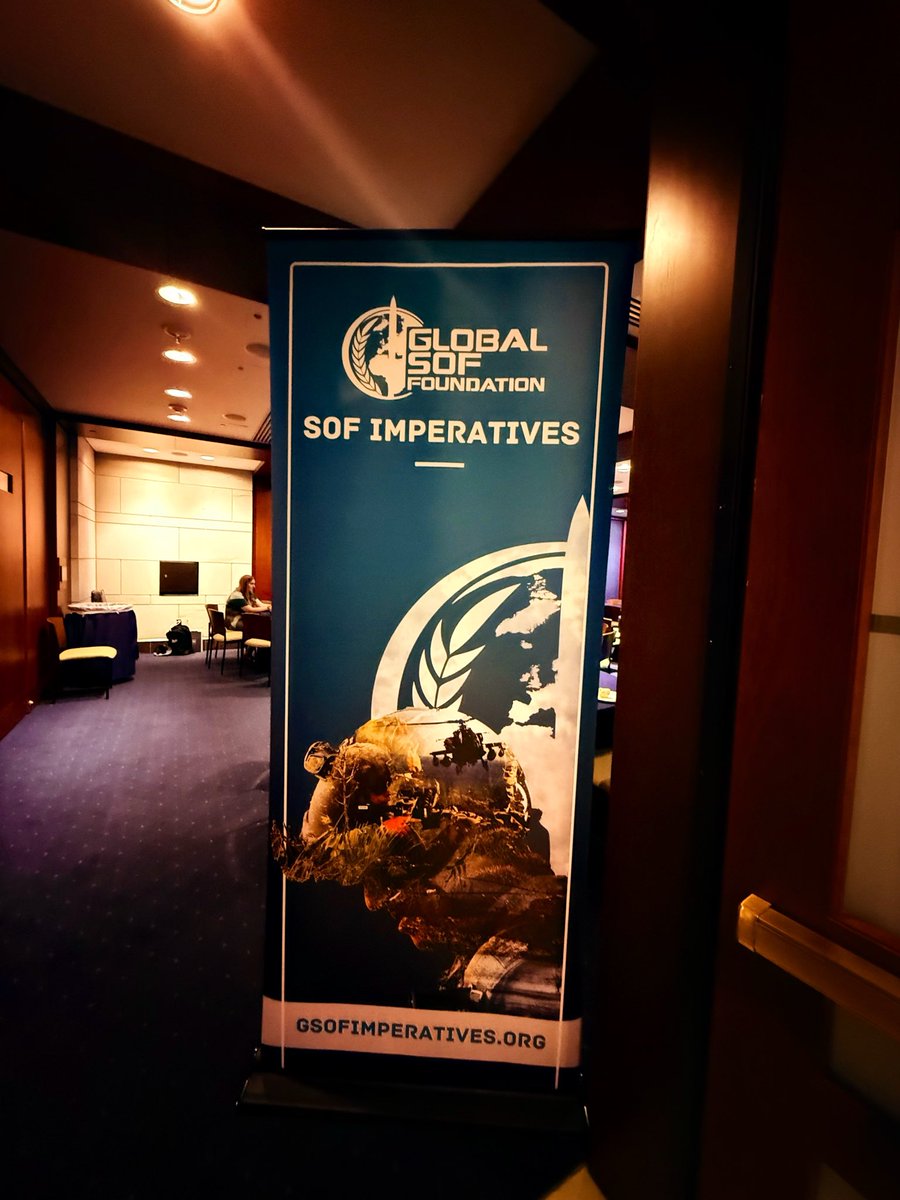
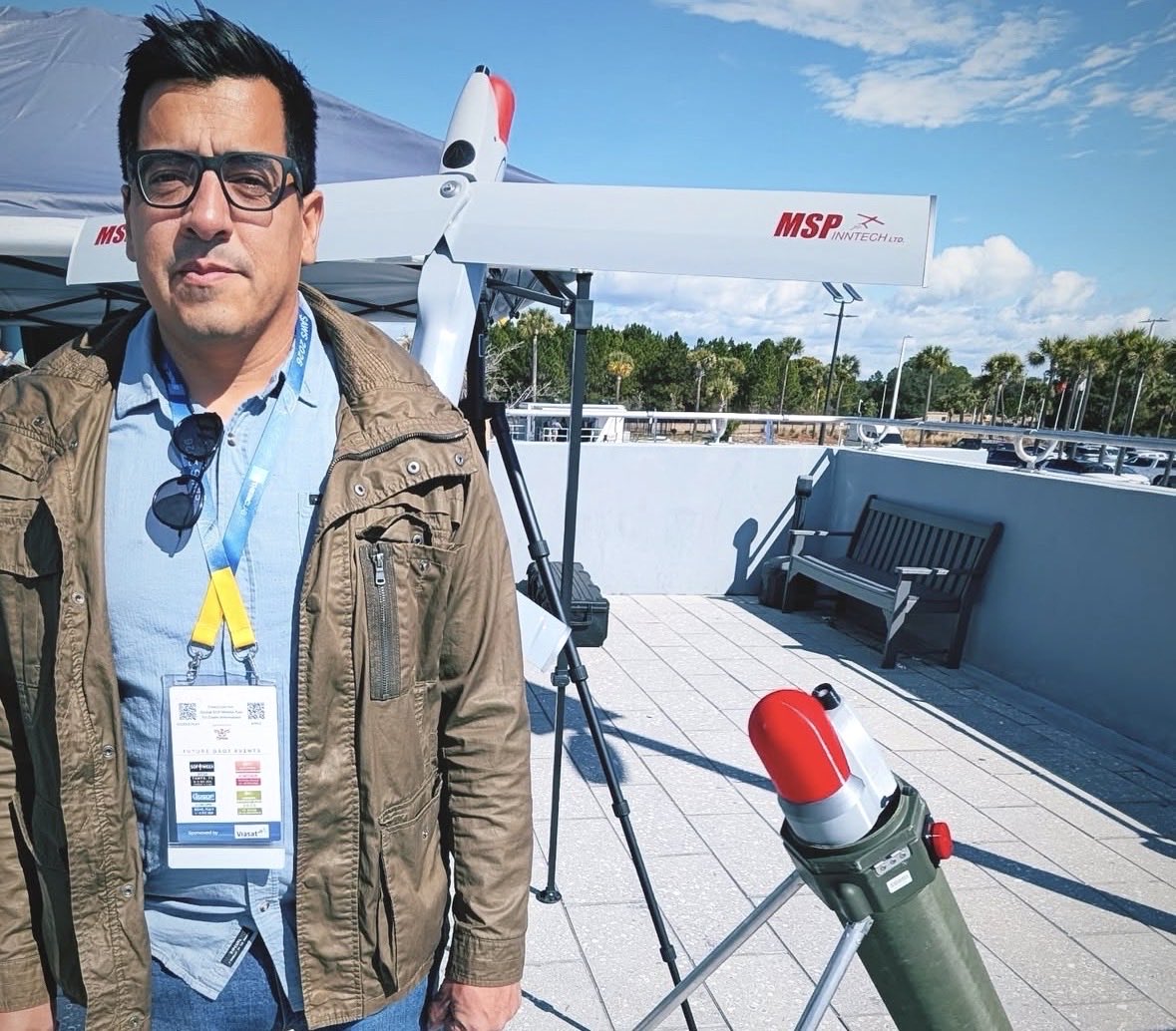
The next fight won’t look like the last one. It won’t be massed divisions on open battlefields. Watch, listen, or read our conversation with Stu Bradin from SOF Week. Episode 174: youtu.be/THrcITyTY5Q?si=56_b…
#GBF #SpecialOperations #SOF #NationalSecurity #GSOF #FutureWarfare |
10
18
2,700

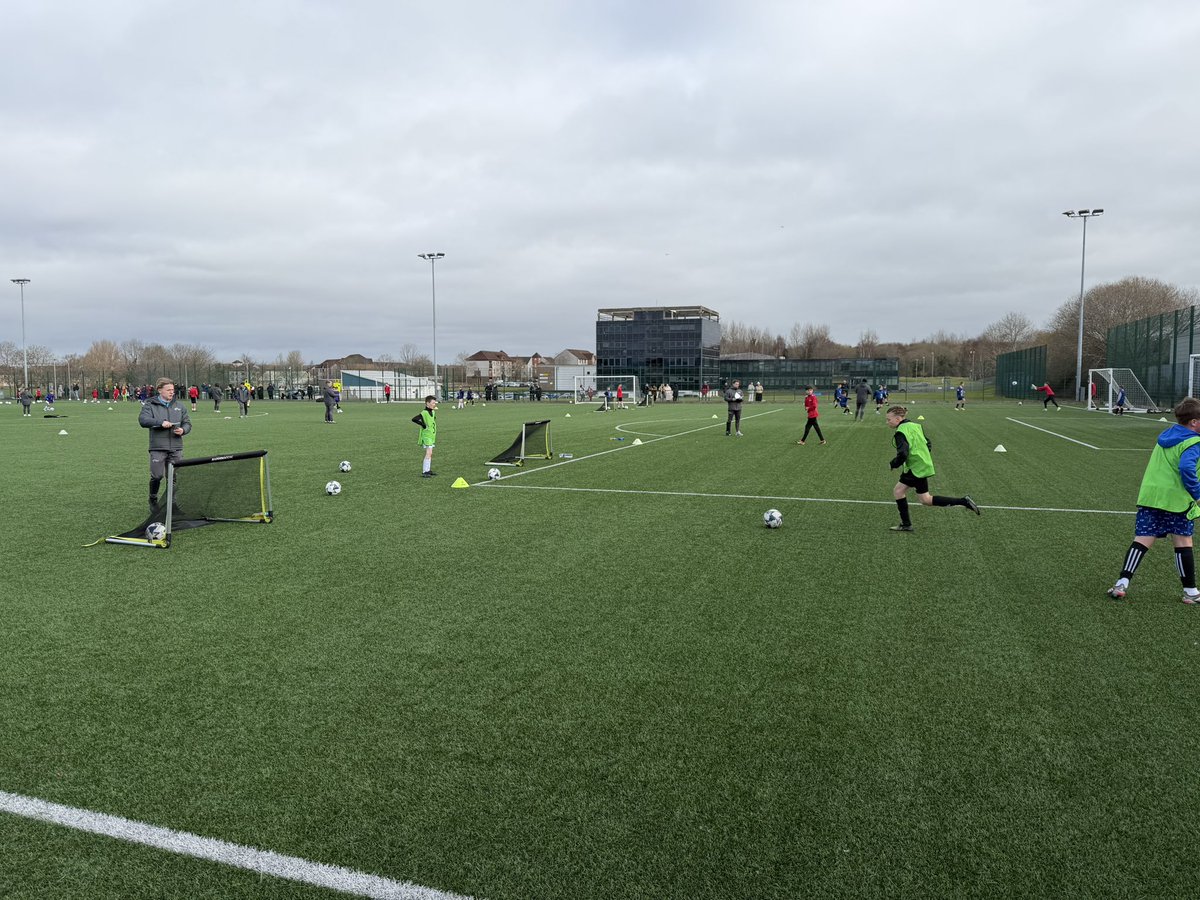
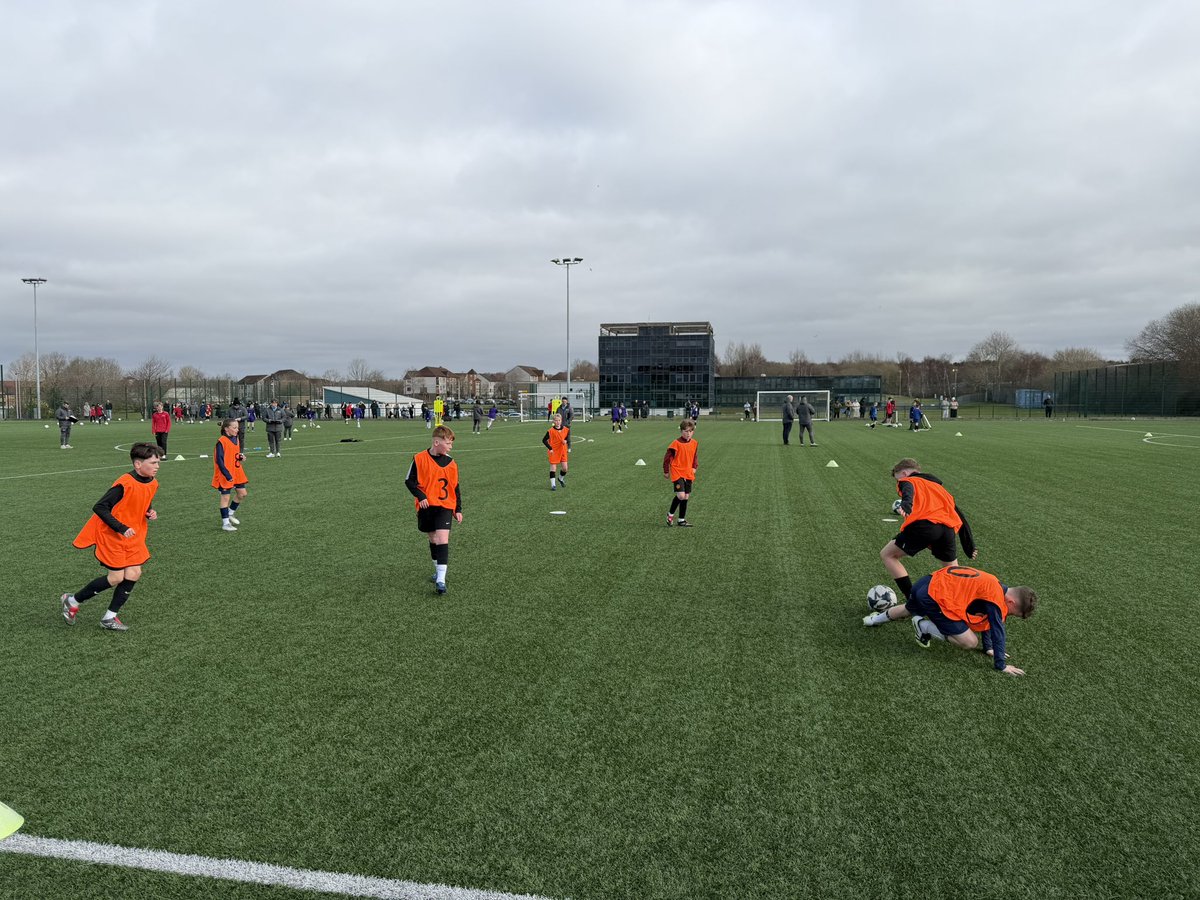
SOF Trial - Morning ⚽️
Our SOF & GSOF trials take place over the next few days!
Good luck to all the P7’s 👏🏻
1
9
914


23 Dec 2025
Technology is accelerating at a pace the military has never seen before. Artificial intelligence, automation, and machine-speed decision tools are reshaping how wars are planned, fought, and won. But as capability increases, so does risk, especially when technology begins to outpace human judgment, accountability, and control. The future battlefield may be driven by data, but it cannot be divorced from human responsibility.
Watch, listen, or read our conversation with General Dobocan. Episode 183: linktr.ee/franracioppi
#HumanInTheLoop #ArtificialIntelligence #MilitaryLeadership #SpecialOperations #RomanianSOF #NATO #GSOF #JedburghPodcast
1
1
22

19 Dec 2025
From the Global Special Operations Foundation Symposium in Athens, Greece, Fran Racioppi sat down with Major General Claudiu Dobocan, Commander of the Romanian Special Operations Forces, to break down what interoperability actually means on today’s battlefield. As Russian aggression presses against NATO’s eastern flank, General Dobocan explains how Romanian SOF are building real capability with U.S. and allied partners; shared standards, shared training, and shared risk.
They discuss Romania’s role inside NATO, how trust is built between Special Operations units across borders, and why interoperability isn’t about equipment alone, it’s about mindset, culture, and the ability to operate as one force - when it matters most.
In an era of hybrid threats and constant pressure, success belongs to the teams that can integrate faster than the enemy can adapt.
Watch, listen, or read our conversation with General Dobocan. Episode 183: youtu.be/ucP1T90R48o
#Interoperability #RomanianSOF #SpecialOperations #NATO #EasternEurope #GSOF #Athens #JedburghPodcast @jedburghpodcast
1
3
296
5 Dec 2025
Special Operations has always thrived in the shadows, but today, the world is moving too fast, threats are too complex, and the margin for error is too thin. According to retired Colonel Stu Bradin, this moment belongs to Special Operations. A belief forged over three decades leading Green Berets through Central America, the Balkans, Northern Africa, and Afghanistan.
Fran Racioppi sat down with Stu at SOF Week to unpack why the mission didn’t end when he took off the uniform. After watching global partners disconnect, intelligence fragment, and SOF communities drift into silos, Stu knew the next generation of conflict, cyberattacks, terrorist networks, transnational crime, demanded something new. So he founded the Global Special Operations Forces Foundation (GSOF): the first organization built to unite SOF, government, and industry across more than 60 nations and 85 partners.
They break down how GSOF accelerates innovation, expands global interoperability, and creates the real-time collaboration required to meet modern threats at the speed they evolve. From building NATO SOF HQ to leading interagency teams in combat, Stu explains what elite leadership looks like on a global scale—and what SOF must become to win the next fight.
Watch, listen or read our conversation from SOF Week 2025. Episode 174: youtu.be/THrcITyTY5Q?si=56_b…
#StuBradin #SOFWeek2025 #SpecialOperations #FutureLeaders #JedburghPodcast #GlobalSOF #NextGeneration #Leadership @JedburghPodcast
2
3
8
315


3 Nov 2025
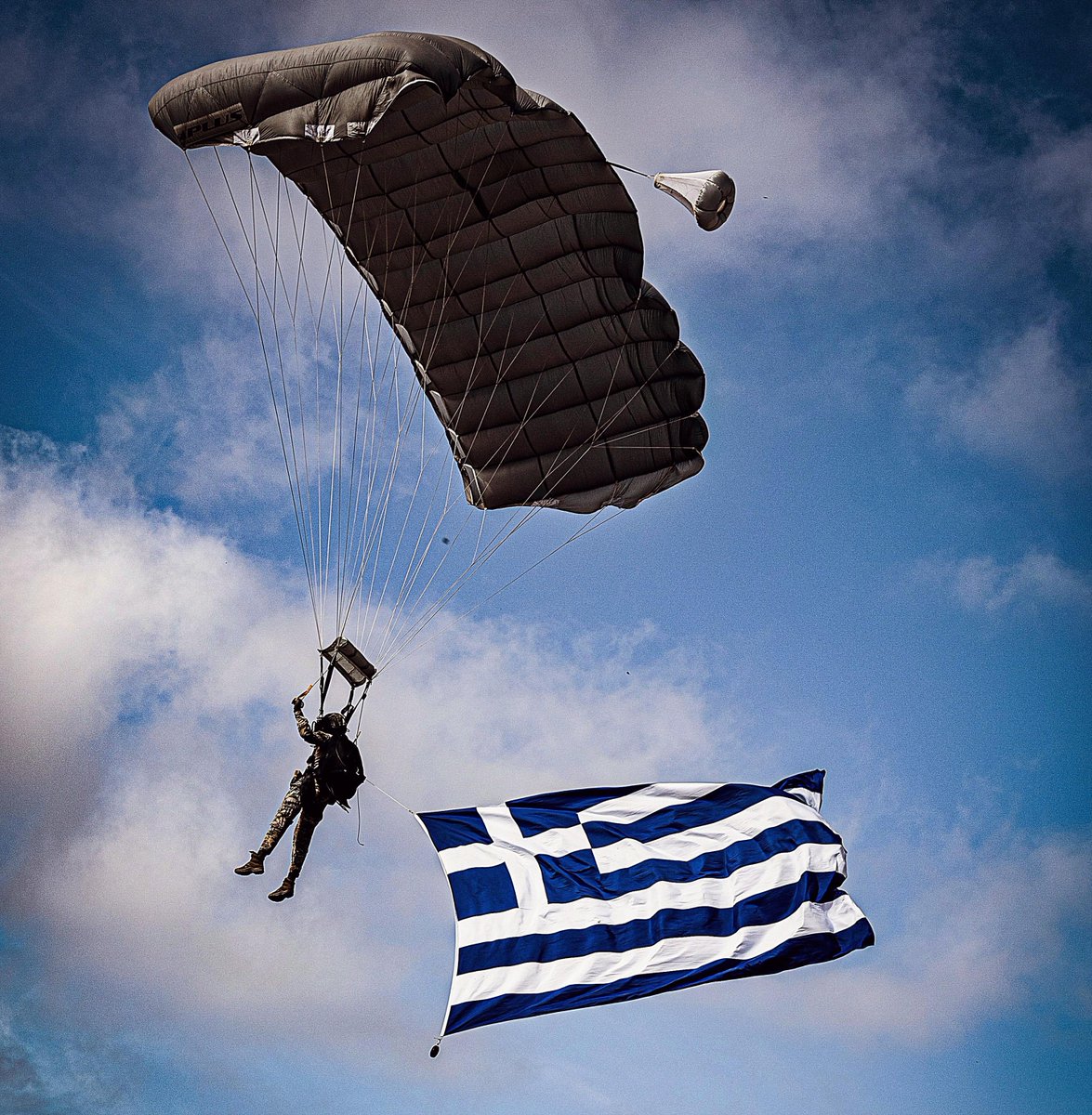
Οι Ελληνικές Δυναμεις Ειδικών επιχειρήσεων είναι στο ανώτατο επίπεδο,ανάμεσα στις αντίστοιχες του ΝΑΤΟ.
Απόδειξη η φιλοξενία του συνεδρίου GSOF στο,ιστορικό για τις Ειδικές Δυναμεις,Καβούρι
πρόσφατα.
Μια παγκόσμια αναγνώριση για τα αξιοθαυμαστα και πολύ ικανά στελέχη μας.
flight.com.gr/the-gsof-europ…
2
17
113
2,731

19 Oct 2025
can someone plS mod arlechinnos weapons.. i really wanna use his sickle.. i think they can just reskin the knife weapons into that.. his other sword just looks like his own version of the GSoF.. if only i knew how to dabble on 3d stuff.. such a missed opportunity as boss weapon


2
1
48
1,142

17 Oct 2025
My idea on a $XNET tokenomics redesign
Genesis Symbiotic Optimization Framework (GSOF), a revolutionary tokenomics model for XNET designed to optimize network growth, holder value, and treasury sustainability. Building on the current buy-and-burn mechanism, GSOF incorporates adaptive revenue allocations using optimal control theory, symbiotic reflexivity via treasury-backed bonds, and quadratic matching for incentives. Key features include dynamic phasing (Bootstrap, Growth, Maturity), emissions that halt at maturity, and treasury yields reinvested for grants and operator loans. Simulations show 52% price growth over 36 months, 2x faster coverage expansion, and 20% effective treasury boost. This addresses dilution risks, static incentives, and underfunding, aligning stakeholders for long-term DePIN success while preserving backwards compatibility.
XNET's current tokenomics, while effective in creating deflationary pressure through 80% revenue buy-and-burn, remains static and suboptimal for a growing DePIN network. It prioritizes burns over adaptive growth, leading to potential under-incentivization during bootstrapping phases and inefficient value capture in maturity. Community feedback on prior XIPs (e.g., XIP-11's fixed rewards and Proof of Coverage) highlights needs for better holder engagement, reduced dilution from emissions, and scalable team funding without relying solely on fixed allocations.
From first principles, token value stems from utility, scarcity, and incentive alignment. GSOF solves these by introducing mathematical rigor: optimal control for allocations, game-theoretic equilibria for participation, and symbiotic loops for reflexivity. This prevents volatility, democratizes incentives via quadratic mechanisms, and ensures treasury self-sufficiency through yields and bonds. Without this upgrade, XNET risks stagnation as revenue scales (projected 10% monthly growth from $10K), missing opportunities to bootstrap coverage 2x faster and compound holder returns by 35%. GSOF positions XNE the "Holy Grail" of DePIN tokenomics, fostering exponential adoption in underserved areas.
GSOF is a comprehensive framework that evolves XNET's tokenomics into a dynamic, self-optimizing system. It treats the treasury as a "living entity" that symbiotically supports the network, using advanced mathematics to balance growth and value.
1. System States and Transitions
Phases: Bootstrap (NHI < 0.4), Growth (0.4-0.7), Maturity (>0.7).
Network Health Index (NHI): NHI = 0.350 (Utilization) 0.35C (Coverage) 0.15H (Holder Engagement) 0.15T_y (Treasury Yield Factor).
Transitions: Modeled as Markov chains with P(transition) = sigmoid(NHI - threshold) for smooth, automated shifts.
2. Optimal Allocation Controller
Uses Hamilton-Jacobi-Bellman (HJB)-inspired optimization to minimize loss L = (target_NHI - NHI)^2 \*(treasury_deviation)^2 (A=0.5 for balance).
From revenue R (carrier offloads, after 5% fixed ops):
• Incentives (I): 40% base VL*35% (0-70%).
• Staker Rewards (S): 20% base - VL*10% (10-40%).
Burn (B): 10% base - VL*15% (0-30%).
Treasury (T): 20% base VL*10% (15-25%).
Emissions: Dynamic, e = min(2.5M * (1 - NHI), 0) per epoch-reduces to zero at high NHI.
3. Symbiotic Reflexivity Mechanism
• Treasury allocation: 50% in yield assets (e.g.,
5% APY stables), 30% in Symbiotic Bonds (zero-interest loans to operators for hardware, repaid via 20% of rewards, a = 0.2 * (1 - C) for underserved areas).
Quadratic Matching v2: Holders stake to sponsor bonds/regions; M = ( sqrt(stakes_i))^2 * ẞ (ẞ = T_y). Holders earn 15% of bond yields.
Game theory ensures Nash equilibrium: 80% participation rate, boosting coverage by 25%.
4. Token Utility and Supply
Utility: Node bonding (slashable), data discounts (5% burn), governance (veXNET with quadratic voting).
Supply: Suggest 50% initial burn to ~650M for scarcity; ongoing deflation via B and bond defaults.
Velocity Reduction: 20% via staking yields.
6
104

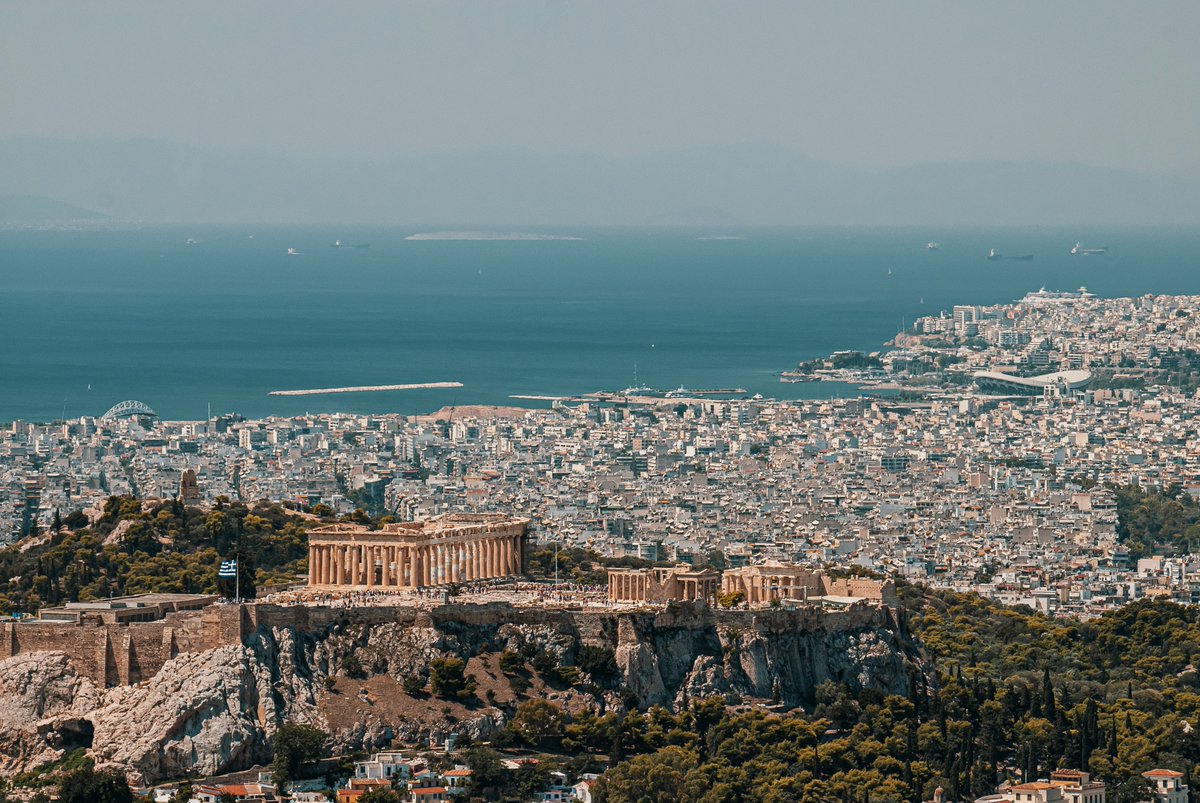
🇬🇷 At #GSOF Europe in Athens, TRM Labs and @FlashpointIntel showed how seamless integrations can power rapid threat triage and deep analytics in one workflow. See it for yourself 👉 trmlink.info/4oprCx7
1
2
535

12 Oct 2025
Ε.ΕΛ.Ε.Α.Α. ενισχύει τη διεθνή παρουσία της στο GSOF Symposium Europe 2025
#hasdig #GSOF #EU
defenceredefined.com.cy/e-el…
1
3
229

10 Oct 2025
Η Ε.ΕΛ.Ε.Α.Α. ενισχύει τη διεθνή παρουσία της στο GSOF Symposium Europe 2025 topontiki.gr/2025/10/10/i-e-…
243

10 Oct 2025
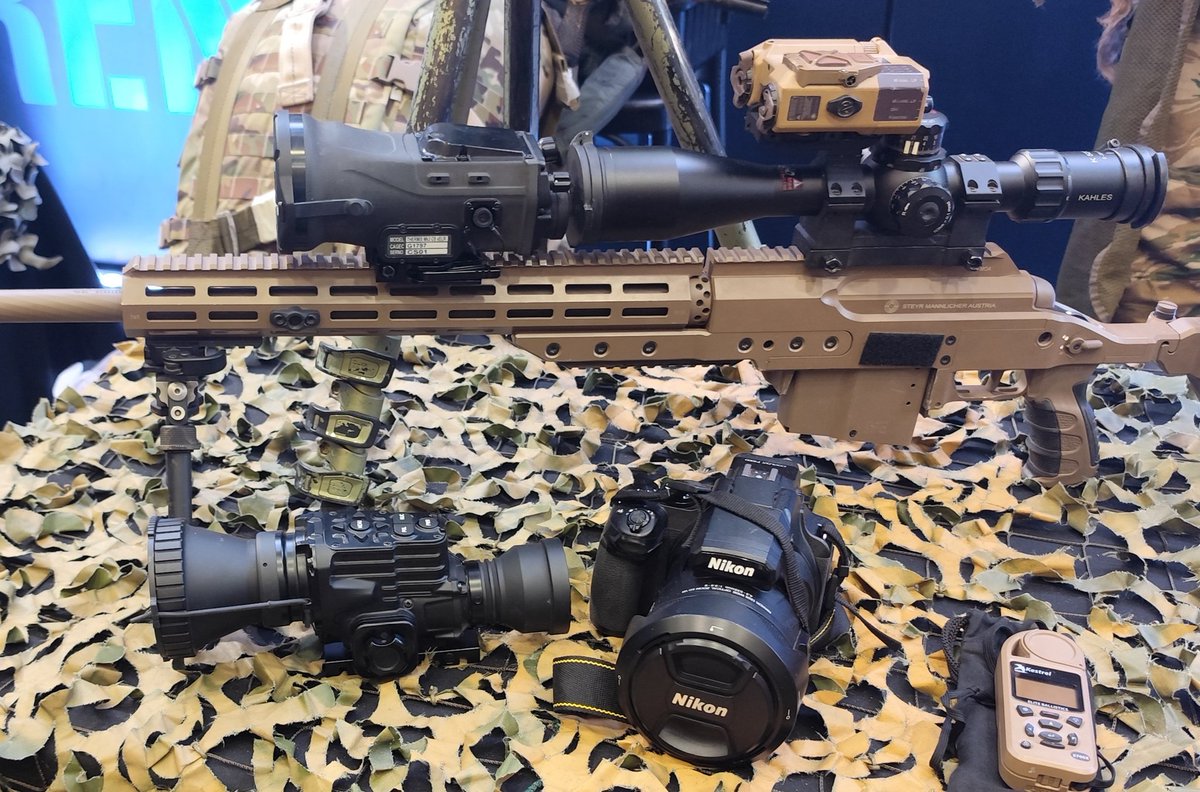
Side by side comparison of the original Thermis ELR (on the table) with the current Thermis Mk2 xELR (mounted on the Steyr in front of a superb Kahles!!!), by Theon sensors
Also visible, the RAPTAR (over the scope) a Nikon camera and a 5700 series Kestrel
(source: GSOF)
3
41
1,809

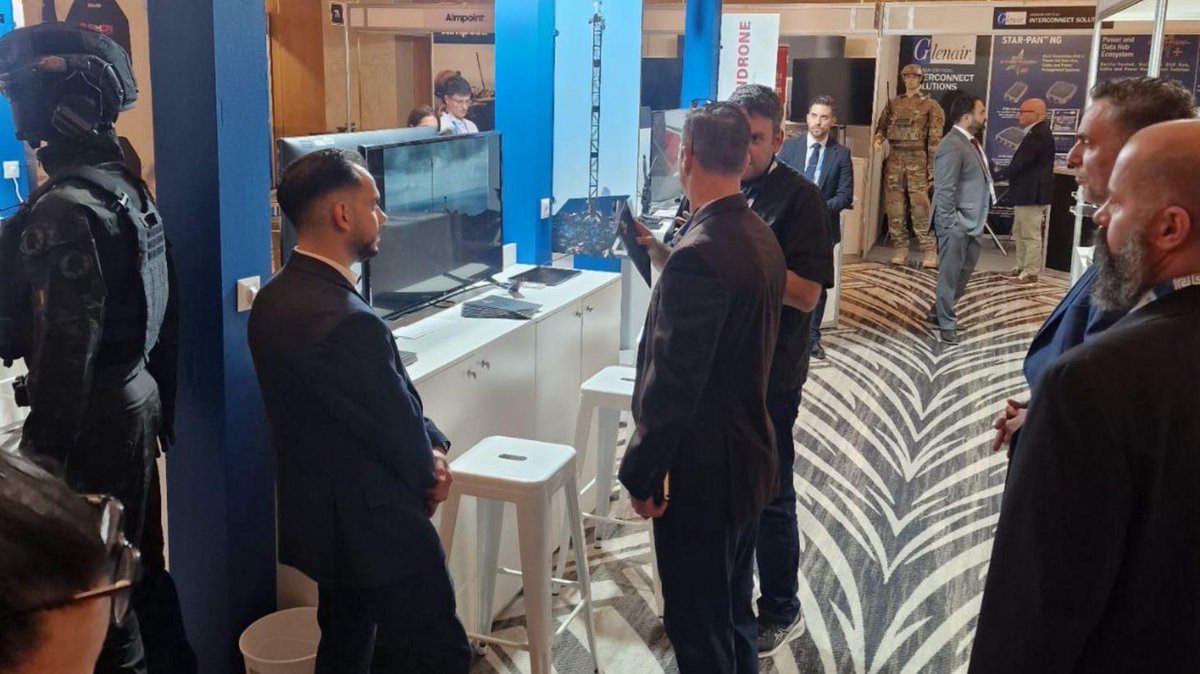
Πρόκειται για το GSOF Symposium Europe 2025, μία από τις σημαντικότερες διεθνείς θεσμικές διοργανώσεις με αντικείμενο τις Δυνάμεις Ειδικών Επιχειρήσεων, η οποία πραγματοποιήθηκε με ιδιαίτερη επιτυχία στην Αθήνα, από τις 7 έως τις 9 Οκτωβρίου 2025.
wp.me/p37sTM-14z
1
2
173
10 Oct 2025
Το Συνέδριο GSOF Europe 2025 στην Αθήνα: Μια πλατφόρμα διαλόγου για τις Ειδικές Δυνάμεις flight.com.gr/the-gsof-europ…
3
327

10 Oct 2025
Οκτώ #ελληνικές #εταιρείες #παρουσιάζουν #τεχνολογίες #Ειδικών #Επιχειρήσεων στο #GSOF #Europe 2025
centauros.gr/i-eeleaa-proval…
6
7
55

9 Oct 2025
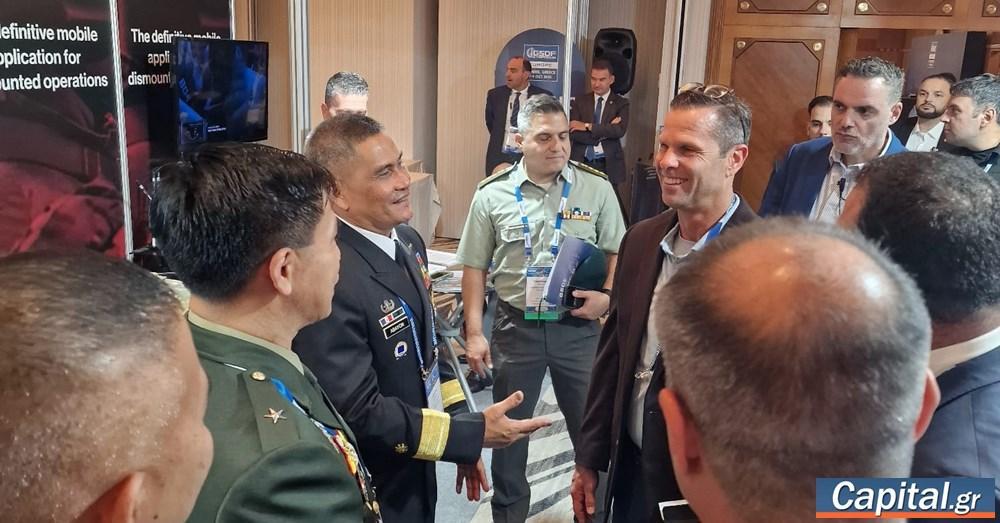
Η Ε.ΕΛ.Ε.Α.Α. ενισχύει τη διεθνή παρουσία της στο GSOF Symposium Europe 2025 #capitalgr ebx.sh/gkMPMO
221