
Jun 11
The Making of Arc Raiders A Story about Collaboration and Success NG26
youtube.com/watch?v=NLOfp2G-…
#ARCRaiders #GameDevelopment #GameDesign #DataScience #LiveServiceGames #UXResearch #EmbarkStudios #GameDev #PlayerExperience #GameAnalytics
50

Jun 10
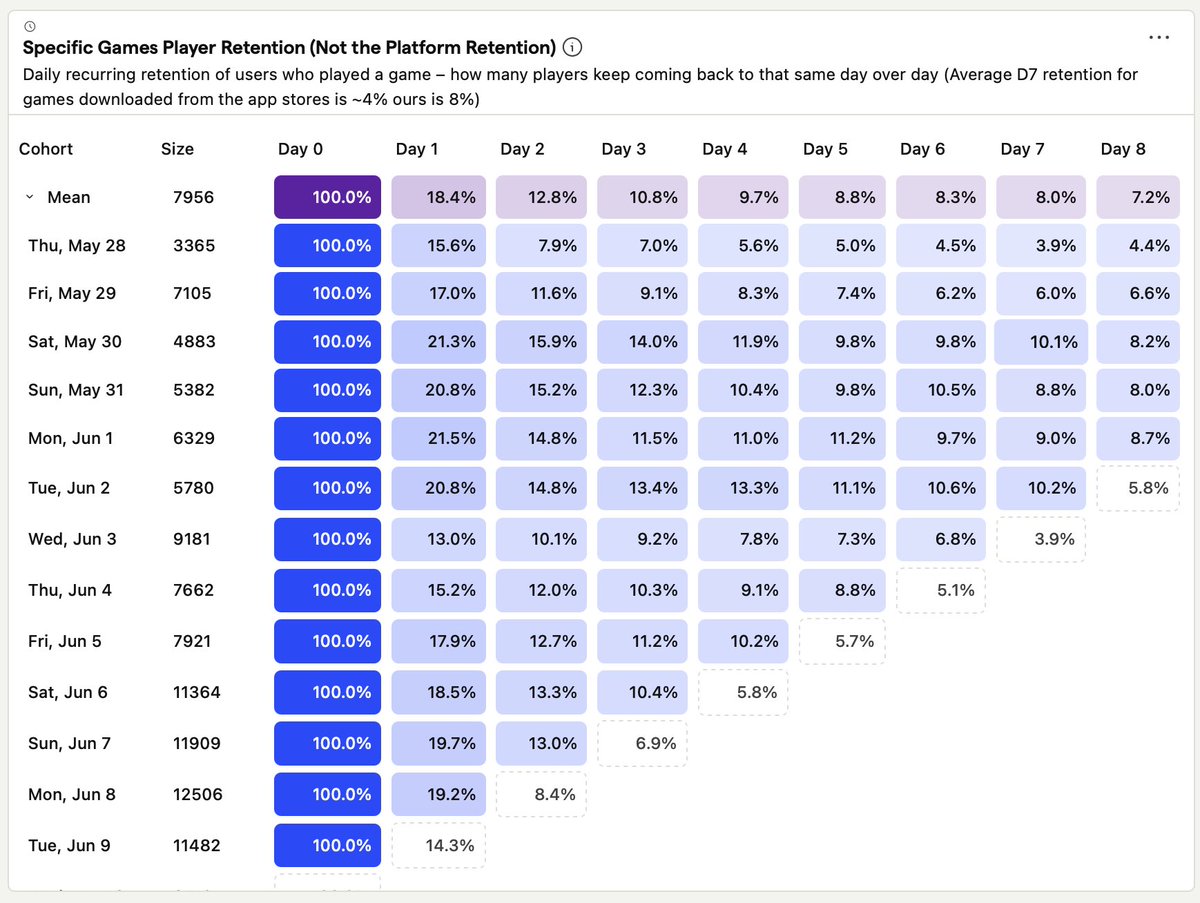
A data point that surprised us @Playabl_ai. the median mobile game retains under 4% of players by day 7. While top 25% of all games hit 6-8% (gameanalytics, 2026).
our games average is 8% :)
these are games made in seconds, from a single prompt, by people who can't code. and they retain better than 75% of games built by real studios and shipped to the app stores.
The platform retention is a different story. Some cohorts it’s north of 50%
2
1
5
302


Jun 8
Gaming evolves.
AI enters competition.
Reaction time matters.
Who owns the future brand?
🎮 SLAK.ai – Discovr.Ai/SLAK-Ai
AI performance for gaming.
#GamingAI #Esports #AICoaching #CompetitiveGaming #GameAnalytics #DiscovrAi

18

🚨🇺🇸 Game Developers & their hidden access to your children🦅🚨 Part 1
Explore all job titles: time of policy changes for those hiding their exploits.
Video game developers (or their backend systems, publishers, and hosting providers) have varying levels of access to player audio (primarily voice chat/VoIP) and IP addresses, depending on the game’s architecture, whether they use first-party servers, peer-to-peer (P2P) setups, or third-party services. Access is governed by technical design, privacy policies, legal requirements (e.g., terms of service, data protection laws like GDPR/CCPA), and moderation needs. Not every developer has (or exercises) full “back-end” viewing/recording capabilities for everything. 
I’ll break it down by category, focusing on common methods. “Every way” is broad since implementations differ across titles (Fortnite, Valorant, Call of Duty, Roblox, custom engines), but these cover the primary technical and operational approaches.
Access to Player IP Addresses
Game servers or related infrastructure almost always see player IPs for routing, matchmaking, anti-cheat, and logging. Developers/publishers can view or log them via backends.
Dedicated Game Servers (Most Common for Online Multiplayer):
When a client connects to official servers (in Call of Duty, Fortnite, League of Legends), the server logs the incoming connection, including the player’s public IP address, along with timestamps, player IDs, actions. 
Backend dashboards, logs, or monitoring tools (services like Datadog, custom telemetry) allow devs/admins to query these. Retention varies (days to months/years for security/anti-cheat). 
Used for banning,geolocation,fraud detection, and analytics.
Peer-to-Peer(P2P) or Hybrid Setups:
In P2P lobbies/matches common in older games or smaller titles), players directly connect, exposing IPs to other players or the host. Developers may still see them if there’s a matchmaking server or relay. 
Examples: Some Steam games, older CoD titles. Voice chat in P2P can also leak IPs. Third-Party Hosting/Matchmaking (Steam, Epic, AWS, Azure):
Providers log IPs; developers get access via APIs/dashboards for their games. Anti-cheat services(Easy Anti-Cheat, BattlEye)capture and report IP-related data. 
Vectors
Telemetry/analytics SDKs (Unity Analytics, GameAnalytics, Firebase) or custom backends that track connections. 
Server logs in self-hosted/community servers (Minecraft, Rust) explicitly record joining IPs. 
Indirect: Via account linking, payment systems, or support tickets.
Privacy Note: IPs are personal data in many jurisdictions.Developers must justify collection (legitimate interests for security). Players can often request logs privacy rights. 
Access to Player Audio (VoiceChat)
Voice chat is trickier due to privacy and technical reasons. Developers rarely have unrestricted real-time listening to all chats, but they can access it in specific scenarios, especially for moderation. Audio is typically handled via VoIP (integrated,Steam Voice,Vivox,Discord integration,or custom).

Server-Relayed or Hosted Voice Chat (Full Backend Control Possible)
If voice traffic routes through developer-controlled servers (or third-party services they manage), they can log, record, or process audio streams on the backend. 
Examples:
Riot Games (Valorant): Updated policy to record/store/monitor voice chats for toxicity reports. Audio is analyzed human AI when reported. 
Activision/Call of Duty/Warzone: Moderation features involve recording/monitoring voice for reports; AI-assisted in some cases. 
Xbox: Platform-wide voice reporting captures clips for review by safety teams across games. 
3rdparty services like Vivox(used in many Unity/Unreal titles,PUBG,others) Developers get SDKs, backend portal access for keys-management. Setups allow raw audio stream access on backend for moderation, transcription, AI bots, or recording. 
@FBIDirectorKash @FBICyberDiv @SecWar @realDonaldTrump
371

I met the guy who invested in @GameAnalytics back in the day
My main question to him was: why you don’t use Twitter these days?
He replied: because there are no real LPs in public forums
He asked then: Why @ipaananen didn’t invest in me through Illusian?
Good question… 🤔

2
135

May 17
GameAnalyticsのRemoteConfig、getRemoteConfigsValueAsString()でどうしても値が取れない。Legacy Typeならいける?と思って試すも、無理。getRemoteConfigsContentAsString()で全部まとめて取得しないといけない。で、こうすると、iOSとAndroidでjson形式違って、調整が必要になる。すっきりしない。
42
May 17
godot4.7に上げて、やっとiosビルド動くようになった。GameAnalyticsで色々問題起きた。ドキュメントにあるaddon入れてもrelease向けしかファイルなくて実行時に上手く掴めないのと、あと、RemoteConfigのjsonがiOS実機だけjson形式じゃなくて調整必要だった。
1
2
78

May 14
Mobile game #UA costs are climbing.
Hypercasual CPIs: 22% YoY
Mid-core RPG ARPU in SEA: 18%
Creative fatigue window: now 5.2 days avg
The teams winning aren't spending. They're reading the data differently. What's the biggest shift you've noticed?
#MobileGames #GameAnalytics
22

May 13
El dato es poder.
Y la gente lo regala tan alegremente. Como lo de escanearse el iris.
1
21

May 13
Did you know that the game #DeadAsDisco profiles the user, his machine and creates an specific uniqueid to that user (and another one to that machine) for sending data to @GameAnalytics ?
Also does basically the same with @sentry as well.
#Telemetry

1
65

May 10
🎮 Unser neuestes Projekt ist live!
Match Analytics – die Plattform für kompetitive Rainbow Six Siege Teams.
📊 Upload. Analyze. Dominate.
Lade deine Match-Daten hoch, analysiere deine Performance und dominiere die Konkurrenz. Alles an einem Ort — für Teams die gewinnen wollen.
👉 matchanalytics.eu
#RainbowSixSiege #R6S #Esports #GameAnalytics #WenetMedia #CompetitiveGaming #MatchAnalytics
79

May 9
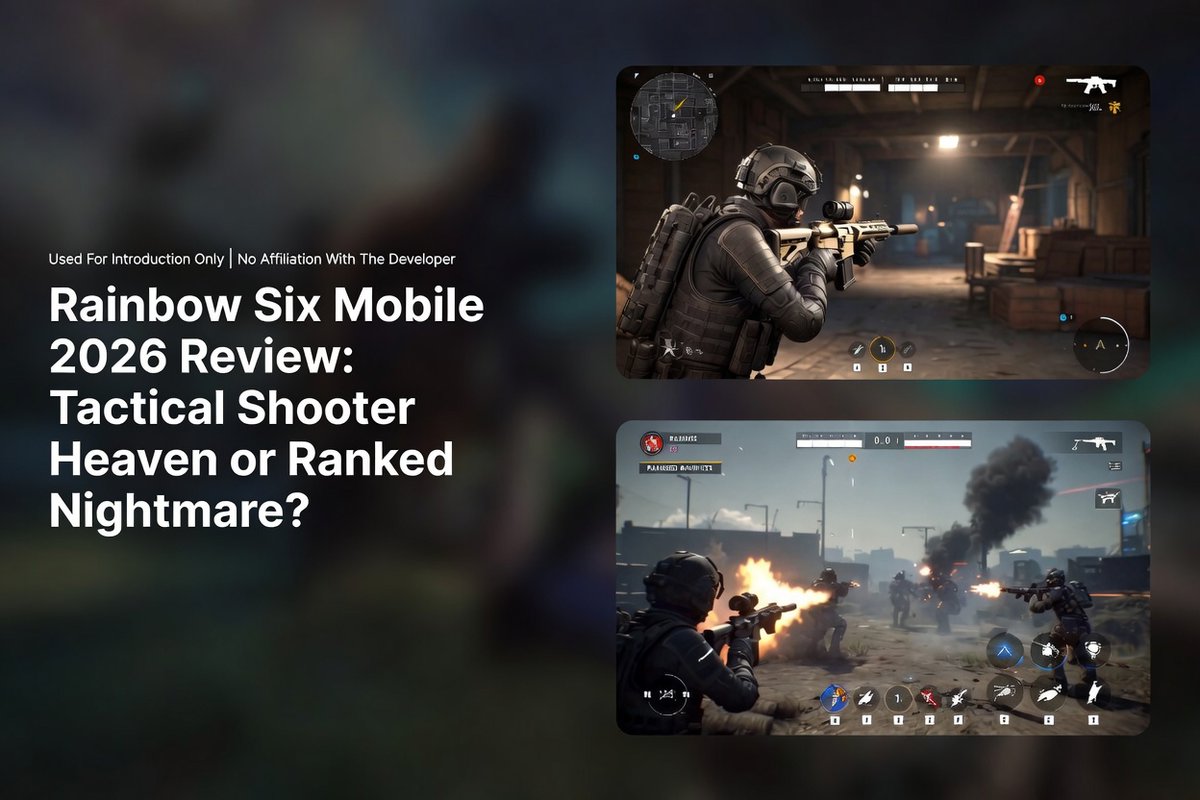
🚀 Rainbow Six Mobile’s big 2026 update boosted revenue, but retention remains the real challenge.
Key findings from EngageMinds App Researcher:
💰 Revenue 66%
📈 Strong organic growth
🎮 Excellent tactical gameplay
⚠️ Weak long-term retention
❌ Ranked trust issues remain
More details: engageminds.ai/blog/detail?r…
Bottom line:
R6M monetizes well, but sustainable growth depends on fixing matchmaking, stability, and player trust.
#RainbowSixMobile #MobileGaming #GameAnalytics #EngageMinds #GameDev
18
May 6
GameAnalyticsの初期化して、そのあと1秒以上待機してから、RemoteConfig使うようにしないと、Ready()になってない。ふむふむ・・・
1
38

May 6
Pragmata generated strong attention across streaming platforms during its first week after release 👀
Take a look at the audience and streaming trends in our latest infographic ↓
#Gaming #Streaming #Pragmata #GameAnalytics #Twitch #GamingIndustry
1
2
54

May 5
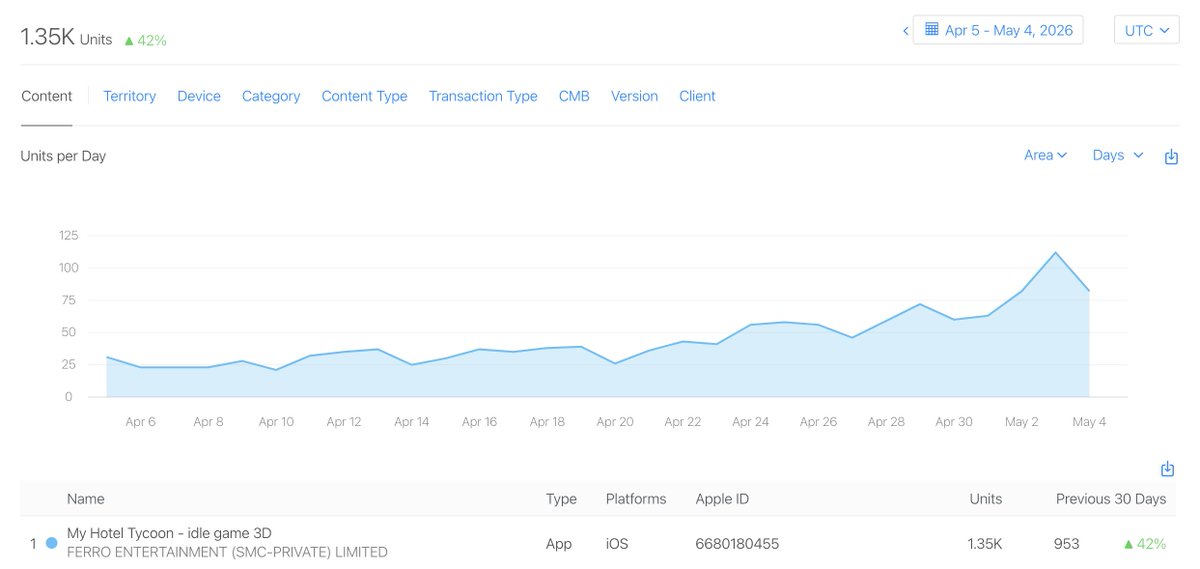
you can get more traffic to your app easily
> grab all the exceptions/errors from your analytics/sentry tool (gameanalytics in my case)
> let claude fix all of them and publish the update
> get free boost $$$
btw this is an old game that i didn't touch in over a year
4
124
May 5
GameAnalyticsのドキュメントを見ている。Errorは、unity,ios,androidは自動送信とある。他は手動で、とある。godotは手動で送らないとconsoleで見れないと言うことかな。
102
May 5
今、GameAnalytics登録して、新規game追加したいのだが、フォームに情報を入れてCreateボタンが押したいのに押せない。
何かの情報が誤ってる??validatorメッセージを出してくれないと、何が違うのか分からない・・・
1
59

May 4
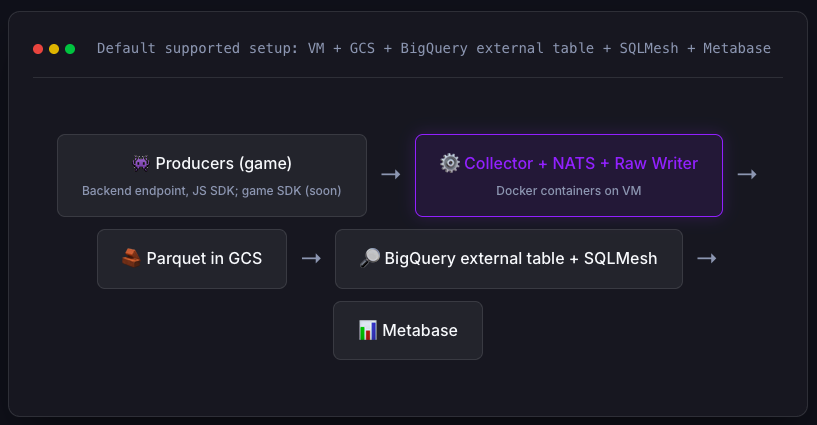
My first opensource project, DataQueryEvent: self-hosted in-app event tracking & raw-storage pipeline. GitHub: github.com/mirlan-irokez/dat… Website: dataquery.eu
#dataengineering #opensource #gameanalytics
2
27