
De las aulas de UTL a crear videojuegos. 🎮✨
Jesús Abraham González Flores estudió Multimedia y Comercio Electrónico.
Egresado de la generación 2014-2018, hoy es desarrollador de videojuegos en Gamecoder Studio.
1
1
48

May 16
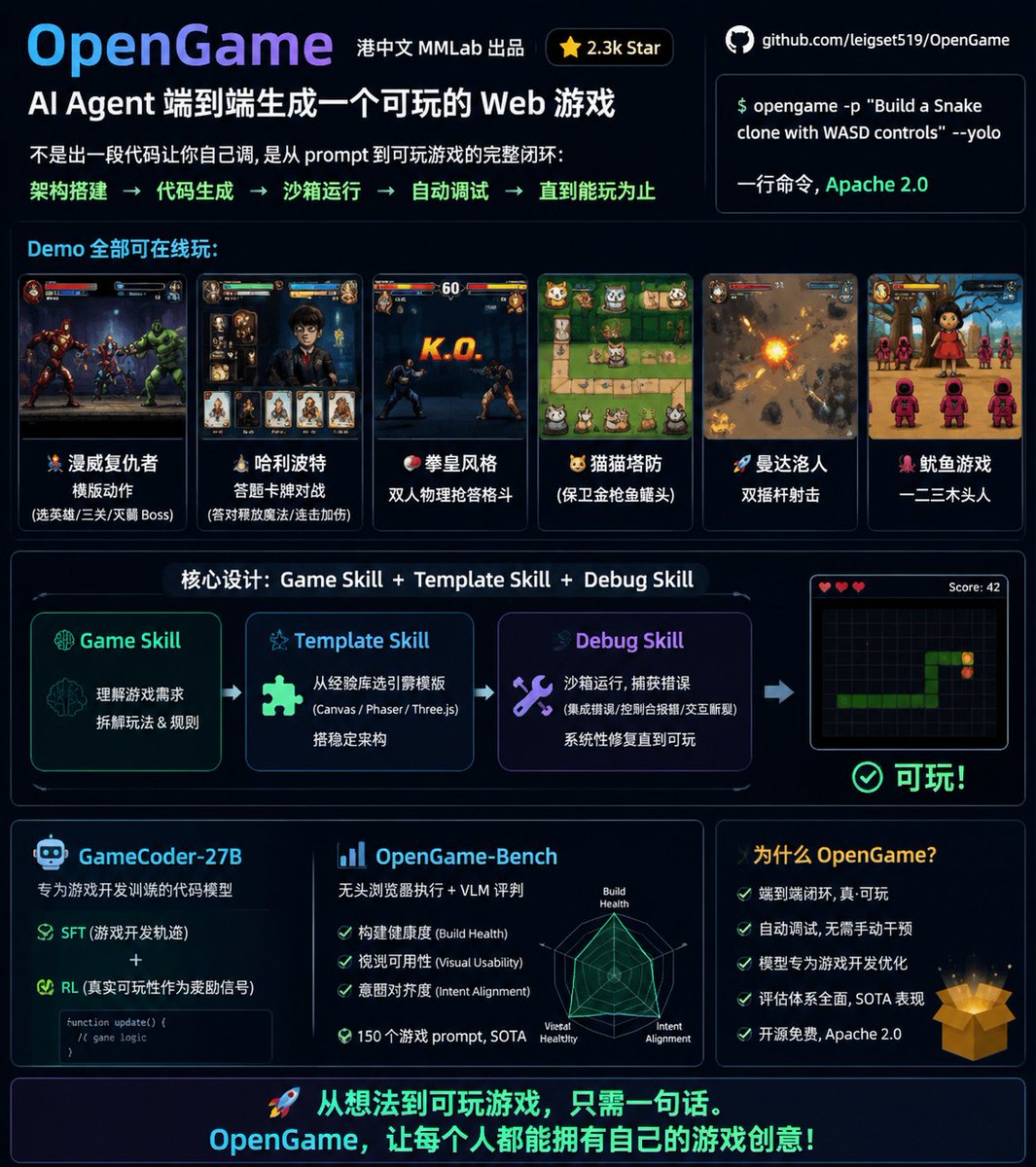
给一句话描述,AI Agent 端到端生成一个可玩的 Web 游戏
OpenGame,港中文 MMLab 出品,2.3k Star
不是出一段代码让你自己调,是从 prompt 到可玩游戏的完整闭环:
架构搭建 → 代码生成 → 沙箱运行 → 自动调试 → 直到能玩为止
Demo 全部可在线玩:
🦸 漫威复仇者横版动作(选英雄/三关/灭霸 Boss)
🧙 哈利波特答题卡牌对战(答对释放魔法/连击加伤)
🥊 拳皇风格双人物理抢答格斗
🐱 猫猫塔防(保卫金枪鱼罐头)
🚀 曼达洛人双摇杆射击
🦑 鱿鱼游戏一二三木头人
核心设计:Game Skill
Template Skill — 从经验库选引擎模板(Canvas/Phaser/Three.js),搭稳定架构
Debug Skill — 沙箱运行,捕获集成错误/控制台报错/交互断裂,系统性修复直到可玩
GameCoder-27B:专为游戏开发训练的代码模型。
SFT(游戏开发轨迹) RL(真实可玩性作为奖励信号)
OpenGame-Bench:无头浏览器执行 VLM 评判,评估构建健康度/视觉可用性/意图对齐
150 个游戏 prompt,SOTA
opengame -p "Build a Snake clone with WASD controls" --yolo
一行命令,Apache 2.0
github.com/leigest519/OpenGa…
#游戏开发 #AI #Agent #开源
1
1
3
444

May 5
Day 4 of Trying to get coders for bloodied rings 😭 #GameDev #IndieDev #CodingLife #GameProgramming #DevCommunity #CodeGame #GameCoder
1
2
79

May 2
「テキストからプレイアブルなウェブゲームを自動生成するフレームワーク」OpenGameが発表された(arxiv.org/abs/2604.18394)。
現行LLMがゲーム生成に詰まる理由は「コードの質」ではなく「クロスファイル一貫性」の問題だ。ゲームはキャラクター・物理演算・アセット・シーン遷移が複数ファイルにわたって連動する構造で、命名や初期化順序がどこか1か所でもズレると全体が壊れる。単体コードとは次元が違う複雑さがある。
OpenGameの解法は「Game Skill」という進化する能力セット。
Template Skillは実際のゲーム生成経験から5種類のひな型ライブラリ(横スクロール・見下ろし型・グリッド移動など)を自動的に育てていく。ゼロから書かずひな型を拡張するので構造が崩れにくい。この5タイプは設計側が最初から決めたわけではなく、タスクをこなすうちに自然に収束して現れた分類というのが面白い。
Debug Skillは発見したエラーパターンと修正方法を蓄積する「生きたデバッグプロトコル」。ビルドエラー・テスト失敗・実行時クラッシュのたびに記録が更新され、同じ失敗を2度繰り返さなくなる。
専用モデル「GameCoder-27B」も同時公開。Qwen-3.5-27Bをベースに、Phaser(ブラウザゲーム向けJSフレームワーク)のコードを大量に事前学習させ、お手本から指示追従を学ぶSFT(教師ありファインチューニング)、実行結果でフィードバックをかけるRL(強化学習)の3段階で訓練された。
150種類のゲーム生成タスクで評価(OpenGame-Bench)。OpenGame Claude Sonnet 4.6はBuild Health 72.4・Visual Usability 67.2・Intent Alignment 65.1を達成し、最強ベースラインのCursor Claude Sonnet 4.6(66.8 / 61.4 / 58.9)を全指標で上回った。
修正イテレーションの効果も際立つ。修正なしのゼロショット生成ではBuild Healthが58.4にとどまるが、3回の自己修正ループを経ると大幅に改善する。「まず作って、動かしながら直す」サイクルがゲームAIにも本質的に重要だった。
最高性能でも約34.9%の要件は未達成。横スクロール(Intent Alignment 76.8)は得意な一方、パズル・戦略ゲーム(52.6〜58.2)では苦戦する。後者は内部状態の不整合がクラッシュや警告として表れないため、エージェントが自分のミスを検出できない。「動いているように見えて意図通りではない」という無音の失敗が、ゲームAIの現在地だ。
ゲーム開発の入口が、また下がった。
2
226

یه چیز جالب اومده به اسم OpenGame. basically یه فریمورک اوپنسورس که میگه فقط با نوشتن توضیح، میتونی یه بازی قابل اجرا بسازی.
ایدهش اینه که به جای اینکه خودت بری سراغ کلی کدنویسی و تنظیمات پیچیده، فقط میگی چه بازیای میخوای، بعد سیستم خودش معماریشو میسازه، کد مینویسه و حتی اجراش میکنه.
مشکل اصلی که قبلاً مدلهای هوش مصنوعی داشتن این بود که شاید یه تیکه کد رو خوب میزدن، ولی وقتی میرسیدن به یه بازی کامل، همهچی به هم میریخت. این یکی یه سیستم چندعامله داره که هم ساختار پروژه رو درست میچینه، هم خودش باگها رو پیدا و درست میکنه.
یه مدل بزرگ به اسم GameCoder هم پشتشه که مخصوص کار با گیمانجینها آموزش دیده.
در نهایت روی کلی ایده مختلف تستش کردن و نسبت به قبلیا بهتر تونسته بازیهای واقعی و قابل بازی بسازه. یعنی داریم کمکم میرسیم به جایی که فقط با حرف زدن، بازی بسازی.
⬇️ لینک
1
1
19
4,082

OpenGame resmen AI ajanlarla oyun fabrikası açtı Tek prompt veriyorsun → AI komple web tabanlı oyunu sıfırdan kodluyor, asset’leri generate ediyor, hataları kendi kendine bulup fix’liyor. GameCoder-27B modeli Template Skill Debug Skill ile çalışıyor. Phaser mi three.js mi diye düşünmene bile gerek yok, otomatik karar veriyor.
Benim hep yapmak istediğim birşeydi. Bazı denemelerim oldu ancak olmadı. Artık bunun üzerinden ilerleriz.
github: github.com/leigest519/OpenGa…
1
38
280
16,499

GitHub 上有个开源项目 OpenGame:一句话 prompt,直接生成“能玩”的完整网页游戏工程——不是零散代码片段,而是自带游戏引擎、实时循环、跨文件状态管理的一整套项目结构。
GitHub:github.com/leigest519/OpenGa…
官网:opengame-project-page.com
论文:arxiv.org/abs/2604.18394
项目出自港中大 MMLab,核心是 GameCoder-27B 模型 Game Skill 框架。Game Skill 主要两把“硬核工具”:
- Template Skill:把过往成功经验沉淀成项目骨架库,开局就站在成熟工程上
- Debug Skill:基于已验证的修复协议系统排错,解决的是集成层面的真实问题,而不是随手打语法补丁
它能生成的游戏类型跨度很大,比如:
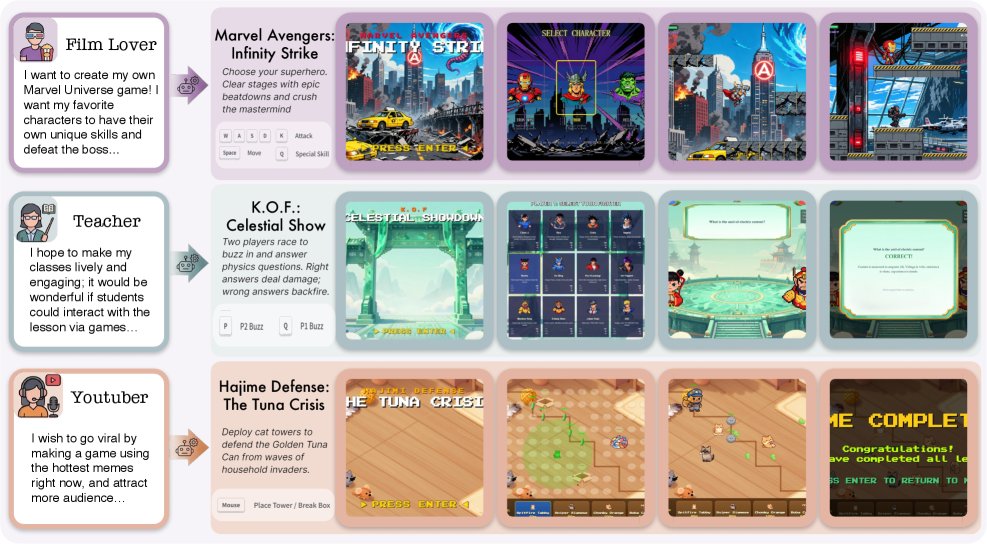
- 漫威复仇者横版动作:钢铁侠/雷神/绿巨人可选,三关推进,最终 Boss 灭霸
- 哈利波特回合制卡牌:答对数学题才能施法,连对触发“魔力共振”
- 鱿鱼游戏红绿灯:机器人转头必须静止,否则直接淘汰
- 星战《曼达洛人》双摇杆射击 RPG
- 喵星人塔防:用猫猫炮塔守住金枪鱼罐头阵地
安装后一句命令就能开造:
opengame -p "Build a Snake clone with WASD controls and a dark theme." --yolo
生成完成,打开 index.html 立刻开玩。支持 OpenAI 兼容 API:既可接 GPT-4o,也能对接本地部署的 GameCoder-27B。
另外还有配套评估体系 OpenGame-Bench:用无头浏览器自动跑起来,再用 VLM 判定结果,从构建健康度、视觉可用性、意图对齐三条线衡量生成质量——不仅“能生成”,更要“能上线、能玩、像你想要的”。
7
138
856
54,682

Apr 22
本格的なゲーム生成特化のAIエージェント出てきた。qwen-codeベースでライセンスはApache 2.0。
github.com/leigest519/OpenGa…
OpenAI API互換だけど、GameCoder-27Bって独自モデルとの兼ね合いどうなってるんだろ。まずはローカルLLMで試してみるか。
2
29
260
15,057

Apr 21
OpenGame just dropped and it’s a leap for AI code agents: not just generating code snippets, but producing full, playable 2-D browser games from plain English ideas—end-to-end.
The secret sauce? A new agentic framework with two reusable skills:
— Template Skill grows a library of stable project skeletons from past runs.
— Debug Skill maintains a living protocol of error signatures and verified fixes, powering robust cross-file integration.
At its core is GameCoder-27B, a 27B-parameter code model fine-tuned for Phaser/web games with a mix of continual pre-training, supervised instruction tuning and RL on execution feedback.
To prove it works, they built OpenGame-Bench: an evaluation pipeline that actually runs and judges the games for build health, visual usability, and intent alignment. On 150 game prompts, OpenGame sets a new SOTA—scoring 72.4/67.2/65.1 with Claude-Sonnet-4.6, beating the previous best by 5–6 points on every metric. Even the open GameCoder-27B backbone outperforms all other open LLMs.
Ablation studies show template scaffolding and multi-iteration self-repair are decisive—removing either drops scores by up to 12 points.
Bottom line: With structural priors and persistent debugging memory, LLMs can now build complex, interactive apps—not just toy scripts.
Get the full analysis here: yesnoerror.com/abs/2604.1839…
// alpha identified
// $YNE
3
5
19
606

Apr 21
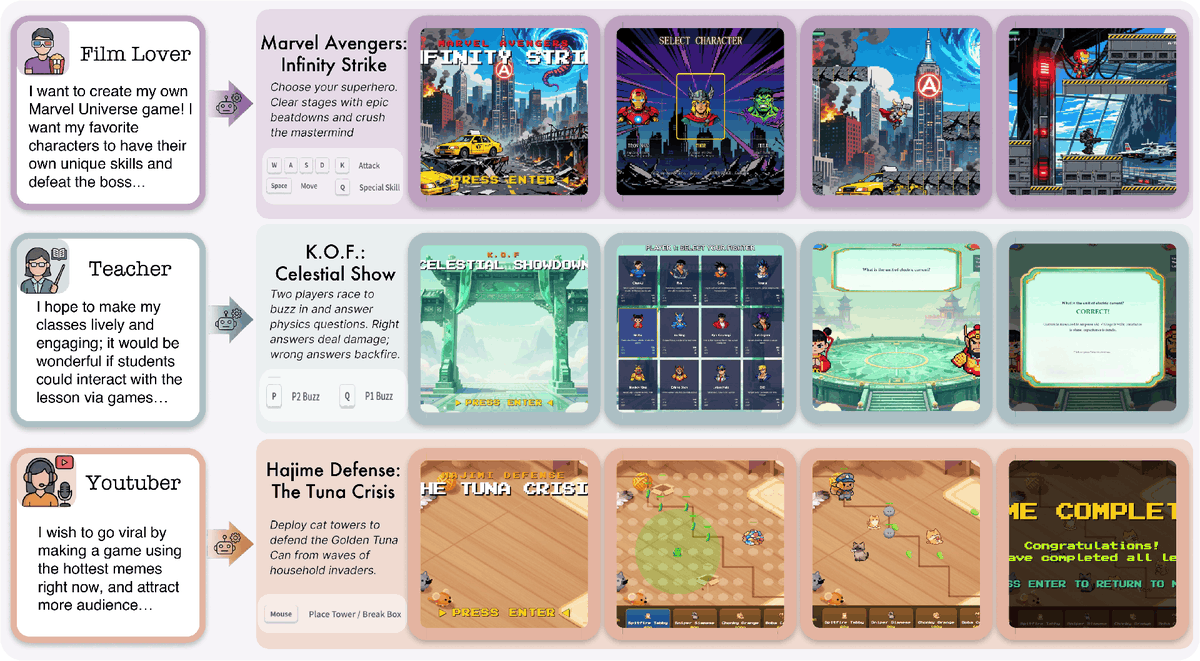
OpenGame: Open Agentic Coding for Games
Describe it. Compile it. Play it.
The first open-source agentic framework to architect, code, and debug fully playable web games end-to-end from a single prompt, powered by GameCoder-27B.
4
10
39
2,125

Apr 21
OpenGame for game vibecoding.
Agentic game gen framework.
- playable Phaser 3 games via GameCoder-27B;
- 72% build health on OpenGame-Bench;
- six-phase workflow from scaffolding to asset synthesis
opengame-project-page.com/
4
25
2,089

30 Sep 2025
ATTENTION, GAMERS! GameCoder Studios is heading to the Supernova Gaming Event
This October 4th at Expo Reforma, we’ll be joining the gamer community
Stay tuned… more news is coming soon
👉 For more info, click here: nexus.gamecoderstudios.com/r…
2
81
16 May 2025
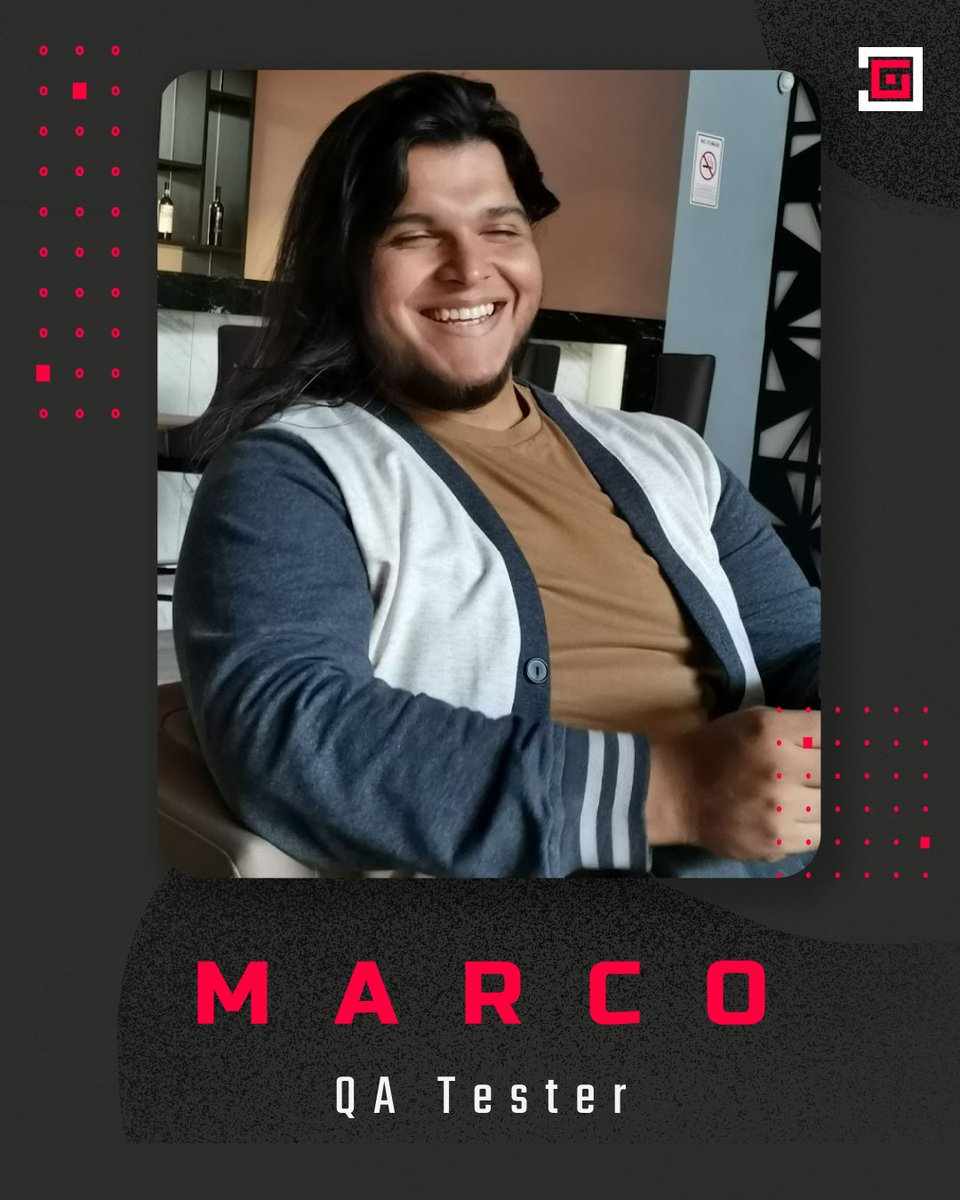
Meet Marco Osuna, our dedicated QA Tester at GameCoder Studios, working from Jalisco, Mexico 🐞Marco ensures that every game is ready to shine—helping the entire team’s work reach the highest level of quality.
Keep discovering the team that makes it possible
2
58
21 Feb 2025
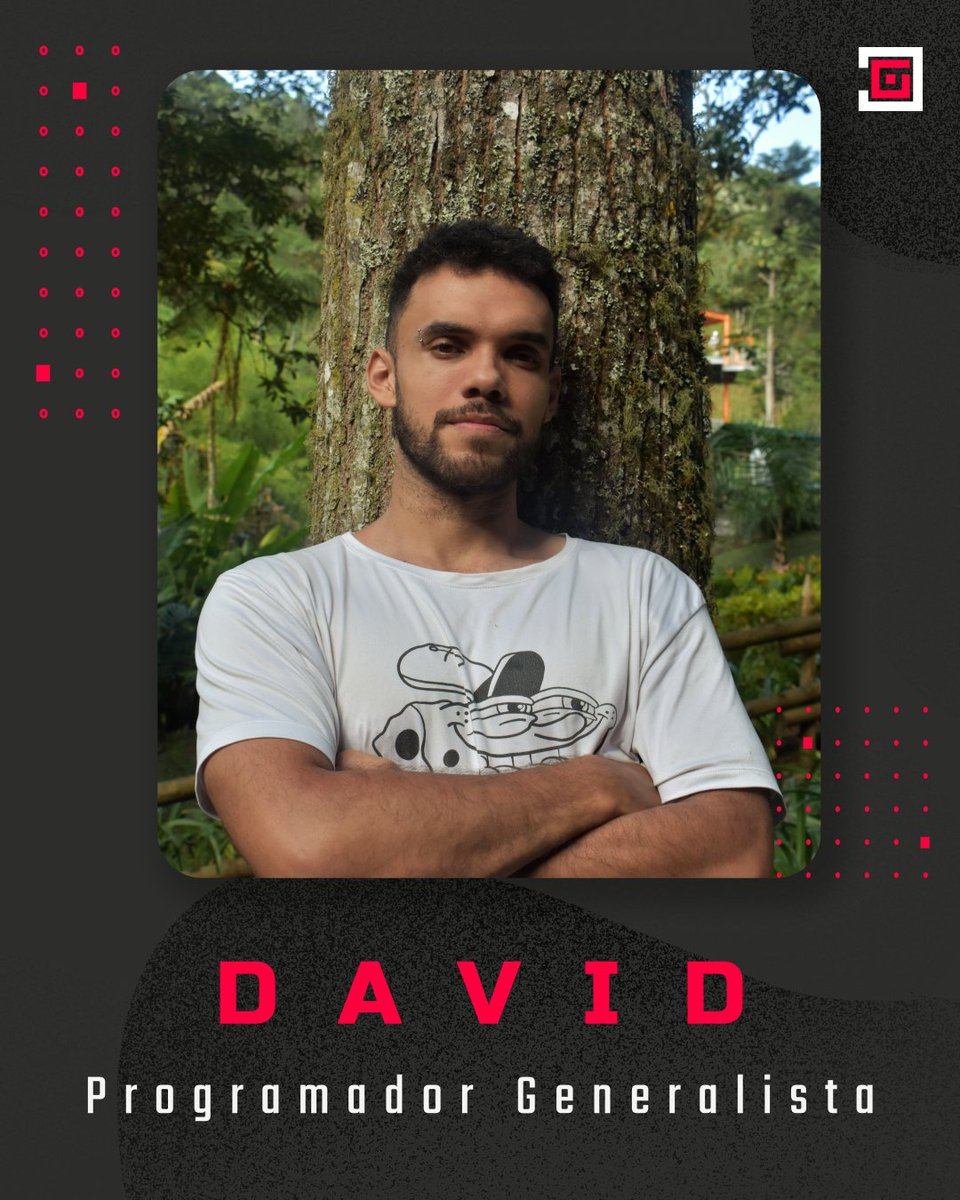
Les presentamos a David Torres, nuestro talentoso Programador Generalista, quien trabaja desde Medellín, Colombia.
¡Nos enorgullece contar con David como parte de GameCoder Studios!
3
172
2 Dec 2024
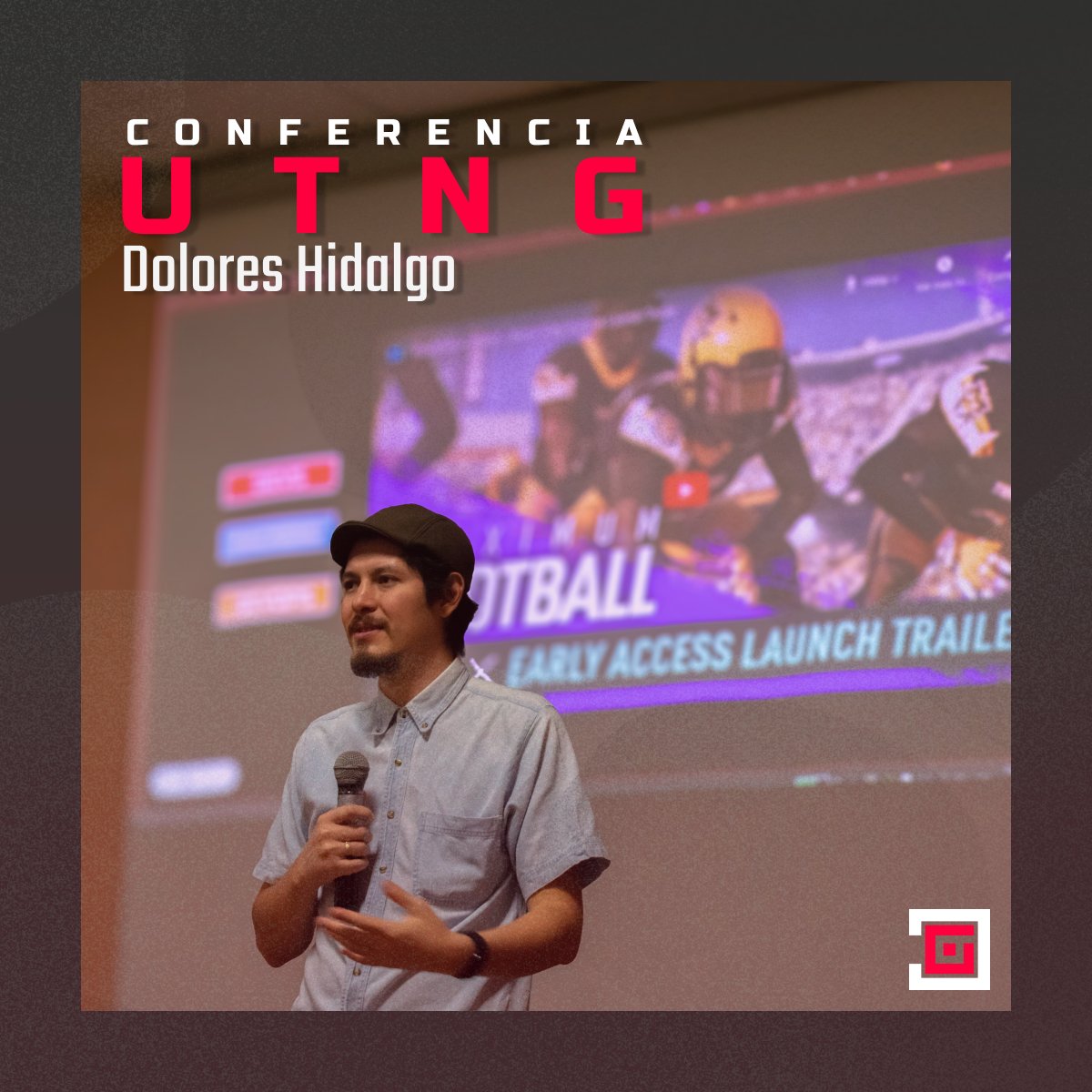
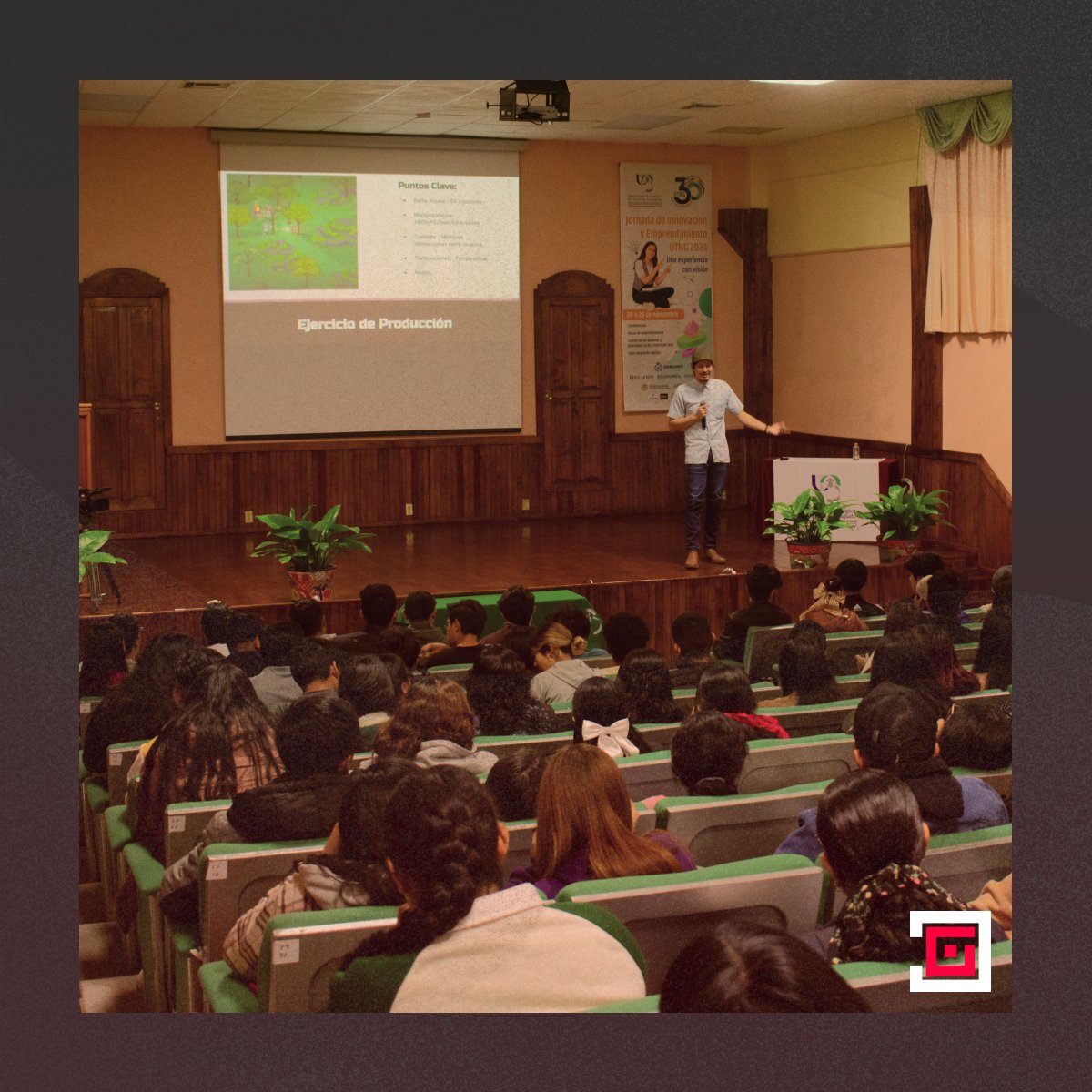
Evandro Patrón de GameCoder Studios inspiró a estudiantes de la UTNG con su conferencia México en Coproducciones Internacionales de Videojuegos. Habló sobre cómo emprender y desarrollar proyectos tecnológicos y creativos para destacar en la industria global.
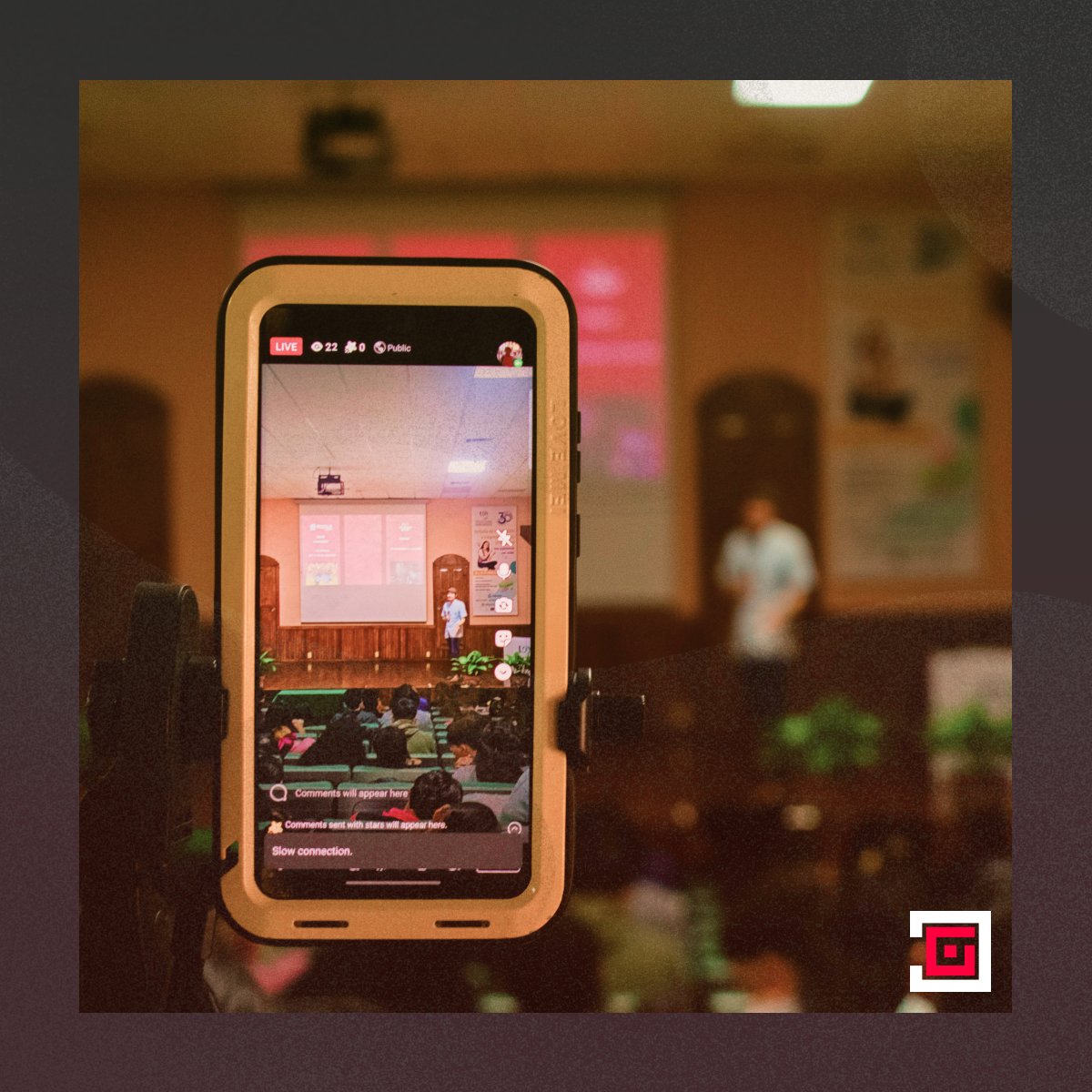
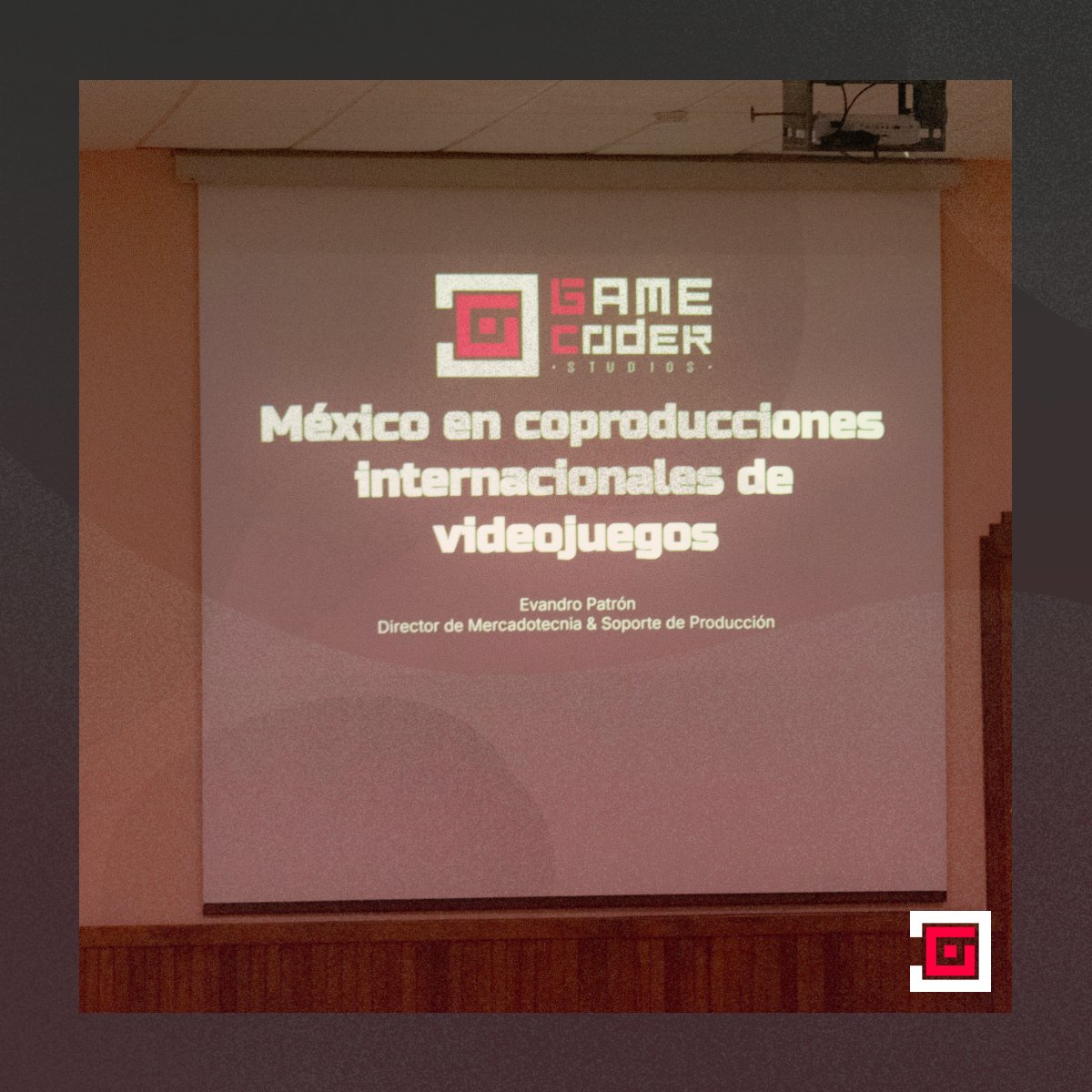
2
69
7 Nov 2024
Maximum Football is now live in Early Access on Steam! 🏈
Proud to share that GameCoder Studios contributed to gameplay programming and backend services for this release. Ready to step onto the field? Join us and shape the future of virtual football!
🔗 linktr.ee/gamecoderstudios
1
3
175
15 Aug 2024
GameCoder Studios x Kena: Bridge of Spirits Collaboration
Bringing the magic of Kena: Bridge of Spirits to Xbox!
nexus.gamecoderstudios.com/r…
#Xbox #console #KenaonXbox #indiegame #IndieGameDev #findtheRot
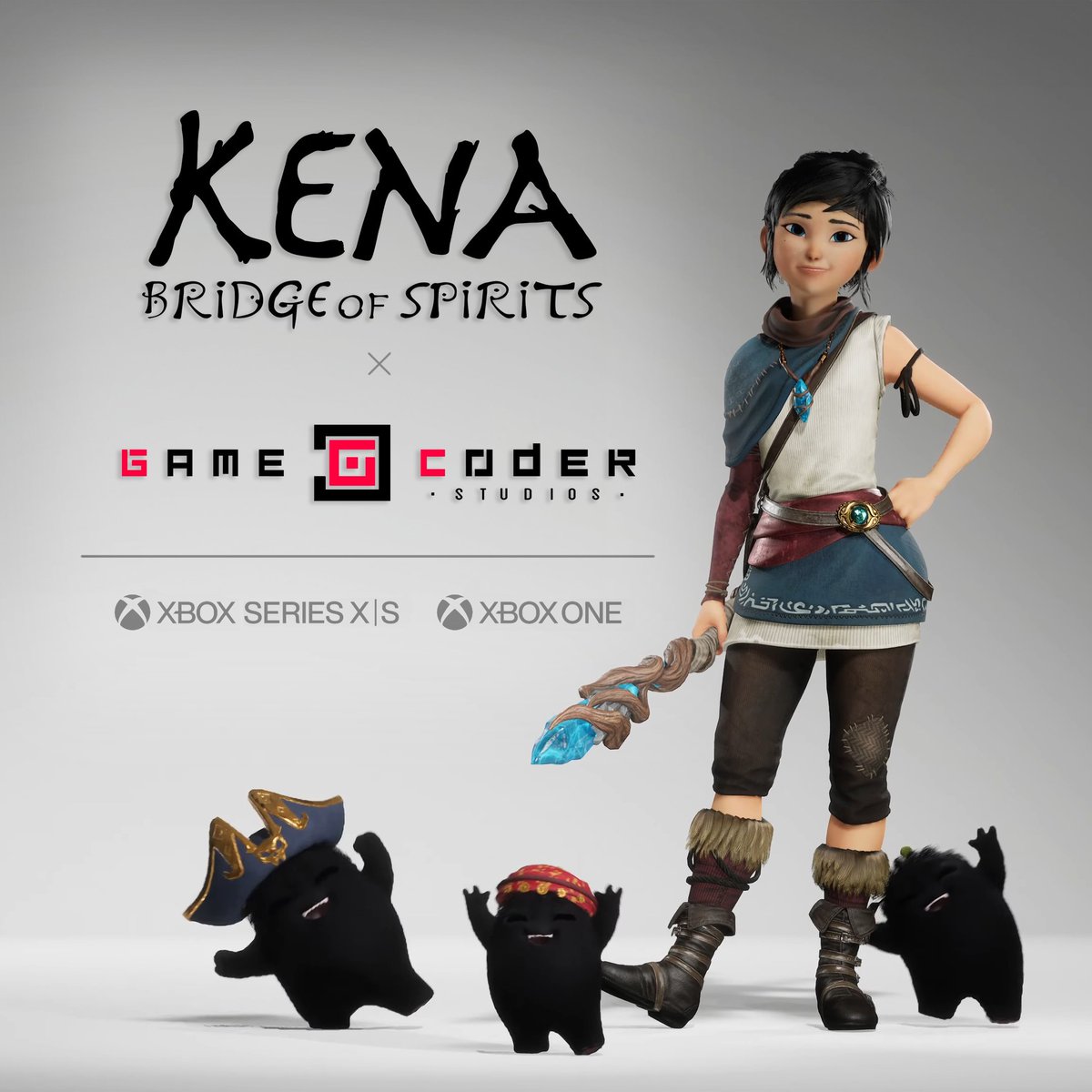
3
159

27 Feb 2024
#Guanajuato | Reunión estratégica: DIF Municipal y GameCoder Studios por el futuro tecnológico de Guanajuato
celayanews.com/estado/reunio…
3
909

The GameCoder Studios team were DREAM partners as the porting team making sure our game was a blast on all platforms. Thanks, gang!!!
16 Jan 2024

🌟🔍 Meet Lil Guardsman - A Unique Adventure of Wit and Deduction! 🎮 Join Lil, a 12-year-old heroine, as she takes on her father’s guard duties. Interrogate a myriad of fantastical creatures and decide their fates! Coming soon to PS4/PS5/Xbox/PC. #LilGuardsman #FantasyAdventure
3
10
750
20 Nov 2023
🎉¡Celebramos 11 años en GameCoder! 🎮
Desde nuestro primer título hasta el último, gracias por ser parte de este viaje.
➡️ Géneros variados, personajes memorables y momentos épicos.
🙏 A nuestra comunidad, ¡son los MVPs!
👇 Comparte tu juego favorito👇
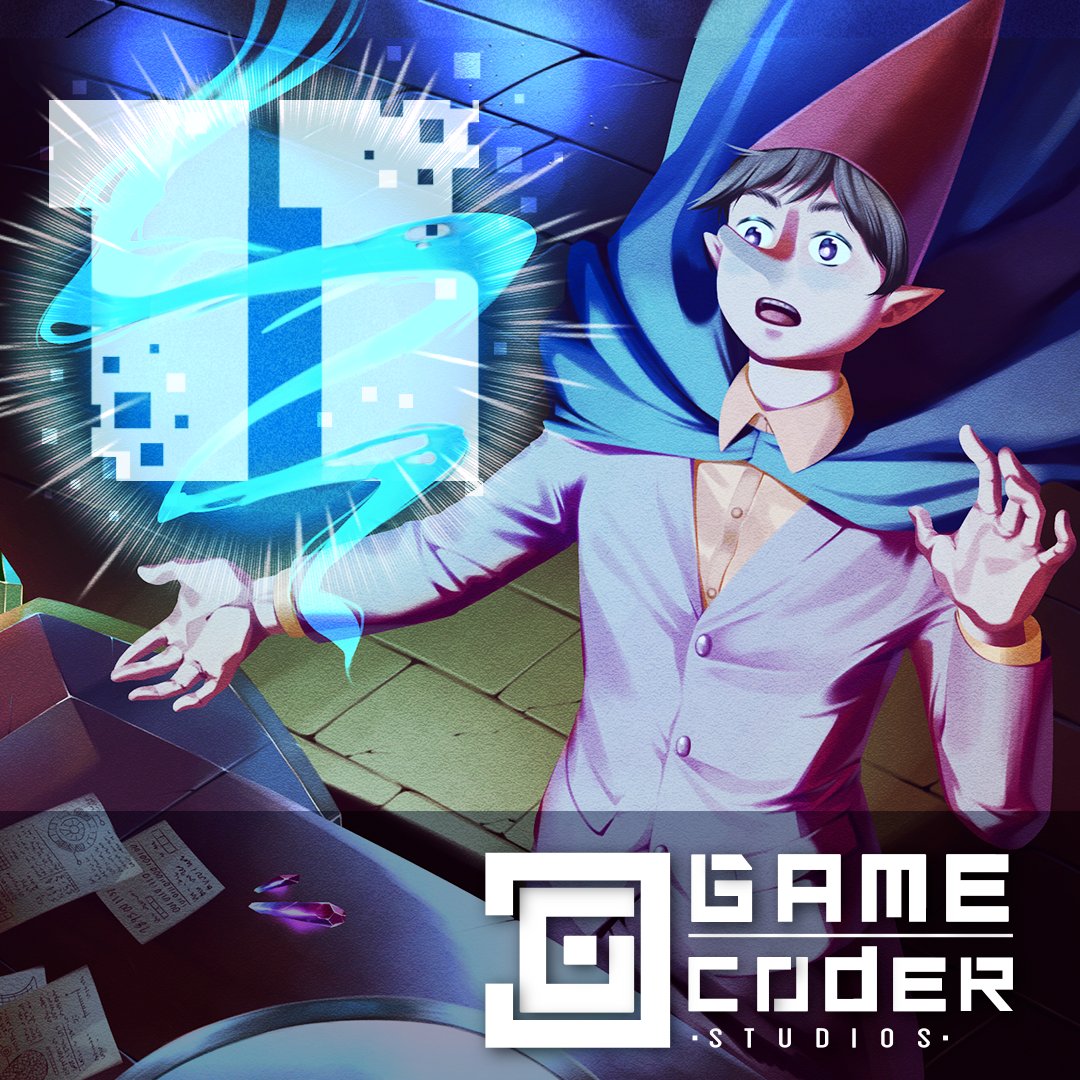
1
2
8
296