
17 Jul 2025
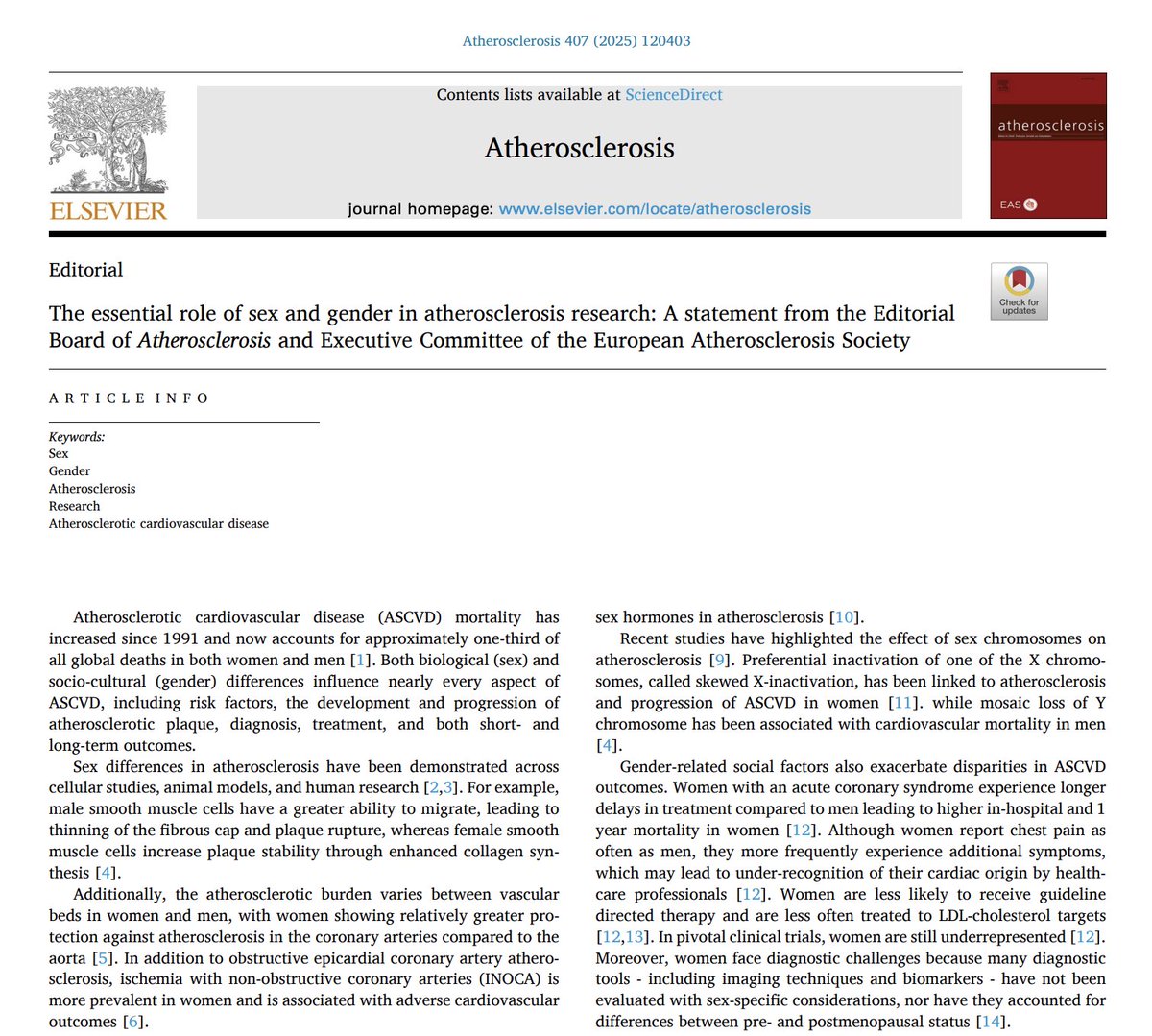
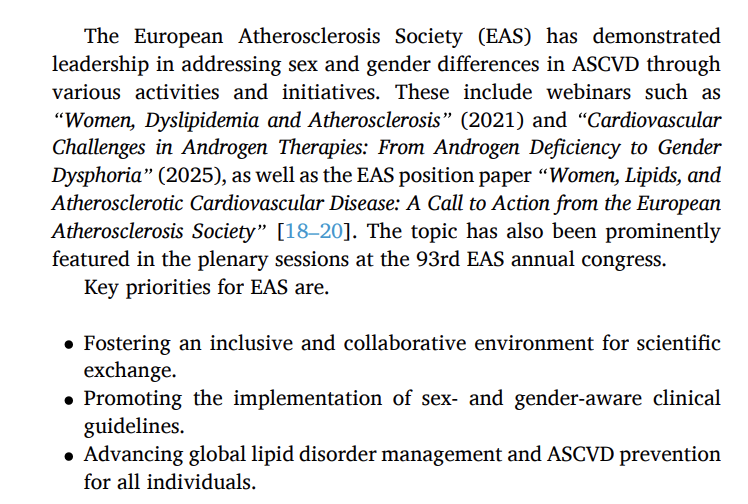
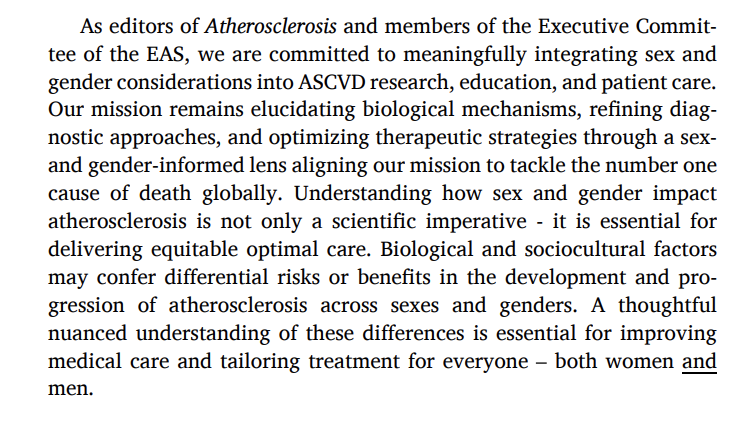
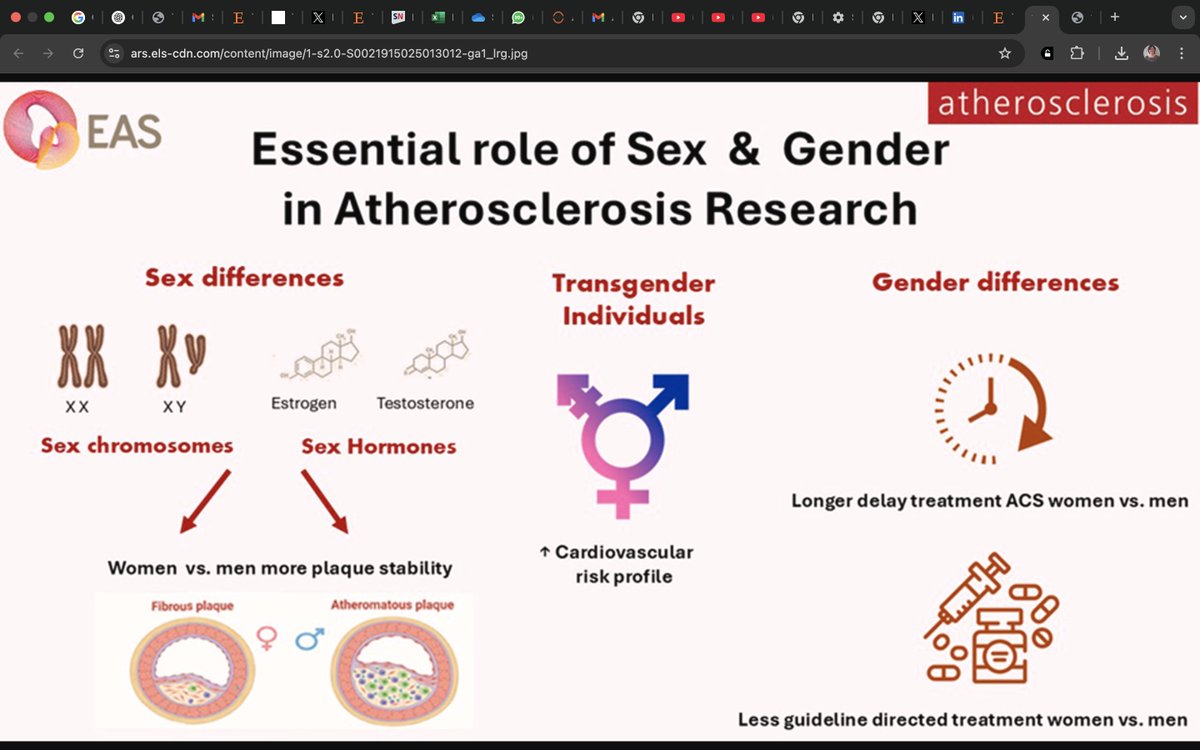
Published in Atherosclerosis; Our joint editorial by @society_eas EC & the @ATHjournal editorial board — reaffirming the critical need for #sex & #gender integration in ASCVD research & clinical care.
🧬 Sex hormones, chromosomes & social roles all matter.
⚠️ Without this lens, care remains incomplete.
📈 INOCA, therapy gaps, underrepresentation in trials — we must do better.
🙏 😍A special thank-you to @j_rvl for leading this important initiative.
📖 doi.org/10.1016/j.atheroscle…
#ASCVD #SexDifferences #GenderInScience #Cardiology #WomenInCardiology #EAS2025 #CardiovascularResearch #Atherosclerosis #EquityInCare #cardioX @ProfKausikRay @BNordestgaard @LaleTokgozoglu @drpablocorral @mirvatalasnag @MaximaMendez15 @KatiOorni @FedericaFogacci @KronenbergLab @Drroxmehran @mirvatalasnag @BiykemB @mmamas1973 @WomenAs1
@noshreza
@lamcardio
1
14
37
3,090

11 Jun 2025
🚨 Male lead authors are more likely to have papers retracted—especially for misconduct like plagiarism.
👩🔬 Female-led research shows fewer retractions overall.
📚 Science needs not just rigor, but integrity.
🔗 doi.org/10.1016/j.joi.2025.1…
#AcademicPublishing #GenderInScience
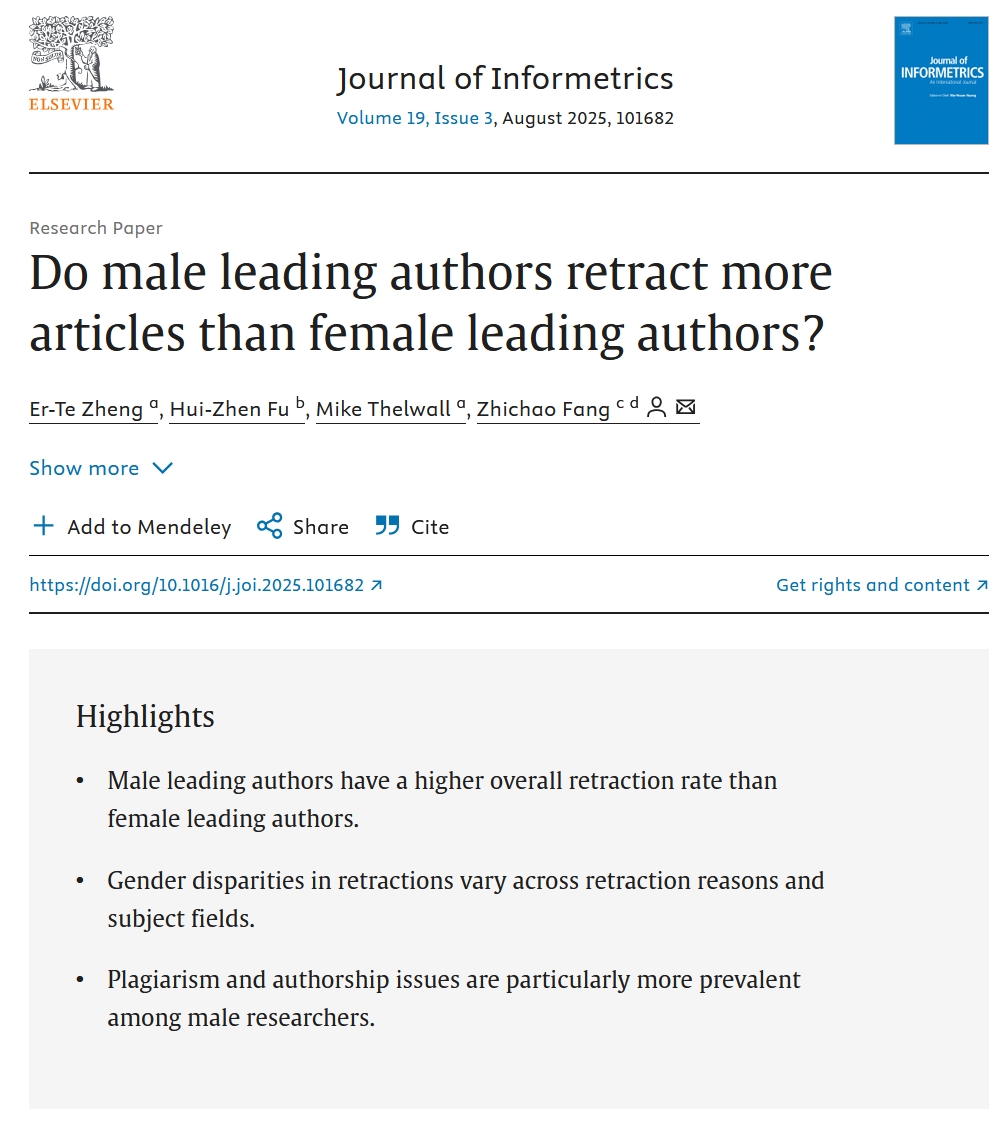
ALT Article: Do male leading authors retract more articles than female leading authors?
1
23
96
8,874

7 Jun 2025
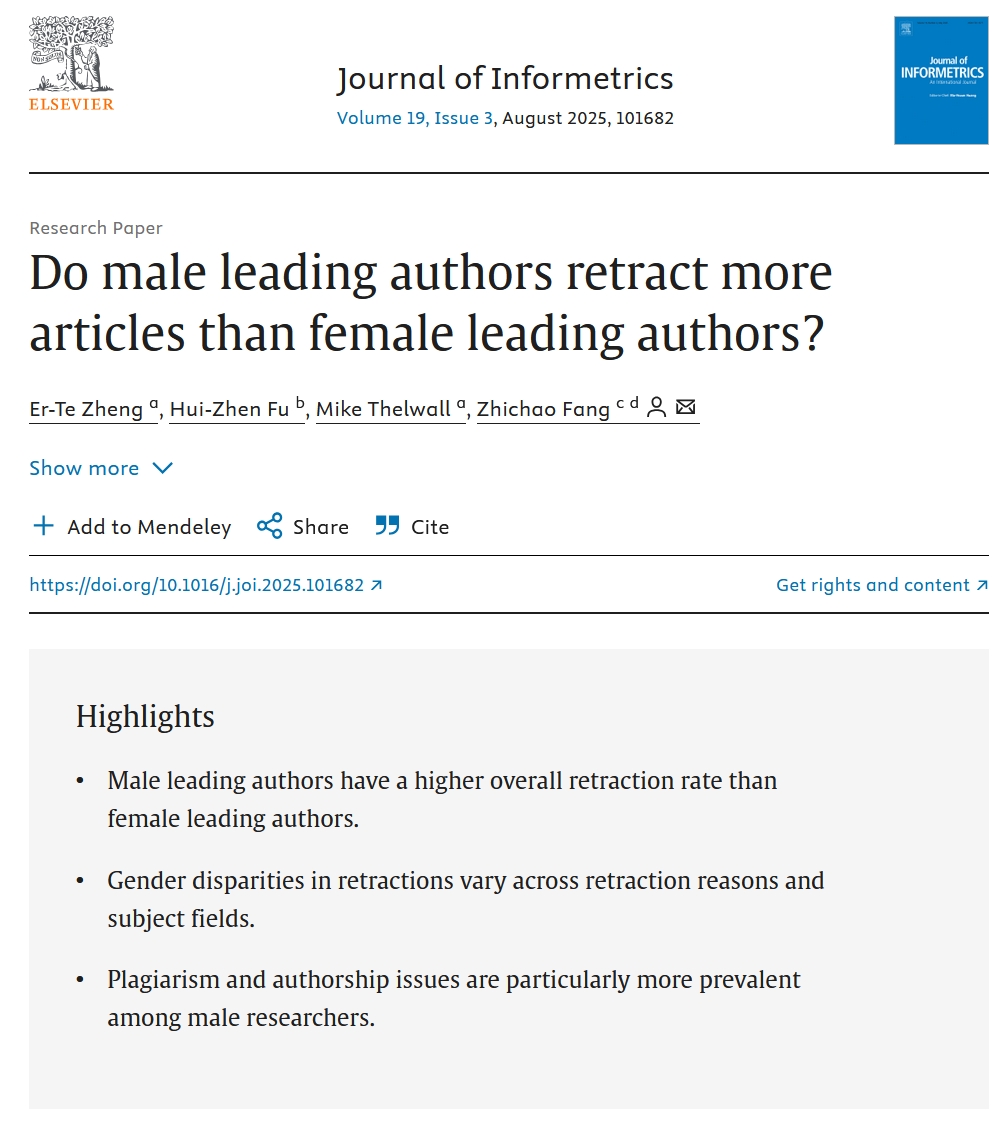
Our new study finds that male leading authors have higher retraction rates than female leading authors—especially for misconduct (e.g., plagiarism, authorship issues)
Read more: authors.elsevier.com/c/1l7bD…
#AcademicPublishing #GenderInScience #Retractions
1
14
63
8,267

13 Sep 2024
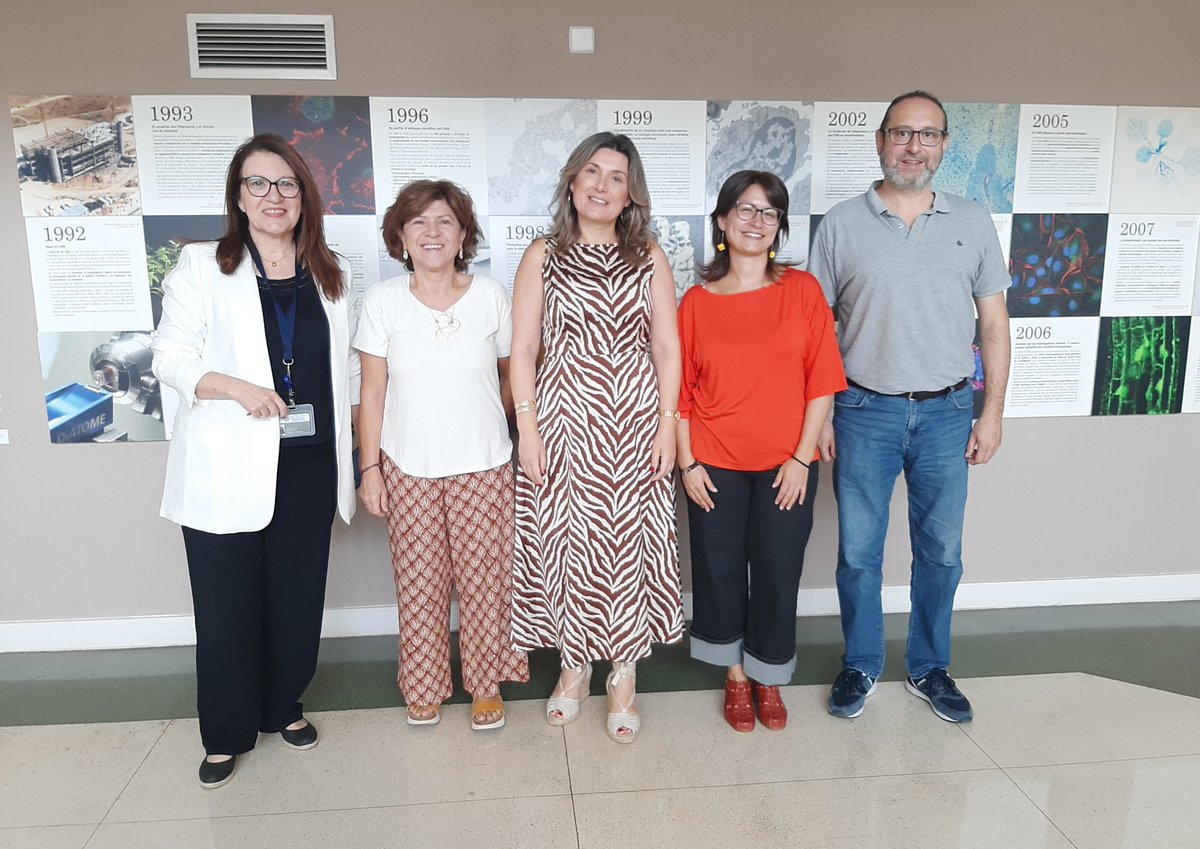
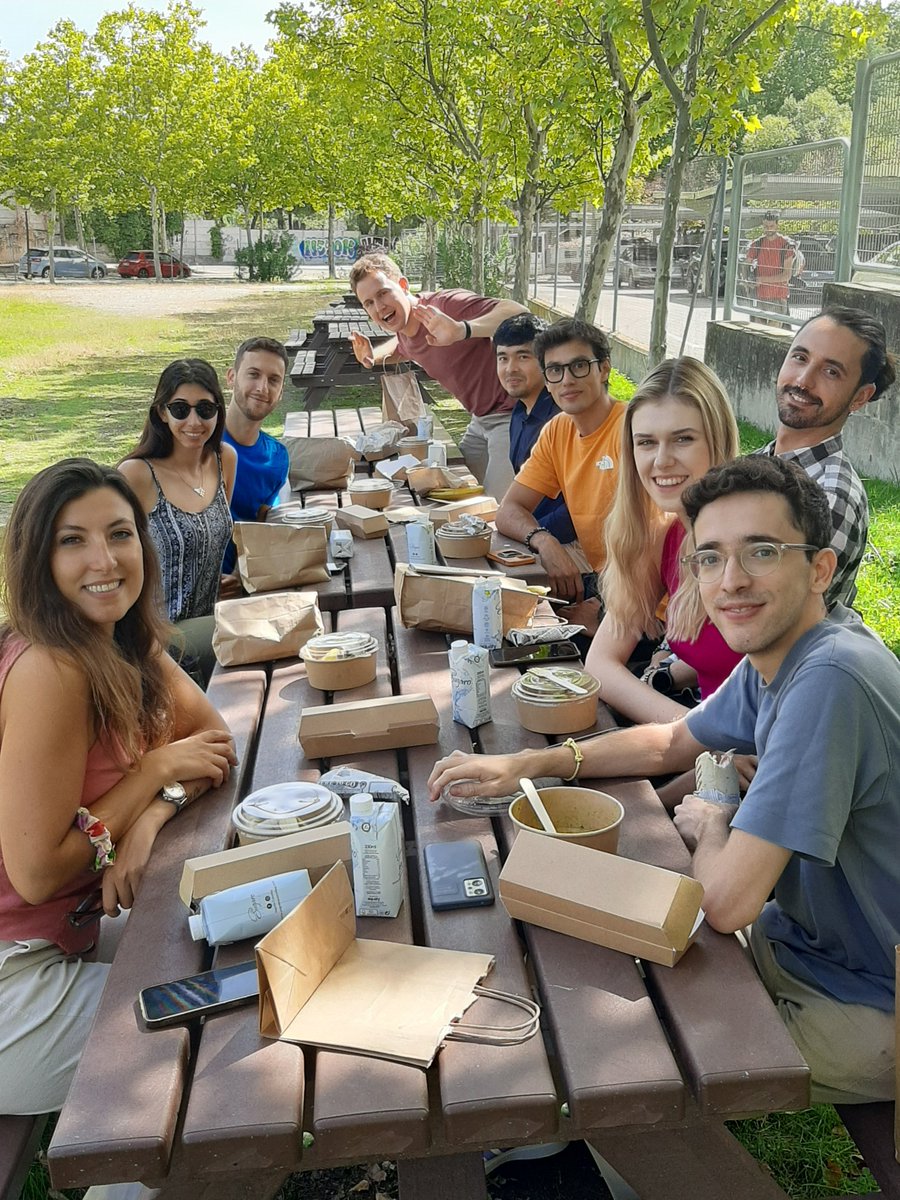
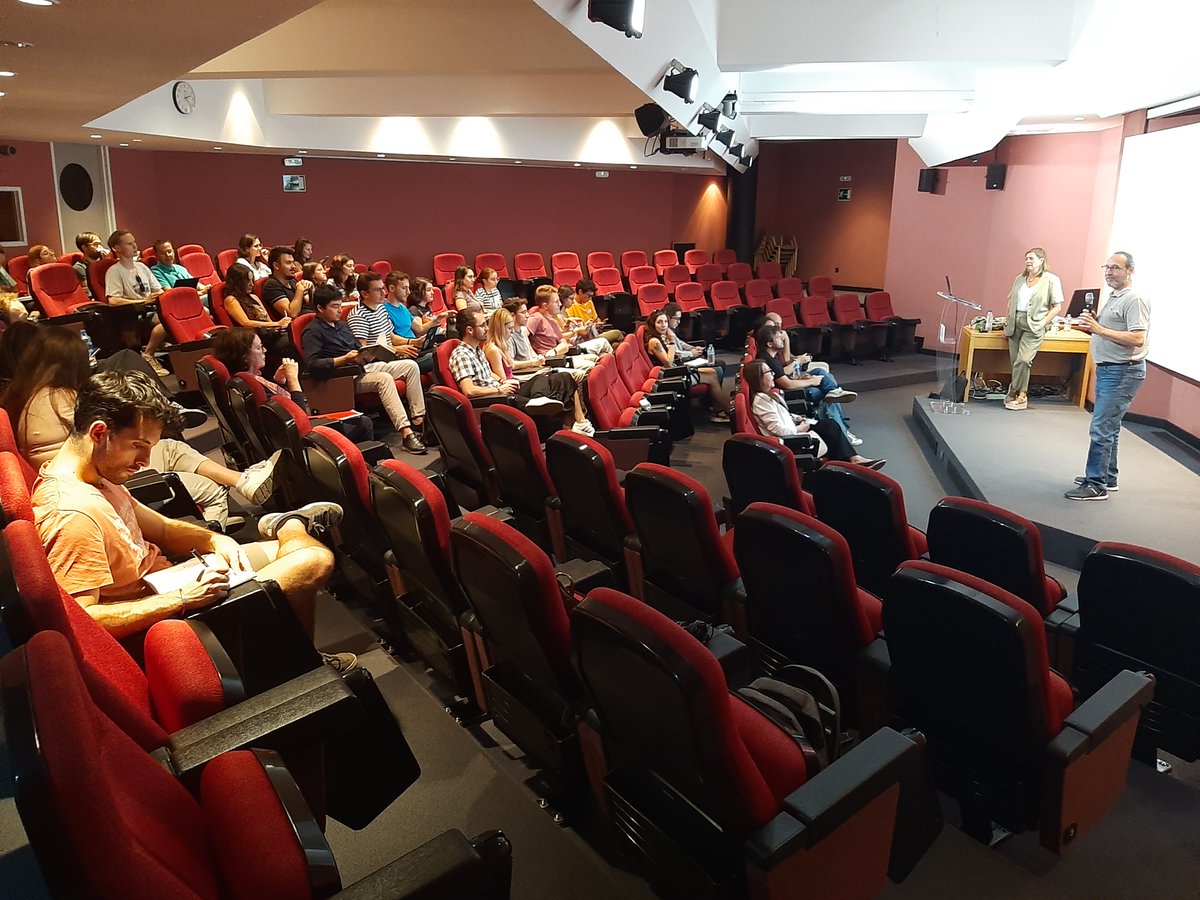
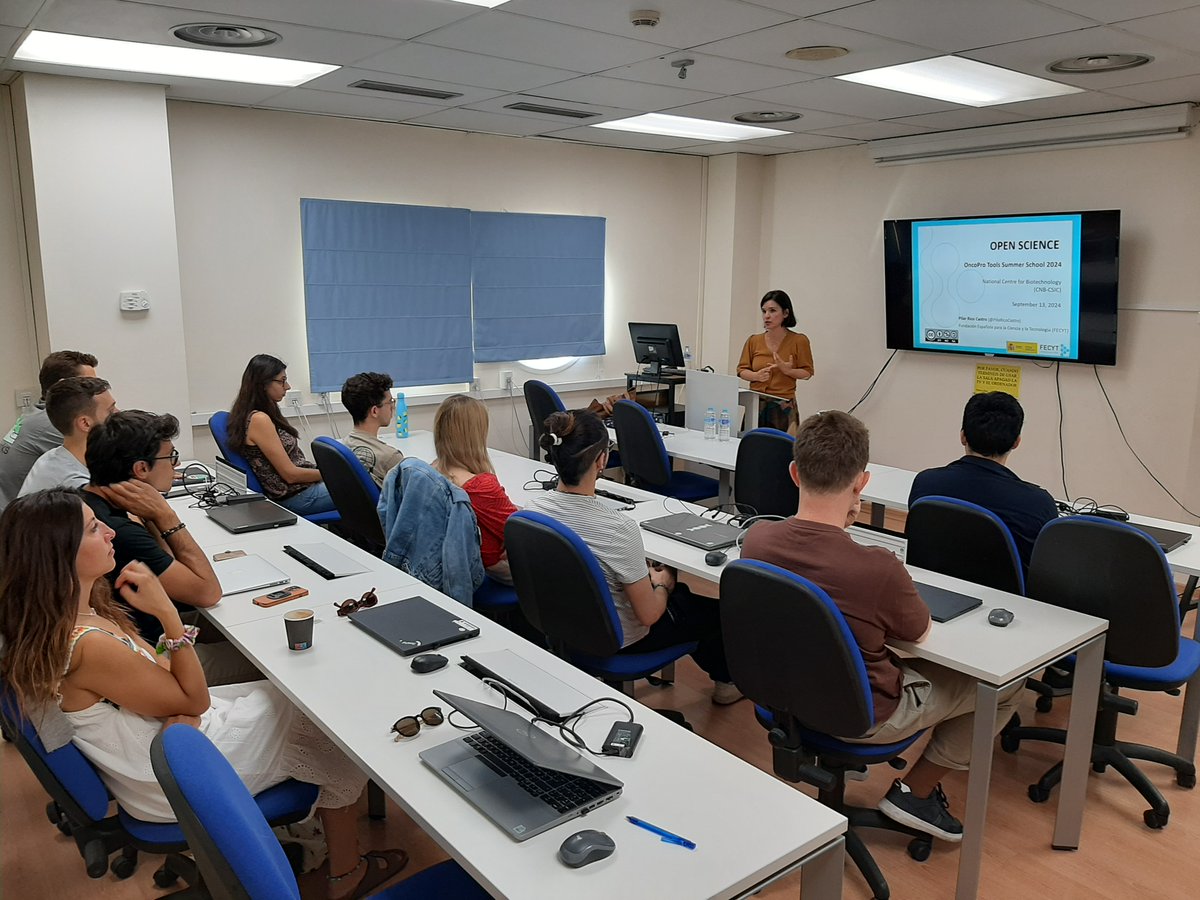
🚀 The OncoProTools Summer School 2024 is underway in Madrid at @CNB_CSIC! With inspiring talks on #GenderinScience, cutting-edge #AI by @BigData_uc3m, and key insights on #OpenScience by @FECYT_Ciencia. Excited for the 3 days ahead! 🌟
#cancerresearch #H2021 @MSCActions
5
11
311

9 Nov 2023
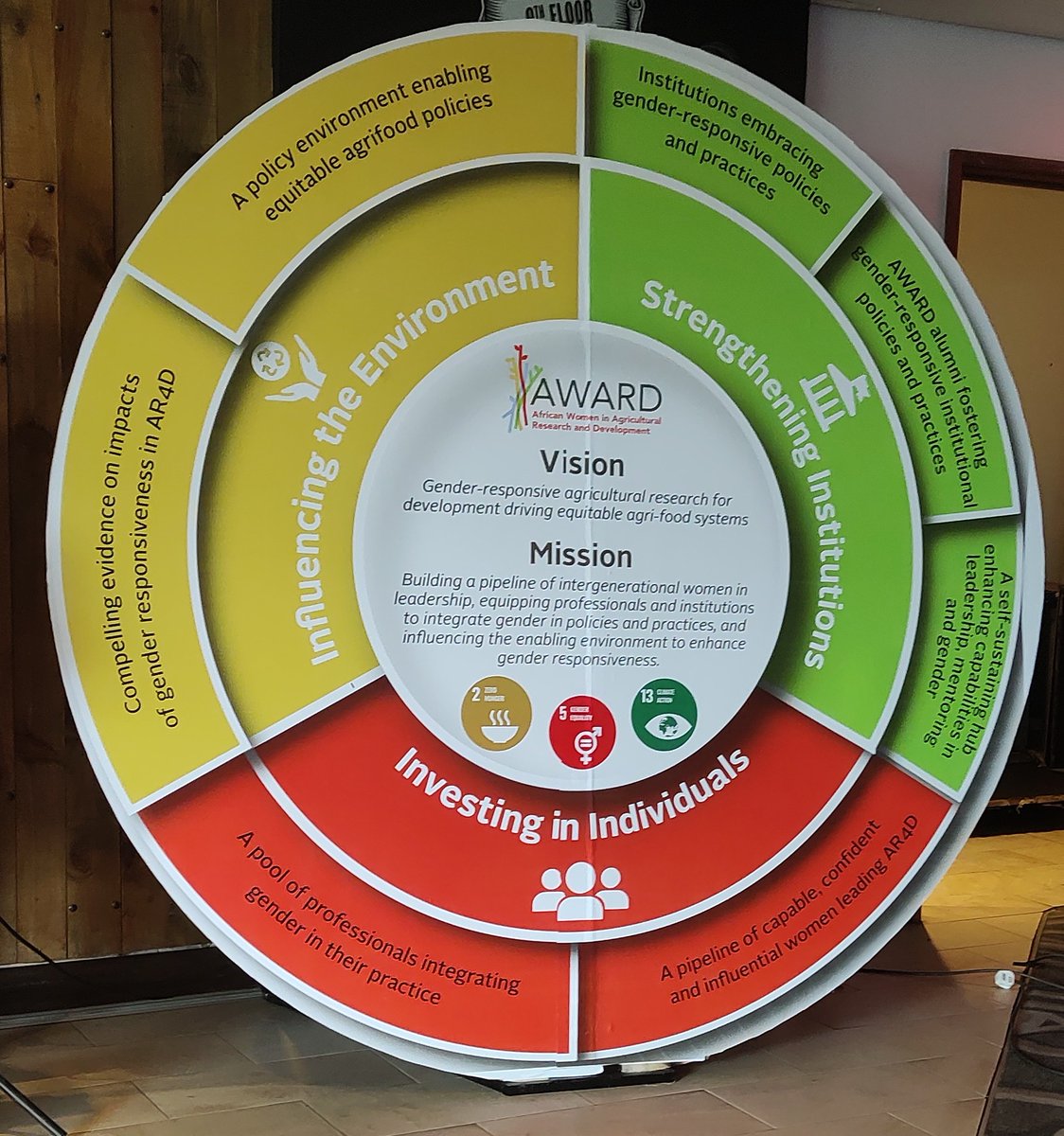
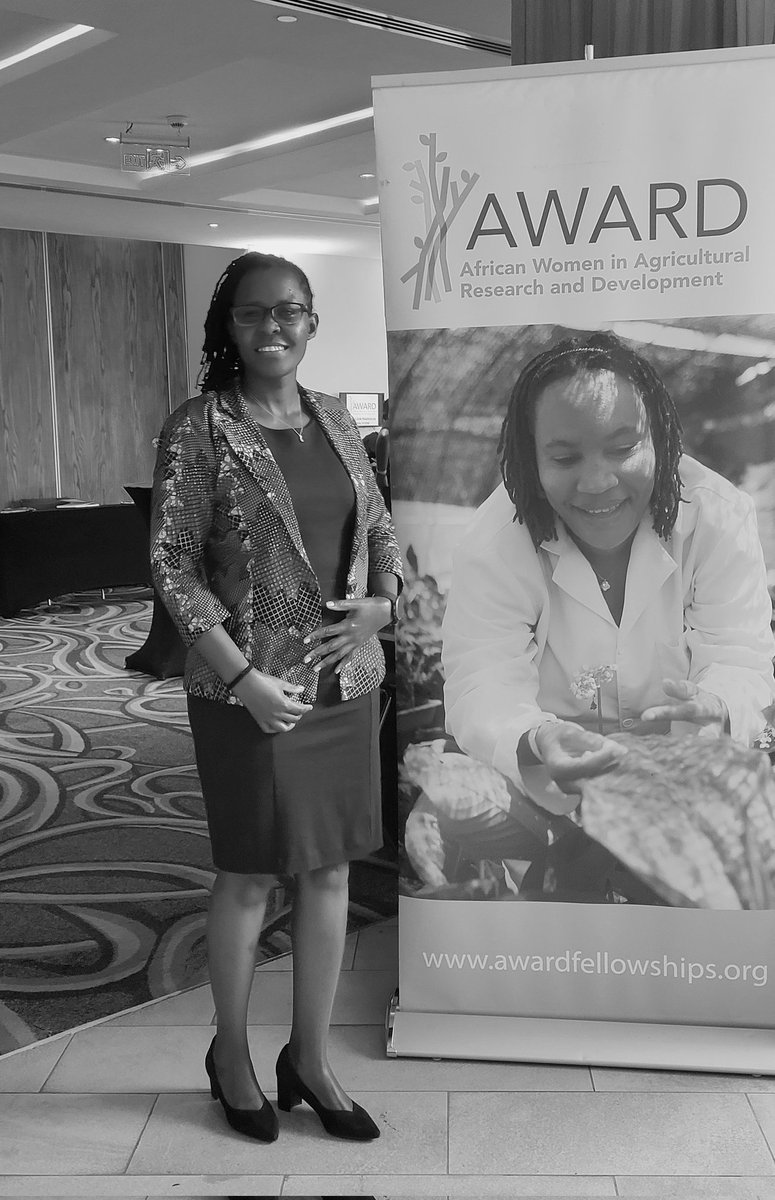
AWARD strategy 2023-2027 unavailing
#genderinscience
#genderinagricuture
#WomeninAgriculture
#WomenInSTEM
1
1
4
87

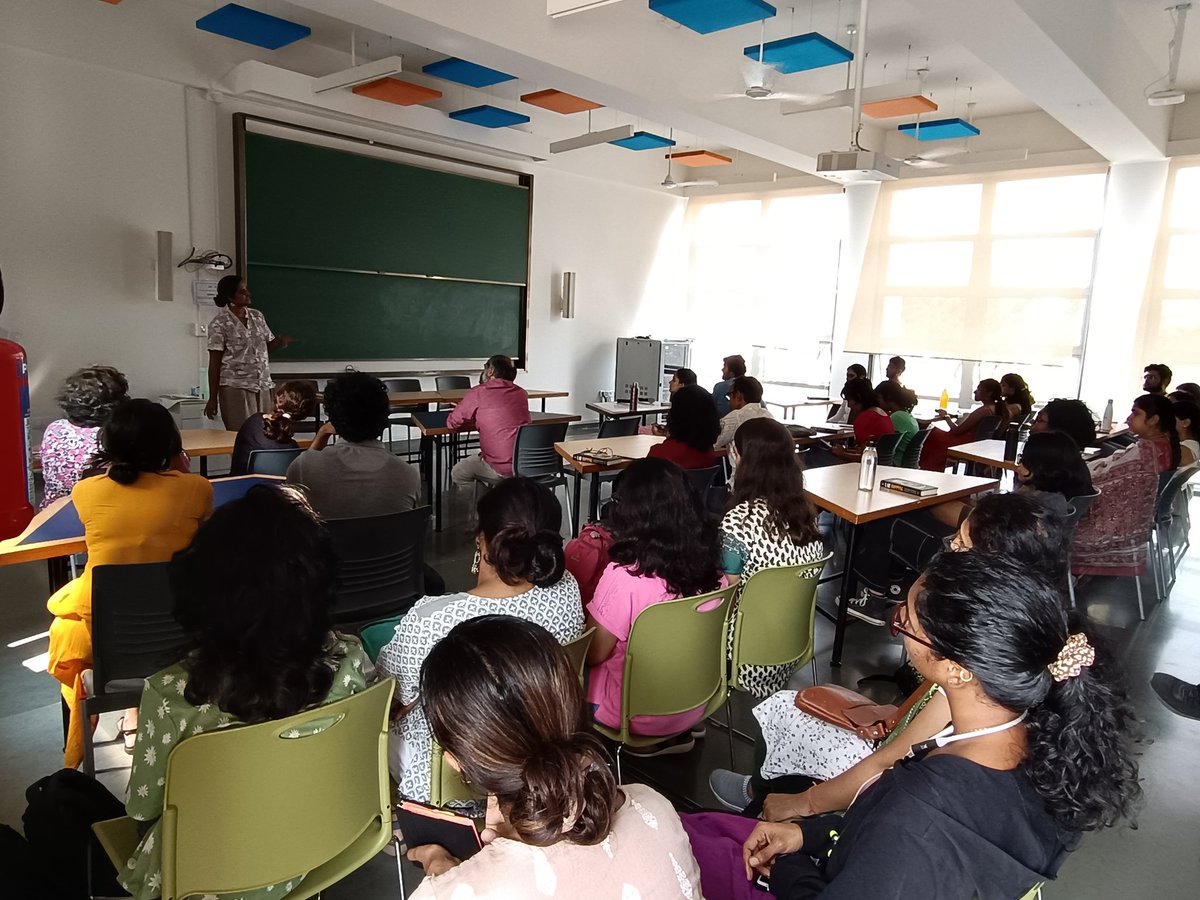
Awesome to have @nandita_j speak of her book with @aashimafreidog @labhopping on our campus. Thanks for sharing your journey with us! Panel discussion with our faculty @priya_tamma , Tarun, and student Meghana.. Highlighting issues of #genderinscience
1
5
40
2,421

25 May 2023
Kiinnostavaa tietoa ICT-asiantuntijoina toimivien naisten osuudesta EU:ssa. #segregaatio #tasaarvo #genderinscience
25 May 2023

👩💻The share of women working as #ICT specialists experienced a marginal decline in 2022 compared with 2021 (18.9% compared with 19.1%) in the EU.
Highest shares in:
🇧🇬Bulgaria (28.9%)
🇷🇴Romania (25.2%)
Lowest:
🇨🇿Czechia (10.9%)
🇭🇺Hungary (13.6%)
👉 europa.eu/!dnmxkN
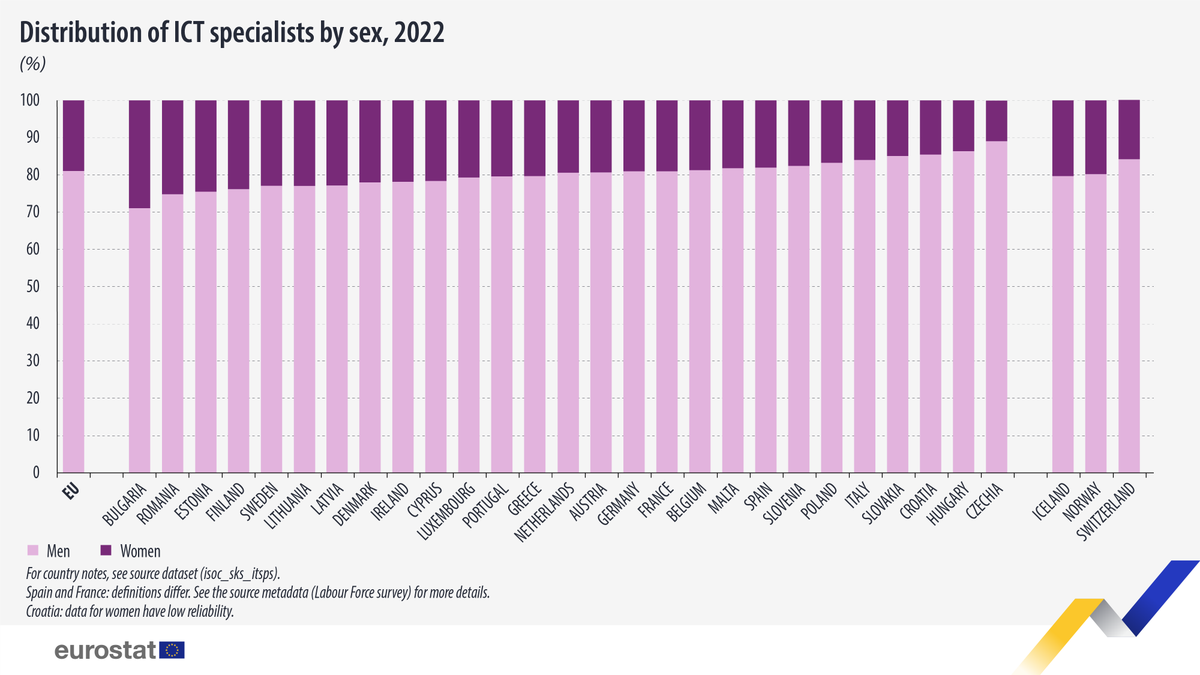
ALT Bar chart, distribution of ICT specialists by sex, 2022, percentage, EU Member States and EFTA
1
1
196

16 May 2023
What is the state of #publishing in #OpenAccess across #gender and disciplines? Check out our preprint on #STI2023. With @lukasz_szymula, we analyzed a dataset of over 20 million publications from @OpenAlex_org.
doi.org/10.55835/6442b2f80dd…
#genderinscience #oa
2
5
961

12 Dec 2022
Make sure to register and join us for the first symposium hosted by the UPMC Hillman Women's Initiatives Taskforce on January 18, 2023! #genderinscience #WIT @UPMCHillmanCC @PittTweet
sites.google.com/view/hccwit…
1
4
5

3 Nov 2022
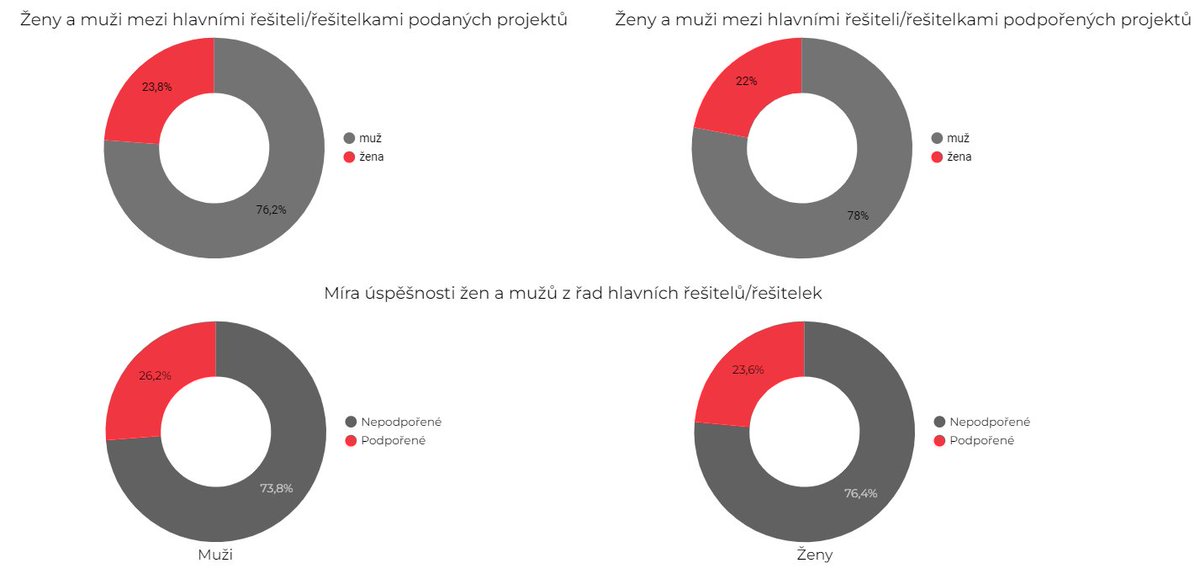
Genderová rovnost v aplikované vědě v ČR. Žen žádá méně, ale mají mírně vyšší úspěšnost v projektových žádostech. Zdroj #TAČR. #Gender #Genderinscience
1
5

20 Sep 2022
Great team! Just wondering if the reference to beauty would be similar in case of all-male group. #genderinscience
1
2

13 Sep 2022
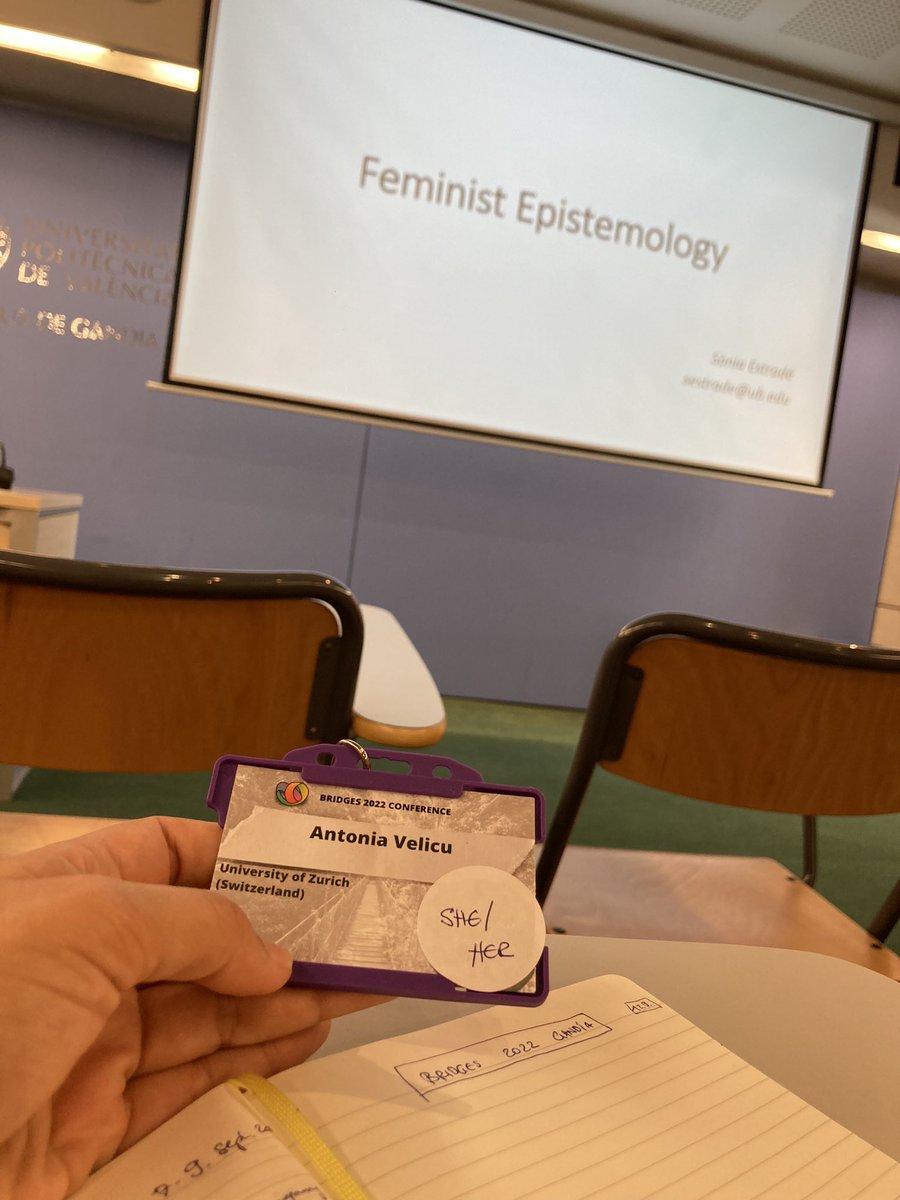
Yesterday was the first day of @bridges2022 and it started with extremely interesting workshops. #genderinscience #feminism
1
1
12

24 Jun 2022
Thank you Katalin for being a role model for women in science #WomenInScience you are very inspiring for the next generation and I hope that we can help them to pave their way! #genderinscience
23 Jun 2022

It was so emotional to receive the award together with these 14 fantastic women @4womeninscience
1
2

4 Apr 2022
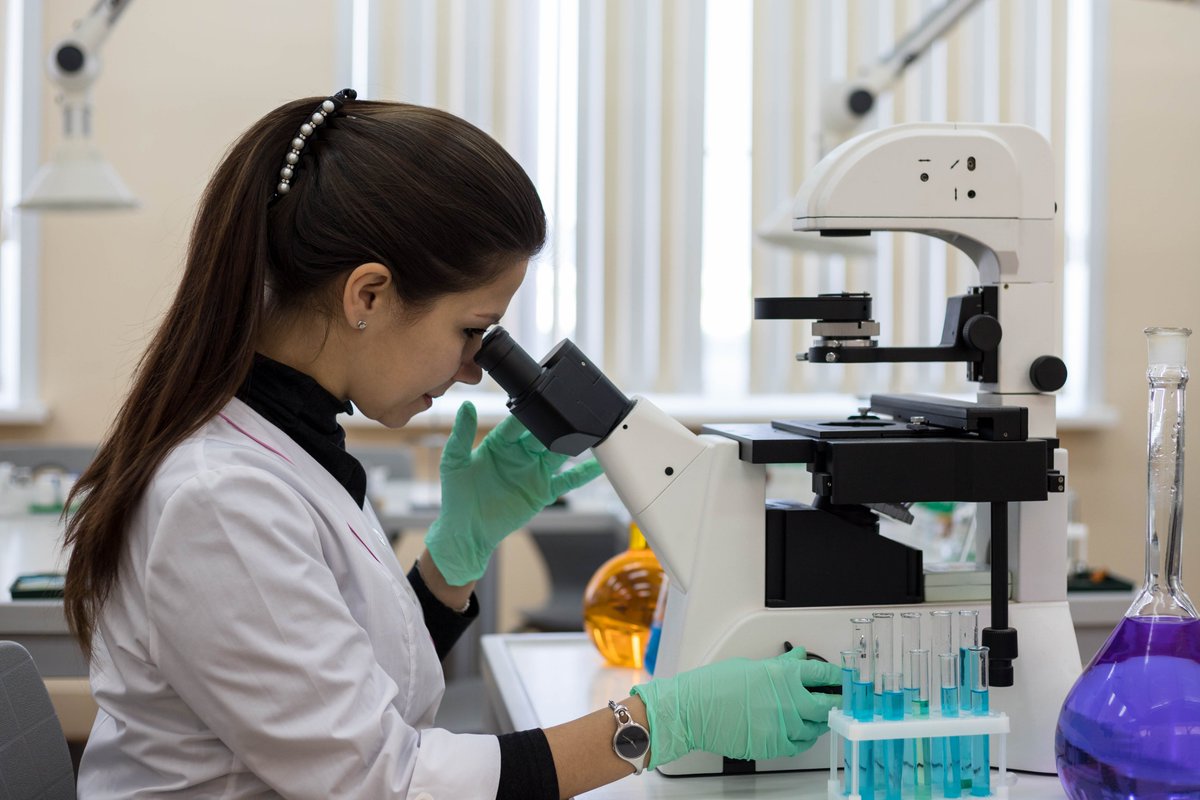
Our Gender Committee is meeting today!
Check out more about their aim and tasks in our website:
plasticheal.eu/en/news/proje…
#Gender #WomeninScience #GenderinScience #Equity
1
3
7 Feb 2022
Important reflections by Päivi Korvajärvi on the gender troubles in research and innovation work in Finland @NordwitNCOE @TampereUniSOC #genderinscience #SheFigures
7 Feb 2022

Why is the personal experience so important when discussing potential gender impacts?
Read Päivi Korvajärvi's reflections on the gender troubles in research and innovation work in Finland 🇫🇮
nordwit.com/2022/02/07/gende…
#gender #research #innovation
3

14 Oct 2021
Congratulations, Prof. Anne McCoy! 👏👏🏿👏🏼 The #ACS announced that they will present the Francis P. Garvan–John M. Olin Medal for distinguished service to chemistry to McCoy in San Diego in 3/2022.
chem.washington.edu/news/202…
#leadership #genderinscience #womeninSTEM #awardwinner
2
17

13 Oct 2021
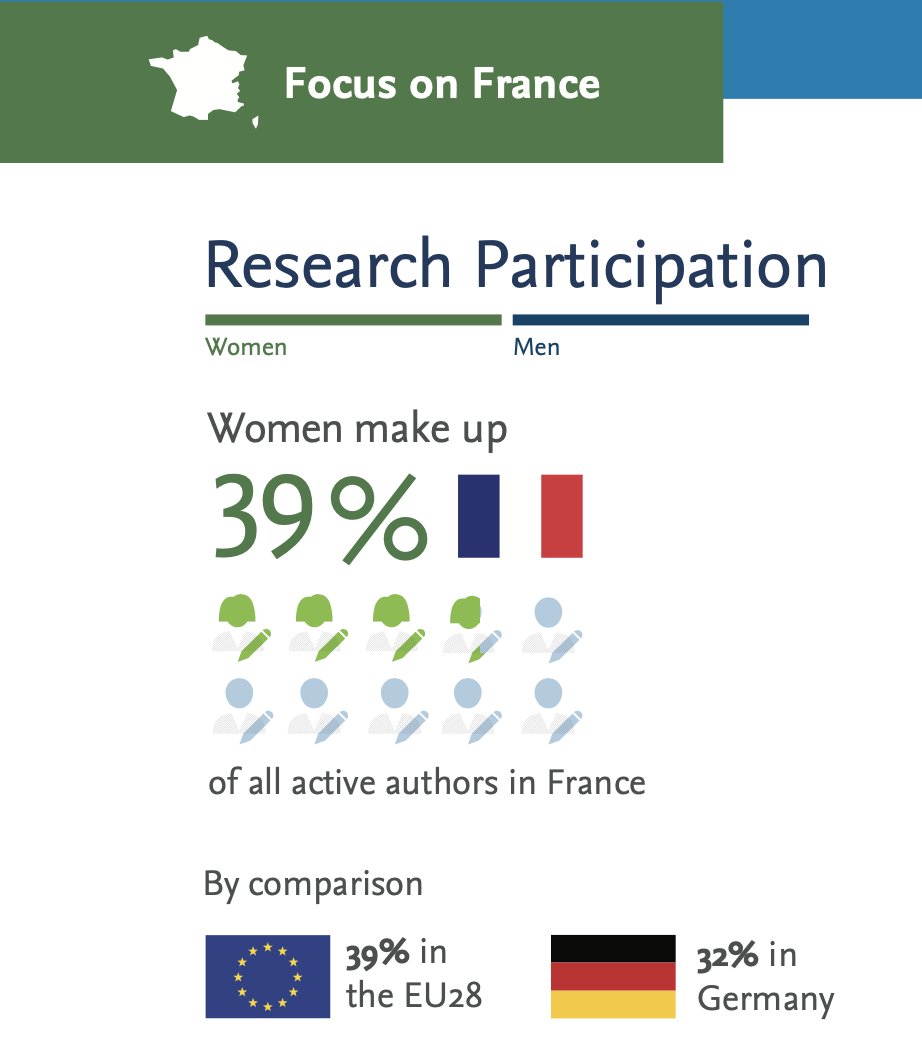
39% of French 🇫🇷 researchers are women 👧 . The quality of their research is comparable to that of their male counterpart. (Source Elsevier Gender Report) #gender #Genderinscience #WomenInSTEM @mindthegeps_eu
2
5

13 Sep 2021
@csugimoto will be one of the keynote speakers at our international research symposium Funded and Unfunded Science stss.flu.cas.cz/all/events/r… October 4-5, 2021 Prague with @hlageek #genderinscience #scienceofscience
1
7

23 Mar 2021
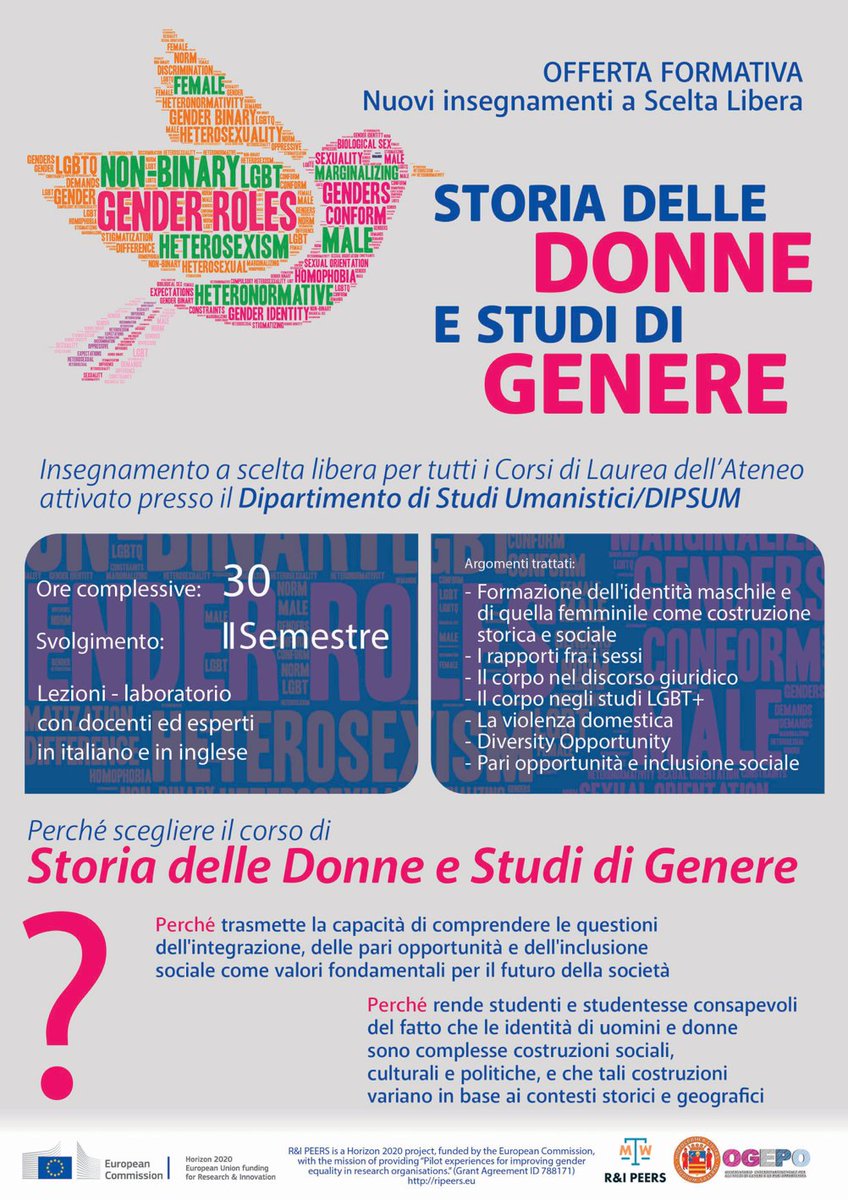
.@UniSalerno course "#Women’s history and #gender studies" got immense success among students and people outside the #academic world @ogepo1 #GenderEquality #GenderinScience
2

11 Feb 2021
The #digitalrevolution must be inclusive. Women are at risk of missing out. Only 26% of #AI & digital specialists are women. Are we asking the right questions as we code for automation? Read the @UNESCO Science Report's chapter on #genderinscience at bit.ly/3d1dn0b
4
8