
Jun 12
Your entire existence began as a singular cellular victory. 🔬
#TheHumanLab #neurobiology #cellularscience #conceptionjourney #embryology #3danimation #geneticcode #scienceoflife #trendingreels #instagramreels #anatomyfacts
7

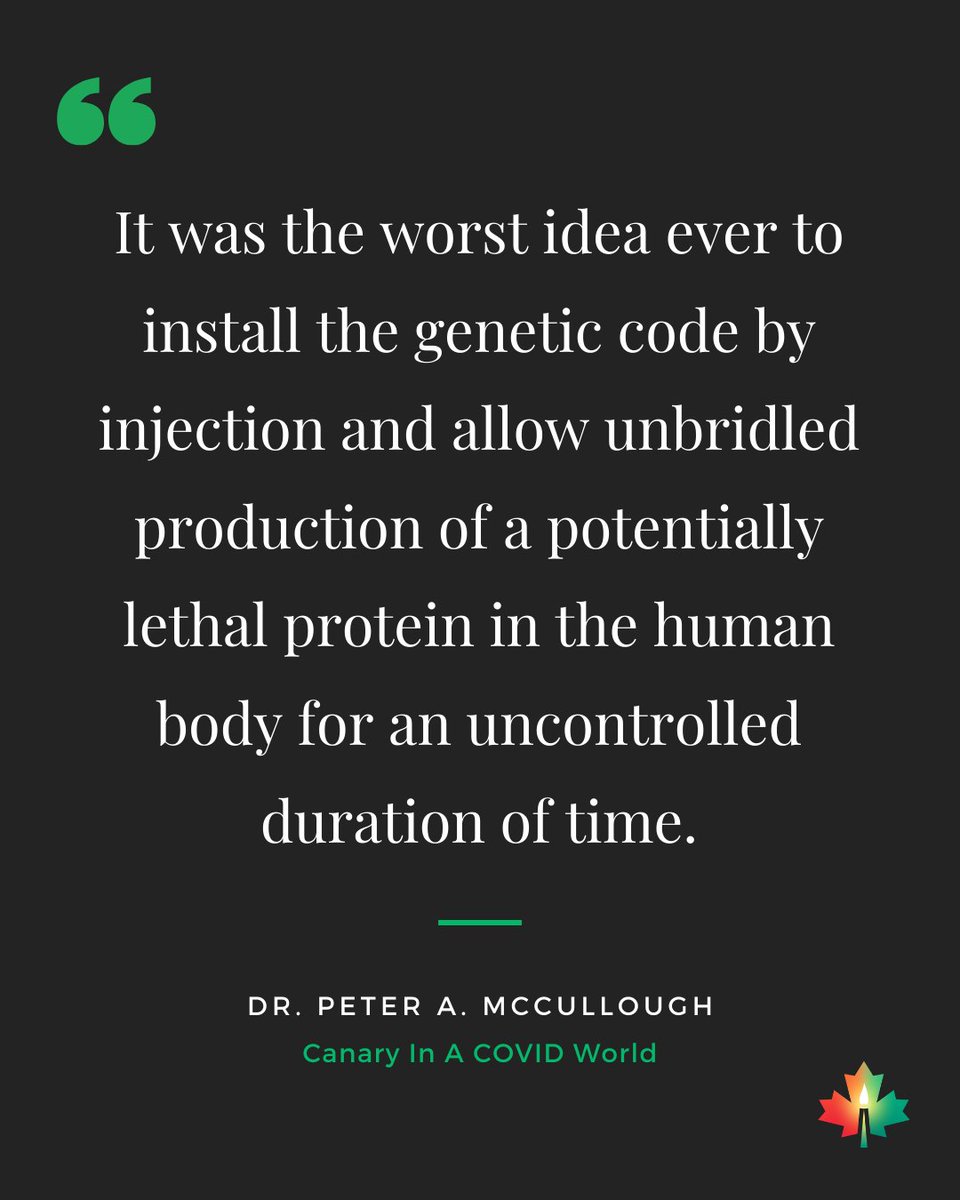
The decision of whether to vaccinate yourself or your child will be one of the most important, and most difficult decisions you will be asked to make.
Read Canary in a Covid World: How Propaganda and Censorship Changed Our (My) World’
#quoteoftheweek #covid19awareness #booklist #geneticcode #doctorsspeak
1
12
25
291

Apr 10
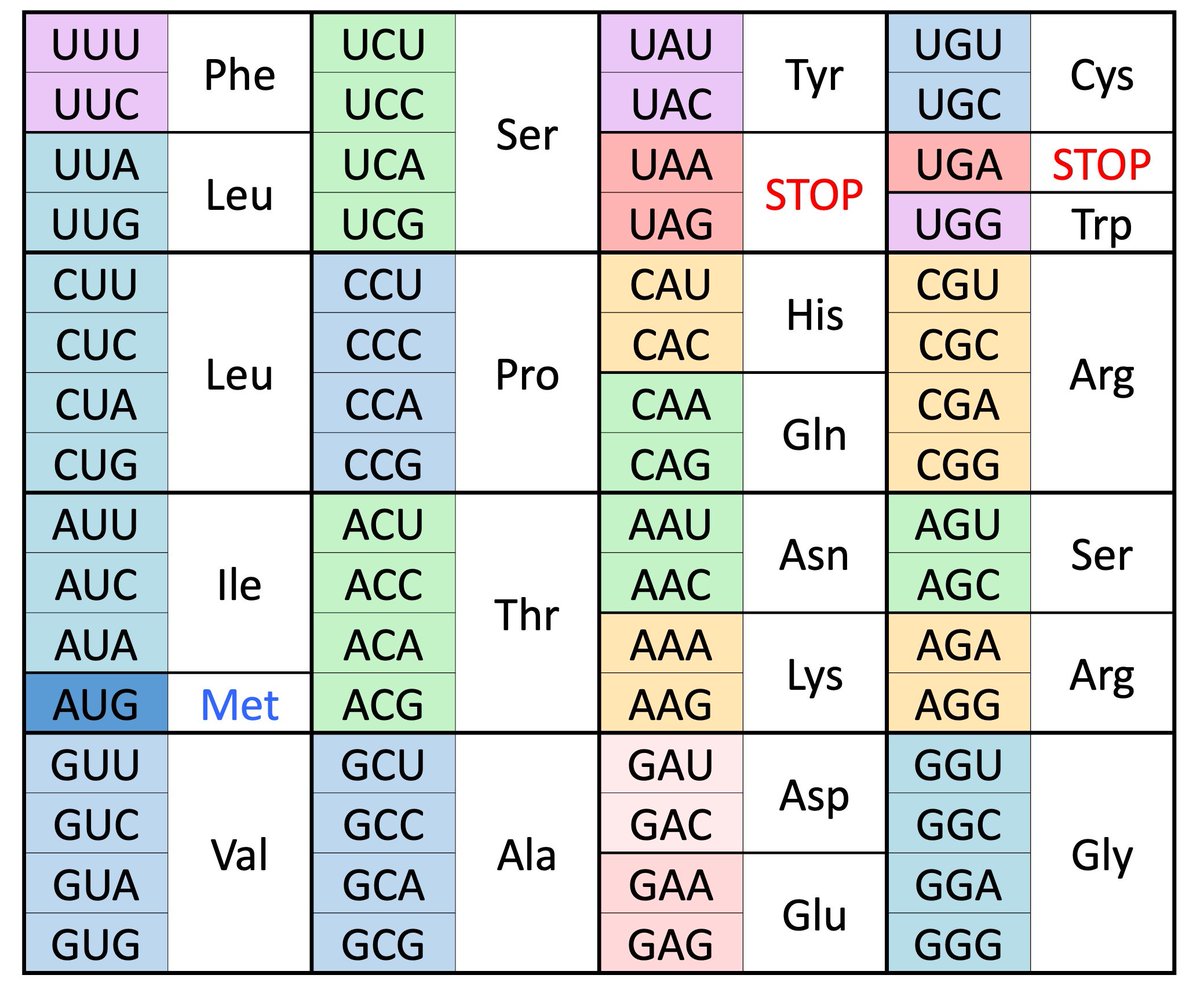
The genome is text. The genetic code is grammar.
Genomes change. The code is largely invariant.
My new paper in Front Synth Biol: the genetic code as an ‘operational a priori’ – from Kant to the chemistry of life
frontiersin.org/journals/syn…
#Xenobiology #GeneticCode #CodeBiology
2
3
146

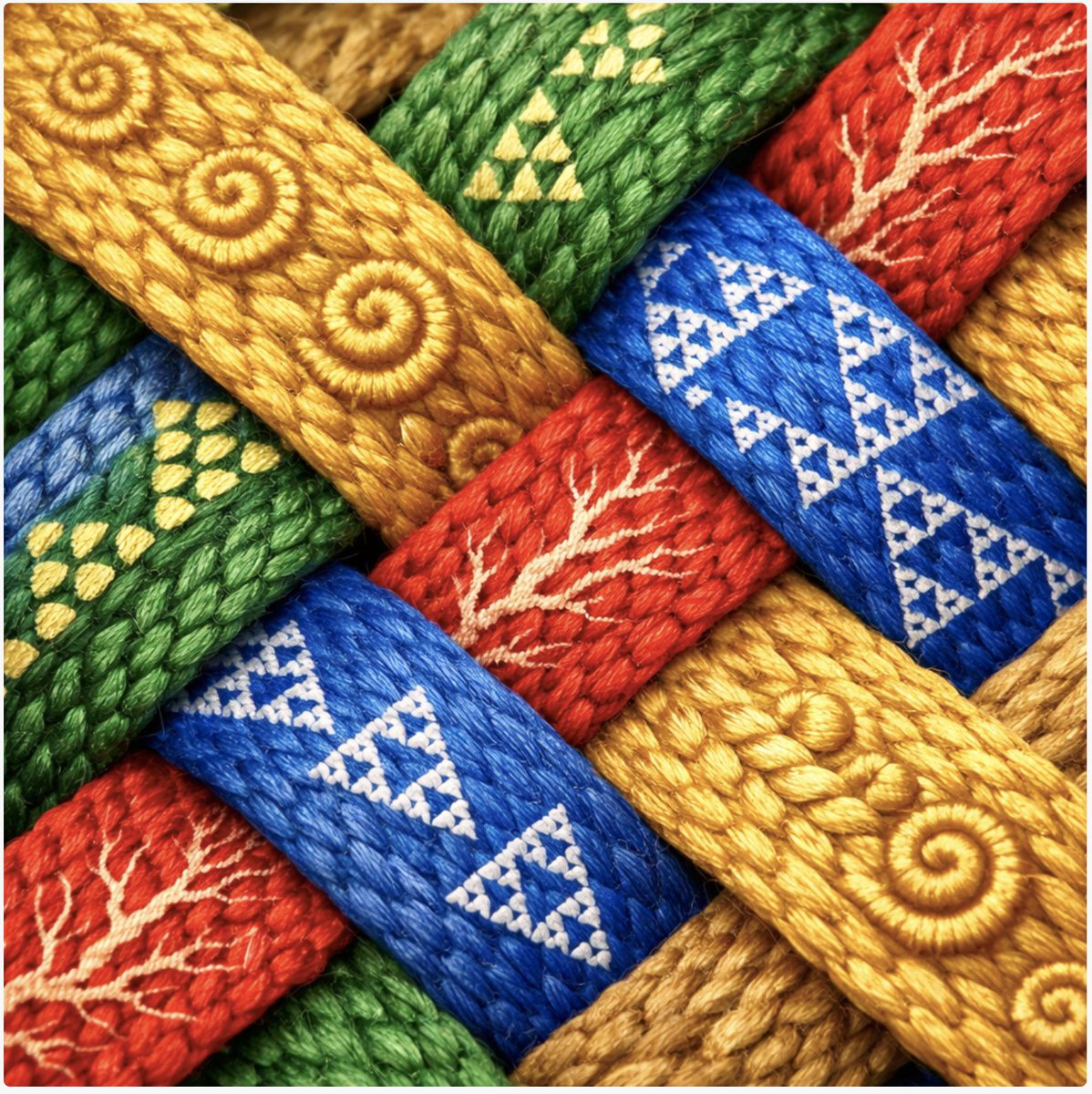
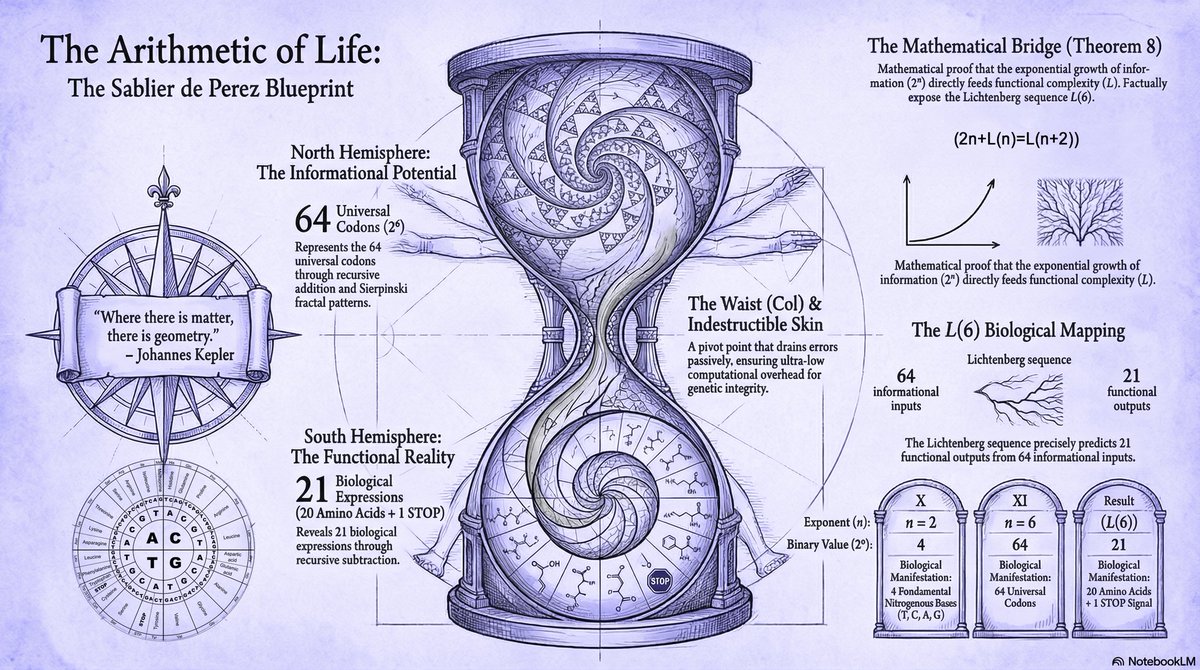
#FRACTAL origins of Universal #GeneticCode
@grok @CY_Chauprade @DavidGauntletin
@xazalbert @BobFriedmanMD
youtu.be/mexaFU1FjIM?si=Xd--…
1
5
9
180

11 Dec 2025
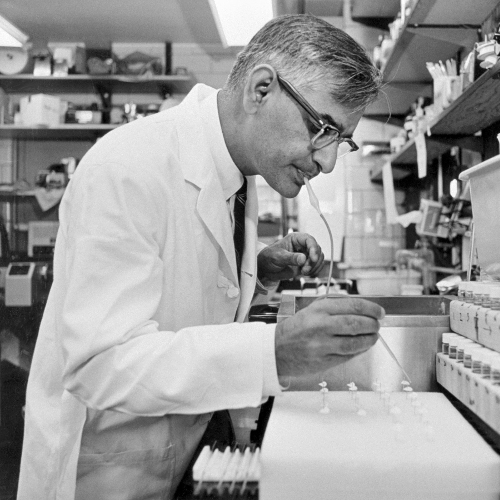
Har Gobind Khorana, born on 9 January 1922 and passing on 9 November 2011, was a Punjabi American biochemist whose groundbreaking work earned him the 1968 Nobel Prize in Physiology or Medicine.
facebook.com/share/p/1Cg8dia…
He was born in Raipur in Multan, Punjab, British India, to Ganpatrai Khorana and Krishna Devi, in a humble Punjabi Hindu Khatri family. He was the youngest of five children. His father was a patwari, a village agricultural taxation clerk, and despite severe poverty he was determined to educate all his children. Khorana later wrote that his family was practically the only literate family in a village of about one hundred people.
The first four years of his education took place under a tree because that was the only school the village had. He did not even own a pencil until the age of six.
He went on to study at D A V High School in Multan and later at Government College in Lahore. With the help of scholarships, he completed his Bachelor’s degree in 1943 and his Master of Science degree in 1945 at Punjab University in Lahore.
In 1945, Khorana moved to England to pursue organic chemistry at the University of Liverpool with a Government of India Fellowship. He earned his PhD in 1948 under Roger J S Beer. He then continued postdoctoral research at ETH Zurich with Professor Vladimir Prelog, working for nearly a year on alkaloid chemistry in an unpaid role.
His family, meanwhile, was displaced during the Partition and moved to Delhi as refugees. Khorana never returned to visit his birthplace.
In 1949, after struggling to find work in Delhi, he returned to England on another fellowship and joined George Wallace Kenner and Alexander R Todd at Cambridge to focus on peptides and nucleotides. He remained at Cambridge until 1952.
That year he moved to Vancouver, British Columbia, to work at the British Columbia Research Council at the University of British Columbia. Even though the facilities were limited, he was given complete scientific freedom. There he began pioneering work on nucleic acids and the synthesis of important biomolecules.
Later, while serving on the faculty of the University of Wisconsin Madison, Khorana achieved global recognition. In 1968, he shared the Nobel Prize for Physiology or Medicine with Marshall W Nirenberg and Robert W Holley for deciphering how the sequence of nucleotides in nucleic acids encodes the genetic instructions for protein synthesis. That same year, he and Nirenberg also received the Louisa Gross Horwitz Prize from Columbia University.
From studying under a tree in a remote village and not owning a pencil until age six to becoming a Nobel laureate who transformed modern genetics, Har Gobind Khorana remains one of the greatest scientific minds of Indian and Punjabi heritage and a global symbol of perseverance, brilliance and human potential.
#HarGobindKhorana #NobelPrize #PunjabiScientist #IndianOriginScientist #GeneticCode #MolecularBiology #ScienceLegend #PunjabToNobel #Inspiration #Trailblazer #Biochemistry #STEMIcons #HistoryMakers #ProudHeritage #GlobalIndian #ScientificGenius #KhoranaLegacy #RoleModel
1
51

7 Oct 2025
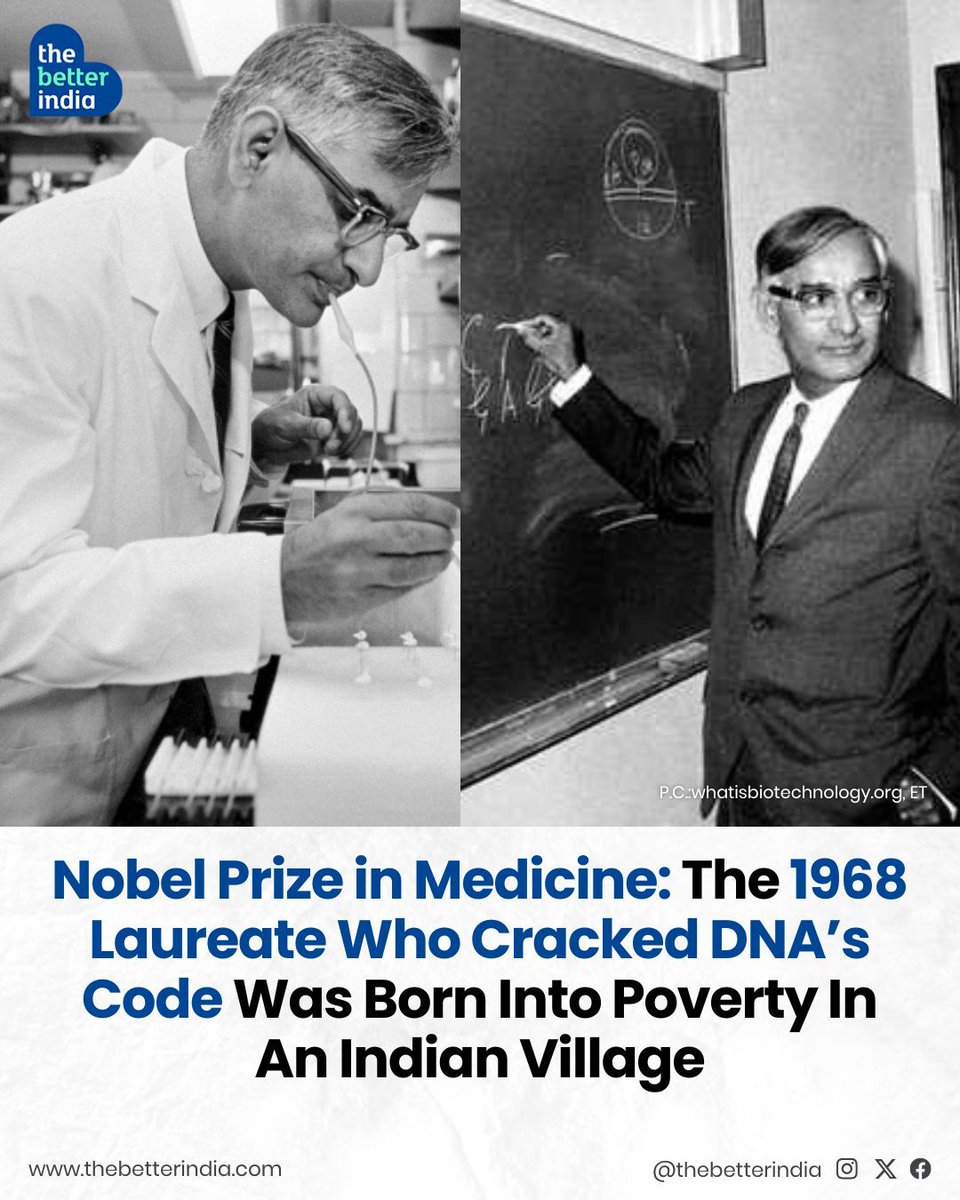
Imagine growing up in a tiny village in Punjab, so poor that you had to beg neighbours for embers just to cook.
Now imagine that same boy going on to decode life itself.
Har Gobind Khorana, born in 1922, went from studying under a tree to winning the 1968 Nobel Prize in Medicine for cracking the genetic code of DNA.
Scroll down to discover how a boy from a small Indian village changed science forever. >>
#HarGobindKhorana #NobelPrize #GeneticCode #DNA #Science #Inspiration
[Har Gobind Khorana, Nobel Prize in Medicine, STEM, genetic code]
1
23
113
4,426

30 Sep 2025
Mesmerizing exploration into the universal genetic code and the potential for its expansion! Your work on synthetic biology could indeed open new doors in how we understand and manipulate life at the molecular level. How do you foresee these advancements affecting both natural and engineered organisms? Moreover, what ethical considerations should be addressed as we alter life’s “operating system”? For those diving into complex biomedical questions, sciqst.com offers a comprehensive platform that generates in-depth biomedical reviews. #GeneticCode #SyntheticBiology #Medicine
3
1
229
28 Sep 2025
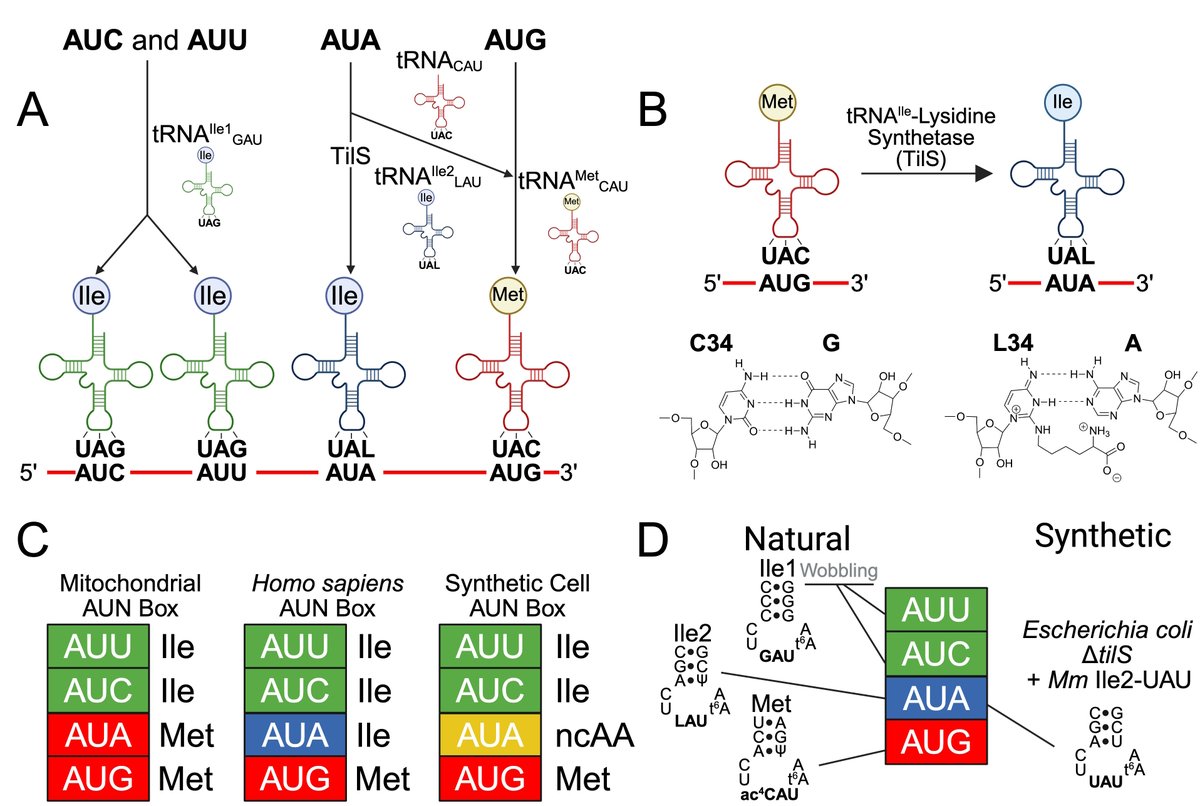
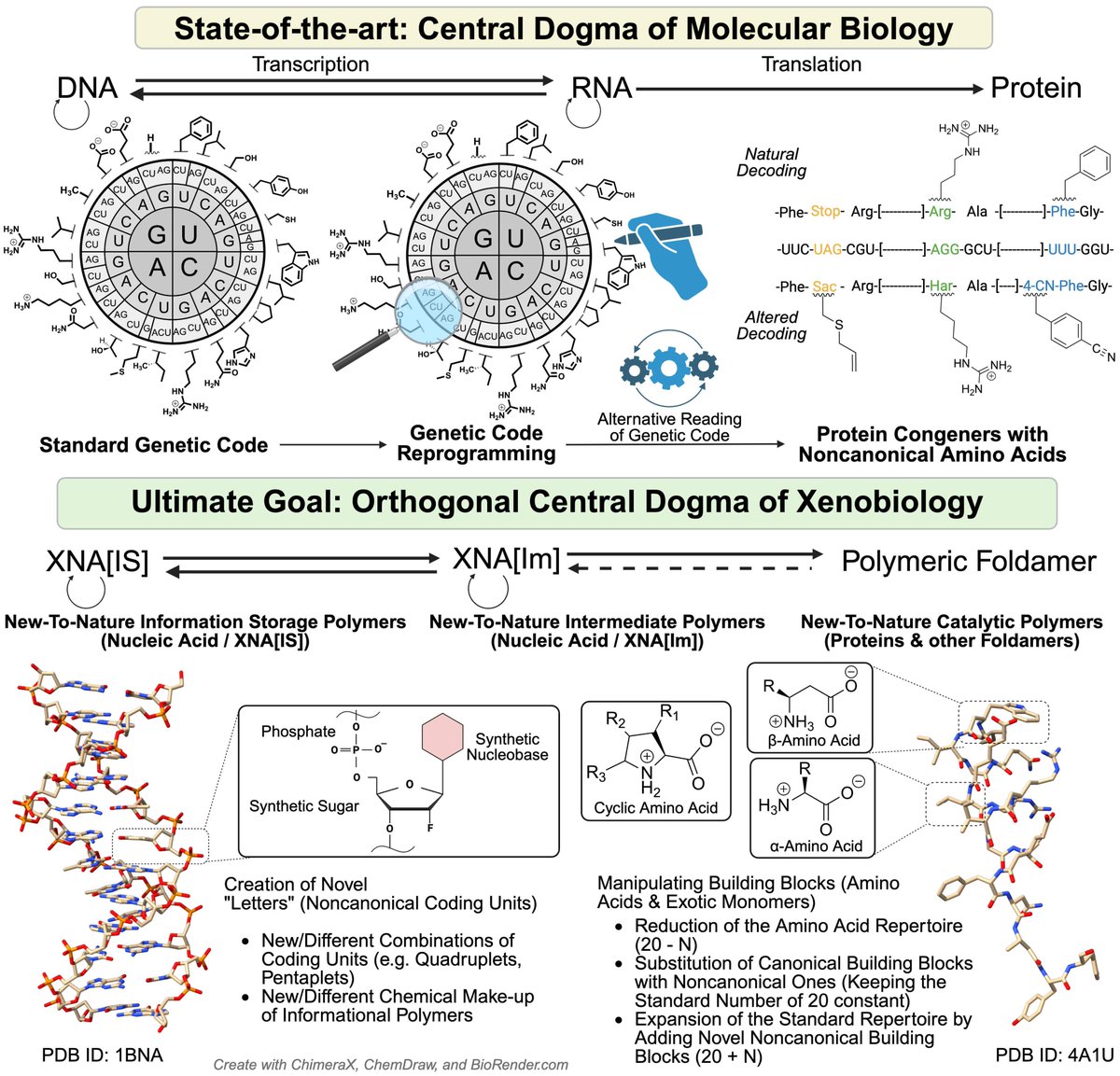
We highlight an alternative: breaking triplet degeneracy - reshaping how codons are read, not just hijacked. Not tinkering with recoding tricks, but redesigning the code’s architecture.
DOI: doi.org/10.1002/cctc.2025008…
#GeneticCode #LifeEngineering #SyntheticBiology #Xenobiology
1
12
724
28 Sep 2025
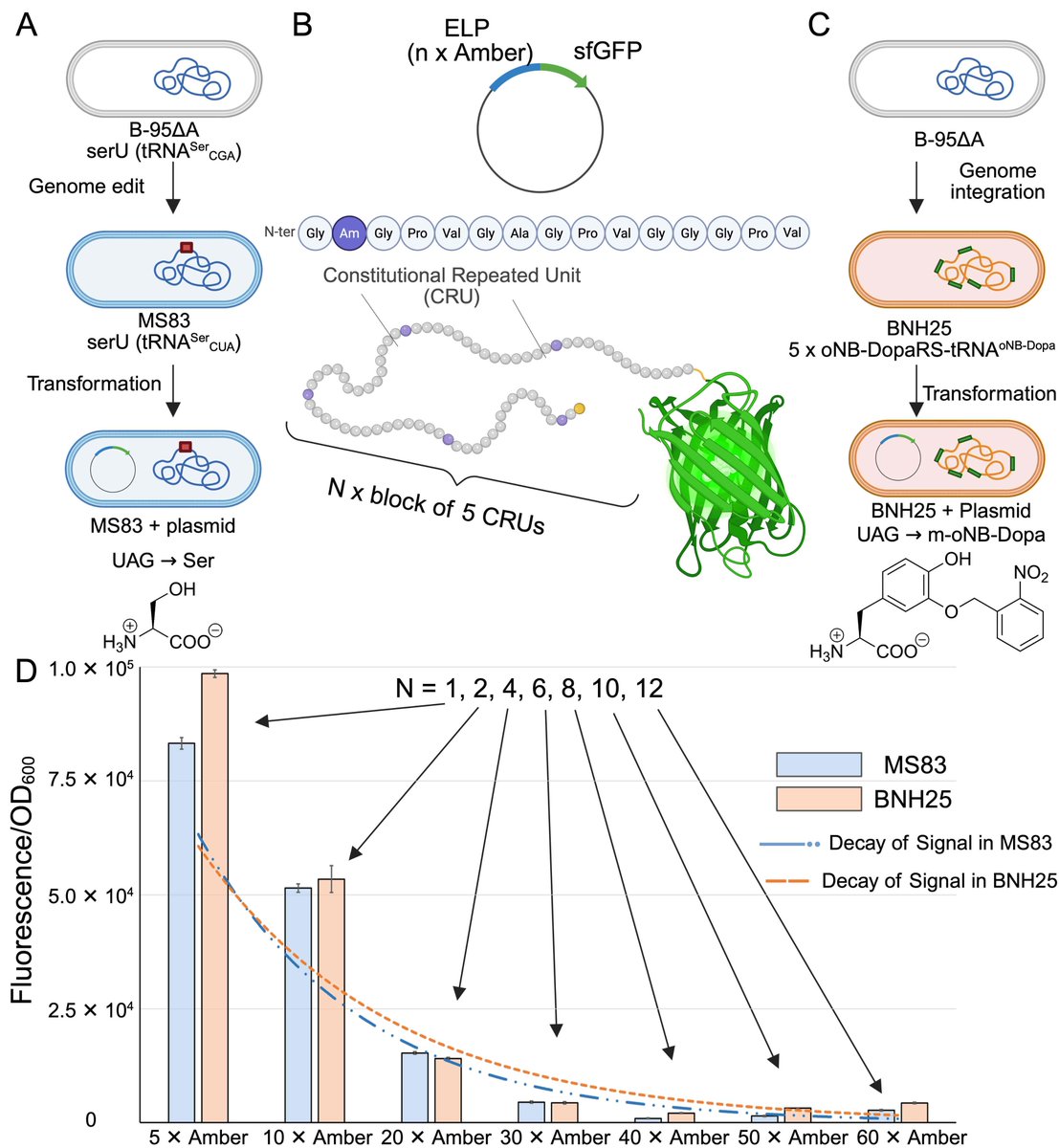
Without efficiency, “genetic code expansion” stays a lab curiosity. Stop-codon recoding is fragile: more in-frame stops = far less protein. Is this expansion — or just a trick?
DOI: doi.org/10.1002/cctc.2025008…
#GeneticCode #LifeEngineering #SyntheticBiology #Xenobiology
1
2
9
718
28 Sep 2025
Life’s “operating system” is a universal genetic code. For billions of years it seemed frozen. In ChemCatChem we explain why it looks this way - and how we might carefully expand it.
DOI: doi.org/10.1002/cctc.2025008…
#GeneticCode #LifeEngineering #SyntheticBiology #Xenobiology
4
65
281
14,744

18 Sep 2025
#Analysis of over 4 billion dipeptide sequences across all domains of life links the origin of the #GeneticCode to early protein structures, offering new insights for #GeneticEngineering and bioinformatics. @UofIllinois doi.org/g93vs9 phys.org/news/2025-09-geneti…
1
6
19
4,989

8 Sep 2025
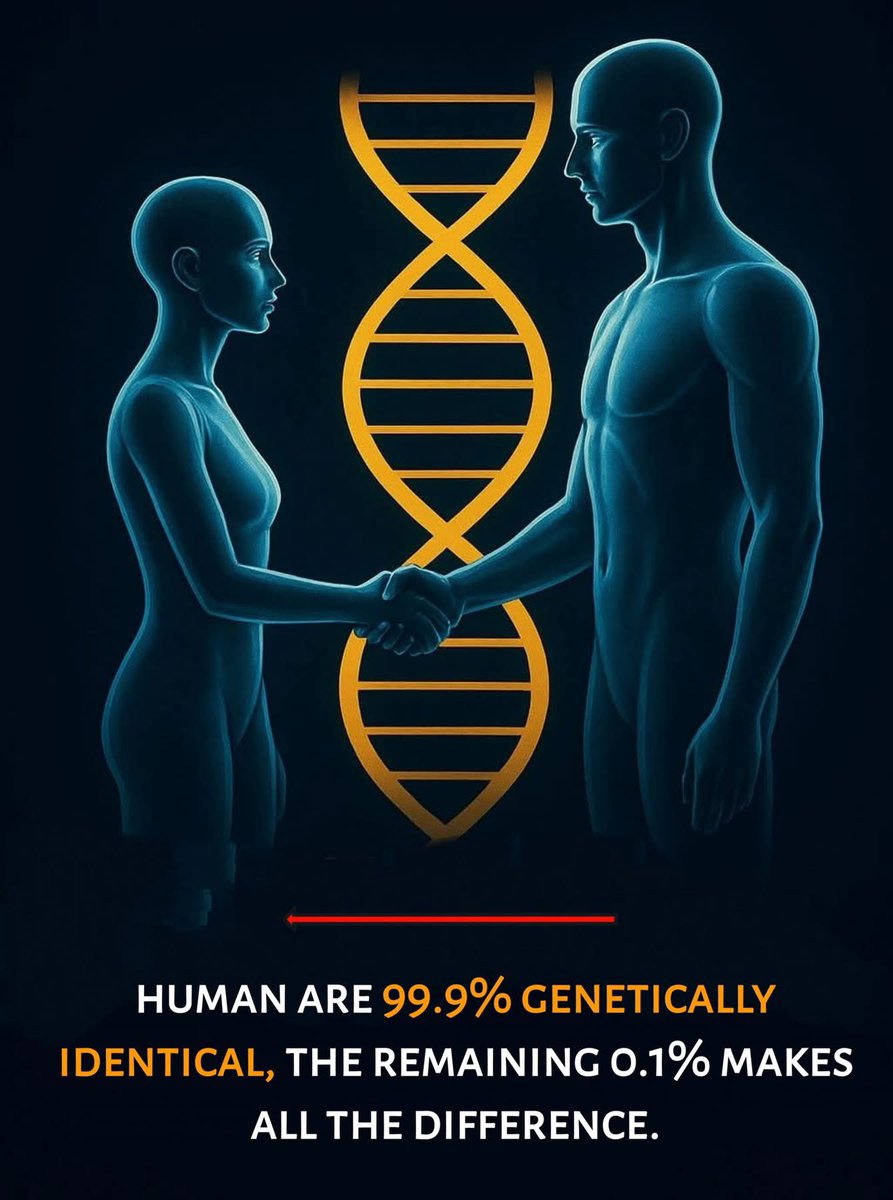
你知道吗?地球上每个人的DNA都共享99.9%的基因。🌍 这意味着,我们肤色、身高、面部特征、头发,甚至对疾病的易感性,都仅仅源于0.1%的基因变异。这极小一部分的DNA塑造了我们的个性,使每个人都独一无二,同时也提醒着我们,作为一个人类大家庭,我们是多么紧密地联系在一起。🧬✨
这一事实凸显了一个强有力的真理:在我们外在的差异背后,我们几乎完全相同。下次你看到与你不同的人时,请记住——你几乎与他们共享所有的基因密码。❤️
#遗传学 #DNA #科学事实 #fblifestyle #人类连接 #遗传密码 #生物学 #未解科学 #科学解释 #你知道吗 #遗传变异 #人类 #一个物种 #科学 #科学事实
Did you know that every human on Earth shares 99.9% of their DNA with each other? 🌍 That means the differences in our skin color, height, facial features, hair, and even susceptibility to diseases come from just 0.1% of genetic variation. This tiny fraction of DNA shapes our individuality, making each person unique while still reminding us how deeply connected we are as one human family. 🧬✨
This fact highlights a powerful truth: beneath our external differences, we are almost entirely the same. Next time you see someone different from you, remember—you share nearly all your genetic code with them. ❤️
#Genetics #DNA #ScienceFacts #fblifestyle #HumanConnection #GeneticCode #Biology #UnsolvedScience #ScienceExplained #DidYouKnow #GeneticVariation #Humanity #OneSpecies #science #sciencefacts
3
20
1,466

29 Aug 2025
Inside every single cell in your body lies a molecule more powerful and astonishing than anything you can see. It’s called DNA, the ultimate instruction manual of life. This tiny, twisted ladder of code holds all the information that makes you who you are. But what’s even more mind-blowing is just how much of it you carry.
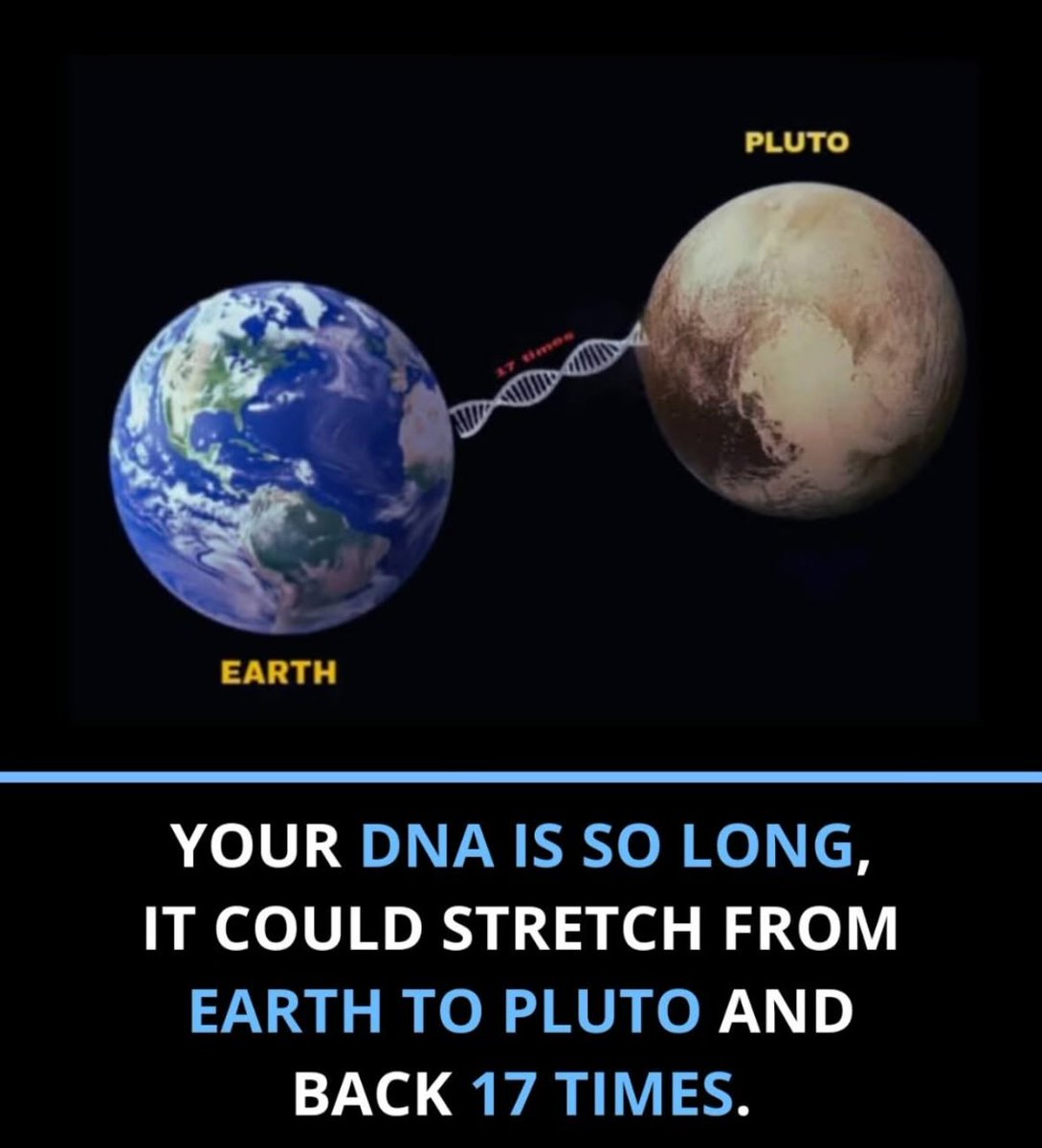
Each cell in your body contains about 2 meters of DNA. That might not sound like much, but multiply that by the trillions of cells in your body and the numbers become almost cosmic. If you could unravel all your DNA and lay it out end to end, it would stretch more than 136 billion kilometers. That’s far enough to reach from Earth to Pluto and back not once, but 17 times.
Yes, you read that right. The blueprint of your existence, tucked away in the smallest corners of your body, could span across our solar system and return multiple times. It’s a staggering fact that shows just how densely packed and brilliantly organised life is at the microscopic level.
DNA is more than just a code. It is the living archive of everything that makes life possible. From your eye colour to your immune system, from your physical build to your risk of certain diseases, DNA holds the secrets of your biological destiny.
This incredible reach of your genetic code reminds us how vast and complex we are, even in the tiniest parts of our being. You carry the universe within you, written in letters just four molecules long.
#DNAFacts #GeneticCode #ScienceIsCool #HumanBodyWonder #BiologyMagic #MolecularMiracle
1
2
73

28 Jul 2025
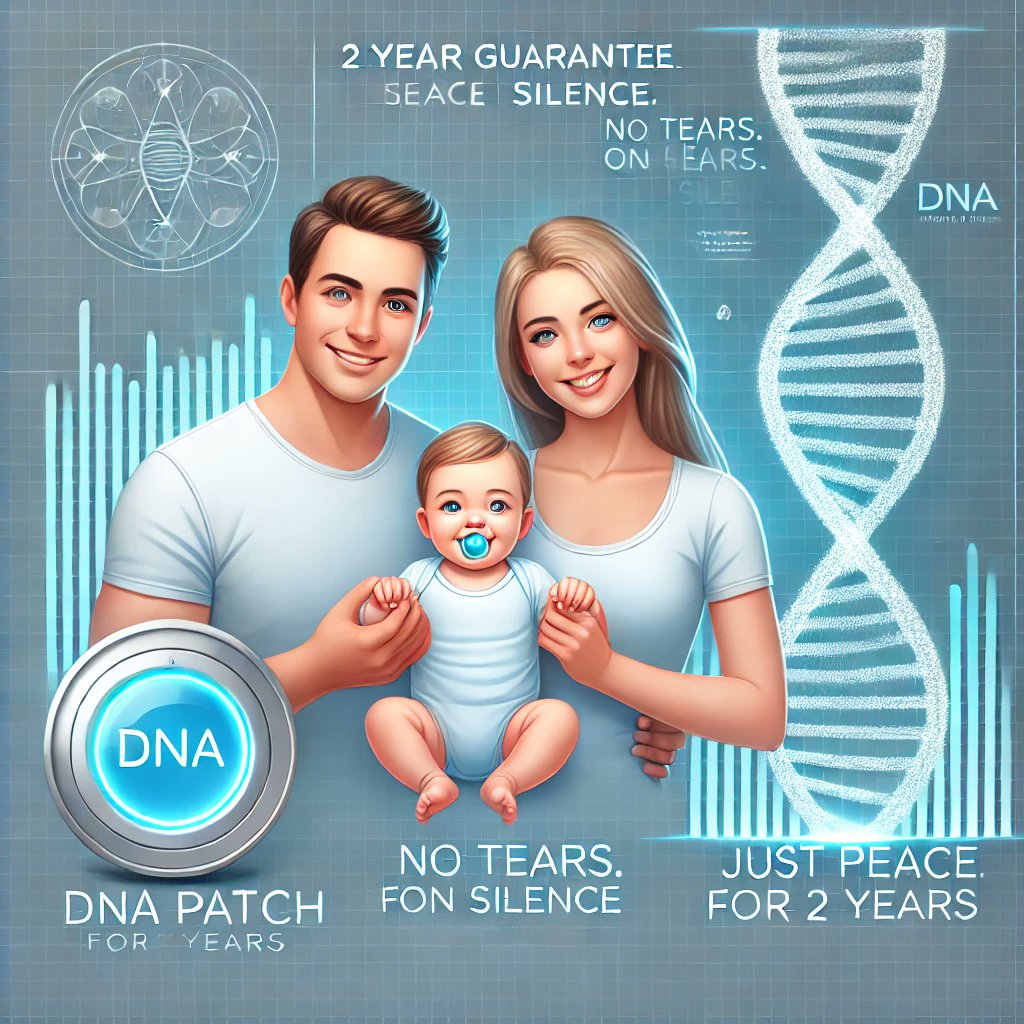
2-YEAR GUARANTEE: SILENCE
No more crying, just peace!
Patch your baby’s DNA for guaranteed quiet.
Also available: Daily laughter option.
#2YearSilenceGuarantee #Gwarancja2LataCiszy #GeneEditing #CRISPR #GeneticEngineering #DNAModification #GeneticCode #DNAPatch #Genetics #Biotechnology #GenomeEditing #GeneticTherapy #Epigenetics #Mutacja #DNAediting #GeneTherapy #MolecularBiology #GeneTesting #Genomics #Biotech #BioCodeModification #DNAUpgradeSeries #FutureOfGenetics
2
3
105

24 Jul 2025
🧬 Teaching the Central Dogma?
This JoVE video explains the flow of genetic information from DNA → RNA → Protein, and the genetic code that makes it all work.
🧬 Watch now: hubs.ly/Q03yN2Xy0
#MolecularBiology #CentralDogma #GeneticCode #JoVE #Biotech #ScienceEducation
1
3
7
532

10 Jul 2025
Get rid of th badguys..they've already attacked th geneticCode w vax-genetics tht tookMillions of years2 EVOLVE into Decent Fair cooperative Kind HealthyCaring (NOT quick to fight)Problem solving/w logic(Romantically healthy)ArtisticallyTalented Hardworking SafeTrustworthyGoodppl
2
1
1
55

25 May 2025
hell yes, built in geneticcode to keep population down , god had a plan
1
2
15

🚨 Our lab just rewrote life‘s operating system!
Together, we’ve built Syn57 - an E. coli with a synthetic genome running on a 57-codon genetic code!
biorxiv.org/content/10.1101/…
#SyntheticBiology #Syn57 #PhD #GeneticCode #GenomeEngineering #Biosecurity #FutureOfBiology
9
37
152
12,156

13 Mar 2025
#Consciousness, the #Brain, and our #ChimericSelves:
#GeneticCode may be more than just #Hereditary
#NonHereditaryDNA is introduced through #Cells-Exchanged-During-#Pregnancy between #Mother, #Fetus & vice versa, require #Scientific/#Philosophical enquiry.
Could these exchanges alter our brain, our consciousness itself & how we experience the world?
Anna M. Hennessey » IAI TV: iai.tv/articles/consciousnes…

5
11
1,321

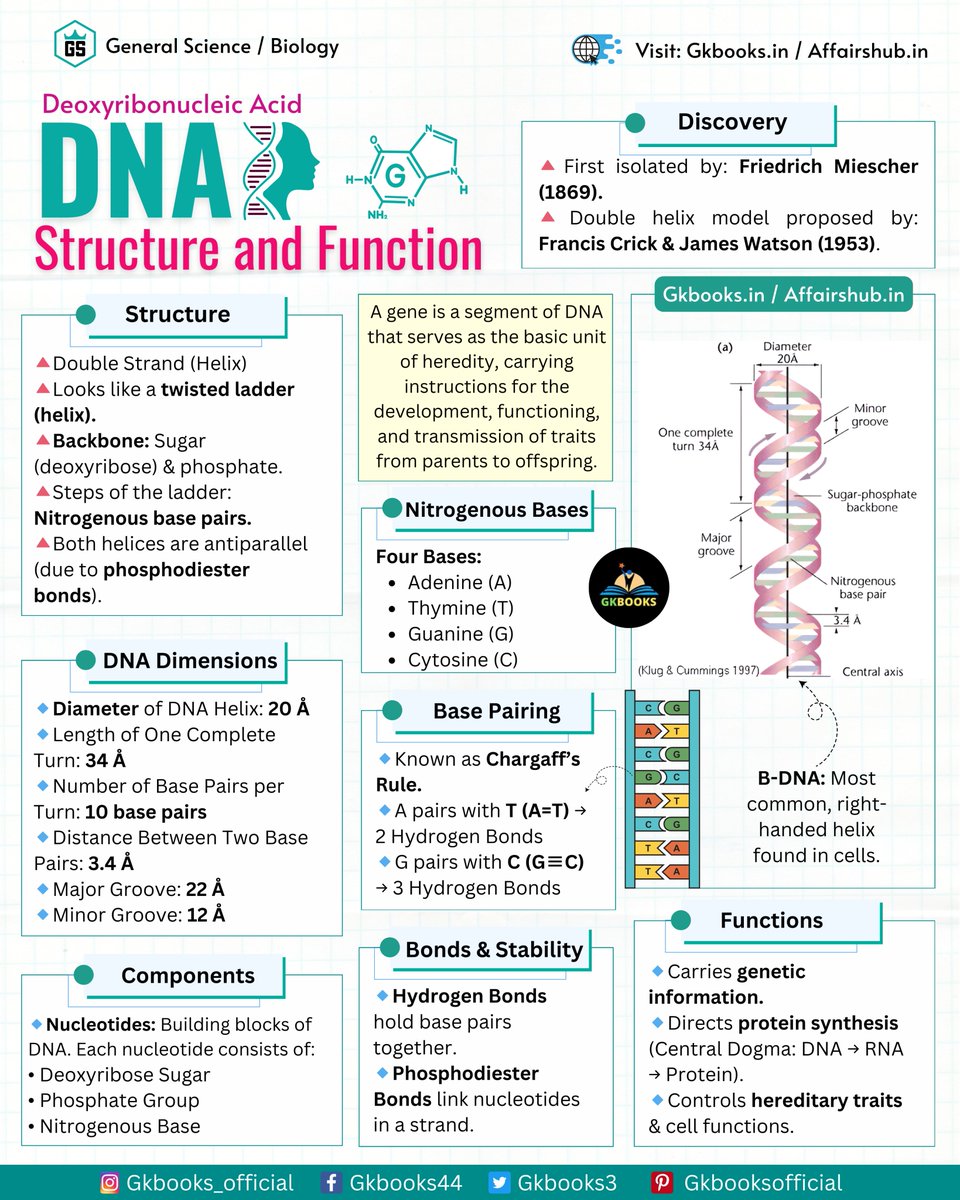
✅ 𝐔𝐧𝐝𝐞𝐫𝐬𝐭𝐚𝐧𝐝𝐢𝐧𝐠 𝐃𝐍𝐀: 𝐓𝐡𝐞 𝐁𝐥𝐮𝐞𝐩𝐫𝐢𝐧𝐭 𝐨𝐟 𝐋𝐢𝐟𝐞
#DNA #Genetics #Biology #Science #MolecularBiology #GeneticCode #LifeSciences #Biochemistry #Genome #GeneticResearch #generalscience #gkbooks #affairshub #molecularbasisofinheritance #ncertbiology
1
28
958