
Fun fact: Since Charles Lyell @LyellTime visited Nova Scotia in 1842, there have been 128,750 high-low tidal cycles in the Bay of Fundy. A very special place to appreciate #geologicalTime
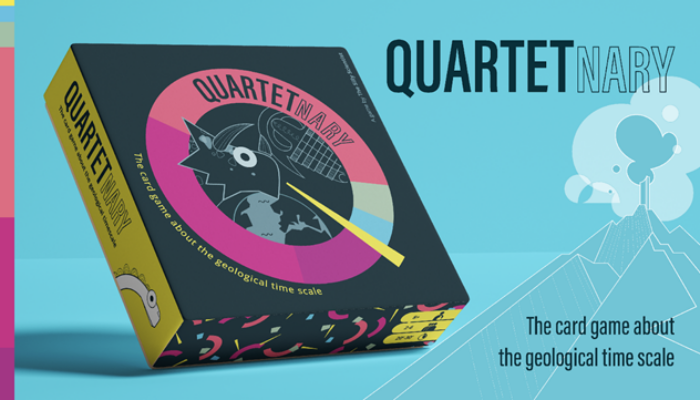
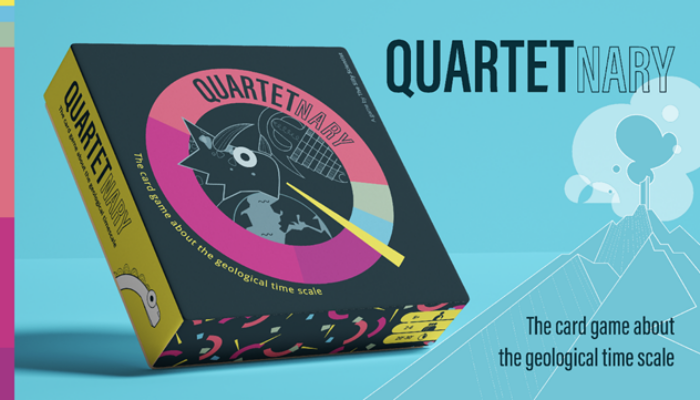
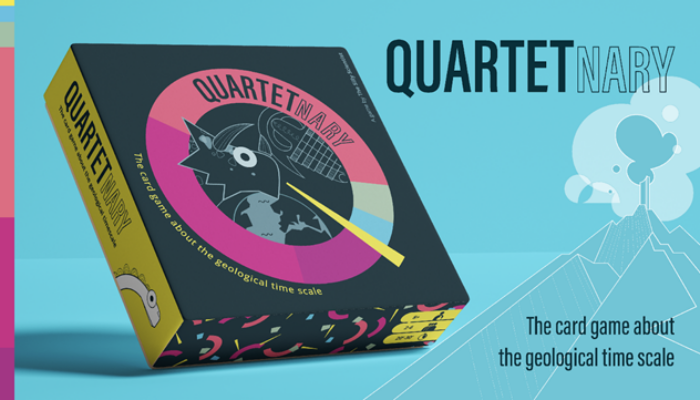
Back in 2021 EGU gave Public Engagement Grant funding for the development of a #cardgame about #GeologicalTime - now that card game is finished & ready to be launched into the world, as lead designer @iris_van_zelst explains on the EGUblogs!
Grab a copy: egu.eu/60MHCD/
Back in 2021 EGU gave Public Engagement Grant funding for the development of a #cardgame about #GeologicalTime - now that card game is finished & ready to be launched into the world, as lead designer @iris_van_zelst explains on the EGUblogs!
Grab a copy: egu.eu/60MHCD/
Back in 2021 EGU gave Public Engagement Grant funding for the development of a #cardgame about #GeologicalTime - now that card game is finished & ready to be launched into the world, as lead designer @iris_van_zelst explains on the EGUblogs!
Grab a copy: egu.eu/60MHCD/
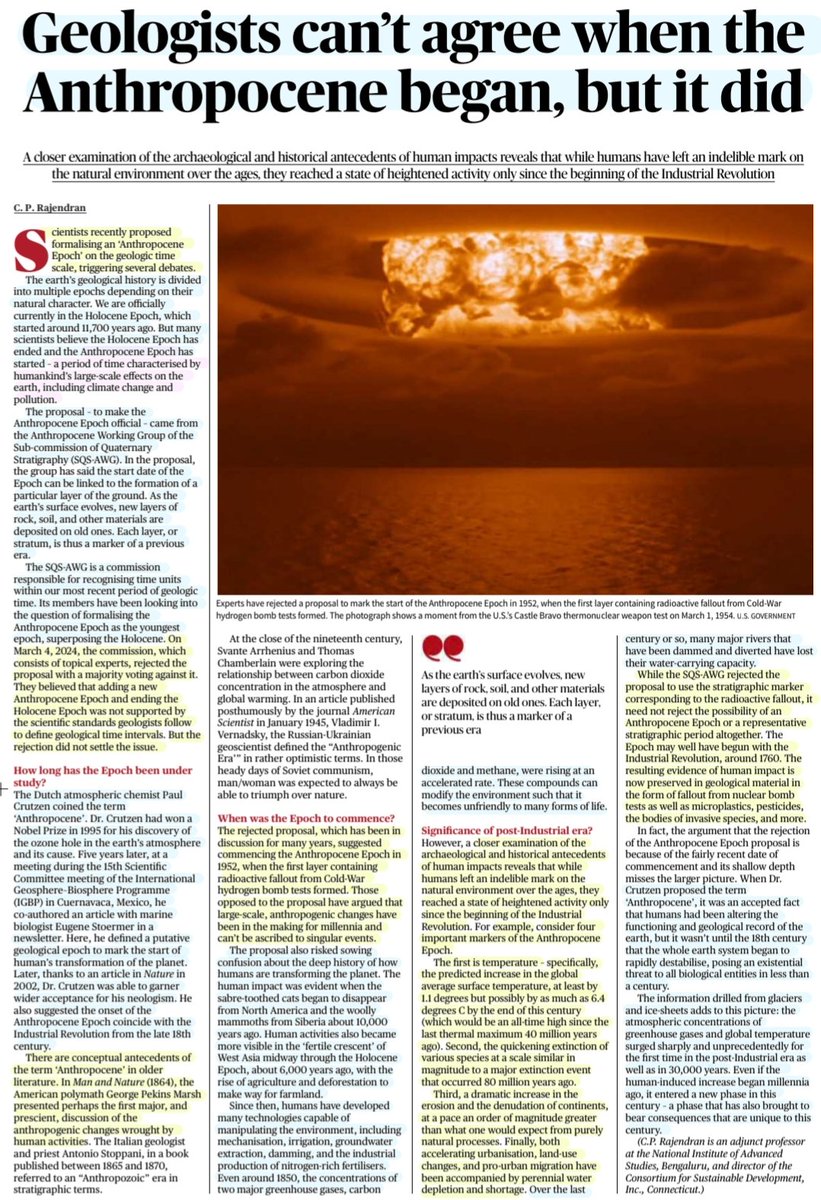
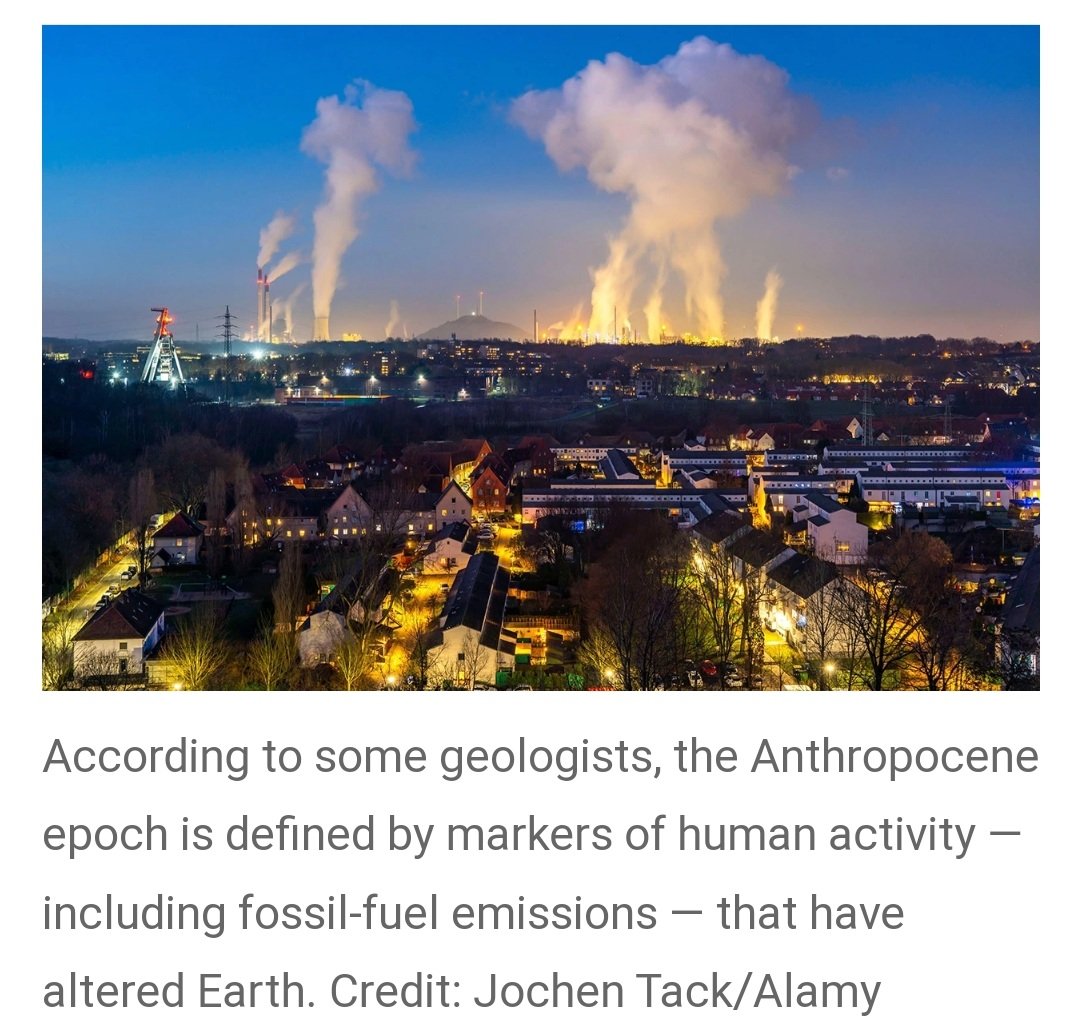
ALT Screenshot shows nightscape of a city or town in the foreground and some industries with smoke bellowing from their chimneys in the background against the sky
This is followed by text as follows:
According to some geologists, the Anthropocene epoch is defined by markers of human activity — including fossil-fuel emissions — that have altered Earth. Credit: Jochen Tack/Alamy
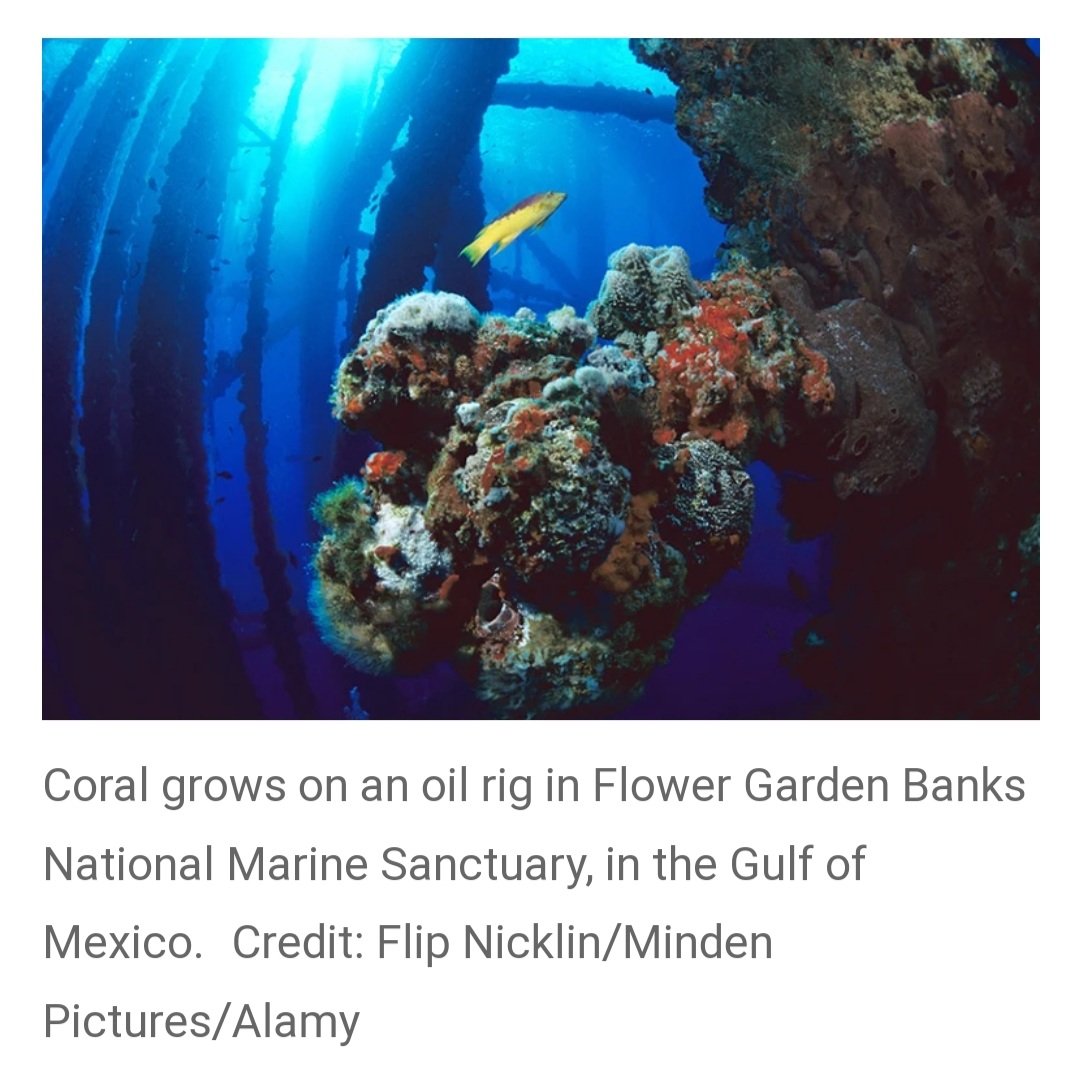
ALT Screenshot has a pic followed by the text:
Coral grows on an oil rig in Flower Garden Banks National Marine Sanctuary, in the Gulf of Mexico.Credit: Flip Nicklin/Minden Pictures/Alamy
The text aptly describes the pic in screenshot
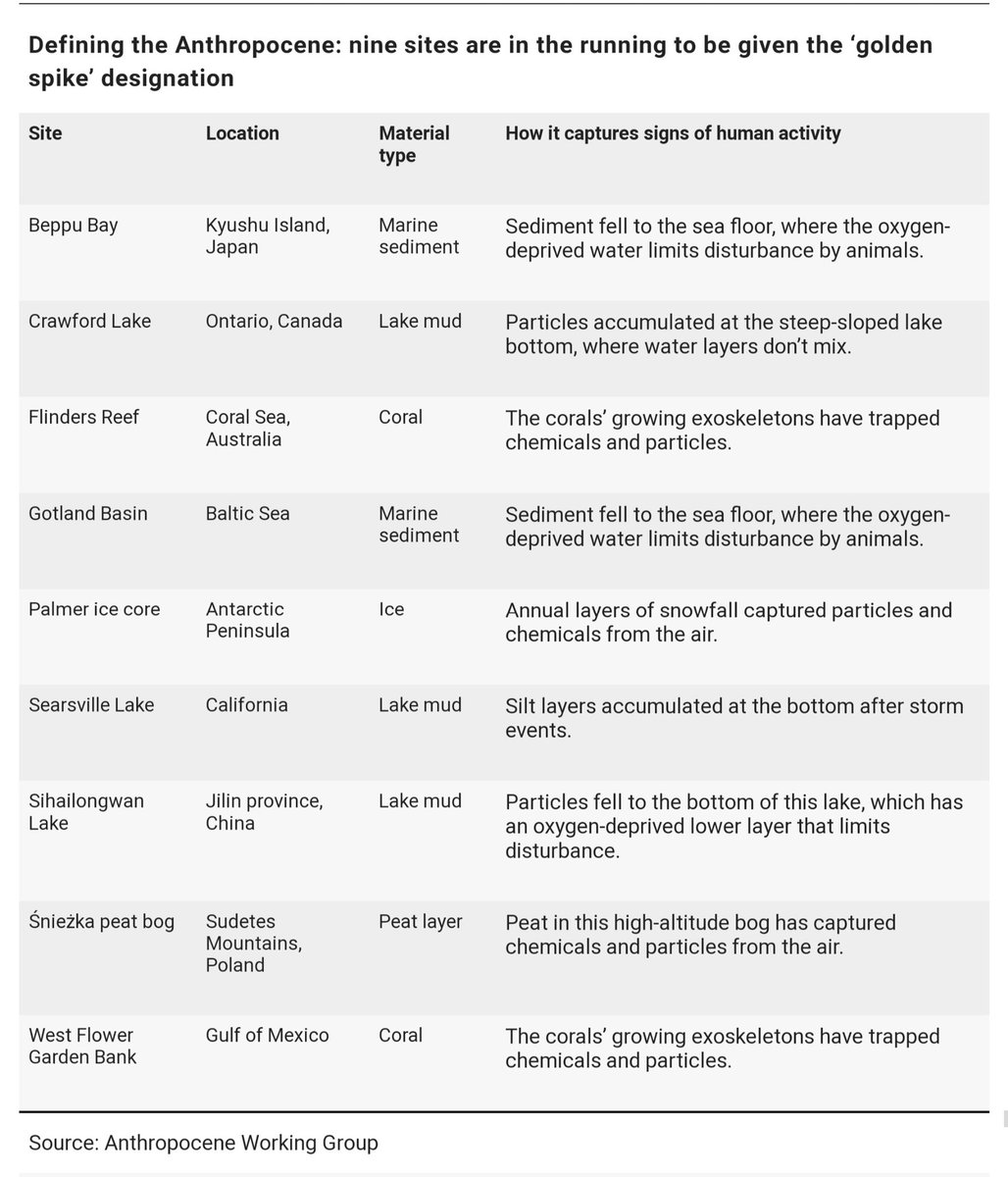
ALT Screenshot of table showing:
Defining the Anthropocene: nine sites are in the running to be given the ‘golden spike’ designation
They are defined under the following four headings:
Site
Location
Material type
How it captures signs of human activity
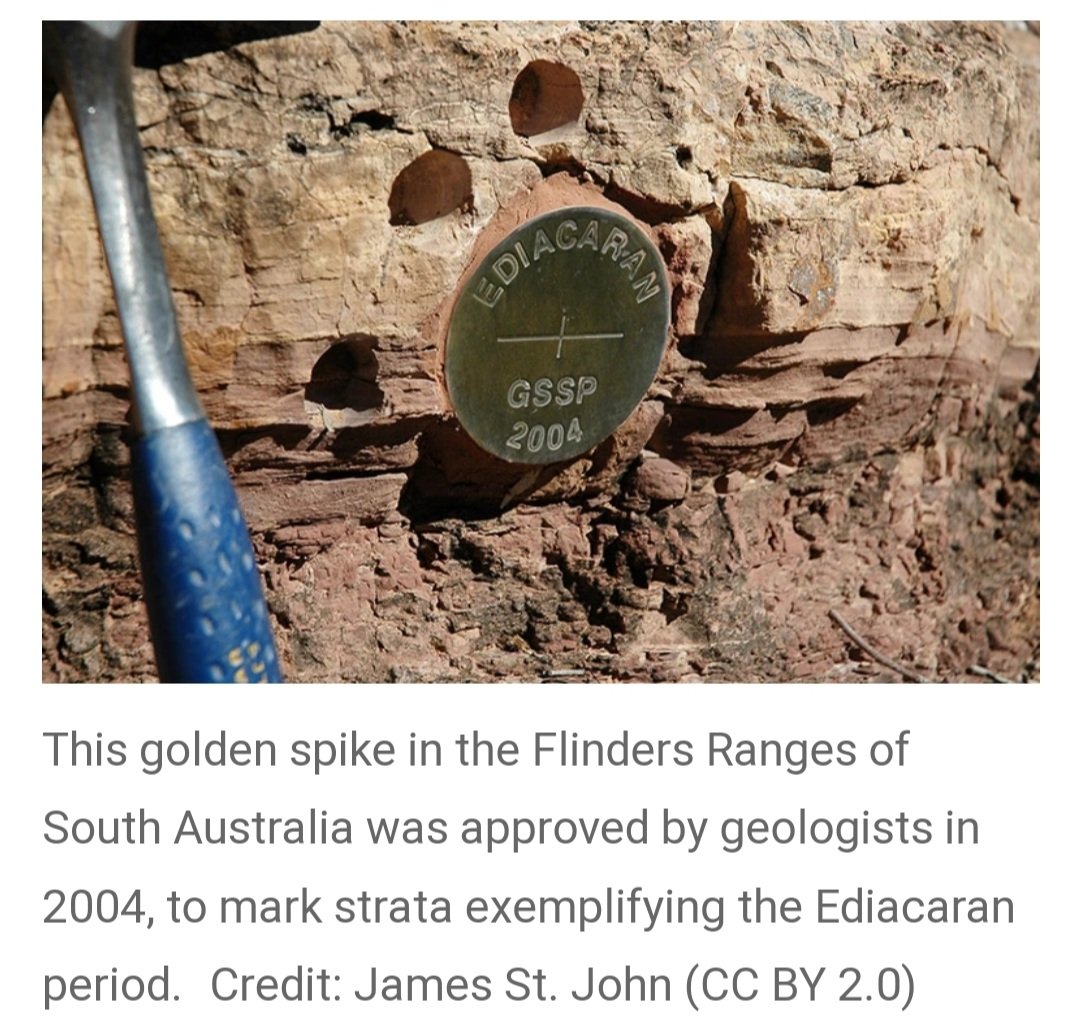
ALT Screenshot has a pic and text below it as follows:
This golden spike in the Flinders Ranges of South Australia was approved by geologists in 2004, to mark strata exemplifying the Ediacaran period.Credit: James St. John (CC BY 2.0)
The above text aptly describes the pic
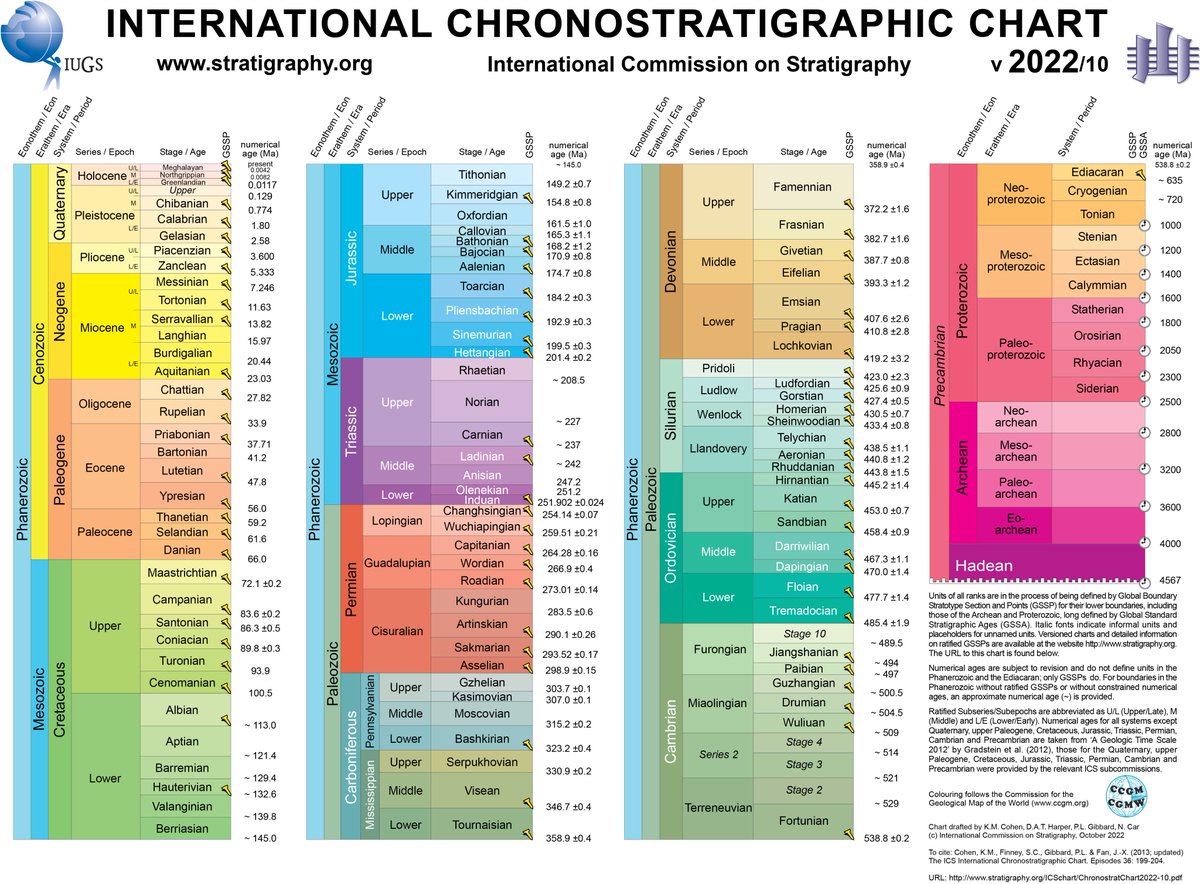
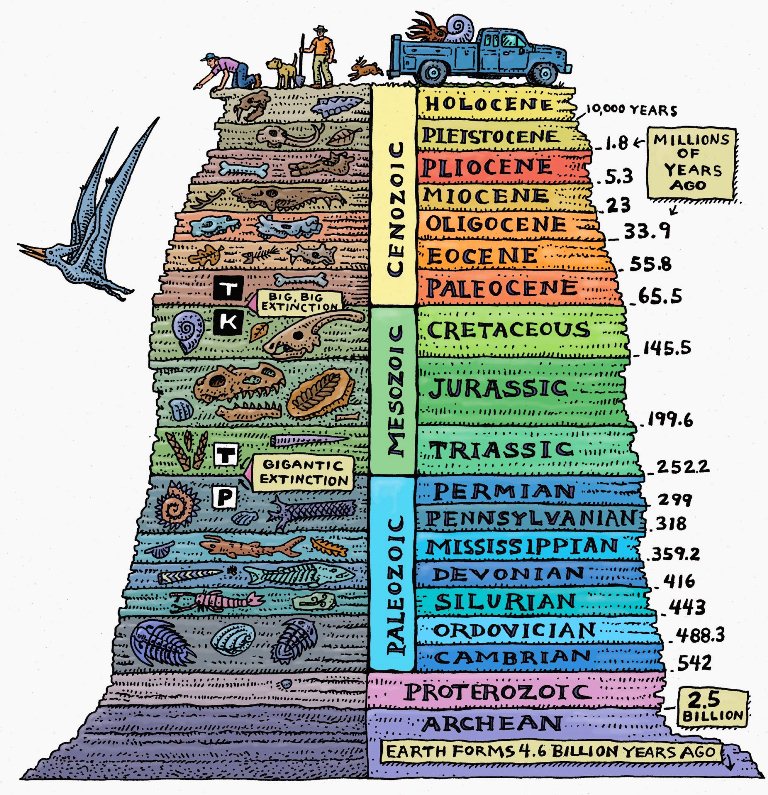
This pressed my chronostrat-nerd button this morning! #Geologicaltime is such a mind bending idea and we are still refining how we understand it. Love that so many incremental changes are accumulated in this amazing chart! @theIUGS
And here it is... The latest Chronostratigraphic Chart from the ICS. Some of the changes include: new GSSPs added 2022/10 - Cretaceous: Campanian Stage, as ratified by IUGS (5-10-22). For full details👉stratigraphy.org/news/143.
@ICS2022#geology#geoscience
#GeologicalTime
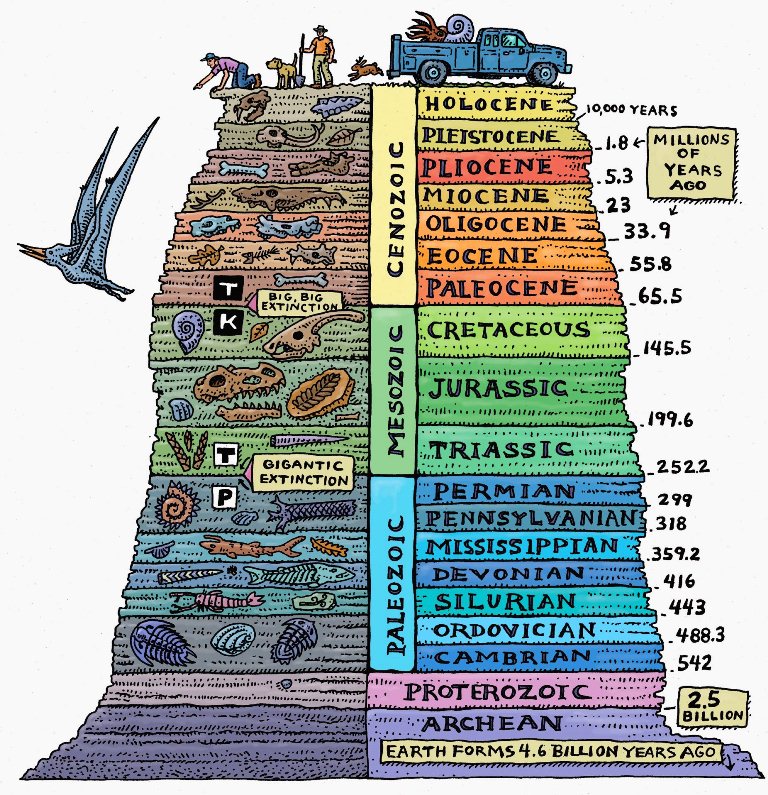
Earth is 4.6 billion years old. Let's fit its history into 1 year:Earth formed on January 1.The earliest primitive life appeared in March & fish in late November.Dinosaurs lived during 16-26 December.Homo sapiens showed up 12 minutes before midnight on December 31
In #GeologicalTime ?
Not “will”.
“IS”
At the climate conference they’re talking about “end of the century” climate goals.
Sorry mes amis. These are not “leaders”. They are #DelusionalPsychopaths with near zero grasp of reality.
We need “end of year” goals.
Invigilating an in person test for the first time in 2 years.
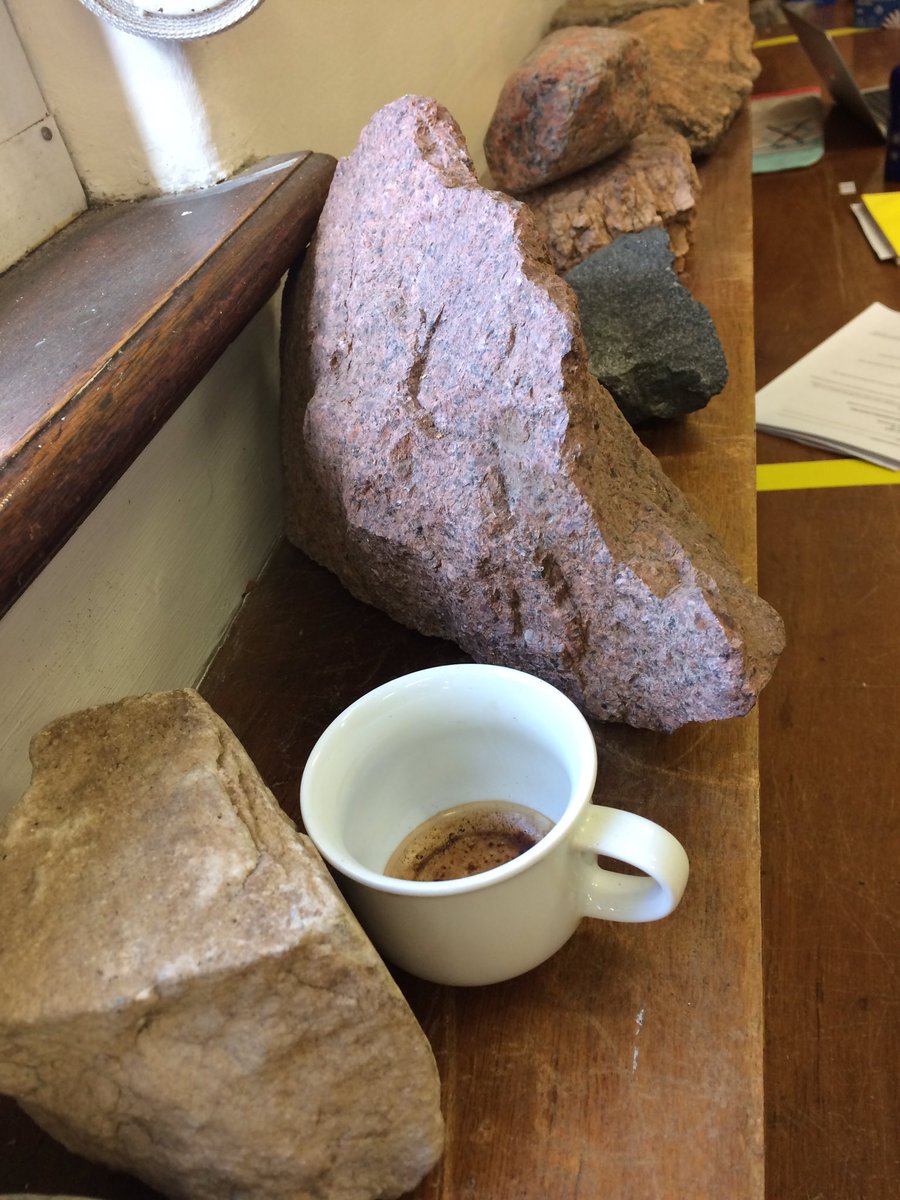
The geochronologist in me wants to know when this ancient looking coffee cup was deposited here ☕️ 🤔
@UCTgeology#coffee#geologicaltime#old
A fantastic article with a great message "All species become extinct eventually – the bigger worry is whether we want to be responsible for the loss of all these others."
#geologicaltime#perspective#extinction#EXTINCT
The Old Haa is a partner organisation for the Shetland Amenity Trust and within that role we are visited when International Geopark assessors visit. Shetland Geopark is a UNESCO site promoting not only geology but all aspects of heritage. #oldhaa#ShetlandGeopark#geologicaltime