
Apr 27
AI is quietly making human experts invisible. Someone built a tool to stop it.
Every time you ask an AI to write code, something disappears. Not the code. The trail. The GitHub discussion. The Stack Overflow answer. The RFC your team wrote six months ago. The AI consumed all of it. The humans who produced it got nothing.
Daniel Nwaneri built proof-of-contribution to fix this — and at its core is a Knowledge Graph schema that keeps the human knowledge chain intact inside AI-assisted codebases.
When the skill is active, Claude automatically appends a Provenance Block to every generated output.
When Claude generates code, it also generates a graph schema for Neo4j, Postgres, or JSON-LD.
Nodes for code artifacts, human sources, individual experts, AI sessions, and knowledge claims.
Edges that let you ask: "who are the humans behind this module?" or "what did username contribute to this codebase?"
The result is a queryable, enforceable record that lives next to the code — not a comment nobody reads.
The part that matters most is the Knowledge Gaps section. That's where AI admits what it synthesized without a traceable human source. No other tool produces this.
It turns "the AI wrote it" from a shrug into an auditable fact.
AI should be a pointer to human expertise. Not a replacement. A pointer.
By Daniel Nwaneri.
dev.to/dannwaneri/ai-is-quie…
#SoftwareEngineering #ClaudeCode #GraphSchema #Neo4j #JSONLD #ProvenanceTracking #GenAI
--
Connected Data London 2026 has been announced! 11-12 November, Leonardo Royal Hotel London Tower Bridge
📝 connected-data.london/post/c…
Join us for all things #KnowledgeGraph #Graph #analytics #datascience #AI #graphDB #SemTech #Ontology
🎟 Ticket sales are open. Benefit from early bird prices with discounts up to 30%. 2026.connected-data.london?u…
📺 Sponsorship opportunities are available. Maximize your exposure with early onboarding. Contact us at info@connected-data.london for more.

1
8
357

22 Nov 2022
An approach for system analysis with model-based systems engineering & graph data engineering
Schummer & Hyba, @TU_Muenchen
→ doi.org/10.1017/dce.2022.33
#GraphDatabases #MBSE #SysML #MOVEII #Satellites #ModelBasedSystemsEngineering #SatelliteMissions #SpaceCraft #GraphSchema
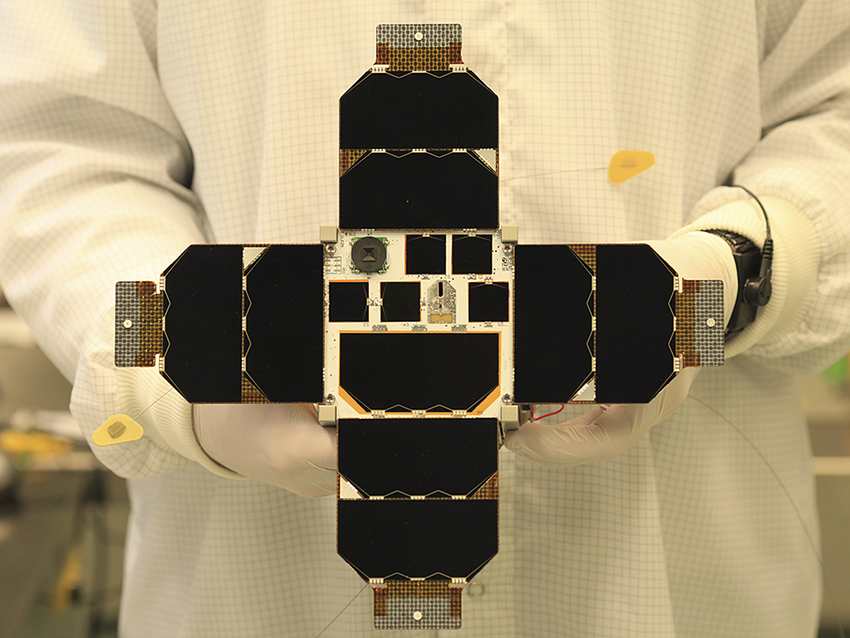
ALT Figure 2. Photo of the MOVE-II spacecraft showing the solar array with the payload solar cells in the middle.
1
2

25 Apr 2016
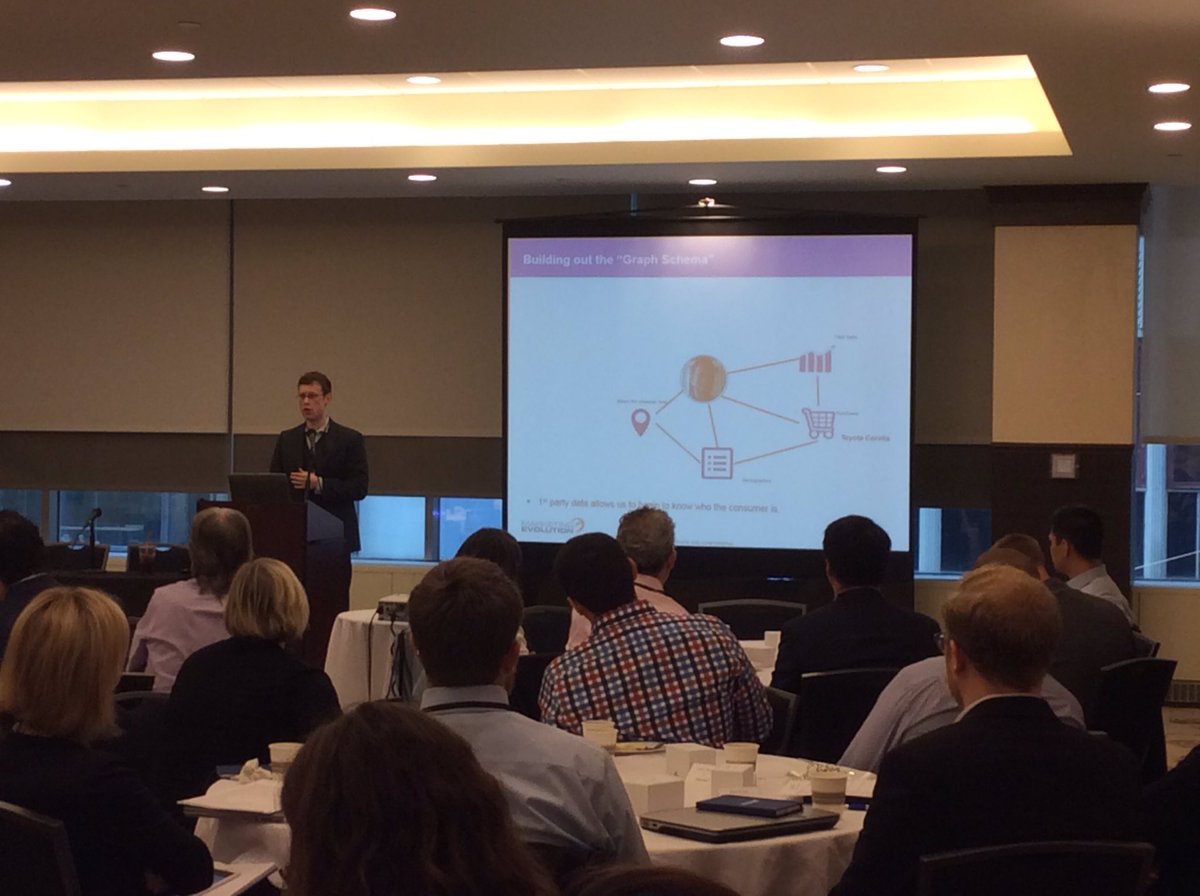
#WEBINAR TOMORROW - see how the #graphschema could help you increase your #ROI by 26.5%! hubs.ly/H02NFSr0
5 Apr 2016
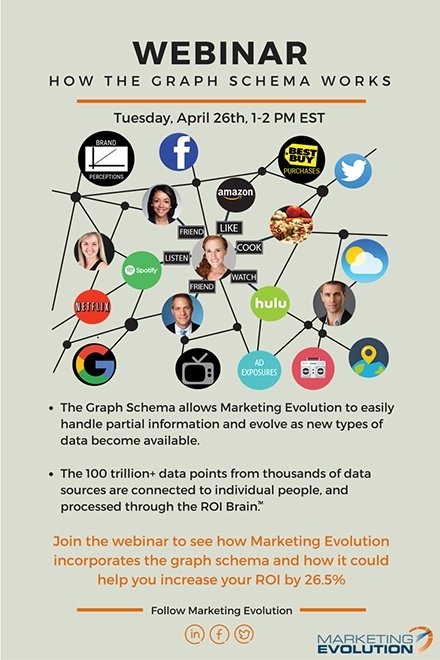
#webinar on April 26 - see how the #graphschema could help you increase #ROI by 26.5% hubs.ly/H02Bjbm0
1
30 Mar 2016
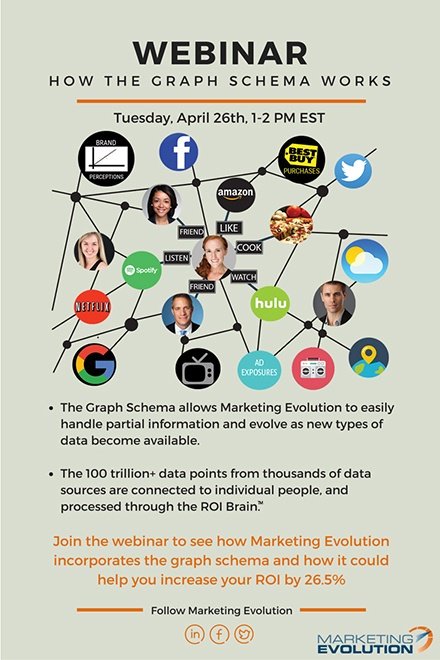
#GraphSchema #webinar on 4/26. Learn how @MktgEvolution uses the Graph Schema the same way #social networks do. hubs.ly/H02xpVR0