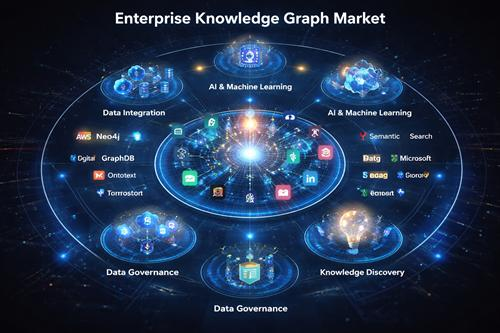
Enterprise Knowledge Graph Market Hits New High
The numbers are hard to ignore. According to a new global market study from HTF Market Intelligence, the Enterprise Knowledge Graph market is projected to grow from $3.6 billion in 2025 to $18.5 billion by 2032, at a CAGR of 22.50%.
That is not incremental growth. That is a market in full acceleration.
The drivers are familiar but converging fast: rising data complexity, AI adoption, digital transformation, and the growing need for semantic understanding across enterprise data assets.
Knowledge graphs sit at the intersection of all of them, connecting structured and unstructured data to support decision-making across business intelligence, fraud detection, supply chain, and customer insights.
North America leads today. Asia Pacific is the fastest-growing region. The segmentation spans RDF-Based, Property, and Hybrid Knowledge Graphs, with applications across Data Integration, AI and Machine Learning, Semantic Search, and Enterprise Analytics.
Challenges remain: integration complexity, high initial costs, skills gaps, and data privacy concerns. But the opportunity pipeline, particularly in healthcare, finance, and IoT, continues to expand.
New report by HTF Market Intelligence.
Key Points Covered:
- Enterprise Knowledge Graph Overview, Definition and Classification Market drivers and barriers
- Enterprise Knowledge Graph Market Competition by Manufacturers
- Enterprise Knowledge Graph Capacity, Production, Revenue (Value) by Region (2026-2033)
- Enterprise Knowledge Graph Supply (Production), Consumption, Export, Import by Region (2026-2033)
- Enterprise Knowledge Graph Production, Revenue (Value), Price Trend by Type {RDF-Based Knowledge Graphs, Property Graphs, Hybrid Knowledge Graphs, Others}
- Enterprise Knowledge Graph Market Analysis by Application {Data Integration, AI & Machine Learning, Semantic Search, Enterprise Analytics}
- Enterprise Knowledge Graph Manufacturers Profiles/Analysis Enterprise Knowledge Graph Cost Analysis, Industrial/Supply Chain Analysis, Sourcing Strategy and Downstream Buyers, Marketing
- Strategy by Key Manufacturers/Players, Connected Distributors/Traders Standardization, Regulatory and collaborative initiatives, Industry road map and value chain Market Effect Factors Analysis.
Key Questions Addressed:
• How feasible is Enterprise Knowledge Graph market for long-term investment?
• What are influencing factors driving the demand for Enterprise Knowledge Graph near future?
• What is the impact analysis of various factors in the Global Enterprise Knowledge Graph market growth?
• What are the recent trends in the regional market and how successful they are?
Link in comments.
#EnterpriseKnowledgeGraph #GraphDatabases #DataIntegration #SemanticTechnology #DigitalTransformation
--
Connected Data London 2026 | 11–12 November | Leonardo Royal Hotel London Tower Bridge
🎤 Share your work with the world's most passionate data community. The Call for Submissions is open. connected-data.london/2026-c…
🎟 Tickets on sale now. Early bird discounts up to 30%. [2026.connected-data.london](2026.connected-data.london)
📺 Sponsorship opportunities available. Contact info@connected-data.london for details.
#KnowledgeGraph #GraphRAG #Ontology #Graph #AI #DataScience #GraphDB #SemTech
1
5
263

Powered by @claudeai, this work was inspired by @neo4j's recent beneficial ownership webinar using UK beneficial ownership data neo4j.com/developer/industry… and coincides with the #NodesAI online conference neo4j.com/nodes-ai/
#UBO #AML #graphdatabases #Neo4J
2
43
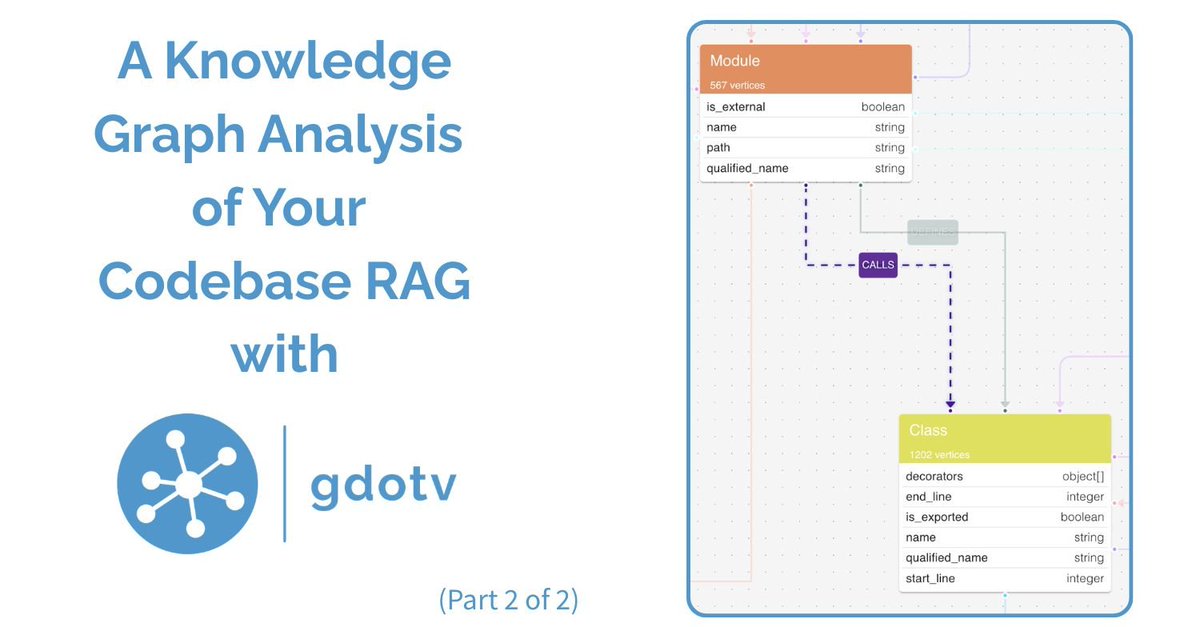
Evaluating Codebase-Oriented RAG through Knowledge Graph Analysis
Every software team has asked some version of this question: "How does this codebase actually work?"
The honest answer is usually: nobody fully knows. The code lives in files. The architecture lives in someone's head. The dependencies live in a build tool. And the reasoning about why things were built the way they were lives nowhere at all.
This is exactly the problem LLMs were supposed to solve. Point a model at your repo, ask it questions, get answers. In practice, models hallucinate structure that doesn't exist, miss relationships that do, and have no reliable way to ground their answers in what the code actually says.
That's where Graph RAG comes in. Instead of feeding raw files to an LLM, you first parse the codebase into a knowledge graph: files, packages, classes, functions, inheritance chains, dependencies, all represented as nodes and relationships that can be traversed, queried, and reasoned over.
The graph becomes the memory. The LLM becomes the reasoning layer on top of it. The result is a system that can answer structural questions about code with actual evidence, not plausible-sounding inference.
Graph RAG is fast becoming one of the primary use cases at the intersection of LLMs and knowledge graphs. And the quality of the graph is everything.
LLM performance and graph quality are independent variables. A weak model can obscure a strong graph. A flawed graph cannot be rescued by a powerful model.
That distinction sits at the heart of this two-part deep dive.
The case study: Code-Graph-RAG applied to Soufflé, a well-known Datalog language and engine written in C . Complex enough to be a real benchmark: diverse I/O workflows, parallel execution mechanisms, computationally intensive logical algorithms.
Part 1 takes the generated knowledge graph as given and asks: what architectural insights can we actually derive from it? Using gdotv and Cypher queries, the analysis traces full containment spines from project root down through packages, modules, and classes; surfaces inheritance chains up to five levels deep; and detects architectural hubs: modules imported by two or more others, the highest-leverage points in the codebase where changes ripple everywhere.
Even where the small local language model failed to answer questions (SQLite integration, lambda patterns), direct graph queries returned precise, verifiable results. The graph knew. The model didn't.
Part 2 flips the lens. Instead of using the graph, it evaluates the graph itself.
The findings are instructive. Schema completeness checks passed cleanly. But 427 orphan Method nodes turned up: methods correctly parsed with accurate package paths and line numbers, yet disconnected from their enclosing class or file. A structural flaw in the construction pipeline, not a language model error.
Two further issues surfaced: an undocumented is_external boolean on Module nodes (inconsistent with the ExternalPackage label used elsewhere), and a CALLS edge from Module to Class that doesn't map to any real C semantic. A module doesn't call a class. It instantiates it, references it, inherits from it. The relation is semantically misnamed and potentially misleading to any downstream reasoning layer.
The conclusion: codebase-oriented RAG systems should be treated as graph construction systems first and language systems second. The knowledge graph is the backbone. If it is structurally sound, transparent, and semantically coherent, it becomes a deterministic and inspectable foundation for reliable code reasoning. If not, no model fixes it.
By Amir Hosseini
Evaluating Codebase-Oriented RAG through Knowledge Graph Analysis [Part 1] gdotv.com/blog/codebase-rag-…
Evaluating Codebase-Oriented RAG through Knowledge Graph Analysis [Part 2] gdotv.com/blog/codebase-rag-…
#CodebaseAnalysis #RAG #GraphDatabases #Cypher #SoftwareArchitecture
--
Connected Data London 2026 has been announced! 11-12 November, Leonardo Royal Hotel London Tower Bridge
📝 connected-data.london/post/c…
Join us for all things #KnowledgeGraph #Graph #analytics #datascience #AI #graphDB #SemTech #Ontology
🎟 Ticket sales are open. Benefit from early bird prices with discounts up to 30%. 2026.connected-data.london?u…
📺 Sponsorship opportunities are available. Maximize your exposure with early onboarding. Contact us at info@connected-data.london for more.
1
1
10
560

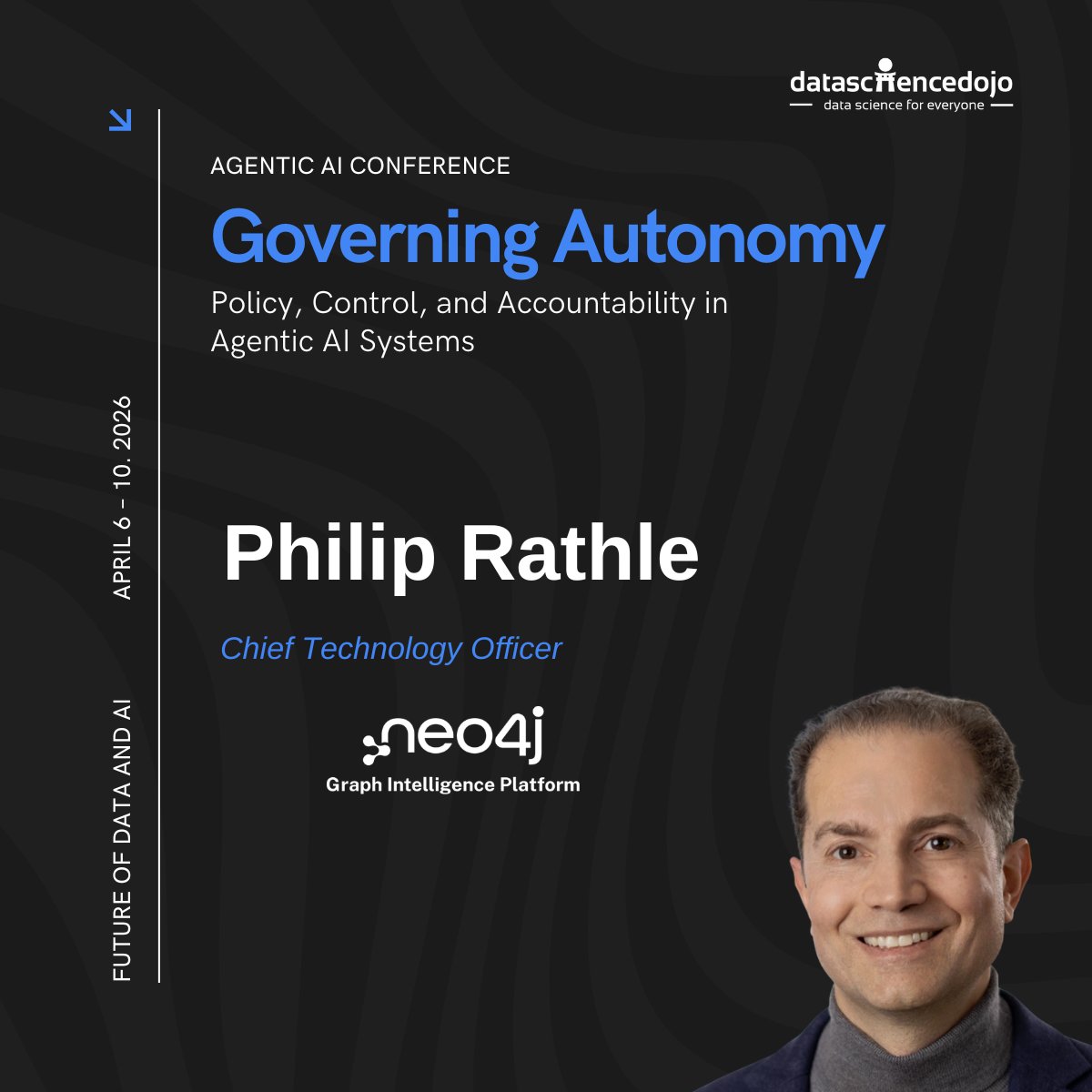
We're thrilled to welcome Philip Rathle, CTO at Neo4j, to the Future of Data and AI: Agentic AI Conference, April 6–10, 2026!
⭐ Philip will be on the panel "Governing Autonomy: Policy, Control, and Accountability in Agentic AI Systems" — exploring how enterprises can scale autonomy responsibly through architectural control mechanisms, human-in-the-loop oversight, regulatory accountability, and robust safety design, before enforcement or operational failure forces reactive redesigns.
Philip is a product and technology executive with 25 years in enterprise data, currently serving as CTO at Neo4j. As an early architect of the graph database category, he oversaw Neo4j's product transformation from a single on-prem database to a cloud-based portfolio exceeding $100M ARR — and brings that same depth of systems thinking to the challenges of production-grade agentic AI.
🎟️ Reserve your spot now: hubs.la/Q047n6Zs0
#agenticai #aiconference #datasciencedojo #speakerSpotlight #neo4j #graphdatabases #enterpriseai #aigovernance #agenticsystems
1
2
415

Mar 15
Knowledge Graph Lifecycle & Enterprise Platforms Explained (2026 Guide)
Knowledge Graphs are no longer optional — they’re the semantic infrastructure powering next‑gen enterprise AI. In this video, we break down how modern organizations are moving beyond flat tables toward interconnected graph‑based architectures that preserve business context, improve accuracy, and deliver operational intelligence.
🔍 What You’ll Learn
Knowledge Graph Lifecycle: creation, curation, governance, enrichment, and continuous maintenance
Real‑world example: The Tyrolean Tourism Knowledge Graph and how it scales regional intelligence
2026 Platform Landscape: Galaxy, Stardog, Palantir, and other leading enterprise knowledge graph systems
Why Knowledge Graphs Matter:
Solve semantic infrastructure problems
Provide data provenance and context for AI systems
Enable accurate reasoning, query flexibility, and powerful automation
💡 Key Insight
Transitioning from traditional flat data tables to graph‑based architectures is fundamental for enterprises aiming to enhance AI grounding, data trust, and decision‑making.
⏱ Chapters
0:00 — Introduction
0:42 — Why Knowledge Graphs Matter in 2026
2:10 — Knowledge Graph Lifecycle Explained
4:45 — Case Study: Tyrolean Tourism Knowledge Graph
7:28 — Top Enterprise Platforms (Galaxy, Stardog, Palantir)
10:15 — Graphs vs Tables: The Semantic Advantage
12:00 — Final Insights
🔗 Useful Links
• Platform comparison
• Knowledge graph lifecycle frameworks
• Enterprise semantic architecture resources
📣 If you enjoyed the video
Like, comment, and subscribe for more deep dives into Data Engineering, Knowledge Graphs, Semantic AI, and modern data architectures!
#KnowledgeGraph #SemanticAI #GraphDatabases #EnterpriseAI #DataArchitecture #Ontology #DataEngineering #AIAccuracy #KnowledgeManagement #2026Tech
youtu.be/Z468J1RtEzU?si=ZhnD… via @YouTube

3
5
44

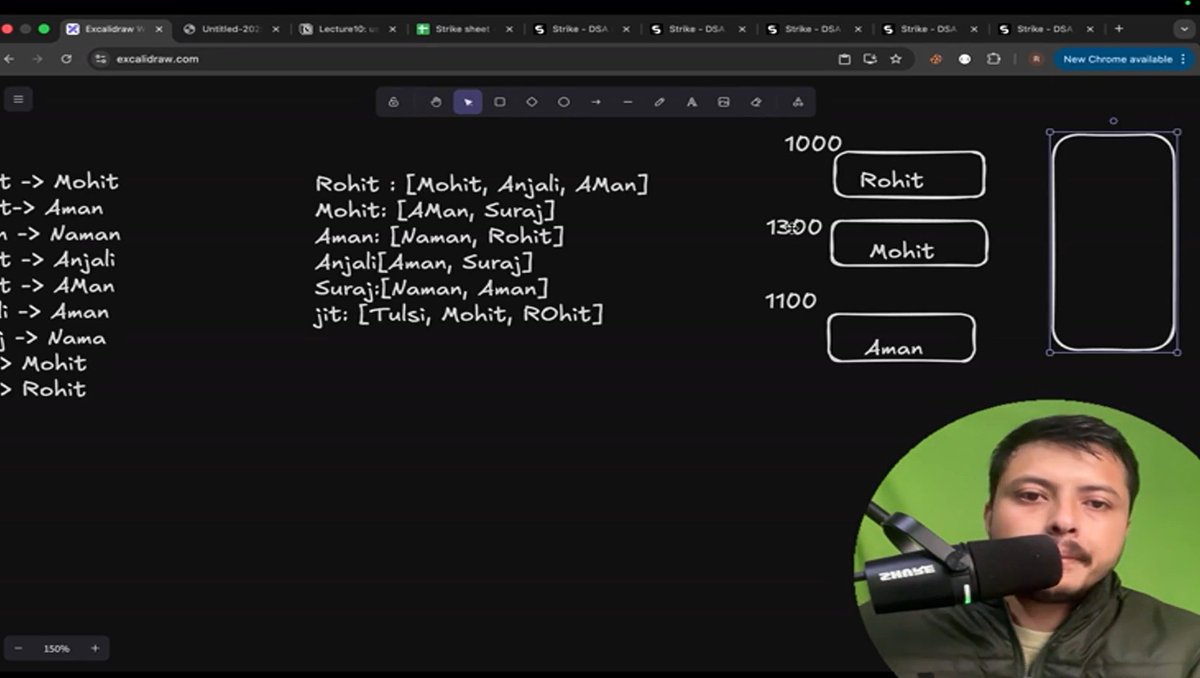
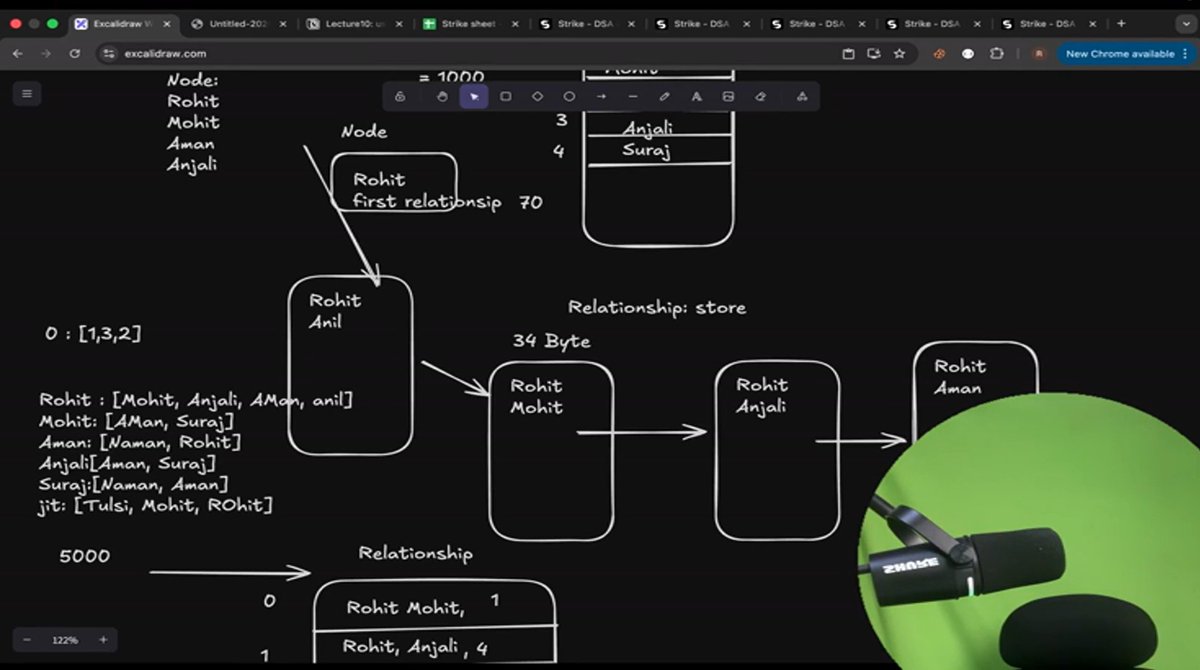
#Day41 of Strike DSA GenAI by @rohit_negi9
Today’s lecture:-
• Graph Internals (from scratch)
• Nodes, edges & relationships
• Data storage & traversal
• Why Graph DBs scale well
#DSA #GenAI #GraphDatabases #LearningJourney
1
1
14
205

Agivant EDGE isn’t just an upgrade; it’s a strategic leap forward. We deliver sub-second insights & unmatched scalability, transforming your data from a liability into a competitive advantage.
Read More: agivant.com/agivant-edge/
#AI #CloudServices #DataAnalytics #GraphDatabases
4
20
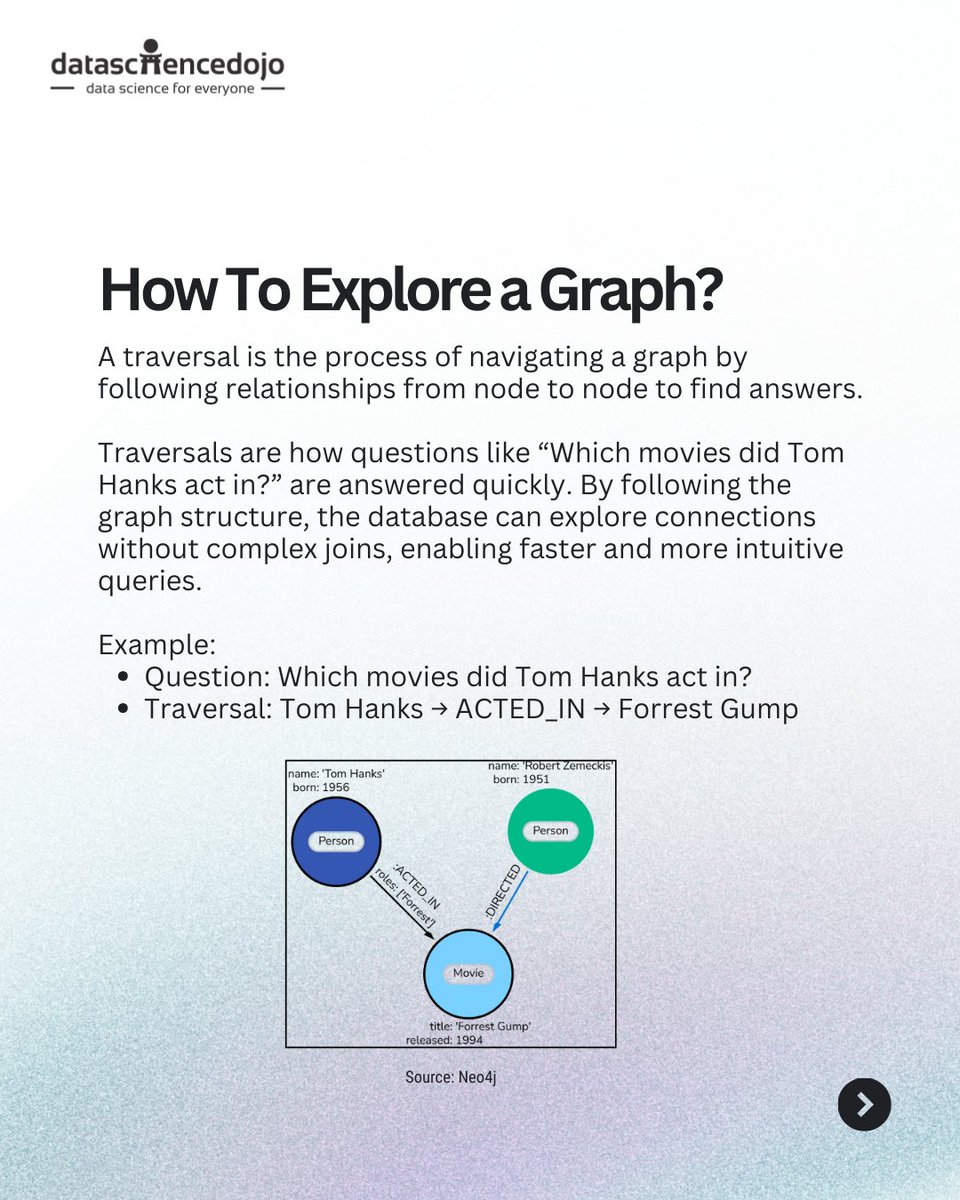
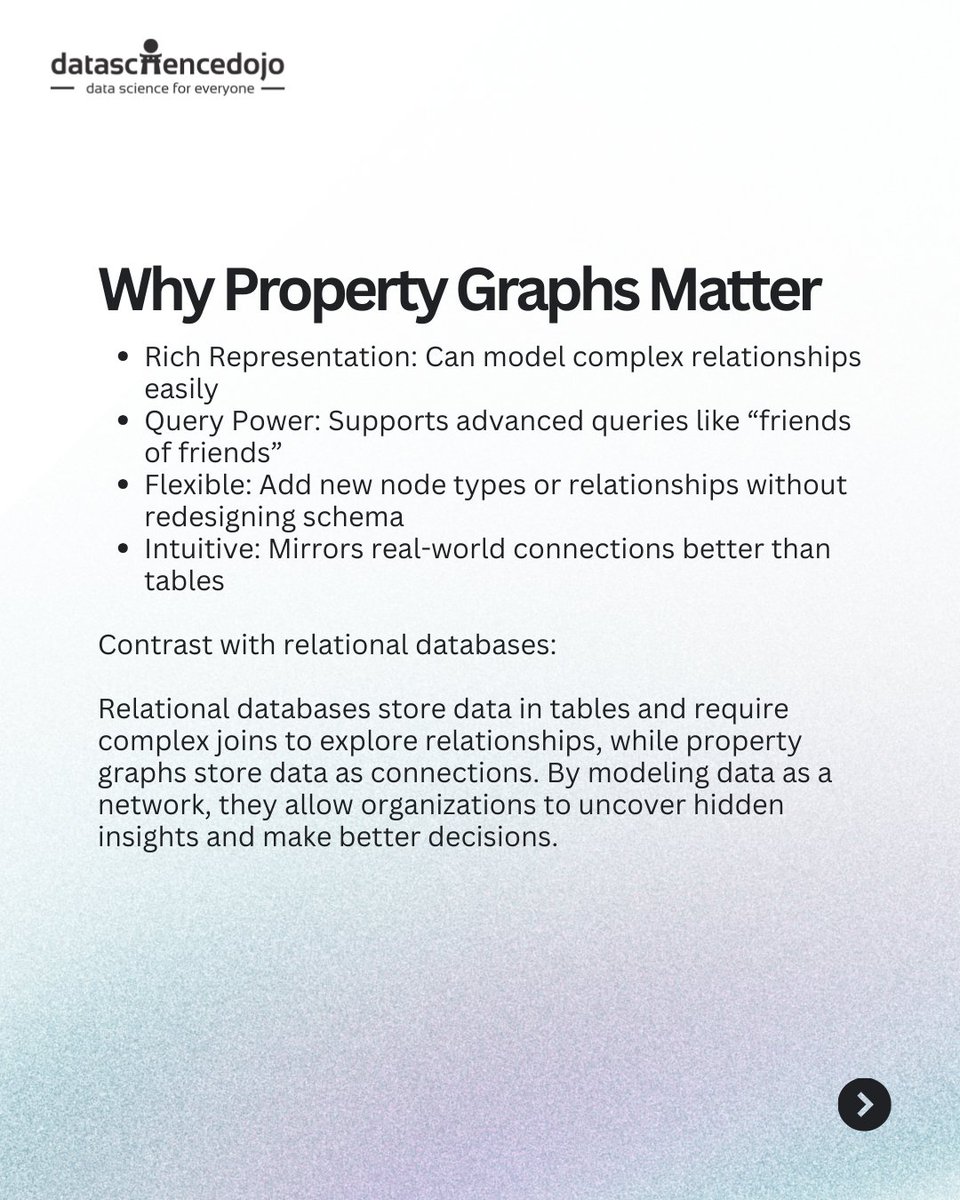
What if AI systems are built on data relationships instead of just data?
That’s the shift Neo4j’s graph-first approach has been pushing for years.
Swipe to discover:
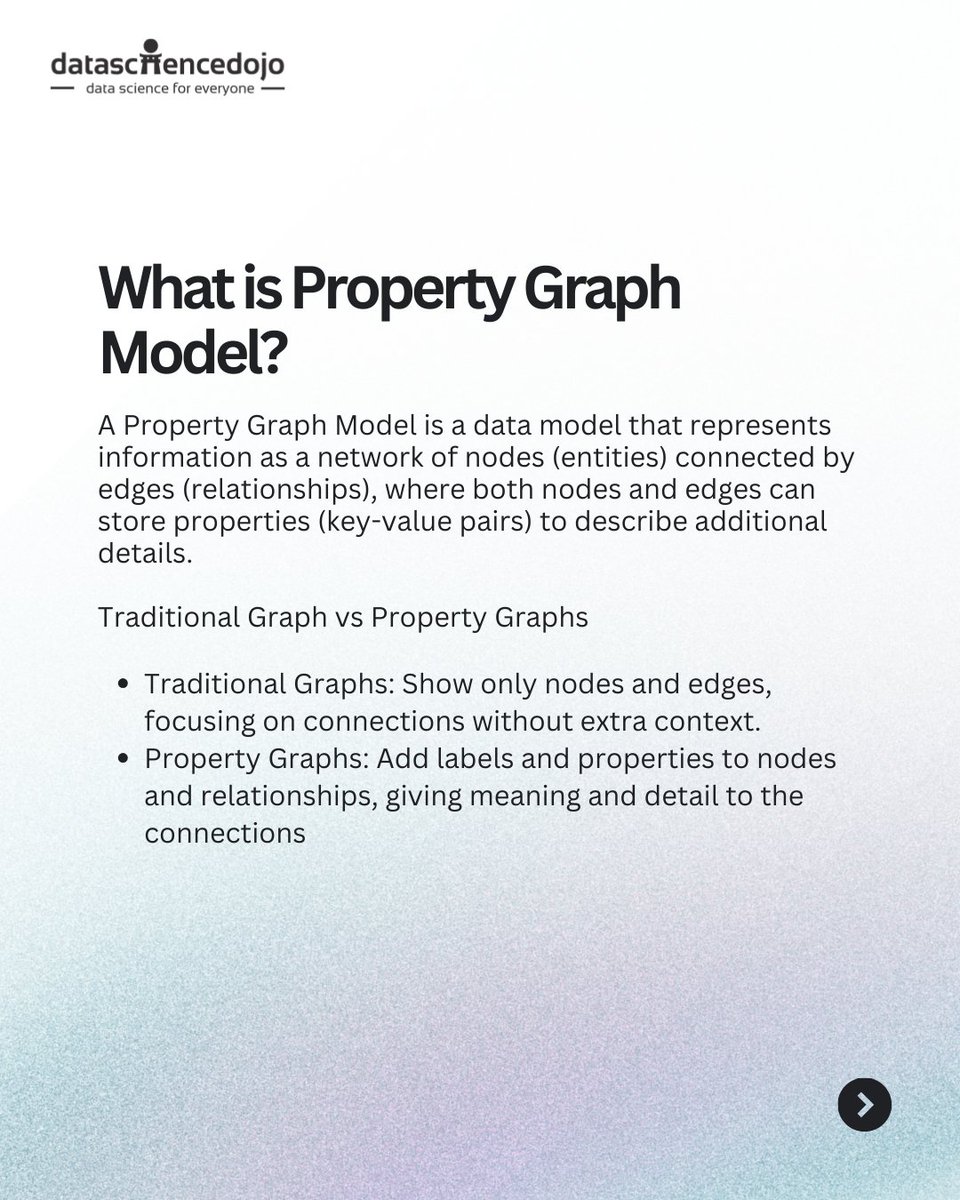
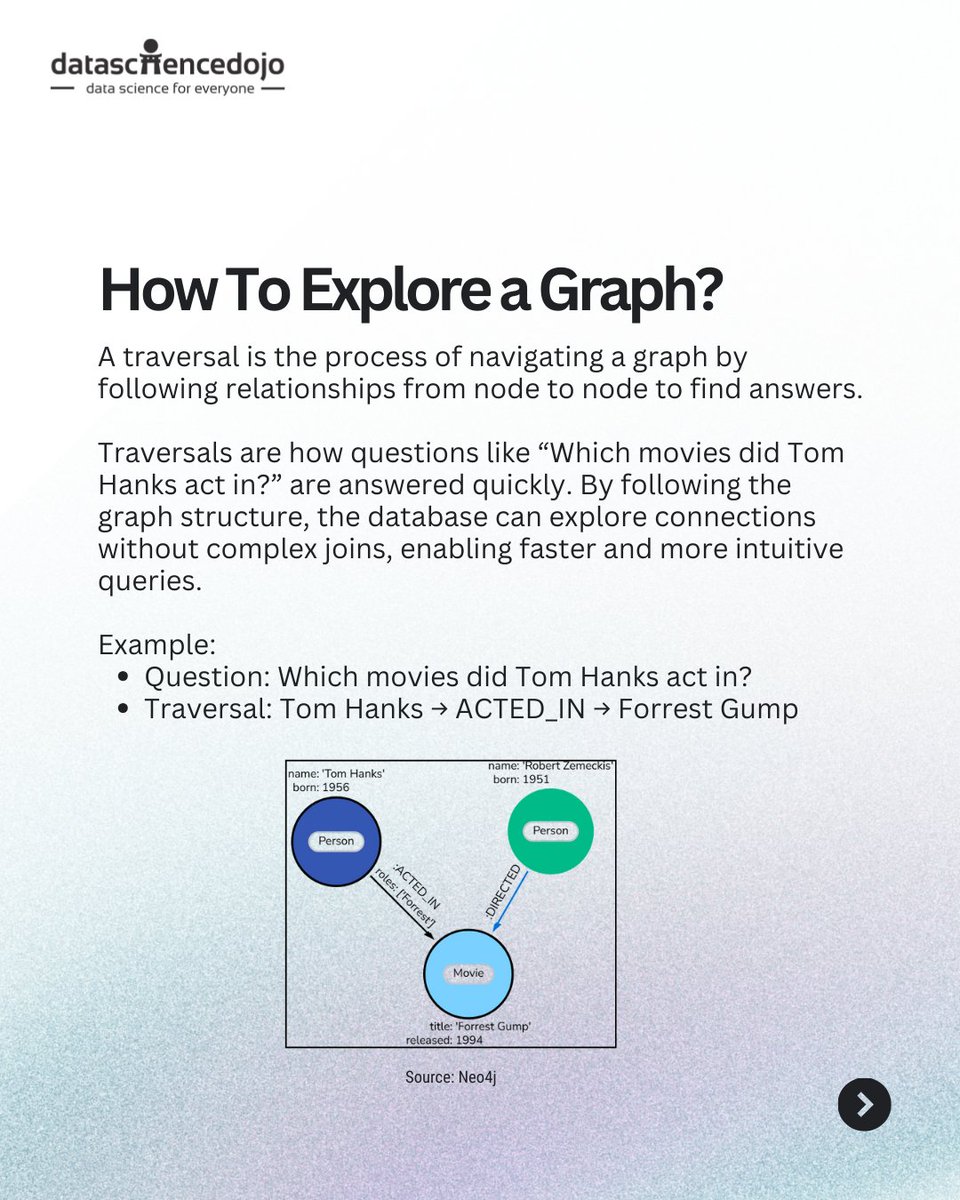
- What the property graph model really is
- The core components of a graph database
- How graph databases work
- Why these graph models matter
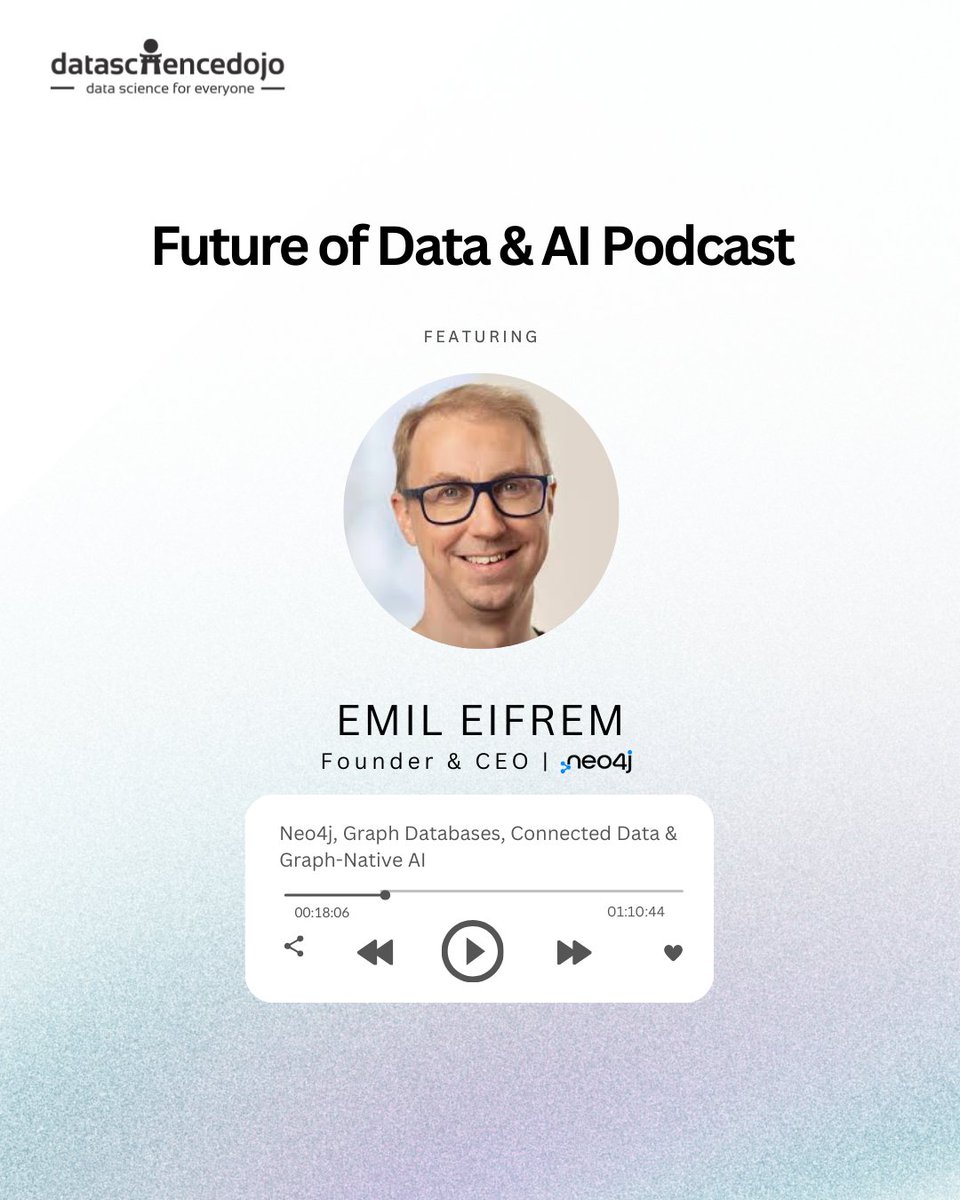
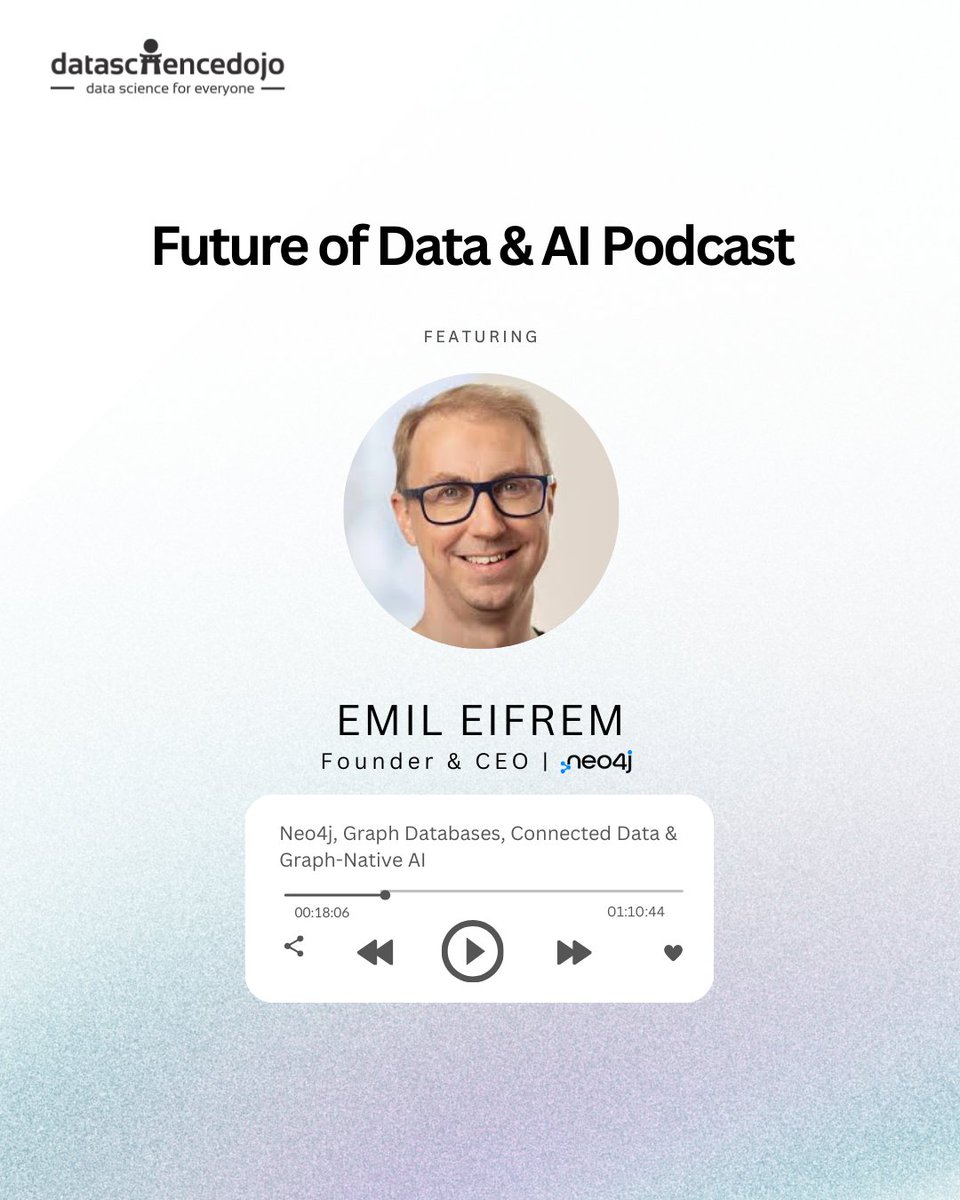
🎙️ On our latest podcast, we sat down with the man behind this vision. Emil Eifrem (CEO & Founder, Neo4j) explains why graphs AI are key to building trustworthy, explainable, and high-performing systems.
#GraphDatabases #KnowledgeGraphs #AI #ExplainableAI #Neo4j #FutureOfDataAndAI #Podcast

1
3
6
799
What if AI systems are built on data relationships instead of just data?
That’s the shift Neo4j’s graph-first approach has been pushing for years.
Swipe to discover:
- What the property graph model really is
- The core components of a graph database
- How graph databases work
- Why these graph models matter
🎙️ On our latest podcast, we sat down with the man behind this vision. Emil Eifrem (CEO & Founder, Neo4j) explains why graphs AI are key to building trustworthy, explainable, and high-performing systems.
#GraphDatabases #KnowledgeGraphs #AI #ExplainableAI #Neo4j #FutureOfDataAndAI #Podcast
1
1
3
739

17 Dec 2025
The Ontology issue: From knowledge to graphs and back again
Enterprise and data architects, data modelers, GenAI adopters, analysts, thought leaders, Graph RAG application builders, Microsoft, Palantir – everyone is talking about ontologies. Why, what is an ontology actually, and how is it related to graphs?
In the Winter 2025 – 2026 issue of the Year of the Graph Newsletter, the "O" word is in the centerfold.
If you talk to people working with data, AI, or enterprise architecture and ask, “what is an ontology?”, you’ll get different answers.
For some, ontology is a kind of clever data schema. For others, it’s a business glossary. For others still, the heart of a knowledge graph.
They’re all right, and that's part of the problem - and the opportunity.
Like ontologies, what has largely contributed both to popularizing and creating confusion around knowledge graphs is their use for #GenAI, specifically to support #LLMs in #GraphRAG.
In this issue of the Year of the Graph, we identify ontology and knowledge graph definitions, applications, tools, and educational resources:
* The “O” word
* From knowledge to graphs and back again
* Knowledge graph applications at scale
* #Ontology and #knowledgegraph insights, tools and education
* Two meanings of “Semantic Layer” and why both matter for #AI
* #Graphdatabases: growing market, intensifying competition, more options
* New #tools and #research
Brought to you by @metaphacts , @ProcessTempo, @Linkurious , @oxfordsemantic, @TENTRIS_DB, @Connected_Data, State of the Graph and Pragmatic AI Training
yearofthegraph.xyz/newslette…
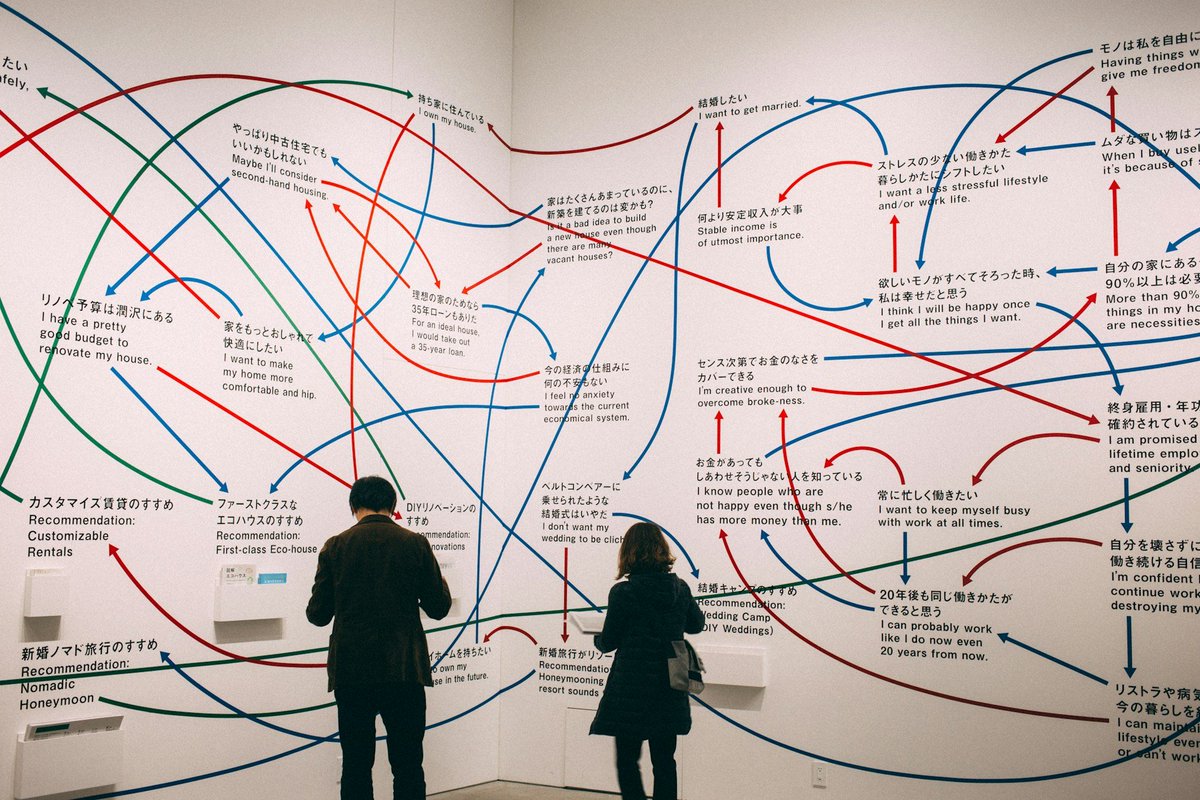
4
21
1,268

16 Dec 2025
Check out this indy developer walkthrough video made by @jalakoo exploring G.V() from top to bottom -- including examples for @Neo4j, @memgraphdb, and @falkordb -- showing you how to query, explore, and modify your graph data.
eu1.hubs.ly/H0qrW720
#graphdatabases #Neo4j

3
66

5 Dec 2025
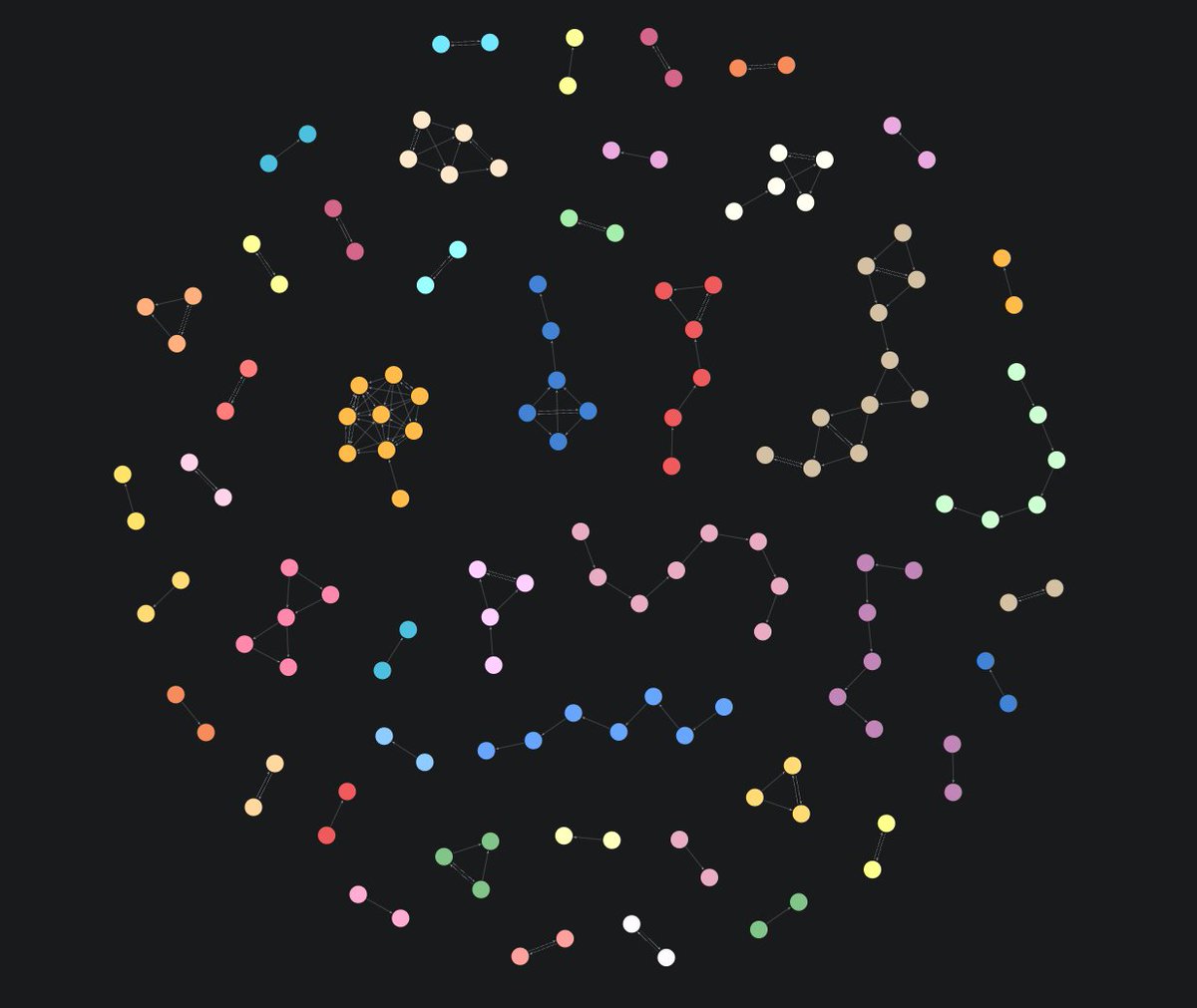
🚀 Day 5 of #AdventOfCode 2025 conquered—purely in #Cypher! No Python, no loops, just Neo4j graph magic turning overlapping ingredient ranges into a festive union of fresh IDs.
The elves' cafeteria crisis? Solved with:
Composite indexes for lightning-fast containment checks in Part 1.
A sparse :STARTS_IN graph iterative merging (or #GDS WCC) for Part 2's interval union in under 40ms.
All powered by CYPHER 25's slick conditional subqueries.
Who knew spoiled vs. fresh could be so... connected?
Check out the full breakdown: medium.com/@pierre.halfterme…
#Neo4j #Cypher #GraphDatabases #AoC2025 #DataEngineering #Programming
1
2
159

28 Nov 2025
#GraphDatabases like #NebulaGraph provide a structured, dynamic #KnowledgeGraph that grounds #LLMs in real-world relationships.💡
This enables multi-hop reasoning, reduces hallucinations, and powers advanced techniques like #GraphRAG.🚀
👉 Read more:
na2.hubs.ly/H02dQNn0
30
1
106

10 Nov 2025
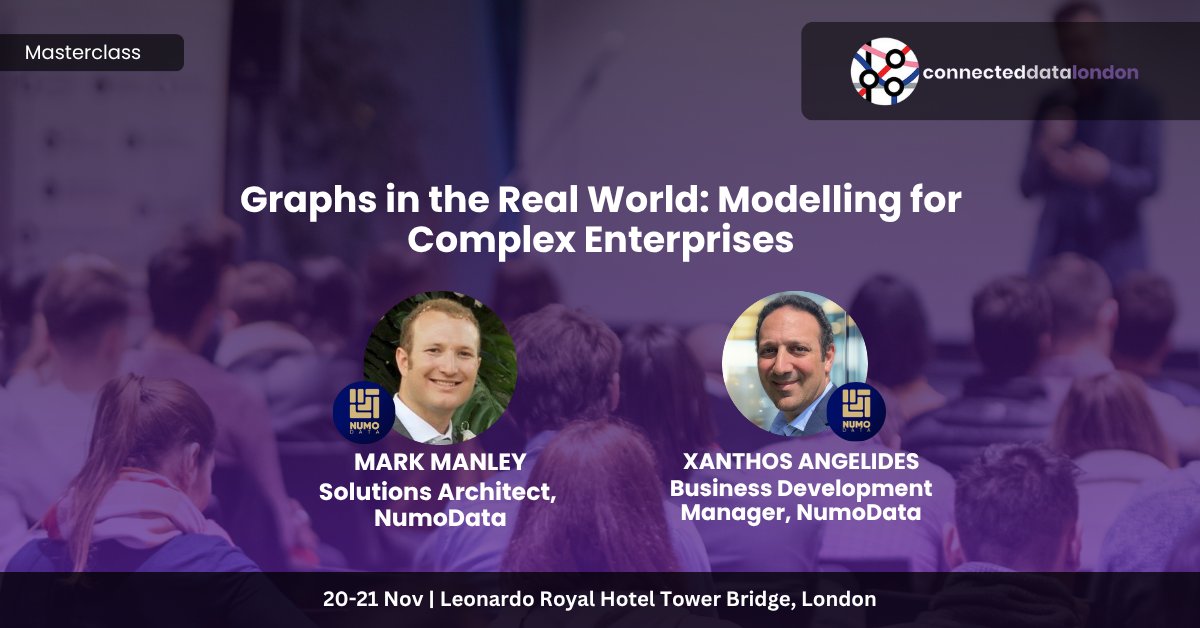
📡 Connect the dots in enterprise data with Mark Manley, Solutions Architect, and Xanthos Angelides, Business Development Manager at NumoData, in their masterclass: “Graphs in the Real World: Modelling for Complex Enterprises”
Discover how knowledge graphs turn raw, structured data into meaningful, queryable models that power search engines, recommendation systems, and intelligent enterprise applications.
In this hands-on session, you’ll:
✅ Build a knowledge graph step by step using telecom network data
✅ Apply rules and link domains into a unified graph
✅ Transform structured inputs into actionable insights and visualisations
Perfect for data scientists, engineers, and anyone interested in modelling complex enterprise systems.
👉 Join Mark and Xanthos at Connected Data London 2025 on 20–21 November at the Leonardo Royal Hotel London Tower Bridge. Discover their talk and reserve your spot: 2025.connected-data.london/t…
#CDL25 #ConnectedDataLondon #KnowledgeGraphs #DataModeling #GraphDatabases #EnterpriseData #SemanticWeb #DataEngineering
2
120
3 Nov 2025
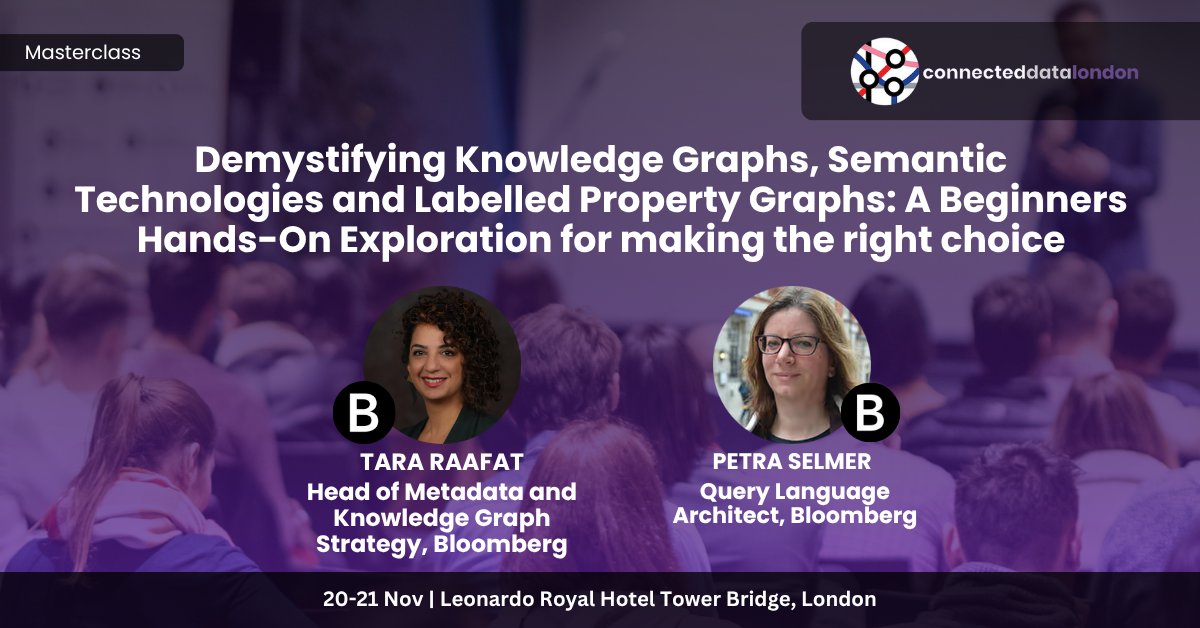
📚 Join Tara Raafat and Petra Selmer from @Bloomberg for their tutorial - Demystifying Knowledge Graphs, Semantic Technologies and Labelled Property Graphs: A Beginners Hands-On Exploration for Making the Right Choice
Knowledge graphs, whether RDF-based or labelled property graphs (LPGs), are increasingly important for data integration, governance, and AI, especially with the rise of LLMs.
In this hands-on session, Tara and Petra will guide participants through real-world scenarios and practical exercises, helping you understand the strengths, trade-offs, and synergies between semantic technologies, property graphs, and LLMs.
This tutorial is ideal for technical leaders, data scientists, engineers, and enterprise strategists looking to harness the full potential of graph technologies.
Attendees will leave with actionable insights to make informed architectural decisions for their organisation and understand how to apply graph technologies to maximise business and AI value.
👉 Join Tara Raafat and Petra Selmer at Connected Data London 2025 on 20-21 November at the Leonardo Royal Hotel London Tower Bridge. Discover more about their talk and secure your place today: 2025.connected-data.london/t…
#CDL25 #ConnectedDataLondon #KnowledgeGraphs #SemanticWeb #GraphDatabases #LLM #DataStrategy #AI #GraphTech
2
114
31 Oct 2025
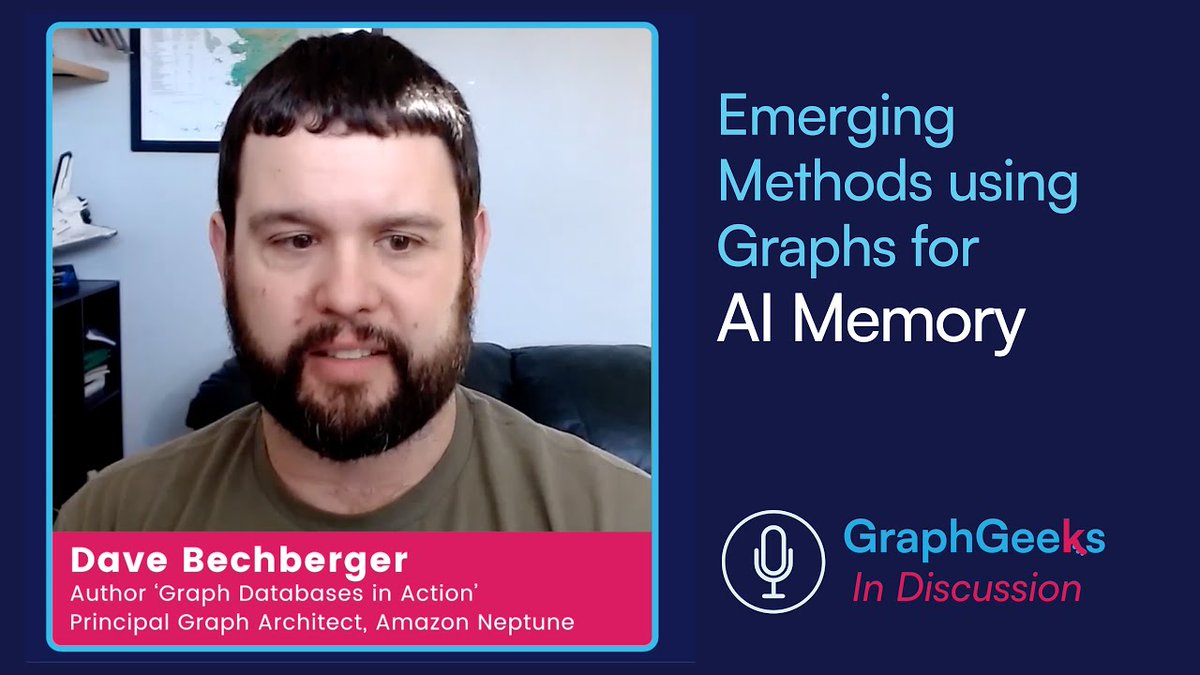
This week's headlines from the world of #graphdatabases and graph tech:
* Meet #RyuGraph
* #Dgraph finds a new patron
* @bechbd from #AWS talks AI memory
* Ontology design 101
* @Gephi Lite v1.0 is here (ICYMI)
More in the link below!
#Kuzu #Ontologies #AmazonNeptune #Graphviz

1
1
2
1,462

28 Oct 2025
Before ChatGPT, Google already proved it — graphs, not text, built the first intelligent systems.
Philip Rathle (@prathle), CTO of @Neo4j, helped turn that idea into a $150M ARR company powering NASA’s Mars mission & uncovering the Panama Papers.
🎞 Watch the trailer below
📅 Full episode drops soon on @FounderCoHo youtube channel.
#AI #DataInfrastructure #GraphDatabases #Neo4j #FounderCoHo
1
2
146
17 Oct 2025
Catch this week's edition on the blog or in your inbox: gdotv.com/blog/weekly-edge-a…
#graphdatabases #datascience
1
3
40

14 Oct 2025
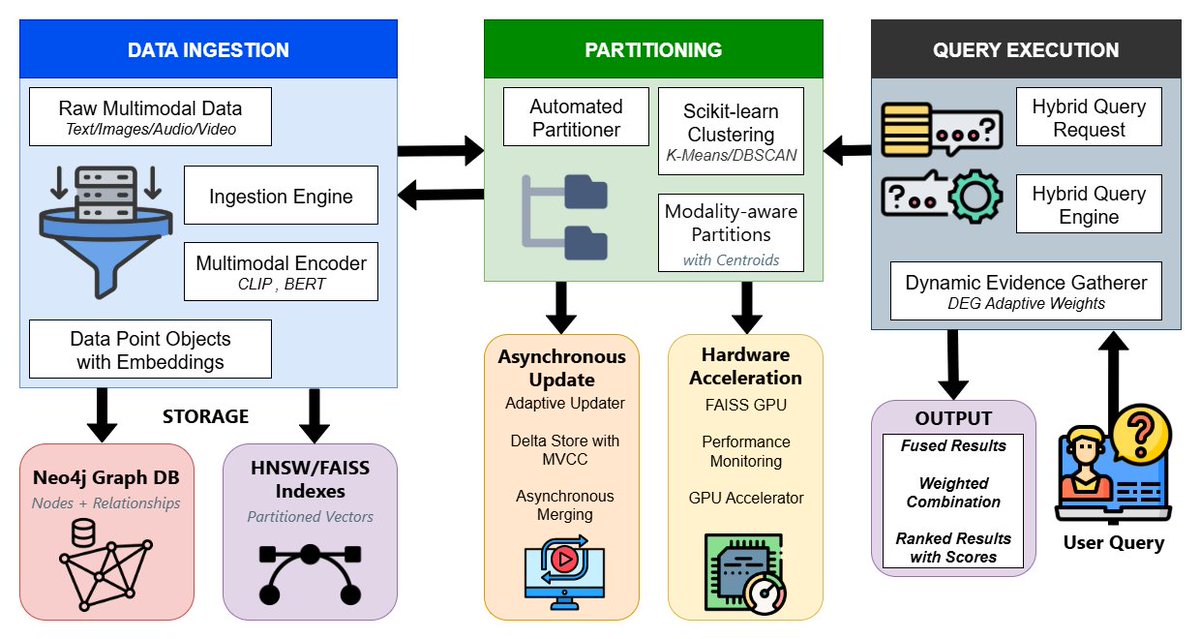
🚀 Excited to share our latest research: The Hybrid Multimodal Graph Index (HMGI)!
How can we fuse semantic similarity with relational queries over multimodal data? Let’s explore.
👉 arxiv.org/abs/2510.10123
#GraphDatabases #VectorSearch #MultimodalAI
1
2
222
10 Oct 2025
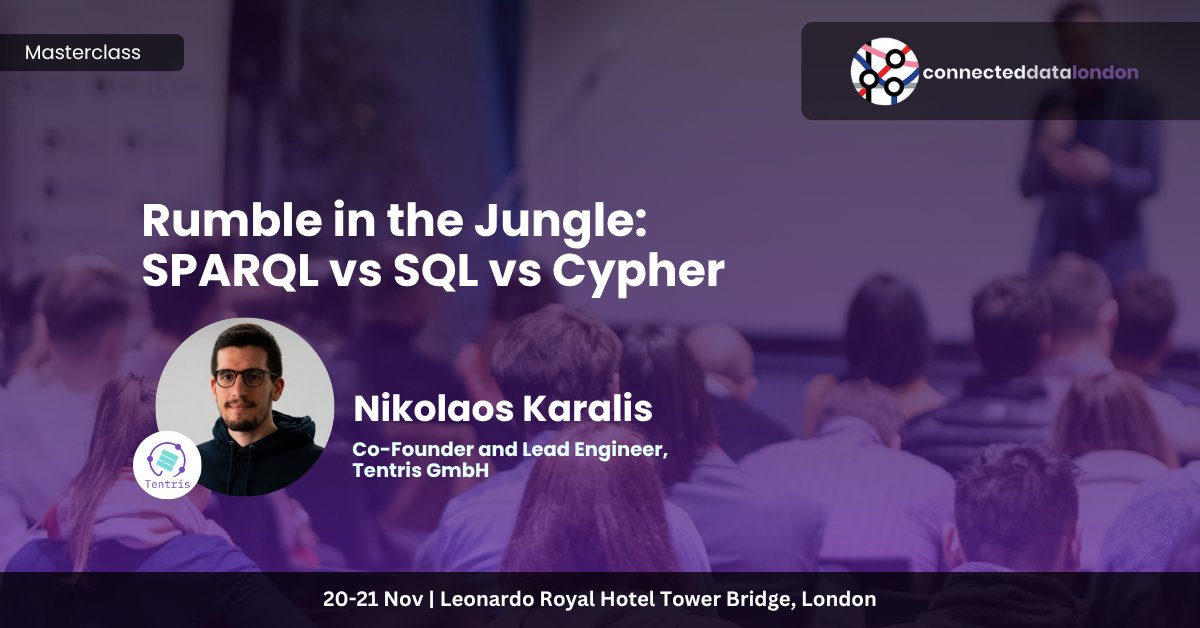
🧩 Co-founder of @TENTRIS_DB, Nikolaos Karalis, will join us at Connected Data London to deliver his masterclass - Rumble in the Jungle: SPARQL vs SQL vs Cypher
Modern companies face an ever-growing volume of data and choosing between relational, NoSQL, or graph databases can be challenging. Knowledge graphs offer a flexible, scalable and semantically rich approach that supports agile, pay-as-you-go data strategies.
In this hands-on masterclass, Nikolaos introduces the Resource Description Framework (RDF) and SPARQL, showing how to create, query and explore knowledge graphs using Tentris. He’ll also compare RDF and SPARQL with SQL and Cypher, and explore how to combine these technologies with LLMs for advanced, intelligent applications.
Attendees will gain practical skills to design and query semantic data models, enhance decision-making, and unlock the full potential of connected, knowledge-driven systems.
👉 Join Nikolaos Karalis at Connected Data London 2025 on 20-21 November at the Leonardo Royal Hotel London Tower Bridge. Discover more about their talk and secure your place today: 2025.connected-data.london/t…
#CDL25 #ConnectedDataLondon #KnowledgeGraphs #SPARQL #GraphDatabases #DataManagement #SemanticWeb #AI
4
162