
Machine Learning IoT is not plug-and-play. I learned this the hard way.
Most posts make Machine Learning and IoT look simple. Connect a sensor. Train a model. Deploy it. Done.
That version exists only in slides.
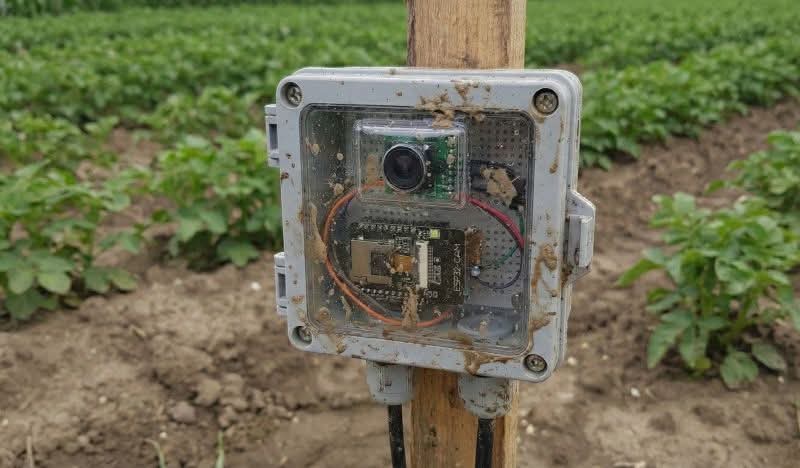
When I started building real IoT systems using ESP32 and STM32 with Machine Learning, reality pushed back hard.
I learned one uncomfortable truth early: Models do not fail first. Systems do.
Below are the real failures, fixes, and lessons that shaped how I now engineer ML-powered IoT systems.
Failure 1: A perfect model that collapsed in the field
In controlled conditions, the model performed well. Once deployed:
- Sensor drift appeared
- Environmental noise increased
- Installation conditions changed
The algorithm was not wrong. The assumptions were.
What fixed it:
- Collecting real field data instead of clean lab data
- Normalizing inputs directly on the device
- Rejecting invalid and unstable sensor readings
Lesson: Data quality matters more than model complexity.
Failure 2: A powerful model on constrained hardware
A model that runs smoothly on a PC does not automatically belong on a microcontroller.
- On ESP32 and STM32 hardware:
- Memory became the bottleneck
- Inference latency increased
- Power consumption mattered
What fixed it:
- Choosing simpler models over complex ones
- Using quantized models instead of floating point
- Running ML only where it created real value
Lesson: In IoT, the best model is the one that fits the hardware.
Failure 3: Internet dependency destroyed reliability
Early designs assumed constant connectivity. Reality delivered network drops, latency spikes, and unstable links.
The system became fragile.
What fixed it:
- Edge-first system design
- Local fallback logic
Using ML for prediction, not for safety-critical control
Lesson: Machine Learning should increase reliability, not depend on ideal conditions.
Failure 4: High accuracy with low real-world impact
I once celebrated a model with strong accuracy metrics. Stakeholders did not.
Accuracy did not reduce:
- False alarms
- Maintenance cost
- System downtime
What fixed it:
- Defining success at the system level
- Optimizing for stability and reliability
- Letting engineering logic lead and ML support
Lesson: Accuracy is a metric. Impact is the goal.
What finally worked
Simple models instead of complex ones
Real-world data instead of synthetic perfection
A balance between edge and cloud
Hardware-aware ML design
Combining ML with rule-based control
Final thought
Machine Learning in IoT is not about smarter models. It is about building systems that survive reality.
That mindset shift, from writing code to engineering systems, changed how I build everything.
🔥 Top 6 ESP32 eBooks
ebokify.com/top-6-esp32-eboo…
#MachineLearning #IoT #EdgeAI #EmbeddedSystems #ESP32 #STM32 #TinyML #AIEngineering #EngineeringMindset #SystemsEngineering #RealWorldAI #HardwareMeetsSoftware #EngineeringLessons #LearningByBuilding
2
46

14 Aug 2024
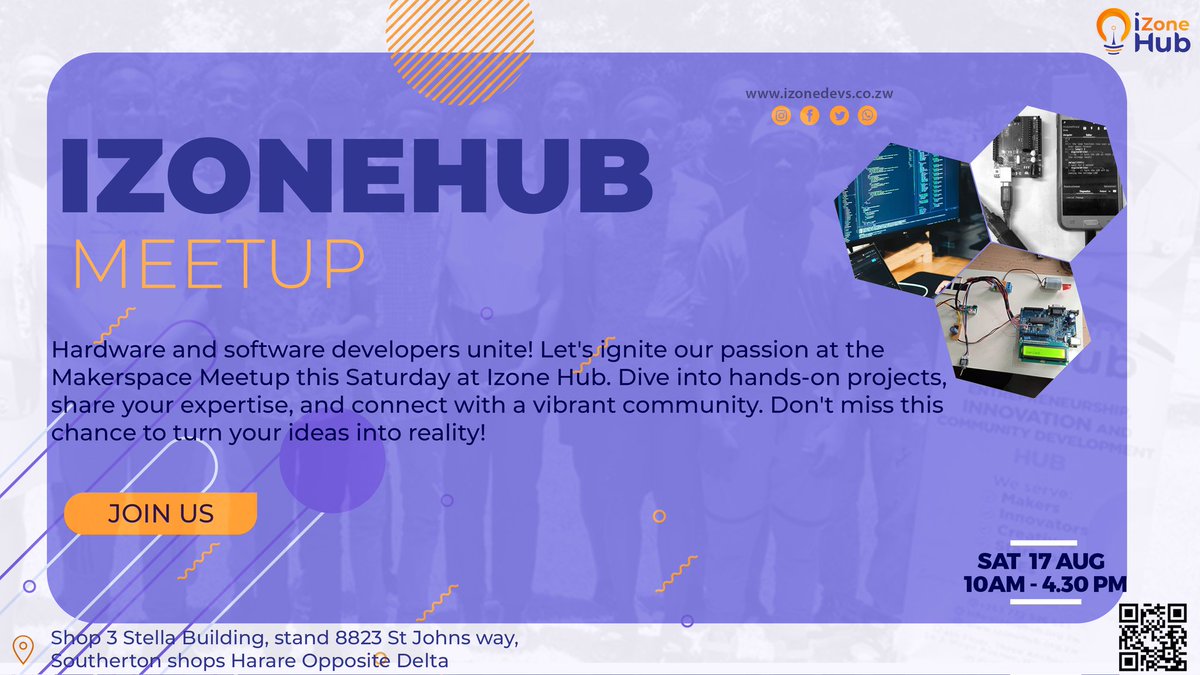
Join the fusion of innovation! 🤖💻 This weekend's joint meetup brings together hardware & software enthusiasts for hands-on workshops, project showcases & networking! 🎉 Southerton Shops 9am-4pm #TechMeetup #HardwareMeetsSoftware #Innovation
3
46

17 Apr 2020
The #Ewon Cosy VPN-Router offers a complete solution for industrial remote access for machines and plants in the field with the highest security standards. Learn more in our ebook: bit.ly/3a4nP2n
#staycosy #Ewon #HardwaremeetsSoftware
#RemoteAccess #Router #machine

2

28 Nov 2019
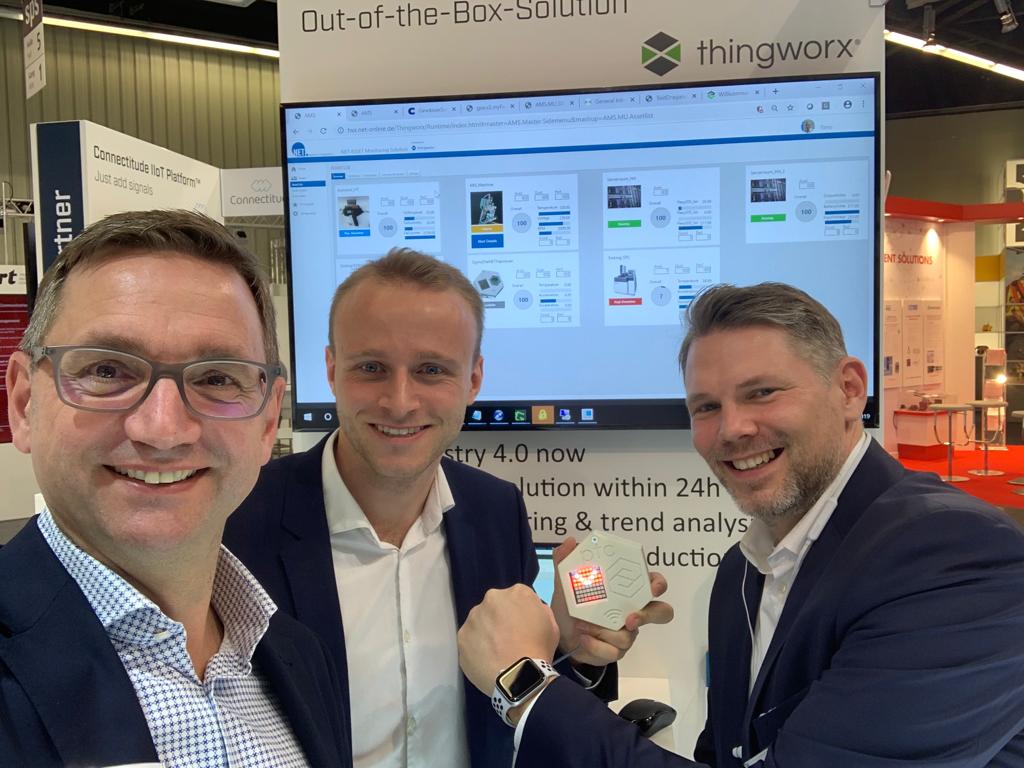
Drei spannende Tage auf der @spsmesse gehen heute zu Ende. Wir freuen uns jetzt schon auf's nächste Jahr!
#hmsnetworks #sps2019 #IIoT #IoT #iotsolutions #industrialization #tradeshow #nuremberg #hardwaremeetssoftware @HMSNetworks_DE
2

28 Nov 2019
Last day at @spsmesse - we are happy to meet you at our booth 110 in hall 5!
#hms #industrialcommunication #IIoT #iotsolutions #industrialization #tradeshow #Nuremberg #hardwaremeetssoftware #digitalization #digitaltransformation #smartfactories
#smartdevices #30thsps
1
[HMS Networks @SPS2019 in Nuremberg]
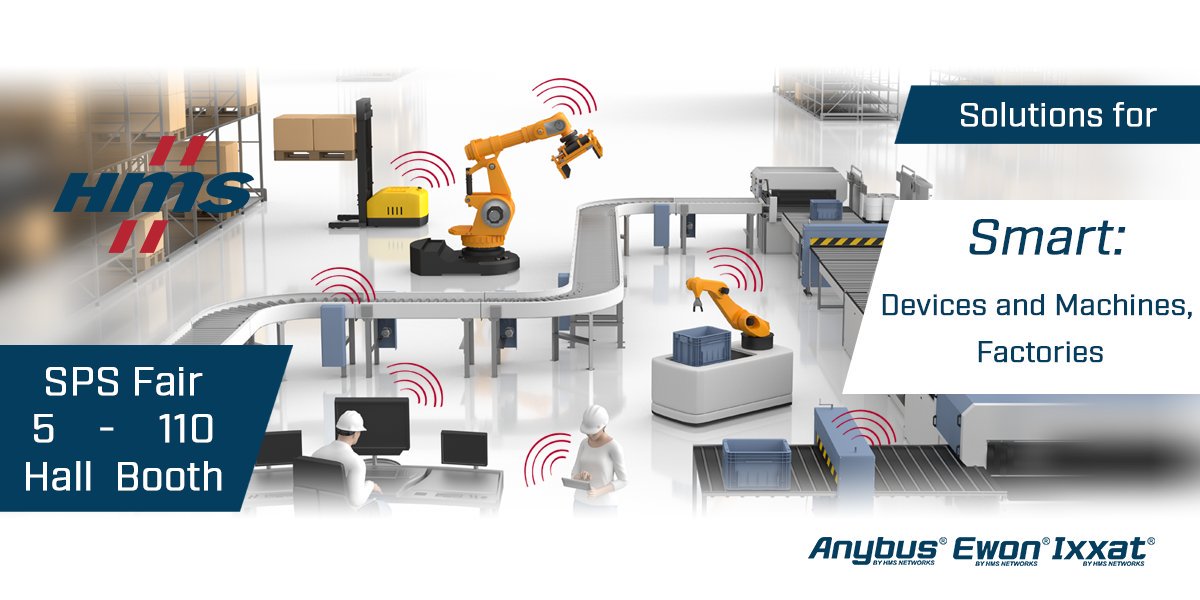
Meet us at SPS trade show at booth 110 in hall 5!
>>bit.ly/2rj2elu
#hmsnetworks #sps2019 #industrialcommunication #IIoT #iotsolutions #automation #industrialization #hms #IT #OT #IIoT #tradeshow #Nuremberg #hardwaremeetssoftware
2
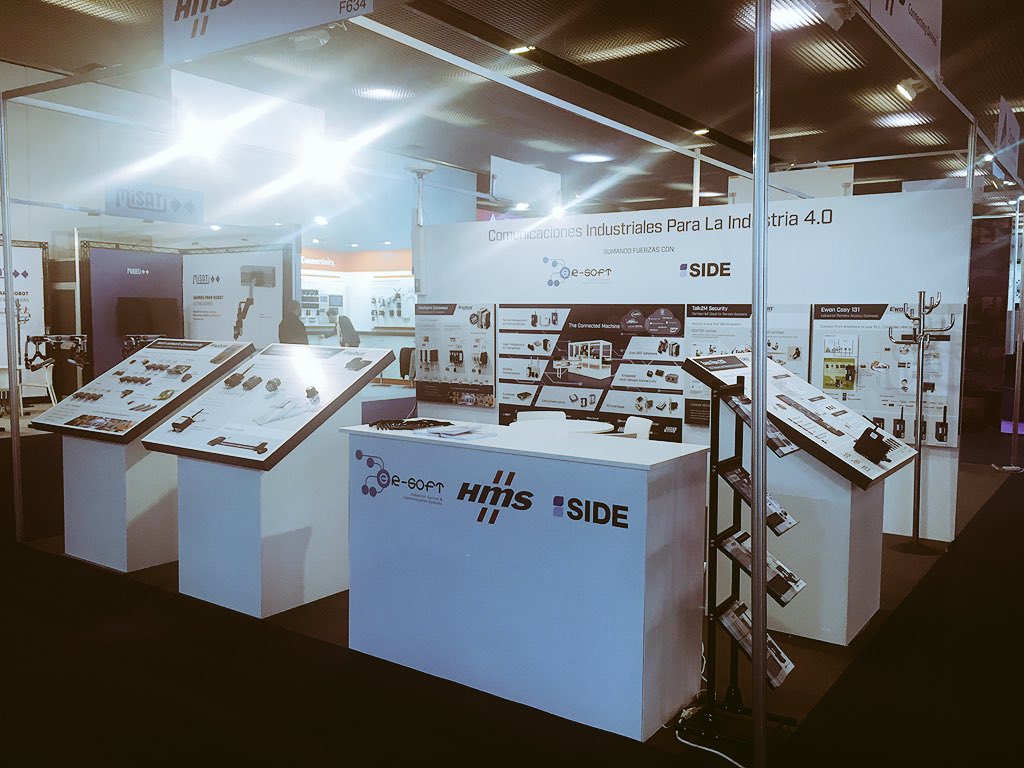
Meet us today with @SIDEAutomatiza and Er-Soft @AdvanFactories in Barcelona in the CCIB @ booth F634! #HMS #HardwaremeetsSoftware #IoT #IIoT
2
14 Mar 2019
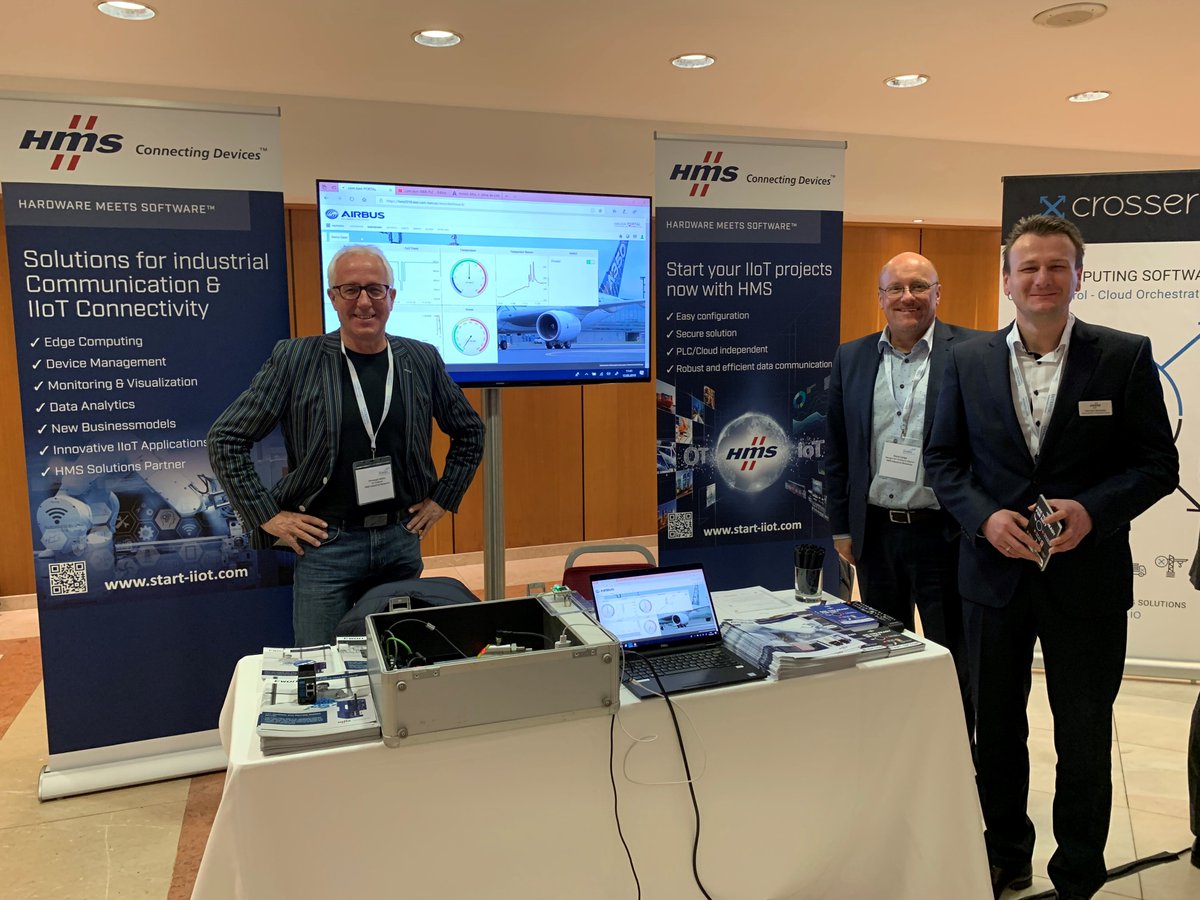
Live from The Industrial IOT Strategies Summit in Lisbon, Portugal. #IOTStrategiesSummit19 #IIoT #StartyourIIoTprojectswithHMS #Hardwaremeetssoftware #Lisbon #cloud #startiiot
2
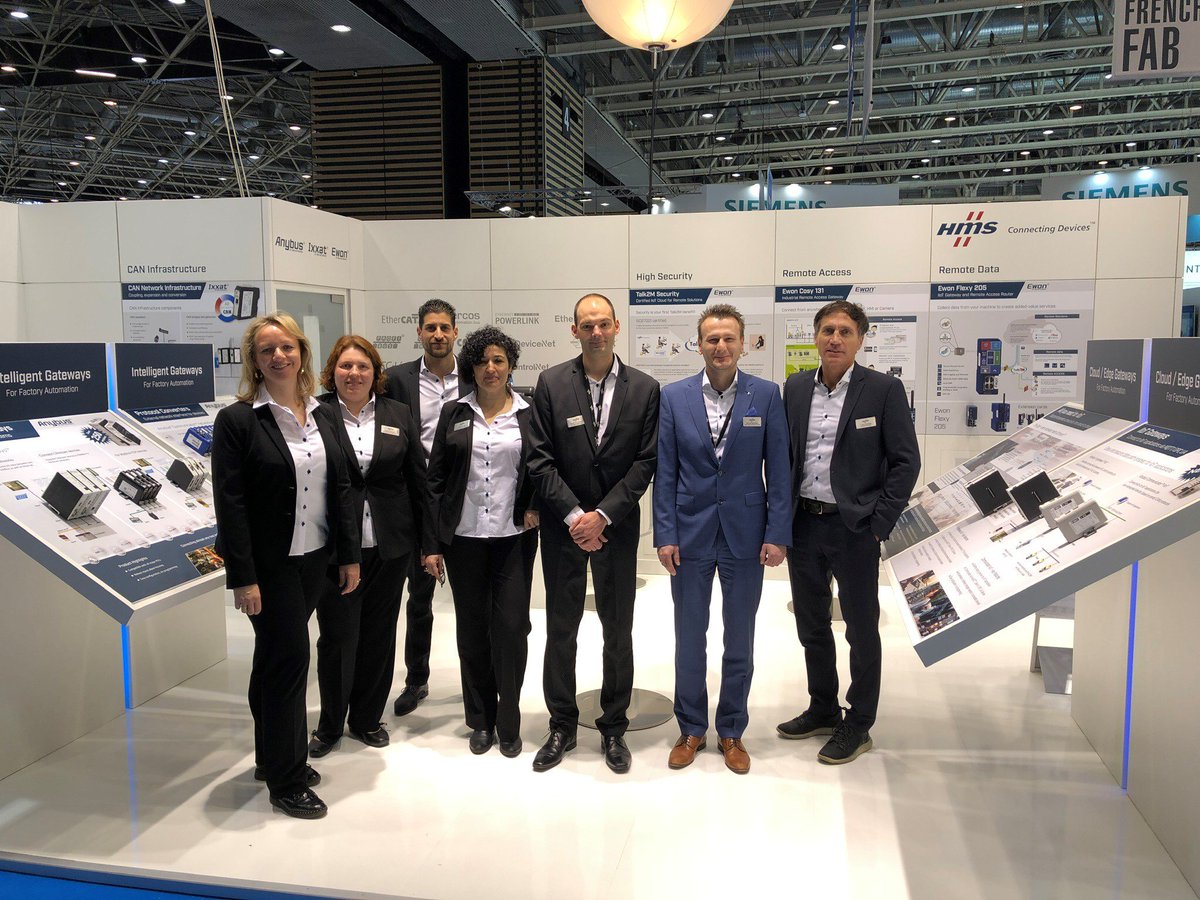
Meet us in Lyon at the SMART Industries trade show in hall 4, booth 4N123!
#smartindustries #lyon #tradeshow #hardwaremeetssoftware #hmsnetworks
@smart_industrie
3

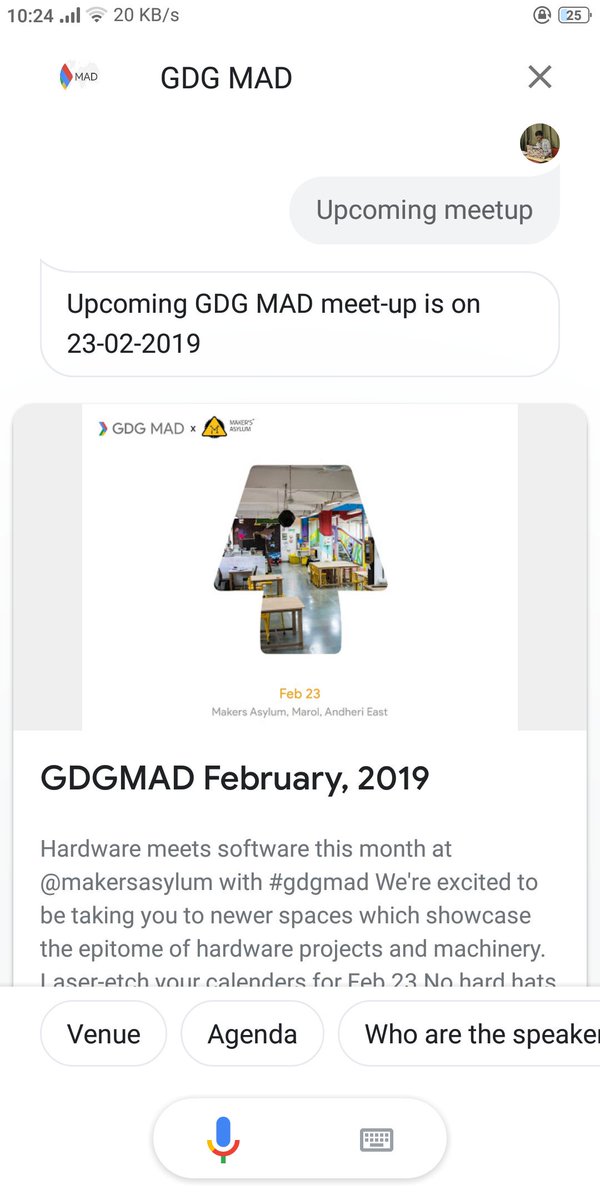
Move fast, make things. We're here at @makersasylum to build a lamp and connect it to an Android phone. #HardwareMeetsSoftware
4

14 Feb 2019
1
2
13 Feb 2019
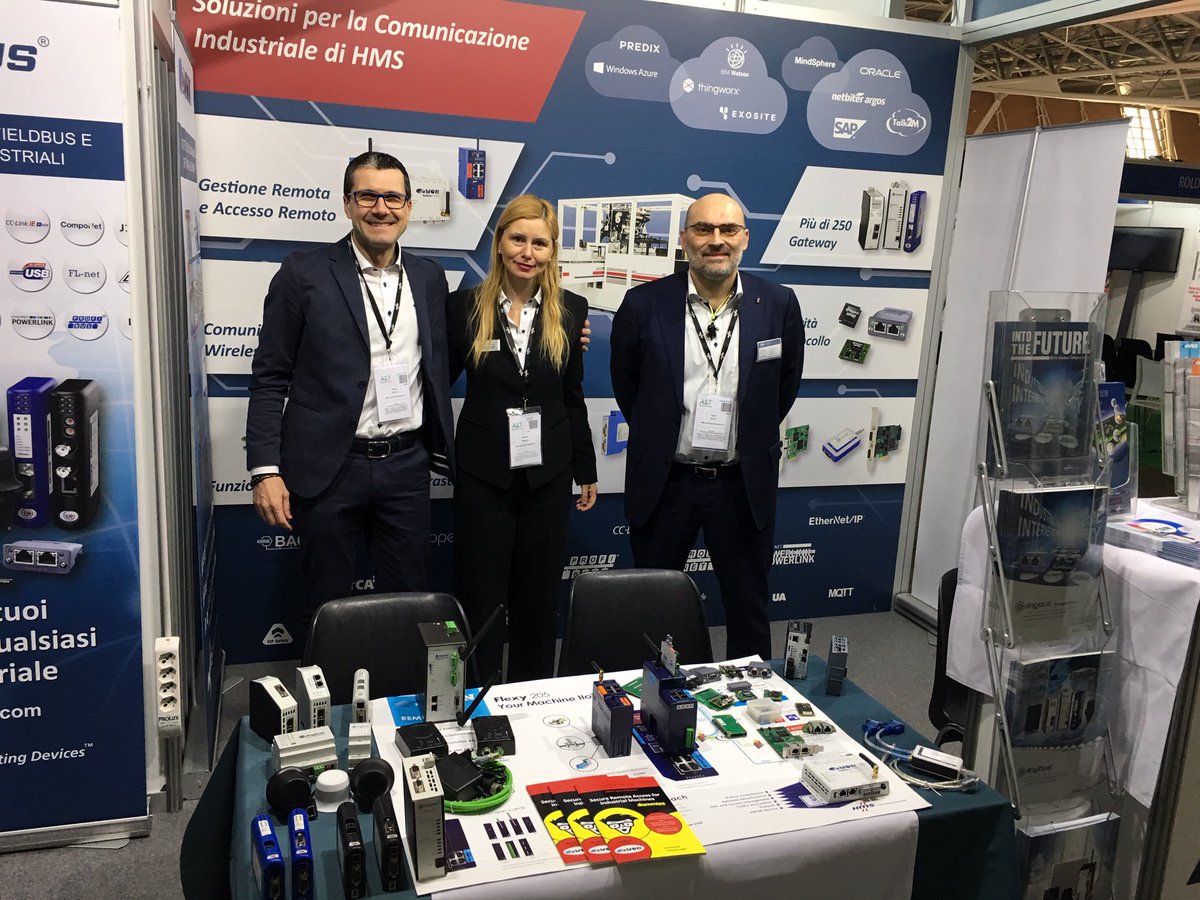
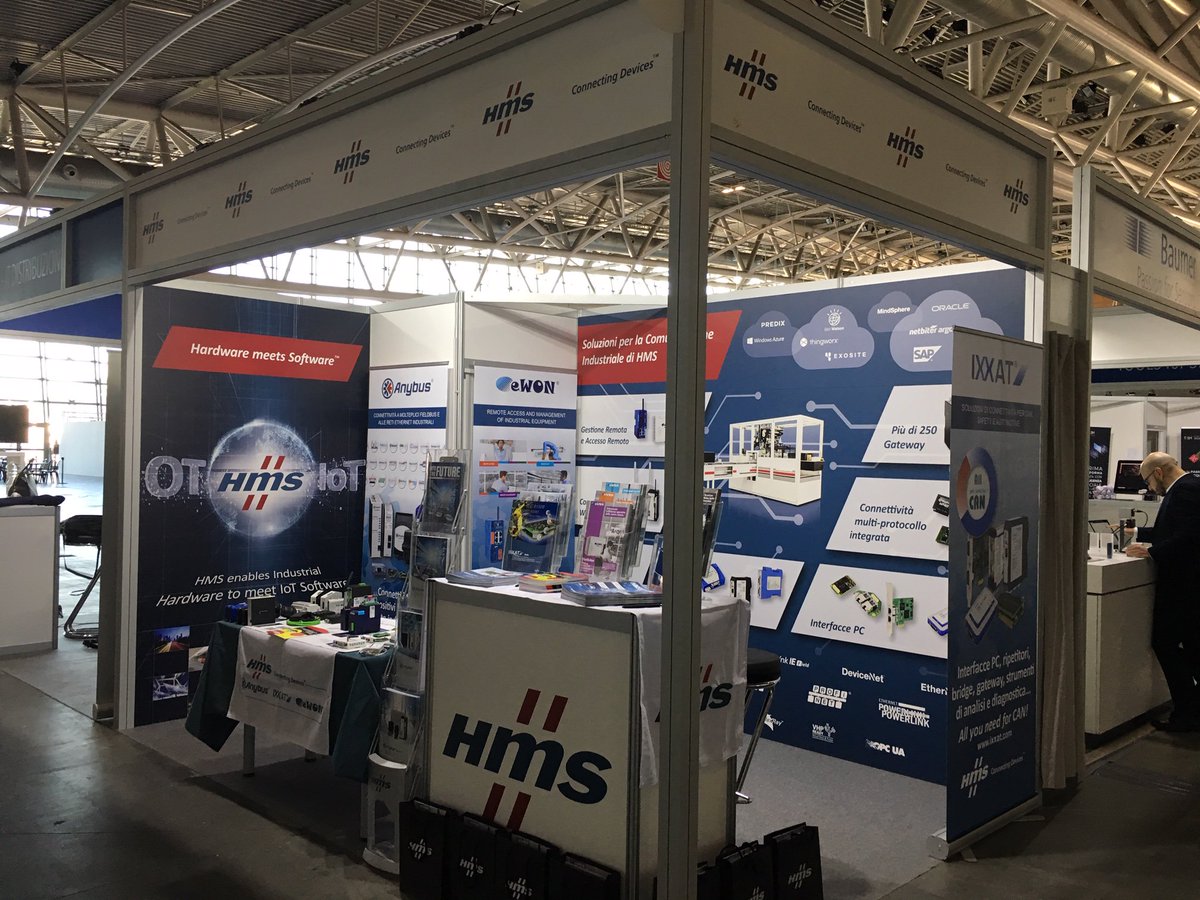
Meet us @ A&T Automation & Testing, in Turin today till Friday 15th! Drop by next to the Production Competence Point at booth A20! #HMSNetworks #tradeshow #Turin #AutomationTesting #IIoT #IndustrialCommunication #HardwaremeetsSoftware #automation

1
27 Nov 2018
Have a look at our IIoT-Solutions highlighted by various impressive live demos at SPS IPC Drives in hall 5 booth 110. See for yourself ! We are looking forward to meeting you! #HMS #sps_live #spsipcdrives18 #IIoT #IoT #hardwaremeetssoftware #HMSnetworks
2
5
20 Jun 2018
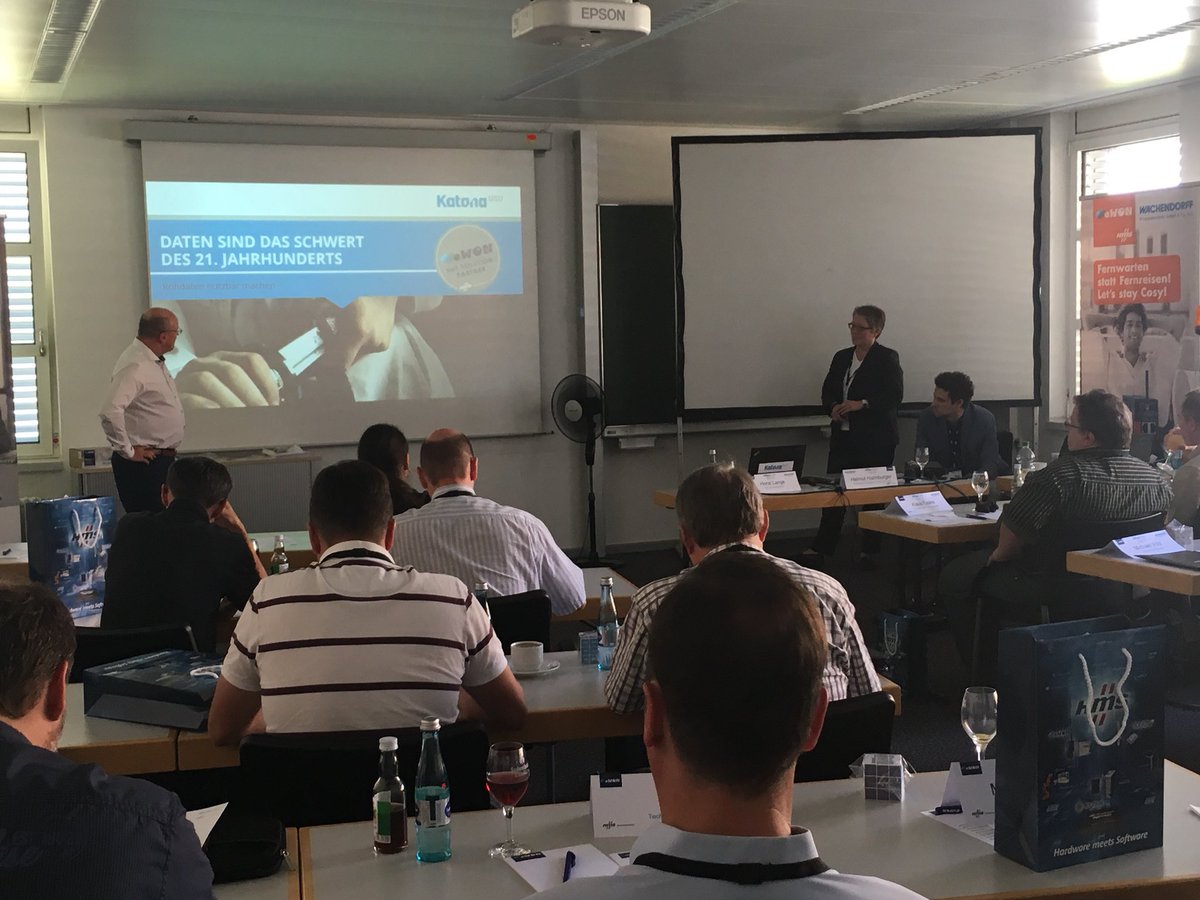
Weiter geht es mit der FlexThink! in Stuttgart mit Wachendorff!
Weiter geht es jetzt mit dem USU Software Vortrag!
#connected #remote #IIoT #IoT #industriellekommunikation #hms #hardwaremeetssoftware
2
23 May 2018
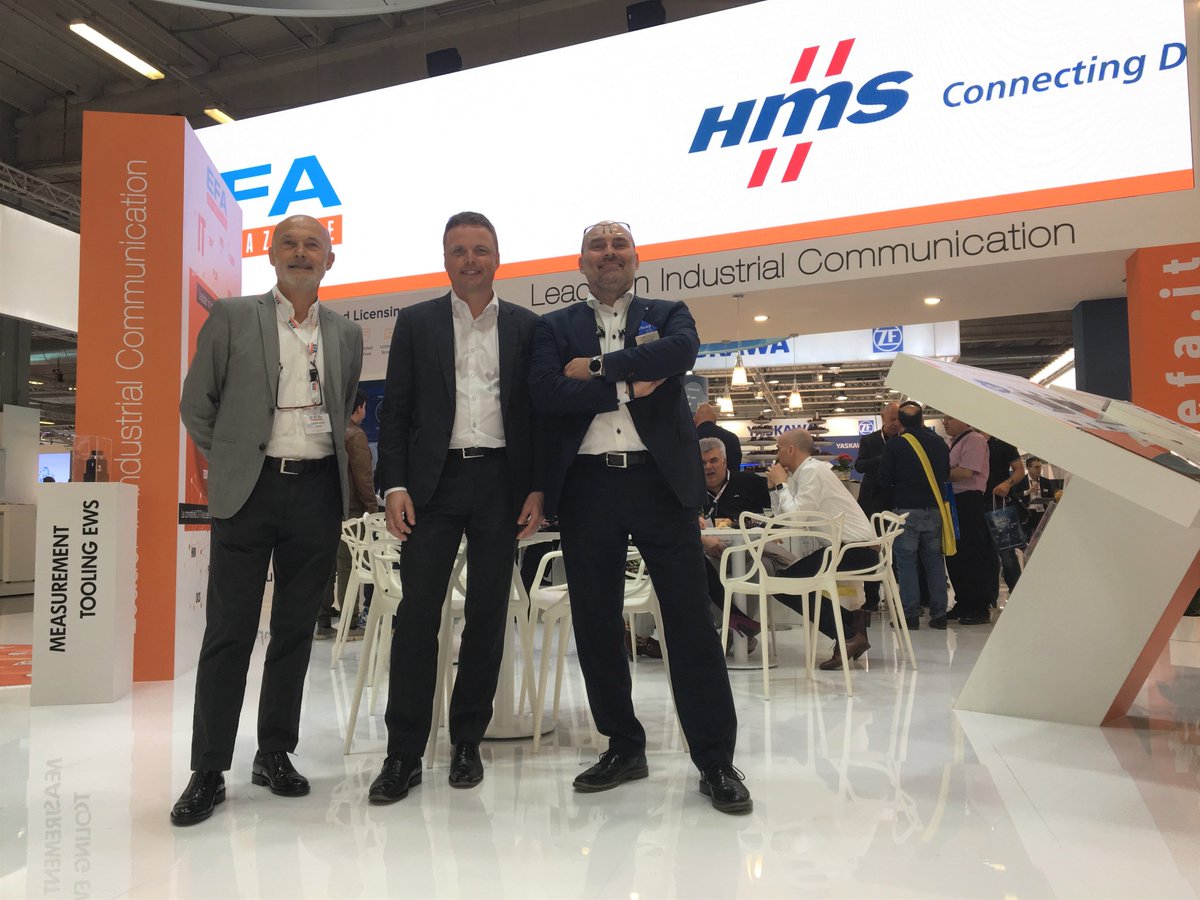
Together with @EfaAutomazione we are glad to welcome you in Hall 5 Stand E012 @spsitalia! #IIoT #IIoTSolutions #Anybus #IXXAT #eWON #Parma #EFAAutomazione #industrialcommunications #hardwaremeetssoftware #jointforces @HMSAnybusIT @hmsnetworks
1
4
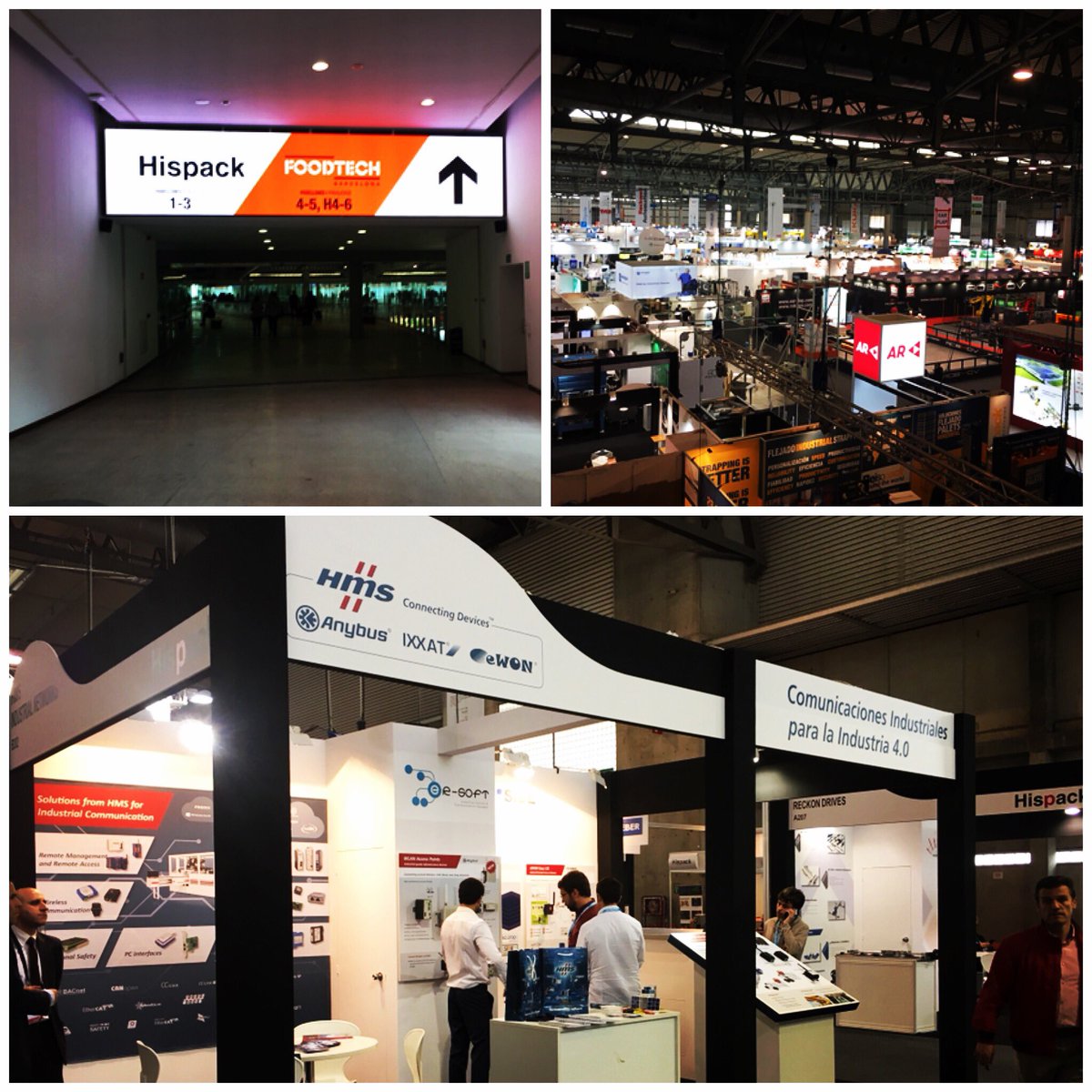
Have a look at our solution portfolio today @Hispackbcn at Hall 3 Stand B 302 together with ER-Soft and @SIDEAutomatiza! #hispack #Hispack18 #IIoT #IoT #Industry40 #IndustrialCommunications #hardwaremeetssoftware #hms #hmsindustrialnetworks
3
7
Meet us @Hispackbcn in Hall 3 Stand B 302 together with ER-Soft and @SIDEAutomatiza ! We will be glad to welcome you! #Hispack18 #Hispackbcn #Sideautomatiza #ErSoft #Hms #IIoT #IoT #hardwaremeetssoftware
1
4

17 Apr 2018
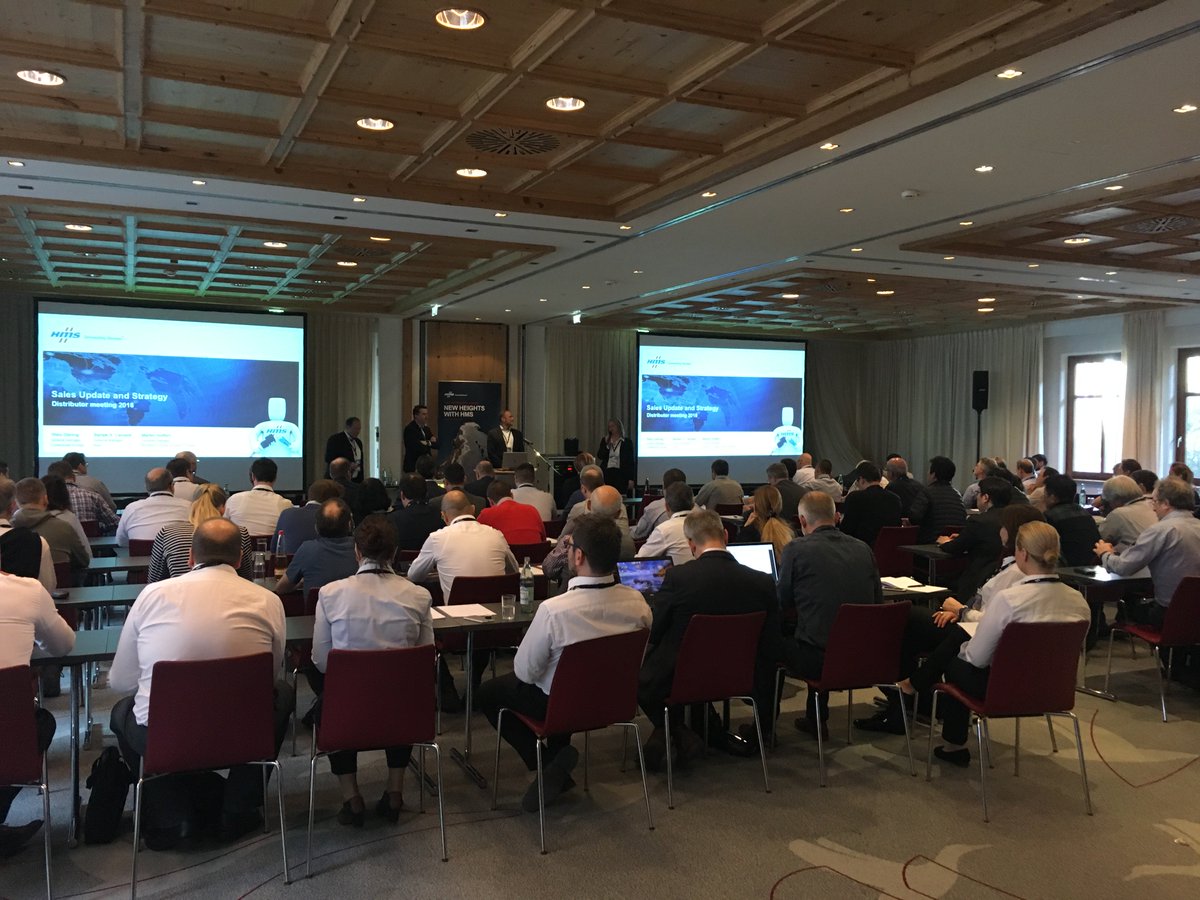
A nice door to step into HMS Industrial Networks world of #Innovation #IIoT #Industry40 #BigData #Anybus #IXXAT #eWON #HardwareMeetsSoftware 👍😉 lnkd.in/dSnBbK3
1

21 Jan 2015
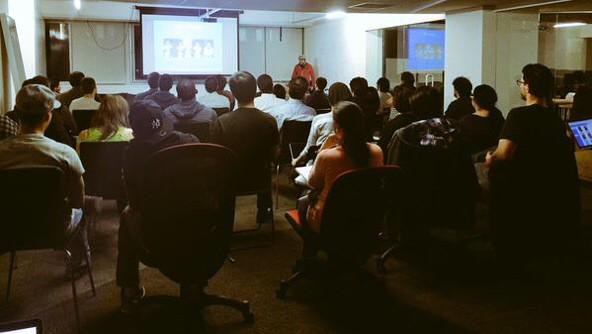
A big thanks to @rickyrobinett for his talk with awesome demos! #HardwareMeetsSoftware
2