
May 22
📢 #highlycited paper
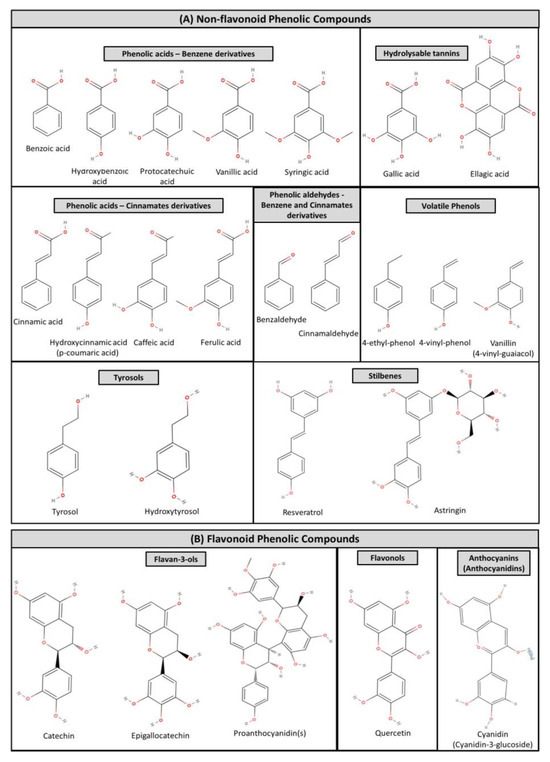
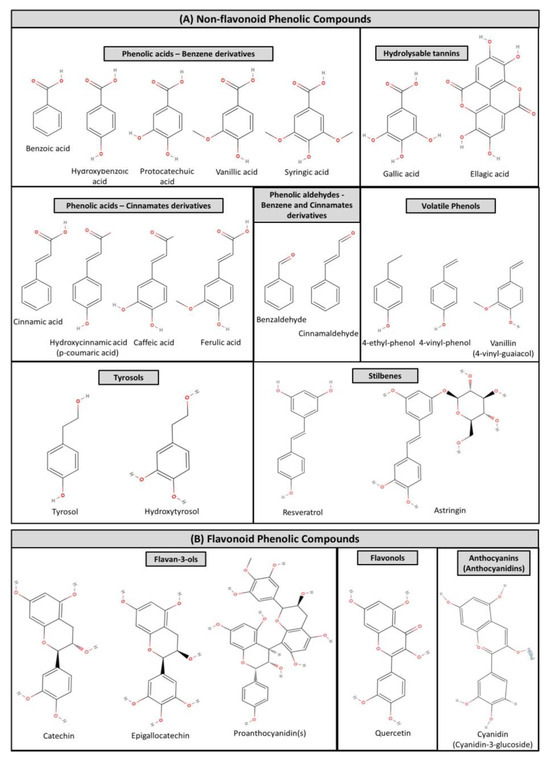
📚 Unveiling the Utilization of #Grape and #WineryByProducts in #Cosmetics with #HealthPromoting Properties
🔗 mdpi.com/2076-3417/15/3/1007
👨🔬 by Olga I. Tsiapali et al.
🏫 Democritus University of Thrace/University of West Attica
#grapeseed #grapepomace
93

May 10
This Chinese tradition of midday naps is known wǔjiào or wǔshuì or wǔxi
Which means noon sleep/rest
It is not only in classrooms but in workplaces too.
It is deeply ingrained cultural practice across China.
Not viewed as laziness but as a smart, healthpromoting habit that boosts energy, focus, and productivity for the rest of the day.
129

Mar 20
CM डॉ. यादव ने 18 करोड़ रूपये की लागत से निर्मित किये गये नैवेद्य लोक का लोकार्पण किया
#CMDrYadav #inaugurated #NaivedyaLok #Constructed #developed #visitors #enjoy #highlynutritious #Healthpromoting #fooditems #coarsegrains #ShriAnna
shorturl.at/jgKqe
3
2 Dec 2025
☀️ Welcome to read these review papers in the Section "Applied Biosciences and Bioengineering"!
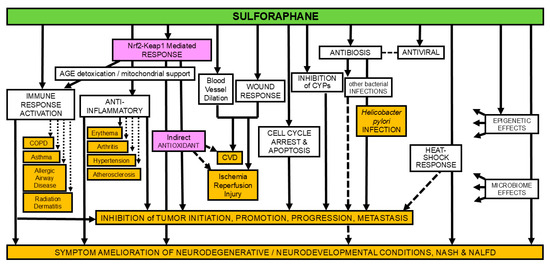
1. The Impact of #Sulforaphane on Sex-Specific Conditions and #HormoneBalance: A Comprehensive Review
by Jed W. Fahey and Mirran Raphaely
mdpi.com/2076-3417/15/2/522
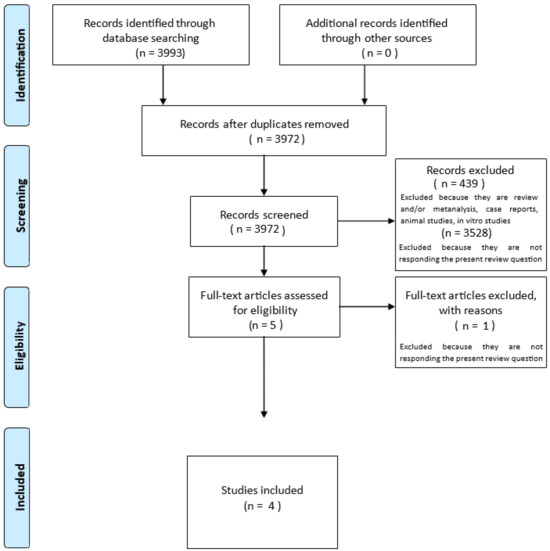
2. The Use of #IbuprofenArginate in #PainManagement Following #ThirdMolarSurgery—A Scoping Review
by Claudia Lorenzi, Ilaria Cammarota, Vincenzo Mazzetti, Claudio Arcuri, Paolo Carosi and Alberto Maria Pujia
mdpi.com/2076-3417/15/2/662
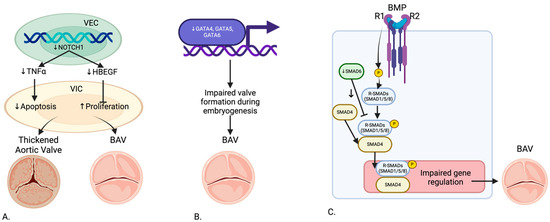
3. The #Genetic and Imaging Key to Understanding #BicuspidAorticValveDisease
by Vaneeza Moosa and Julio Garcia
mdpi.com/2076-3417/15/2/714
4. Unveiling the Utilization of #Grape and #WineryByProducts in #Cosmetics with #HealthPromoting Properties
by Olga I. Tsiapali, Efthymia Ayfantopoulou, Athanasia Tzourouni, Anna Ofrydopoulou, Sophia Letsiou and Alexandros Tsoupras
mdpi.com/2076-3417/15/3/1007
1
1
75

10 Nov 2025
Totally agree, Sir. Families & norms also matter, but lasting healthy habits need supportive policies, systems and infrastructure. #HealthPromoting families, schools, colleges, workplaces, communities and hospitals can reinforce healthy norms and make wellbeing the default.
33

29 Jul 2025
They Planned2keepGood pplDown fewKeyWays/Coerciv..if BAD directly conquered or not bad eventuallyDESTROYS all &ITSELF/THATS why it is bad/Good IS benignCaring&healthPromoting..so inAnyCase..will eek out2Win-in someSmallWay(pplShldExamine MeaningBehindGoodvsEvil/based onGOODHEALTH
1
1
25
24 Jul 2025
@Hriday_Org Youth Health Ambassadors have been very effective change agents, not just nationally but globally as well. They have successfully altered Home, school & community environment to be #Healthpromoting & enabling to support positive behaviour change. @PMNCH @WHOSEARO
29





6 Feb 2025
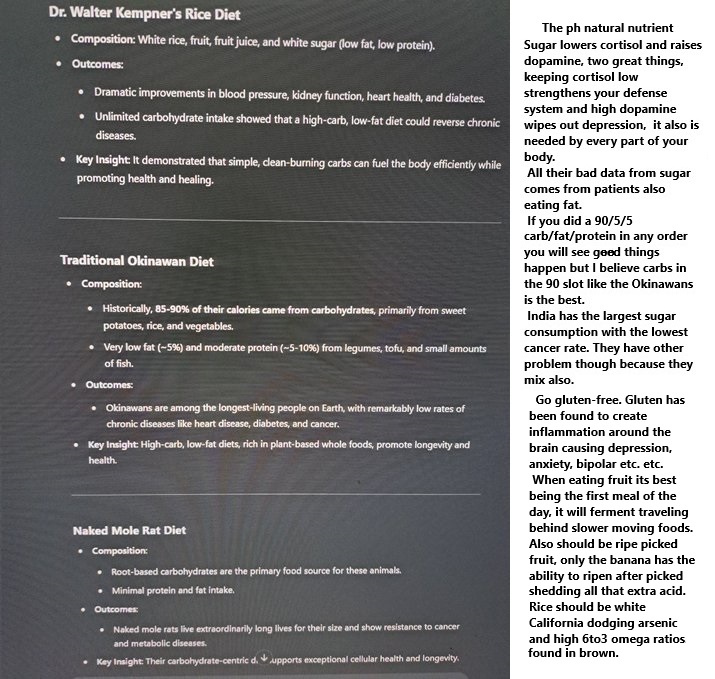
People are always asking me for the best diet to heal inflammation, and whether you decide to go AIP, Keto, Vegan, Raw, Paleo, Low Fodmaps, SCD, low-carb, high-carb or anything in between, there is one very important rule that can help you thrive on whichever diet you choose, and that is to eat Alkaline!! No matter which macronutrient ratio you choose to adhere to for your main diet, you want to support your body’s pH with every food you choose, and make sure that you are consuming the most balanced, and nutritionally-abundant meals.
The best way to do this is to eat a diet based on 75-80% alkaline-forming foods. So, what makes a food alkaline-forming, and why does it matter for our health? Minerals, vitamins, trace nutrients, chlorophyll, plant salts, natural plant chemicals/ phytochemicals and antioxidants, as well as enzymes and water typically make a food alkaline.
These ingredients together form a highly hydrating and electromagnetically powerful food (a food high in energy, life-force and detoxification properties).
Our bodies are slightly alkaline at a blood level, and this serum alkalinity is essential to keeping our cells and DNA intact. When we fail to consume a majority alkaline (healthpromoting and hydrating) diet, or eat too many acid-forming foods daily, this leads to deficiency, demineralization, acidosis and ultimately the development of chronic disease.
In simple terms, our blood pH NEEDS to be around 7.3/7.4 and the body will do everything it must to keep this delicate pH, and fight against acid foods coming in by engaging our internal buffering systems such as the pancreas, and kidneys. If we continue to eat a highly acid-forming diet, over time these buffering systems and organs will run out of stores and the body will instead resort to stealing alkaline minerals, and water from our bones, and organs themselves just to keep us alive!
Something to keep in mind is that a food’s pre-digestion pH is not an accurate measure of what pH it will leave behind once it has gone through the digestive process. When we digest a food and break it down, the body releases all of the minerals, vitamins, water, enzymes, proteins, fats, and nutrients into our body, and based on its composition, either imparts an alkaline residue or an acid effect which the body then gets rid of.
For example, a lemon is acidic before digestion, but it’s high enzyme activity, water, vitamin and mineral content make it highly alkaline-forming once it has been digested by the human body. Whereas steak, or meat in general, is very low in water, enzymes and minerals (especially once cooked), and is instead high in fatty acids and amino acids which leave a very acidic ash residue after digestion.
Don’t get me wrong, you don’t have to eat an exclusively alkaline diet, and in fact many healthy foods range from mild to highly acidic, so you’ll want to find the appropriate balance by making your base-diet alkaline-forming, sprinkled with some acidic foods for protein and taste. Supporting your body in maintaining its natural pH, and providing it with plenty of natural acid-buffering minerals via your nutrition is super important to ensure optimal health, but it becomes absolutely critical when dealing with health issues or disease! Many modern disease and symptoms can be linked to corrosive acidity in the body and electromagnetic interference at a cellular level (lack of electrolytes and minerals to conduct energy).
Over time, exposure to acids, combined with insufficient alkalinity and mineral-repletion in the diet, forces the body systems and organs to become weaker and more prone to disease. The good news is that by understanding our internal pH system more clearly, and how critical it is to maintaining our health, we can modify the way we use food for fuel and allow our bodies to find their ultimate balance!
2
24
85
5,428

29 Jan 2025
Our bodies are slightly alkaline at a blood level, and this serum alkalinity is essential to keeping our cells and DNA intact. When we fail to consume a majority alkaline (healthpromoting and hydrating) diet, or eat too many acid-forming foods daily, this leads to deficiency, demineralization, acidosis and ultimately the development of chronic disease.
In simple terms, our blood pH NEEDS to be around 7.3/7.4 and the body will do everything it must to keep this delicate pH, and fight against acid foods coming in by engaging our internal buffering systems such as the pancreas, and kidneys. If we continue to eat a highly acid-forming diet, over time these buffering systems and organs will run out of stores and the body will instead resort to stealing alkaline minerals, and water from our bones, and organs themselves just to keep us alive!
3
9
497

16 Dec 2024
Did you know that #ginger has over 160 #healthpromoting ingredients? 😮 Both the fresh root and the dried #gingerpowder are healthy, but the recommended dose and the composition of the active ingredients change due to the drying process.
buff.ly/3ZT2bdV
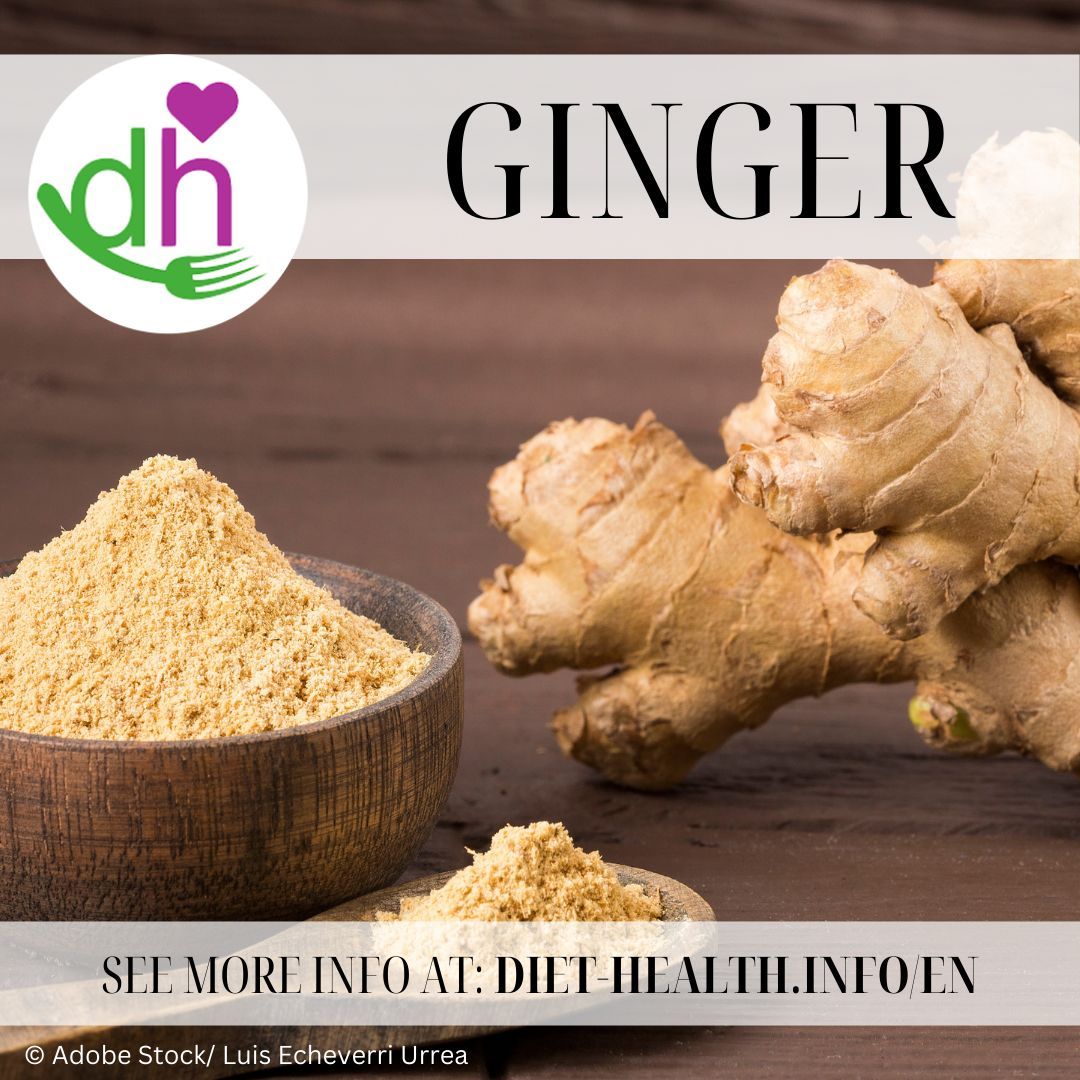
ALT There is a fresh ginger root and a bowl of ground ginger powder on a wooden table
50

24 Oct 2024
#Honey: A #naturalpharmacy of #healthpromoting ingredients
naturalnews.com/2024-10-23-h…
#NaturalRemedy #BibleHerbs
4

31 Aug 2024
Health impact assessment needs to be institutionalized to embed evidence and healthpromoting changes in wider activities, systems and policies that raise health risks. #PopulationHealth #Somaliland
reliefweb.int/attachments/fb…
1
4
257

5 Jul 2024
Travelled all the way to Groningen for the PhD defense of Michela Ferrari and lecture on #healthpromoting #glycans such as #exopolysaccharides m. Thanks @marthewalvoort for the invite! My first time in Groningen was very nice experience!


1
19
769

25 Jun 2024
Researchers simulated personalized responses to #diet mediated by the #GutMicrobiome, predicting individual-specific rates of #HealthPromoting #ShortChainFattyAcid (#SCFA) production in response to various #DietaryFactors.
#Prebiotics #PrecisionNutrition sbee.link/xew3akf78t
9

11 Jun 2024
Did you know that the gut microbiome consists of a combination of bacteria, fungi, protozoa, spores, and yeast? Discover the incredible diversity of microorganisms that make up our digestive system. #GutMicrobiome #HealthPromoting #HumanMicrobiota
6

16 May 2024
Exciting news for trustworthy healthpromoting fermented food! Thanks @pauldcotter for great presentation!
16 May 2024

FSM24 Session 8: MICROBIOMES FOR IMPROVING HEALTH AND WELL-BEING
@pauldcotter "Harnessing microbiome data to create the next generation of fermented foods" @teagasc 🎤
#FSM24 @MicrobiomeEU

2
1
12
591

9 May 2024
5. Dietary variety: The key to a balanced diet 🌈
👉The ICMR emphasizes a balanced diet incorporating a variety of nutrient-rich foods from different groups:
👉Cereals and millets (up to 45% of daily calories) for carbohydrates, fiber, and some vitamins and minerals (ICMR, Dietary Guidelines for Indians, 2020). 🌾 🥣 #Carbohydrates #Fiber #Vitamins #Minerals
👉Pulses, beans, and meat (up to 15% of daily calories) for protein, iron, and other essential nutrients (ICMR, Dietary Guidelines for Indians, 2020). 🥩 🥚 #Protein #Iron #EssentialNutrients
👉Vegetables, fruits, nuts, and milk (remaining proportion of calories) for essential vitamins, minerals, fiber, and other health-promoting components [1 (ICMR, Dietary Guidelines for Indians, 2020)]. 🥕 🍎 🥛 #Vitamins #Minerals #Fiber #HealthPromoting
6. Lifestyle changes for better health 🏃♂️
👉In addition to dietary modifications, the ICMR highlights the importance of:
👉Regular physical activity to maintain a healthy weight and reduce chronic disease risk (ICMR, Dietary Guidelines for Indians, 2020). 🏋️♀️ #PhysicalActivity #HealthyWeight #ReduceChronicDiseases
👉Reading food labels to make informed choices about nutrient intake (ICMR, Dietary Guidelines for Indians, 2020). 📖 #ReadFoodLabels #InformedChoices #NutrientIntake
👉Healthy habits for weight management to prevent obesity and NCDs (ICMR, Dietary Guidelines for Indians, 2020). 🥗 🏃♂️ #HealthyHabits #WeightManagement #PreventObesity #PreventNCDs
7. Benefits of following ICMR guidelines 🌟
👉Following these guidelines can significantly reduce the risk of:
👉Coronary heart disease (CHD), a major cause of heart attacks (ICMR, Dietary Guidelines for Indians, 2020). 💔 #ReduceCHD #PreventHeartAttacks
👉Hypertension (HTN), or high blood pressure (ICMR, Dietary Guidelines for Indians, 2020). 💉 #ReduceHypertension #ControlBloodPressure
👉Type 2 diabetes, where the body struggles to regulate blood sugar levels. Studies suggest up to an 80% reduction in risk is possible (ICMR, Dietary Guidelines for Indians, 2020). 🍭 #ReduceDiabetesRisk #BloodSugarControl
👉Overall health improvement, including a reduction in premature deaths, is another benefit (ICMR, Dietary Guidelines for Indians, 2020). 💯 #OverallHealthImprovement #ReducePrematureDeaths
8. Government initiatives for nutritional improvement 🇮🇳
👉The ICMR's guidelines align with the National Nutrition Policy, a government initiative to improve nutritional outcomes in India (ICMR, Dietary Guidelines for Indians, 2020). 🏛️ #NationalNutritionPolicy #ImproveNutrition
🟠This policy focuses on:
👉Ensuring affordable, nutritious foods are accessible to everyone (ICMR, Dietary Guidelines for Indians, 2020). 🛒 #AffordableNutrition #FoodAccessibility
👉This is a challenge faced by many developing countries, and the Indian government's initiative is similar to programs implemented by countries like China (Chinese Nutrition Society, Guiding Principles for a Balanced Diet, 2020). 🌍 #GlobalChallenge #NutritionPrograms
👉Encouraging a diverse diet with a variety of foods from various food groups, following the ICMR's recommendations (ICMR, Dietary Guidelines for Indians, 2020). 🥗 🍎 🥛 #DiverseDiet #VarietyOfFoods #ICMRRecommendations
👉Raising awareness about food safety and the benefits of minimally processed foods, aligning with global trends towards healthier eating habits (ICMR, Dietary Guidelines for Indians, 2020). 🍅 #FoodSafetyAwareness #MinimallyProcessedFoods #HealthyEatingTrends
👉This is a concern in both developed and developing countries, and the Indian government's efforts echo similar initiatives undertaken by developed nations like the United States (USDA, MyPlate (.gov), 2023). 🇺🇸 #GlobalC
1
3
512