
Jun 12
🧵 Did You Know?
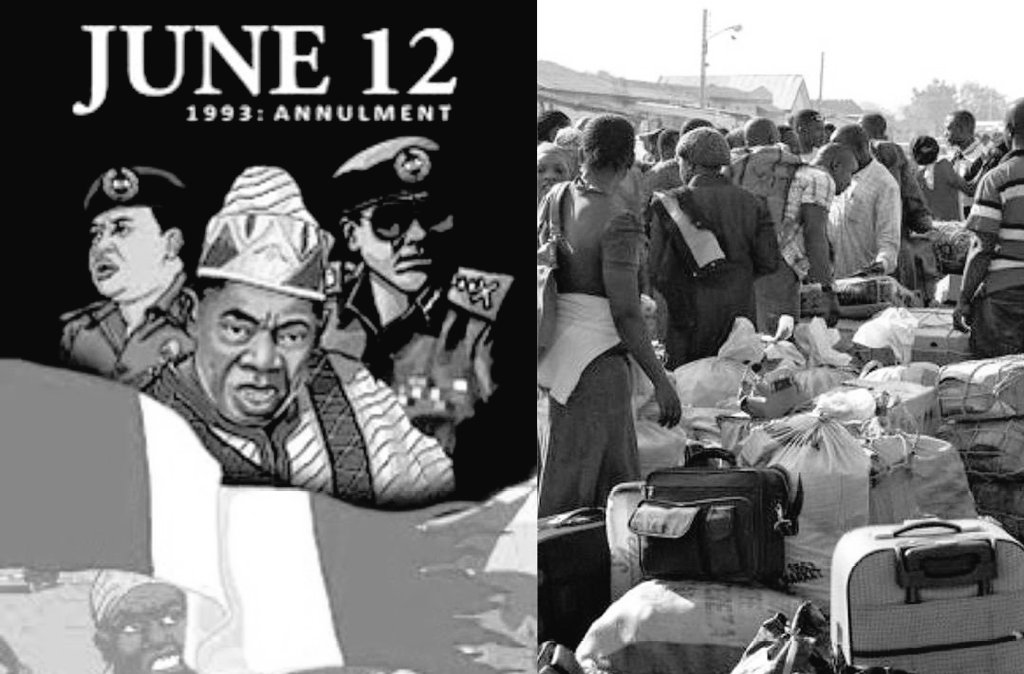
Following the annulment of the June 12, 1993 presidential election by the military government of Ibrahim Babangida, Nigeria was thrown into a deep political crisis.
🧵👇
#June12 #MilitaryHistory #NigerianHistory #HistoryThread
3
2
57

Jun 10
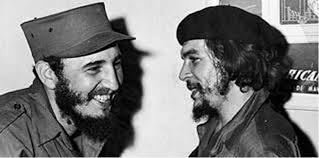
To Cuba American is an imperialist
To the U.S. is a National security threat 90 miles away.
#cuba #USForeignPolicy #CubaUS #CubaHistory #ColdWar #HistoryThread #MarcoRubio
1
1
11

THE LOST EMPIRE OF THE INDUS: The City of the Dead
Some civilizations leave monuments. Others leave questions. 🏺🔍 (9/9)
#History #AncientHistory #IndusValley #MohenjoDaro #Archaeology #LostCivilizations #HistoryThread #Documentary
youtu.be/67Qm1hzDhCQ?si=sqd0…
51

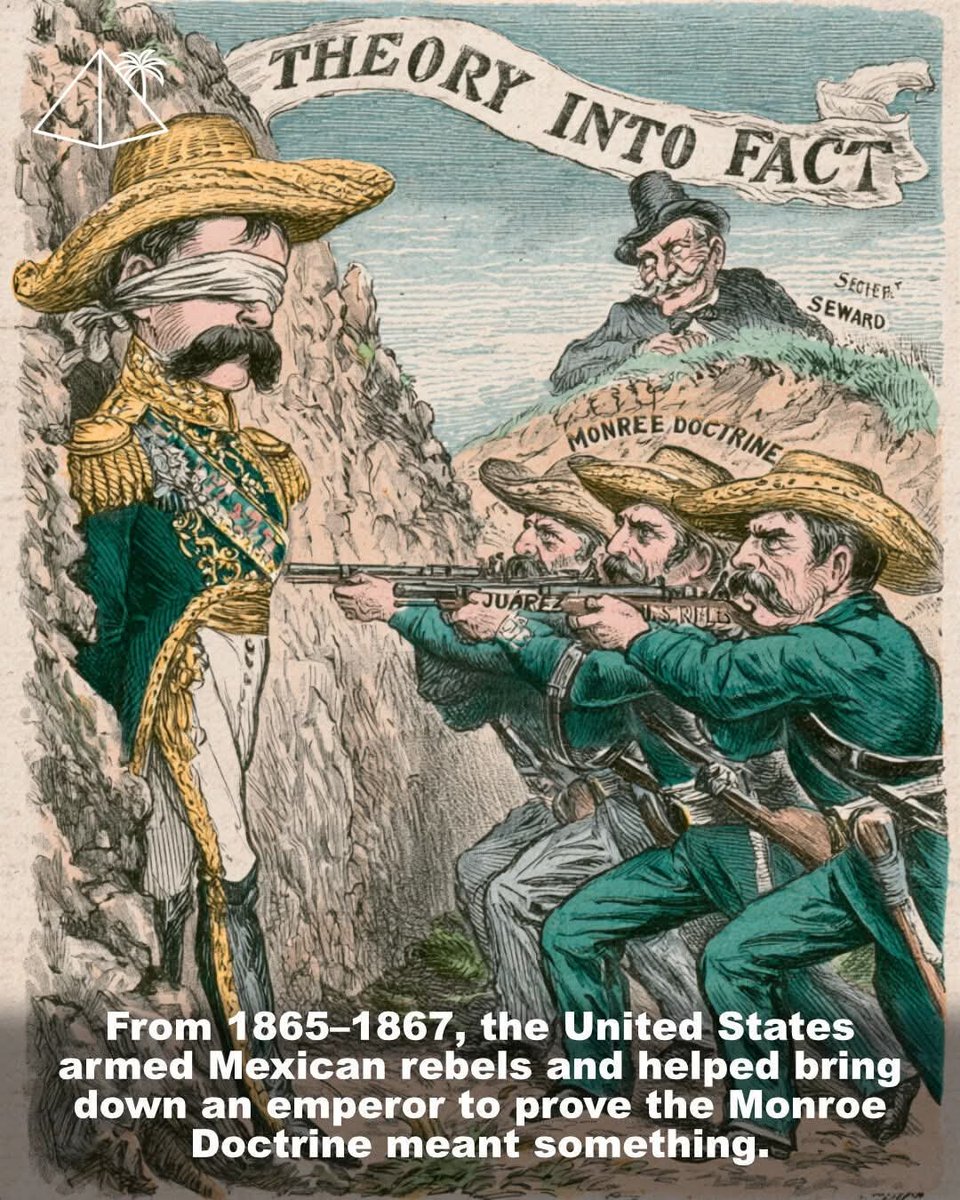
From 1865 to 1867, the United States turned the Monroe Doctrine from a diplomatic statement into a demonstration of power.
With the Civil War over, Washington supplied arms, ammunition, and support to the republican forces of Benito Juárez as they fought to drive French-backed Emperor Maximilian from Mexico.
American troops massed along the border, U.S. leaders pressured Napoleon III to withdraw French forces, and generals such as Philip Sheridan quietly aided the Mexican republicans.
As French troops departed, Maximilian's empire rapidly collapsed.
Captured by Juárez's forces in 1867, the Austrian archduke-turned-emperor was executed, ending France's attempt to establish a monarchy in Mexico.
The episode sent a clear message across the Western Hemisphere: European powers could no longer install and protect their own rulers in the Americas without risking confrontation with the United States.
#Monroe #Mexico #History #USHistory #AmericanHistory #MonroeDoctrine #BenitoJuarez #MexicoHistory #HistoryFacts #CivilWarEra #WesternHemisphere #HistoryThread #HistoryMatters
30

June 3, 1984
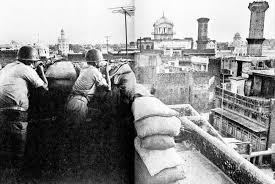
June 3, 1984, marked a dramatic escalation in the crisis surrounding the Golden Temple complex.
The day coincided with the Shaheedi Gurpurab of Guru Arjan Dev Ji, one of the most important occasions in the Sikh calendar.
Thousands of pilgrims from Punjab and other parts of India had gathered at Darbar Sahib to pay their respects. Many families, including women, children, and elderly devotees, were present within the complex.
As tensions continued to rise, the Government of India imposed a statewide curfew across Punjab. Road, rail, and communication links were severely restricted. Telephone lines were disrupted, public transportation was halted, and strict controls were placed on the movement of people.
Journalists and foreign correspondents faced increasing restrictions, limiting the flow of information from the region.
Security forces tightened their cordon around the Golden Temple complex and other major gurdwaras across Punjab. Residents of Amritsar witnessed troop movements and military preparations on an unprecedented scale. The city gradually became isolated from the outside world.
Inside the complex, those present found themselves effectively trapped. Many pilgrims who had come for religious observances were unable to leave due to the curfew and restrictions.
Food, medical assistance, and communication with family members became growing concerns.
As night fell on June 3, uncertainty gripped Punjab. The state was under lockdown, the Golden Temple was surrounded, and a confrontation that had been building for months now appeared imminent.
The stage was set for events that would profoundly impact Sikh history, Punjab, and India for generations to come.
#OperationBlueStar #June1984 #Punjab1984 #SikhHistory #NeverForget #HistoryThread
7
40
769

The pain of June 1984 is still Live…
#OperationBlueStar #June1984 #Punjab1984 #SikhHistory #NeverForget1984 #GoldenTemple #HistoryThread
23 May 2024

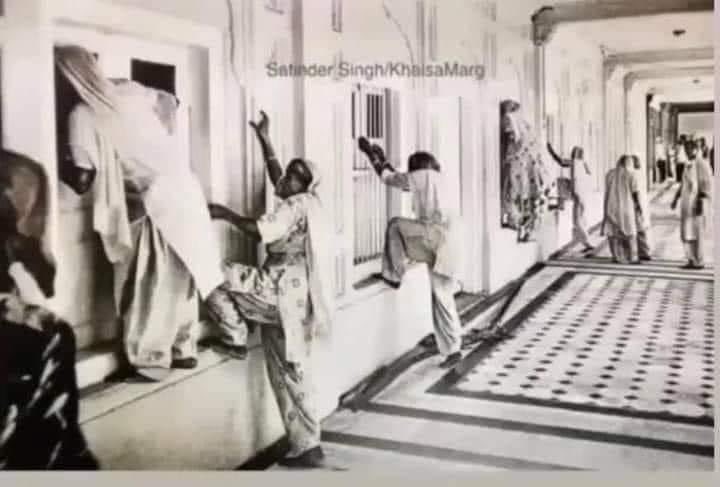
This is the painful picture of 1984.
After Operation Blue Star, mothers from all over #Panjab came looking for their #children inside the Darbar Sahib with the hope that their son's body would be found lying there.
People who are saying forget that what happened in 1984 should talk to these mothers.
Their #pain is endless.
#NeverForget1984
7
117

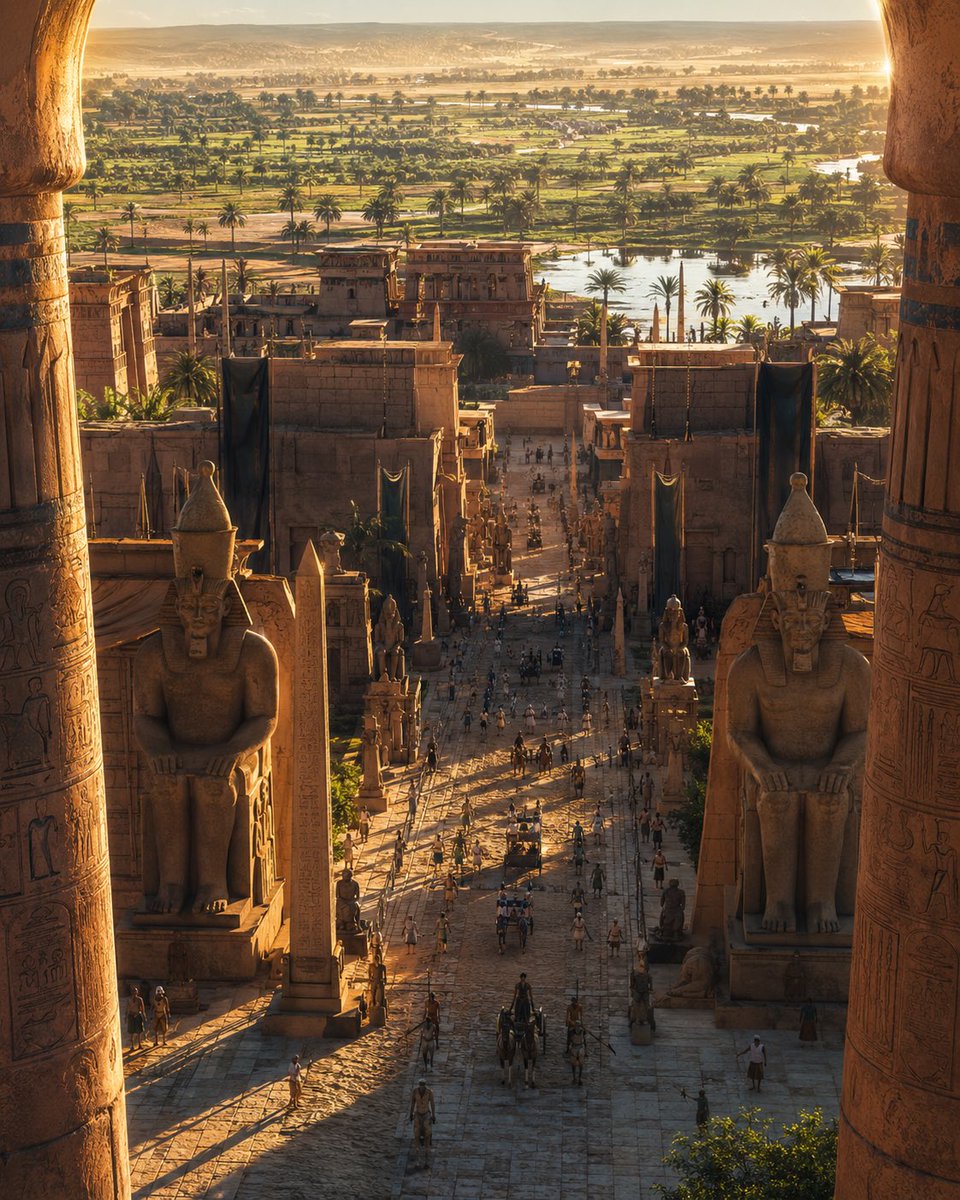
XOÊAN = Zoan.
The Hebrew Bible names it exactly seven times.
Not background noise — each time it’s Pharaoh’s front-door city, right next to Goshen.
#XOEAN #Zoan #AncientEgypt #BiblicalHistory #Goshen #Pharaoh #NileDelta #HistoryThread
1
4
68

Amalgamation gave us a country. Alabukun gave us coping mechanism.
Happy 110 yrs Nigeria. Happy 107 yrs Alabukun.
#NigeriaAt110 #AlabukunAt107 #HistoryThread
Now you know.
Greg Nwoko
3
4
122

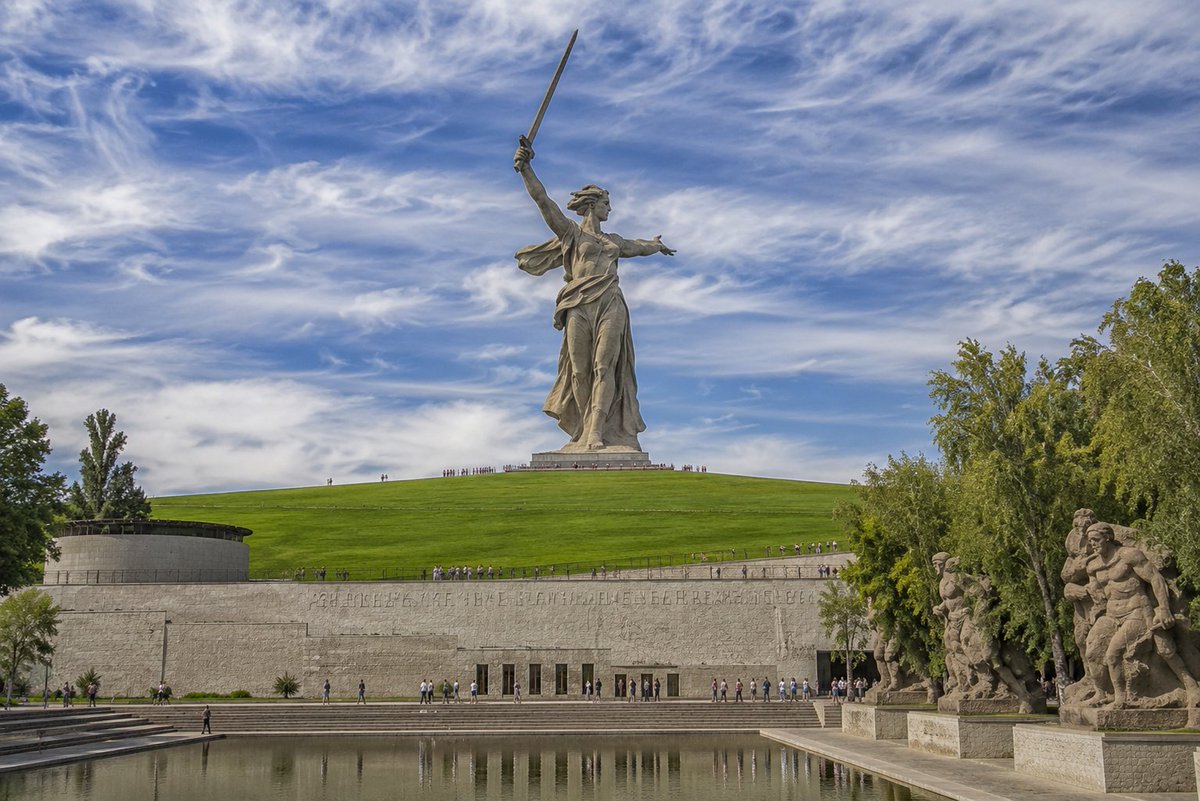
12/ Stalingrad remains a timeless lesson in military history: never underestimate an opponent's will to fight, and never enter a war without a clear path to victory.
#MilitaryHistory #WWII #Stalingrad #HistoryThread
1
1
2
100

Ahmedabad. 1680s.
An empire could command armies, bend nobles and silence cities.
But one thing still stood beyond its reach:
the conscience of ordinary men.
On the eve of Bakri Eid, when thousands of goats waited through the night for slaughter, a Jain community did something almost unbelievable. They walked into the markets not with swords, riots or rebellion - but with gold.
And by sunset, not one goat remained.
This is not a story of conquest.
It is the story of compassion refusing to kneel before power.
A small cinematic retelling of one of the most extraordinary acts of Ahimsa in Indian history.
Jai Mahaveer ! Jai Jinendra !
#Jainism #Ahimsa #Mahavira #IndianHistory #MughalHistory #CinematicTrailer #HistoricalCinema #DharmicCivilisation #IndicRenaissance #AnimalCompassion #CivilisationalMemory #JeevDaya #HistoryThread #EpicCinema #SanatanDharma
8
28
1,224

May 22
They couldn’t be buried together.
So they reached across the wall.
The true story of “The Grave with the Little Hands” in Roermond is now live.
A story of love, faith, and defiance
chiddicksfamilytree.com/2026…...
#TalesFromTheTomb #FamilyHistory #HistoryThread
1
5
114

12/12
The popular Indian idea of “84 lakh yonis”(births) before liberation comes from Ajivika which stated that every being is liberated after cycle of 8.4 millions eons ! A philosophy ahead of its time – lost but echoing modern physics. #Ajivika #AncientIndia #HistoryThread
4
58

May 12
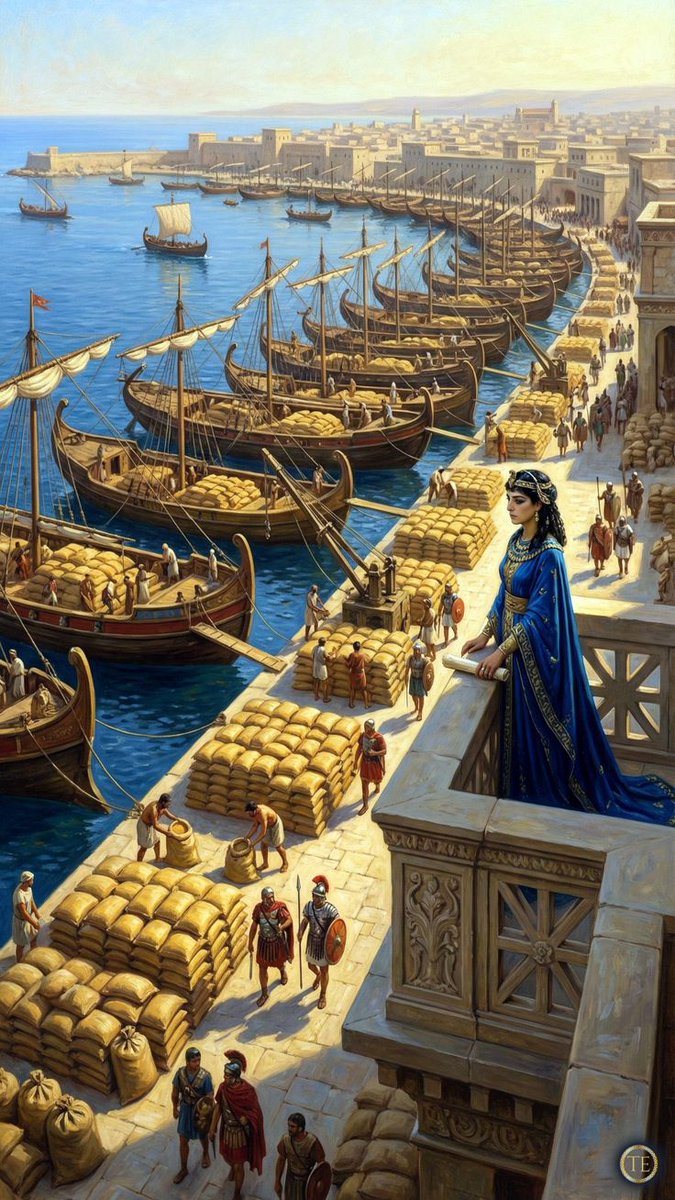
"Carthage" an African city was once the undisputed GREATEST maritime power the Mediterranean had ever seen. A seafaring empire that made waves until Rome burned it all down.
Carthage was Founded around 814 BCE, No land armies at first. Just ships, trade, and raw naval dominance. They turned the western Mediterranean into their private lake.
By the 6th–3rd centuries BCE, Carthage controlled trade routes from Spain to West Africa, Britain, and beyond.
Their fleet? Hundreds of quinqueremes massive warships with five banks of oars, deadly rams, and crews that could double as merchants or killers.
They guarded the Strait of Gibraltar like a fortress. Rivals who sailed in? Often never sailed out. Hanno the Navigator (c. 500 BCE),was a Carthaginian admiral who set sail with 60 ships and 30,000 people men, women, colonists.
He blasted through the Pillars of Hercules (Gibraltar), founded colonies down the West African coast, and pushed possibly as far as modern Cameroon or Gabon.
He described fiery mountains (volcanoes?) and what may have been the first European record of gorillas.
Ancient Africa exploration... centuries before anyone else dared.
Their engineering was next-level.
Carthage had a circular military harbor that could secretly shelter and launch 220 warships from covered slips. Hidden from spies. Ships rolled straight into the sea like a Bond villain's lair.
Merchant fleets hauled gold, ivory, silver, and slaves. Wealth poured in. Carthage became one of the richest cities on Earth.
Then came the ultimate flex and tragedy.
Battle of Cape Ecnomus (256 BCE), First Punic War.
Carthage vs Rome.
680 warships clashed. Up to 290,000 men (rowers marines) in one battle.
This was arguably the largest naval battle in human history by the number of combatants. Bigger than anything in the world wars in terms of sheer bodies on the water that day.
The sea ran red. Carthage had the better sailors, better ships, centuries of experience.
Rome? A land power with zero naval tradition... who literally copied a wrecked Carthaginian ship to build their fleet.
Yet Rome adapted, invented the "corvus" boarding bridge, and turned sea battles into brutal infantry fights.
They learned fast. Too fast.
The Punic Wars (264–146 BCE) were apocalyptic.
Three brutal conflicts. Hannibal's elephants crossing the Alps. Epic sieges.
In the end, Rome won. In 146 BCE, they razed Carthage to the ground, enslaved or killed most of its people, and sowed the fields with salt the destruction was total.
A civilization that ruled the waves for centuries erased.
Why does this matter?
Carthage proves empires don't need massive land armies to dominate. Control the sea, control the world.
Their story is one of innovation, exploration, ruthless commerce... and what happens when a naval superpower faces a relentless land rival who refuses to stay beaten.
Rome didn't just defeat Carthage. They learned from them and became the next maritime giant. The ancient world’s greatest underdog sea story.
#Carthage #AncientHistory #PunicWars #HistoryThread
1
2
59
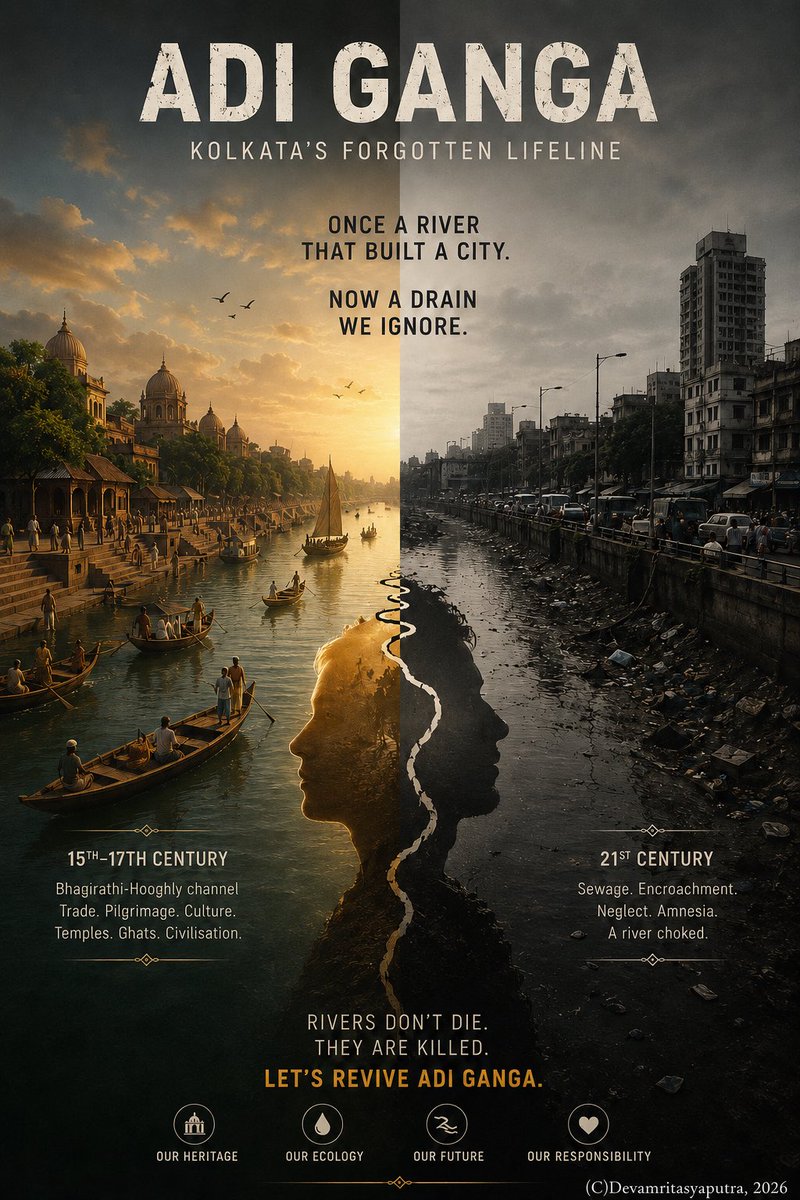
Long before South Kolkata became a maze of flyovers, Metro pillars and apartment towers…
there flowed a river that carried the pulse of Bengal itself.
The Adi Ganga.
A living sacred artery of Bengal.
Historians and geomorphologists note that between the 15th–17th centuries, the Adi Ganga was one of the principal channels of the Bhagirathi-Hooghly river system. Pilgrims sailed through it toward Gangasagar. Trade boats cut through its waters carrying rice, textiles, timber and stories. Temples, ghats and settlements rose along its banks like beads on a sacred thread.
Bengal moved through water then.
Its rivers were highways, marketplaces, pilgrimage corridors and carriers of memory.
The Adi Ganga was deeply woven into Bengal’s sacred geography.
And on its banks rose Kalighat.
The Kalighat Kali Temple did not emerge beside accidental geography. The river made Kalighat possible. For centuries, devotees arrived by boat to offer prayers to Maa Kali. The rhythms of the temple and the rhythms of the river became inseparable.
Even Bengal’s literary imagination flowed through these waters.
The old mangalkavyas and folk traditions remembered Bengal as a civilisation of rivers. In Manasamangal, Behula’s legendary river voyage became part of Bengal’s collective consciousness where waterways were not merely routes of transport, but corridors of fate, devotion and destiny.
One can almost imagine old Bengal along these banks - conch shells at twilight, flickering oil lamps at the ghats, cremation smoke rising into monsoon skies, kirtans drifting across the water while boats vanished into the river mist.
Then came silt.
Neglect.
Empire.
In the 1770s, Colonel William Tolly excavated and revived portions of the dying channel to restore navigation and commerce. The waterway came to be called Tolly’s Nullah. Trade returned. Settlements expanded. Entire neighbourhoods like Tollygunge still carry echoes of that intervention in their very names.
But modern Kolkata slowly forgot the river that built it.
Concrete closed in.
Sewage replaced pilgrimage boats.
Encroachments rose where old ghats once stood.
Today thousands cross the Adi Ganga daily without realising they are looking at one of Bengal’s oldest surviving civilisational arteries.
The tragedy of the Adi Ganga is not merely ecological.
It is cultural amnesia flowing through concrete.
A city that forgets its rivers eventually forgets how it was born.
#AdiGanga #Kalighat #Kolkata #BengalHistory #Manasamangal #IndianHistory #RiverCivilisation #Heritage #SacredGeography #SaveAdiGanga #Calcutta #UrbanHistory #Bengal #HistoryThread #KaliTemple
5
13
536


May 10
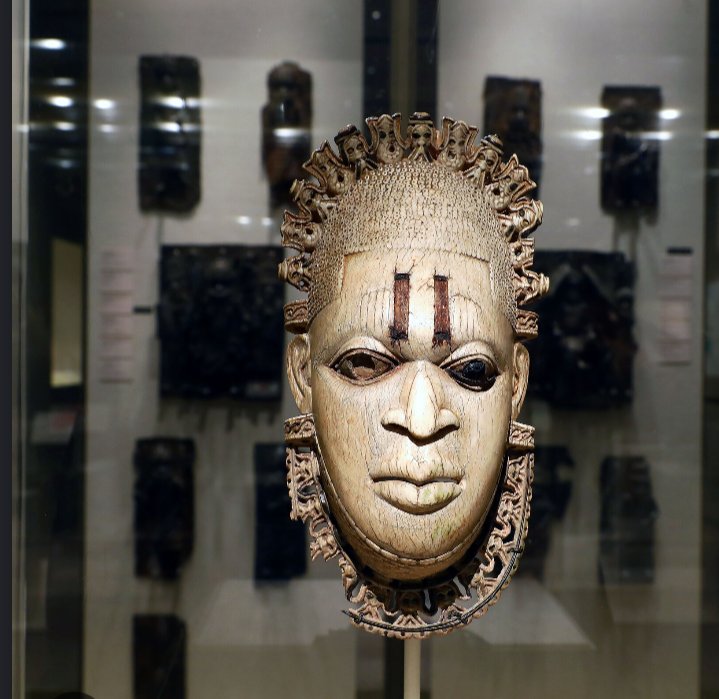
One of Nigeria’s greatest historical treasures sat in foreign museums for over 100 years.
And many people still don’t know the full story.
#BeninBronzes
#AfricanHistory
#NigeriaHistory
#HistoryThread
2
19

🧵 9 मई | मेवाड़ के अमर योद्धा महाराणा प्रताप 🇮🇳⚔️
जिस राजा ने अकबर की अधीनता स्वीकार करने के बजाय जंगलों में रहना मंजूर किया, लेकिन स्वाभिमान नहीं बेचा।
आज जानते हैं महाराणा प्रताप के जीवन के कुछ ऐसे तथ्य, जो हर भारतीय को गर्व से भर देते हैं। 👇
1️⃣
Maharana Pratap का जन्म 9 मई 1540 को कुंभलगढ़ दुर्ग में हुआ था।
वे मेवाड़ के सिसोदिया राजवंश के वीर शासक थे, जिनका जीवन “स्वाभिमान” का पर्याय बन गया। ⚔️
2️⃣
महाराणा प्रताप ने साफ कहा —
“मेवाड़ झुकेगा नहीं।” 🔥
3️⃣
1576 का प्रसिद्ध Battle of Haldighati भारतीय इतिहास की सबसे चर्चित लड़ाइयों में से एक है।
सिर्फ़ 20,000 सैनिकों के साथ प्रताप ने विशाल मुगल सेना का सामना किया।
4️⃣
इस युद्ध में उनका सबसे वफादार साथी था —
🐎 Chetak
घायल होने के बावजूद चेतक ने महाराणा को सुरक्षित स्थान तक पहुँचाया।
आज भी चेतक की वीरता की कहानियाँ राजस्थान की मिट्टी में गूंजती हैं।
5️⃣
इतिहास बताता है कि कठिन समय में महाराणा प्रताप और उनका परिवार जंगलों में रहा।
घास की रोटियाँ खाईं, लेकिन आत्मसमर्पण नहीं किया।
यही था राजपूती स्वाभिमान। 🛡️
6️⃣
महाराणा प्रताप केवल योद्धा नहीं, बल्कि श्रेष्ठ रणनीतिकार भी थे।
उन्होंने अरावली के दुर्गम क्षेत्रों का उपयोग कर गुरिल्ला युद्ध नीति अपनाई और मुगलों को लगातार चुनौती दी। ⛰️⚔️
7️⃣
भामाशाह का योगदान भी अमर है।
Bhamashah ने अपनी पूरी संपत्ति महाराणा प्रताप को समर्पित कर दी ताकि मेवाड़ की लड़ाई जारी रह सके। 🇮🇳
8️⃣
जीवन के अंतिम वर्षों में महाराणा प्रताप ने मेवाड़ के अधिकांश क्षेत्रों को वापस जीत लिया था।
यह साबित करता है कि संघर्ष लंबा हो सकता है, लेकिन आत्मविश्वास और धैर्य अंततः विजय दिलाते हैं। ✨
9️⃣
19 जनवरी 1597 को महाराणा प्रताप का निधन हुआ, लेकिन उनका नाम अमर हो गया।
वे सिर्फ एक राजा नहीं, बल्कि भारतीय स्वाभिमान, स्वतंत्रता और अदम्य साहस के प्रतीक हैं। 🚩
🔟
आज 9 मई पर, आइए याद करें उस वीर को जिसने हमें सिखाया —
“सम्मान के साथ संघर्ष करना, आसान समझौते से बड़ा होता है।” 🇮🇳
जय मेवाड़ 🚩
जय महाराणा प्रताप ⚔️
#MaharanaPratap #9May #Rajputana #Mewar #IndianHistory #भारत_का_गौरव #महाराणा_प्रताप #HistoryThread
#MaharanaPratap
1
3
86

May 4
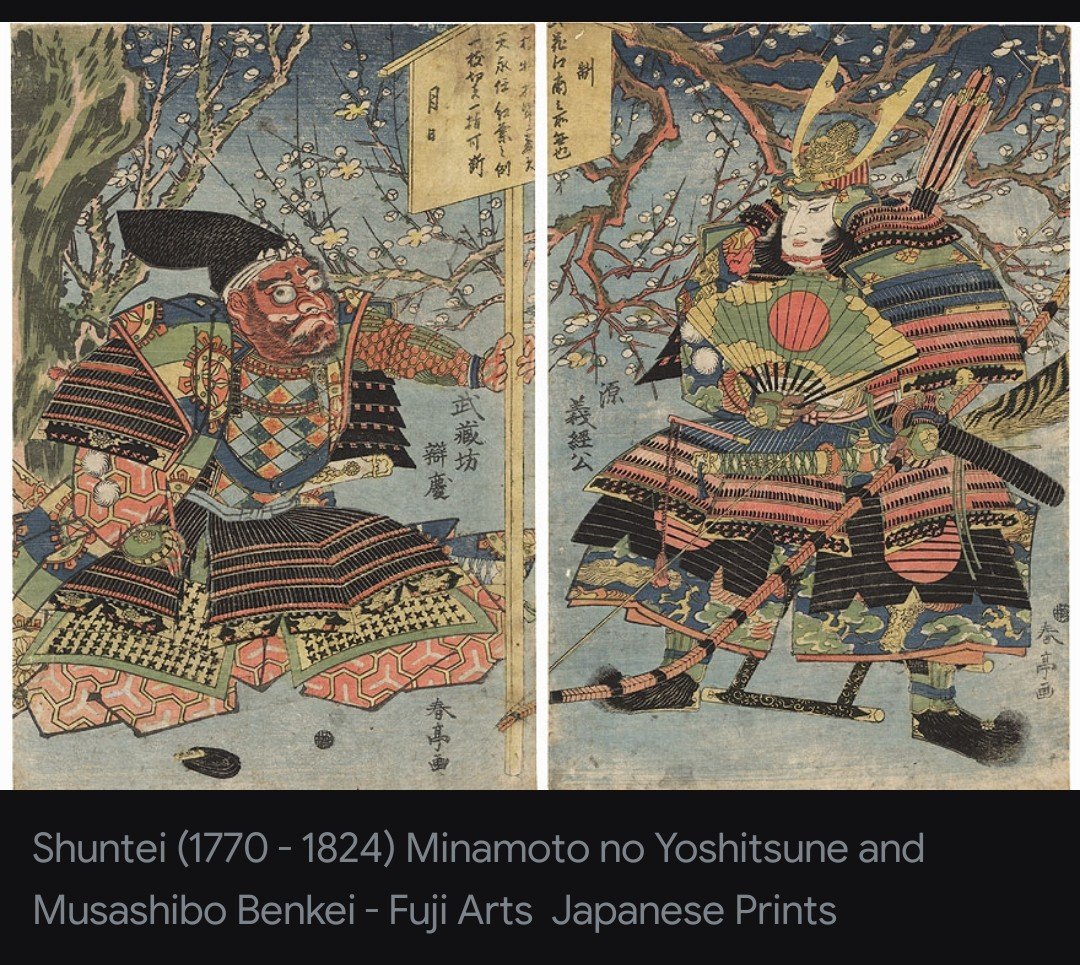
DID YOU KNOW about The Standing Death of BenKei?
Imagine one man. A giant warrior monk.
Facing an entire army... alone.
He doesn't just fight to the death.
He dies standing.
This is the insane true legend of Musashibō Benkei, the ultimate symbol of loyalty in Japanese history.
You’ve probably never heard it... but you won’t forget it. ⚔️🏹
It’s 1189. The Genpei War is over.
Minamoto no Yoshitsune, a legendary general, once a hero, is now hunted by his own brother, the Shogun.
Cornered at Koromogawa fortress with just a handful of men, Yoshitsune knows the end has come.
He prepares for seppuku, the honorable ritual suicide.
But he needs time. Just a little time.
Who does he call? His most loyal retainer: Benkei.
Benkei wasn’t just any warrior.
He was a massive sōhei, a warrior monk built like a demon.
Trained in temples, feared across Japan, armed with a huge naginata and pure rage.
Yoshitsune looks him in the eye:
“Hold the bridge. Buy me time.”
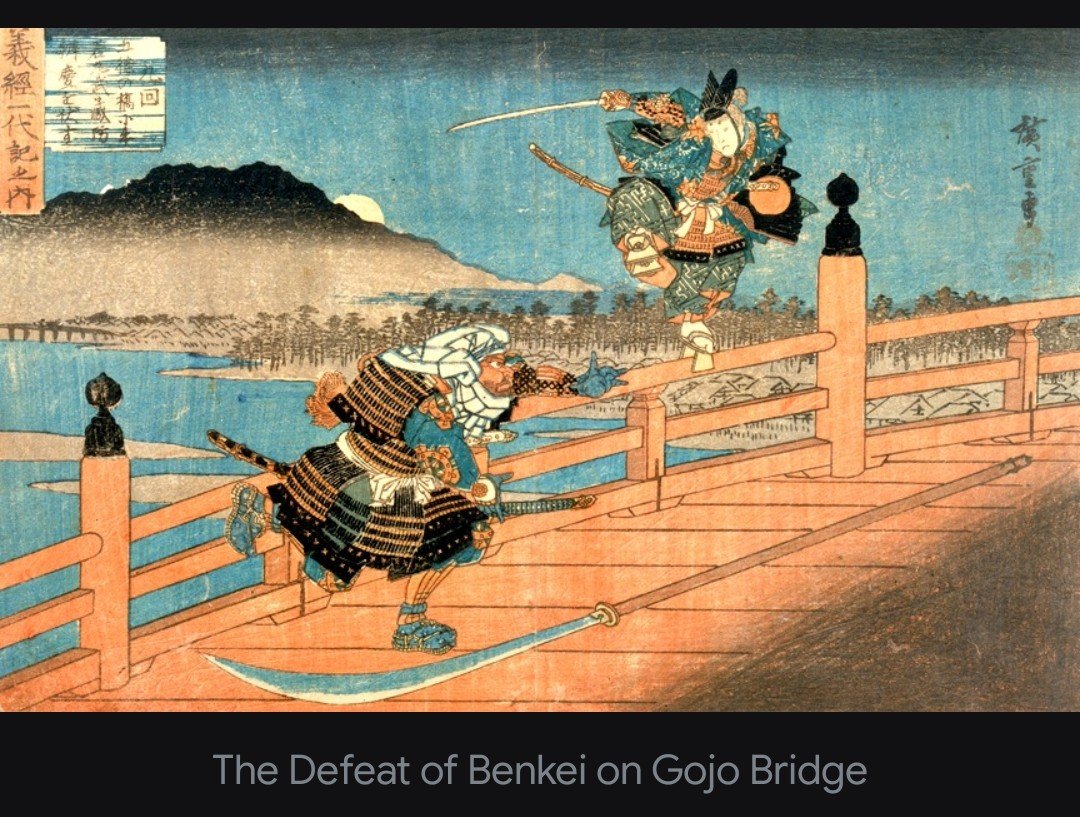
Benkei nods, steps onto that narrow bridge... and becomes a wall of flesh and steel.
The enemy army, hundreds strong, charges.
What happens next is legendary. 🔥
Wave after wave crashes against him.
Benkei swings his naginata like the Grim Reaper.
Bodies pile up.
One man against an army.
Legend says he cut down over 300 soldiers single-handedly.
The enemies freeze. This isn’t a man... this is a monster.
They can’t break him in close combat.
So they do the only thing left: bring out the archers. 🏹🏹🏹
Hundreds of arrows darken the sky.
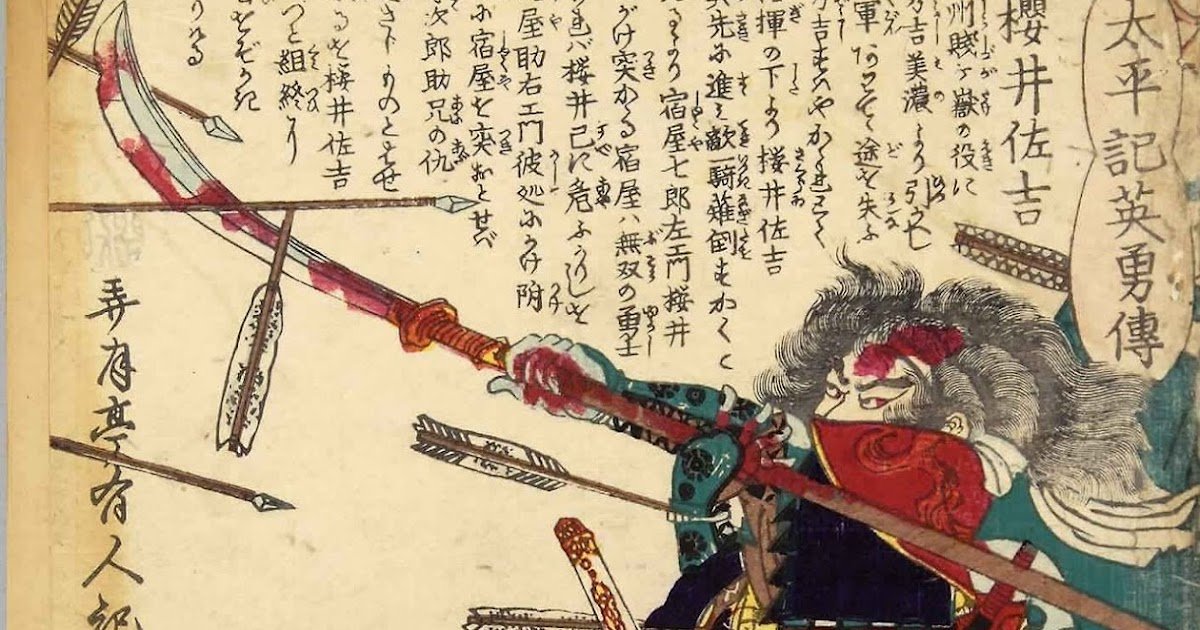
They slam into Benkei, his armor, his arms, his legs, his chest.
Dozens... then over a hundred pierce him.
He keeps standing. Fighting. Roaring.
Time passes. The arrows stop flying.
Silence falls.
Benkei is motionless on the bridge... still upright. Weapon in hand. Eyes open.
The soldiers stare in terror.
Is he... invincible?
Minutes tick by. No one dares move.
Finally, one brave (or foolish) soldier creeps forward.
He pokes Benkei.
And the giant warrior monk topples over.
He had been dead for some time.
His body, riddled with arrows, stayed upright through sheer force of will.
This is Benkei no Tachi Ōjō, the Standing Death of Benkei. 😱
By the time the enemy crossed that bridge, Yoshitsune had completed his seppuku with honor.
Benkei didn’t just die for his lord.
He guarded him beyond death.
In Japanese culture, this became the ultimate symbol of loyalty: dying on your feet rather than abandoning your duty.
Even today, “standing death” is remembered as superhuman devotion.
One man. One bridge. Eternal legend.
History is full of warriors.
But how many die... and refuse to fall?
Benkei’s story reminds us: True loyalty isn’t about winning.
It’s about never backing down, even when your body gives out.
Bookmark and Repost if this blew your mind.
#Benkei #SamuraiLegend #JapaneseHistory #WarriorMonk #Loyalty #HistoryThread
29
23
35
10,346
They couldn’t be buried together.
So they reached across the wall.
The true story of “The Grave with the Little Hands” in Roermond is now live.
A story of love, faith, and defiance
chiddicksfamilytree.com/2026…...
#TalesFromTheTomb #FamilyHistory #HistoryThread
1
1
13
410

Apr 30
Before New York was a state, it was a Dutch trade colony built on control.
Firearms weren’t a right.
They were a duty… and a tool of power.
This is where the debate really begins.
#SecondAmendment, #2A, #NewYorkHistory, #ColonialAmerica, #FirearmHistory, #Militia, #AmericanRevolution, #2ACommunity, #HistoryThread, #Liberty, #EarlyAmerica, #ArmsAndPower
@NickRogersBTL @BreakTheChainsM @the2ndSyndicate @CSSA1926 @NRA @MrColionNoir @Mrgunsngear @GarandThumb1 @Guns_Gadgets
Video Links -
YOUTUBE: youtu.be/_y-6YC0C4Lw
RUMBLE: rumble.com/v797i5c-new-york-…
1
3
113