
Jun 9
“Sometimes, disasters reshape history more than wars.”
“أحيانًا تغيّر الكوارث مجرى التاريخ أكثر من الحروب.”
#حقائق_تاريخية #العصور_الوسطى #الطاعون_الأسود #تاريخ
#HistoryFacts #MiddleAges #BlackDeath #DidYouKnow #HistoryThreads
10

Jun 9
भारतीय इतिहास का 'स्वर्ण युग' – गुप्त काल! 🏛️✨
क्या आप जानते हैं क्यों गुप्त काल (4 से 6 शताब्दी) को भारतीय कला और संस्कृति का सबसे गौरवशाली समय माना जाता है?👇👇
1-वास्तुकला की नींव:
इसी काल में मंदिरों के निर्माण की शुरुआत हुई। देवगढ़ का 'दशावतार मंदिर' और भीतरगांव का ईंटों का मंदिर इसके प्रमुख उदाहरण हैं। पत्थरों को तराशने की कला अपने चरमोत्कर्ष पर थी। 🧱
2-अद्भुत चित्रकला:
अजंता की गुफाओं के भित्ति चित्र गुप्तकालीन चित्रकला का सबसे बेहतरीन उदाहरण हैं। यहाँ के रंगों की चमक आज भी वैसी ही है। यह प्रेम, करुणा और भक्ति का अद्भुत संगम है। 🎨
3-मूर्तिकला का उत्कर्ष:
सारनाथ की 'धर्मचक्र प्रवर्तन मुद्रा' में भगवान बुद्ध की प्रतिमा भारतीय मूर्तिकला की एक उत्कृष्ट कृति है। चेहरे पर शांति और सादगी का अनूठा मिश्रण गुप्त कलाकारों की पहचान थी। 🙏
4-गुप्तकालीन कालजयी साहित्य:
इस युग की कला का दर्शन उस समय के साहित्य में भी झलकता है। कालिदास द्वारा रचित 'मेघदूत' और 'अभिज्ञानशाकुंतलम' गुप्तकालीन सौंदर्यबोध और कलात्मकता के सर्वश्रेष्ठ दस्तावेज हैं। 📜✍️
5-विज्ञान और संस्कृति का संगम:
गुप्त काल में कला के साथ-साथ गणित, खगोल विज्ञान और साहित्य ने विश्व को प्रभावित किया। यह भारत के गौरवशाली अतीत का स्वर्ण अध्याय है। 🇮🇳
#IndianHistory #GuptaEmpire #IndianArt #CulturalHeritage #GoldenAgeOfIndia #AncientIndia #Kalidasa #HistoryThreads
38

Jun 8
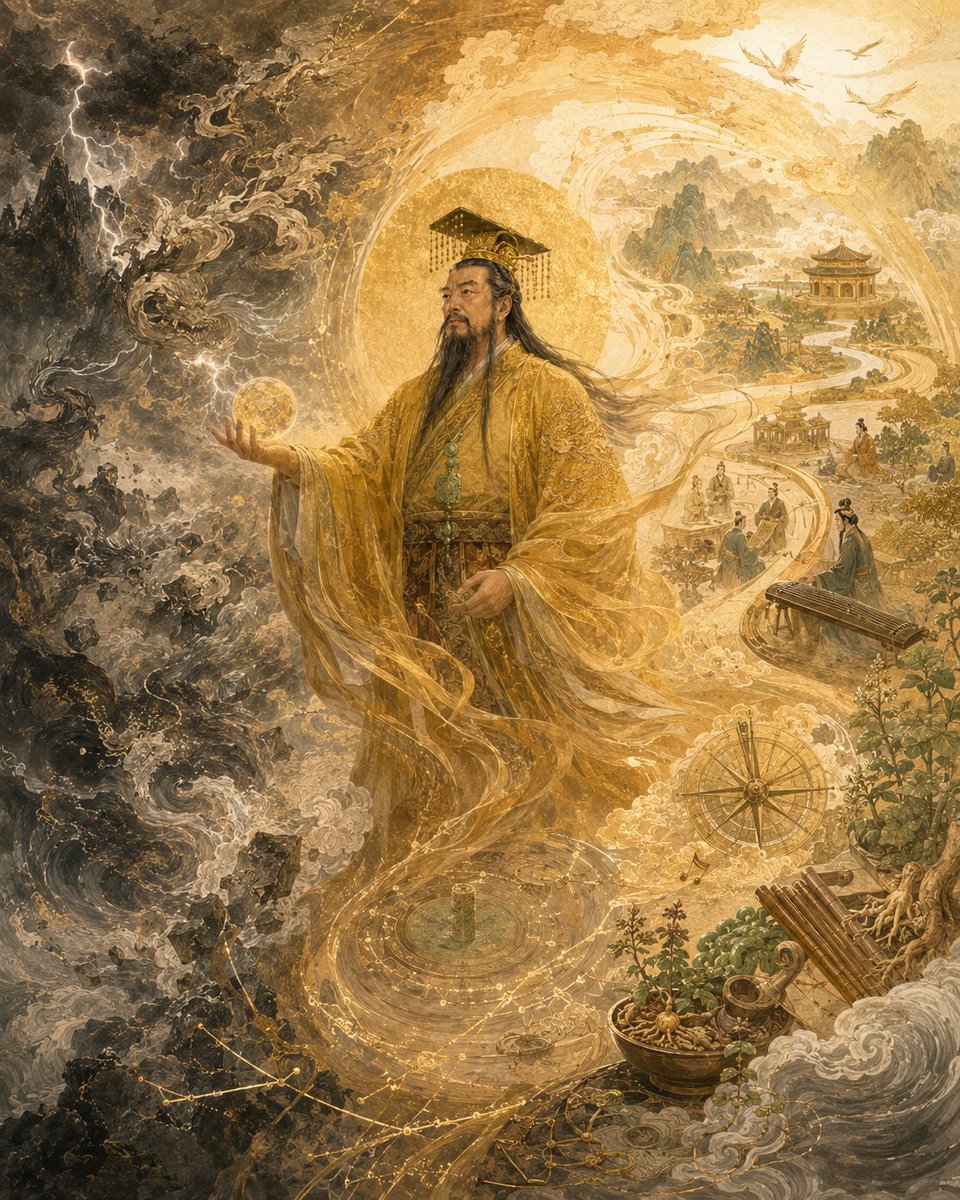
A Huang-Di se le atribuyen la brújula, la escritura, la música, la medicina, el calendario y las leyes. Demasiado para una sola vida, claro. Por eso me gusta leerlo no como una biografía, sino como el mito de una civilización imaginando su propio origen: el momento en que el caos empieza a convertirse en cultura. #HistoryThreads
2
1
31

From secretary… to First Lady… to one of the most controversial women in African politics.
#GucciGrace #GraceMugabe #Zimbabwe #AfricanHistory #HistoryThreads
2
21
181
2,188

Feb 15
History has shown one thing repeatedly:
People don’t fear change.
They fear losing control.
That’s why revolutions start quietly.
#NoeticNotes #HumanNature #HistoryThreads #DeepThoughts
1
1
10

Feb 4
📅 1. ÚNORA 1944: 90 VTEŘIN, KTERÉ ZMĚNILY VARŠAVU
Bylo přesně 9:07 ráno. V srdci okupovaného města, na Alejích Ujazdowských, se zastavil čas. A pak začalo peklo.
Cíl? SS-Brigadeführer Franz Kutschera.
Přezdívka? „Varšavský kat“.
Tohle nebyl nahodilý útok. Byl to rozsudek smrti vykonaný polským podzemním státem. A provedly ho... děti. Tedy skoro.
🧵 PŘÍBĚH OPERACE, KTERÁ OTŘÁSLA TŘETÍ ŘÍŠÍ 👇
1️⃣ LOV NA KATA
Kutschera nebyl jen úředník. Byl to architekt teroru, který zavedl masové veřejné popravy v ulicích. Polský odboj řekl: DOST.
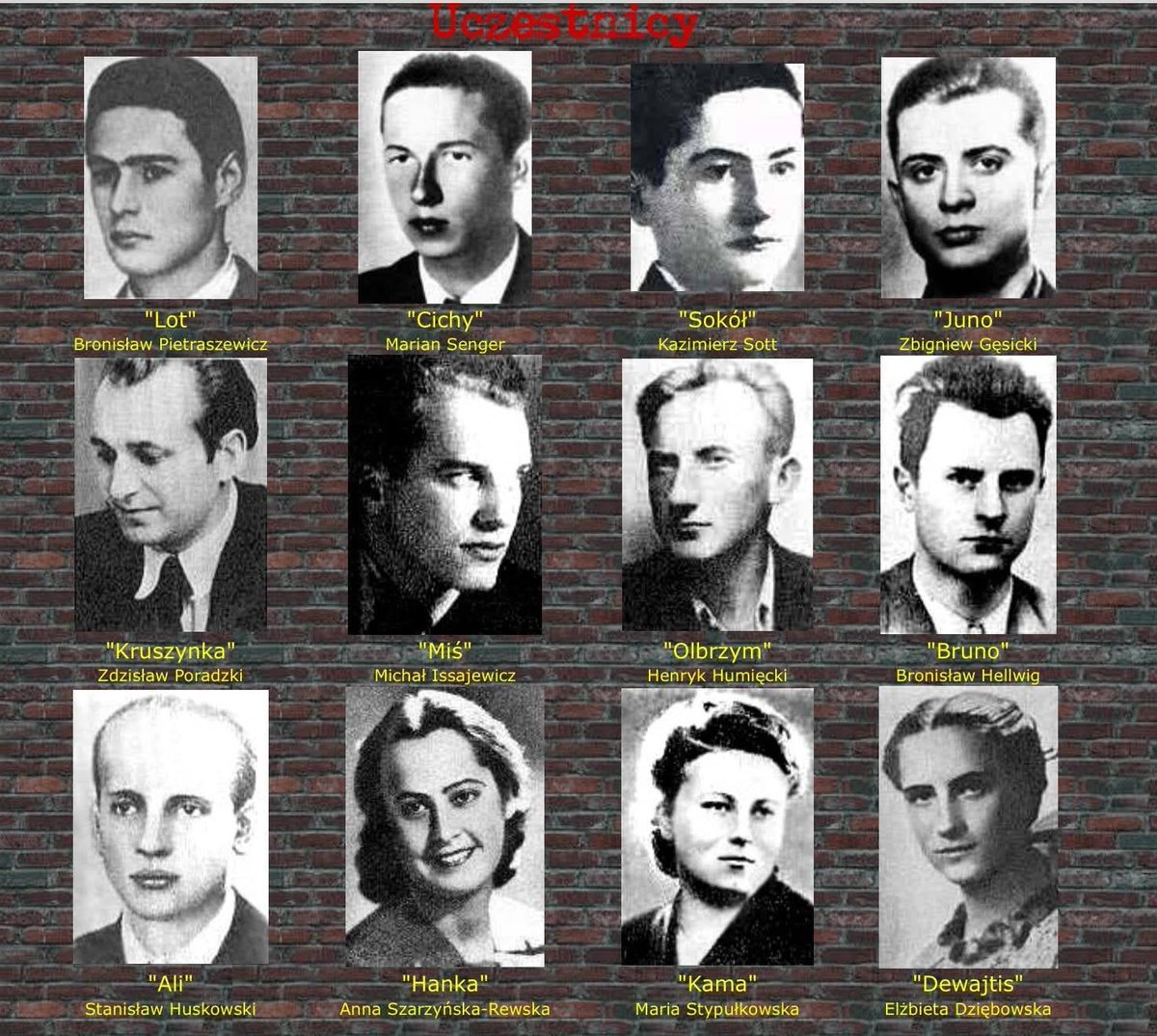
Úkol dostal speciální oddíl „Agat“ (později Pegaz) ze Šedých řad. Byli to skauti. Harceři. Mladí kluci, kteří v kapse nosili sny o svobodě a pod kabátem samopaly Sten.
Celkem se jich do akce zapojilo 12.
2️⃣ POPRAVA (9:07 – 9:09)
Všechno se seběhlo bleskově:
* Kutscherova limuzína Opel Admiral zpomaluje před velitelstvím SS.
* Polské auto jí blokuje cestu.
* Velitel akce „Lot“ (Bronisław Pietraszewicz) zahajuje palbu.
Kutschera je zasažen. Následuje rána jistoty. Konec.
Celá akce netrvala ani minutu a půl.
Jenže ústup... ten se změnil v krvavé drama. 🩸
3️⃣ CENA ZA ODVAHU
Němci spustili kulometnou palbu z oken velitelství. Útěk ulicemi Varšavy stál život čtyři hrdiny:
🕊️ „Lot“ a „Cichy“: Těžce zraněni do břicha, zemřeli o pár dní později v nemocnici.
🕊️ „Sokół“ a „Juno“: Obklíčeni na Kierbedźově mostě. Aby nepadli do rukou gestapa živí, skočili do ledových vod Visly. Zastřelili je ve vodě.
4️⃣ NĚMECKÁ POMSTA
Reakce nacistů byla zuřivá a připomínala teror po atentátu na Heydricha v Praze.
📉 BILANCE ODPLATY:
* Hned druhý den popraveno 100 polských rukojmí.
* Celkem v odvetě zavražděno 300 lidí.
* Uvězněno dalších 5 475 obyvatel Varšavy.
* Město muselo zaplatit likvidační pokutu 100 milionů zlotých.
🧠 PROČ NA TOM ZÁLEŽÍ?
I přes strašlivou cenu to byl zlom. Němci pochopili, že ani ve svých pevnostech nejsou v bezpečí. Kutschera byl nejvýše postaveným funkcionářem SS, kterého se polskému odboji podařilo zlikvidovat.
Jeho pohřeb byl velkolepý, ale rakev putovala do Berlína prázdná. Tělo raději tajně ukryli, protože se báli, že by si ho odboj našel i po smrti.
Hrdinství není o tom, že se nebojíte. Je o tom, že jednáte, i když se vám třesou ruce.
👇 Znali jste tento příběh, nebo je pro vás osud „polského Heydricha“ novinkou? Dejte mi vědět v komentářích.
🇵🇱 Čest památce hrdinům z Agatu.
#Historie #WW2 #Warszawa #Varšava #Kutschera #AK #Odboj #HistoryThreads
4
7
45
1,470

Jan 17
Nikola Tesla believed energy should be transmitted wirelessly.
His financier believed energy had to be metered and billed.
When those two ideas collided, funding for Tesla’s most ambitious project ended.
This video examines the historical record behind Wardenclyffe Tower and asks a larger question:
Who decides which innovations get finished?
#NikolaTesla #HistoryThreads #EnergyHistory #DivergentFiles
3
19

25 Oct 2025
🪶 DID YOU KNOW?
Cleopatra married both of her brothers — not for love, but for power and politics. 👑
In ancient Egypt, royal blood was considered divine, and Pharaohs were expected to marry within their family to keep that “godly lineage” pure. By marrying her younger brothers, Ptolemy XIII and later Ptolemy XIV, Cleopatra secured her legal right to rule as queen.
💡 Her real love wasn’t her brothers at all — it was Julius Caesar (and later Mark Antony), whose alliances helped her hold the throne and shape history.
#HistoryFact #Cleopatra #AncientEgypt #DidYouKnow #HistoryThreads #MacabreHistory #RoyalSecrets
2
9
286

20 Mar 2025
🚀 Building Something Cool Here 🚀
I’m diving into the most fascinating stories from history and science—lost civilizations, ancient mysteries, and the biggest "wait, what?" moments from the past.
I'll follow back everyone who joins in.
Goal: 25 followers by the end of the weekend!
Let’s build something awesome together.
Hit follow, and let’s explore history one mind-blowing fact at a time!
#HistoryThreads #ScienceFacts #FollowBack
1
1
1
2,307

16 Nov 2024
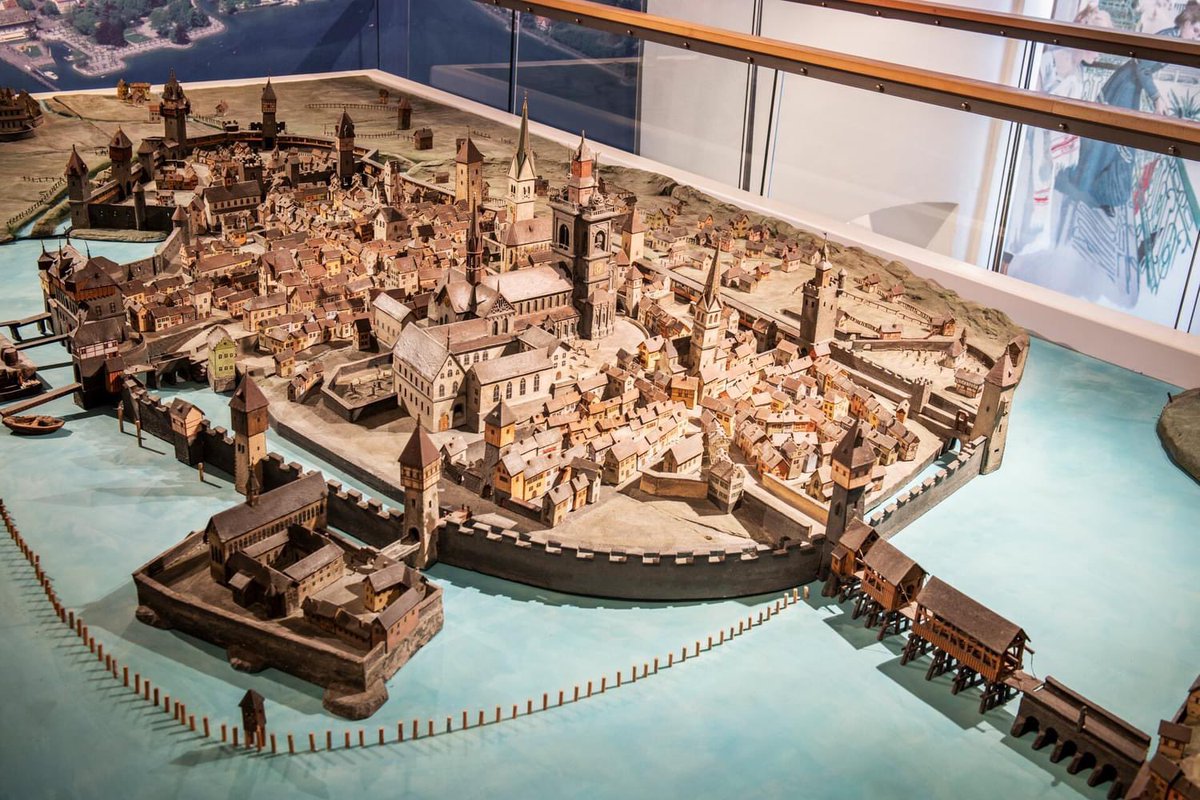
And nothing does that better than the amazing model of the city kept at the Rosgarten Museum.
I hope you are all set for the first season highlight next week. But if you want to brush up on the runners and riders, check out the HistoryThreads below (2/
1
13
186

28 Sep 2024
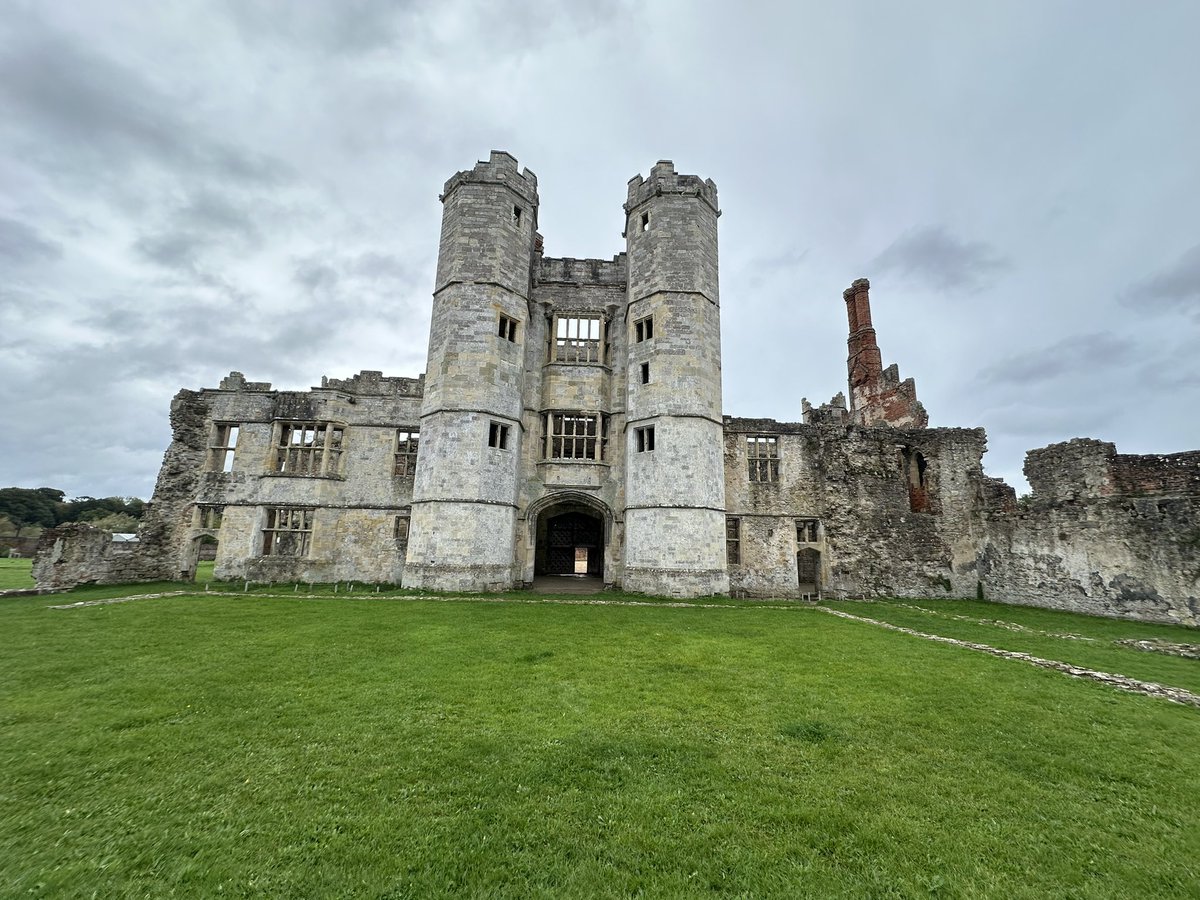
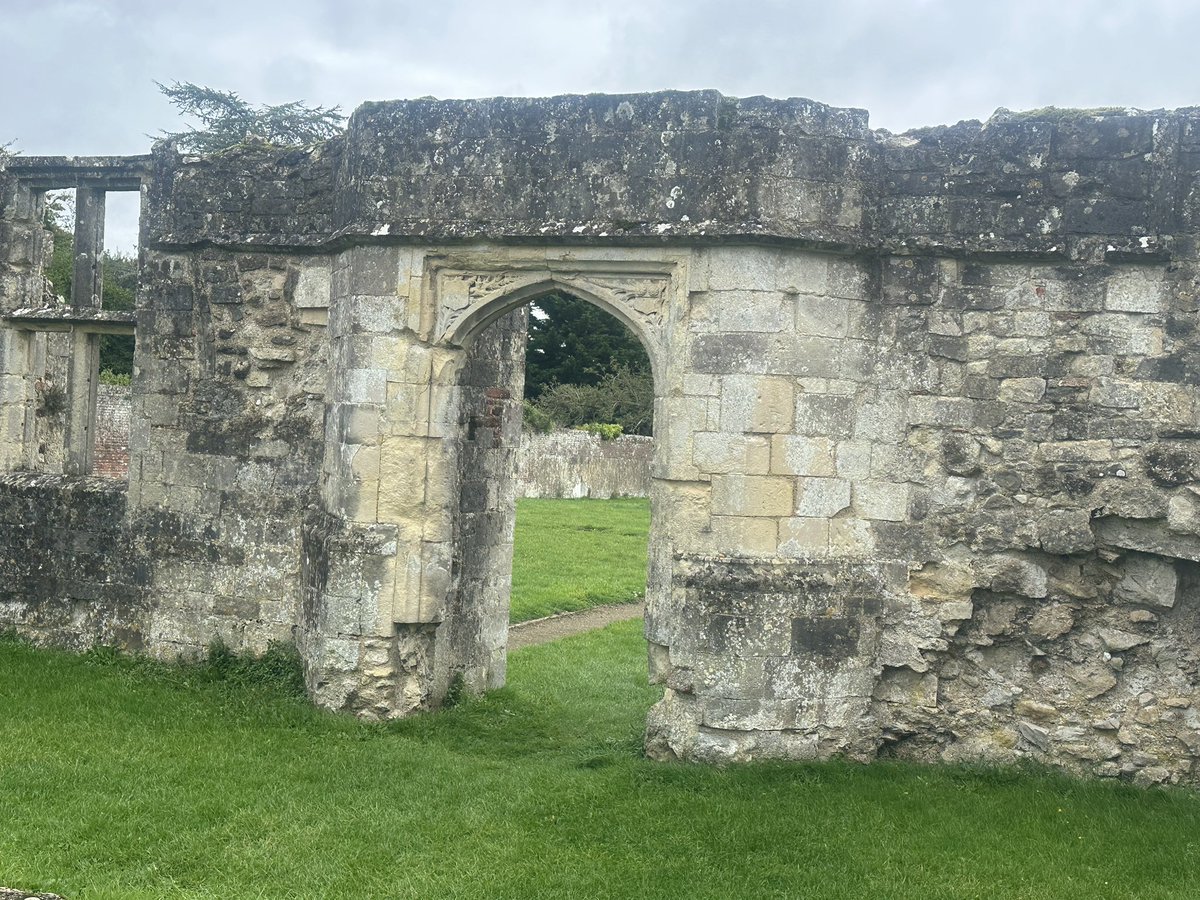
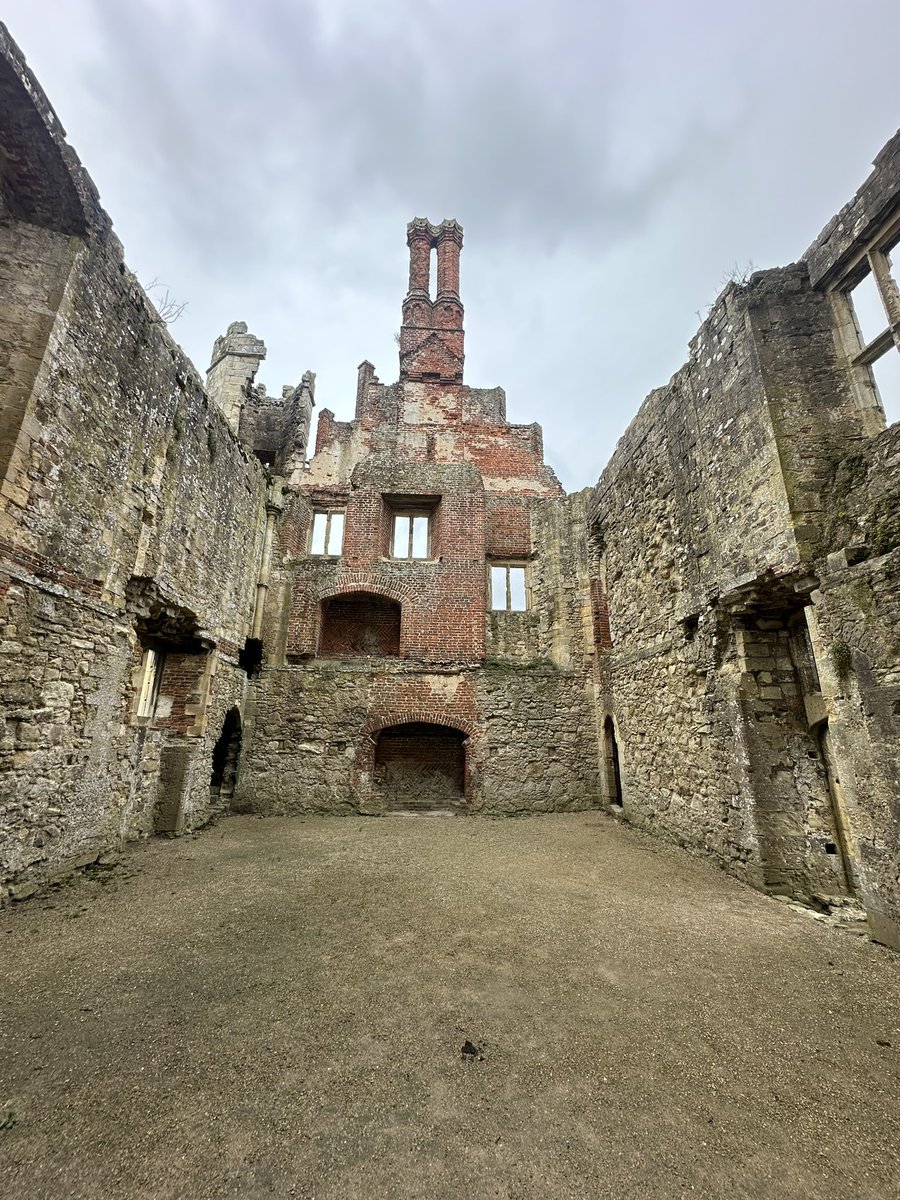
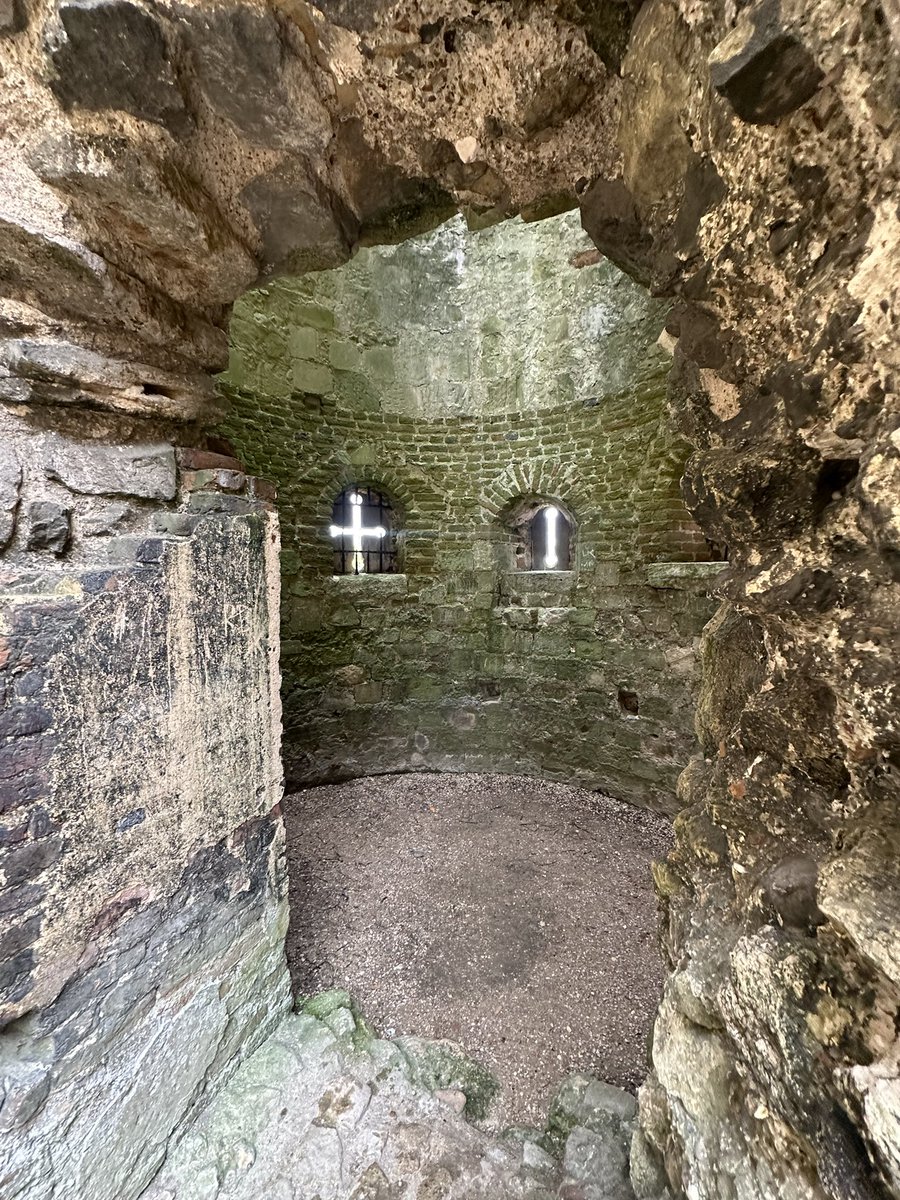
Titchfield Abbey in Hampshire. Founded in the early 13thC, Henry VI and Margaret of Anjou were married in the Abbey church in 1445. It was dissolved by Henry VIII in 1537 and granted to Thomas Wriothesley, who created a grand Tudor mansion, including turning part of the church into his gatehouse. Now in the care of @EnglishHeritage #titchfield #tirchfieldabbey #henryviii #dissolution #monasteries #tudor #tudors #historythreads
2
21
173
3,289

25 Aug 2024
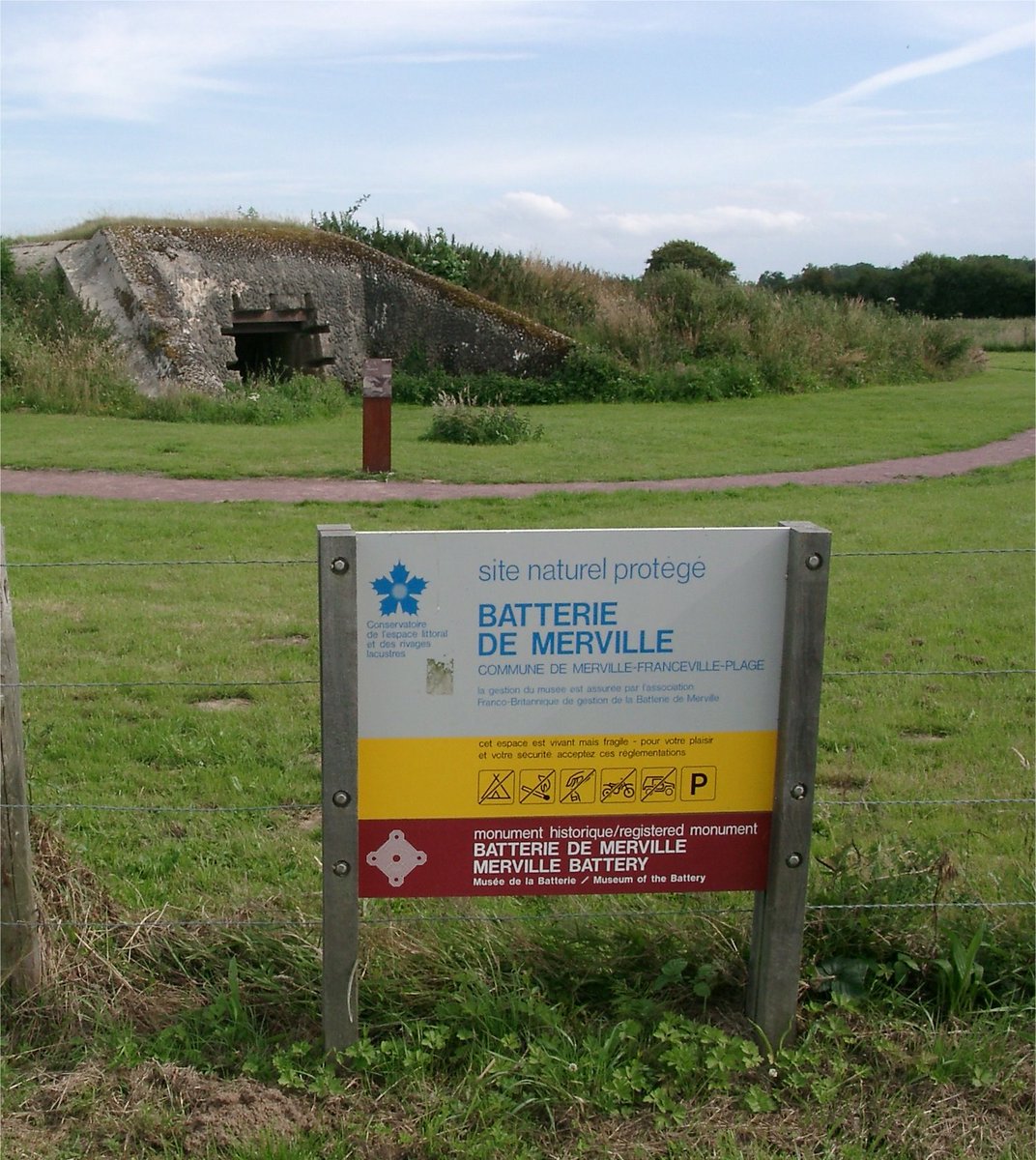
What historical place is on your travel bucket list?
Here's mine
#Sundayfunday #twitterstorians #history #travel #travelgram #historythreads
7
20
2,997

8 Aug 2024
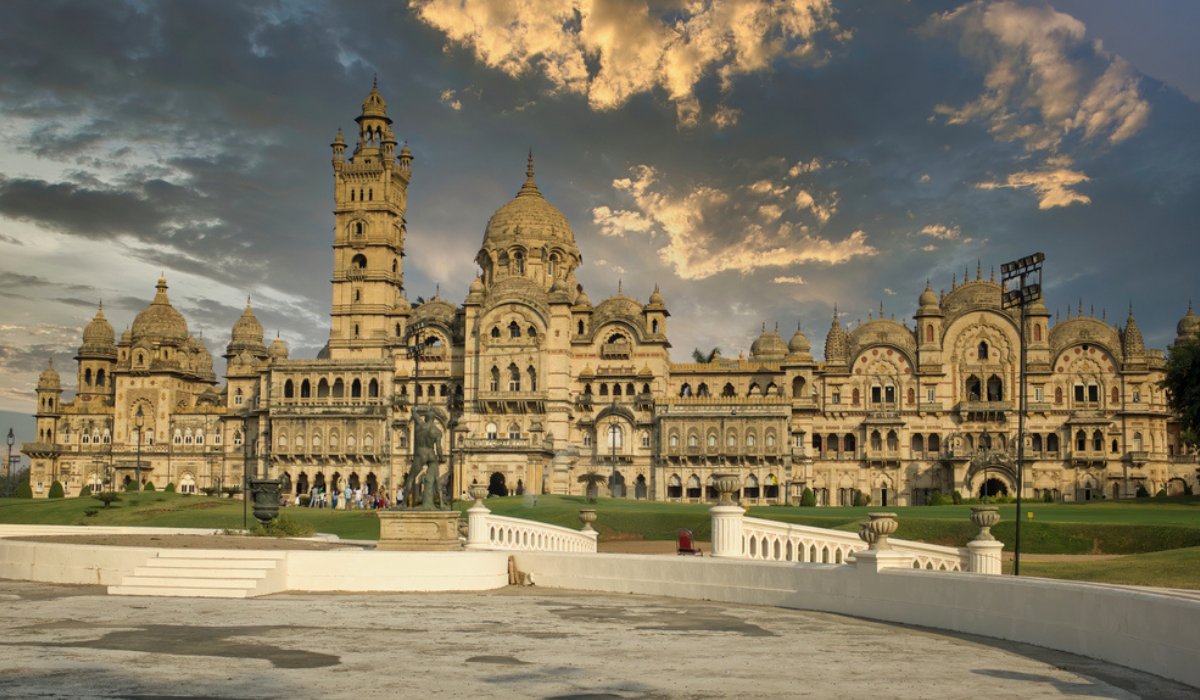
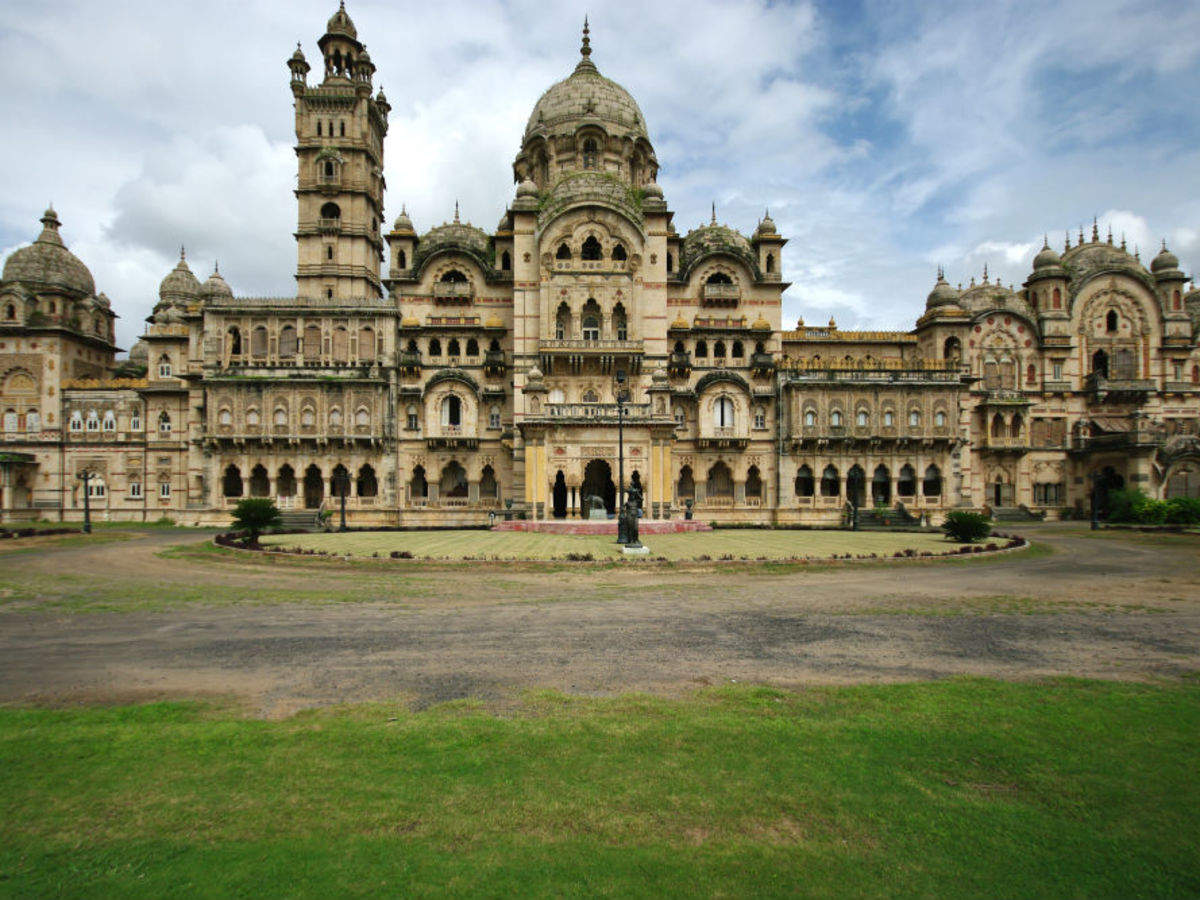
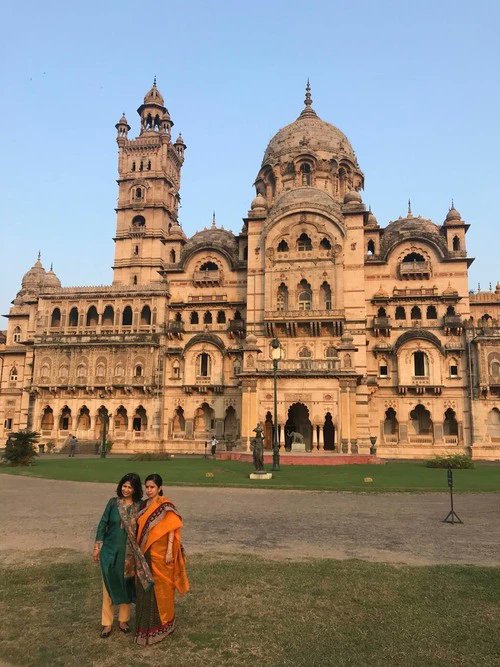
𝗟𝗮𝗸𝘀𝗵𝗺𝗶 𝗩𝗶𝗹𝗮𝘀 𝗣𝗮𝗹𝗮𝗰𝗲 𝗶𝗻 𝗩𝗮𝗱𝗼𝗱𝗮𝗿𝗮, 𝗚𝘂𝗷𝗮𝗿𝗮𝘁, #culture #History #historythreads
It is reputed to have been the largest private dwelling built until that time, and four times the size @Nilzrav of Buckingham Palace. At the time of construction, it boasted the most modern amenities such as elevators and the interior is reminiscent of a large European country house. It remains the residence of the royal family, who continue to be held in high esteem by the residents of Baroda.@nrajabpcla
The Palace compound is of over 500 acres and houses a number of buildings, particularly the LVP Banquets & Conventions, Moti Bagh Palace and the Maharaja Fateh Singh Museum building.@GUJRAT1981
In the 1930s Maharaja Pratapsinh created a golf course for use by his European guests. In the 1990s, Pratapsinh's grandson Samarjitsinh, a former Ranji trophy cricket player, renovated the course and opened it to the public
@SukhSandhu #tourism
2
2
13
303

9 Jul 2024
10/10 🌍 Shivaji Maharaj's impact extends beyond India.
His innovative strategies, governance, and commitment to justice make him a global icon of leadership and resilience.
Several Indian leaders and freedom fighters have drawn inspiration from Shivaji Maharaj's life and leadership qualities.
Some of the prominent figures who have been inspired :
Bal Gangadhar Tilak: Tilak, a prominent Indian nationalist, social reformer, and freedom fighter, greatly admired Shivaji Maharaj and popularized the celebration of Shivaji Jayanti (Shivaji's birth anniversary) as a means of promoting national pride and unity.
Vinayak Damodar Savarkar: Savarkar, a revolutionary freedom fighter and proponent of Hindutva ideology, viewed Shivaji Maharaj as a symbol of Hindu resistance against foreign rule and oppression.
Subhas Chandra Bose: Bose, a key figure in the Indian independence movement, drew inspiration from Shivaji Maharaj's valor, leadership, and vision for a strong and independent India.
Lokmanya Tilak: Another prominent freedom fighter, social reformer, and nationalist leader, Tilak also held Shivaji Maharaj in high regard and emphasized the importance of self-rule and self-respect, much like Shivaji Maharaj.
Let's honor his legacy by remembering his contributions to history. 🌟 #GlobalIcon
🔄If you like this please consider Following for more threads on historical figures and their enduring legacies! #HistoryThreads #ShivajiMaharaj
15
22
24
2,865

3 Jun 2024
7/7 Viking Berserkers:
These legendary warriors were known for their ferocity and trance-like rage in battle. They wore animal skins, wielded axes, and were believed to possess superhuman strength.
#AncientWarriors #HistoryThreads #WarriorCulture #LesserKnownFacts
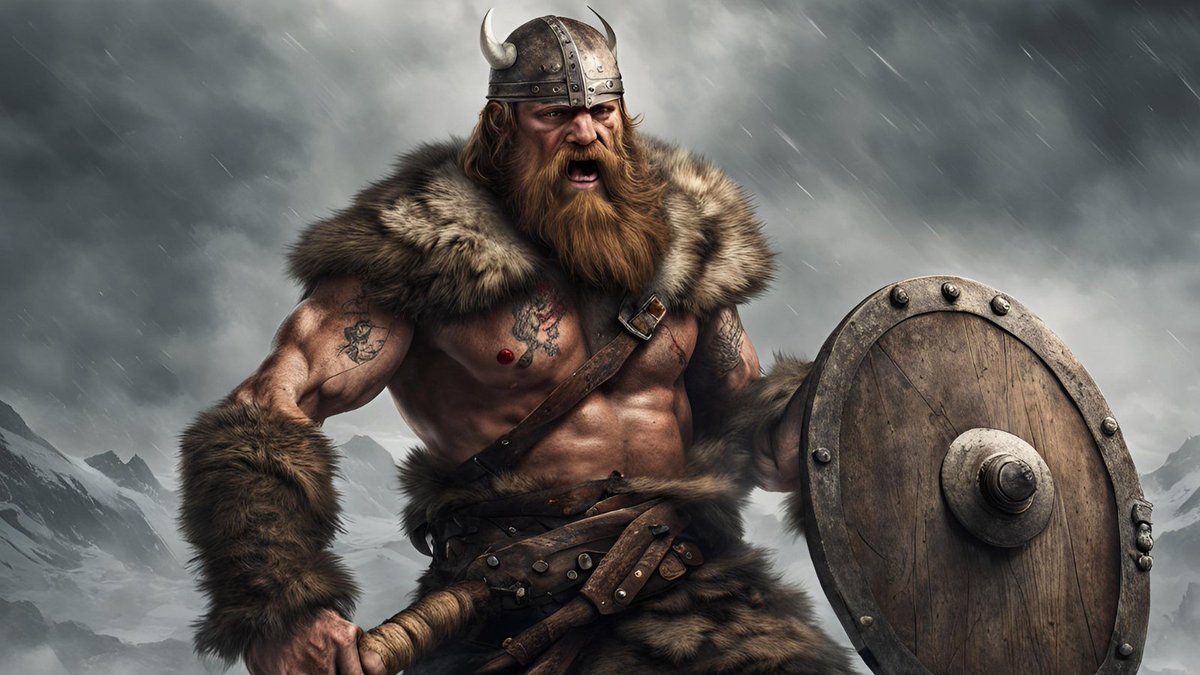
ALT Viking Berserkers: These legendary warriors were known for their ferocity and trance-like rage in battle. They wore animal skins, wielded axes, and were believed to possess superhuman strength.
6
350

15 May 2024
If you enjoyed this deep dive into the fall of Rome, follow for more historical threads unraveling the past's most intriguing events! #FollowMe #HistoryThreads
2
33

22 Mar 2024
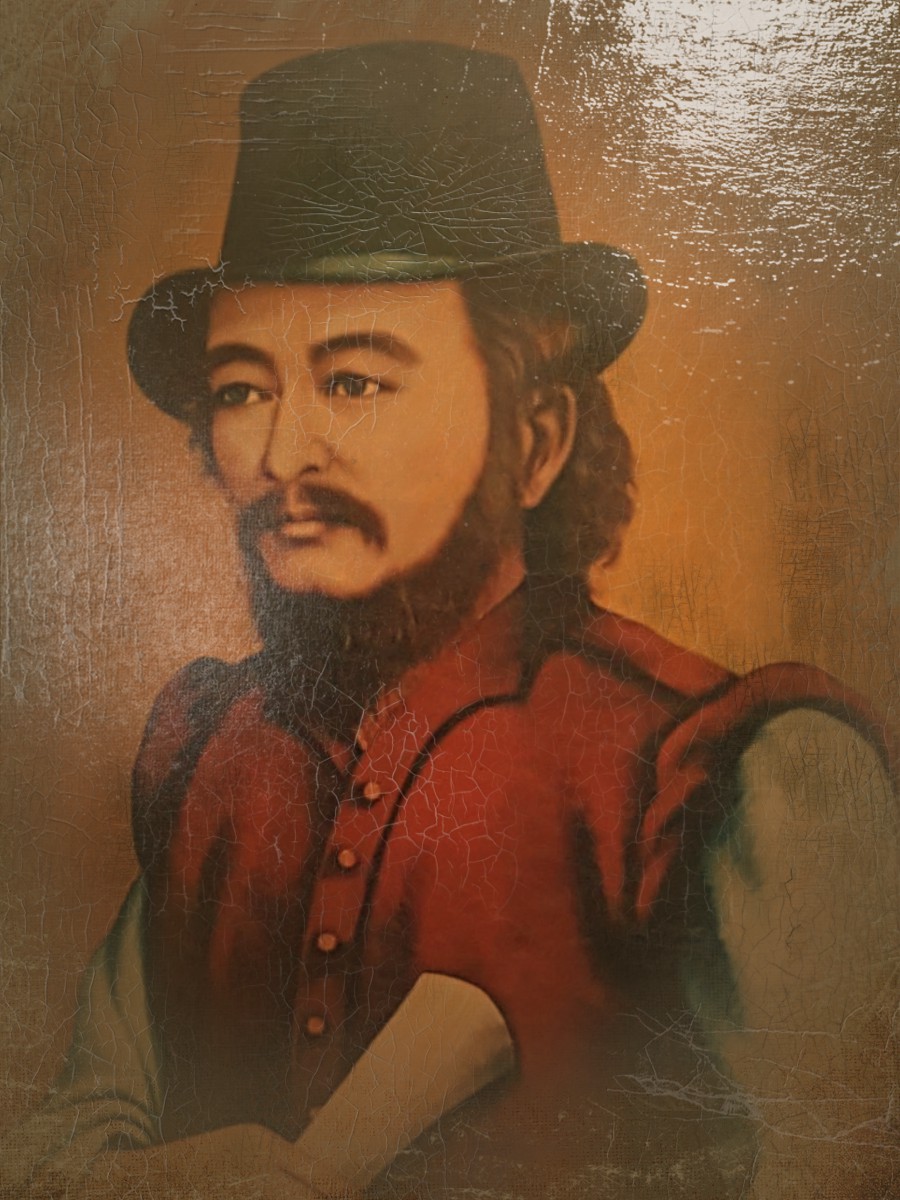
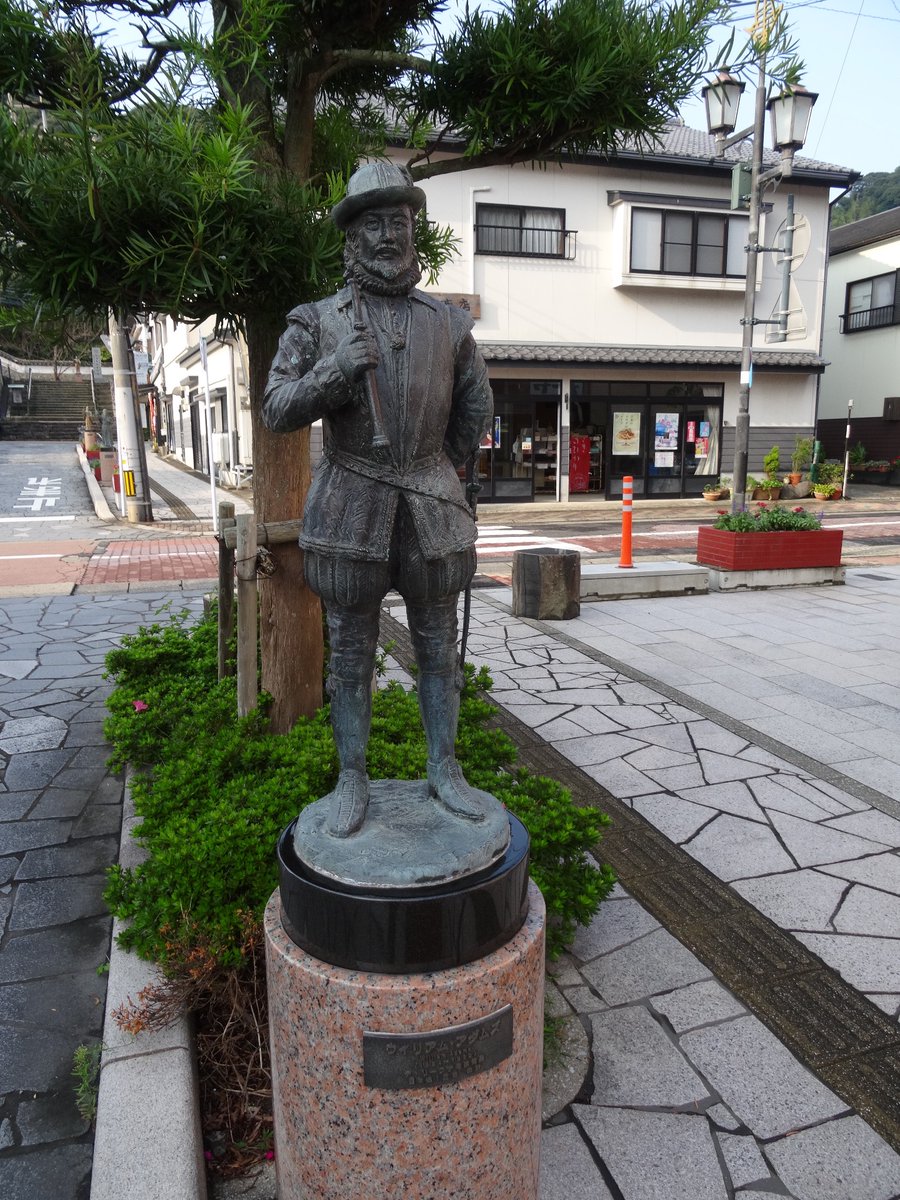
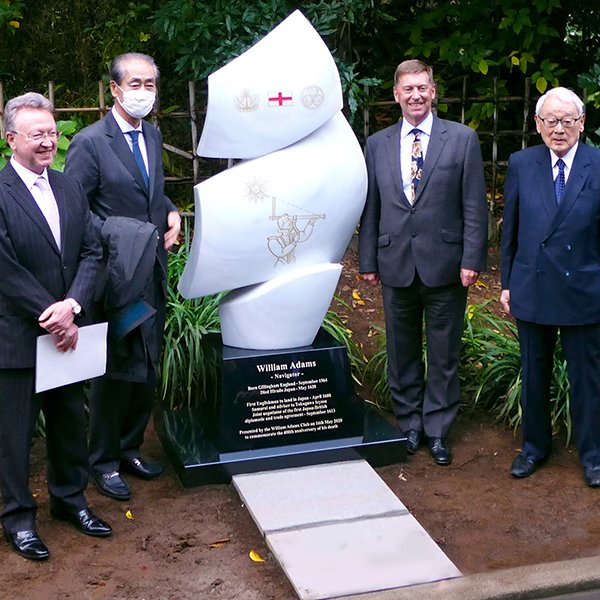
William Adams (1564–1620) was an English navigator who became the first Englishman to reach Japan. His story is one of remarkable adventure and cultural integration, and he is often remembered as one of the most influential foreigners in Japan during the early Edo period.
Born in Gillingham, Kent, England, Adams became an apprentice to a shipyard owner and later joined the British Royal Navy. With a solid background in shipbuilding and navigation, he eventually became a master mariner.
In 1598, Adams set sail on a Dutch expedition to the Far East as the pilot of the Hoop, one of five ships in the fleet. The journey was perilous, and after many hardships, including the loss of several ships and much of the crew to disease and conflict, the Liefde (the ship Adams was on, having transferred from the Hoop) reached the shores of Japan in April 1600, with only a fraction of the original crew surviving.
Upon arrival, Adams and the crew were initially imprisoned by the ruling daimyo of Kyushu, but Adams's knowledge of shipbuilding and navigation caught the attention of Tokugawa Ieyasu, the powerful daimyo who would soon become the shogun and unify Japan. Adams's maritime expertise was valuable to Ieyasu, who was interested in foreign technologies and trade.
Adams became a close advisor to Ieyasu and was granted a number of privileges, including a Japanese name, Miura Anjin (三浦按針), which means "the pilot of Miura." He was also given a house, land, and the title of hatamoto, a high-ranking samurai in the shogun's service. Adams used his position to facilitate trade between Japan and the English and Dutch, helping to establish the first English trading factory in Japan in 1613.
Despite his high status in Japan, Adams was not allowed to leave the country. He made several requests to return to England, but they were denied. He married a Japanese woman and had children, fully integrating into Japanese society while also maintaining his English identity.
Adams's influence helped to shape the initial relations between Japan and the Western world. He is remembered in Japan to this day, with monuments and festivals celebrating his life and contributions. His story was also the inspiration for James Clavell's novel "Shogun," which was later adapted into a successful television miniseries.
#Shogun #HistoryThreads #JapanHistory #CulturalExchange #MaritimeHistory
2
78

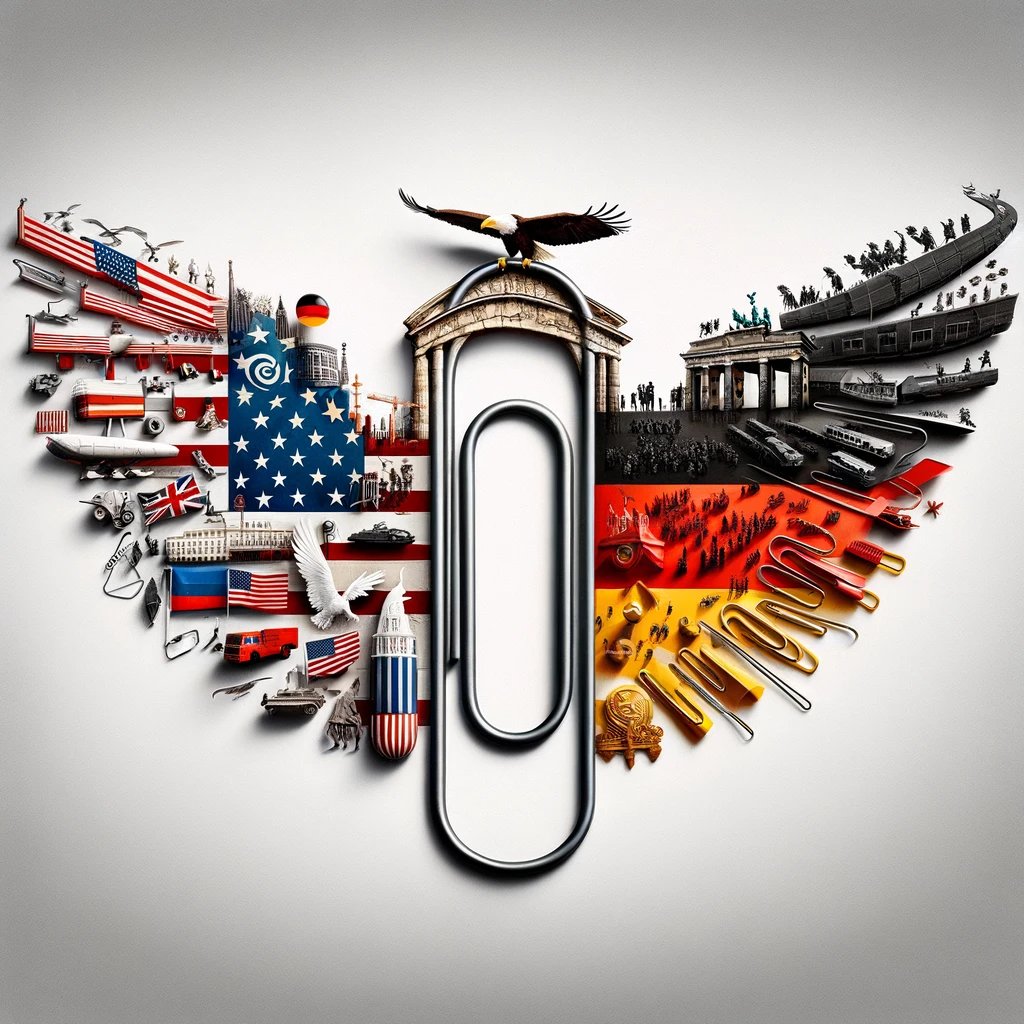
Project Paperclip: 📎 The Secret Program to Recruit Nazi Scientists for U.S. Research After WWII 📁
What secrets did they retrieve?
✨ What was Project Paperclip? It was a secret U.S. program aimed at recruiting top Nazi scientists. Why? To gain an edge in the Cold War and space race. 🌌
🧐 Among these scientists was Wernher von Braun, a key figure in rocket technology. His expertise was crucial for NASA and the "moon landing." 🌕
🔍 But why recruit former enemies? The U.S. was "desperate for advanced tech", especially to counter Soviet advances.
🤫 Many of these scientists were part of Hitler's war machine. How did the U.S. reconcile with this dark past? ⚖️
🌟 Project Paperclip shows how history can be complex and morally gray. It's a tale of science, espionage, and the fine line between right and wrong.
It was a gamble that paid off... or did it? 🤔 What do you think? 🧠
#HistoryThreads #ProjectPaperClip
1
2
88

12 Nov 2023
12 Nov 2023

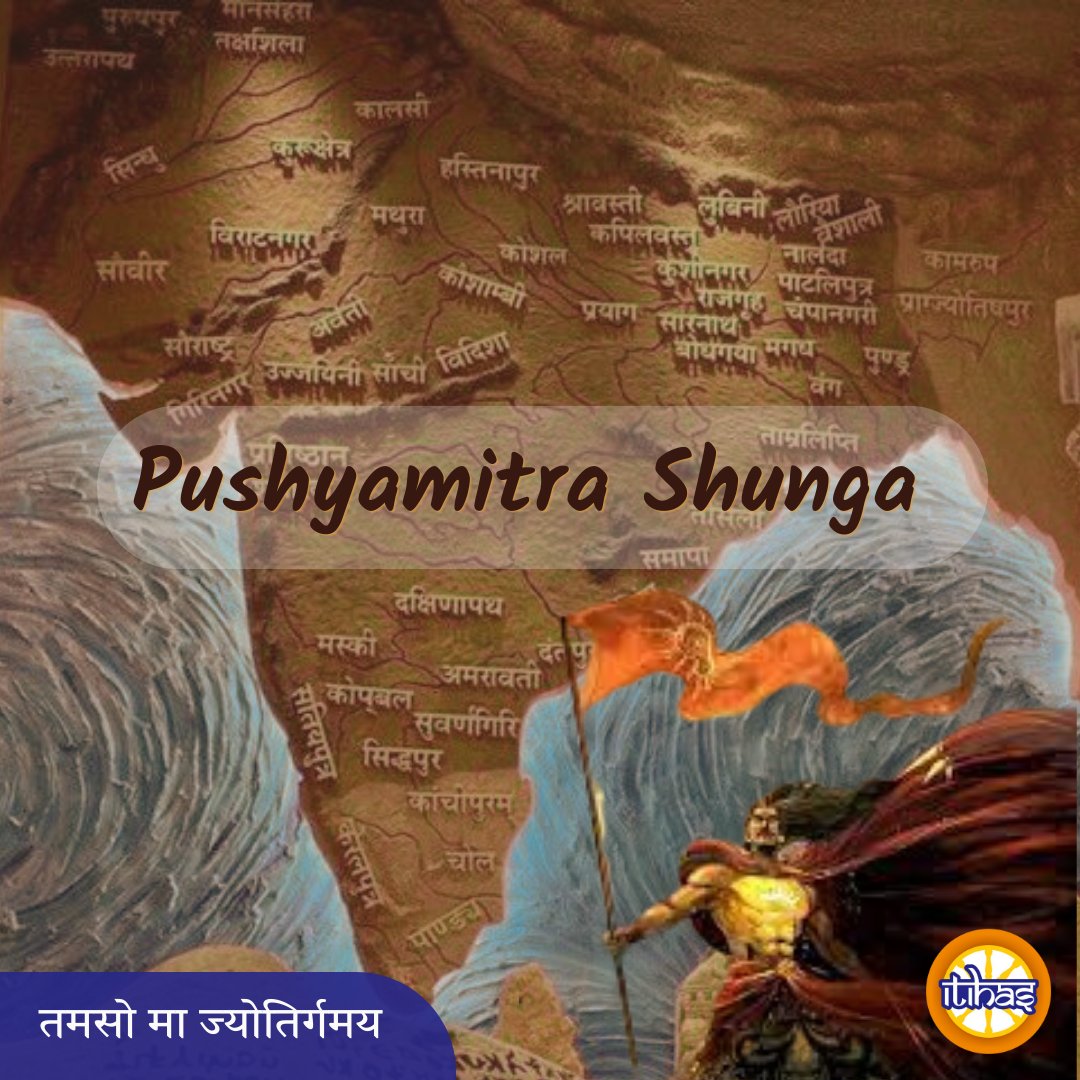
In our second story, we will see how Chandragupta’s empire weakened over time, was again invaded by the Greeks and how people across the country came together to protect it & again forge a powerful nation - whose main hero will be Pushyamitra Shunga 1/n #6GloriousEpochs
6
134

11 Apr 2023
Did you know? In the year 1299 AD, the Ottoman Empire was founded by Osman I. This marked the beginning of the empire's rapid expansion across the Middle East, Europe, and North Africa.👑🌍 #HistoryThreads #OttomanEmpire (1/6)
1
2
47