🌻🪻🐠deimoszitrone🐠🪻🌻(forgiveness trios 1 fan) retweeted

Jun 12
Being raised in an anti SpongeBob household is a lifelong social handicap and lowkey abusive
465
15,742
199,405
4,249,468
Mahmoud🇵🇸 retweeted

This link is my family's ultimate" lifeline. Even the smallest donation can rescue an entire household. Please, don't leave us ".behind🙏🏽🙏🏽🥺
gofund.me/a507755e
1
1
14

XtraSpicy retweeted

Jun 12
The Housemaid (2025) is a dark psychological thriller set inside a wealthy household where power quietly controls everything. What begins as a simple job soon turns into a dangerous game of manipulation, desire, and betrayal.
22
49
62
3,722

i feel like it's an endless marathon for me, as a queer person who lives in a religious household & country. I'm still running just from different reasons. i have accepted myself... but now I'm running from the reality that I'm prob running out of time to express my queer self
1

44s
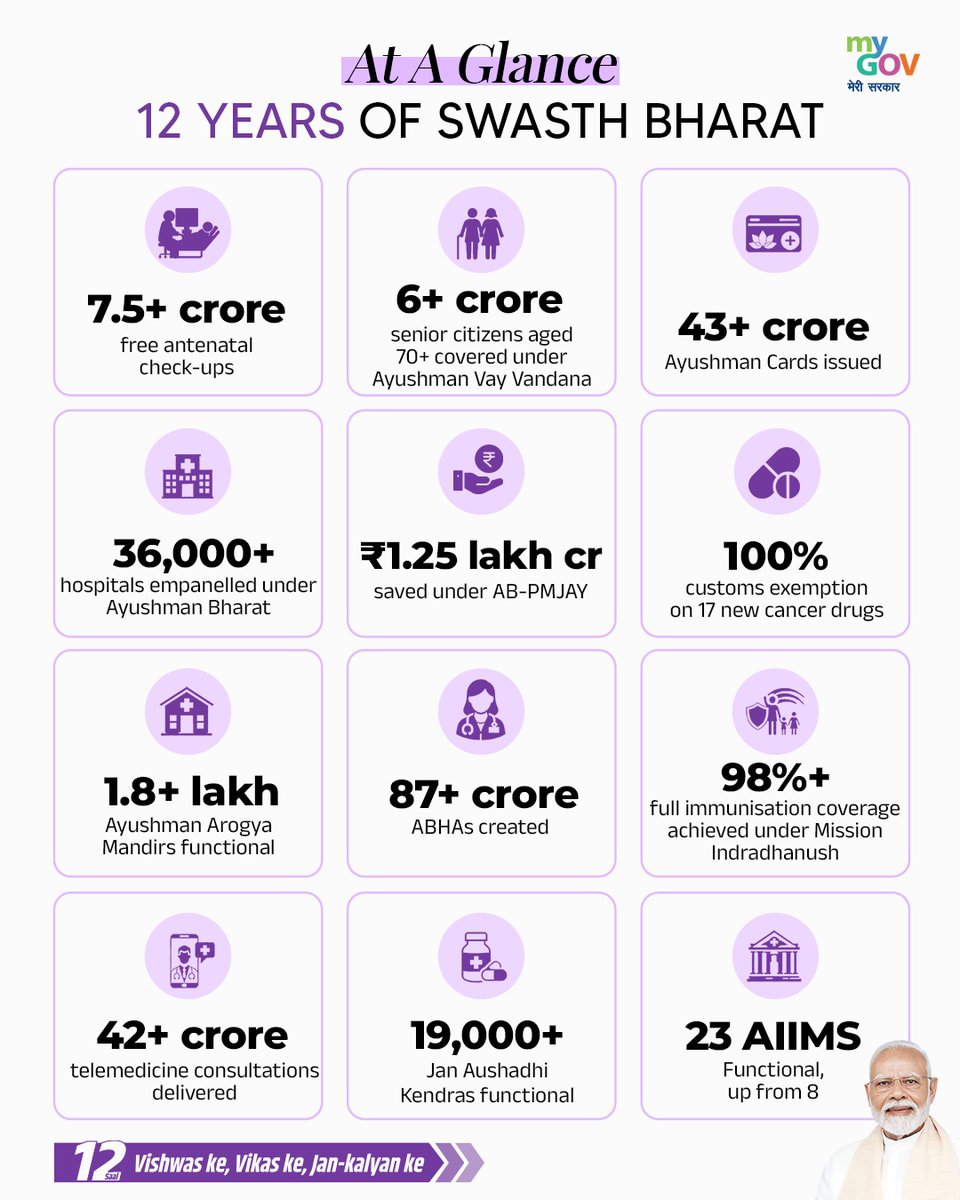
A healthier India is taking shape through 12 years of sustained healthcare reforms.
Improved infrastructure, expanding coverage, and technology driven services are making quality treatment more reachable. Preventive care and affordable medicine access are reducing burdens while the system continues to move closer to every household with consistency and care.
@PMOIndia @MoHFW_INDIA @MIB_India @PIB_India #12YearsOfSwasthBharat
8

Tsunderefairy retweeted

This link is my family's ultimate" lifeline. Even the smallest donation can rescue an entire household. Please, don't leave us ".behind🙏🏽🙏🏽🥺
chuffed.org/project/181592-t…

27
341
553
3,054

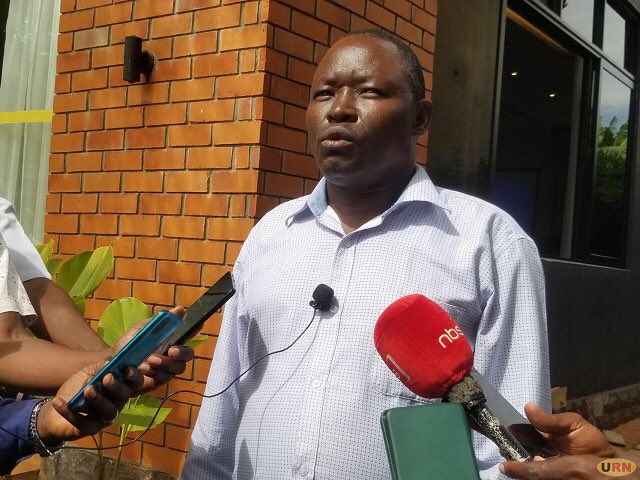
AGRICULTURE : Busoga farmers urged to shift from sugarcane to cocoa.
Officials from the Ministry of Science, Technology, and Innovation (STI) are holding consultative meetings with leaders in Busoga to identify practical solutions for reducing poverty and improving household incomes.
According to the Uganda Bureau of Statistics (UBOS) Sub-Regional Wealth Analysis Report 2022, Busoga ranks as the eighth poorest sub-region in Uganda, ahead of only Bukedi and Karamoja, which rank ninth and tenth, respectively.
The findings prompted STI’s Productivity Acceleration Bureau (PAB) to explore ways of supporting communities to transition from subsistence livelihoods to a more productive and sustainable money economy.
As part of the initiative, PAB established a Busoga Sub-Regional Think Tank comprising youth leaders, religious leaders, scholars, researchers, farmers, cultural leaders, members of the business community, and representatives of persons with disabilities.
The team was tasked with identifying transformative economic opportunities capable of reducing poverty in the region. Members of the think tank noted that Busoga is home to an estimated 4.4 million people, about 80 percent of whom live in rural areas and depend on agriculture for their livelihoods.
The consultations revealed that approximately two out of every three people in the sub-region are directly or indirectly involved in sugarcane farming. However, experts argue that the crop generates relatively low returns, particularly for smallholder farmers.
Data presented during the meetings showed that farmers earn an average profit of over 461000 shillings for every one million shillings invested in sugarcane production after a period of 14 to 18 months.
In comparison, cocoa farmers can earn up to 17.7 million shillings from irrigated farms and 12.17 million shillings from rain-fed cocoa plantations for a similar level of investment. The analysis further indicated that establishing a standard sugarcane garden requires an investment of approximately 5.3 million shillings, while the first harvest typically generates only about 3.9 million shillings, resulting in a deficit of 1.4 million shillings.
1

#WATCH: Adopting this standard will be pivotal for municipal corporations and water supply bodies across major cities to ensure safe, sustainable, and zero-waste water delivery to every household.
@jagograhakjago @DoWRRDGR_MoJS @jaljeevan_ @PIBWater @PIB_India @PIBHindi
3
Free at Last retweeted

48% of all social housing in London has a foreign-born head of the household, according to data from the 2021 census.
And 35% of them are either unemployed or economically inactive.
No wonder Khan woos the migrants. He’d be mad not to.
18
253
1,230
14,930

Comedy becomes a household dynamic

This is what happens when two comedians marry each other 😂 I really love this family ❤️

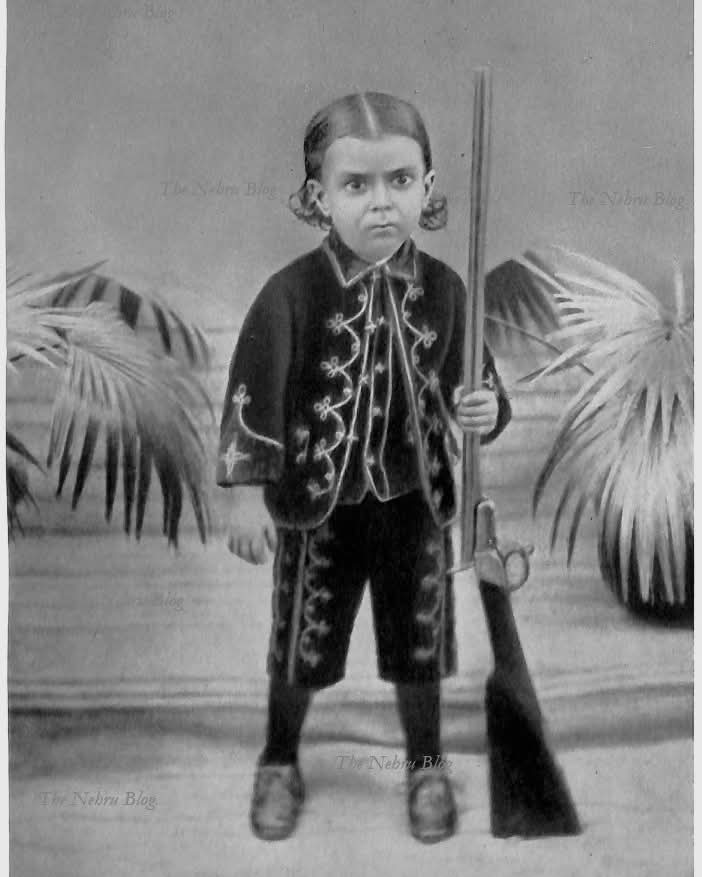
Jawaharlal Nehru at the age of 3Years.
तीन वर्ष की आयु में जवाहरलाल नेहरु।
Nehru described his childhood as comfortable and privileged, but also somewhat lonely. Being the only child for many years, he had few companions of his own age. He recalled spending much of his time with adults, tutors, and servants.
नेहरू ने अपने बचपन का वर्णन एक ऐसे जीवन के रूप में किया है जो सुख-सुविधाओं और विशेषाधिकारों से भरपूर था, लेकिन साथ ही कुछ हद तक एकाकी भी था। कई वर्षों तक इकलौते बच्चे होने के कारण उनकी उम्र के साथी बहुत कम थे। उन्होंने स्मरण किया कि उनका अधिकांश समय वयस्कों, निजी शिक्षकों (ट्यूटरों) और घरेलू कर्मचारियों के साथ बीतता था।
Nehru wrote that although he lived in a large and prosperous household, he often felt lonely because there were no children of his age to play with. He later remembered this solitude as encouraging habits of reading, reflection, and imagination.
नेहरू ने लिखा है कि यद्यपि वे एक बड़े और समृद्ध परिवार में रहते थे, फिर भी वे अक्सर अकेलापन महसूस करते थे क्योंकि उनके साथ खेलने के लिए उनकी उम्र के बच्चे नहीं थे। बाद के वर्षों में उन्होंने इस एकांत को अपने व्यक्तित्व के विकास में सहायक माना, क्योंकि इसी ने उनमें अध्ययन, चिंतन और कल्पनाशीलता की आदतों को प्रोत्साहित किया।
From an early age, Nehru developed a fascination with books. His education initially took place at home under private tutors. He became interested in science, nature, history, and literature, interests that remained with him throughout his life.
बहुत कम उम्र से ही नेहरू को पुस्तकों के प्रति गहरा आकर्षण था। उनकी प्रारम्भिक शिक्षा घर पर निजी शिक्षकों के मार्गदर्शन में हुई। विज्ञान, प्रकृति, इतिहास और साहित्य में उनकी विशेष रुचि विकसित हुई। ये रुचियाँ जीवनभर उनके साथ बनी रहीं और उनके बौद्धिक व्यक्तित्व के निर्माण में महत्वपूर्ण भूमिका निभाती रहीं।
#nehru #jawharalalnehru
2