
Jun 11
#Digitaltwin #Trancehumanism #ムーンショット計画 etc…の
時点で,🖌️📡📶🌐📱🕛️🧭
法整備前の人権無視した
🧠Data 収集と人体実験 だ。
#HumanDeconstructionProject .
過去 これ迄 技術を隠して🖌️知る者達で 神を語り 犯罪を犯して来たとも言えるのでは。
Jun 11

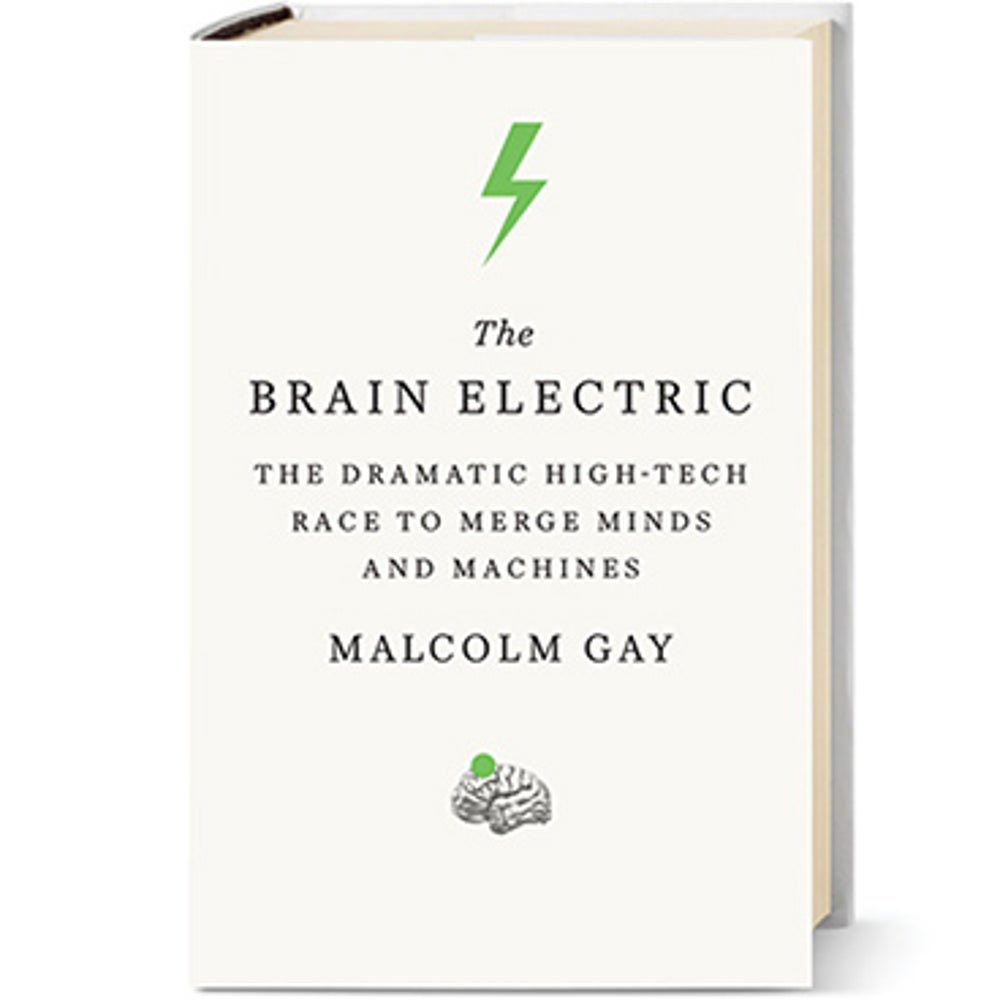
Summary of The Brain Electric: The Dramatic High-Tech Race to Merge Minds and Machines
By Malcolm Gay
The Brain Electric is a nonfiction account of the early development of modern brain-computer interfaces (BCIs)—technologies designed to connect the human brain directly to computers, prosthetic devices, and other machines. The book examines the scientists, engineers, physicians, patient-volunteers, military agencies, and entrepreneurs involved in the effort to decode neural signals and translate thought into action.
Central Theme
The book explores a fundamental question:
Can the human brain be directly linked to machines in a way that restores lost function, augments human capability, or fundamentally changes what it means to be human?
Gay follows researchers attempting to create systems that allow people with paralysis, amputations, epilepsy, or severe neurological injuries to control computers and robotic limbs through neural activity alone.
⸻
Major Topics Covered
1. Brain-Computer Interfaces (BCIs)
The book explains how scientists record neural activity and use computer algorithms to interpret patterns of electrical signals generated by neurons.
Researchers attempt to:
Move robotic arms using thought
Control computer cursors directly from the brain
Restore communication for locked-in patients
Develop advanced prosthetic limbs
Decode intention and motor planning from neural signals
⸻
2. The Researchers and Their Rivalries
A major part of the narrative focuses on leading neuroscientists competing for:
Scientific recognition
Research funding
Defense Department grants
Venture capital investment
First-mover advantage in emerging neurotechnology
Gay portrays the field as highly competitive, with laboratories often racing toward similar goals while using different technical approaches.
⸻
3. The Patient-Volunteers
The most human aspect of the book involves individuals who volunteer for experimental brain-implant studies.
These include people with:
Quadriplegia
Paralysis
Severe motor disabilities
Epilepsy
Many participants undergo invasive neurosurgical procedures because the potential benefits outweigh the limitations imposed by their conditions. Gay emphasizes their courage and the personal significance of the research.
⸻
4. Military Interest
The book discusses the role of the U.S. defense establishment, particularly defense-funded neuroscience programs.
Military interest arises because BCIs could potentially:
Improve communication
Enhance battlefield capabilities
Enable advanced human-machine teaming
Provide rehabilitation technologies for injured service members
Gay notes the intersection of medicine, science, commercial interests, and military objectives.
⸻
5. Technical Challenges
One of the book’s major conclusions is that the brain is extraordinarily difficult to understand.
Researchers face problems such as:
Recording from only a tiny fraction of neurons
Signal degradation over time
Immune-system reactions to implanted electrodes
Constant neural adaptation
Limited understanding of how neural coding actually works
The technology shows promise, but the book repeatedly stresses how primitive the field remained at the time of publication (2015).
⸻
6. Ethical Questions
The book raises questions that remain relevant today:
Who owns neural data?
How much access should technology have to the brain?
Could BCIs eventually enable forms of surveillance or manipulation?
What happens when human cognition becomes integrated with machines?
How should society regulate neurotechnology?
These issues become more significant as technology progresses from therapeutic applications toward enhancement and augmentation.
Key Takeaway
The book’s overall message is not that human minds and machines have already merged, but rather that researchers are taking the steps toward it.
Written in 2015.
2
30
Jun 8
世界中で 日本含む #HavanaSyndrome #DEWS #HumanDeconstructionProject
#ムーンショット計画 #Digitaltwin #Trancehumanism #MetaStore etc…
#NeuroRights を #Emperor 知ってても どっちも大問題。全人類 全国民に知る権利を行使。技術を過去含め 全開示 求む。
🧠は聖域。制脳権の侵害で犯罪だ。
Jun 6

The Pentagon raised the threat of Israeli spying on the U.S. to its highest level, sources say.
Seeing as thousands of Brits are being tortured by the mysterious "Havana Syndrome", is it time to do the same in Britain?
Hear their testimony: youtu.be/3i4bl7tkT6Y
@KemiBadenoch @Nigel_Farage @RupertLowe10
@Conservatives @OliverDowden @pritipatel @SteveBarclay @JamesCleverly @CatharineHoey
@VictoriaAtkins @AndrewBowie_MP @Jeremy_Hunt
@CPhilpOfficial @gregsmith_uk @TiceRichard
@LeeAndersonMP_ @Arron_banks @drdavidbull @NadineDorries @danny__kruger @GrahamSMSP @murdo_fraser @RussellFindlay1 @jhalcrojohnston @LauraJ4SWEast @SarahForRuncorn @andreajenkyns @EstherMcVey1 @TomTugendhat
@AlecShelbrooke @MPritchardUK @GavinWilliamson
@RobertJenrick @NeilDotObrien @JuliaLopezMP @MelJStride @AlanMakMP @DrBenSpencer
@PeterTFortune @Matt_VickersMP @CIA
@TargetedJustice @Artdericko618 @jcartlidgemp
2
101
Jun 7
周波数 悪用悪行の世界支配。
#NanoTechnology #NeuroTechnology
🧠脳 指紋 の悪用悪行の支配。
#NeuroRights も無く 拒否権も無く インフォームドコンセントも無い。
🧠人間解体計画 日本は
#ムーンショット計画 #人間OS化
#HumanDeconstructionProject
🧠認知 認識 世界戦争 真っ最中ですから今。
Jun 7

They are not just upgrading the internet. They are building a HUMAN CONTROL GRID. Frequencies, nanotech, brain signals, biometric targeting, and a battlefield you cannot even see.
6
14
430