
2nd 🇻🇳-🇳🇱 Dep FM-level Political Consultations Jun 1: both sides affirmed support for multilateralism, peaceful conflict resolution & the importance of maintaining freedom of navigation & overflight in accordance w. intll law, especially #UNCLOS.
vietnam.vn/en/tham-van-chinh…
3
163
2nd 🇻🇳🇳🇱 DepFM-level Political Consultations Jun 1: both sides affirmed support for multilateralism, peaceful conflict resolution, & the importance of maintaining freedom of navigation & overflight in accordance with intll law, especially the #UNCLOS.
vietnam.vn/en/tham-van-chinh…
1
2
157

May 24
You sure? You don't know the people you're talking to.Baka nga he'll never reach half of some of our success in all aspects of life, educ, career, intll experience & investments.You're so immature & only know people of your kind that's why you think you got a gold mine!
1
5
9
965

Apr 21
@Sheherzamani
@EYounaan32770
@TheSaadKaiser
Now look at this man
The guest reporter is clearly saying she doesnt cover pakistan, not her country not her work. Shes there for this intll talks.
Not only does this youthia insult her but he has jinnati visions shes a zionist
2
6
268

The south got some to say. Andre 3K all day.
Intll Playaz Anthem
Speakerboxx
Miss Jackson
Intll Playaz Anthem AGAIN FUCK NIGGA.
2
101

Apr 13
For my next trick I will fly to Newark Intll Airport for a week of conferences😃🔫
3
31
1,341

Apr 10
Quite the opposite; I’d expect an Israeli withdrawal south of the intll border.
You lose a war, there are consequences.
They will do it before or after a break with the US.
2
2
64

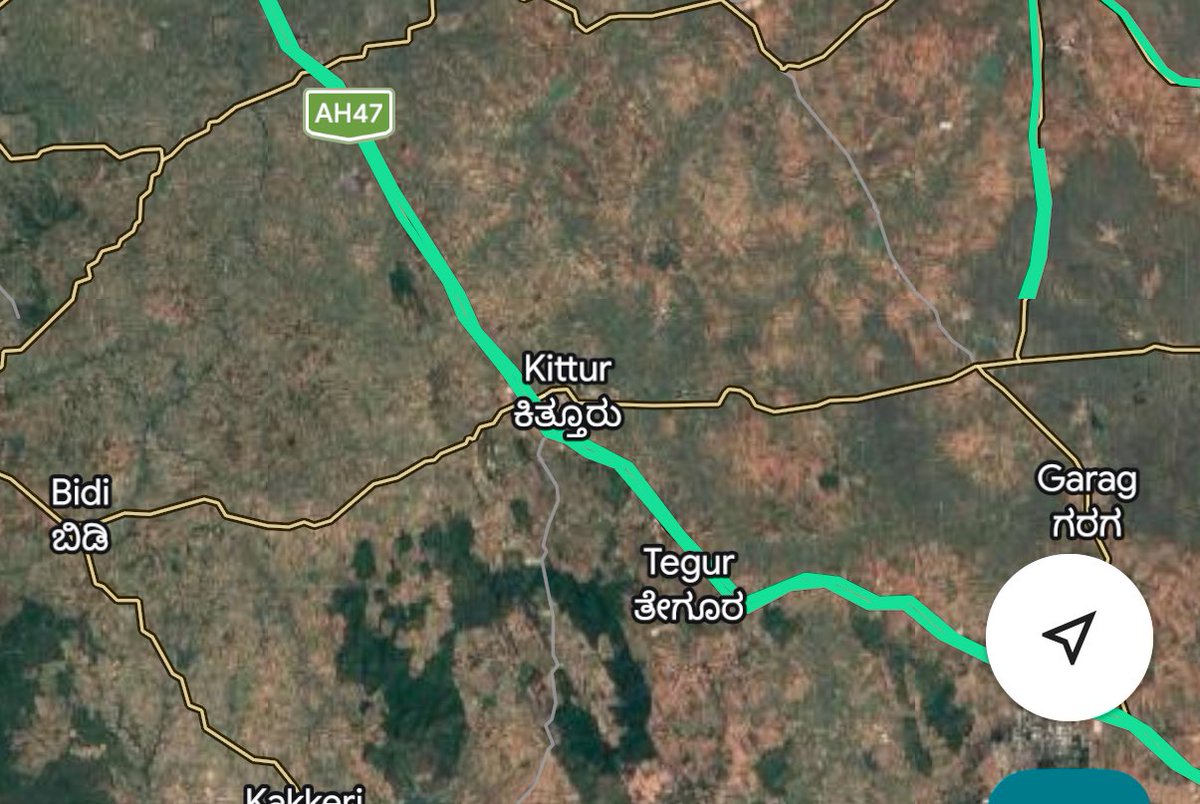
IMO the best place for Intll Airport in North Karnataka is a greenfield airport at Kittur
> It’s at centre of both Belagavi & Dharwad
> will lead to investments & growth of the town like Devanahalli🚀
> Belagavi-Kittur-HD metropolitan region will be one of the largest in India
7
5
70
4,524






I can't green my phone intll feel like I'm at third eeprrate places at once
4
56

Feb 14
🍉Endorsements expected to be announce in March:
Xianyu
FreePoint (feminine hygiene brand)
Pelliot (well-known outdoor sportswear and equipment brand)
TOPTOY
Olly (intll brand, known for vitamins, supplements)
youyu (food/snack brand)
Jinsha or OMO(rumored).
#ZhaoLusi


5
62
247
5,571

Feb 12
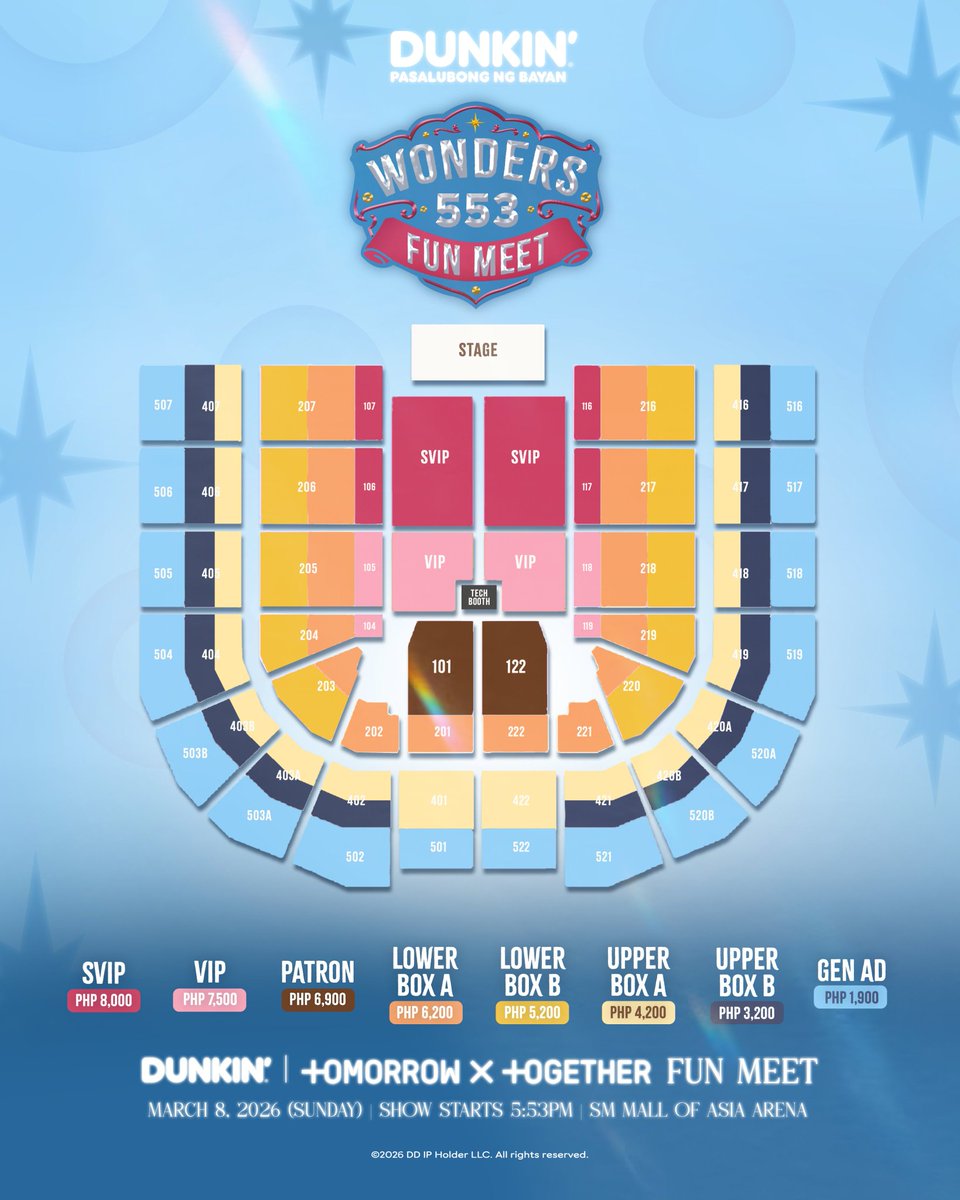
ticketing assistance for 𝐖𝐎𝐍𝐃𝐄𝐑𝐒 𝐀𝐓 𝟓:𝟓𝟑 Dunkin’ & TOMORROW X TOGETHER Fun Meet ~
- open for intll and local
- will secure online and onsite
- limited slots only!
- check #ProofsByKAT
dm to reserve slot/s!
#DunkinPH_TXT #DunkinPH_WondersAt553 #TOMORROW_X_TOGETHER


3
2
936

Nah kosepnya hot pursuit. Pasti mentrinya hapal bener hukum laut intll. 🤣🤣
2
140

Jan 12
ICERD definition from 1965 was superseded in precision by the 1998 Rome Statute of the ICC. While ICERD utilizes a wide umbrella for "racial discrimination," the Rome Statute, which is the definitive modern authority on Crimes Against Humanity, specifically delineates 7 distinct categories of identity: political, racial, national, ethnic, cultural, religious, and gender.
Under accepted rules of statutory interpretation, the explicit separation of "ethnic," "national," and "religious" from "racial" in the Rome Statute means that, for the purposes of int'l criminal law, these categories are legally distinct and mutually exclusive. If "racial" were intended to include "ethnic" or "national" origin within the context of the Rome Statute, those 2 categories would be redundant, a conclusion that no serious int'l legal scholar or court would accept.
Therefore, the crime of Apartheid per Article 7 of Rome Statute is specifically and exclusively defined as an institutionalized regime of systematic oppression and domination by one "racial group" over another. Because Rome deliberately separates "ethnic" and "racial" into different classifications for other crimes against humanity (such as Persecution), one cannot retroactively use a 1965 definition to override the specific, tiered classifications of the 1998 Statute. To suggest that "racial" can simply be swapped for "ethnic" to satisfy the definition of apartheid is a legal maneuver that ignores the evolution of intll law and the strict construction required by the Rome Statute.
1
1
3
70

26 Nov 2025
mannnn this has reached intll twitter bhyi gtfo my acc 😭
25 Nov 2025

You guys are extremely brave here. Are you not afraid of employment?
3
11
3,407

21 Nov 2025
trying to ignore the time so I can see xikers faster 😓 I can't belive im seeing my ult of few days intll 3 years now (nov, 29, 2022)🤕
3
91

10 Nov 2025
$EOSE vs $FLNC Q3 calls…
Just to set stage- FLNC is an integrator. They are VERY different than Eos but they trade together and many view the two as competitors.
Eos is like the car manufacturer that builds its own engine, chassis, and hardware that moves energy.
Fluence is like UBER- they don’t make cars but coordinate fleets, optimize routes and monetize software and data etc.
FLNC has a very similar pipeline of 23.5B, have had negative rev growth YoY, 12% GMs, 70% drop in EBITDA margins from last yr
FLNC has 17x the Revs of eos yet squeaks out 3% EBITDA Margins
Eose imo will be GM positive on 1/6 the revs and EBITDA positive on 1/4th the revs in 2025 while growing at a MUCH.. MUCH faster pace .. in a segment of the energy storage mkt that is growing and emerging with a very niche product and different chemistry
The FLNC Call very brief summary:
FLNC was Constantly getting pressed about FEOC concerns. Felt like 70% of the call was a discussion around investing in the supply chain to meet the FEOC threshold coupled with discussing margins and how tariffs are impacting them.
The CEO made a comment that he always knew the USA was going to be dominated by local tech and not Chinese.
Yet they are at a crucial point in the co’s trajectory as they need to make sure FLNC suppliers are FEOC compliant and begin signing non FEOC deals..
The CEO mentioned they delivered the first domestic content system and acknowledged they are working thru the difficult productions issues as they scale.. (almost like he has never heard of Eos 🤔 )
Mentioned not needing to raise capital to comply with feoc but itll take time to work with supply chain in order to expand production.
AES is an intll company
They mentioned working on a Data center solutions but have not signed any deals.. meanwhile you have Nathan Kroeker mentioning MSAs in the bag… With Eos being publicly tied to a LARGE data center project in their hometown of PA (ROBENA MEGA SITE)
FLNC CEO reiterated speed to power for data centers and batteries being cheaper than nat gas. They actually had some great charts about battery smoothing out demand on the call..
The FLNC CEO said they would likely have some margin drag next Q as lower priced deals work their way through the backlog.
Mentioned adding more resources to the sales team in order for rev growth to pick up and opex to drop to half the rev growth rate. All directionally good things here..
But overall- if you just listen to the call the tone from the CEO was somewhat bland. Very monotone, no excitement!
I didn’t get the same sense that I got with Joey batts on the call where it sounded like he wanted to jump out the god damn room with excited & gratitude for his team
You cant quantity what im saying here.. but I can feel it in my gut.
Nonetheless, I am not making a valuation call on fluence.. it has had a meh growth trajectory looking backwards.. doesn’t mean it cant inflect looking ahead
I do think a rising tide lifts all ships and something tells me FLNC will be worth way more 2-3 years from now than it is today solely bc there is so much demand for batteries, integration, and software optimization
No position and not long.. no plan to get long anytime soon BUT it was somewhat interesting at $6.. I pontificated for a few hours when it was don there and still didn’t buy. Oh well
3
2
35
6,026

11 Oct 2025
it’s so annoying that we miss gauci due to intll break but if one more guy who is registered to a lower ranked nation was selected we’d get to miss the game
there is no way guyana have a better left back then gordon
1
1
423
6 Oct 2025
Ngl.. I don’t think we’ve seen ANY of the book yet
This is a grid stability story.
That’s way more broad than the data center play.
Let’s not distract ourselves from 75% of the pipeline
Grid scale storage
Then Intll 😁
1
10
242