
MuleSoft vs Informatica vs Boomi: The $200K Integration Career
Integration Developer roles using MuleSoft, Informatica, and Boomi are quietly paying $150K–$200K — and almost nobody is talking about them. In this breakdown I cover MuleSoft developer salaries, Salesforce MuleSoft demand, ETL and data integration career paths, and the one skill-stack that adds $40,000 a year.
Most people chase AI engineering and trendy startups while these "boring" iPaaS and data integration platforms run the backbone of every Fortune 100 company — Pharma, banking, insurance, healthcare, and government. The talent supply is thin, the footprint is massive, and the rates reflect it.
Here's what I break down:
✅ MuleSoft vs Informatica vs Boomi — which platform is the safest bet
✅ Why pure platform skills cap at ~$75/hr — and how stacking a second specialty (EDI, Terraform, SQL, Git, Jenkins, DB2) pushes you to $90–$94/hr
✅ The $40K/year gap between a generalist and a specialist
✅ The 4-year career plan: Absorb → Specialize → Monetize → Decide
✅ Why AI makes integration developers MORE valuable, not obsolete (the tribal knowledge problem)
✅ In-house vs consulting paths to mid-six figuresIf you're a data engineer, ETL developer, backend engineer, or career-changer looking for a high-paying tech job without chasing the hype, this is your blueprint.
🔔 Subscribe for hidden tech careers paying $150K–$800K → insider salary truth, no fluff.
Which platform surprised you the most — MuleSoft, Informatica, or Boomi? Drop it in the comments. I read every single one of them.
54

Building an iPaaS from scratch while the business keeps running? Michał Furdyna shares Tesco Technology’s story at Devoxx Poland on 17 June. devoxx.pl/talk/?id=19053

53

次に、単発のチャット利用を排除し、iPaaSやGASを用いてシステム同士を繋ぎます。
「問い合わせやデータが発生した時点で、自動的にAIが処理を開始し、結果を既存ツールに通知する」
このように、人間の手を介さずに文脈が自動で流れる仕組みを構築することが、ワークフロー統合の核心です。
1
49


How identifying the right #iPaaS vendor is critical to ensuring that you get an integration solution that is flexible and secure, and provides the best ROI codelessplatforms.com/blog/w…
12

Jun 14
CogReach.com as an Integration & Workflow Automation SaaS
Fit: “Cog” signals moving parts and systems; “Reach” implies connecting more apps, teams, and endpoints—ideal for iPaaS, triggers, and orchestrations.

1
16

Jun 14
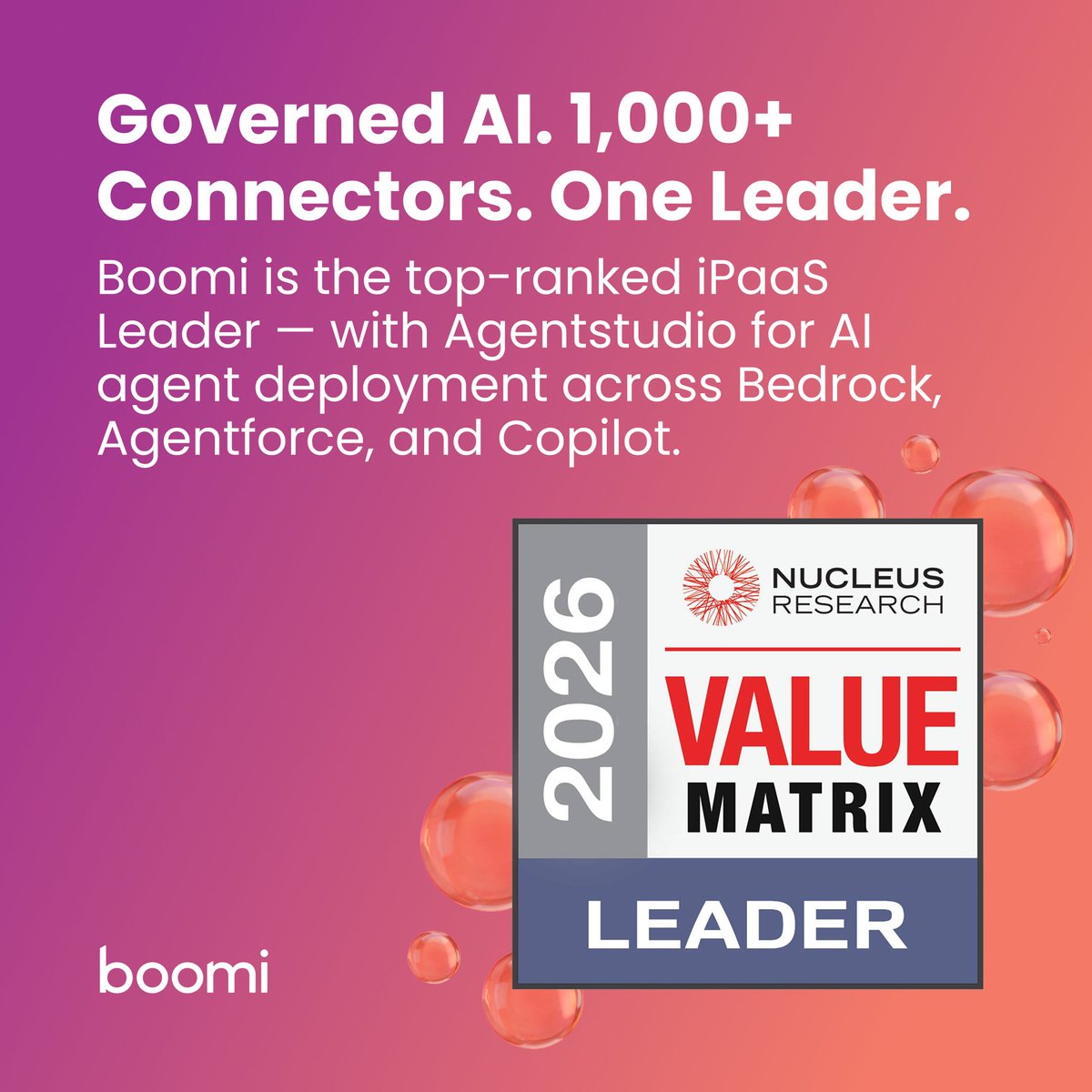
Wow! Nucleus Research has named Boomi a Leader in the iPaaS Technology Value Matrix 2026 (for the 6th consecutive year!). 🏆
Get Nucleus' view on what to consider when evaluating iPaaS solutions in the #AgenticAI era👉 spklr.io/6015E3dqf spklr.io/6016E3dqA
9
NAITIVE retweeted

Jun 12
Stop guessing your iPaaS ROI! 💰 If you’re integrating AI and still squinting at “vibes” instead of real metrics, you need this. Dive in, own your numbers, and unleash the true power of AI. Read here: blog.naitive.cloud/key-metri…
1
1

Jun 13
I loved what @DadaJudith said to @andreasklinger
"Own the choke points... own the bottlenecks, and really double down."
I have been advocating for "mutually assured inconvenience" since January
Though what I am building is a bibb.. or tap/stopcock.
Orchestrating global data flow and neutralising walled gardens for productivity gains and drop-in regulatory compliance on 1 hand, but at the same time a deterrence as it becomes part of global workflows
Note: compatible/complementary with 150 iPaaS, not competing
1
71

Jun 13
# 構造変化をもたらす「3つの技術・概念」
これまで個別開発や単機能ツールの組み合わせで解決していた領域が、AIネイティブなプラットフォームへ強制統合される。
## Instant Blueprints(ドキュメントからの即時システム化):
手書きのホワイトボード写真、Wordの業務手順書、PDFなどをアップロードするだけで、AIが複数ステップのワークフロー(デジタル設計図)を自動生成。
→ つまり: 「業務の棚卸し」や「自社専用の機能カスタマイズ」のリードタイムがゼロに近づく。
## End-to-End(E2E)の自律完遂(ミニアシスタントの調停):
従来のiPaaS(データ連携ツール)やRPAのように「タスクを人に回す/繋ぐ」のではなく、AIエージェント(子エージェント群)がメール、Slack、ERP、DBなどのシステム間を跨いで実業務を自律的にやり切る。
→つまり: データの「サイロ化(分断)」がプラットフォーム側で強制解消される。
## Radical Transparency(監査証跡の標準装備):
AIエージェントのすべての行動ログがデジタル設計図に自動マッピング・記録される。
→つまり: 厳格なコンプライアンスやガバナンスが自動担保され、法改正時も「自然言語の指示」でワークフローを即時更新できる。
189

Jun 13
We’re building a unified construction IPaaS data layer. We are currently streamlining processes with automation and creating product around workflows, that agents can feed into. Domain extraction being key 🔑 we’ll then branch out to a wider data layer across all industries
17


Jun 12
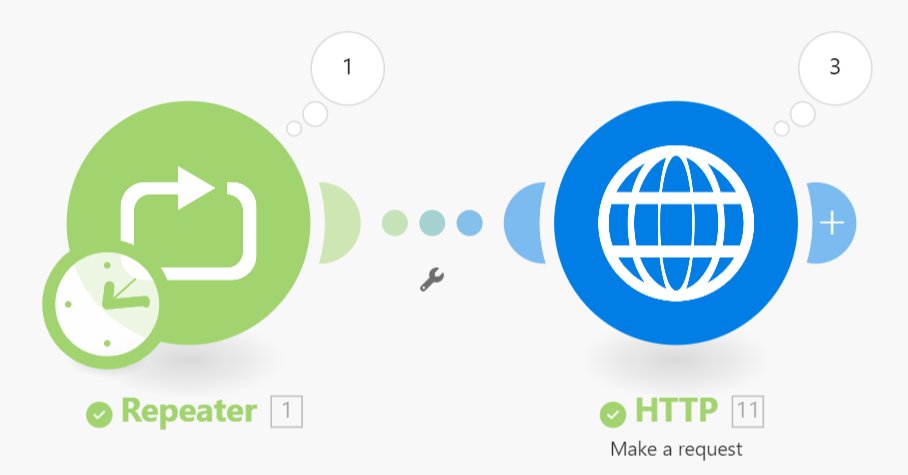
AWS・Azure・Google Cloud…つながらない課題を解決!
マルチクラウド連携をノーコードで実現する方法を解説☁️
▼無料DL:zurl.co/BHMot
#ASTERIAWarp #マルチクラウド #DX #データ連携 #ノーコード #iPaas
22

Jun 12
Well, I have to say I spoke to a product engineer of a big software company I advocate a lot today... I'll let you guess which one.
When I spoke with their developer, he told me I was using the product wrong, he showed me a workaround, and he told me this in front of their Head of Sales.
He made me look a bit stupid.
After the call I inspected the issue further, I realise that the product engineer was making excuse, I was using the product correctly, his workaround doesn't work at scale.
I have a demo of the product to an enterprise client on Thursday next week. I've now had no choice but to replace the product AI Agents with @openclaw.
If 100% of my builds were on iPaaS 4 months ago, 50% of my builds are on iPaaS today.
If the product engineers cannot make good products because they've got this 9-5 salary mindset, that's cool but ultimate the money is flowing into the LLM providers.
There's always going to be a need for iPaaS platforms, but as of today I'm starting to believe they're good for creating data pipelines and guardrails for agents, and if I were the CEO of an integration platform I'd be leaning into that, not building agentic features (especially if your head of product is clocking off 5pm daily).
Pick your stack, stacks change, technologies develop, change your stack or at minimum the composition of it.

1
3
198

Jun 12
While many of us know of @boomi as a long-term leader in the integration software/iPaaS space, its most recent efforts have all been about AI – mostly Agentic AI. So, asks @BrianSSommer, how will this play out in the market and what should we watch for? bit.ly/43wuMH8
31

Jun 12
Workbook and free sandbox signup - link in bio.
Questions? Join us in the #salesforce-to-workato @SlackHQ community channel.
#WorkatoWednesdays #Workato #FormulaMode #DataOrchestration #SalesforceAdmin #SalesforceDeveloper #LearnWorkato #Automation #Ruby #iPaaS #WorkatoTips
33


Jun 12
Geminiは生成AIじゃなくgoogleエコシステムの中のIPaaSくらいの空気で見てあげてる

381