
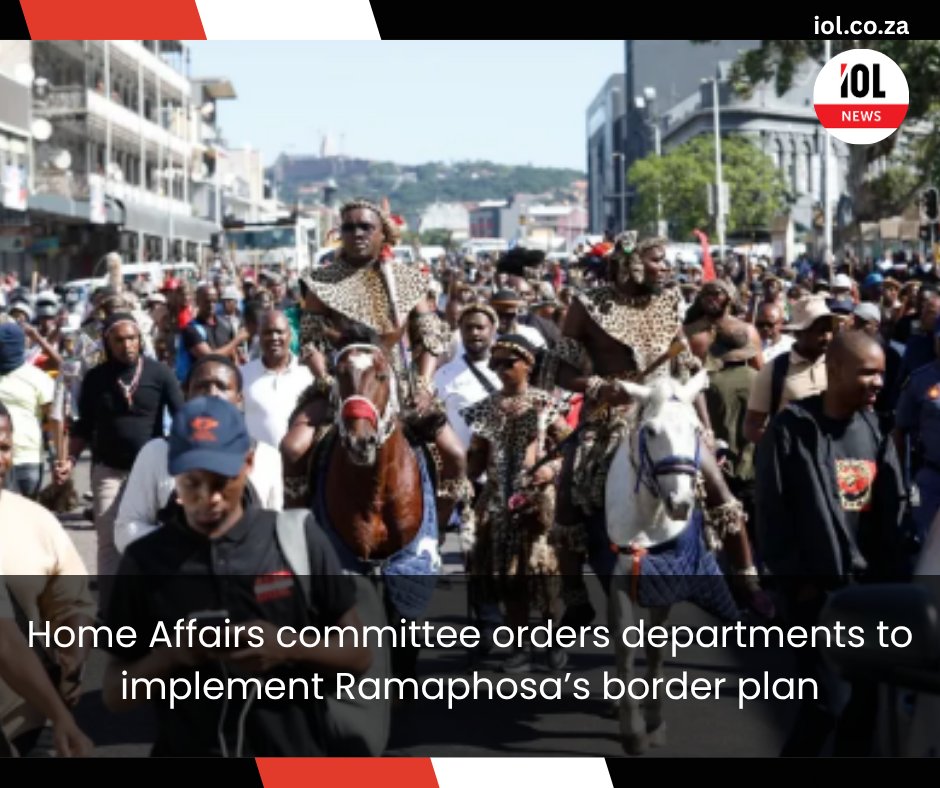
Parliament’s Home Affairs Committee has called for the urgent implementation of President Cyril Ramaphosa’s directives to address illegal migration, saying government departments must act swiftly to ensure the plans announced by the President are carried out.
Read on tinyurl.com/mry95v73
#news #HomeAffairsCommittee #CyrilRamaphosa #BorderPlan #ImmigrationControl #BorderSecurity
4
4
11
793

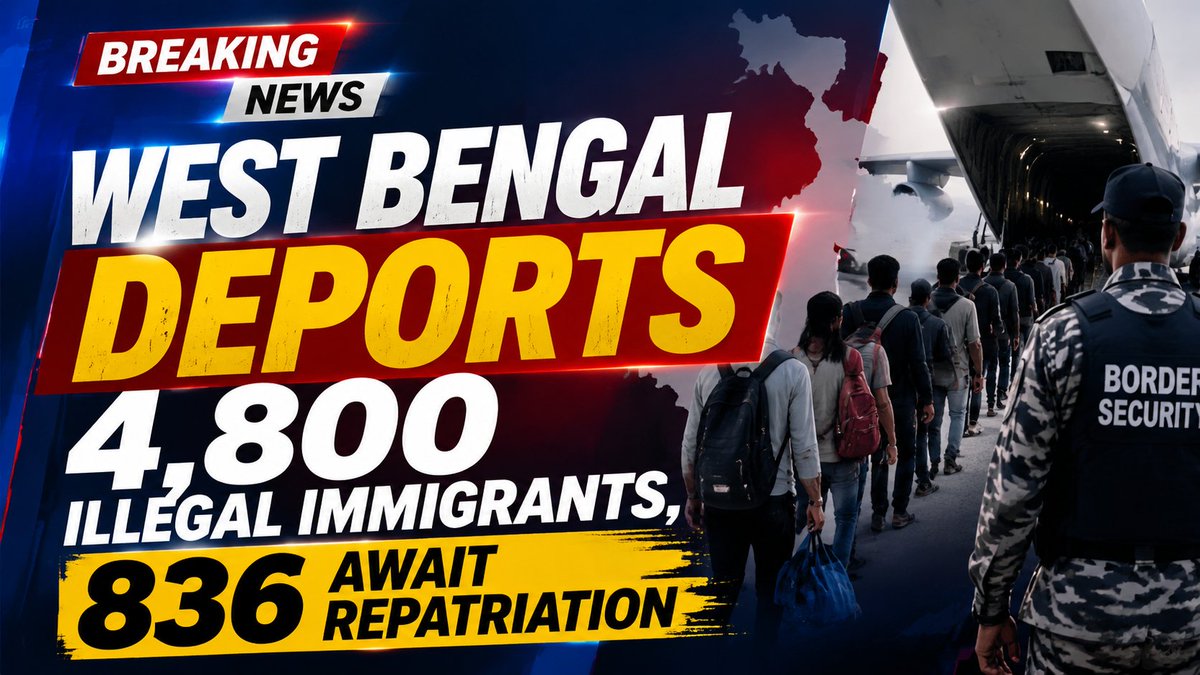
West Bengal Deports 4,800 Illegal Immigrants, 836 Await Repatriation
nripage.com/articles/politic…
#Political News #nripage #westbengalnews #illegalimmigrants #bangladeshdeportation #suvenduadhikari #bsffencing #chickenneck #immigrationcontrol #census2026 #welfareprograms
15
TRN probe exposes massive fraud as 27,799 records fail verification, 370,322 unmatched on movement systems, with foreign nationals using fake asylum files to register vehicles and obtain licences, highlighting critical gaps between Home Affairs and Transport verification systems. iol.co.za
WATCH | youtube.com/watch?v=lx-HoX1U…
#TRN #HomeAffairs #DepartmentOfTransport #RTMC #BorderSecurity #Fraud #SouthAfrica #ImmigrationControl #VehicleRegistration #DrivingLicences
1
352
Border Management Authority details strict Beitbridge bus checks, where passengers disembark for passport verification, health screening and police stamping, yet a tracked Free State bus slipped through and was detected under one kilometre later, raising serious enforcement concerns. iol.co.za
#BorderManagementAuthority #BMA #Beitbridge #BorderSecurity #SouthAfrica #BusChecks #ImmigrationControl #SAPS #HomeAffairs #TransportSA #IllegalImmigration #BorderControl
WATCH | youtube.com/watch?v=lx-HoX1U…
1
2
1,823
Over 20,000kg of illegal goods seized, buses intercepted in Limpopo, while ageing infrastructure, weak networks and limited detention facilities cripple operations, exposing critical gaps in South Africa’s border control despite intensified enforcement and private sector support. iol.co.za
#BorderManagementAuthority #BMA #BorderSecurity #SouthAfrica #IllegalGoods #BusInterceptions #Limpopo #CapeTownHarbour #HomeAffairs #InfrastructureCrisis #ImmigrationControl
1
1
4
1,947

उत्तर 24 परगना के हकीमपुर सीमा चेक पोस्ट पर बड़ी हलचल देखने को मिल रही है, जहां संदिग्ध अवैध बांग्लादेशी नागरिकों के इकट्ठा होने की खबर है… ये लोग हाल ही में बढ़ी सख्ती और पहचान–हिरासत–निर्वासन (D3) जैसी कार्रवाइयों के बाद खुद ही सीमा की ओर लौटने की कोशिश कर रहे हैं…
स्थिति को देखते हुए BSF और स्थानीय पुलिस पूरी तरह अलर्ट मोड में हैं और सीमा क्षेत्र पर कड़ी निगरानी रखी जा रही है ताकि किसी भी तरह की अव्यवस्था या अवैध प्रवेश/निकासी पर तुरंत कार्रवाई की जा सके…
#BorderSecurity #WestBengal #BSF #ImmigrationControl #LawAndOrder #IndiaBangladeshBorder
1
14
43
481

May 26
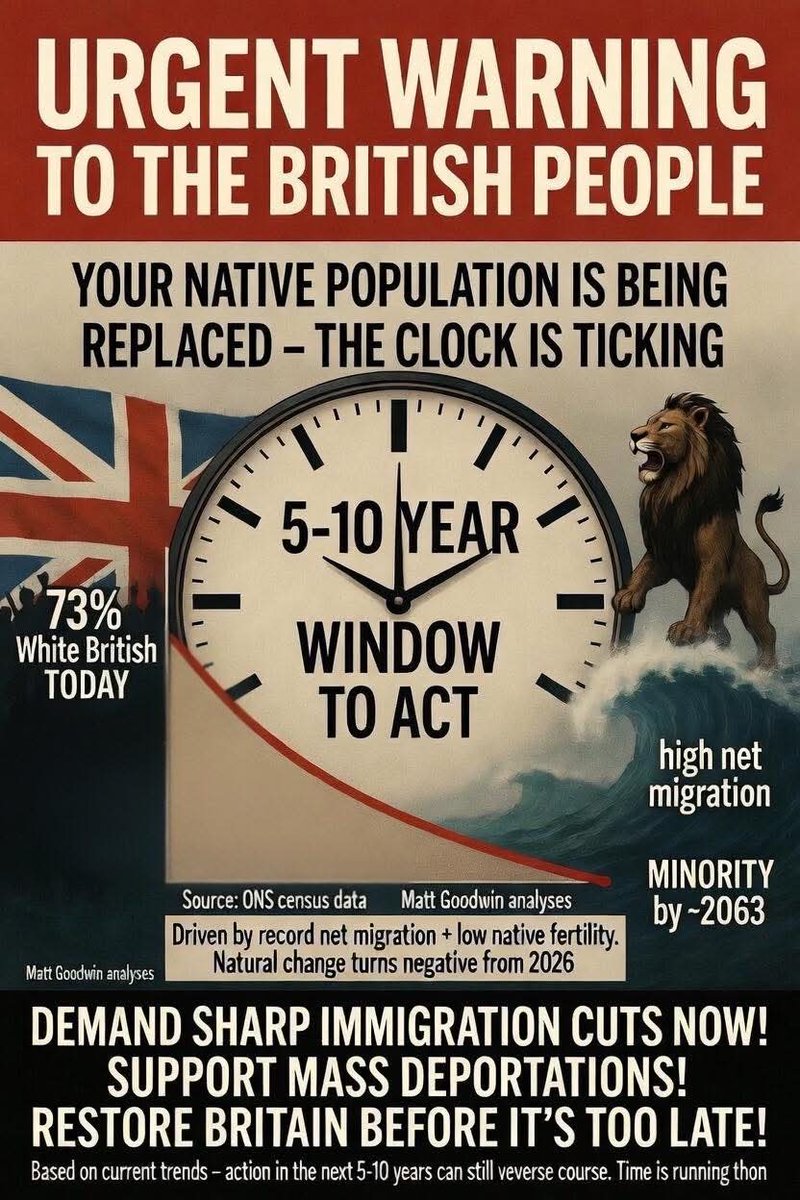
🚨 The data doesn’t lie... Britain’s demographic clock is ticking.
ONS census figures and Matt Goodwin analysis show:
• White British population now at 73%
• Natural population change turns negative from 2026
• Minority status projected by ~2063 if trends continue
We have a narrow 5-10 year window to act.
With Restore Britain now officially on the Makerfield ballot, the moment to send a message is NOW.
Demand sharp immigration cuts.
Enforce deportations of those who should not be here.
Restore Britain before the window closes.
Are we awake yet?
#RestoreBritain #Makerfield #ImmigrationControl
1
8
18
229

May 20
#NationFirst
#VisaOverstay
#IllegalImmigration
#NationalSecurity
#ImmigrationLaw
#ForeignersAct1946
#VisaViolation
#DeportIllegalImmigrants
#BorderSecurity
#InternalSecurity
#IndiaSecurity
#CitizenshipAct1955
#BureauOfImmigration
#MHAIndia
#MEAIndia
#IllegalStay
#ImmigrationControl
#LawEnforcement
#protectnationalsecurity
🙏🙏🙏🇮🇳❤️🤍💚⚖️
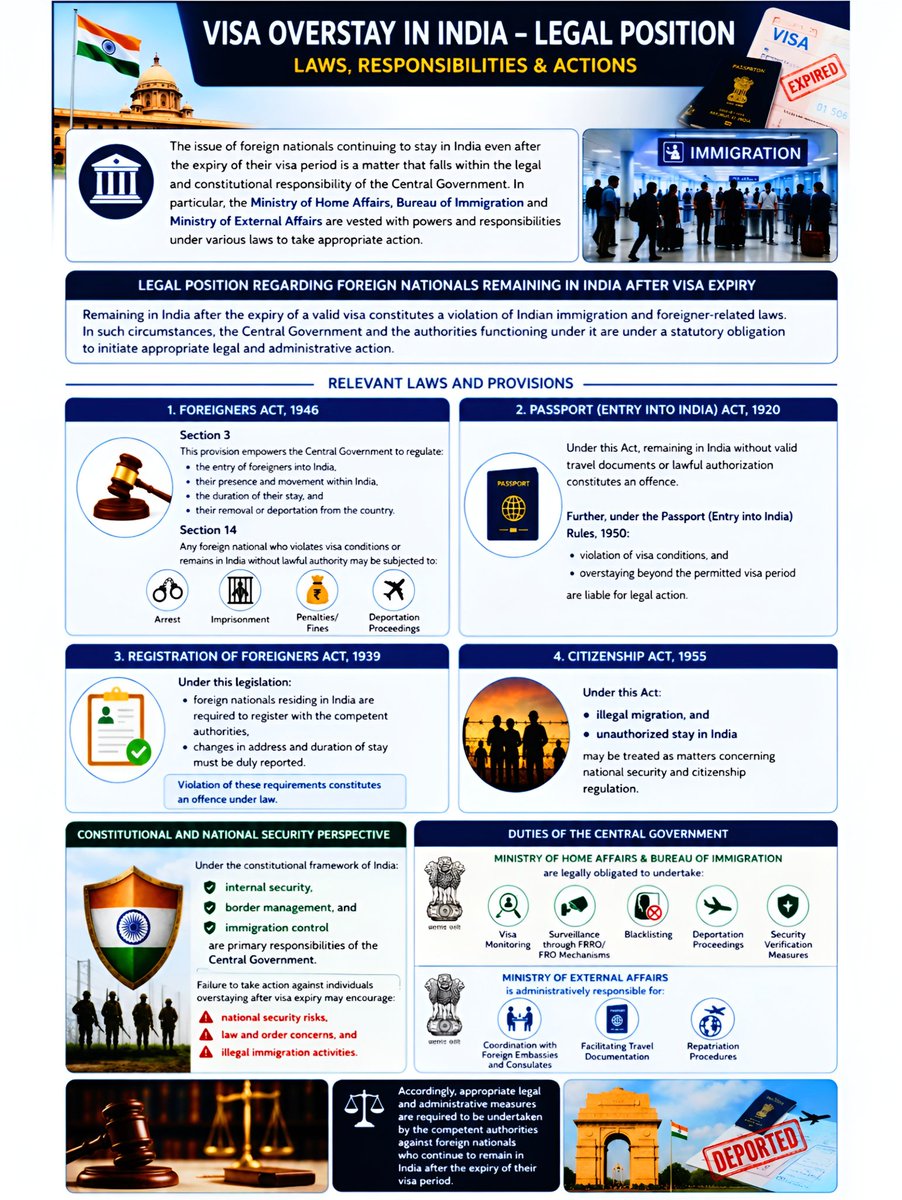
The issue of foreign nationals continuing to stay in India even after the expiry of their visa period is a matter that falls within the legal and constitutional responsibility of the Central Government. In particular, the Ministry of Home Affairs, Bureau of Immigration and Ministry of External Affairs are vested with powers and responsibilities under various laws to take appropriate action.
The legal position may be elaborated as follows:
Legal Position Regarding Foreign Nationals Remaining in India After Visa Expiry
Remaining in India after the expiry of a valid visa constitutes a violation of Indian immigration and foreigner-related laws. In such circumstances, the Central Government and the authorities functioning under it are under a statutory obligation to initiate appropriate legal and administrative action.
Relevant Laws and Provisions
1. Foreigners Act, 1946
Section 3
This provision empowers the Central Government to regulate:
the entry of foreigners into India,
their presence and movement within India,
the duration of their stay, and
their removal or deportation from the country.
Section 14
Any foreign national who violates visa conditions or remains in India without lawful authority may be subjected to:
arrest,
imprisonment,
penalties/fines, and
deportation proceedings.
2. Passport (Entry into India) Act, 1920
Under this Act, remaining in India without valid travel documents or lawful authorization constitutes an offence.
Further, under the Passport (Entry into India) Rules, 1950:
violation of visa conditions, and
overstaying beyond the permitted visa period
are liable for legal action.
3. Registration of Foreigners Act, 1939
Under this legislation:
foreign nationals residing in India are required to register with the competent authorities,
changes in address and duration of stay must be duly reported.
Violation of these requirements constitutes an offence under law.
4. Citizenship Act, 1955
Under this Act:
illegal migration, and
unauthorized stay in India
may be treated as matters concerning national security and citizenship regulation.
Constitutional and National Security Perspective
Under the constitutional framework of India:
internal security,
border management, and
immigration control
are primary responsibilities of the Central Government.
Failure to take action against individuals overstaying after visa expiry may encourage:
national security risks,
law and order concerns, and
illegal immigration activities.
Duties of the Central Government
The Ministry of Home Affairs and Bureau of Immigration are legally obligated to undertake:
visa monitoring,
surveillance through FRRO/FRO mechanisms,
blacklisting,
deportation proceedings, and
security verification measures.
Similarly, the Ministry of External Affairs is administratively responsible for:
coordination with foreign embassies and consulates,
facilitating travel documentation, and
repatriation procedures.
Accordingly, appropriate legal and administrative measures are required to be undertaken by the competent authorities against foreign nationals who continue to remain in India after the expiry of their visa period.
@indSupremeCourt @madrasbench @narendramodi @AmitShahOffice @DrSJaishankar @MEAIndia @CMOTamilnadu @Chief_Secy_TN @tnpoliceoffl @NIA_India
1
1
1
140

May 9
Britain is welcoming - but with borders, laws, and consequences. Reform UK will secure our borders once and for all! #ReformUK #ImmigrationControl
1
2
42

May 7
Ghana’s streets are increasingly seeing underaged girls from Nigeria 🇳🇬 involved in prostitution and exploitation. Where are the leaders, immigration authorities, and child protection agencies? Ghana 🇬🇭 was built on strong morals and discipline — this cannot become the new normal. Protect the children. Enforce the laws. Protect Ghana
#Ghana #Accra #ProtectChildren #StopChildExploitation #ImmigrationControl #SaveOurStreets #WestAfrica #ChildProtection #GhanaFirst
26
32
60
3,573

Apr 4
You are misunderstanding my point.
Acknowledging a friendly diplomatic relationship is completely different from supporting mass immigration. I support strong borders and strict immigration control to protect Japan’s social order.
Diplomacy is one thing; national security and border control are another.
#Japan #ImmigrationControl #NationalSecurity #BorderSecurity #普通の国へ
1
51
2,662

Mar 27
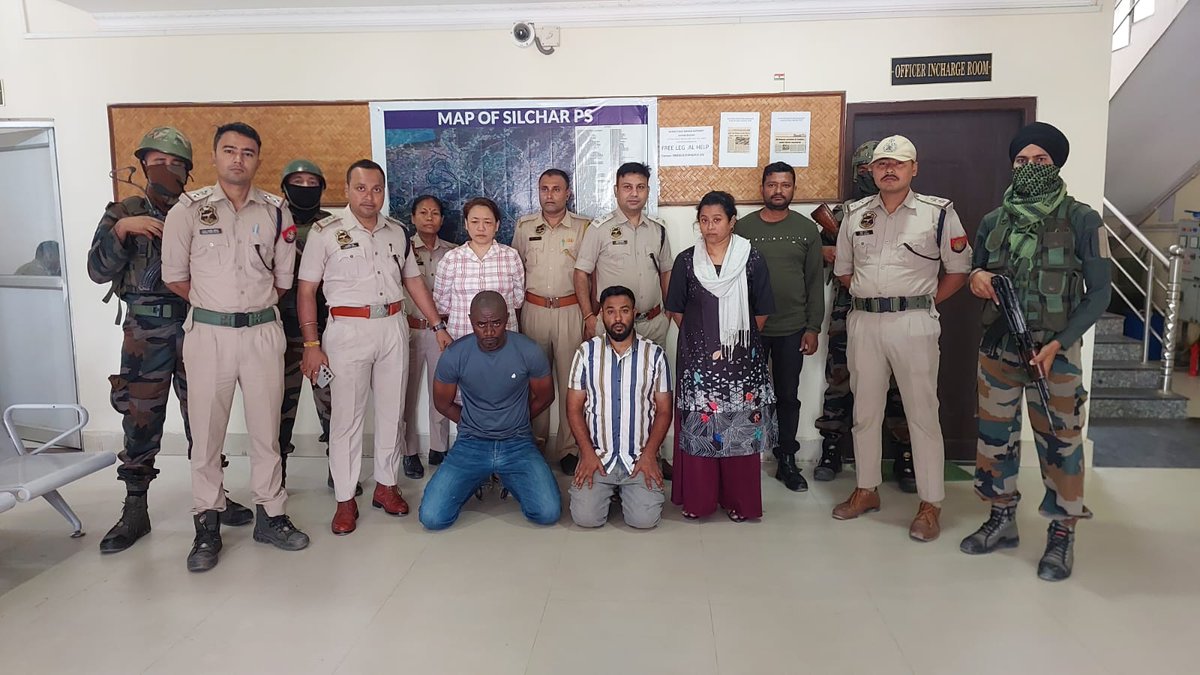
MAJOR CRACKDOWN: ILLEGAL CROSS-BORDER MOVEMENT RACKET BUSTED IN SILCHAR
#AssamRifles, acting on specific intelligence, in collaboration with Cachar Police dismantled a tout network in Silchar (Assam) on 25 Mar 26. The module facilitated illegal cross-border movement from Bangladesh & Myanmar. Four individuals, including a Nigerian national, were apprehended. Operation exposes a major threat to national security and immigration control.
#AssamRifles #CacharPolice #Silchar #Assam #BorderSecurity #IllegalImmigration #CrossBorderCrime #NationalSecurity #SecurityForces #OperationSuccess #IntelligenceBasedOperation #Crackdown #LawAndOrder #InternalSecurity #IndiaSecurity #BorderManagement #HumanTrafficking #ImmigrationControl #AntiTrafficking #SecurityAlert
@HMOIndia @adgpi @PIBHomeAffairs
5
39
932

Mar 24
🇳🇮El Salvador hit travelers from India and many African countries with a $1,300 'airport improvement fee' before granting entry. One Indian man is raging and warning fellow Indians not to go. Smart deterrent against overstays and illegal migration.
🇲🇦Morocco should adopt the same for countries with problems: collect upfront and use the money to deport anyone who overstays or goes illegal straight back home. We will not pay for them. The law is the law... #Morocco #ElSalvador #ImmigrationControl #SecureBorders #Bukele #Deportation #MoroccanBorders #StopIllegalMigration #Sovereignty
6
25
136
10,105


Mar 4
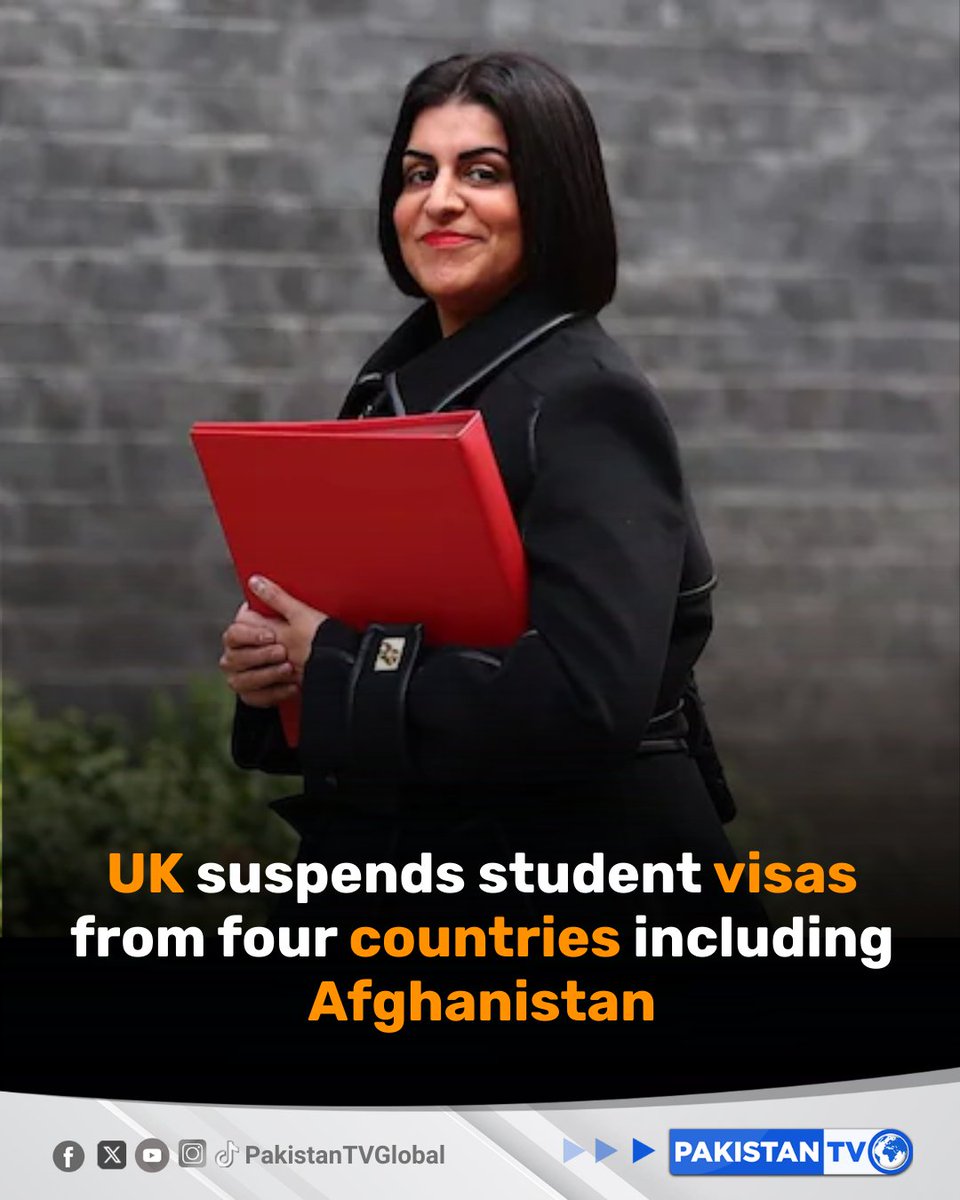
UK Home Secretary Shabana Mahmood has suspended applications from Afghanistan, Cameroon, Sudan and Myanmar after visas were abused by migrants following their arrival to claim asylum.
#UKVisaBan #AsylumCrisis #ShabanaMahmood #ImmigrationControl #VisaAbuse #PakistanTV #PakistanTvglobal
3
323

Reform UK delivers the real deportation hammer: 300k enforced/year via new Command, cash incentives for voluntary, no access to housing/welfare/healthcare – potentially 500k total annually (this is Restore's own figure).
Millions gone in 5 years. Visa bans on non-cooperative nations, scrap ILR.
Restore? Rupert Lowe's post-Reform vanity project after bullying row with Farage – 150–200k forcible deportations per year over 2–3 years, fluffy "millions must go" rhetoric over relying on 500k/year voluntary departures.
Pointless splitting the vote.
Reform has seats, credibility, momentum – no need for losers dividing the right!
#ReformUK #ImmigrationControl
13
40
125
2,746

🚨 Another midnight visitor pressing his mug against a British front door at 2:30am, courtesy of our stellar immigration checks and police who kindly escorted him to hospital only to release him for an NHS staff assault encore.
😡 When will we wake up and demand proper vetting, real consequences, and the right to defend our homes without fear?
#RestoreBritain #ImmigrationControl #HomeInvasion #BritishSafetyFirst
5
11
13
1,133

Jan 29
🇨🇳Another Chinese national has been arrested today.😮💨😮💨😮💨
【Revealed】“Arrived near Tokyo by boat” — Chinese woman arrested after allegedly being found to have entered Japan illegally 29 years ago.
According to police, the woman was stopped for running a red light on a bicycle. During an identity check, officers discovered that she had no valid residence status. She reportedly told investigators that she entered Japan around 1997 by hiding in the bottom of a ship.
#IllegalImmigration
#ImmigrationIssues
#JapanNews
#BorderSecurity
#RuleOfLaw
#PublicSafety
#ImmigrationControl
#NewsTranslation
#FactBased
#NoMoreSilence

21
99
401
26,470

Jan 23
I DID NOT NOW ILLEGAL ALIENS WERE VACATIONING IN THEIR HOME COUNTRY?
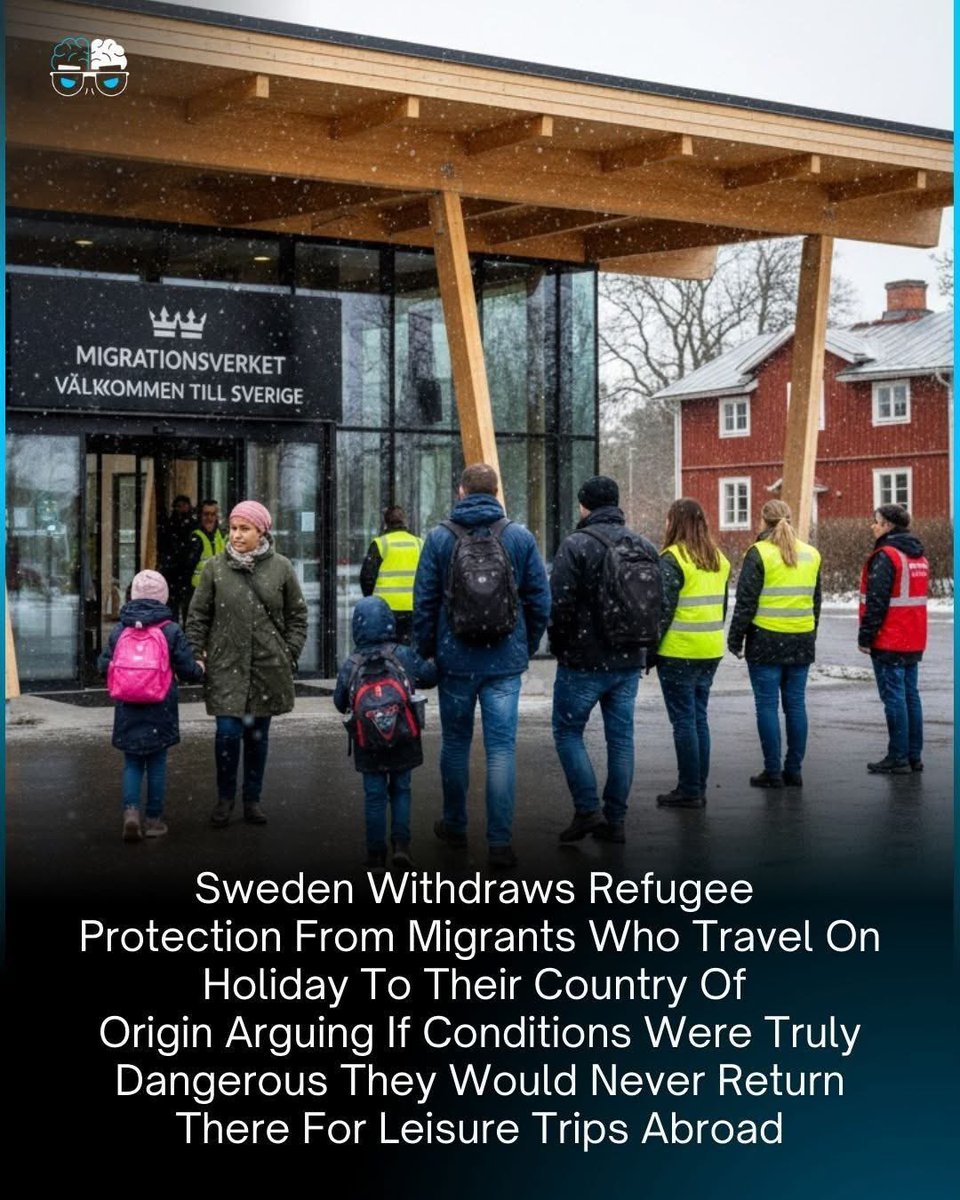
“Sweden’s Bold Move: Revoking Refugee Status for Vacationing Asylum-Seekers to Safeguard Integrity”
Sweden is taking a firm stand by revoking refugee status for those who return to their home countries for vacations—a common-sense policy that’s straightforward yet stirring debate. The government’s logic is clear: If a homeland was truly perilous enough to warrant asylum, why risk voluntary trips back? Such actions signal that the original threats have diminished, undermining the basis for protection.
Conservatives hail this as a vital step to preserve the asylum system’s integrity, ensuring limited resources are reserved for genuine refugees in dire need rather than those exploiting the process. It promotes accountability, protects taxpayers from abuse, and prioritizes national sovereignty over unchecked open borders. While critics claim it oversimplifies nuances—like brief returns for family emergencies, legal issues, or cultural duties amid partial risks—this measure weeds out fraud without dismissing real hardships.
The policy has ignited heated discussions across Europe on refining refugee assessments, balancing compassion with enforcement to maintain public trust.
#SwedenPolicy #AsylumReform #ImmigrationControl #RefugeeIntegrity #ConservativeWins #NationalSovereignty #StopAsylumAbuse #EuropeanDebate #BorderSecurity #AccountabilityFirst
1
5
8
197

What does ICE actually do for U.S. security? Look beyond the politics.
Some Policies we need in our Country for Internal security, is the need of an Hour..
Example:
ICE (Immigration & Customs Enforcement) operates inside the United States to counter serious threats that do not stop at borders:
🔹 Deporting criminals and repeat immigration violators
🔹 Busting drug and weapons smuggling networks
🔹 Rescuing victims of human trafficking and child exploitation
🔹 Cracking down on cybercrime, dark-web fraud, and money laundering
🔹 Stopping visa fraud, fake documents, and illegal labour rackets
This is not just about immigration.
It is about internal security, organized crime control, and national resilience.
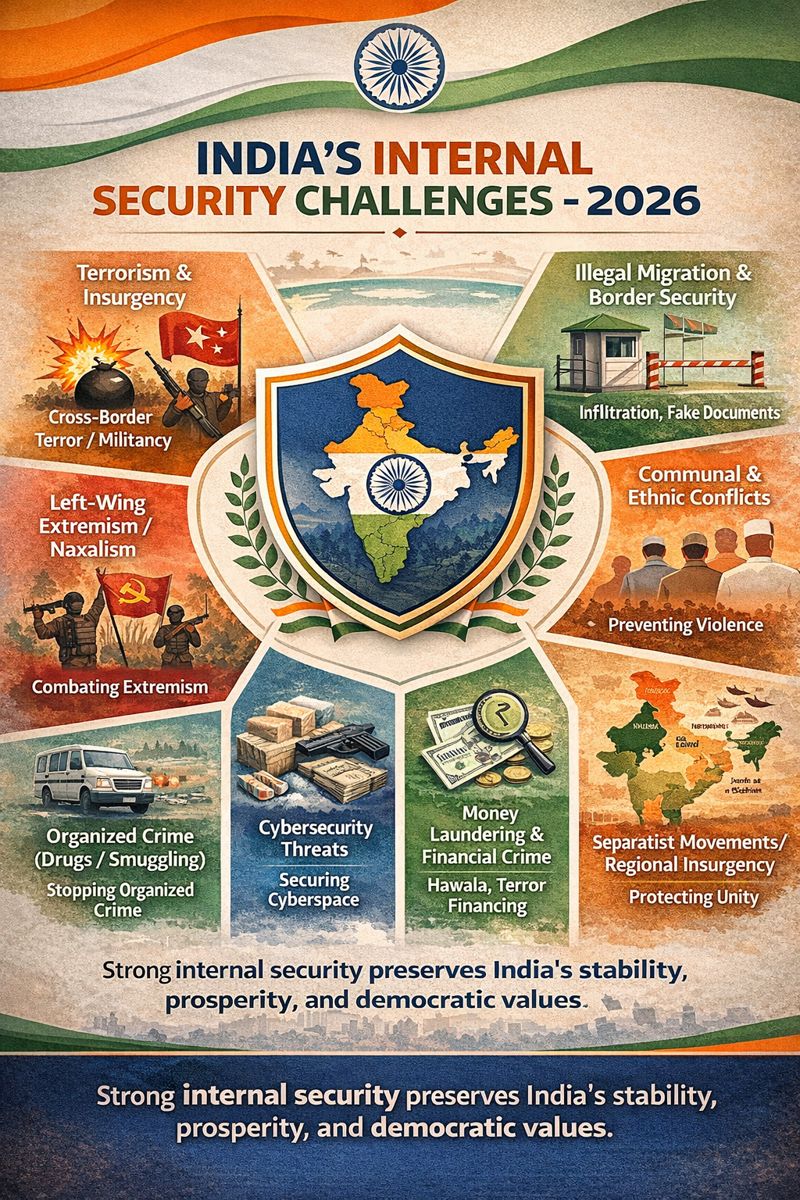
🇮🇳 Why India Needs Stronger “ICE-Type” Capabilities Too
India faces similar and in many cases larger internal security challenges:
🔸 Human trafficking across borders and within states
🔸 Illegal immigration and forged identity networks
🔸 Drug routes from the Golden Crescent and Golden Triangle
🔸 Terror financing and hawala channels
🔸 Cyber fraud, SIM mule networks, and digital extortion
While India has multiple agencies (Police, NIA, ED, IB, state ATS), enforcement often Becomes:
• Fragmented across jurisdictions
• Slow due to legal and procedural bottlenecks
• Reactive instead of intelligence led and preventive
What ICE demonstrates is the value of a single, specialized, nationally empowered force focused on:
✅ Interior security enforcement
✅ Immigration and identity fraud
✅ Transnational organized crime
✅ Technology-driven investigations
Strong borders matter.
But strong internal enforcement matters just as much.
Security is not built only at the gates, it is protected inside the house, every day 24*7.
Your views on this?
@AadiAchint @JaipurDialogues @ajaykraina @ajaykraina @HMOIndia @PMOIndia
#NationalSecurity #InternalSecurity #HomelandSecurity #LawAndOrder #OrganizedCrime #HumanTrafficking #CyberSecurity #BorderSecurity #ImmigrationControl #CounterTerrorism #DrugFreeNation #FinancialCrime #Hawala #PublicSafety #SecureIndia #SecureNations #NationalInterest #StrongInstitutions #RuleOfLaw #SecurityFirst

1
3
18