
22 Nov 2025
خبر کی مزید تفصیل جانئیے
urdupoint.com/n/4626083
#FBR #IncentiveProgram #InlandRevenue #GovtEmployees

1
3
748

14 Nov 2025
eres muy fuerte ♥ ♥#streamer #incentiveprogram #liveincentive #kickstreaming #paratiiiiiiiiiiiiiiiiiiiiiiiiiiiiiii #gamer #gamergirl #contenido #contenidogamer #gameralos30 #españollatino #kick #valorant
4
268
3 Nov 2025
asi se consigue el exito ♥#streamer #incentiveprogram #liveincentive #kickstreaming #paratiiiiiiiiiiiiiiiiiiiiiiiiiiiiiii #gamer #gamergirl #contenido #contenidogamer #gameralos30 #españollatino #kick #valorant
2
164

28 Jul 2025
TikTok Review Incentive Program for Dear Benjamin!
We’re launching a small review campaign to help get DB in front of more eyes on TikTok—and we’d love your help!
✨ Here’s how it works:
•We’re offering up to 20 free ebook copies to followers who are serious about posting a TikTok review of DB.
•If your review hits 5,000 views, you’ll get a free paperback copy as a thank-you!
•Already own the book? No problem! You can earn $1 in store credit for every 100 views your TikTok review gets.
•Note: Physical copies will also be sent to a few individuals personally contacted by Rachael so they can highlight the print copy in their videos.
Let’s get DB trending and reward our amazing readers for sharing the love! 💬📚✨
Important: Your TikTok must mention BLoved Publishing and tag @BLover2021 in the post or caption to qualify.
#dearbenjamin #bl #boyslove #BoysLove #blnovel #Bookstagram #booklover #booktwt #book #review #bookreview #bookreviews #incentiveprogram #Rewards @id_whoknows
12
35
2,500

16 Jul 2025
💸 Want to earn rewards? 💸 Join the Surge Incentive Program! Develop AI agents, participate in competitions & more to earn points! 🚀 #RecallSurge #IncentiveProgram

3
3
134

6 Jun 2025
Join our 1,000,000 MTIOS Incentive Program now!
Engage with our community, recruit new members, and support our token for a chance to win big. 🏆 #MTIOS #IncentiveProgram #Crypto
You can join our telegram using the QR code below 👇

14
2
15
197

2 Jun 2025
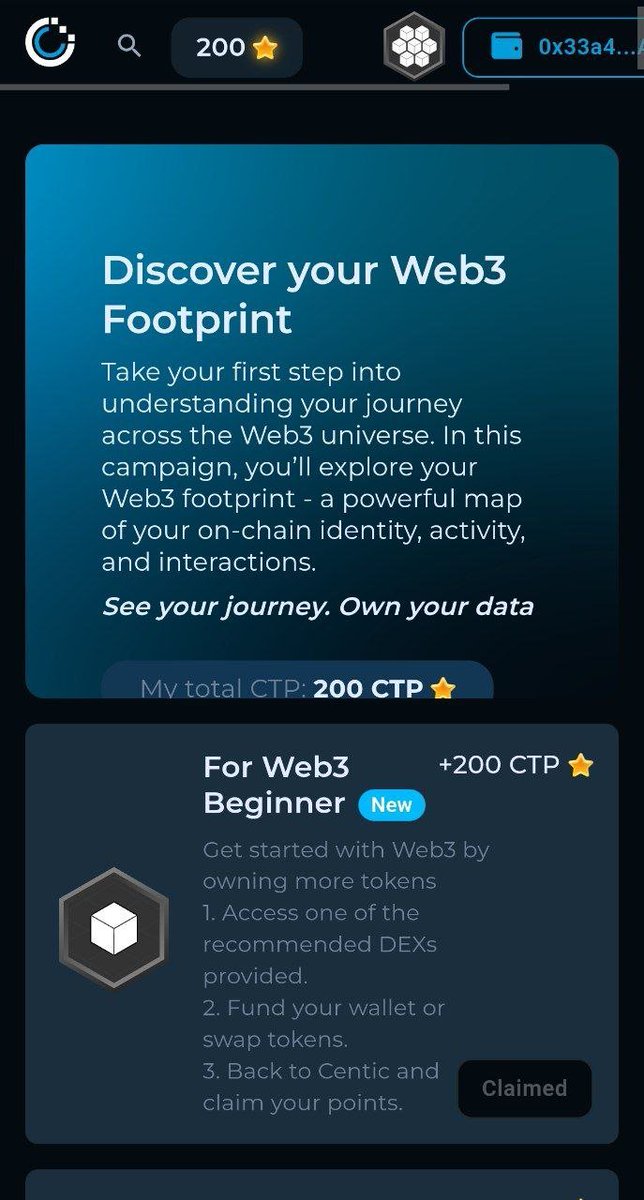
🧵1/ Discover Your Web3 Footprint with Centic 🌐
You’ve done more in Web3 than you realize…
But have you ever seen your full footprint?
The blockchain never forgets — and now it’s time you remembered too.
Here’s how to explore it 👇
#Web3 #Centic #TGE
#Centic #CenticWeb3Footprint #CenticFootprint @centic_io
2/ 👀 Your Web3 journey is deeper than it seems...
Wallets, tokens, protocols — all of it leaves a trail.
Centic’s new "Discover Your Web3 Footprint" feature uncovers your real impact across the decentralized world.
Let’s dig in 🧭
3/🚀 New Tasks Unlocked – a warm-up for the upcoming TGE
This isn’t just a reflection — it’s a mission.
Complete new Web3 quests, climb the leaderboard, and earn rewards while discovering how far you’ve come in the space.
Here’s what’s waiting for you 👇
4/✨ What's New in the Centic Incentive Program:
1️⃣ Own more tokens and dive deeper into Web3
2️⃣ Explore smart, automated investments powered by Centic
3️⃣ Boost returns and minimize risks — repay debt, top up funds, and avoid liquidation
All while earning badges & leveling up 🎖
5/🎯 The more tasks you complete, the more rewards you unlock.
From basic explorer to elite Centic strategist — your Web3 footprint evolves in real-time.
And every step brings you closer to bigger prizes before the TGE 🎁
6/
💡Whether you're a DeFi veteran or a Web3 beginner, this is your chance to level up before Centic’s big moment.
Start now, earn points, claim your badges — and prepare for Centic’s TGE.
⏰The countdown has begun. Don't miss it!
7/📢 Stay informed and connected:
🌐 Website: centic.io
📖 Docs: docs.centic.io
💬 Telegram: t.me/centic_io
🧵 Twitter: x.com/centic_io
🎥 YouTube: youtube.com/@Centic_io
8/💥 Turn on notifications, complete your Web3 journey, and secure your spot in the future of finance.
Centic is reimagining engagement and investment.
Your footprint matters — time to discover it.
#Centic #Web3 #DeFi #TGE #CryptoTasks #IncentiveProgram #CryptoCommunity
13
4
27
55,295

5 May 2025
S.B. No. 22 - Texas Moving Image Industry Incentive Program and Fund
Summary:
S.B. No. 22, effective September 1, 2025, amends the Texas Government Code and Tax Code to enhance the Texas Moving Image Industry Incentive Program by establishing the Texas Moving Image Industry Incentive Fund, funded by a $500 million biennial tax revenue deposit. The bill expands grant eligibility, introduces new grant categories, and grants the Music, Film, Television, and Multimedia Office discretion to deny applications based on content deemed inappropriate or negative toward Texas. The fund and related provisions expire on August 31, 2035, with unspent balances transferring to the general revenue fund.
Key Provisions:
Legislative Intent (Sec. 1.01):
Office may deny grants for projects with inappropriate content or negative portrayals of Texas/Texans, considering decency and diverse citizen values.
Texas Moving Image Industry Incentive Fund (Sec. 485.0225):
Established outside the state treasury, held/invested by the Texas Treasury Safekeeping Trust Company, administered by the Office.
Funded by legislative appropriations, dedicated tax/fee proceeds, investment earnings, and gifts/grants/donations.
Used for grants and trust company expenses, with investments aimed at liquidity and preserving purchasing power.
Receives $500 million biennially from tax revenues (Sec. 151.801(g)).
Grant Program Enhancements (Sec. 485.022):
Administered using the incentive fund or other available funds.
Ineligible projects include pornography, news, political ads, local events, student projects, and more, with Office discretion to designate additional ineligible types.
Office reviews proposed/final content, may deny applications, and can rescind preliminary approvals.
Qualification Requirements (Sec. 485.023):
Minimum in-state spending: $250,000 (film/TV), $100,000 (commercials, educational videos, digital media).
Texas resident crew/actors/extras: phased increase from 35% (2025) to 50% (2031), waivable if insufficient qualified personnel.
At least 60% of filming in Texas, with detailed budget documentation.
Grant Amounts (Sec. 485.024):
Feature films/TV (non-reality), visual effects: 5% ($250,000-$1M), 10% ($1M-$1.5M), 25% (≥$1.5M) of in-state spending.
Digital media: 5% ($100,000-$1M), 10% ($1M-$1.5M), 25% (≥$1.5M).
Reality TV: 5% ($250,000-$1M), 10% (≥$1M).
Commercials/educational videos: 5% ($100,000-$1M), 10% (≥$1M).
Additional Grants (Sec. 485.025):
Texas Heritage (2.5%): Promotes family values or positive Texas portrayal.
Rural Filming (2.5%): ≥35% filming in counties with ≤300,000 population.
Postproduction (1%): ≥25% in-state spending on postproduction.
Texas Veterans (2.5%): ≥5% crew/actors/extras are honorably discharged Texas veterans.
Faith-Based (2.5%): Designated by Office.
Total grants capped at 31% of in-state spending.
Sunset Provisions (Sec. 3.01-3.06):
Fund and related provisions expire August 31, 2035; unspent balance transfers to general revenue.
Post-2035, grants revert to prior rules, requiring 55% Texas resident crew and calculated per Office rules.
Grants awarded 2025-2035 follow amended rules; post-2035 grants follow revised rules.
Pros:
Economic Boost: Significant funding ($500M biennially) incentivizes film/TV production, boosting employment and tourism.
Cultural Alignment: Content review ensures projects align with Texas values, potentially enhancing state pride.
Diverse Grants: New categories (heritage, veterans, faith-based) encourage varied projects and rural investment.
Temporary Fund: Sunset provision limits long-term financial commitment, with reversion to flexible funding model.
Cons:
Content Restrictions: Subjective denial criteria (e.g., “negative portrayal”) risk censorship and First Amendment challenges.
Administrative Burden: Content reviews, detailed budgets, and phased resident requirements may strain Office resources.
Funding Allocation: $500M biennial commitment may divert funds from other priorities, with no guarantee of proportional economic return.
Exclusionary Criteria: Ineligibility of certain projects (e.g., student films, news) may limit creative diversity and local talent development.
#TexasFilmIndustry #SB22 #IncentiveProgram
1
3
377

20 Things to Know for Developing and Implementing Winning Incentive Programs ift.tt/HrkQzwR #IncentiveProgram #Management #ManagementStrategy #ManagementTips

1
7

30 Jan 2025
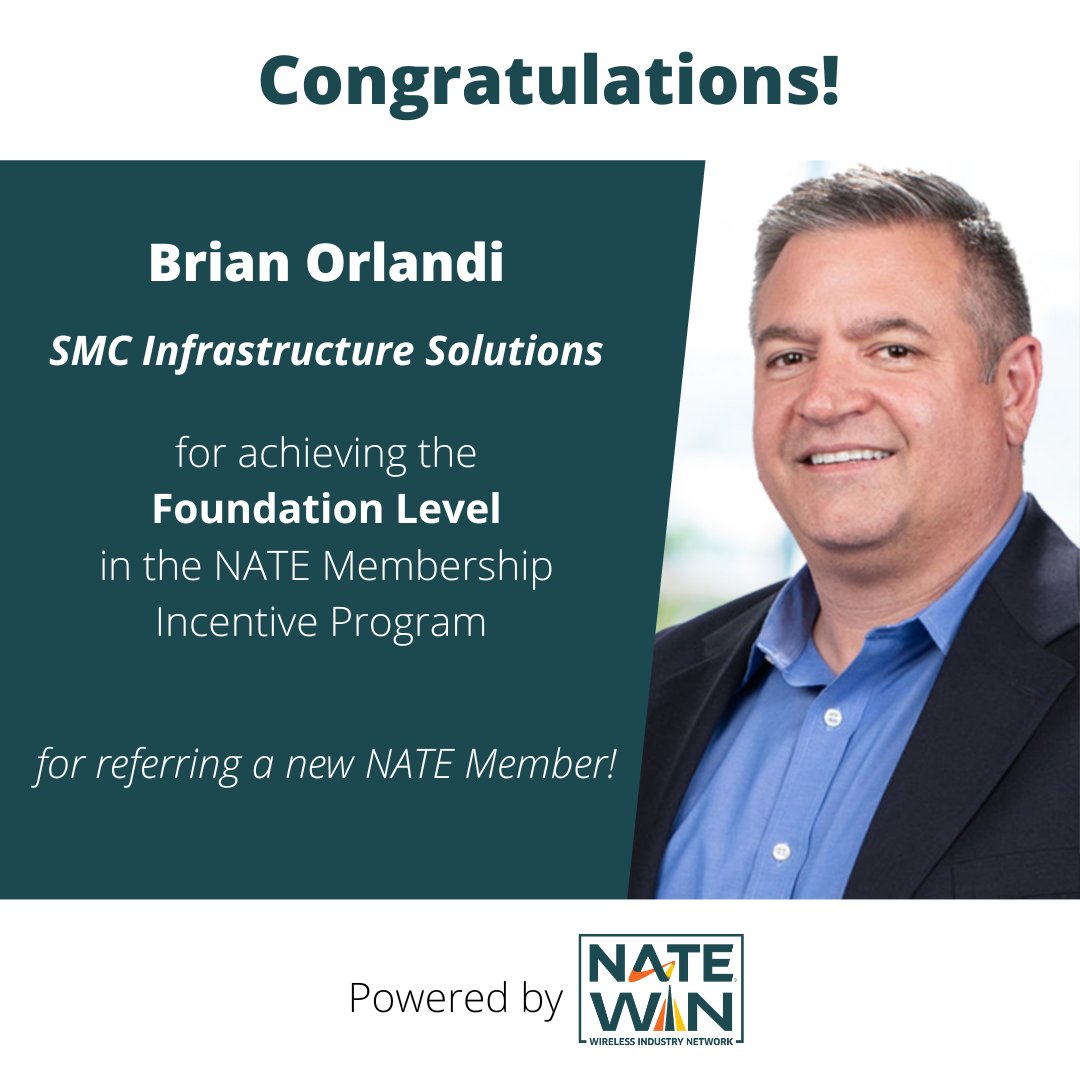
Congratulations to Brian Orlandi of SMC Infrastructure Solutions for achieving the Foundation Level in the #NATEWIN Membership Incentive Program. For more information about NATE membership, click: bit.ly/3SfJddY #natesafety #membership #incentiveprogram #smcisolutions
1
53

26 Nov 2024
20 Things to Know for Developing and Implementing Winning Incentive Programs ift.tt/4RlZJ7i #IncentiveProgram #Management #LeadershipSkills #LeadershipMindset

1
2
13

25 Nov 2024
Wendy Lei is a Partner with @MNP_LLP's Tax Services group. Wendy specializes in tax planning for Canadian private corporations.
Join us tomorrow to learn about the changes to the CEI!
#taxplanning #entrepreneurship #smallbusinesses #incentiveprogram
tickettailor.com/events/acce…

1
1
73

12 Nov 2024
🚨 Trump's next executive order will include a clause where every federal employee gets a "deportation incentive" badge. Catch an undocumented immigrant, get a free MAGA hat. #BorderSecurity #IncentiveProgram
2
2
81

6 Nov 2024
🚀 New upgrades are here!
We’re rolling out two exciting features:
1️⃣ Accelerator Function: Burn 1800 FUN each month with just one click a day!
2️⃣ Weekly Incentive Program: 5% of all users mint from point to FUN per week will be distributed to the top 100 users by weekly earnings:
•Top 1-10: Share 30% of the weekly reward pool
•Top 11-40th place: Share 30% of the weekly reward pool
•Top 41-100th place: Share 40% of the weekly reward pool
(while you exchange points to FUN, all transactions Will arrive 95%. The remaining 5% Will be used for top earning rewards.)
Update Tomorrow
Just click on the three dots in the upper right corner and Reload
Act fast and claim your rewards! #CommunityUpgrade #Accelerator #IncentiveProgram #FUN

9
22
26
961


23 Oct 2024
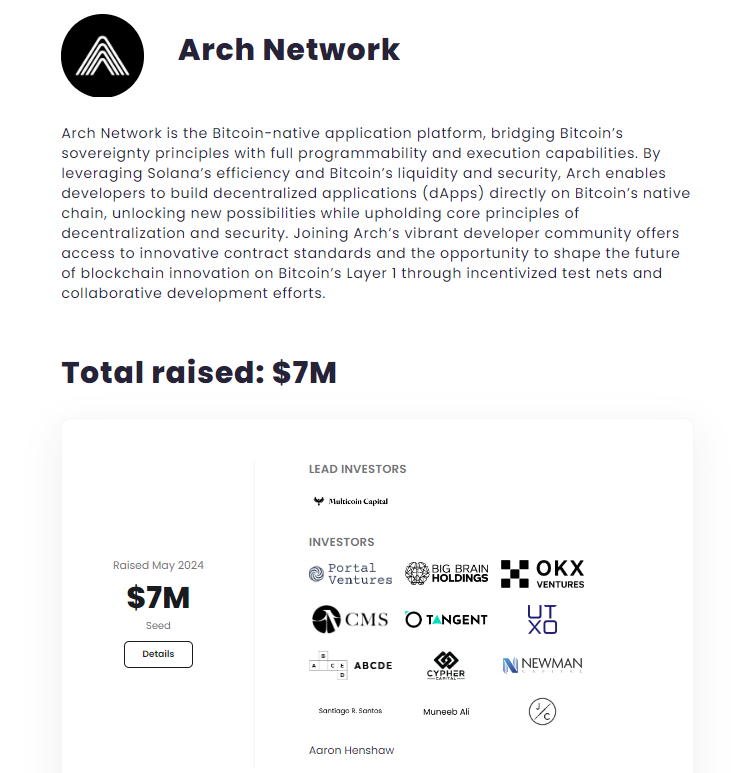
Arch Network Teşvikli Testnet! 🤑
⭐️ Yatırım: 7 Milyon Dolar
⭐️ Destekleyenler arasında @okx 'de var.
⭐️ Katılım ücretsiz!
Nasıl Katılabilirsiniz 🔽
🔗 Sayfaya git tinyurl.com/arch-network
🟢 Unisat Cüzdanı Bağla (Boş cüzdan kullanın)
🟢 XP puanlarını kazanmak için görevleri tamamlayın ve seviye atlayın
🟢 Günlük ve Haftalık Görevlerle daha fazla XP kazanın
✨ Daha fazla XP = Daha fazla $ARCH
❤️ Beğen ve Retweetle ✅
#ArchNetwork #Testnet #Airdrop #CryptoRewards #UnisatWallet #Blockchain #XP #IncentiveProgram #Alpha
4
5
32
3,483

14 Oct 2024
20 Things to Know for Developing and Implementing Winning Incentive Programs ift.tt/GUrApK5 #IncentiveProgram #Management #TeamManagement #SmallBusiness

2
3
20