
Most knowledge graphs force the world into pairs. Reality doesn't cooperate.
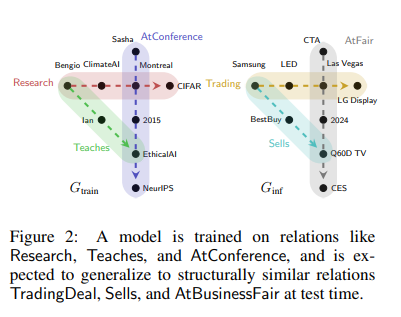
A standard knowledge graph stores facts as triples: (subject, relation, object). Two entities, one relation. But consider: "Bengio has a research project on ClimateAI in Montreal funded by CIFAR."
That's four participants in distinct roles. Forcing it into binary triples means splitting one atomic fact into several, losing the structure that made it meaningful. Knowledge hypergraphs solve this: a single hyperedge can connect any number of entities, each in a specific positional role.
The next problem: how do you build a model that reasons over hypergraphs it has never seen before, with entity types and relation types it has never encountered? That's inductive link prediction.
Inductive link prediction is what separates a model that can only work with graphs it was trained on from one that generalises to new graphs, new entities, new relations, straight out of the box. For any system where the graph keeps growing - new drugs, new companies, new events - this capability matters.
HYPER is the first foundation model to deliver both, natively, on knowledge hypergraphs.
The core idea: learn properties of relations that transfer across relation types of varying arity. A model trained on Research, Teaches, and AtConference should recognise structural analogues like Trading, Sells, and AtFair at inference time, even with entirely new entities and relation labels.
HYPER does this by encoding each entity together with its positional role within the hyperedge, and building a relation graph that captures how relations interact with one another.
What stands out:
* One pretrained checkpoint. Zero-shot generalisation to unseen entities AND unseen relations across arbitrary hypergraphs.
* No reification. Hyperedges stay native; no conversion to binary triples that strips away role information.
* Trained on just 2 hypergraphs and 3 KGs, HYPER consistently outperforms ULTRA trained on 50 KGs. Structural diversity beats volume.
* 16 new inductive benchmarks released alongside the model.
For those building KG systems in healthcare, science, or public administration - domains where facts naturally have more than two participants - this closes a real gap between academic research and production reality.
Trade-off worth noting: positional interactions scale quadratically with arity, so very high-arity edges still need care.
By Xingyue Huang, Mikhail Galkin, Michael Bronstein, İsmail İlkan Ceylan. H/T Giuseppe Futia
HYPER: A Foundation Model for Inductive Link Prediction with Knowledge Hypergraphs arxiv.org/abs/2506.12362
#KnowledgeHypergraphs #LinkPrediction #InductiveLearning #ICLR2026 #GraphML
--
📩 The Year of the Graph Spring 2026 newsletter issue is out!
Beyond Context Graphs: How Ontology, Semantics, and Knowledge Graphs Define Context 👇
yearofthegraph.xyz/newslette…
All things #KnowledgeGraph, #GraphDB, Graph #Analytics / #DataScience / #AI and #SemTech.
Subscribe and follow to be in the know. Reach out if you'd like to be featured
1
4
38
2,237

8 Apr 2025
Topology-Driven Negative Sampling Enhances Generalizability in Protein-Protein Interaction Prediction
1/ This study presents UPNA-PPI, a protein-protein interaction (PPI) prediction pipeline that improves model generalizability by introducing a novel topology-driven method to generate high-quality negative samples—Topological Protein-Protein Non-Interactions (TPPNIs).
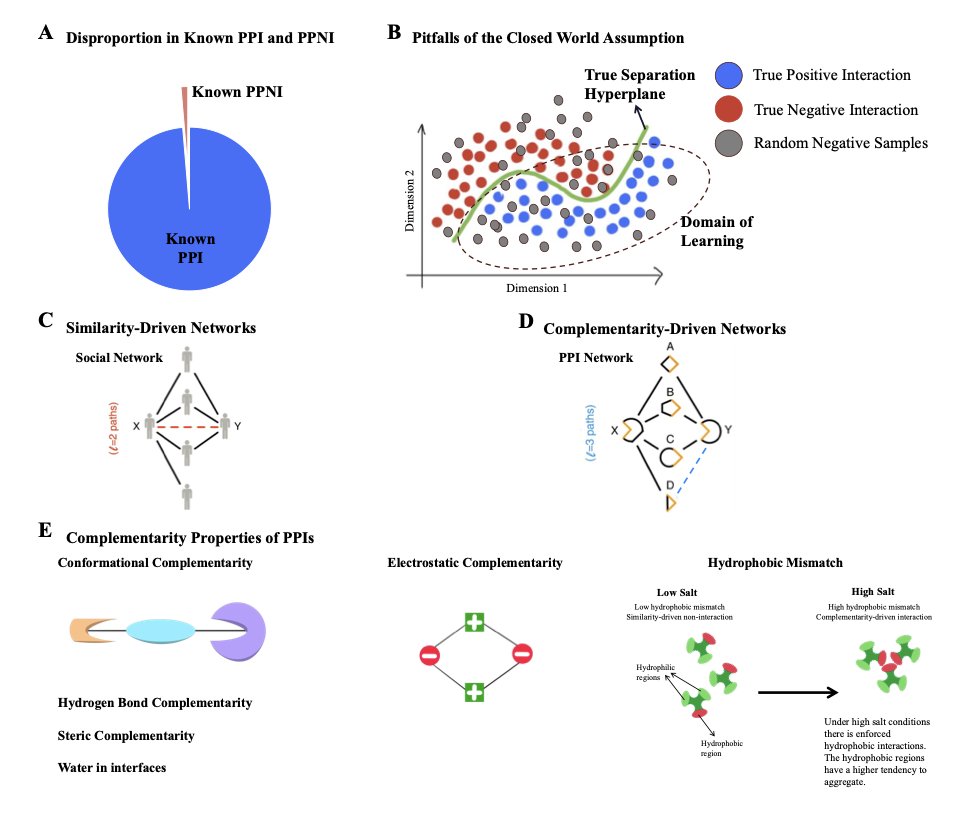
2/ Unlike traditional random or localization-based sampling methods, TPPNIs are derived from network topology and exploit the complementarity-driven nature of protein interactions. These hard negatives better represent biologically meaningful non-interactions, especially in evolutionarily younger proteins.
3/ TPPNI samples are identified by selecting protein pairs that show no path of length 3 (L3) in the PPI network, a novel Contrastive-L3 (CL3) hypothesis. This filters out protein pairs unlikely to interact due to topological and biological constraints.
4/ UPNA-PPI combines unsupervised pretraining of protein embeddings with two-shot learning and uses ProtVec to generate input features from amino acid sequences. This avoids reliance on 3D structural data and improves performance on unseen proteins.
5/ The model demonstrates strong inductive learning ability, outperforming state-of-the-art methods like DeepTrio and PPI-GNN in both AUROC and Hits@TopK metrics, especially in predicting interactions across protein families and in transfer learning settings.
6/ Ablation studies confirm that UPNA-PPI predictions correlate with L3 path counts in the PPI network, showing it learns the complementarity mechanism behind interactions directly from sequence-level data.
7/ The framework also introduces interpretability by identifying potential interaction regions through sequence ablation. Predicted binding valleys align well with known binding interfaces from experimentally validated complexes such as Drd2, ComA, and LIF-gp130.
8/ The robustness of UPNA-PPI is validated under data perturbation scenarios (random node/edge deletion), where it maintains high performance. Additionally, it achieves superior separability of predictions when trained with TPPNIs compared to random negatives.
9/ Applied to human GPCR proteins, UPNA-PPI successfully predicts homodimer interactions validated by AlphaFold-Multimer, demonstrating utility in studying challenging protein classes and providing insight into binding interfaces without structural input.
💻Code: github.com/alxndgb/UPNA-PPI
📜Paper: academic.oup.com/bioinformat…
#ProteinInteractions #Bioinformatics #MachineLearning #GraphLearning #PPIPrediction #NegativeSampling #Topology #InductiveLearning #GPCR #DrugDiscovery #ComputationalBiology #DeepLearning
8
32
3,334
8 Apr 2025
Topology-Driven Negative Sampling Enhances Generalizability in Protein-Protein Interaction Prediction
1/ This study presents UPNA-PPI, a protein-protein interaction (PPI) prediction pipeline that improves model generalizability by introducing a novel topology-driven method to generate high-quality negative samples—Topological Protein-Protein Non-Interactions (TPPNIs).
2/ Unlike traditional random or localization-based sampling methods, TPPNIs are derived from network topology and exploit the complementarity-driven nature of protein interactions. These hard negatives better represent biologically meaningful non-interactions, especially in evolutionarily younger proteins.
3/ TPPNI samples are identified by selecting protein pairs that show no path of length 3 (L3) in the PPI network, a novel Contrastive-L3 (CL3) hypothesis. This filters out protein pairs unlikely to interact due to topological and biological constraints.
4/ UPNA-PPI combines unsupervised pretraining of protein embeddings with two-shot learning and uses ProtVec to generate input features from amino acid sequences. This avoids reliance on 3D structural data and improves performance on unseen proteins.
5/ The model demonstrates strong inductive learning ability, outperforming state-of-the-art methods like DeepTrio and PPI-GNN in both AUROC and Hits@TopK metrics, especially in predicting interactions across protein families and in transfer learning settings.
6/ Ablation studies confirm that UPNA-PPI predictions correlate with L3 path counts in the PPI network, showing it learns the complementarity mechanism behind interactions directly from sequence-level data.
7/ The framework also introduces interpretability by identifying potential interaction regions through sequence ablation. Predicted binding valleys align well with known binding interfaces from experimentally validated complexes such as Drd2, ComA, and LIF-gp130.
8/ The robustness of UPNA-PPI is validated under data perturbation scenarios (random node/edge deletion), where it maintains high performance. Additionally, it achieves superior separability of predictions when trained with TPPNIs compared to random negatives.
9/ Applied to human GPCR proteins, UPNA-PPI successfully predicts homodimer interactions validated by AlphaFold-Multimer, demonstrating utility in studying challenging protein classes and providing insight into binding interfaces without structural input.
💻Code: github.com/alxndgb/UPNA-PPI
📜Paper: academic.oup.com/bioinformat…
#ProteinInteractions #Bioinformatics #MachineLearning #GraphLearning #PPIPrediction #NegativeSampling #Topology #InductiveLearning #GPCR #DrugDiscovery #ComputationalBiology #DeepLearning

2
3
797

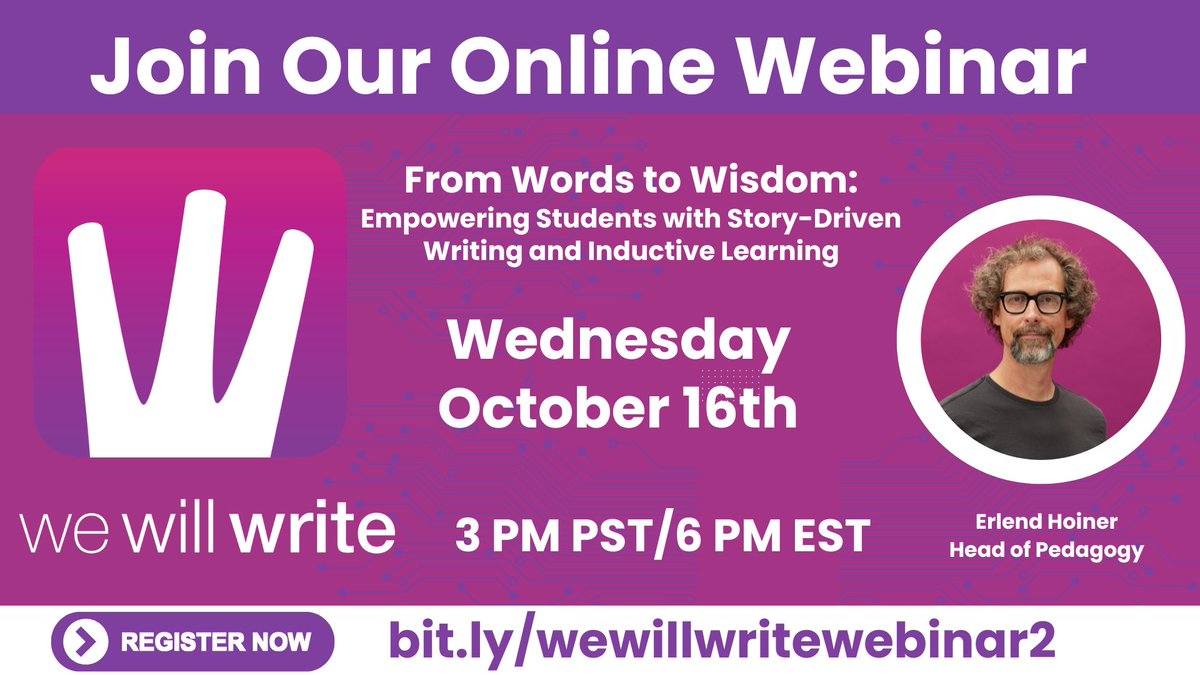
🌟 Join Us for an Exclusive @wewillwrite_com Webinar!
📚 From Words to Wisdom: Empowering Students with Story-Driven Writing & Inductive Learning ✍️
🎙️ Featuring Erlend Hoiner, Head of Pedagogy, this session will dive into innovative strategies for using storytelling to enhance student learning & engagement.
🗓️ Date: October 16th
⏰ Time: 3 PM PST / 6 PM EST
Get ready to transform your classroom with actionable insights on inductive learning! 🚀
🔗 Register Now: bit.ly/wewillwritewebinar2
#WritingWorkshop #InductiveLearning #StoryDrivenLearning #EdTech #WeWillWrite #TeacherPD #Webinar #AIClassroom
3
12
534

25 Jul 2022
Many dyslexic students prefer inductive learning or learning through direct examples then reasoning back to principles.
Learn more: dyslexicadvantage.org/mind-m…
#dyslexia #dyslexicadvantage #neurodiversity #dyslexicstudent #math #mindmap #learning #reasoning #inductivelearning
2
6

2 Apr 2022
Awesome session at #LatB62 with @BenMotz. Why am I only now discovering #InductiveLearning?? It is what I have always naturally leaned towards, but I didn't know it was a thing, along with #ConcretenessFading. #AcademicTwitter.
1

27 Feb 2020
Been thinking about how to teach content-heavy lessons in less mind-numbing ways, and came across #InductiveLearning. Not a crazy concept, but breaks the monotony of the classic "slideshow, notes, worksheet" routine that's so easy to fall into. cultofpedagogy.com/inductive… #teaching
2
4

7 Feb 2019
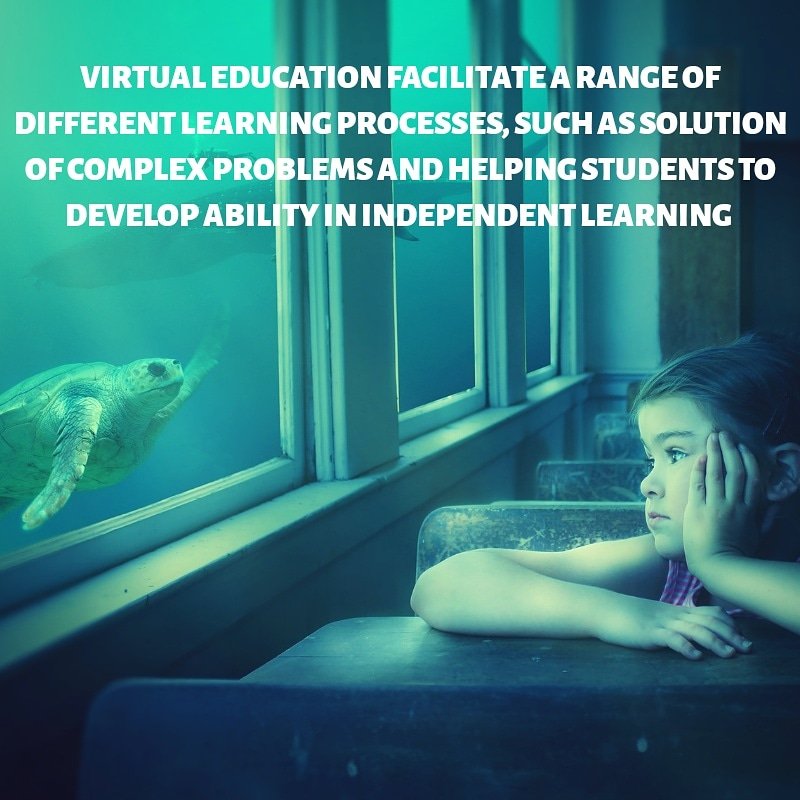
Virtual classrooms and laboratories inducing learning abilities.
#virtualreality #3dclassrooms #augmentedreality #schools #engineering #healthcare #machenninnovations #independentlearning #skilldevelopment #inductivelearning #personalisededucation #educationtechnology
1
2

12 Dec 2018
Another Study Finds Eliciting Explanations From #Students Is More Effective Than Telling Them | @Larryferlazzo ow.ly/v1Iy30mXTCD #InductiveLearning #teaching
1
1

12 Sep 2018
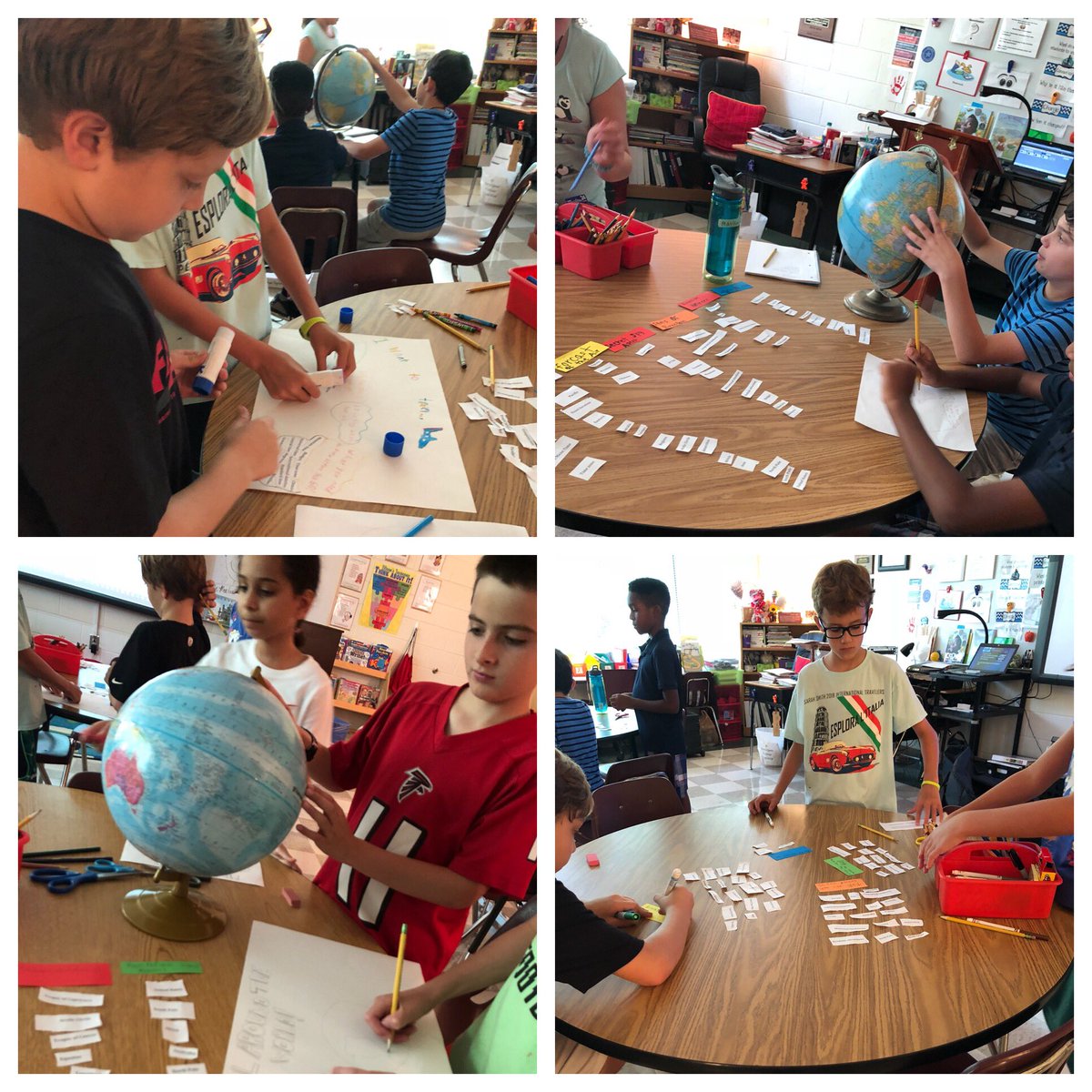
With @APS_Gifted students @APS_SarahSmith, it’s not just about learning new vocabulary, it’s all about how they learn it! #giftedstrategy #inductivelearning @EmilyBoatright @ptyut1999 @HumbleQT
2
6

12 Sep 2018
Dos formas de docencia modelo expositivo vs. modelo funcional youtu.be/G-mj_7oJ-1s vía @YouTube #Reumacademia18 #flippedlearning #activelearning #inductivelearning #flippedclassroom #peerinstruction
4
3

13 Dec 2017
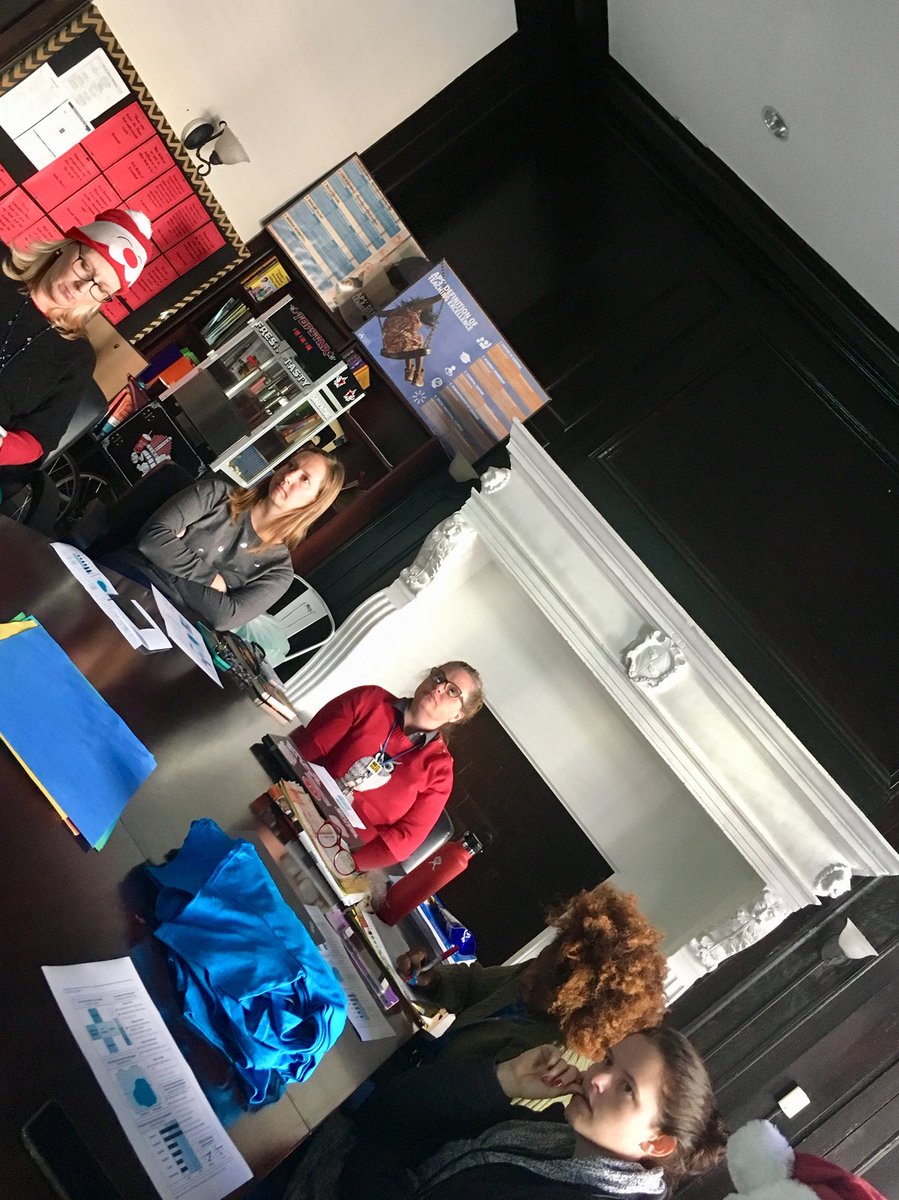
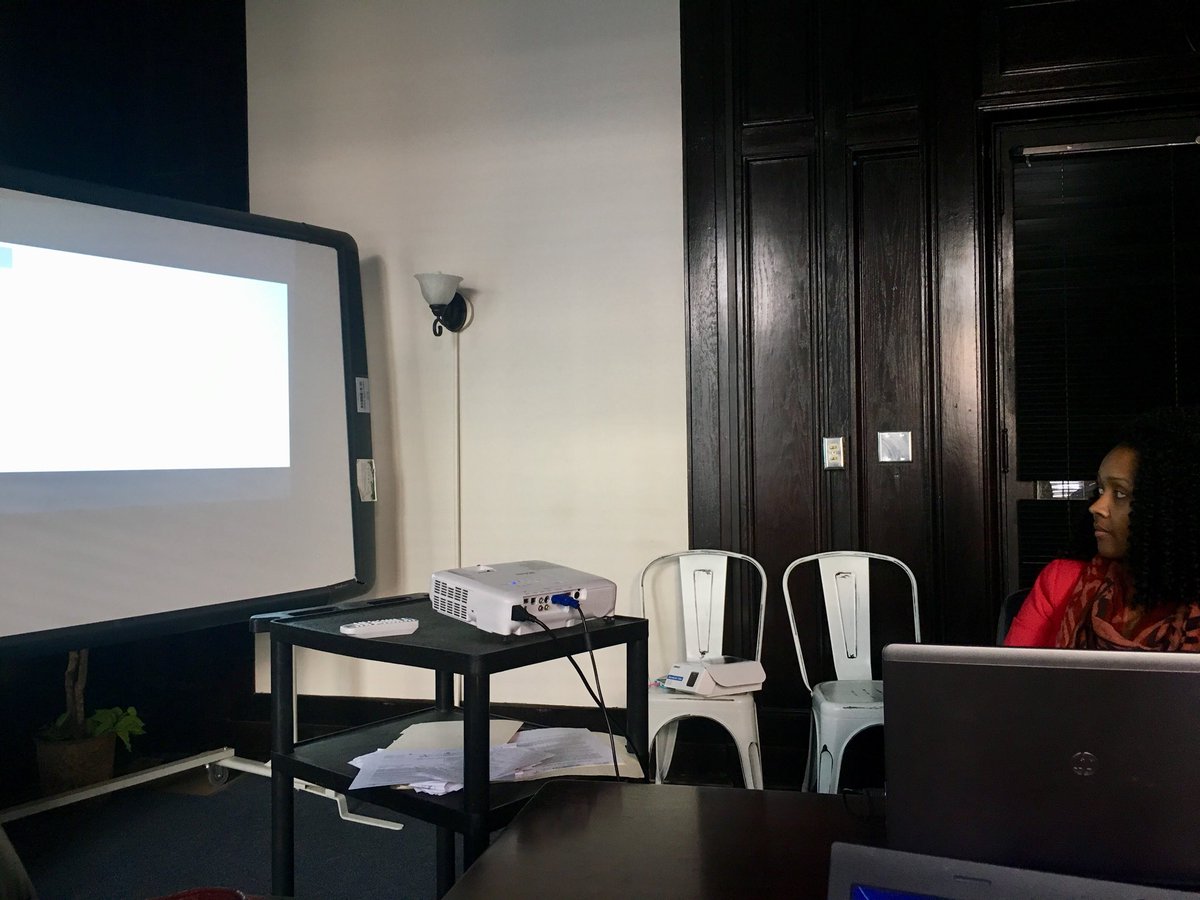
@APS_Gifted is working with all @APS_SPARK teachers in incorporating Gifted Strategies into the classroom! #ConceptAttainment #InductiveLearning @SPARKpto @AssocSupBrown
1
5

18 Oct 2017
I recognise those creatures ;) fun activity- reminds me of @cultofpedagogy #inductivelearning cultofpedagogy.com/inductive…
1
2
13 Oct 2017
1 of my favourite vids from @cultofpedagogy demo of #InductiveLearning @HuizCor @bostie8o @ailishmallow @jencarterbc @bryanout #sd22learns
13 Oct 2017

How to Teach an Inductive Learning Lesson
ow.ly/xxYU30fHyT1
#lessonplans #teachingstrategies #criticalthinking #inquiryed
1
6

25 Aug 2017
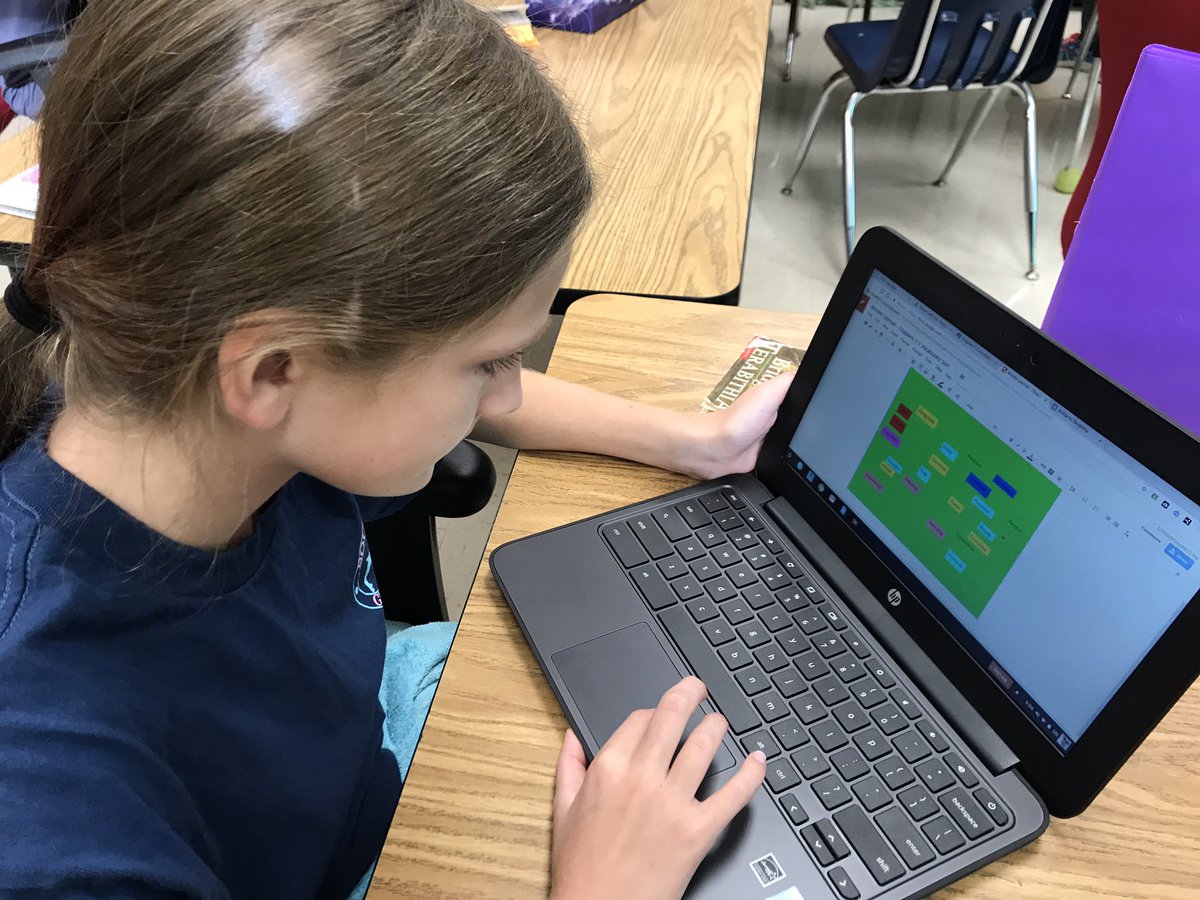
Ss sorted Vocabulary words and found relationships between words #SharonStrong #googledraw #GoogleClassroom #inductivelearning
3

10 Apr 2017
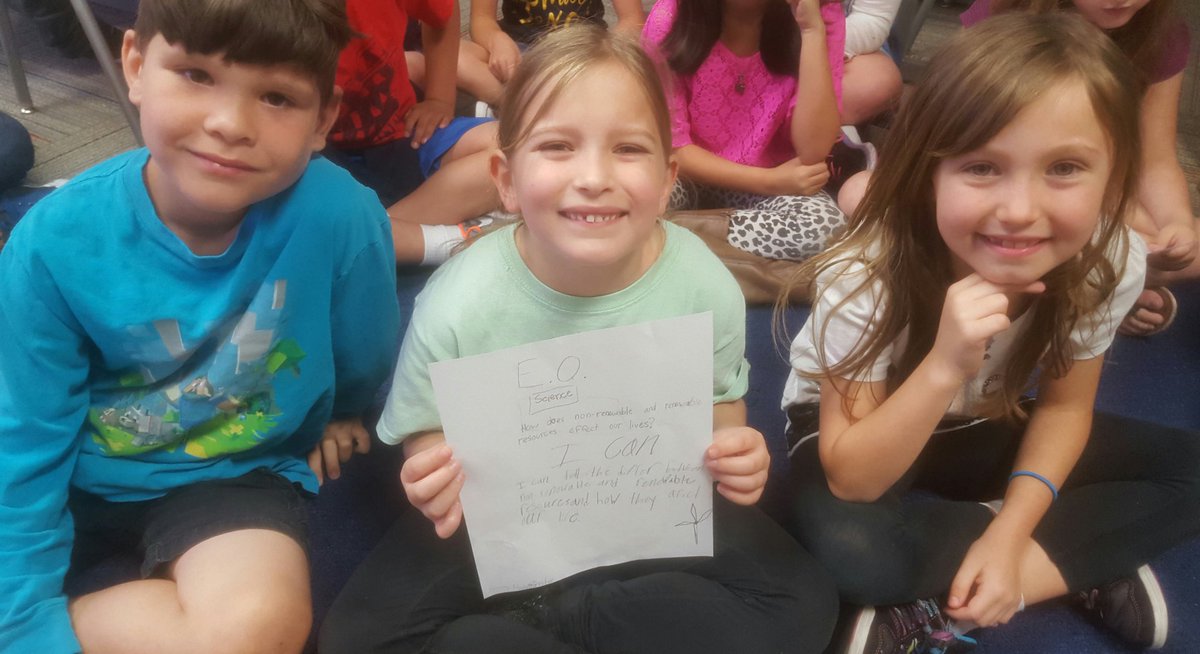
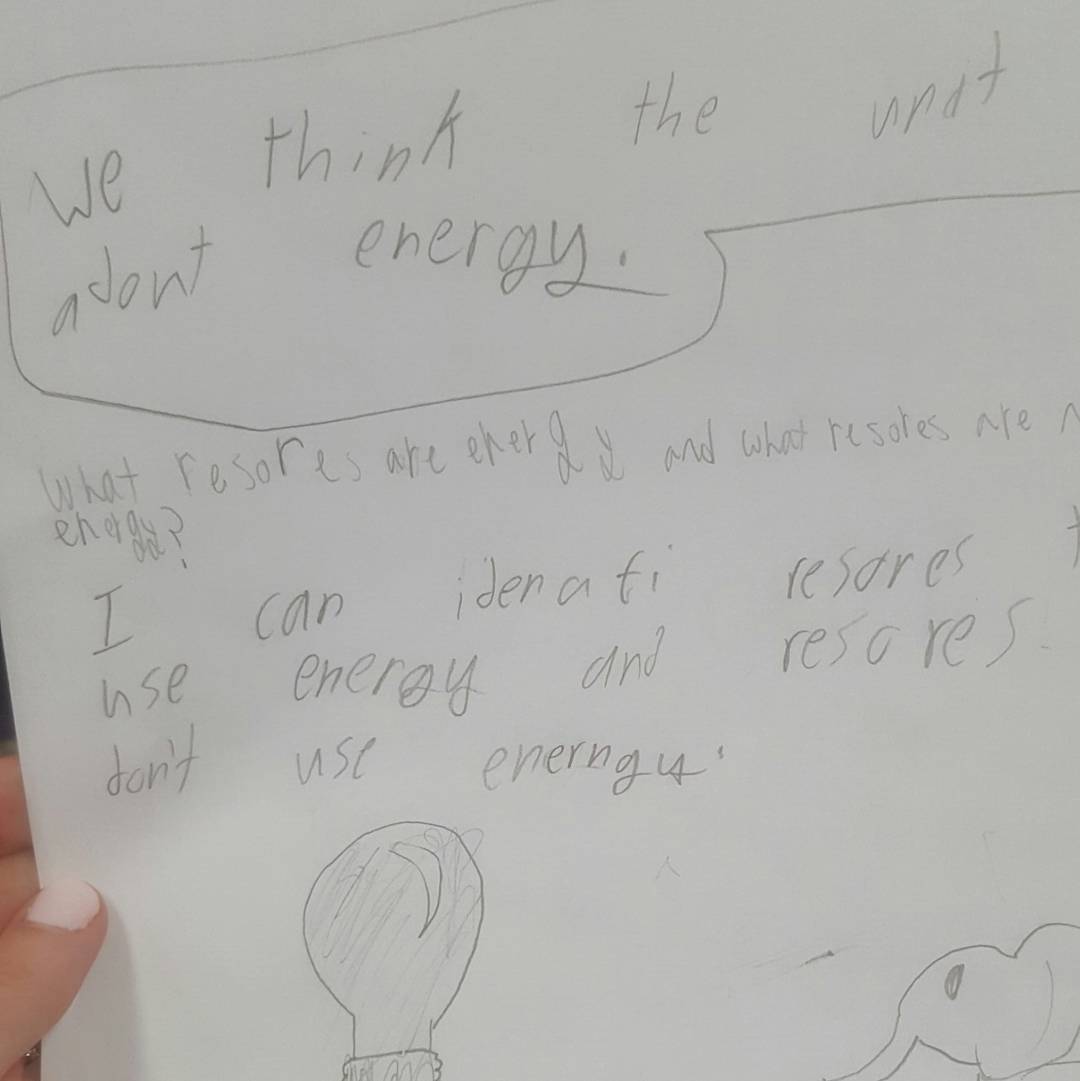
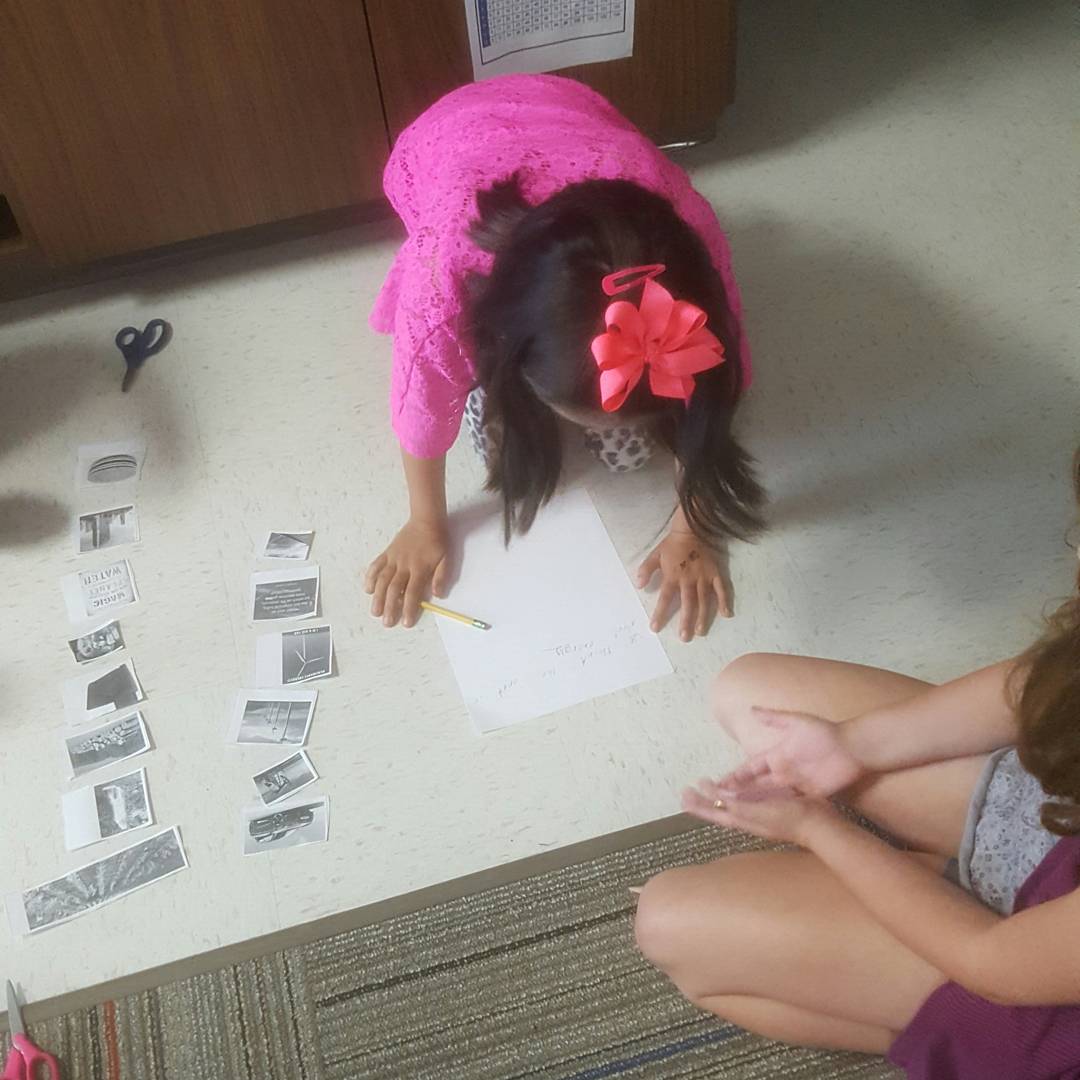
#inductivelearning day-Ss inferred the topic of new unit by sorting word and picture clues. They even came up with their own E.Q. and I can😊
1
5

2 Jan 2017
How to Teach an Inductive Learning Lesson via @cultofpedagogy cultofpedagogy.com/inductive…
#inductivelearning #pdccsd
1

30 Nov 2016
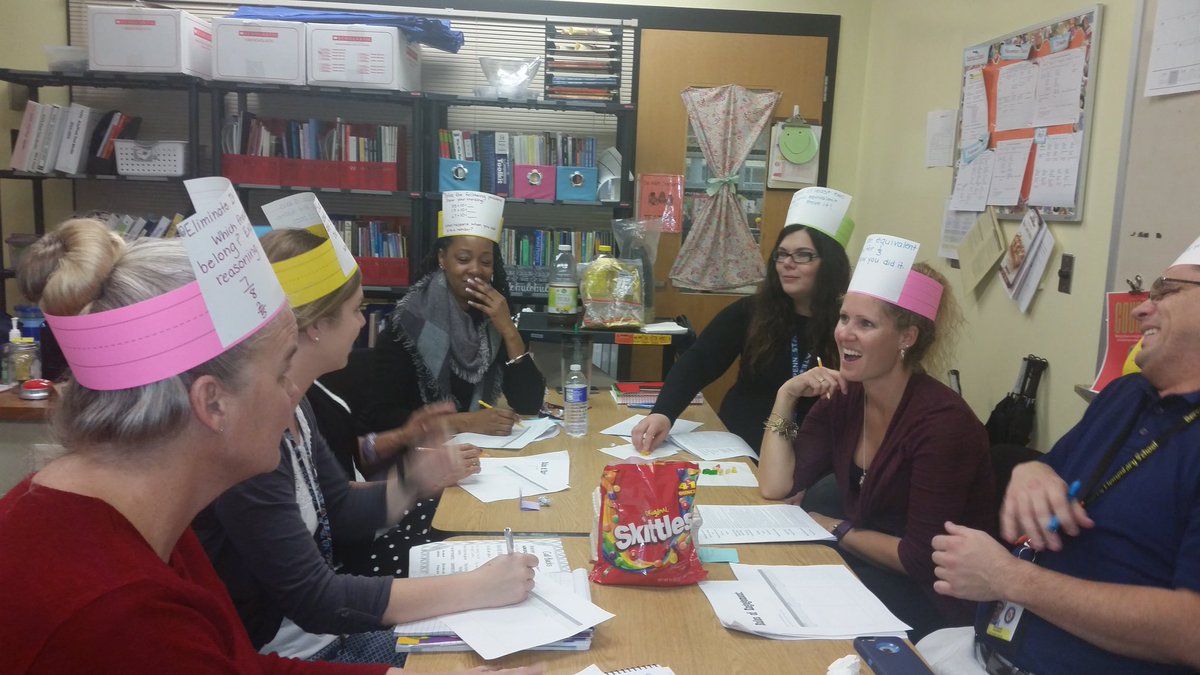
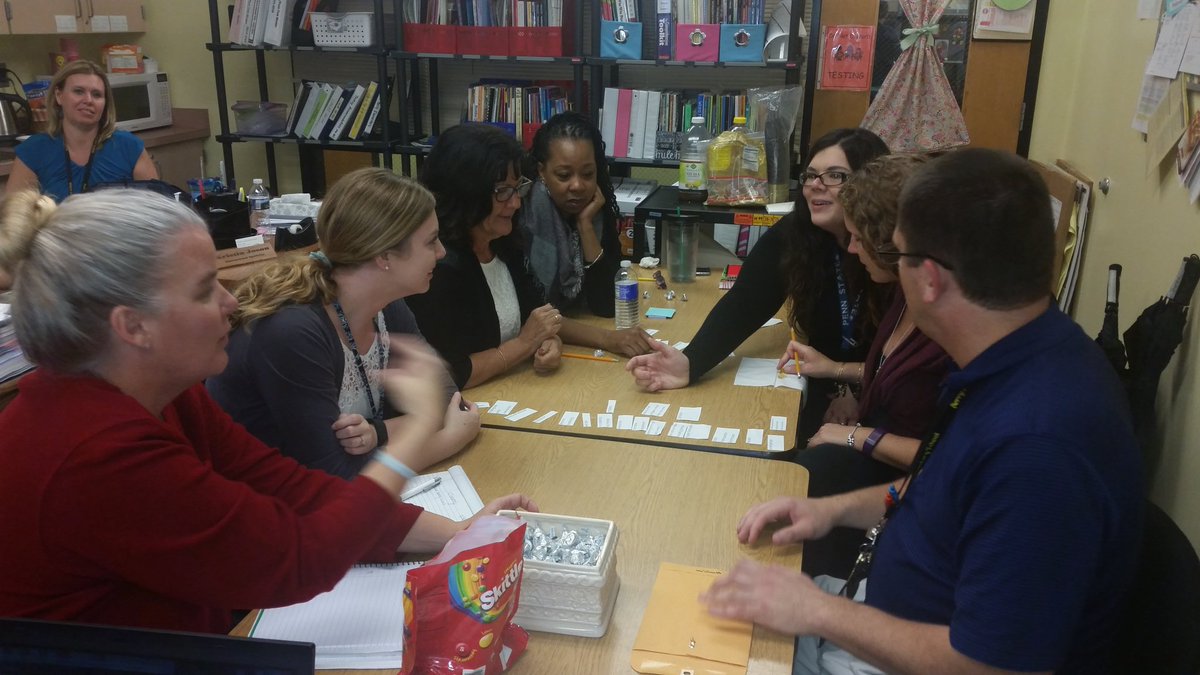
Fifth grade having fun learning Total Participation Techniques to implement in their classrooms. # headbands
# opensort #inductivelearning
1
8
30 Nov 2015
Nuestra experiencia con el ABP/PBL: el ABP 4x4 by @alfredoprietoma #abp #abp4x4 #inductivelearning slideshare.net/alfredo.priet… vía @SlideShare
1

7 Oct 2015
@ronsideas @joedale schoolshape.com/cloudwriter-… students to write and improve their accuracy through #inductivelearning #English #ingles #edtech
2