May 20
Sovereign Cloud Πάνω σε Αμερικανικό Πυρίτιο: Η Ψευδαίσθηση της Ψηφιακής Κυριαρχίας
Η Ευρώπη έχει επενδύσει πάνω από €2 δισ. σε sovereign cloud υποδομές. Η Γαλλία χτίζει το SecNumCloud με σχεδόν 1.200 τεχνικές απαιτήσεις, υπόσχοντας «ανοσία από εξωεδαφικούς νόμους».
Κι όμως, οι ίδιοι αυτοί servers τρέχουν σε επεξεργαστές Intel και AMD που εμπεριέχουν ένα σύστημα υπολογιστή κάτω από τον υπολογιστή, ένα Management Engine ή Platform Security Processor που λειτουργεί σε επίπεδο Ring -3, κάτω από το λειτουργικό σύστημα, αόρατο σε κάθε εργαλείο ασφάλειας που τρέχει στον host.
Αυτό δεν είναι θεωρητικό σενάριο. Το 2017, η ομάδα PLATINUM απέδειξε ότι το Intel Serial-over-LAN μπορεί να χρησιμοποιηθεί ως κανάλι υποκλοπής, αόρατο από firewall και endpoint detection. Δεν εκμεταλλεύτηκε ευπάθεια. Εκμεταλλεύτηκε χαρακτηριστικό.
Το 2026, η επίθεση Fabricked απέδειξε το ίδιο για το AMD SEV-SNP με ποσοστό επιτυχίας 100%. Παράλληλα, ο νόμος RISAA του 2024 ορίζει ρητά ότι οι κατασκευαστές hardware, άρα η Intel και η AMD, υπάγονται στις αμερικανικές μυστικές εντολές επιτήρησης.
Το συμπέρασμα είναι ένα και το διατυπώνω ξεκάθαρα: τα ευρωπαϊκά πλαίσια πιστοποιούν τα clouds. Δεν αξιολογούν το πυρίτιο. Η SecNumCloud πιστοποιεί οργανωτικά μέτρα, νομική δομή, αυτόνομη λειτουργία. Δεν αγγίζει το hardware layer, επιλεκτικά, όχι από παράλειψη. Ο ίδιος ο διευθυντής της ANSSI το έχει γράψει δημόσια: η SecNumCloud είναι εργαλείο κυβερνοασφάλειας, όχι βιομηχανικής πολιτικής.
Αυτό δεν είναι επικριτικό, είναι ειλικρινές. Αλλά είναι επίσης επικίνδυνο να το αποκρύπτουμε στη δημόσια συζήτηση για ψηφιακή κυριαρχία.
Η ερώτηση που πρέπει να απαντήσει η Ευρώπη δεν είναι «hybrid ή μη hybrid cloud». Είναι: μπορεί να υπάρξει ψηφιακή κυριαρχία πάνω σε μη κυρίαρχο πυρίτιο;
Και αν η απάντηση είναι «όχι πλήρως», τι ακριβώς αγοράζουμε;
#DigitalSovereignty #CloudSecurity #CyberSecurity #EUTech #ANSSI #SecNumCloud #IntelME #HardwareSecurity
1
8
229


Mar 12
What button do you push if you're a whistleblower, but China's hacked in, printed a receipt that says "goodbye cruel world" an is hurling you towards a semi trailer?
It's all networked, so it's a fare question, especially if you use intelME chipsets...
1
1
41

Feb 11
not false, IntelME is (as of now) permanently persistent in all systems. There have been multiple cves in which IME has been abused.
The govt asked Intel and AMD to debackdoor the chips that THEY use, and not for anybody else.
maybe we should reverse that.
1
16
1,639

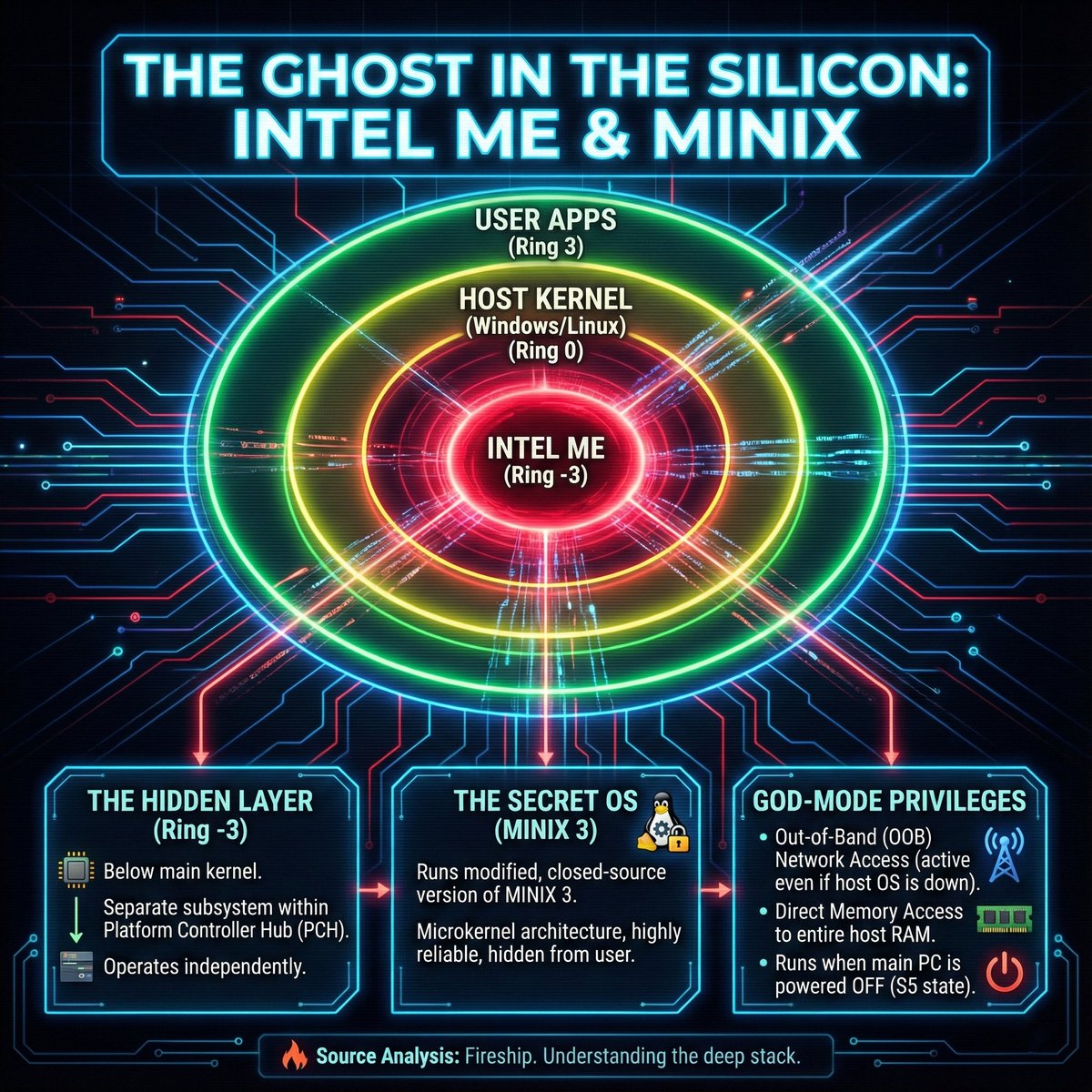
Think Windows, Android, or Linux is the world's most deployed OS? Wrong.
It’s actually a hidden operating system running inside your Intel CPU right now at privilege "Ring -3," with more control than your main kernel.
Great breakdown by @veritasium 🎥 Watch the full video: youtu.be/MiUHjLxm3V0
#Cybersecurity #IntelME #KernelDev #MINIX #TechFacts #InfoSec #ReverseEngineering #RingMinus3
ALT
3
18

21 Sep 2025
4日間閉じていても開けたらバッテリーが10%しか減っていないArchLinux最高や。
IntelMEは仕方ないが他にできるだけ邪魔なものを入れないこの構成マジで最高や。
この年齢になってからでもArchLinux始めるの楽しいな、どんどんハッカー文化を味わっていきたい。
5
385


1 Sep 2025
Így szólt Egervári Sándor prófétai intelme az öltözőben a hollandok elleni 8–1-es vereség szünetében, 4–0-s állásnál. 😅👀
Ez a 19. legjobb magyar futballidézet olvasóink szavazatai alapján! ! 🇭🇺🗣️🔝
buff.ly/PHHIuYl

3
135

11 Aug 2025
Sulyok mikor fordul bölcsnek tűnő gondolatokkal a kormánypárt, a megafon és azok felé, akik tönkretettek az országot morálisan és mentálisan? Számukra nincs intelme ennek a szánalmas köztársasági elnöknek?
4
148

5 Aug 2025
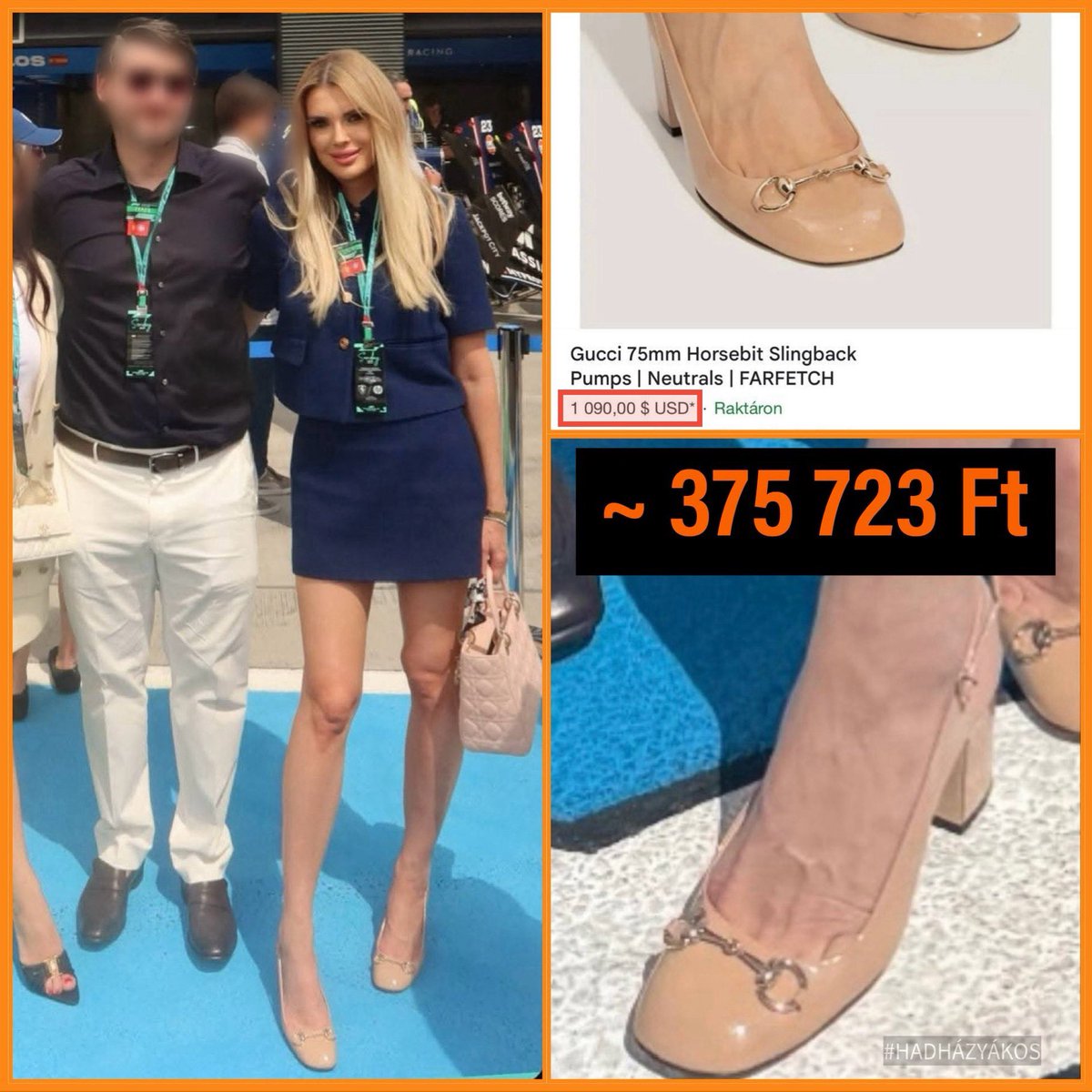
💁🏻♂️ Ő kérem Szalai Vivien, a TV2 HÍRIGAZGATÓJA, aki az Instán dicsekszik azzal, hogy helikopterrel ment a Hungaroringre…
💰A hölgyön amúgy egymilliós Gucci ruha, 1.2 milliós (ez azért snassz) Dior táska, 11 milliós karkötő (na, az már más). Sz. Vivien egyébként 2010-ben könyvet írt a luxus prostituáltakról, csak mondom. Mindenesetre úgy tűnik luxus propagandistaként, az aljas hazudozással is lehet jól keresni.
💰Azt nem tudom, hogy a HÍRIGAZGATÓnő figyelmét hogyan kerülhette el Lázár elvtárs intelme a luxizásról. Vagy tud valamit, mert szóltak neki, hogy az is csak propagandafogás volt.
💁🏻♂️ Szalai Viviennek természetesen nem a rongyrázás a legnagyobb bűne, sőt, a képekből ítélve ő nem is a város felett, hanem azt kikerülve repült Mogyoródra. Hanem az, amivel a pénzét keresi: a TV2 a propaganda zászlóshajója, ahol hírigazgatóként ő az ipari méretekben gyártott mocsok felelőse. ➡️
#hadházyákos



2
10
75
2,989


20 May 2025
PCはGPUを交換するタイミングとかで
bios アプデ
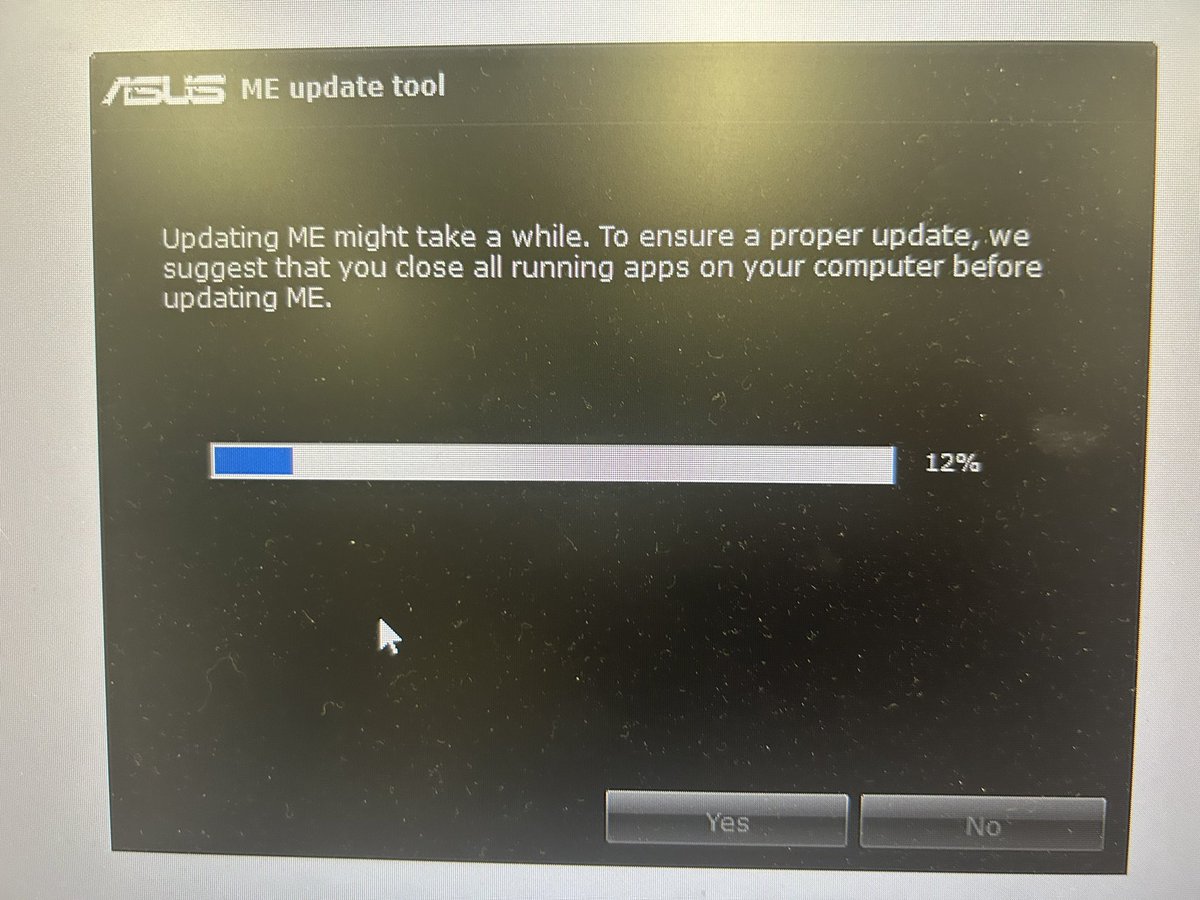
IntelMEアプデ
SSDのアプデ
は常識です!
LANカードについては、自動で当てられたものを使うが吉(当たらない場合は祈れ!)
4
724

14 May 2025
IntelMEの更新してもVRC落ちる…
あとは電源ケーブルを12V1本から8ピン2本に変えてみて、それでもだめならいよいよBIOS更新。やりたくないな。
2
98

13 May 2025
Yeah good stuff. I have gone down this rabbit hole pretty deep, and work in an information security adjacent field.
Phones are the hardest. Graphene is good, but you lose a lot of functionality of the phone, and you still have your location constantly tracked in a government accessible db which is almost certainly linked to your personal identity.
You can get pretty far with medium level computer infosec. Wireguard VPNs, ideally paid with monero. IVPN is good, or you can rent a VPS with monero in a jurisdiction outside the US empire and set up your own wireguard VPN. Various things to avoid browser fingerprinting. Tor works well but it makes many sites unuseable.
Then of course run Linux, you are SOL if you use windows and probably also MacOS.
The hardest to solve problem in computer infosec for me has been avoiding IntelME, a tiny separate computer with closed software which runs inside your computer, has full control and access over everything you do, and generally cannot be removed without breaking the whole machine.
There are ways to ameliorate this problem, but the only way AFAIK to avoid this completely is to get like 12 years old computers.
Fortunately China has been creating their own separate computer supply chain which is designed to avoid US spying. They will of course want to do their own spying but it is hard to put a backdoor in and not let others use it. So I am optimistic we will soon have more secure hardware available.
1
3
121
7 Mar 2025
Study intelME if you want to be infuriated, a backdoor you cannot monitor, block, or interact with in any way, right into the chipset of every device. Government has the encryption keys, windows conveniently stores you hard drive encryption keys there🤪
1
164

26 Feb 2025
(´・ω・`)うーん・・・
でもさぁ・・・更新しないとセキュリティに問題が出る場合あるよねintelMEとかbiosに引っ付いて更新されるし
よって更新したのが悪いってのは違う気がするな
2
487
17 Jan 2025
Twitter is the best, but it's still not free, I have no doubt such platforms exist but I can't find anything in the google/bing sаndbох... The dаrknеt might be the future of free speech, if you can navigate it, though if you think that makes it secure, just learn about intelME.
1
5
45