
🌍 SENIOR UN CAREER OPPORTUNITY – UNOPS (CLIMATE ACTION TEAM)
🚀 Position Overview
• UNOPS is hiring a Senior Programme Manager (Senior Advisor)
• Based in New York, USA
• Supports UN Climate Action leadership transition
• Contract level: P-5 (Senior International Professional)
• Application deadline: 18 June 2026
🌎 Key Responsibilities
• Leading climate transition planning & coordination
• Advising on policy, diplomacy & strategic engagement
• Managing UN system-wide climate collaboration
• Supporting Member State negotiations & engagement
• Ensuring continuity of climate programmes and initiatives
🎓 Requirements
• Master’s degree 10 years experience OR Bachelor’s 12 years experience
• Strong background in climate policy, international affairs or development
• Minimum 5 years experience within the UN system preferred
• Experience advising senior leadership on global policy issues
• Excellent analytical, communication & leadership skills
⏰ Deadline
• 18 June 2026
Learn more: globalsouthopportunities.com…
#UNJobs #UNOPS #ClimateAction #SeniorAdvisor #InternationalDevelopment #ClimatePolicy #UNCareers #NewYorkJobs #GlobalGovernance #SustainableDevelopment
26
🌍 REMOTE CAREER OPPORTUNITY – SEEFAR FOUNDATION
🚀 Position Overview
• Seefar Foundation is hiring a Remote Project Coordinator
• EU-funded migration programme (New Pathways to Resilience)
• Fully remote role with international collaboration
• Contract: 6 months (extendable)
• Monthly fee: EUR 2,492
📌 Key Responsibilities
• Coordinating project implementation & timelines
• Supporting logistics, travel & stakeholder events
• Managing budgets, invoices & reporting
• Maintaining documentation & project tracking systems
• Supporting learning, quality & knowledge management
🎓 Requirements
• 4 years in project coordination or programme support
• Experience in multi-country or international projects
• Strong organisational & communication skills
• Experience with logistics, finance & stakeholder coordination
• Proficiency in Google Workspace & project tools (Wrike)
🌐 Why Apply?
• Fully remote international role
• Exposure to migration & development programming
• Career growth into Project Manager pathway
• Collaboration with global multicultural teams
⏰ Application Deadline
• 14 June 2026 (midnight CET)
Learn more: globalsouthopportunities.com…
#SeefarFoundation #RemoteJobs #NGOCareers #ProjectCoordinator #EUfunded #MigrationPrograms #InternationalDevelopment #WorkFromHome #JobOpportunity #GlobalCareers
27
🌍 REMOTE NGO CAREERS – WORLD VISION HOME-BASED JOBS 2026
💼 Opportunity Overview
• World Vision is hiring for home-based and remote roles worldwide
• Work from anywhere while supporting global humanitarian programmes
• Contribute to child protection, health, education & emergency response
🌐 Why Choose Remote Work with World Vision?
• Flexible work-from-home arrangements
• Global team collaboration across nearly 100 countries
• Meaningful impact on vulnerable communities
• Career growth in international development
• Opportunity to work on large-scale humanitarian programmes
📌 Typical Responsibilities
• Managing and supporting development projects
• Conducting research and preparing reports
• Donor reporting & stakeholder coordination
• Delivering virtual training and technical support
• Supporting programme monitoring and evaluation
🎓 Who Can Apply?
• Professionals in development, IT, finance, health, communications & related fields
• Strong analytical, communication & remote work skills preferred
• Experience in NGOs or international organizations is an advantage
Learn more: globalsouthopportunities.com…
#WorldVision #RemoteJobs #NGOCareers #WorkFromHome #InternationalDevelopment #HumanitarianJobs #MEALJobs #PublicHealth #JobOpportunities #GlobalCareers
1
44
🌍 UNFPA Career Opportunity – International Programme Coordinator (P3) | Timor-Leste
🌍 Opportunity Overview
• UNFPA is recruiting an International Programme Coordinator (P3) in Dili, Timor-Leste
• Supports sexual and reproductive health, gender equality & population development
• Part of the Fifth Country Programme (2026–2030)
📊 Key Responsibilities
• Programme planning, coordination, implementation & reporting
• Budgeting, monitoring, evaluation & compliance support
• Policy analysis & inter-agency coordination
• Capacity building for national staff & partners
• Resource mobilisation & donor engagement
🎓 Requirements
• Advanced degree in relevant development/health/social sciences field
• 5 years of programme management experience
• Expertise in SRHR, GBV, gender equality or health economics
• Strong skills in reporting, RBM & leadership
• English required (additional UN language is an advantage)
⏰ Application Deadline
• 13 June 2026 – 17:00 (New York time)
Learn more: globalsouthopportunities.com…
#UNFPA #UNJobs #InternationalDevelopment #SRHR #GenderEquality #TimorLeste #DevelopmentJobs #Careers #GlobalOpportunities
26
🌍 Remote Internship Opportunity at Concordis International!
💼 Fundraising & Communications Internship Open
Concordis International is offering a 6-month remote internship for aspiring professionals in communications and fundraising within the international development sector.
📌 Internship Overview
• Position: Fundraising & Communications Intern
• Duration: 6 months
• Work setup: Remote (3 days/week)
• Start date: 20 July 2026
• Deadline: 29 June 2026
🌱 What You’ll Do
• Create content for websites, newsletters & social media
• Collect field stories, photos & videos
• Support fundraising campaigns & donor engagement
• Assist with CRM and reporting tasks
• Contribute to visual and written communications
🎯 Who Should Apply
• Strong writers & communicators
• Interested in peacebuilding & development work
• Familiar with Canva or design tools
• Organized, independent & detail-oriented
• Bonus: French or Arabic language skills
✨ Gain hands-on experience in global peacebuilding and international NGO communications.
Learn more: globalsouthopportunities.com…
#InternshipOpportunity #RemoteInternship #CommunicationsInternship #FundraisingInternship #NGOJobs #InternationalDevelopment #Peacebuilding #WorkFromHome #CareerDevelopment #YouthOpportunities #GlobalSouth #ApplyNow
139
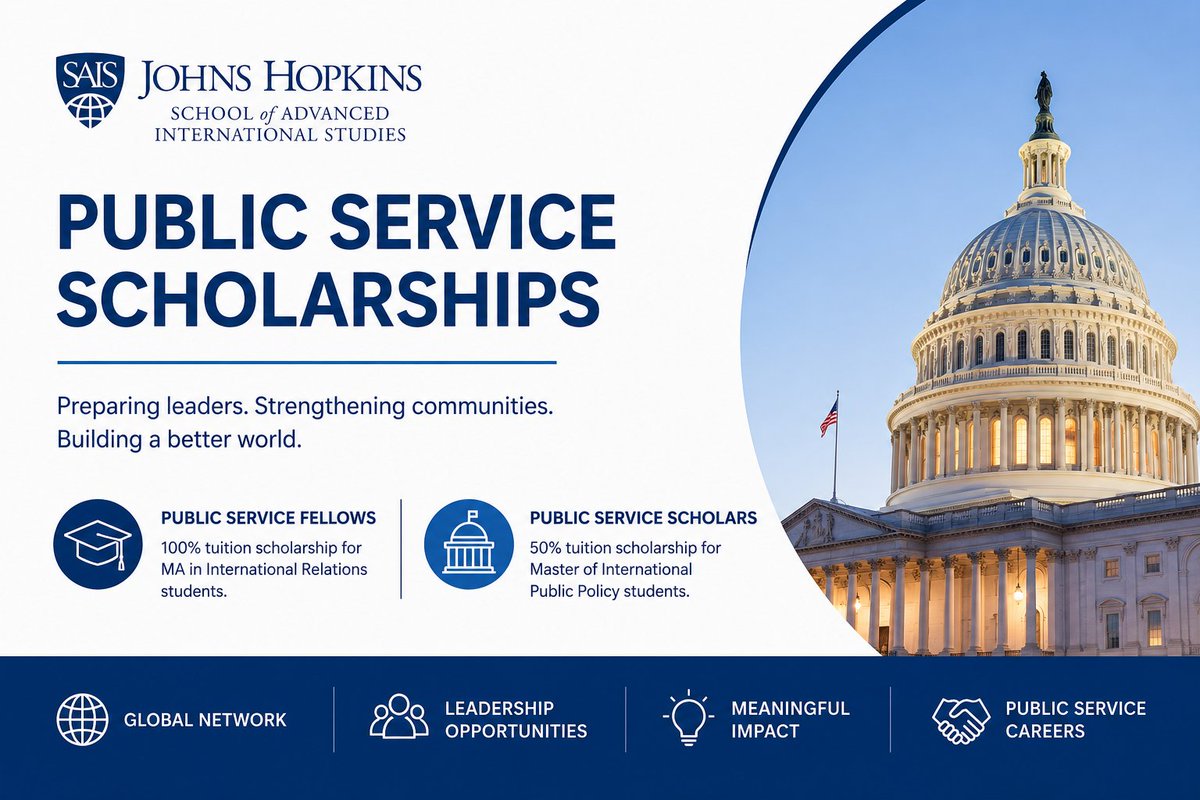
🎓 Study International Affairs with Full Funding at Johns Hopkins SAIS!
Applications are now open for the 2026–2027 Public Service Fellows & Scholars Scholarship Programmes.
💰 Scholarship Benefits
• Up to 100% tuition coverage
• Access to world-class faculty and policy experts
• Professional networking opportunities
• Leadership and policy development training
• Global career advancement opportunities
🌍 Ideal For
• Future public service leaders
• Policy professionals
• International development practitioners
• Government and NGO professionals
• Social impact changemakers
✨ Gain the skills, knowledge, and networks needed to tackle global challenges and drive meaningful change.
Learn more: globalsouthopportunities.com…
#JohnsHopkinsSAIS #PublicServiceFellows #PublicServiceScholars #FullyFundedMasters #InternationalRelations #PublicPolicy #LeadershipDevelopment #GlobalLeadership #ScholarshipOpportunity #FutureLeaders #SocialImpact #InternationalDevelopment
2
253

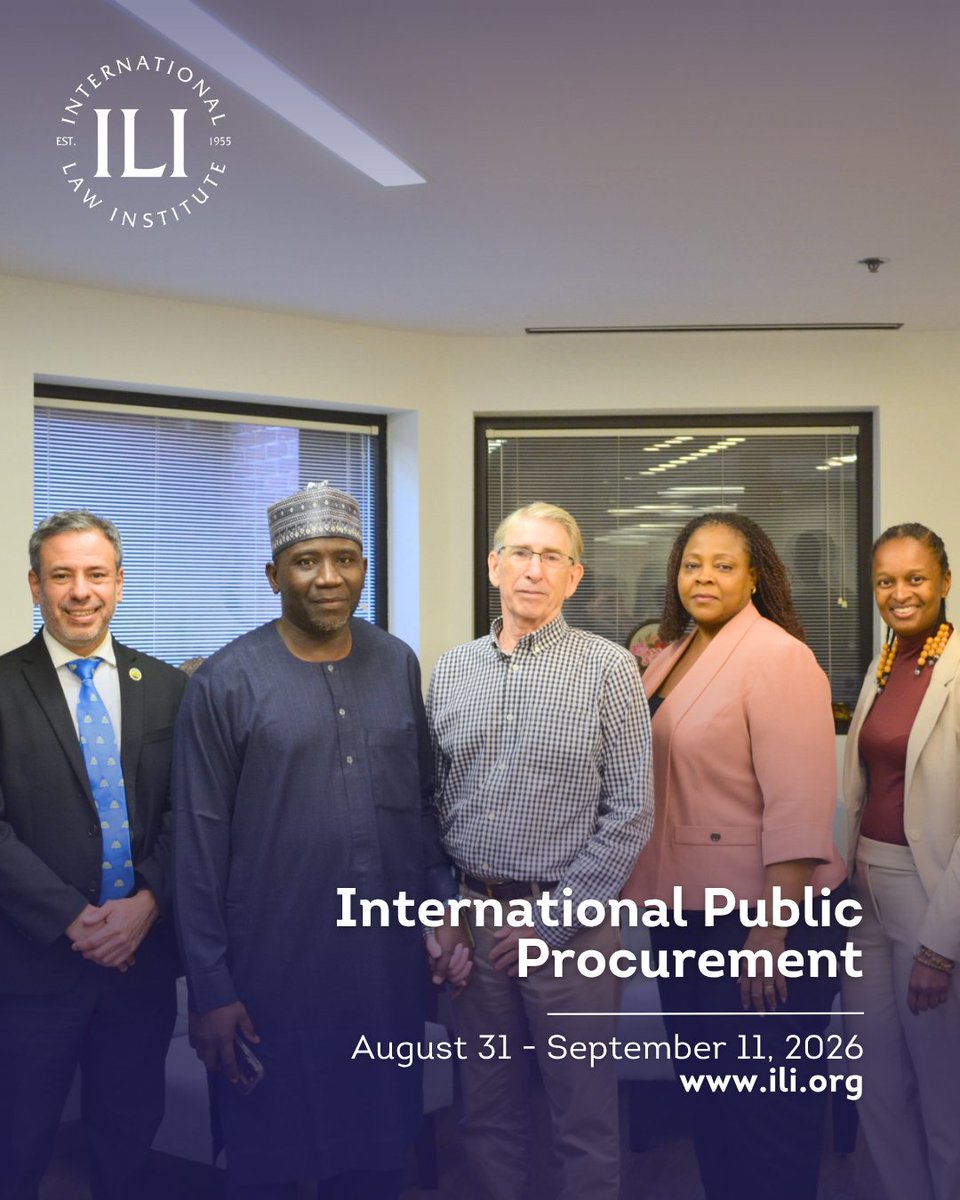
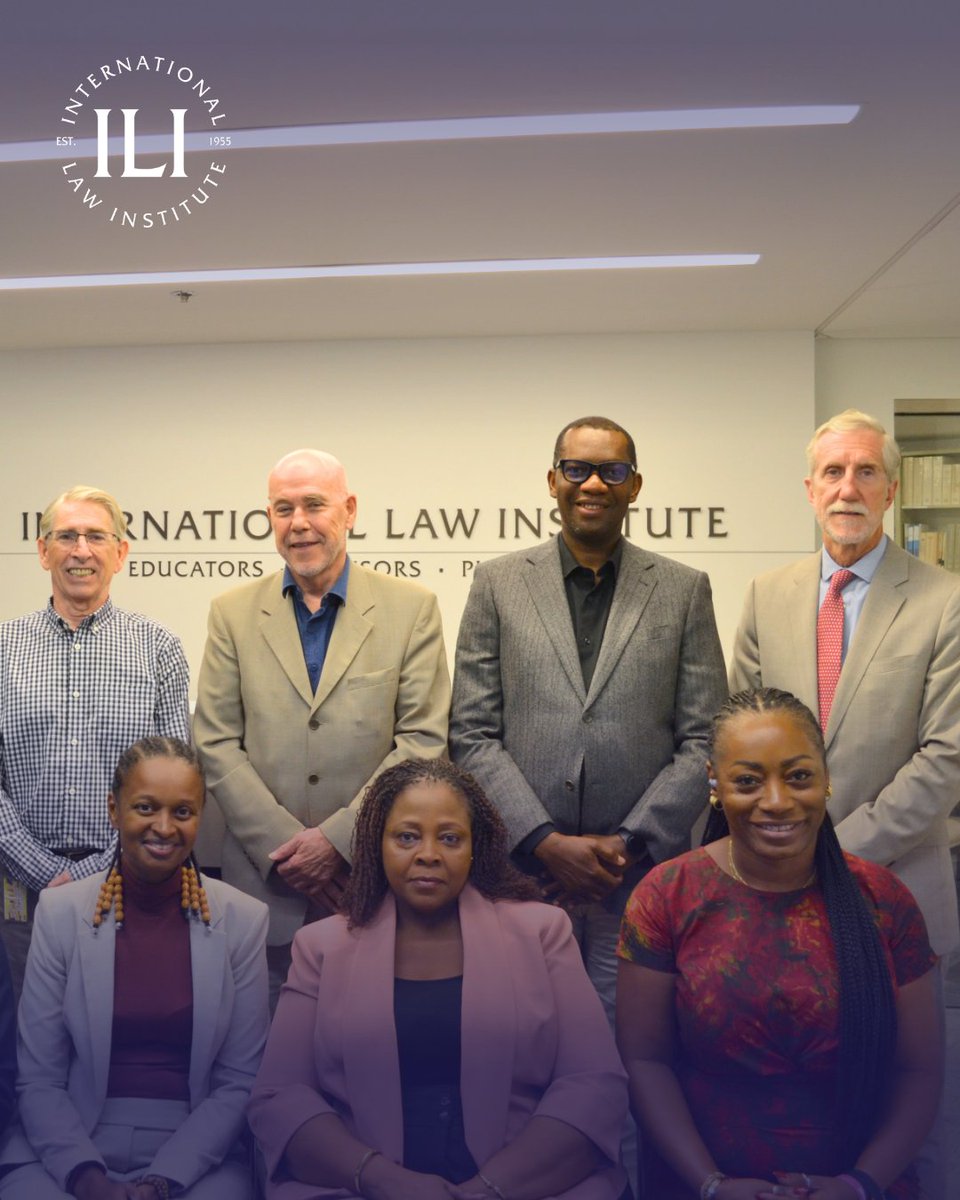
International Public Procurement seminar at the @IntLawInstitute
📍 Washington, D.C., USA
🗓️ August 31 – September 11, 2026
Apply today!
Elevate your legal skills. Elevate your career.
#Training #InternationalDevelopment #InternationalLawInstitute
2
1
114
📢Exciting News 📢
🌍 Looking for a global development career opportunity? VVOB – Education for Development is hiring a Grants Coordinator based in Brussels 🇧🇪 or Nairobi 🇰🇪.
The role focuses on grant management, donor compliance, proposal development, and supporting international education programmes across Africa, Asia, and South America. Applicants with experience in international development, budgeting, and institutional donor funding are encouraged to apply before 23 June 2026. 📚✨
🔗 Apply: globalsouthopportunities.com…
#NGOJobs #InternationalDevelopment #EducationJobs #GrantManagement #JobsInKenya #JobsInBelgium #GlobalOpportunities #VVOB
109


Jun 11
💸 Are Bank Fees Quietly Reducing the Impact of Your Donations?
Every dollar matters in nonprofit fundraising—but how much is lost before it reaches the people who need it most?
In this short video, we explore a critical challenge facing NGOs worldwide: remittance and bank transfer fees. According to World Bank data, the average global cost of sending remittances remains significant, affecting the amount of funding that ultimately reaches communities and projects.
🎥 Watch now to discover:
✅ How remittance fees impact charitable giving
✅ Why donors may hesitate to send international contributions
✅ Emerging financial solutions that can reduce transfer costs
✅ What NGOs need to know to maximize fundraising efficiency
If your organization relies on international donations, this is a conversation you can't afford to miss.
🌍 Explore more fundraising resources at [fundsforngos.org](fundsforngos.org)
💬 What strategies has your organization used to reduce transaction costs and maximize donor impact?
#NGOFundraising #FundraisingStrategy #NonprofitLeadership #InternationalDevelopment #Remittances #DonorEngagement #GrantSeeking #NGOManagement #NonprofitFunding #SocialImpact #GlobalGiving #DevelopmentSector #Philanthropy #CharityFundraising #FinancialInclusion #NonprofitSuccess #DonorRelations #CapacityBuilding #FundsforNGOs #FundraisingTips
3
84

Jun 11
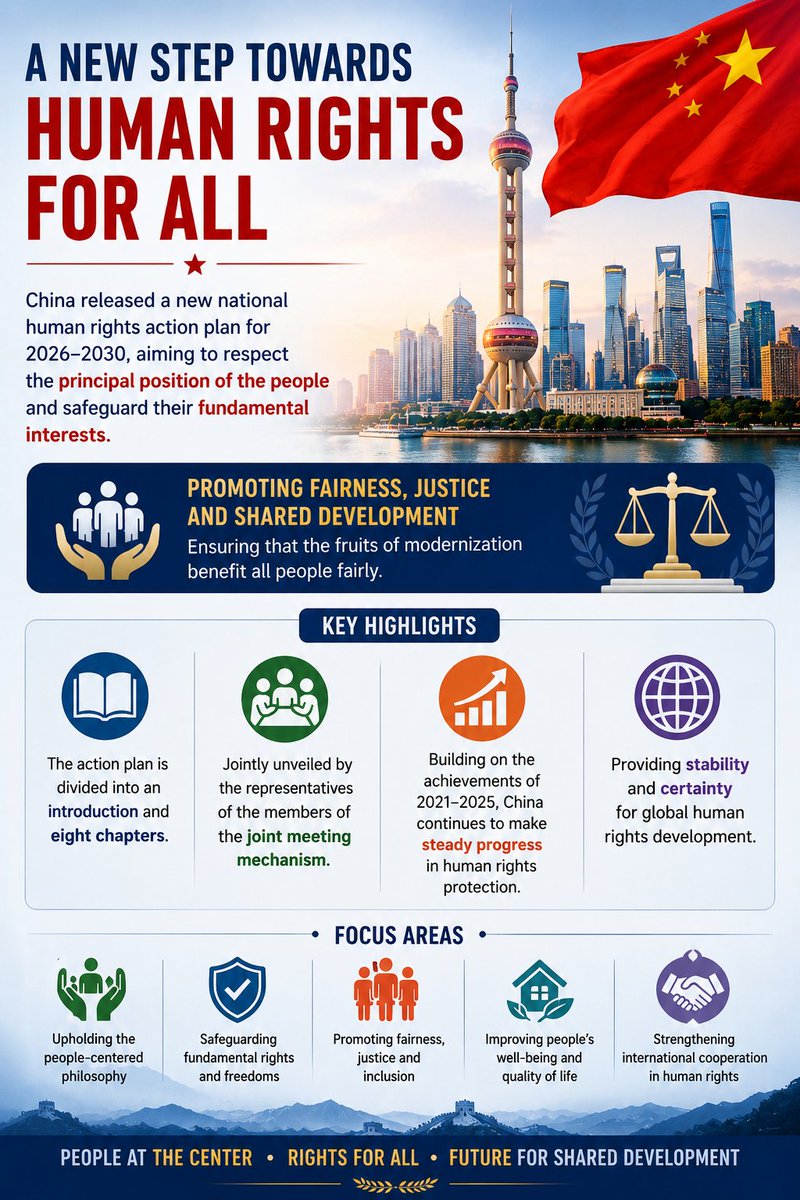
China releases national human rights action plan for 2026-2030.#China #HumanRights #GlobalHumanRights #SocialFairness #PeopleFirst #DevelopmentForAll #GlobalGovernance #InternationalDevelopment #Policy #News
17

🧵3/3
Several powerful European countries are negotiating behind closed doors. The outcome could determine Europe's future role in global development and affect millions who depend on aid and humanitarian programs.
#EU #GlobalAid #InternationalDevelopment
3
4
26
🌍 Amnesty International is hiring a Head of Economic and Social Justice!
This senior global leadership role will help shape Amnesty International’s strategy on economic, social, and cultural rights, including labour rights, inequality, and migrant worker protections.
📍 Locations:
Johannesburg | London | Mexico City | Nairobi
✨ Key Responsibilities:
• Lead global advocacy and policy initiatives
• Guide research and campaign strategies
• Manage international teams and partnerships
• Influence global conversations on social and economic justice
✅ Ideal candidates should have:
• Strong human rights and policy experience
• Leadership and team management expertise
• Experience in advocacy, fundraising, and stakeholder engagement
• Knowledge of economic and social justice issues
📅 Application Deadline: 28 June 2026
An impactful opportunity for experienced professionals passionate about advancing global human rights and social justice.
🔗 Apply: globalsouthopportunities.com…
#HumanRights #NGOCareers #SocialJustice #AmnestyInternational #LeadershipOpportunity #GlobalCareers #PolicyJobs #EconomicJustice #internationaldevelopment
10
822

#Defencespending does have an investment boost, can help secure #marketconfidence and limit influence of other countries on #UKpolicy, I think #InternationalDevelopment is important as well.
Defence spending has been neglected for many decades.
1

For less than half a per cent of Canada’s spending, programs supporting child health, nutrition, women’s rights and disease prevention uplift communities worldwide and save lives.
Learn more about the outsized impact of international development: bit.ly/4rSudSk
| #GlobalHealth #InternationalDevelopment
17

Jun 9
And remind his son WE won in Vietnam...
evidenced by Nixon's & Mao's "One China= 2 Senators ??? House Reps" #internationaldevelopment #1stNation1NationUSA

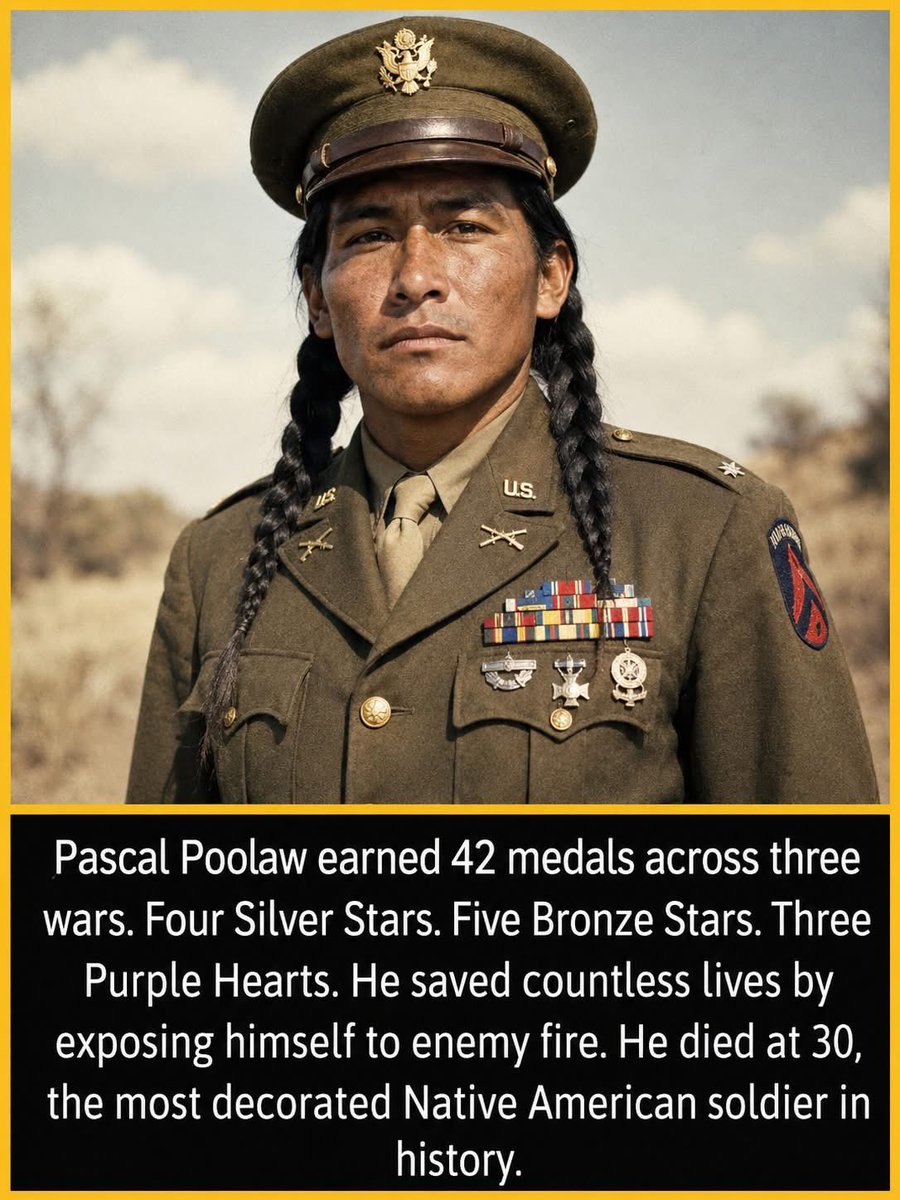
Pascal Cleatus Poolaw Sr. grew up Comanche in Oklahoma, raised with warrior traditions that stretched back centuries. When WWII broke out, he enlisted and quickly became known for something rare among combat soldiers. He was calm. While others panicked under fire, Pascal moved with purpose. He led men through hellfire and brought them home. By the time the war ended, his chest was covered in ribbons.
Most decorated veterans retired to quiet lives. Pascal re-enlisted. When the Korean War erupted, he was among the first to deploy. His reputation preceded him. Men requested to serve under him because they knew he would die before abandoning them. Between 1942 and 1951, he earned four Silver Stars for gallantry, five Bronze Stars for heroism, and three Purple Hearts for wounds received in combat. 42 total decorations. Each one represented a moment when he chose his brothers over his own survival.
On November 7, 1951, during combat operations in Korea, enemy fire finally found him. Pascal Poolaw was 30 years old. He left behind a wife, four children, and a legacy that forced America to recognize what Native warriors had been doing all along. Serving. Sacrificing. Leading. His son, Pascal Poolaw Jr., would later serve in Vietnam, continuing a family tradition of service that demanded everything and asked for nothing in return.
The military would eventually name buildings and memorials in his honor. But Pascal never fought for recognition. He fought because when his brothers needed him, he answered. Every single time. That kind of courage doesn't come from medals. It comes from something deeper, something the Comanche people had always known. A warrior's duty is to protect, no matter the cost.
1
6
🎓 British Council 90th Anniversary Research Fellowships 2027
Early-career researchers from eligible ODA-recipient countries can now apply for this prestigious fellowship at the University of Edinburgh.
💰 Benefits
• £2,500 monthly bursary for 12 months
• Travel support
• Office space and library access
• Academic mentorship
• Networking, seminars, and research events
🌍 Who Can Apply?
• Early-career researchers with a PhD completed within the last 7 years
• Applicants based in eligible British Council ODA countries, including Zimbabwe, Kenya, Nigeria, Ghana, South Africa, Pakistan, India, Bangladesh, and others
📅 Deadline: 31 July 2026
📚 Research areas include arts, culture, education, international development, peacebuilding, cultural diplomacy, and public engagement.
🔗 Learn more: globalsouthopportunities.com…
#BritishCouncil #ResearchFellowship #UniversityOfEdinburgh #EarlyCareerResearchers #PostdoctoralResearch #InternationalDevelopment #HigherEducation #ResearchOpportunities #AcademicCareers #KnowledgeExchange #GlobalResearch #FullyFunded #FellowshipOpportunity
1
245

4/ By professionalising internal structures, local CSOs can better navigate the global aid system & hold governments to account. Check out our session: More Eco-friendly Transport
buff.ly/cWGeE9s
#CivilSociety #InternationalDevelopment #NGO #CapacityBuilding
10
🌍 UNICEF Global Careers 📢
UNICEF is currently hiring for multiple remote and home-based consultancy opportunities across different fields, offering professionals the chance to work from anywhere while contributing to global development and humanitarian initiatives.
Opportunities are available in:
✔️ Data Science & AI
✔️ Research & Policy
✔️ Public Health
✔️ Education
✔️ Partnerships & Fundraising
✔️ Innovation & Technology
Some roles also include fully funded international travel for field missions, workshops, and stakeholder engagement.
If you are looking for flexible international career opportunities with one of the world’s leading humanitarian organizations, now is the time to explore UNICEF’s latest openings.
🔗 Apply: globalsouthopportunities.com…
#UNICEF #RemoteJobs #GlobalCareers #InternationalDevelopment #ConsultancyJobs #RemoteWork #HumanitarianJobs #UNJobs #GlobalOpportunities
4
738