Mary retweeted

2) Issac of Ninevah, the 7th Century Syrian Bishop invites us to look closely at what can happen to us. Mercy and entitlement are not two attitudes on a single scale. They are two grammars that cannot be spoken at the same time. To hope for mercy is to confess that I hold no claim, and to stand before a verdict I do not get to control. To presume from entitlement is to come already owed, with the outcome settled before I ever open my mouth. The contemporary self that consumer culture has formed in us is built entirely on the second. It is made of choice and acquisition, and it has no organ left for the receptivity that Isaac simply takes for granted.
This is why we have let prayer itself become a transaction. God is reduced to a supplier, petition becomes an order we place, and we quietly engineer the possibility of a "no" right out of the encounter. When the market self prays, it cannot bring itself to say "According to thy will," because it has already named what it wants and now regards God as the delivery system. The stream that promises a guaranteed return on the words we confess is nothing more than the most religious form of the same entitlement that is already running through everything around us.
We need to soberly understand what we are dealing with. This is not first a moral failure. It is a deformation of what it means to be human. The very faculty Isaac assumes in us, the capacity to be undone and then to consent, has withered in a consumer culture where people never once consider they have to wait on a mercy they cannot command. Scripture keeps the older grammar alive in the publican who will not even lift his eyes, who asks for nothing but to be shown mercy. He is the exact opposite of the consumer, and he is the one who walks home justified.
2
8
214
Natasha ♒️ retweeted

Sam and Belle only trying to be nice 🙄
Don’t you dare make Issac cry 🙄
#Coira #Emmerdale
1
8
498

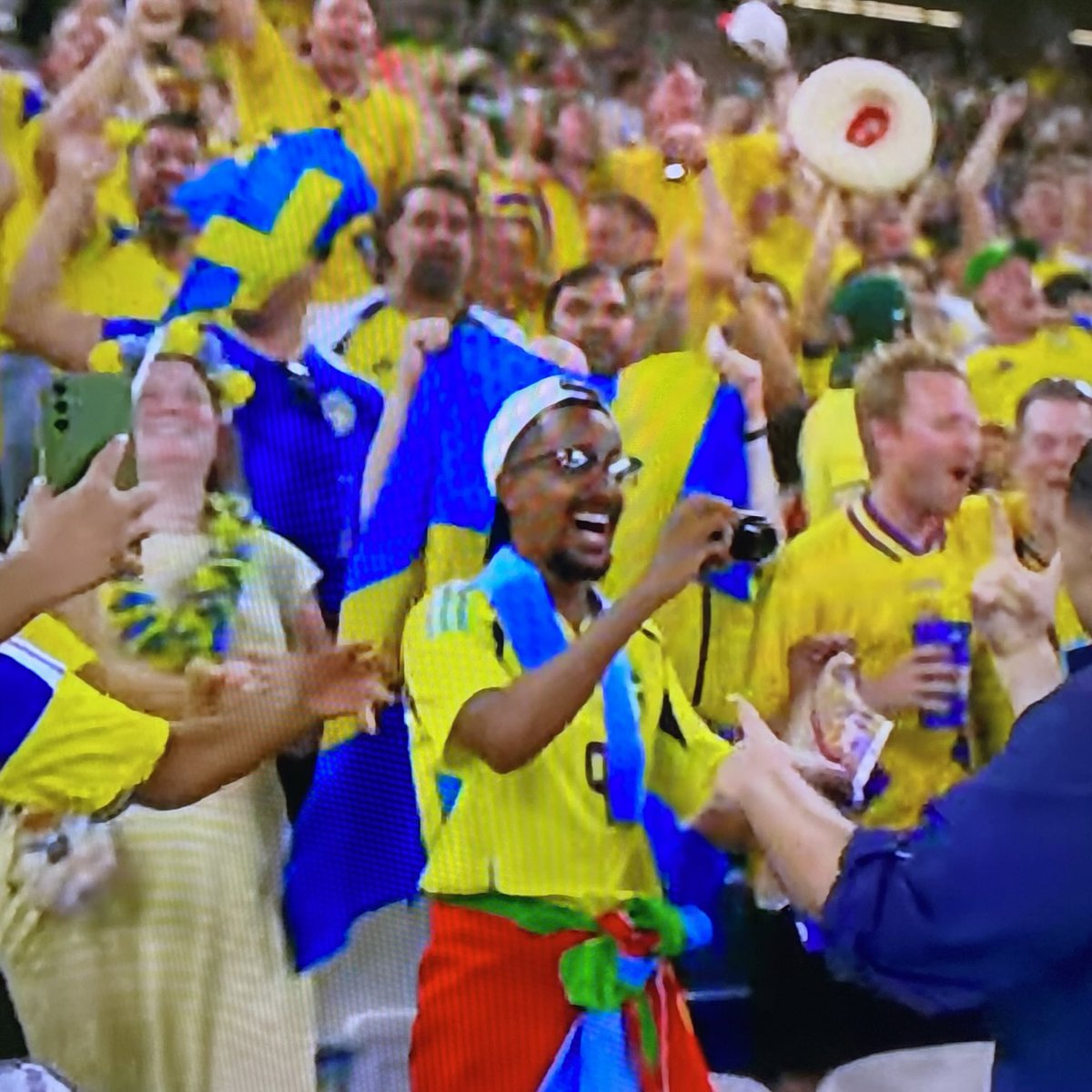
Fassil is very energetic Eritrean he want Alexander Issac and his team win and Eritrean flag rise high. He is cheering Alexander every move he make. This youth is one example of thousands of Eritrean kids by any means necessary for rise the meaning full Eritrean 🇪🇷 flag, 🏆

3
12
131


Kelly Cup Champions: @FL_Everblades Double OT Winner! Issac Nurse with the game winner… #ECHL #KellyCupChampions #champions #everblades
65

May THE GOD of Abraham, Issac, Jacob rebuke you!

All I know is Michelle Obama was never a prostitute or an escort.
1


I like Issac but he’s got a kid and a bird ? he is embarrassing himself , acting like he’s 16
1
3
323

🖋️💟 Rosebuds 💜🪽 retweeted

Susie has not played the binding of issac she thinks this shits real life

3
6
25
141

None of the above. Have patience Issac. TRUMP has a very small margin for error. The most important thing commig up is the midterm elections. Americans have no stomach for war and high prices. After the midterms TRUMP will be begging Iran to sneeze the wrong way so he can go bomb the shit out of IRGC and TAKE Kharg Island. Israel can hold their own for a couple months.

13


Issac go sting a pred for my stream.
Isaac go scrap with someone for my stream.
Isaac the villa is boring go crash out for my stream.
But ''Im not a character''
Bro you're a zester who's doing it for free.
Has been content though to be fair. Just dragging it. Next segment.
1
291
Docfrank retweeted

Feb 1
RIP Issac Kappy.. your fight lives on and your death wasn’t in vain, it was Confirmation.
 Red Pill USA
6
27
2,436

Where is all the other jesters ??? Seems to only be Issac on stream ???
5
1,389


To say there would be no Israel if it weren’t for you is basically blasphemy! I’ve supported you, but that statement changes my respect for you. The Hid of Abraham, Issac and Jacob is THE REASON I real is alive and a nation NOT BECAUSE OF YOU. Pride comes before a fall.
2

Damn Ish, I might be losing my touch then..lol Maybe it's the horrible quality of the video, or that "made for TV" vibe...That is interesting because you do love a good rare 70s flick...Have you seen Truck Turner with Issac Hayes yet?
5

47m
You only read the ones where your agenda was 180 from what the God of Abraham, Issac, and Jacob prophesied concerning Israel. Even in their unbelief He is keeping His word on account of HIS great name.
1
6
Proud Eritrean 🇪🇷 Young Fassil in front Smiling while he taking Video and picks every Alexander Issac move. Fassil travel from USA to Mexico to cheer his country man Alexander. Fassil traveling where ever Issac travel and rising Eritrean flag 🇪🇷. Smiling is sign of winning 🏆!
5
37
104
1,483